
Lettuce
Explore our lettuce articles with expert tips, guides, and insights.
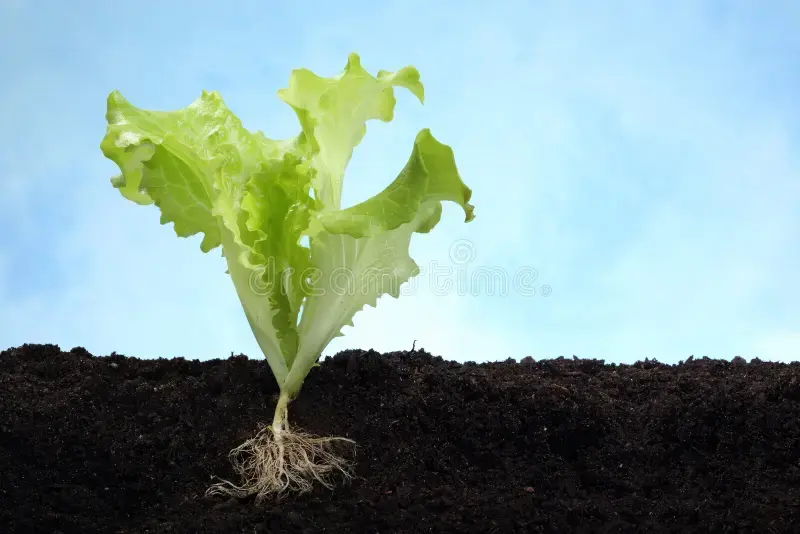
Best Soil for Lettuce: Create the Perfect Growing Medium
Lettuce prefers loamy or sandy loam soils. Loam is the sweet spot for vegetable gardening, containing a balanced mixture of sand, silt, and clay particles. This balance allows loam to drain excess water while retaining moisture available to plants. Loam also holds nutrients longer than sandy soils.
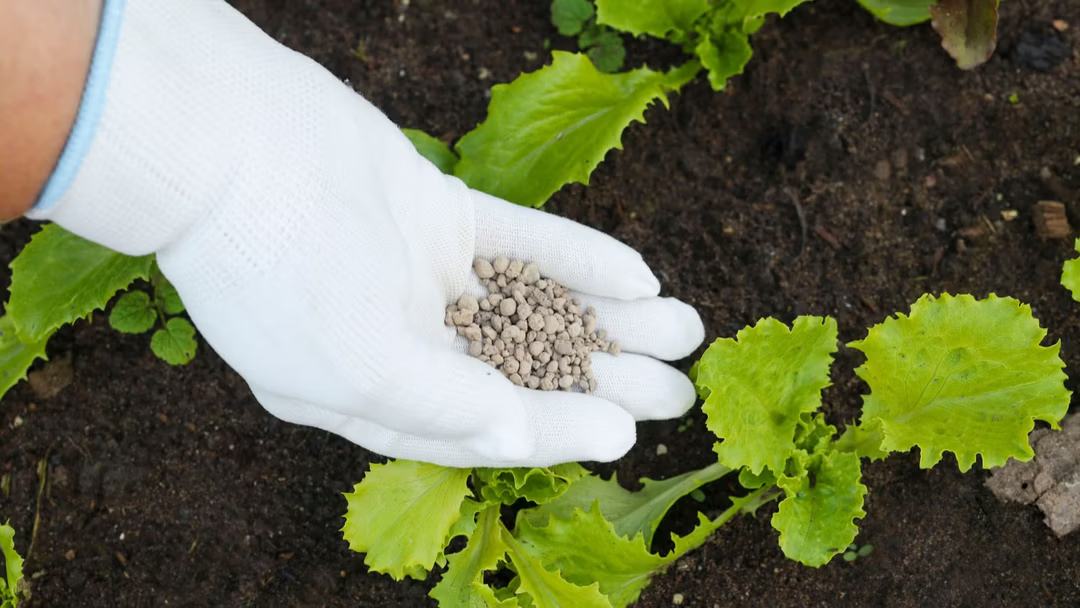
Lettuce Fertilizer Guide: Nutrients for Crisp Plants
Nitrogen is the most critical nutrient because lettuce's entire purpose is producing leaves. Nitrogen promotes the lush, green foliage that makes quality lettuce. Without sufficient nitrogen, leaves emerge pale and growth stalls. Phosphorus and potassium matter too, supporting roots and disease resistance.
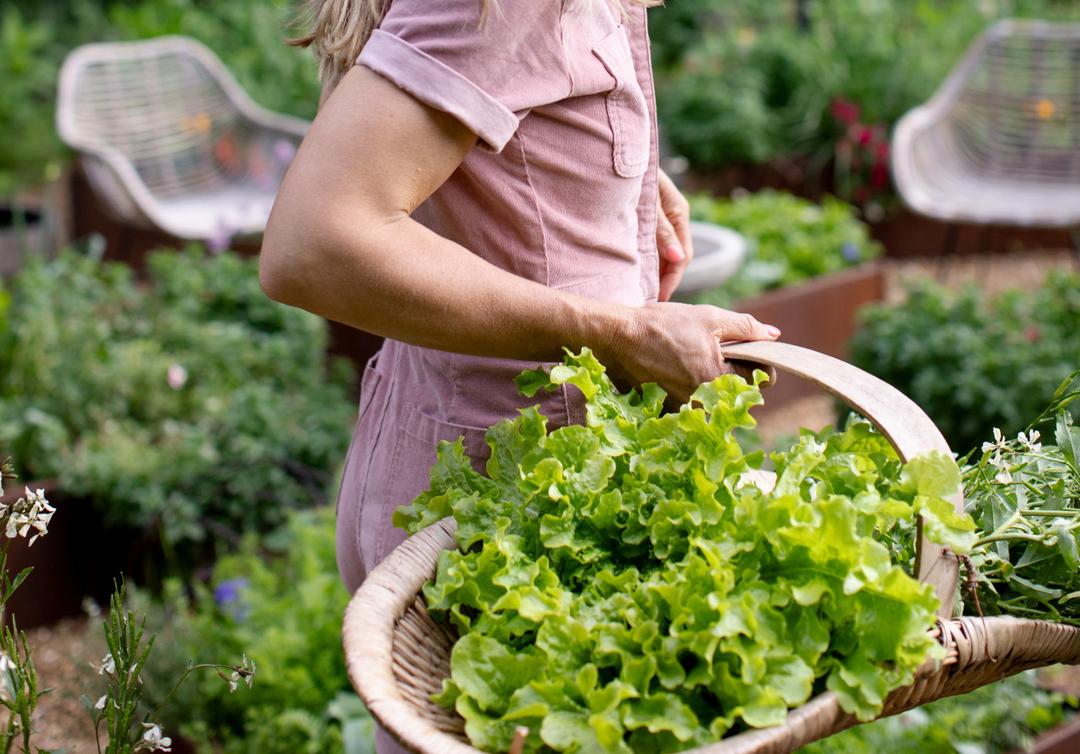
How to Harvest Lettuce: Techniques for Maximum Production
The cut and come again method is the gentlest harvesting technique. Wait until your lettuce has six healthy outer leaves. Using sharp scissors, remove only the outer leaves one inch above where they meet the stem. Take no more than one third of the plant. This allows continuous production for weeks.
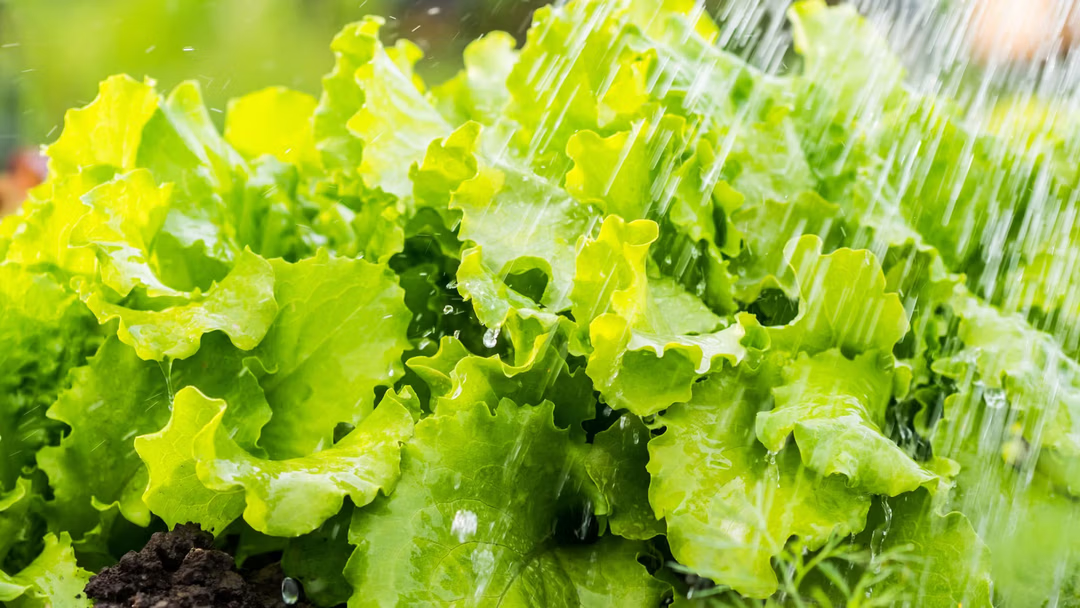
Lettuce Watering Guide: How to Water the Right Way
Lettuce plants have shallow roots living in just the top 6 to 12 inches of soil. This means lettuce can't tap into deeper water reserves. It also means the plant is highly sensitive to dry spells. Consistency matters more than frequency for watering success.
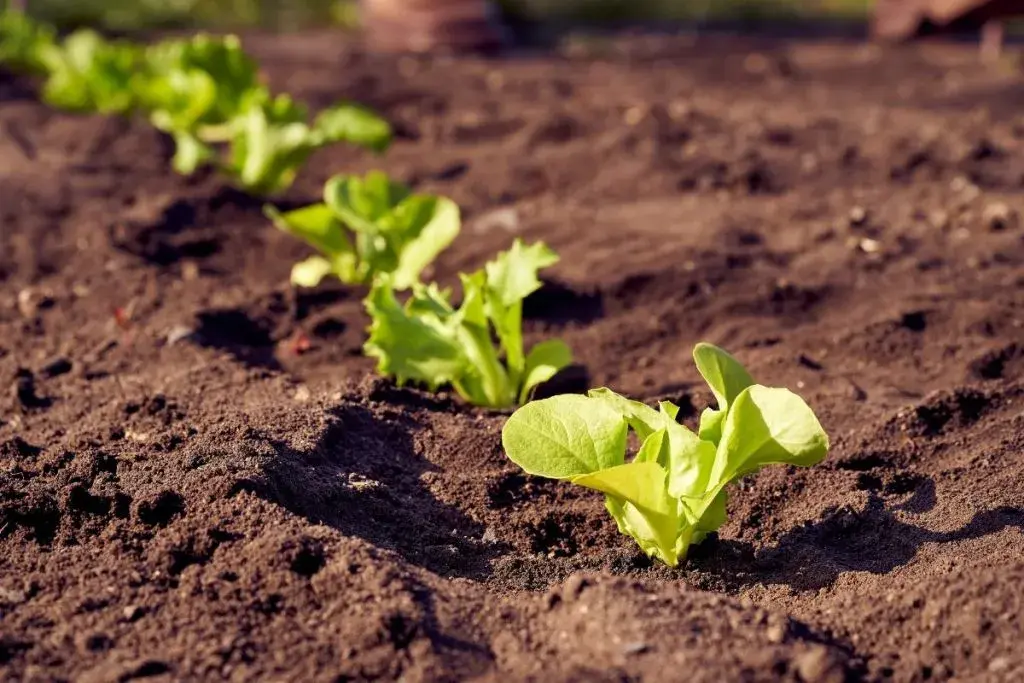
How to Grow Lettuce: The Complete Guide from Seed to Harvest
Growing lettuce is one of the easiest ways to enjoy fresh salad greens. Plant seeds 1/4 inch deep in cool weather (60-70°F). Harvest at 45-60 days using cut-and-come-again method for multiple pickings. Succession plant every 2-3 weeks for continuous supply. Water consistently with 1-2 inches weekly.
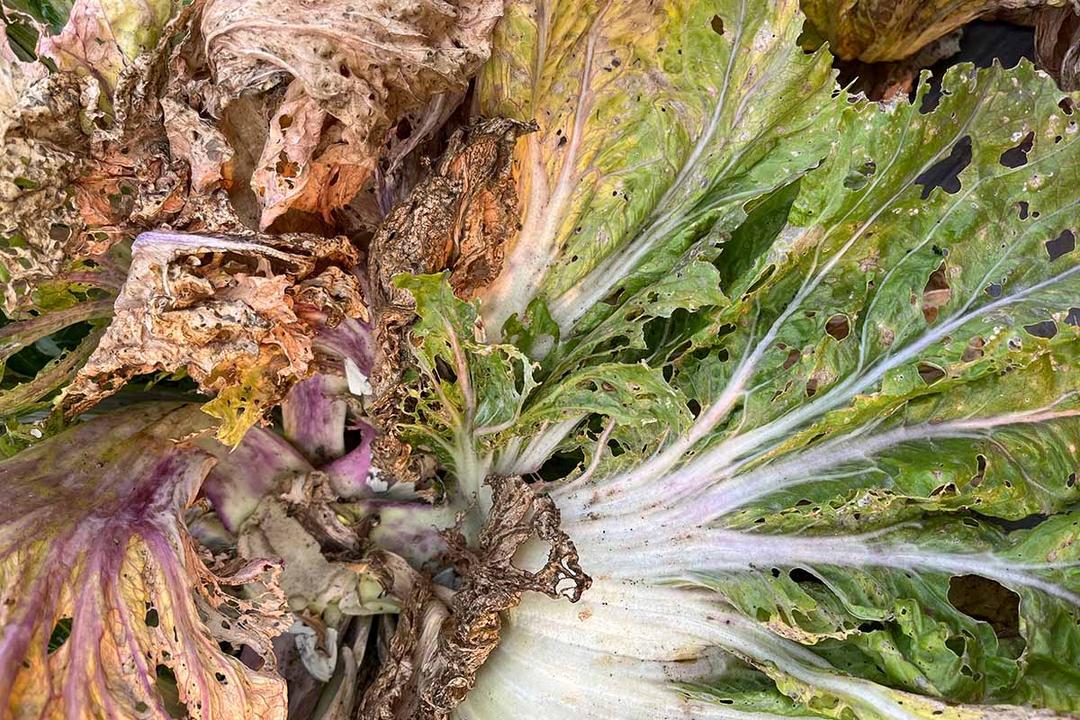
Lettuce Disease Treatment: Guide to Prevention and Cure
Lettuce diseases destroy crops quickly without prevention. Downy mildew thrives in cool, wet (60-65°F) conditions. Powdery mildew prefers warm, dry weather. Damping off has no cure so prevention is critical. Use resistant varieties, proper spacing (8-10 inches), drip irrigation, and preventative fungicides for healthy lettuce.
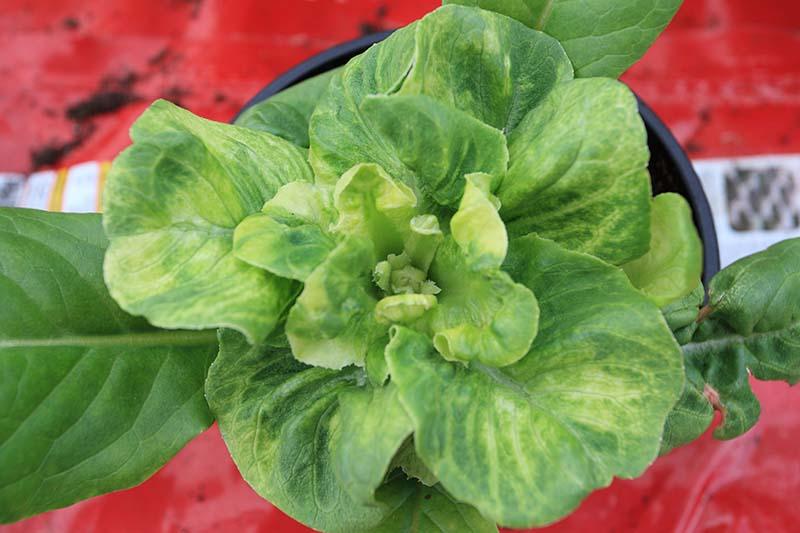
Lettuce Mosaic Virus: The Complete Guide
Lettuce mosaic virus (LMV) stands as one of the most significant viral threats to lettuce production worldwide, potentially destroying entire harvests if left unchecked. This invisible enemy affects all lettuce varieties. Whether you're a commercial farmer or home gardener, understanding and managing LMV is essential for maintaining healthy, marketable crops.
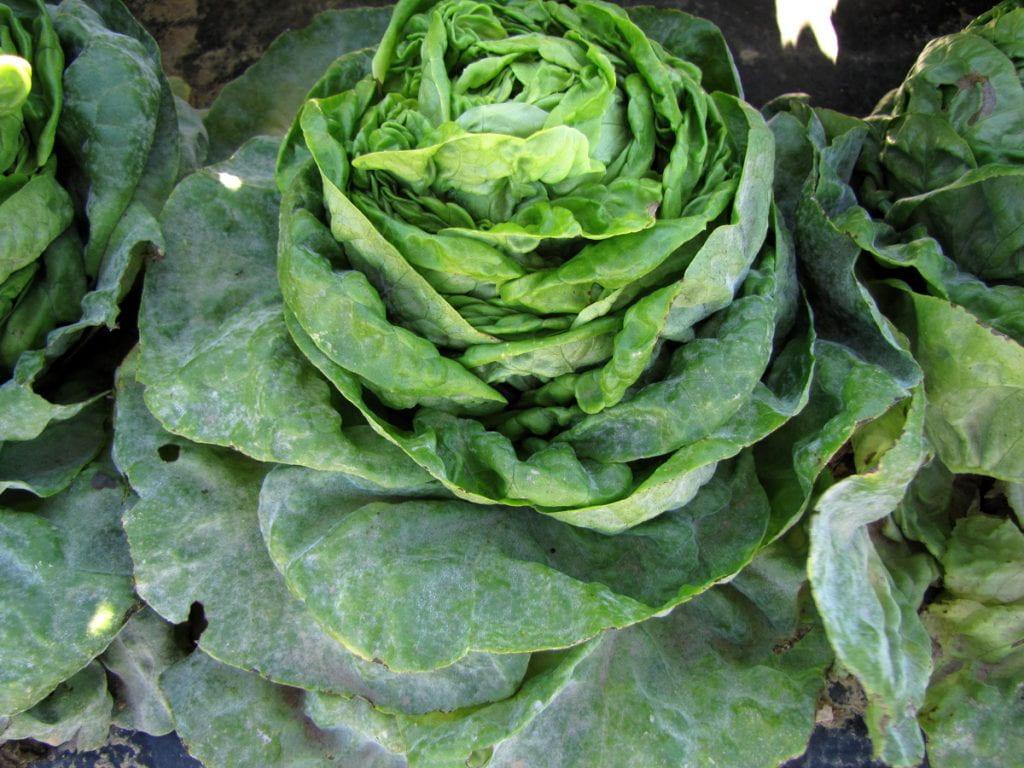
Lettuce Powdery Mildew: The Complete Guide
Lettuce powdery mildew, caused by Golovinomyces cichoracearum, appears as gray white powdery growth on leaf surfaces. Within 7-10 days of infection, visible mycelium develops, reducing photosynthesis and causing up to 30% yield loss. Early detection is crucial, as disease can spread from 10% to 70% of leaves in one week.
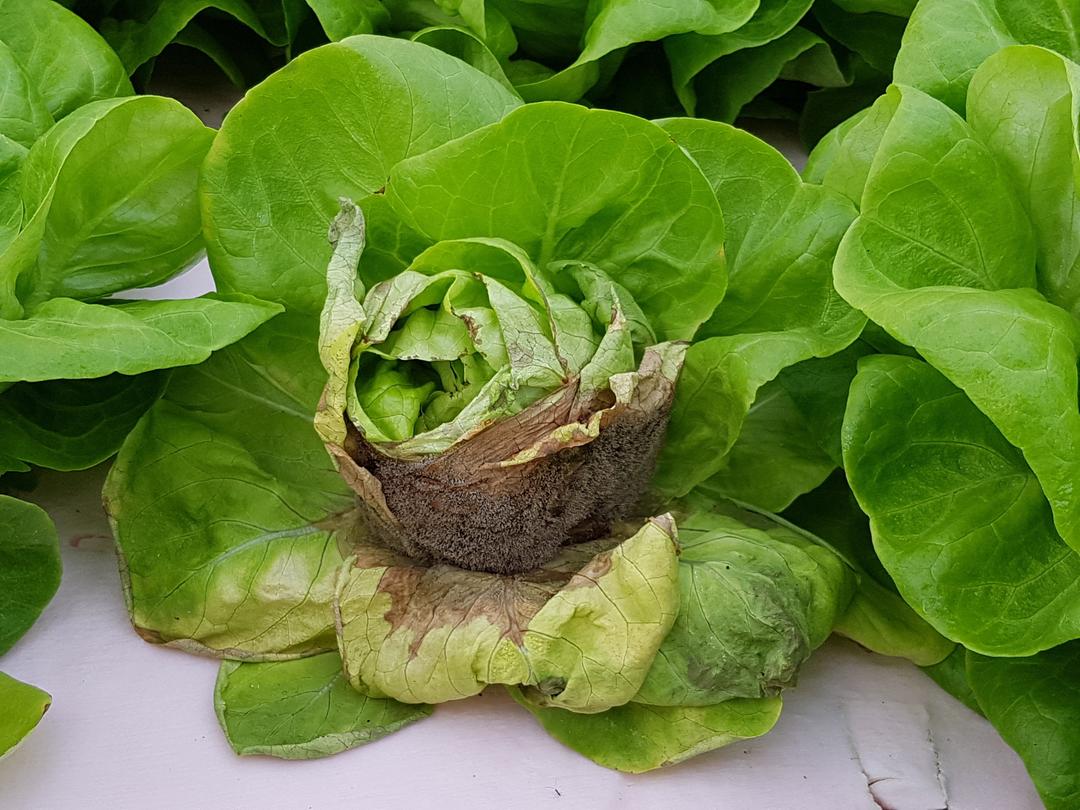
Understanding Lettuce Gray Mold: Complete Guide
Lettuce gray mold, caused by Botrytis cinerea, devastates crops in cool, moist conditions. This fungal disease spreads through airborne spores and water, affecting plants before and after harvest. Prevention through sanitation, proper irrigation, and air circulation is essential. Fungicide resistance management and biological control agents offer additional protection for successful lettuce production.