There's nothing quite like walking into your garden and picking fresh, crisp lettuce for dinner. You bite into a leaf and taste the sweetness that store bought lettuce simply cannot match. But harvesting lettuce properly is an art form many gardeners don't master. Some pick too much too soon and kill their plants. Others wait too long and watch their lettuce turn bitter and tough as it bolts. The good news is that with the right technique, you can harvest from the same lettuce plants for weeks, enjoying continuous fresh salads throughout the season. This guide covers everything you need to know, when to harvest, the best harvesting methods, how to prevent bolting, storage tips, and strategies for extending your harvest all season long.
When Your Lettuce Is Ready to Harvest
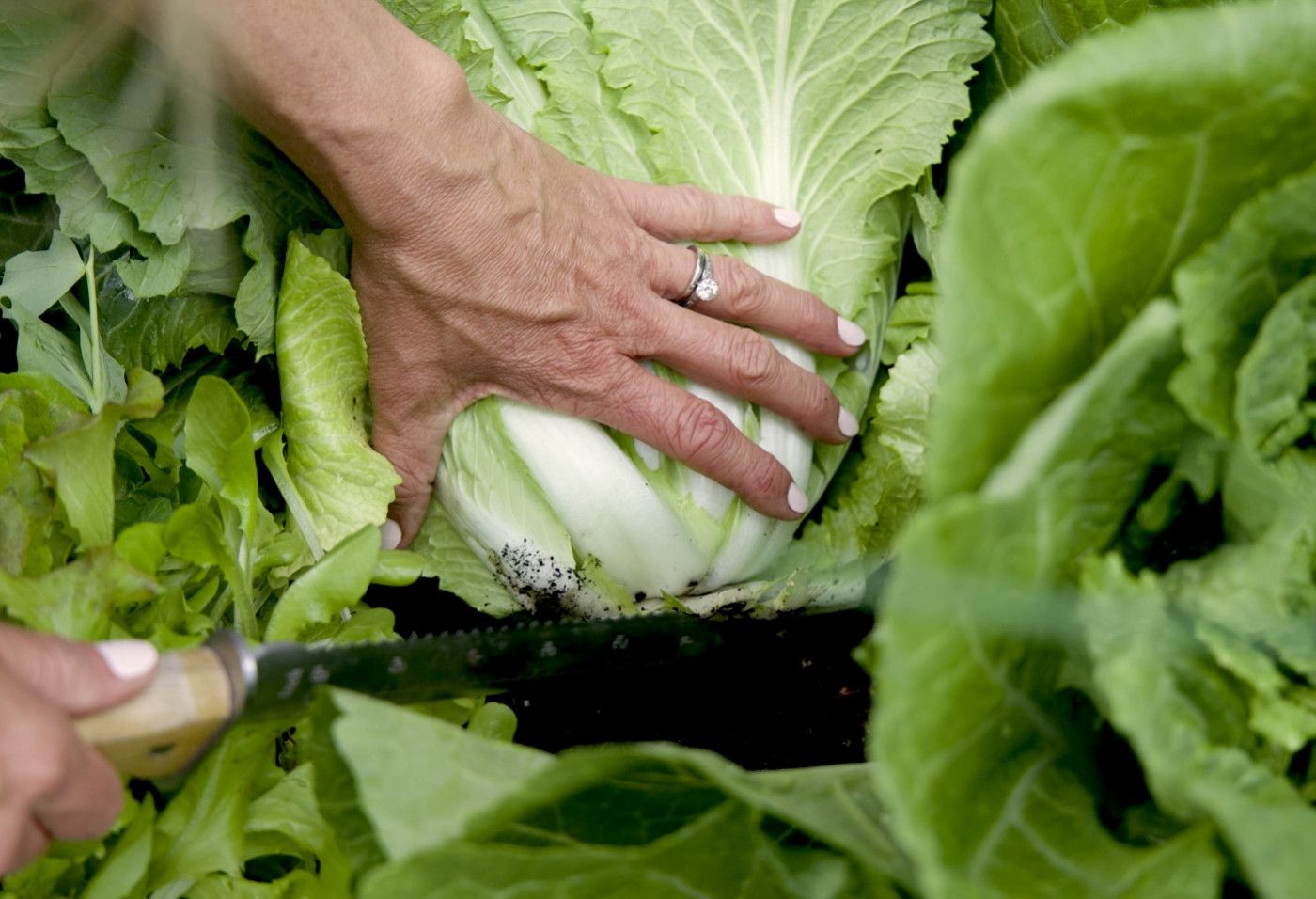
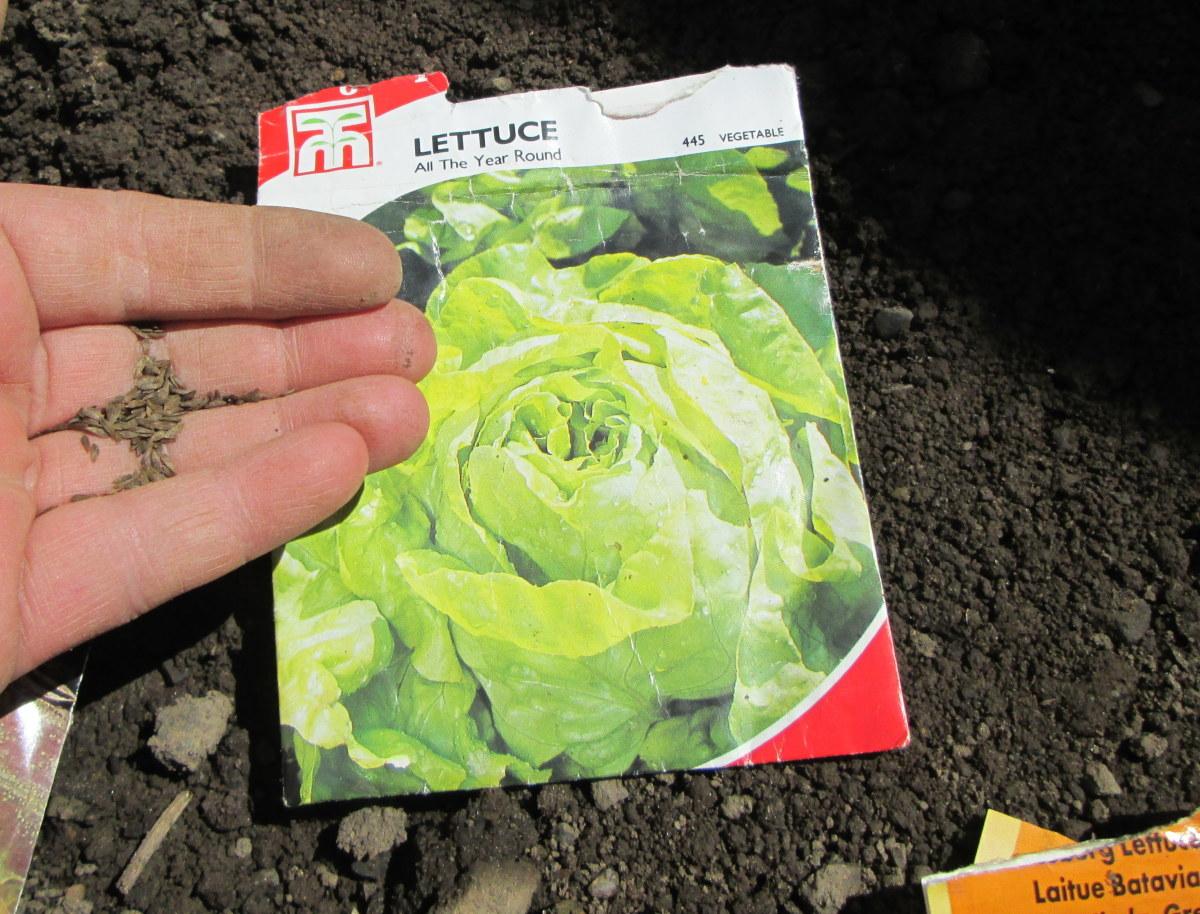
Knowing when to pick lettuce is the first step to success. The timing depends on what type of lettuce you grow and what size you prefer. Baby lettuce leaves become ready to harvest as soon as they reach a couple of inches in length. If you're growing leaf lettuce, you can begin harvesting once the plant has developed about six healthy outer leaves. This typically happens three to four weeks after planting from seed.
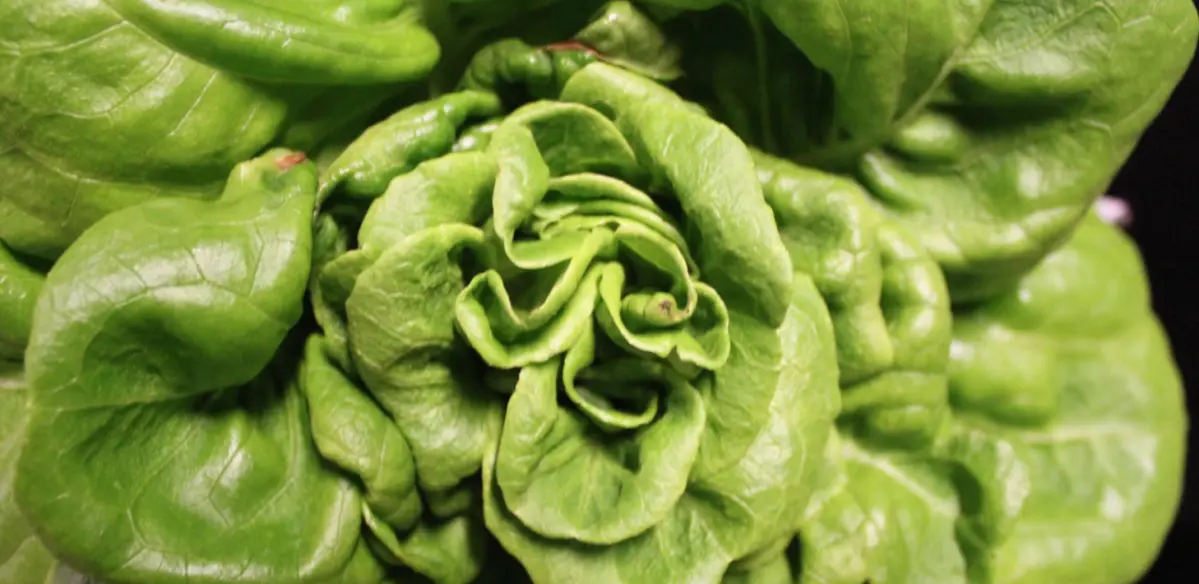
For head lettuces like romaine or buttercrunch, you'll know the time is right when the head feels firm and well-shaped. The head should be compact with good color. This usually takes four to six weeks from planting, though some varieties mature more slowly. Check your seed packet for the specific days to maturity for the variety you chose.
Timing of day matters more than you might think. The best time to harvest lettuce is in the early morning, between six and eight o'clock, when the leaves are crisp and full of moisture from the cool night. At this time, your lettuce tastes better and stays fresher longer. Avoid harvesting in the heat of the afternoon when the plant is stressed. The leaves will be limp and less flavorful.
One critical sign tells you harvesting time has arrived: taste a leaf. If your lettuce still tastes sweet and tender, you're in the harvest window. If you notice bitterness, the plant is beginning to bolt, and you'll want to adjust your approach. This bitter flavor develops when lettuce shifts from producing leaves to producing flowers and seeds.
Three Proven Harvesting Methods
You have choices when it comes to harvesting. Different methods serve different purposes, and knowing all three gives you flexibility based on your needs and how much lettuce you want to take.
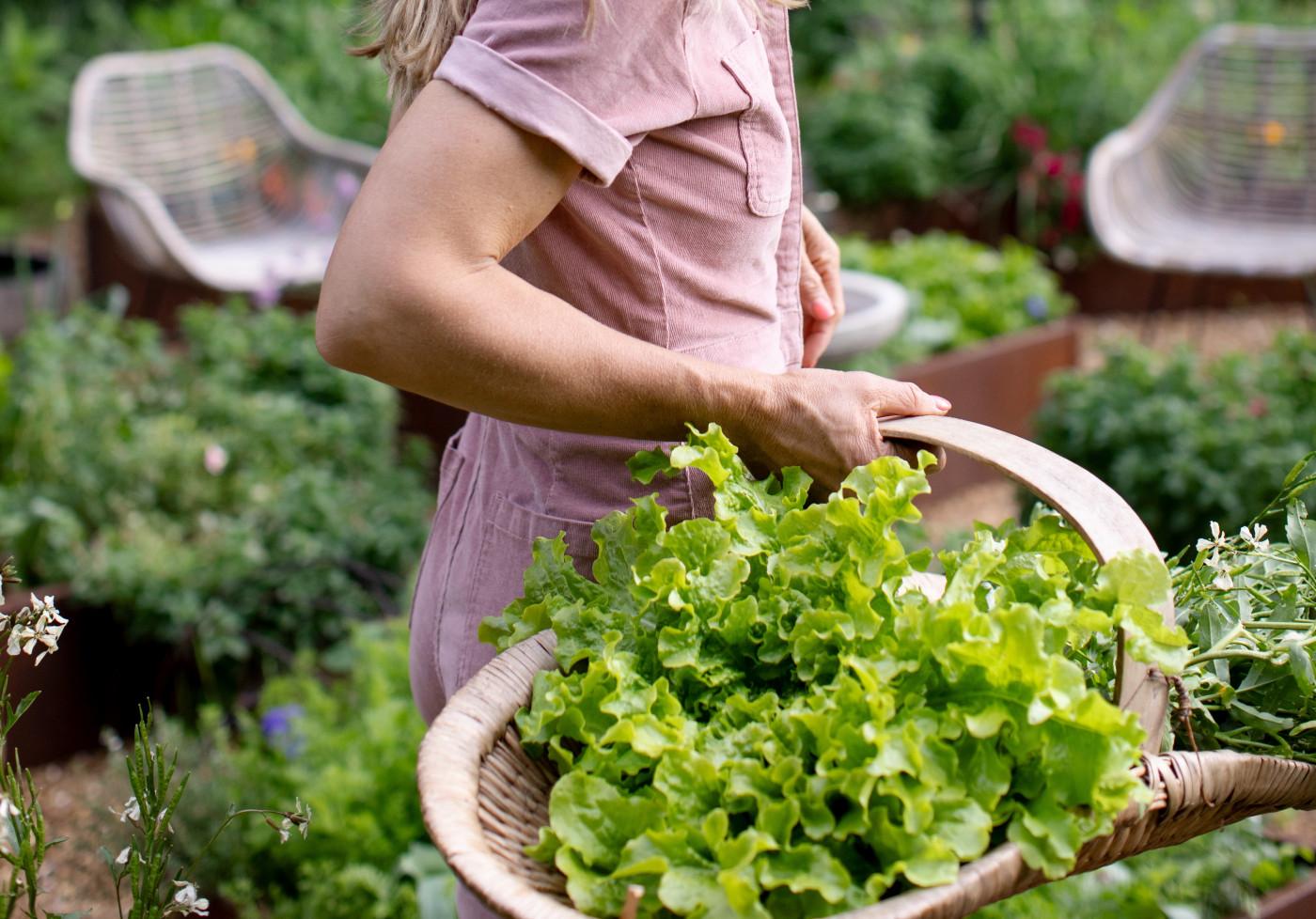
The cut and come again method is the gentlest approach. This technique allows plants to keep producing for weeks. Start by waiting until your lettuce has developed at least six good leaves. Using sharp scissors or garden shears, carefully remove only the outer, larger leaves from the base of the plant. Cut about one inch above where the leaves meet the stem. The trick is taking no more than one third of the plant at once. By harvesting the outer leaves, you direct the plant's energy toward the center, where new leaves continue forming.
This method works exceptionally well because it mimics natural plant function. Outer leaves are older and larger while inner leaves are young and tender. By removing older foliage, you encourage continuous new growth. Most gardeners find they can harvest from the same plant three to four times throughout the season using this method. After each harvest, the plant typically takes one to two weeks to produce enough new growth for another picking.
The ponytail chop method is faster and less time consuming. Instead of picking individual leaves, you grab a handful of outer leaves as if gathering hair for a ponytail. Use clean scissors to cut below your hand, leaving the bottom three to four inches of the plant intact. This method lets you harvest multiple plants quickly, gathering enough lettuce for several salads in minutes. The downside is that the plant needs more recovery time, usually one to two weeks, before new growth emerges for another harvest. However, when you do harvest this way, you get more total lettuce per picking than with cut and come again.
The head harvest method is the quickest but ends the plant's productive life. Using a clean pair of scissors, sharp knife, or pruning shears, cut through the base of the plant right at soil level. This removes the entire lettuce head in one go. Leave the roots in place to preserve soil microbes and avoid disturbing neighboring plants. Once the head is harvested, pull the plant and replace it with a new seedling for another crop. Head harvesting makes sense when you want to clear space, when the plant is beginning to bolt, or when you need a large amount of lettuce at once.
Recognizing and Preventing Bolting
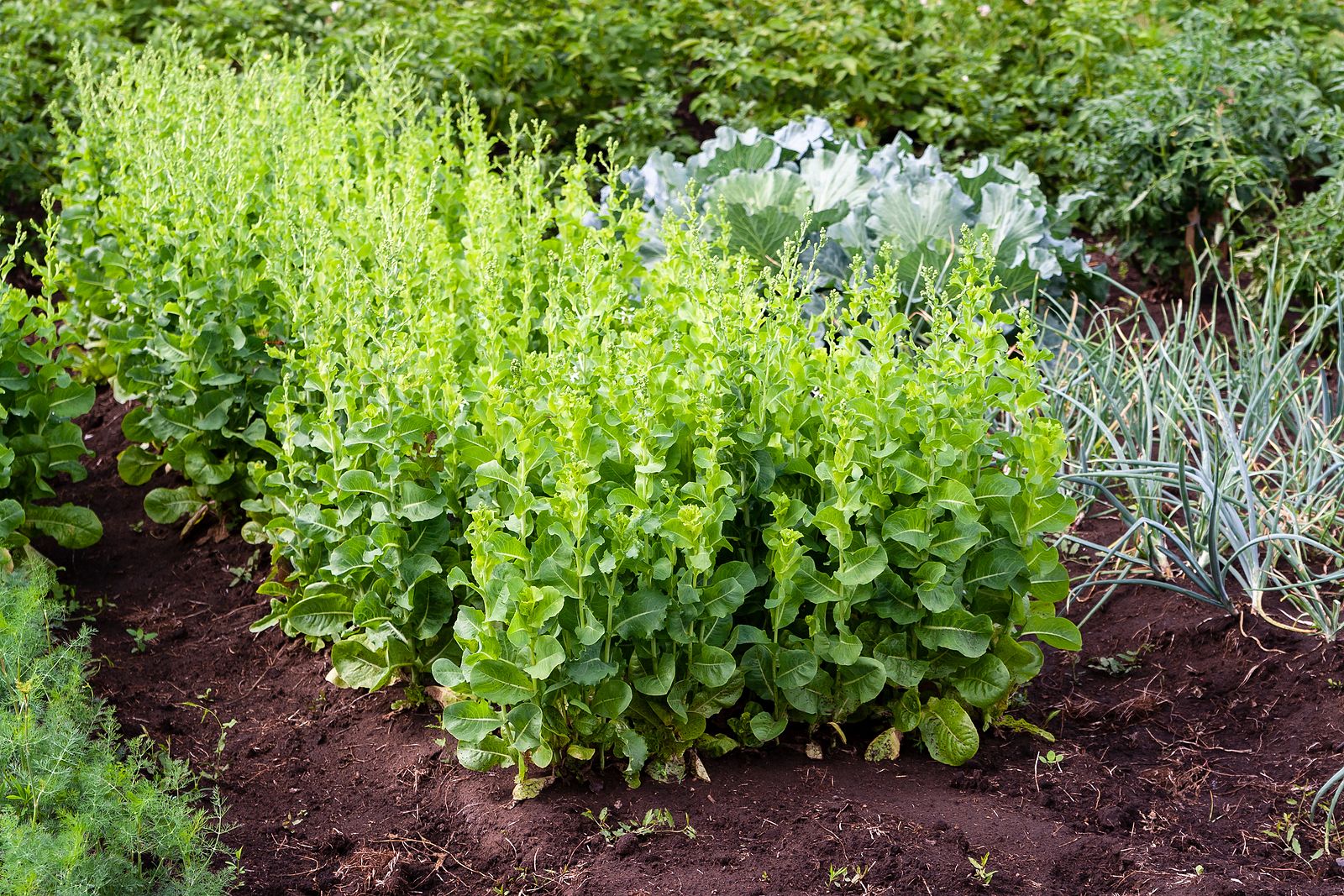
Bolting happens when lettuce shifts from leaf production into flower and seed production. This natural plant cycle is triggered by heat, long daylight hours, and plant maturity. When bolting occurs, your lettuce becomes nearly inedible. The leaves turn bitter, the texture becomes tough and woody, and the plant stops putting energy into new growth.
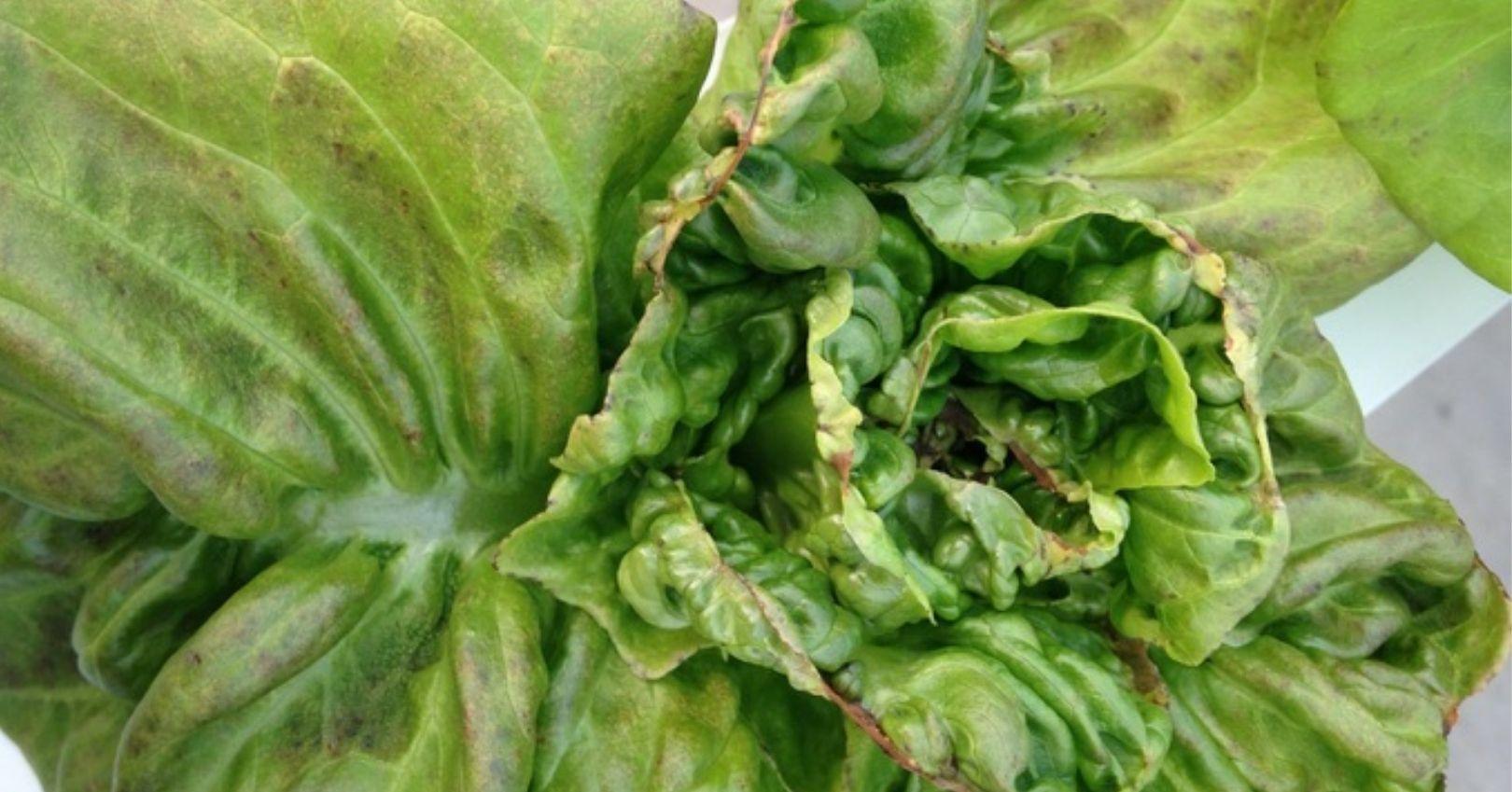
Watch for specific signs that bolting is starting. The center of the plant will begin to elongate and stretch upward. A thick seed stalk emerges from the middle of the plant where leaves once formed tightly together. The formerly sweet leaves develop a noticeable bitter taste. Once you taste bitterness, bolting has already begun.
Preventing bolting extends your harvest season dramatically. Choose heat tolerant varieties specifically bred for bolt resistance. Varieties like Muir, Panisse, Rouxai, and Red Fire perform better in warm weather than standard varieties. However, even heat tolerant varieties have temperature limits they can't exceed.
Consistent moisture is crucial for delaying bolting. Dry soil triggers the plant to shift into seed production mode. Water deeply and regularly, keeping the soil evenly moist but not waterlogged. Mulching around plants with two to three inches of organic mulch helps retain moisture and, most importantly, keeps the soil cool. Mulch is your secret weapon against bolting. Even when air temperatures reach ninety degrees, mulch keeps soil temperature in the comfortable range of sixty-eight to seventy-two degrees.
Provide shade during the hottest months. Use shade cloth over the plants when temperatures exceed eighty-five degrees. Even a simple cardboard tent or shade from taller companion plants like peppers can keep lettuce cool enough to delay bolting. Regular harvesting itself helps prevent bolting. The more you harvest, the longer the plant stays in production mode rather than shifting to seed production.
How to Store Your Harvest
Once you've picked your lettuce, proper storage keeps it fresh and crisp for up to a week. Start by sorting through your harvest and removing any leaves that are yellowed, torn, or insect damaged. These won't improve in storage and take up space.
Fill a bowl or basin with cool water. Add your lettuce leaves in batches and swish them gently to remove dirt and any small insects that may have hitched a ride. This washing is important even if the leaves look clean. Lettuce is grown close to soil, and particles often hide between leaves.
After washing, dry your lettuce thoroughly. Excess water reduces storage life and promotes decay. Use a salad spinner if you have one, as it removes water quickly and effectively. If you don't have a spinner, gently pat leaves dry with a clean kitchen towel.
For storage, roll your dried lettuce leaves loosely in a damp paper towel or clean kitchen cloth. The slight moisture keeps leaves from drying out while the towel absorbs excess water that could cause rot. Place the rolled lettuce in a plastic container or sealed bag and store in your refrigerator. The cold temperatures slow respiration and keep leaves crisp. Your harvest will typically stay fresh and crisp for three to seven days stored this way.
Extending Your Harvest Season
The key to continuous lettuce harvests is succession planting. Rather than planting all your lettuce at once, stagger your plantings every two to three weeks. This ensures you always have plants at different stages of maturity. When one crop finishes, the next is ready to begin producing.
Keep seedlings in flats indoors, growing them to transplant size. Two to three week old seedlings are ready to transplant into the garden. This approach removes seedlings from temperature extremes that can stress young plants and trigger early bolting. It also eliminates the waiting period between harvests. Instead of waiting four to six weeks for seeds to germinate and grow, you transplant established seedlings and have a harvestable plant in just two to three weeks.
Variety selection matters for season extension. Choose cold tolerant varieties for spring and fall crops when temperatures are naturally cool. Select heat tolerant varieties for summer planting. A mixed approach using different varieties throughout the season provides continuous production.
Use protective covering during temperature extremes. Cold frames, floating row covers, shade cloth, and even plastic tunnels extend your growing season beyond what weather normally allows. In spring and fall, these covers protect from unexpected frosts. In summer, shade cloth keeps heat tolerant varieties from overheating.
Rotate your harvest areas. If you always harvest from the same spot in your garden, that location becomes depleted. By rotating where you plant successive crops, you allow soil to recover and maintain fertility. This also reduces disease and pest pressure that builds from repeated planting in one location.
How Plantlyze Helps You Harvest at Peak Perfection
Knowing the exact moment to harvest takes practice. Even experienced gardeners sometimes guess wrong about when lettuce is at its prime. Plantlyze removes the guesswork by analyzing your plants and providing personalized guidance.
The AI-powered tool uses image recognition to assess your lettuce plant's health and maturity. Upload a photo and Plantlyze analyzes the plant's size, leaf texture, color changes, and growth stage. It tells you when your lettuce is ready to harvest. It also detects early signs of bolting before you notice them visually, letting you harvest before flavor declines.
Beyond harvesting timing, Plantlyze tracks your plants' progress over weeks. This builds your understanding of how different varieties perform in your specific conditions. Over time, you develop intuition about maturity timing. The app also provides storage and preservation tips customized to the lettuce varieties you grow. With Plantlyze at plantlyze.com, you optimize every harvest for maximum flavor and yield.
Conclusion
You now understand how to harvest lettuce properly, prevent premature bolting, and extend your season for continuous production. Start with the cut and come again method for your first harvests. This gentle technique teaches you how plants respond to harvesting and builds your confidence. As you gain experience, experiment with all three methods to find which works best for your situation.
Harvest in the early morning when leaves are crisp. Wash and dry thoroughly before storage. Use succession planting every two to three weeks to ensure you never run out of fresh lettuce. Watch for bolting signs and harvest immediately when you notice them. With these techniques in practice, you'll harvest fresh, tender, sweet lettuce from the same plants for eight to twelve weeks or more.
The satisfaction of harvesting abundant lettuce you grew yourself makes the effort worthwhile. That crisp, sweet leaf in your salad tastes infinitely better than anything from a grocery store. Start implementing these harvesting techniques today. In a few weeks, you'll look out at your garden and see not just lettuce plants, but ongoing harvests waiting to be picked.
References
University of Florida IFAS NFREC - Lettuce Bolting: When to Harvest
https://www.youtube.com/watch?v=amZeFxosN2QSavvy Gardening - Bolting Lettuce (University Extension Cited)
https://savvygardening.com/bolting-lettuce/Seed Savers Exchange - Growing Guide: Lettuce
https://seedsavers.org/grow-lettuce/Northern Gardener - Grow Lettuce Longer (Extension Methods)
https://northerngardener.org/grow-lettuce-longer/Spider Farmer - Why Does Lettuce Bolt (Research Cited)
https://www.spider-farmer.com/blog/lettuce-bolting/