If your lettuce seedlings never make it out of the soil, you're probably planting too deep. It's one of the most common mistakes home gardeners make, and the good news is it's easy to fix. This guide reveals the exact planting depth experts recommend and the step by step process to get perfect germination every time. When you plant lettuce seeds correctly, you'll achieve germination rates of 85 to 90 percent instead of frustrating failures. By the end of this guide, you'll understand not just what depth to use, but why it matters and how to implement it in your own garden. Once your lettuce seedlings emerge, monitoring their health becomes crucial. Plantlyze's AI powered plant care tool can help track development and catch early health issues before they become problems.
Understanding Lettuce Seed Biology and Light Requirements
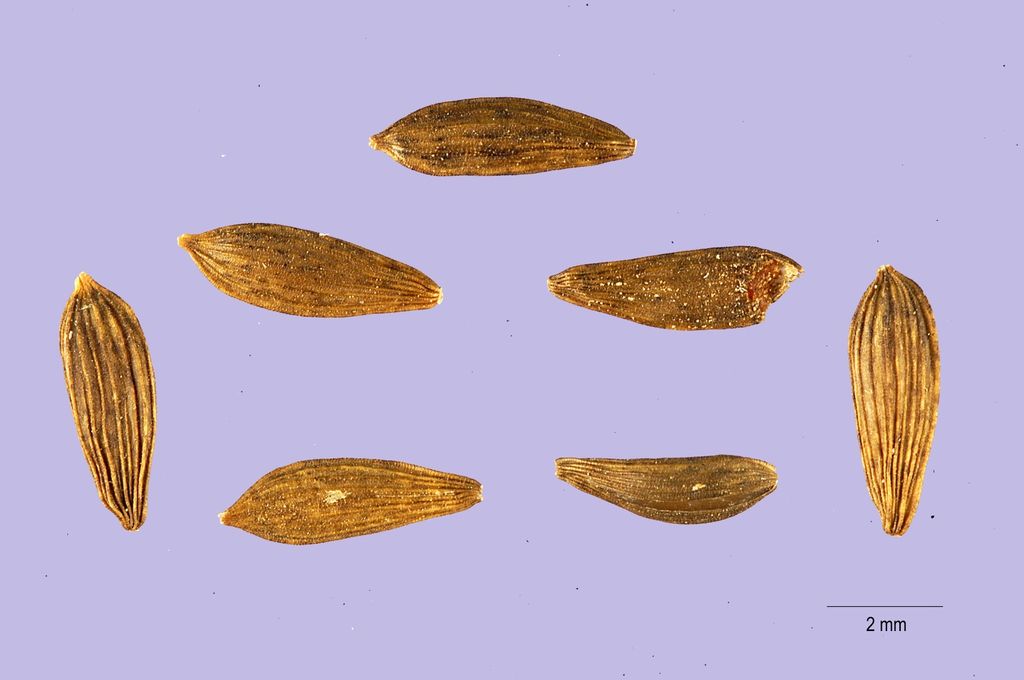
Lettuce seeds require light to germinate. This is called positive phototropism, and it's a built in survival mechanism. Unlike many vegetable seeds that can germinate in complete darkness, lettuce seeds have a light sensor that needs activation before they'll sprout. Planting too deep blocks this critical light signal and prevents germination entirely.
Seeds contain a hormone that prevents germination until conditions are right. Light penetration triggers the breakdown of this hormone, allowing the seed to sprout. The deeper you bury the seed, the less light reaches it. At a certain depth, the light signal becomes too weak to trigger germination, leaving you with nothing but frustration and failed seeds.
Too shallow, and seeds dry out before they can establish roots. Too deep, and light cannot penetrate. The correct depth balances two competing needs: keeping seeds moist while allowing sufficient light penetration for germination to trigger. Think of lettuce seeds like tiny light switches. They won't activate without being turned on by sunlight. Bury them too deep, and the switch never gets flipped.
What Experts Recommend for Optimal Germination
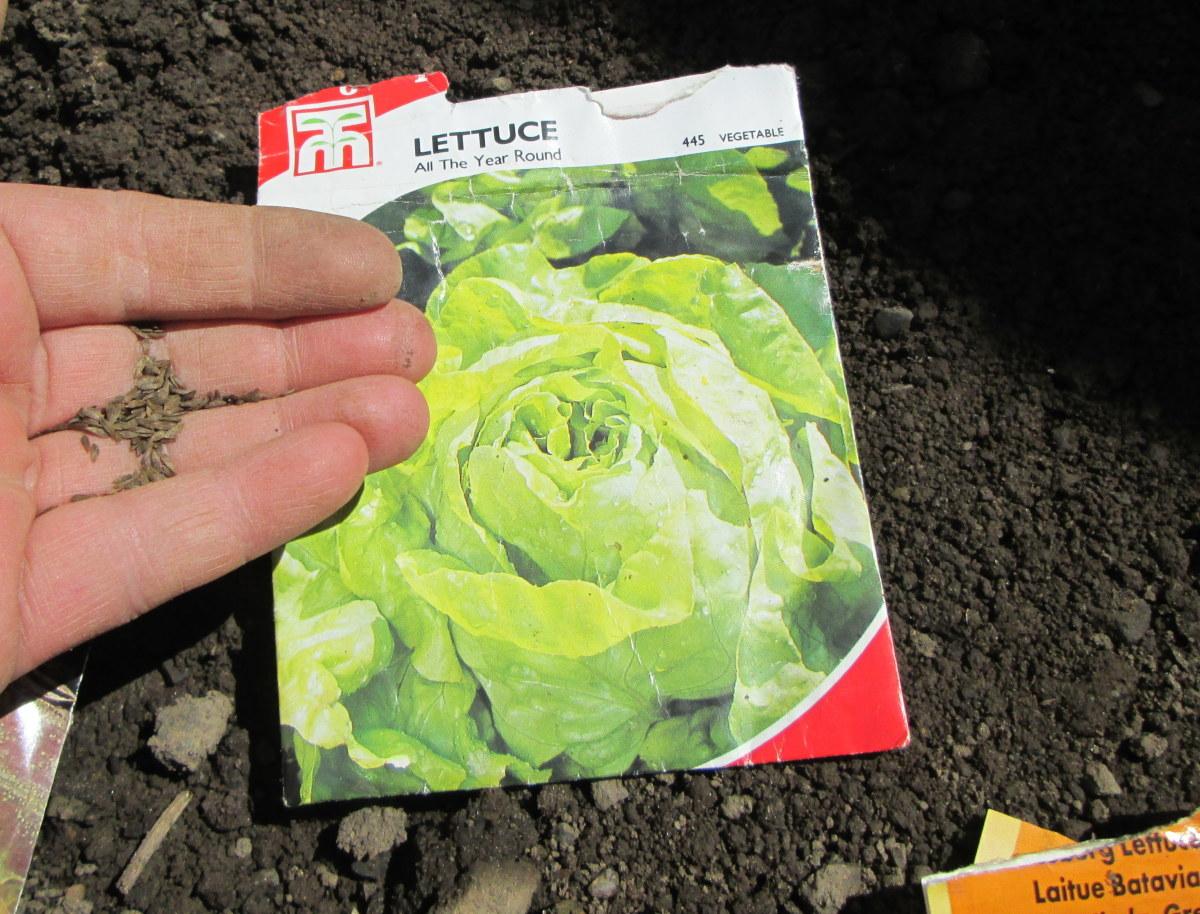
Plant lettuce seeds 1/8 to 1/4 inch deep, or approximately 3 to 6 millimeters. Some agricultural extension guides recommend up to 3/8 inch (9 millimeters) in very dry conditions, but staying on the shallower end of this range ensures better light penetration. Never plant deeper than 1/2 inch, as seeds will struggle to push through the soil surface. A useful rule of thumb: plant the seed no deeper than the seed itself is thick.
At 1/8 to 1/4 inch depth, lettuce seeds receive adequate light to trigger germination while maintaining enough soil contact for moisture retention. The thin soil covering provides protection from wind and birds while allowing seedlings to break through without excessive effort. The shallow depth means seedlings emerge in 7 to 14 days under optimal conditions, giving you visible progress quickly.
NC State Extension Publications recommends 1/8 to 1/4 inch for standard home gardening. Sustainable Market Farming suggests 1/4 to 3/8 inch for slightly drier conditions. Seed Savers Exchange takes a conservative approach with 1/8 inch. University of Georgia CAES also endorses 1/8 to 1/4 inch as best for home gardeners. The consensus is clear and consistent across authoritative sources.
The most frequent error is planting too deep, often due to a misunderstanding that deeper equals more protection. This backfires because seeds exhaust energy trying to push through thick soil layers and may germinate in darkness where they can't establish proper seedlings. Another mistake is planting with no soil cover at all, leaving seeds exposed to drying and hungry birds. A third error involves uneven depth, which causes inconsistent germination timing and weak seedlings emerging alongside vigorous ones.
How to Plant Lettuce Seeds at the Perfect Depth
STEP 1: Prepare Your Soil
Start with high quality, well drained soil rich in organic matter. Test soil pH and aim for 6.0 to 7.0. Mix in 2 to 3 inches of compost or aged manure before planting. Use a garden fork or tiller to break up compacted areas and create a loose seedbed. Ensure soil is moist before planting by watering the area the day before if no rain is forecast. A good seedbed texture should crumble easily in your hand, indicating proper structure for seedling emergence.
STEP 2: Create Shallow Furrows
Use a straightedge or ruler to mark rows 12 to 18 inches apart depending on your final lettuce type and available space. Using a small hand tool or the edge of a hoe, create shallow furrows exactly 1/8 to 1/4 inch deep. Press the tool into the soil to the correct depth, then drag it along the row to create an even channel. Consistency is critical here. If you're planting multiple rows, space them evenly to maximize your garden space. Check depth frequently with your measuring tool to maintain accuracy throughout the row.
STEP 3: Sow Seeds at Correct Spacing
Place lettuce seeds approximately 1 inch apart along the furrow. Do not overcrowd, as this will require excessive thinning later and waste seeds. Spacing seeds 1 inch apart means you can thin seedlings to final spacing without as much root disturbance to remaining plants. You can use a seed spacing ruler or even mark the furrow with pencil marks to guide placement. Small tweezers can help place individual seeds precisely if you have the patience for meticulous work.
STEP 4: Cover Seeds Lightly
Using fine soil, compost, or seed starting mix, cover the seeds with a very thin layer. The cover should be just barely visible over the seeds, not thick like a blanket. Gently press the soil down with your hand or the back of a hoe to ensure good seed to soil contact. Avoid compacting heavily, as this can create a crust that seedlings struggle to break through. The goal is gentle firmness, not packed density that blocks emergence.
STEP 5: Water Gently
Water the seedbed using a fine mist spray or gentle sprinkler setting. The soil should be consistently moist but not waterlogged or soggy, which encourages rot. If possible, water before planting rather than after to avoid washing seeds out of position. Water daily until germination occurs, usually 7 to 14 days. Check soil moisture by touching the surface. If the top 1/2 inch feels dry, water again. Morning watering is best to reduce fungal diseases.
STEP 6: Maintain Proper Temperature
Lettuce germinates best at 68 to 75°F (20 to 24°C). If soil temperatures are below 50°F (10°C), germination will be very slow. At higher temperatures above 80°F (27°C), seeds may enter dormancy. In cool climates, consider using a seedling heat mat to maintain consistent temperature. In warm climates, provide afternoon shade to keep soil cooler. Check soil temperature with a simple soil thermometer before planting to verify conditions are right.
From Seedlings to Strong Plants
Once seedlings develop 2 to 3 true leaves (the second set of leaves that emerges), it's time to thin. True leaves appear after the initial cotyledon or seed leaf stage. At this point, seedlings have enough stored energy to survive the thinning process and quickly put on new growth. Delaying thinning much beyond this stage results in overcrowded plants that become spindly and weak from competing for light and nutrients.
Proper spacing ensures each plant receives adequate light, air circulation, water, and nutrients. Crowded plants compete fiercely, resulting in smaller heads, increased disease susceptibility, and bitter tasting leaves. Light penetration to lower leaves becomes limited when plants are too dense. Air circulation slows, creating humidity that promotes fungal infections like downy mildew. Adequate spacing prevents these problems and promotes healthy, flavorful lettuce.
For loose leaf varieties, space seedlings 4 to 6 inches apart for dense production. Butterhead lettuce needs 6 to 8 inches apart to form proper medium sized heads. Romaine lettuce requires 8 to 10 inches apart for larger upright head development. Crisphead varieties like Iceberg need 10 to 12 inches apart to form large dense heads that store well.
Thin seedlings by cutting them at soil level with small scissors or pruners. Do not pull seedlings out, as this disturbs the roots of remaining plants and can stunt their growth severely. Remove weaker or smaller seedlings, keeping the strongest, healthiest looking plants. You can use the tender thinned seedlings in salads. Microgreens from thinning are flavorful and nutritious, so no waste occurs when you thin thoughtfully.
Avoid These Lettuce Planting Mistakes
The most critical mistake is planting too deep. When in doubt, go shallower rather than deeper. Shallow seeds can still succeed, but too deep seeds will fail completely. Gardeners think deeper equals better protection, but it actually backfires because seeds can't reach the surface or receive the light signal they need.
No soil covering is the second major error. Some gardeners misunderstand the light requirement and think seeds need total darkness. Actually, lettuce seeds need light exposure to germinate properly. Without any soil cover, seeds dry out completely within hours, especially in warm weather or windy conditions. Birds also eat unprotected seeds, wasting your seed investment.
Overwatering causes seed rot and fungal diseases that kill seeds before germination. Many gardeners try to help by watering excessively, which backfires entirely. Keep soil moist not wet, checking daily and watering only when the top 1/2 inch feels dry to your touch.
Inconsistent depth causes uneven germination timing. Some seeds emerge strong while others are delayed or fail, resulting in an uneven crop. Use a straightedge and measuring tool to maintain consistency throughout your row. Mark depth with a stick or tool set to the correct depth, then follow that mark along the entire row.
Planting in the wrong season leads to dormancy or bolting. Lettuce thrives in cool weather but struggles in summer heat. Plant in spring or fall when temperatures naturally favor cool soil conditions. In warm regions, plant in winter or use shade cloth to cool the soil.
Consider using Plantlyze to document seedling progress with photos. The platform's diagnosis features help identify nutrient deficiencies or environmental stress in developing lettuce plants, allowing you to correct issues quickly before they affect your entire crop.
Creating the Perfect Environment for Lettuce Germination
Well drained, fertile soil with pH 6.0 to 7.0 gives lettuce the best start. Add organic matter like compost to improve soil structure and water holding capacity. Avoid heavy clay soils that stay waterlogged and compact. Compacted soils hinder seedling emergence significantly. If your soil is poor, consider starting with seed starting mix in containers rather than garden soil, which can be too dense.
Lettuce needs light to germinate and requires 6 to 8 hours of sunlight daily once sprouted. Insufficient light causes weak, spindly seedlings that struggle as they mature into full sized plants. Seedlings grown indoors need grow lights positioned 2 to 3 inches above plants. Outdoor seedlings should be sited where they receive morning sun. Afternoon shade helps prevent bolting in warm weather, reducing the heat stress on young plants.
Consistent moisture is critical for lettuce success. Lettuce has a shallow root system concentrated in the top 6 to 12 inches of soil. Short periods of drought stress cause bolting and bitter flavor in mature plants. Use mulch around plants to retain moisture and keep soil cooler. Drip irrigation or soaker hoses deliver water directly to roots without wetting foliage, reducing disease significantly.
Optimal germination temperature is 68 to 75°F (20 to 24°C). Growth thrives at 60 to 65°F (15 to 18°C). Lettuce can tolerate cold down to 40°F (4.5°C) though growth slows dramatically. Heat above 80°F (27°C) triggers dormancy or bolting. Choose timing and location to maintain cool soil in warm climates. Shade cloth helps reduce soil temperature by 5 to 10 degrees Fahrenheit, making a significant difference in warm regions.
Does Lettuce Type Matter for Planting Depth?
The good news is simple: all lettuce varieties use the same planting depth. Loose leaf, butterhead, romaine, and crisphead lettuce all have similarly tiny seeds. Depth recommendations are based on seed size and germination biology, not variety. You can apply the 1/8 to 1/4 inch standard to any lettuce type you grow. This consistency makes planning and execution straightforward without needing different techniques for different varieties.
Crisphead varieties like Iceberg produce slightly larger seeds than some loose leaf types, so you could potentially plant them at the deeper end of the range, closer to 1/4 inch. Most loose leaf lettuce varieties work best at the shallower end, closer to 1/8 inch. When in doubt, choose the shallower depth. Shallow seeds that germinate slowly can still succeed, but too deep seeds often fail completely, wasting your time and effort.
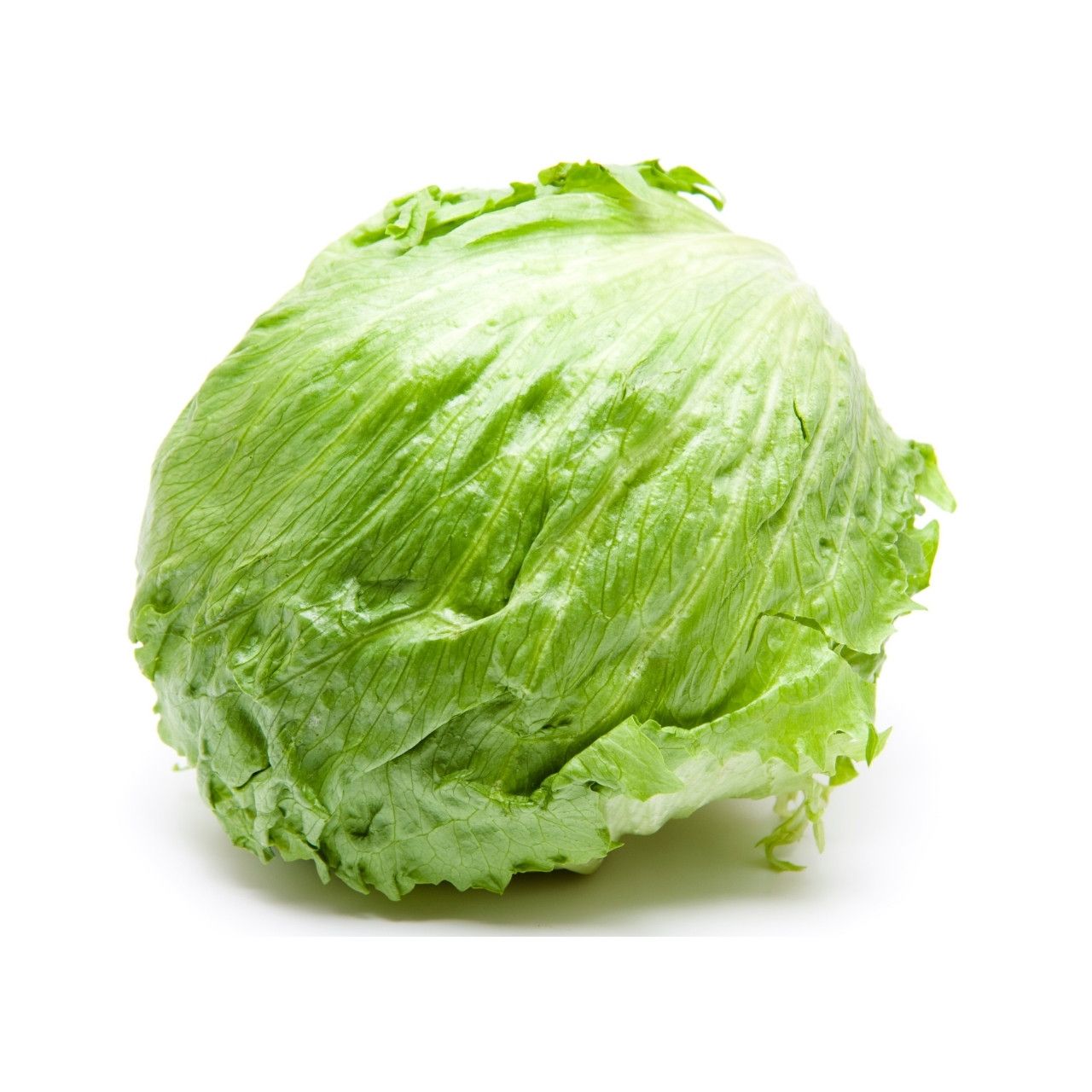
All lettuce seeds are tiny and light dependent. Germination requirements don't change by variety or region. Proper depth is a universal principle that applies equally across all lettuce types you might grow in your garden.
When and Where to Plant Lettuce for Success
Lettuce thrives in cool weather conditions. Early spring planting, as soon as soil can be worked, is ideal for most regions. Fall planting in late summer is actually the most productive season for many gardeners, as cool nights promote flavor development and prevent bolting stress. Winter planting works in mild climates and indoors elsewhere with grow lights. Avoid summer planting in warm regions, as heat induces bolting quickly. Choose seasons when average temperatures fall in the 60 to 65°F range (15 to 18°C).
Cool climates have natural spring and fall seasons suited perfectly to lettuce. Warm climates should plant in fall and winter instead. Very warm regions can grow lettuce year round in shaded locations with afternoon protection from intense sun. Consider using shade cloth in summer to reduce soil and air temperature. Succession planting, sowing every 2 to 3 weeks, provides continuous harvests when timing is right for your specific region.
Lettuce seedlings are surprisingly cold hardy and tough. They tolerate light freezing and can be planted 2 to 4 weeks before the last spring frost date in your area. Mature plants handle repeated light frosts without serious damage. Use floating row covers for extra frost protection in spring. Hard freezes below 15°F (minus 9°C) damage even mature plants, so cover during extreme cold snaps.
Ready to Optimize Your Entire Lettuce Growing Journey?
Growing perfect lettuce starts with a simple practice: plant seeds 1/8 to 1/4 inch deep. This shallow depth balances the competing needs of light exposure for germination and moisture retention for seed survival. Getting this one detail right increases your germination success dramatically and sets up your entire crop for vigorous growth from day one.
Consistency matters as much as the specific depth itself. Use measuring tools, follow the step by step process detailed here, and keep simple records of what works for your specific garden conditions. The difference between 1/4 inch and 1/2 inch planting depth often means the difference between a thriving crop and complete germination failure that wastes your seeds.
You now have everything needed to plant lettuce correctly and grow successful crops season after season. Ready to optimize your entire lettuce growing journey? Visit Plantlyze.com to access AI powered plant monitoring that helps you from seedling stage through harvest.
References
NC State Extension Publications – https://content.ces.ncsu.edu/lettuce
University of Georgia CAES – https://fieldreport.caes.uga.edu/publications/C1018/home-garden-lettuce/
Seed Alliance – https://seedalliance.org