
Lettuce
Explore our lettuce articles with expert tips, guides, and insights.
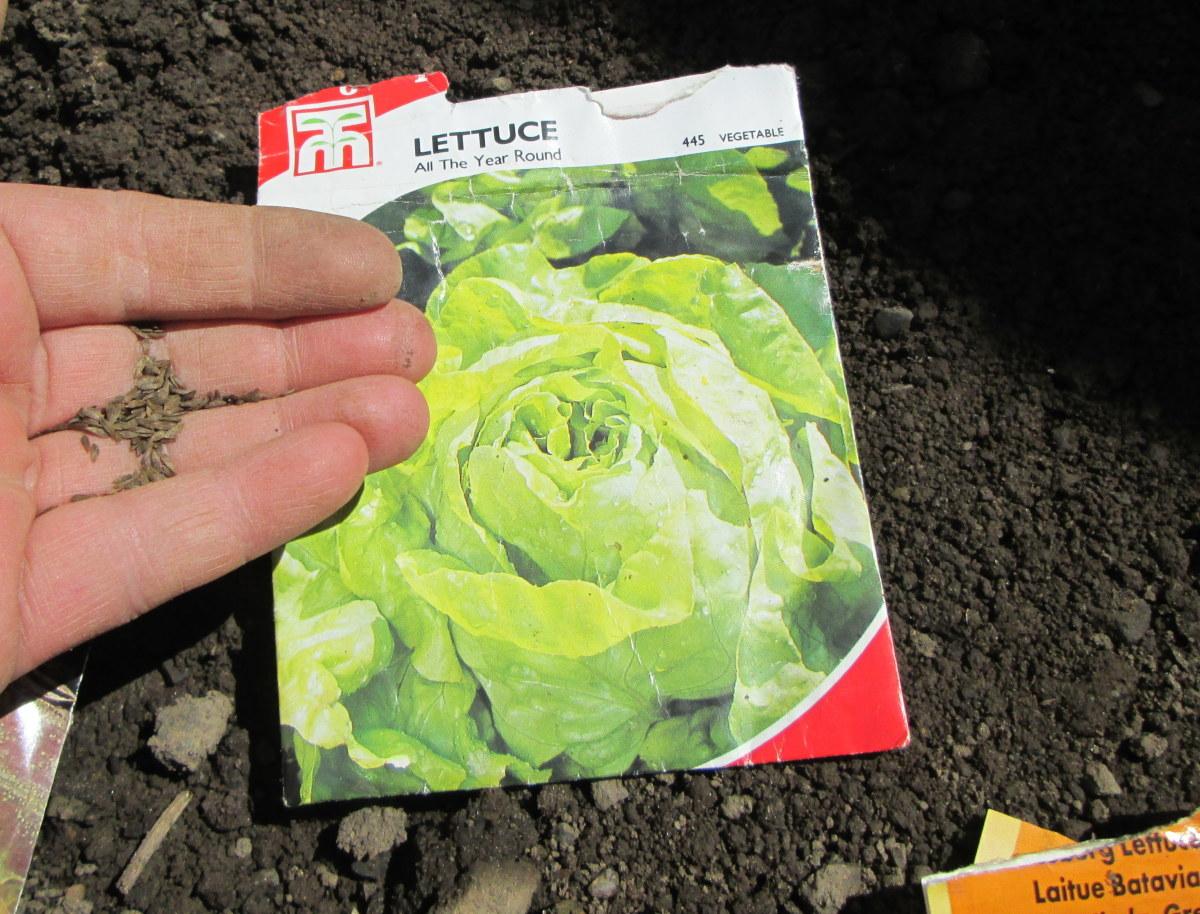
How Deep to Plant Lettuce Seeds: A Complete Growing Guide
Plant lettuce seeds 1/8 to 1/4 inch deep (3 to 6 millimeters). This shallow depth balances light exposure for germination with moisture retention for seed survival. Getting this detail right increases germination success to 85 to 90 percent, setting up your entire crop for vigorous growth from day one.
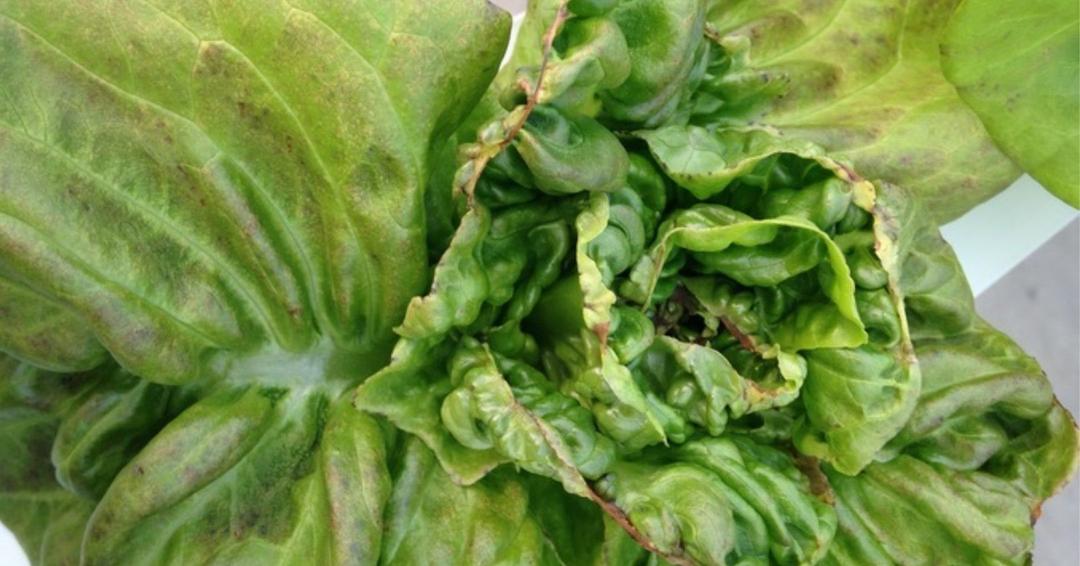
Lettuce Tip Burn Treatment: Prevention and Proven Solutions
Your lettuce heads look perfect until harvest day. Everything is growing beautifully, on schedule, thriving. Then you pull back the outer leaves and find it: brown, crispy leaf tips on the inside leaves. The problem has been developing for weeks, invisible until it's too late. The entire head is now unmarketable.
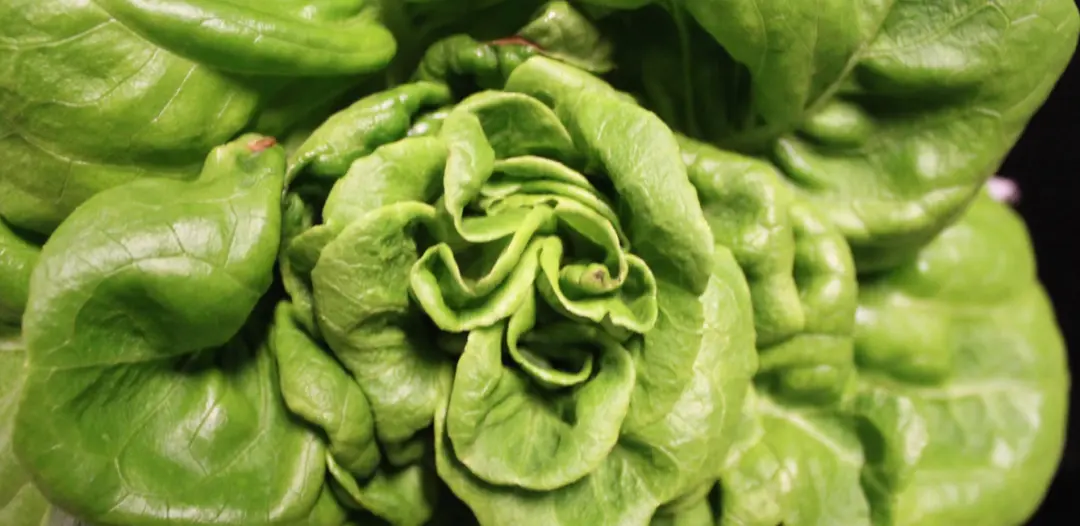
Lettuce Nutrient Deficiency: Complete Guide
You've been tending your lettuce crop for weeks. The seedlings looked vibrant. But suddenly, the lower leaves start turning yellow. The stems feel weak. Growth stalls. Panic sets in. Is it disease? Pests? Or something simpler that you're missing? The answer is usually hidden in your nutrient levels, and it's far more fixable than you think.
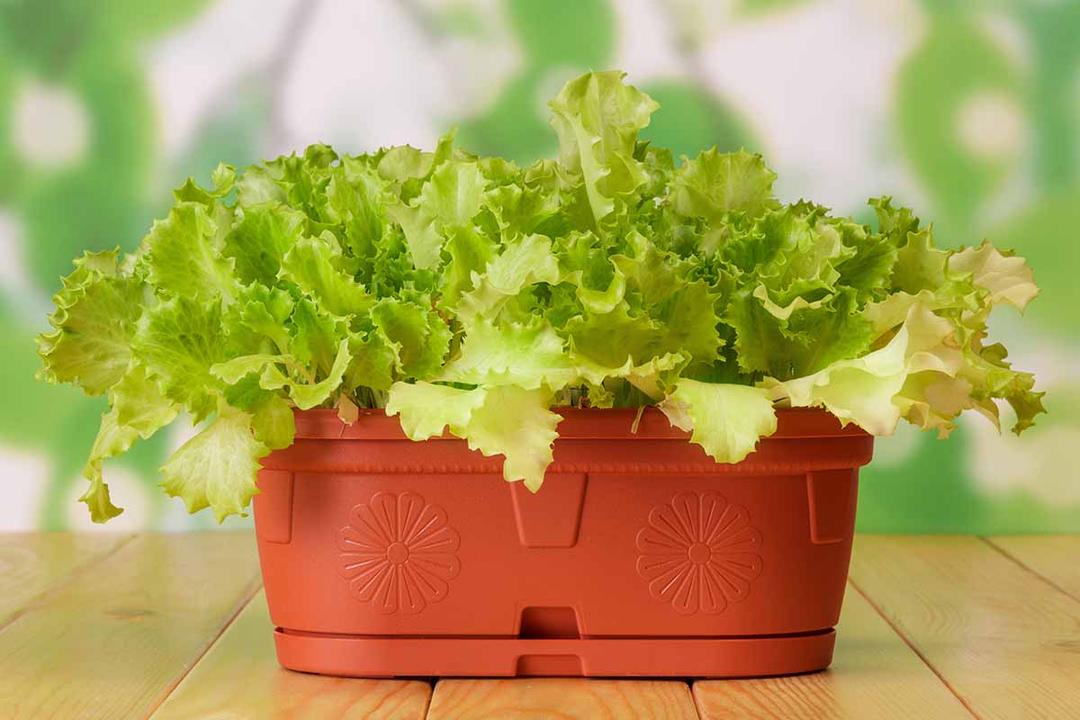
How to Grow Lettuce Indoors: Your Guide to Fresh Greens
Imagine stepping into your kitchen on a cold winter morning and picking fresh, crisp lettuce for your salad. No grocery store trip. No wondering where it came from. Just homegrown greens that taste better and cost less than anything you can buy. Growing lettuce indoors makes this reality possible year-round, and honestly, it's much easier than most people think.
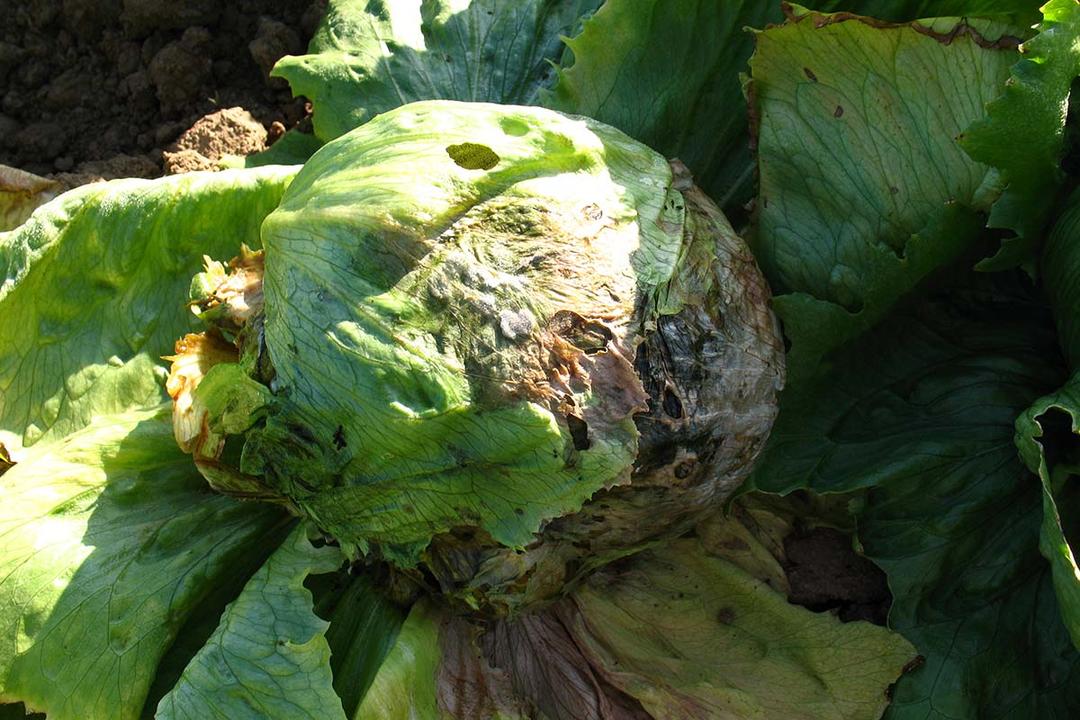
Organic Lettuce Disease Control: A Comprehensive Guide
Organic lettuce growers face persistent fungal threats that devastate crops within days. While conventional farming relies on synthetic fungicides, organic producers depend on disease resistant varieties, cultural practices, and approved biological treatments. With proper knowledge and timing, organic lettuce disease control is absolutely achievable.
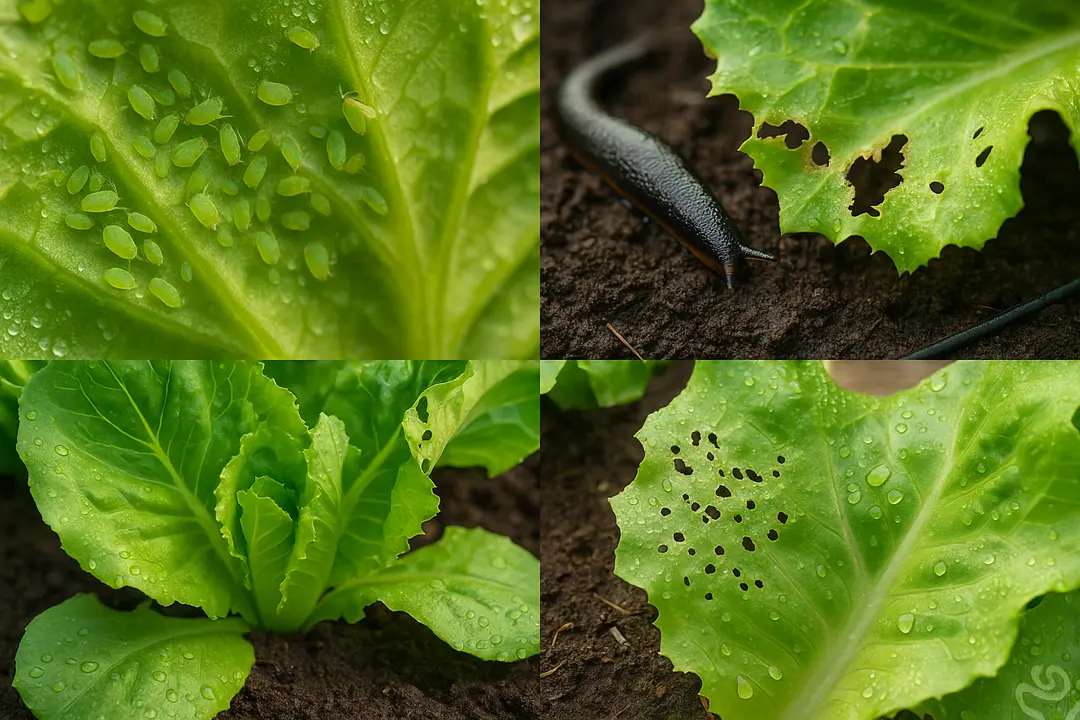
Lettuce Pest Control: Organic Methods to Protect Your Greens
Growing fresh lettuce at home is rewarding until pests threaten your harvest. Aphids, caterpillars, and thrips can devastate crops in days. The good news: organic pest control methods work effectively, protecting both plants and beneficial insects while maintaining a healthy, sustainable garden ecosystem
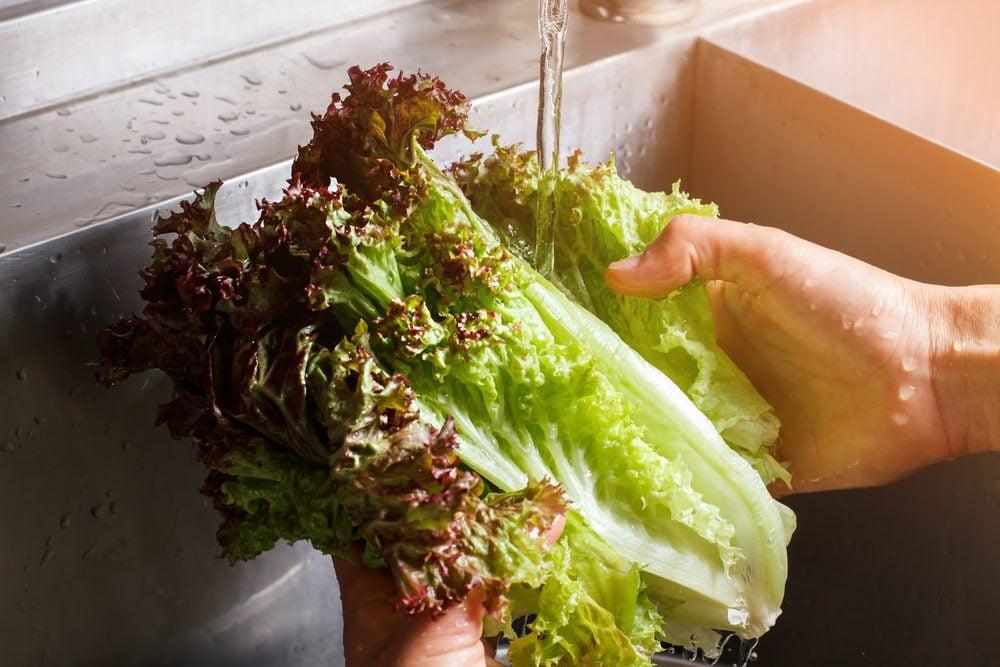
Lettuce Storage Tips: How to Keep Lettuce Fresh for Weeks
Fresh, crispy lettuce is the foundation of great salads and wraps. Most people waste lettuce because they don't know proper storage techniques. With the right methods, you can keep lettuce fresh for 2 to 4 weeks, extending freshness and keeping leaves perfectly crisp for longer.
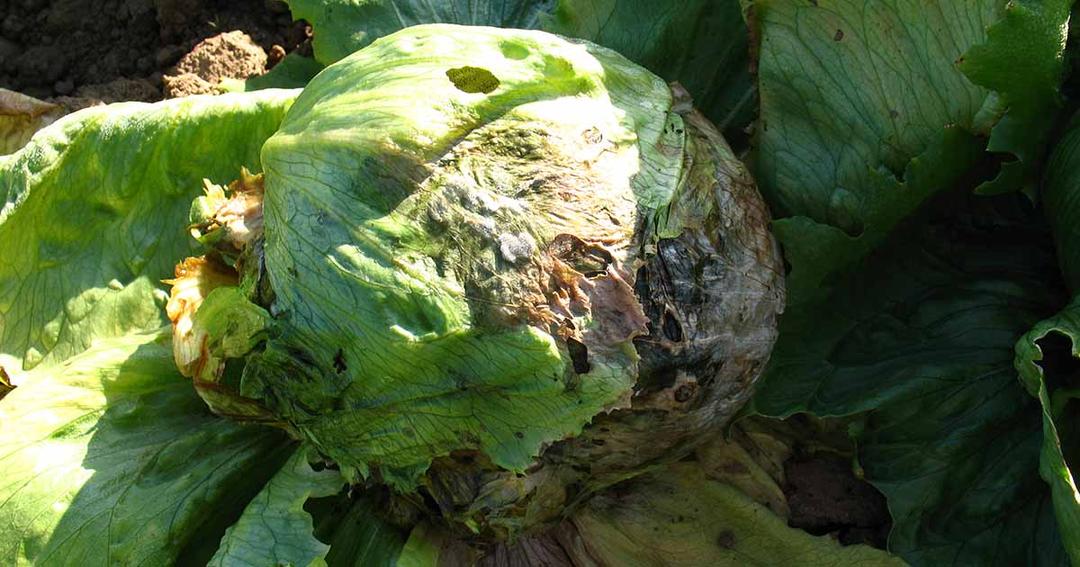
How to Identify Lettuce Diseases Early and Prevent Crop Loss
Your lettuce crop looks healthy this morning, but yellow patches appear on older leaves. A fuzzy white growth underneath signals downy mildew. One infected plant spreads to dozens within days. Early disease identification is your best defense. This guide teaches you to spot seven major lettuce diseases before they devastate your entire harvest.
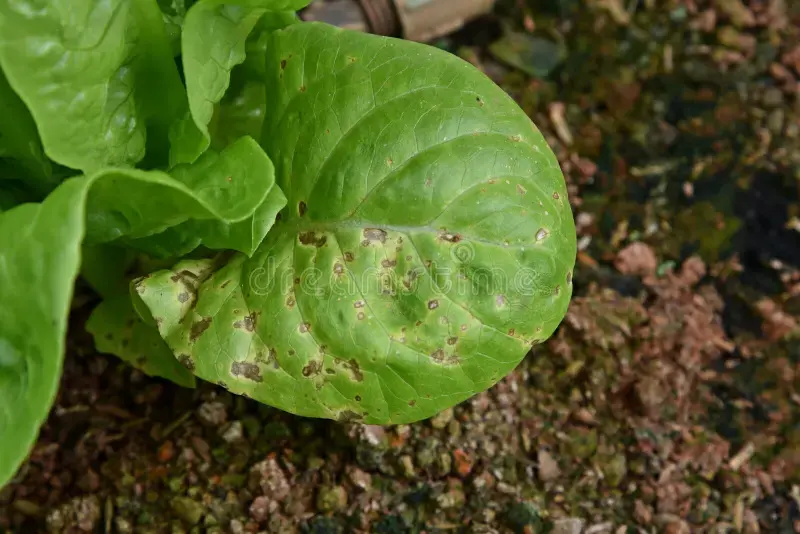
Lettuce Leaf Spot: How to Identify, Preven, and Treat
Bacterial leaf spot begins as small water-soaked spots, usually less than one quarter inch in diameter. The spots appear first on older outer leaves and are angular in shape, often bordered by leaf veins. A distinctive yellow halo surrounds the lesions. Early identification is crucial because leaf spot spreads rapidly.