Fresh, crispy lettuce is the foundation of great salads, sandwiches, and wraps. But how many times have you pulled a head of lettuce from your fridge only to find wilted, slimy leaves that belonged in the compost bin days ago? The frustration is real, and you're not alone. Most people waste lettuce because they don't know the proper storage techniques that extend freshness and keep leaves crisp.
The good news? With the right storage methods, you can keep lettuce fresh for 2 to 4 weeks, depending on the variety and technique you use. This guide reveals exactly how to store lettuce so you stop wasting money and enjoy perfectly crisp greens whenever you need them.
Why Does Lettuce Wilt So Quickly?
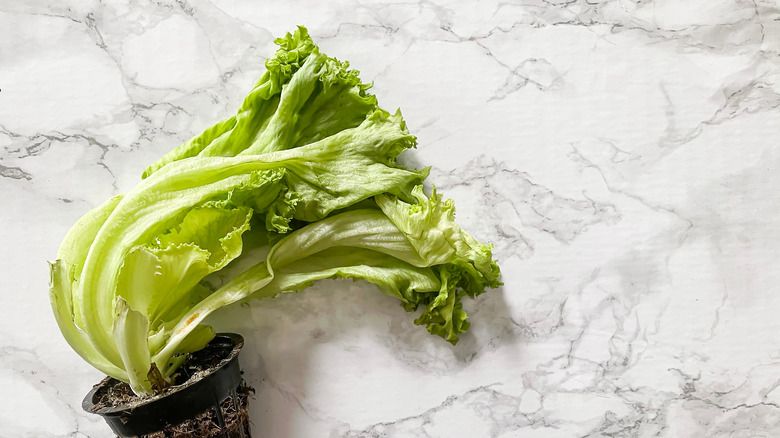
Lettuce wilts because it loses moisture and natural crispness. The moment you harvest lettuce or bring it home from the grocery store, it begins to dehydrate. This natural process accelerates when lettuce is exposed to ethylene gas, produced by ripening fruits, or stored in sealed environments without airflow.
Understanding this science helps you choose the right storage method. The key is managing moisture and airflow simultaneously, creating an environment that protects lettuce from drying out completely while preventing excess moisture from creating slime and rot.
The Paper Towel Layering Technique: A Proven 15-Year Method
The most effective and simple storage method uses paper towels or clean cotton towels as moisture absorbers. This technique has been tested and refined over decades by home gardeners and food preservation experts.
Step-by-Step Instructions
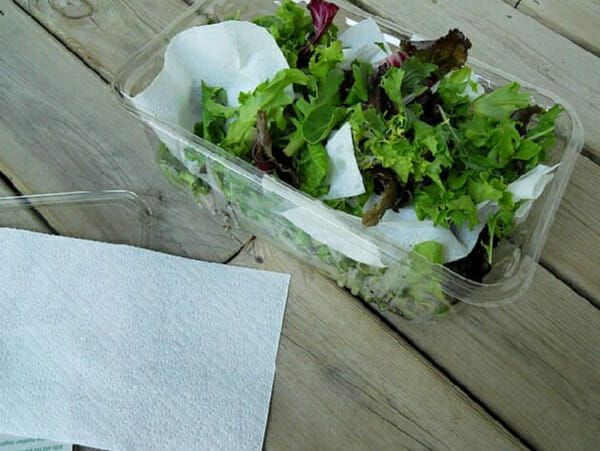
Wash and thoroughly dry your lettuce leaves if they come wet. Pat them gently with a clean cloth or use a salad spinner to remove excess water.
Take several sheets of paper towel and create layers within your storage container. Start with a layer of paper towel on the bottom.
Arrange your clean, dry lettuce leaves in a single layer on top of the towel. Don't pack leaves tightly together because they need room to breathe.
Add another sheet of paper towel on top. Repeat this layering process until your container is full.
Place the container in your refrigerator's crisper drawer, which provides stable humidity and temperature.
Check the paper towels every 2 to 3 days. If they feel damp or wet, replace them with fresh, dry towels. Change damp towels immediately, as moisture accelerates deterioration.
The paper towel absorbs excess moisture that would otherwise cause lettuce to become slimy and rot. By replacing damp towels regularly, you create an ideal microclimate that keeps leaves crisp and fresh.
Cotton Towel Wrapping: The Sustainable Alternative
If you prefer an eco-friendly approach, food-safe cotton towels such as kitchen dish towels or flour sack towels work beautifully for lettuce storage. Cotton allows the lettuce to breathe better than plastic alone, while still absorbing excess moisture.
Simply wash and dry your lettuce completely. Lay the clean leaves in a single layer on a cotton towel, then loosely wrap them so the towel makes contact with the leaves. Avoid wrapping too tightly, as this restricts airflow. Place the wrapped bundle in a reusable glass or BPA-free plastic container with a lid.
Store this in the crisper drawer and change the towel every 2 to 3 days, just as you would with the paper towel method. Many people report that cotton towels keep lettuce fresh for up to 2 weeks with this technique.
Airtight Container Storage: Simplicity Meets Freshness
For those who prefer minimal fuss, airtight containers offer a balanced approach. Glass or high-quality plastic containers with secure lids create a controlled environment that slows dehydration without requiring daily attention.
The key is adding a dry paper towel or cotton cloth to the bottom of the container before adding lettuce. The towel absorbs excess moisture while the sealed lid maintains humidity levels just right for storage. Arrange lettuce leaves loosely in the container, layering with additional paper towels if needed.
Airtight containers excel for storing pre-washed, bagged lettuce. Empty the lettuce from its original packaging, wrap it in a dry paper towel, and place it in a new clean container. This stops bacterial growth that occurs in damaged original packaging and extends shelf life by days or even weeks.
One pro tip: reuse the clear plastic containers from store-bought lettuce. These containers are specifically designed for lettuce storage and stack perfectly in your fridge.
Where and How to Store Lettuce in Your Refrigerator
The location where you store lettuce matters more than many people realize. Your refrigerator's crisper drawer is ideal because it maintains higher humidity levels compared to the main shelf area, which helps preserve moisture in the leaves.
Set your crisper drawer to high humidity if your refrigerator has adjustable controls. If not, a standard crisper still provides adequate storage conditions for lettuce.
Avoid storing lettuce directly next to ethylene-producing fruits like apples, avocados, bananas, or tomatoes. These fruits release ethylene gas that speeds up ripening and deterioration in nearby vegetables. Keep at least one shelf of distance between lettuce and these fruits whenever possible.
If your refrigerator doesn't have a crisper drawer or it's full, any shelf in your refrigerator works fine. The temperature matters most, and lettuce stays fresh at any shelf position as long as your fridge is set between 32 and 50 degrees Fahrenheit.
Extending Shelf Life: Expert Strategies
Best Practices for Maximum Freshness
Eat your lettuce in order of hardiness. Start with delicate, loose leaf varieties like red leaf or oak leaf lettuce first, as they wilt fastest. Save hardier varieties like iceberg and romaine for later in the week. This ensures you consume greens at their peak freshness before they decline.
Don't pack lettuce into containers or bags too tightly. Leaves need air circulation to prevent moisture from pooling and creating an environment where mold and bacteria thrive. If you have a large amount of lettuce, separate it into multiple smaller containers with individual layers of towels.
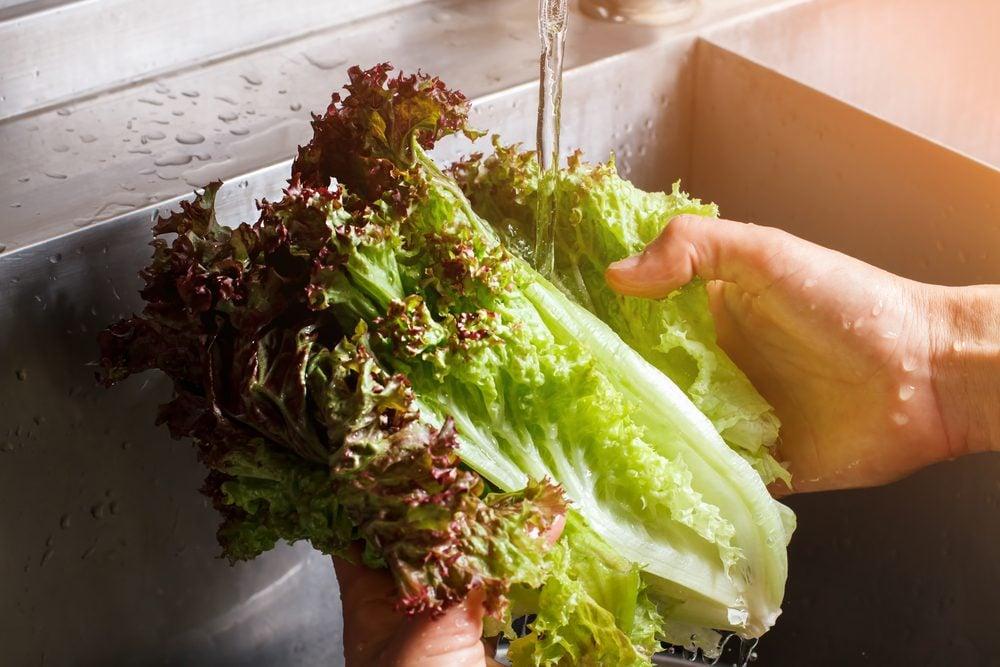
Wash lettuce only immediately before eating, not during storage prep. Excess moisture from premature washing accelerates wilting and spoilage. If your lettuce arrives very wet from the store, pat it dry before storage, but don't wash it until you're ready to use it.
For loose leaf and salad mix greens with shorter shelf lives, use ice water submersion. Soak your greens in ice water for 10 minutes, spin them dry completely using a salad spinner, and store in an airtight container with dry paper towels. This hydration trick can extend loose greens from 2 to 3 days up to 5 to 7 days.
Monitoring Plant Health During Storage
Checking your stored lettuce regularly helps you catch and remove deteriorating leaves before they spoil the entire batch. Every 2 to 3 days, open your container and remove any leaves that show browning, slime, or discoloration. This prevents the spread of decay to healthy leaves.
If you're interested in tracking your produce health more systematically, tools like Plantlyze can help you monitor when vegetables start to decline and plan your meals accordingly. Plantlyze is an AI-powered plant care and diagnosis tool that helps optimize your fresh produce storage and usage. Visit Plantlyze.com to learn how this intelligent tool can revolutionize the way you manage your produce and reduce food waste.
How Long Does Lettuce Stay Fresh? Storage Timeline Expectations
Storage duration varies significantly based on lettuce variety and your chosen storage method.
Iceberg and Romaine Lettuce are the dense, hardy varieties that last the longest. With proper paper towel or cotton wrapping storage, expect 3 to 4 weeks of freshness. Store them in their original shrink wrap until ready to use, then transfer to your towel-lined container.
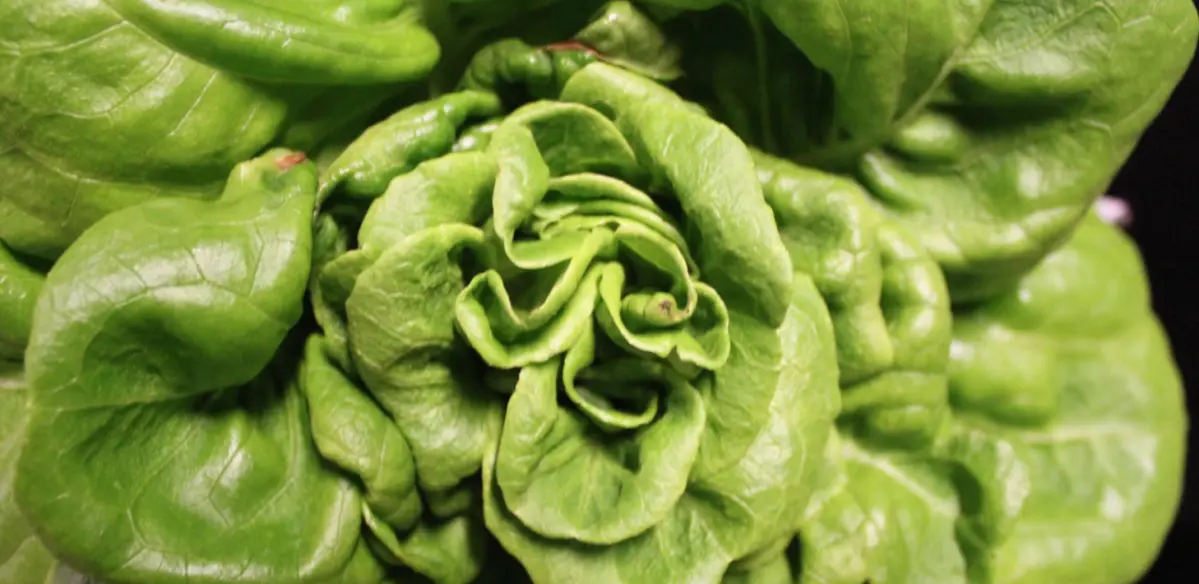
Butterhead Lettuce, which includes Boston and bibb varieties, typically stays crisp for 2 to 3 weeks using proper storage techniques. Cut the stem but keep the head intact, wrap in towels, and refrigerate.
Loose Leaf Lettuce varieties like red leaf, oak leaf, and green leaf have the shortest shelf life at 5 to 10 days even with optimal storage. Their delicate leaves wilt faster, but the ice water soaking method can extend freshness by several days.
Pre-Packaged and Bagged Salad Mixes, which are typically pre-washed greens, last 5 to 7 days if you transfer them to a clean airtight container with fresh paper towels, significantly longer than they last in original packaging.
Common Lettuce Storage Mistakes to Avoid
Storing wet lettuce is a critical error. Excess water creates slime and mold growth. Always dry lettuce thoroughly before storage to prevent this issue.
Packing leaves too tightly prevents air circulation and creates humid pockets where bacteria flourish. Give leaves breathing room in your containers.
Forgetting to change damp towels causes the whole system to fail if moisture builds up. Check towels every 2 to 3 days without fail to maintain effectiveness.
Storing near ethylene-producing fruits compromises freshness quickly. Keep lettuce separated from apples, bananas, and other high-ethylene fruits by at least one shelf.
Using the wrong container type creates problems since non-breathable plastic bags trap excessive moisture. Choose containers that allow some air exchange while retaining humidity.
Washing lettuce too early introduces moisture that accelerates wilting. Wash only immediately before consumption to maintain crispness.
Frequently Asked Questions About Lettuce Storage
How can I revive wilted lettuce?
Ice water submersion works wonders for wilted greens. Soak wilted leaves in ice water for 10 to 15 minutes, spin them dry, and refrigerate. The cold water rehydrates the cells and restores crispness, though this works best on lettuce that's only mildly wilted.
Can I freeze lettuce for longer storage?
Freezing is not recommended for fresh lettuce, as it destroys cell structure and creates a mushy texture when thawed. However, frozen lettuce works fine for cooked dishes, soups, or smoothies where texture matters less.
What's the best container material for lettuce storage?
Glass containers with tight-fitting lids are ideal because they don't absorb odors and allow you to see contents at a glance. BPA-free plastic containers work well too. Avoid standard plastic bags without rigidity, as they don't provide adequate protection.
Should lettuce be stored in the crisper drawer?
The crisper drawer is ideal but not essential. Lettuce stays equally fresh on any refrigerator shelf as long as your fridge temperature is set correctly and you use proper storage containers with towels.
Can I store different lettuce varieties together?
Yes, you can store different varieties together using the same container and towel method. However, store delicate varieties separately from hardy ones if possible, so you use them at appropriate times.
How do I know when lettuce has gone bad?
Discard lettuce if it shows slime, strong odors, significant browning, or mold. Minor brown edges can be trimmed away, but slimy lettuce indicates bacterial growth and should not be consumed.
Key Takeaway: Simple Techniques, Extended Freshness
Keeping lettuce fresh doesn't require special equipment or complicated procedures. The paper towel layering method, cotton wrapping, and airtight container storage all work because they manage the fundamental challenge: maintaining moisture while preventing excessive dampness and ensuring airflow.
Start with whichever method appeals to you most. Most people find the paper towel technique the easiest to implement and most forgiving for beginners. Once you establish a routine of checking towels every 2 to 3 days, fresh, crisp lettuce becomes the norm rather than the exception.
Your salads, sandwiches, and wraps will taste better when made with fresh ingredients, and you'll reduce food waste while saving money on groceries. That's a win for your wallet, your meals, and the environment.