You walk out to your lettuce garden and notice small brown spots appearing on the outer leaves. At first, they seem minor and you almost ignore them. But within days, the spots multiply and enlarge. The leaves begin looking papery and torn. Your beautiful lettuce harvest is now unmarketable. You're looking at lettuce leaf spot, one of the most destructive diseases that can devastate your crop. Leaf spot appears suddenly, spreads rapidly under the right conditions, and can cause total crop loss if left unchecked. The good news is that with early identification and proper management, you can prevent leaf spot from destroying your lettuce. This guide covers everything you need to know: what causes leaf spot, how to recognize it early, why it spreads, proven prevention strategies, treatment options, and the best disease resistant varieties to grow.
What is Lettuce Leaf Spot
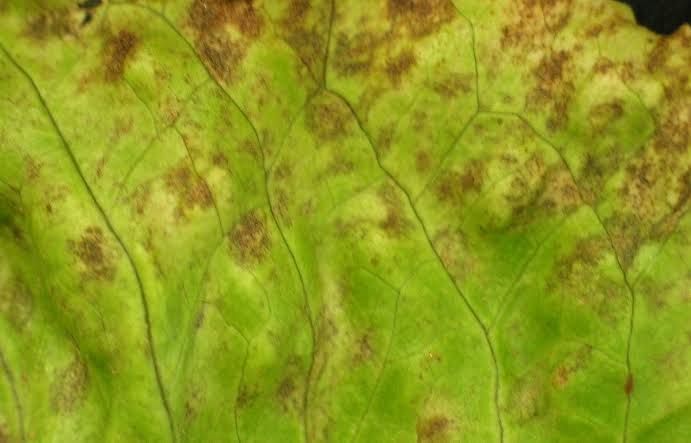
Lettuce leaf spot is actually several different diseases caused by different pathogens. Understanding the difference helps you choose the right management strategy. Bacterial leaf spot is caused by bacteria from the Xanthomonas and Pseudomonas genera. This is the most common and destructive type in commercial lettuce production. The bacteria infect lettuce leaves and cause characteristic dark spots that spread rapidly. Outbreaks can cause up to 100 percent crop loss in severe cases and have historically reduced yields by 50 percent or more.
Septoria leaf spot is caused by a fungus called Septoria lactucae. This fungal disease creates different visual symptoms than bacterial leaf spot. Septoria produces fruiting bodies visible as small black dots on leaves. The spots start yellow then turn brown. Other fungal leaf spots include Cercospora and Microdochium species, which create similar but slightly different symptoms.
The distinction between bacterial and fungal leaf spot matters because treatment approaches differ. Bacterial leaf spot requires different management than fungal leaf spot. Understanding which disease you're facing helps you select the most effective treatment strategy. Many gardeners confuse the two and end up treating the wrong disease, allowing it to spread while wasting effort on ineffective treatments.
Identifying Leaf Spot Symptoms
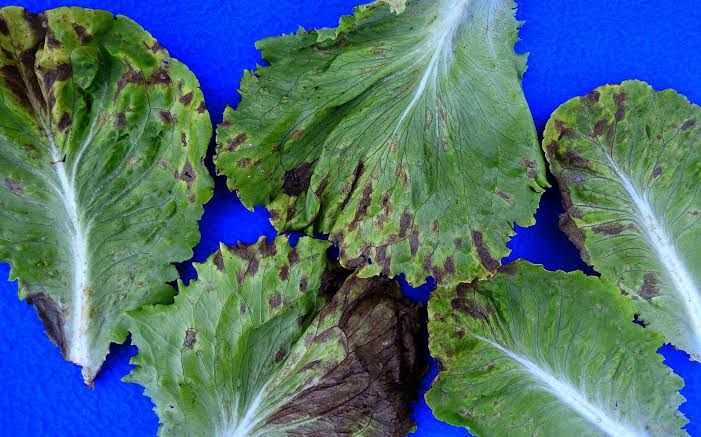
Early identification is crucial because leaf spot spreads rapidly once established. Learning to recognize symptoms in their earliest stages gives you the best chance of stopping the disease before it destroys your harvest.
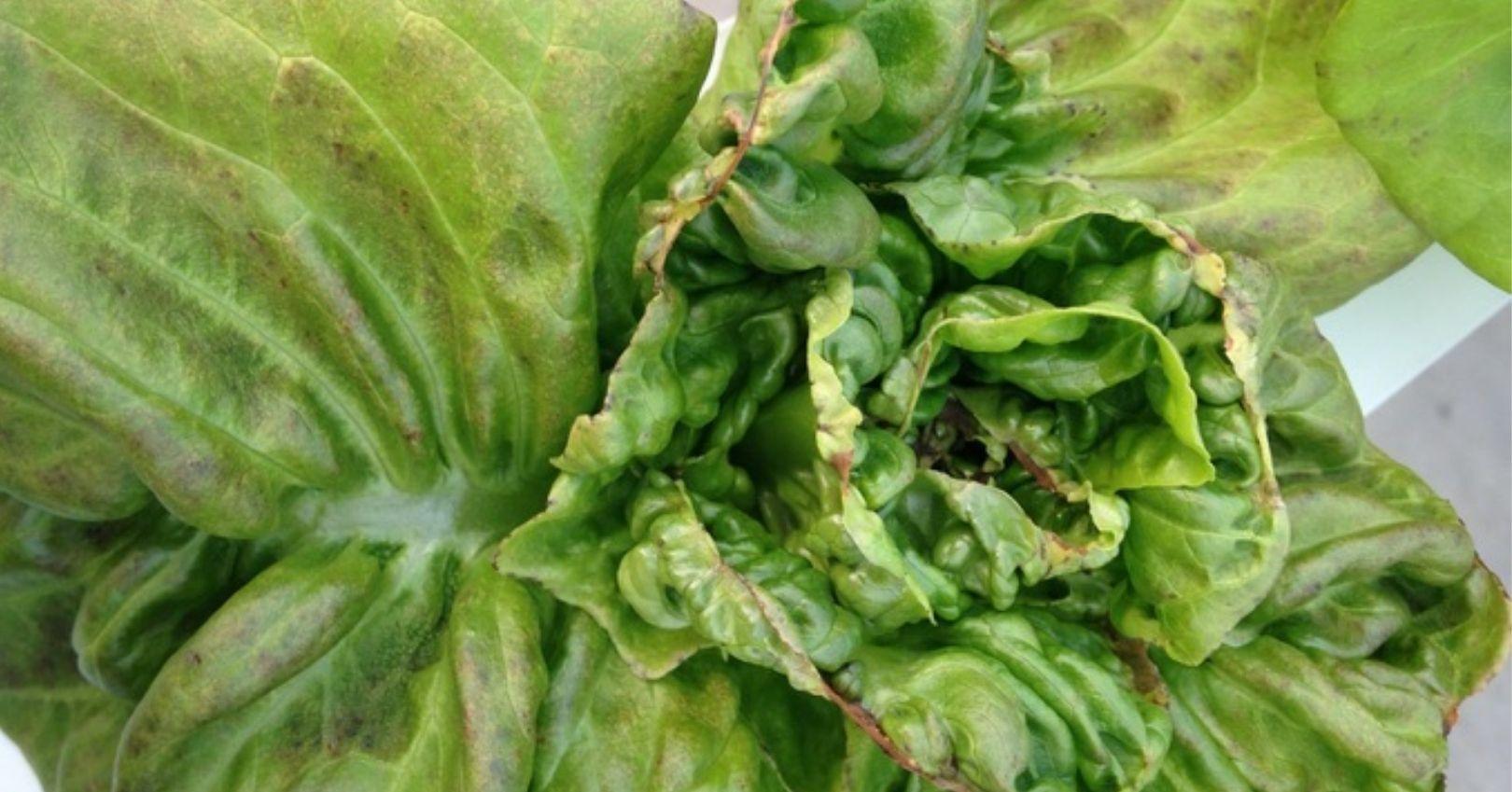
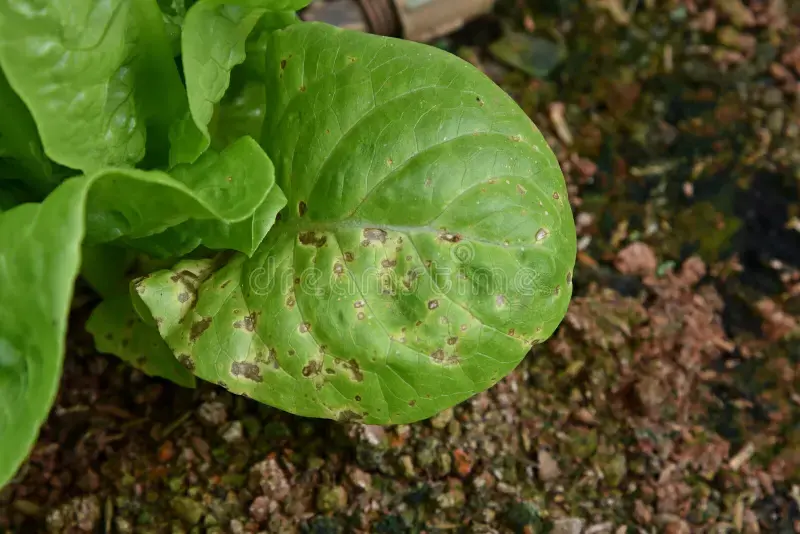
Bacterial leaf spot begins as small water-soaked spots, usually less than one quarter inch in diameter. The spots appear first on older outer leaves. They are angular in shape, often bordered by the leaf veins. A distinctive yellow halo surrounds the lesions. If you catch it at this stage, you can still control it. As the disease progresses, lesions turn dark brown to black. Multiple spots coalesce into larger patches. The affected leaves become papery and dry in texture but retain the black color. In severe cases, lesions merge completely and the entire leaf collapses.
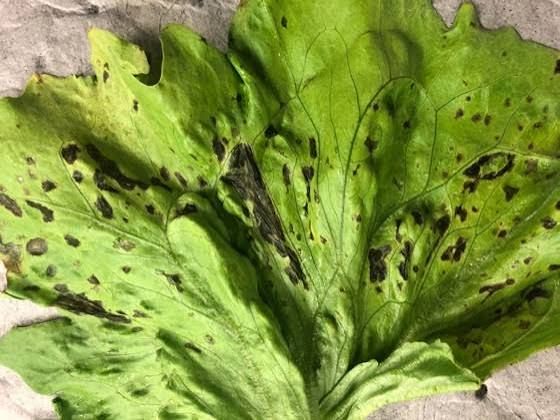
Septoria leaf spot looks distinctly different. Initial symptoms appear as small yellow spots on older leaves. The spots are irregular in shape and appear between the veins. As the disease progresses, the spots enlarge and turn brown. The tissue dries out and becomes papery. The leaves develop a tattered appearance with holes where the spot centers fell out. Characteristic small black dots appear on the leaf surface within the spots. These fruiting bodies contain millions of fungal spores and are diagnostic for Septoria. If you see these black dots, you have positively identified Septoria leaf spot.
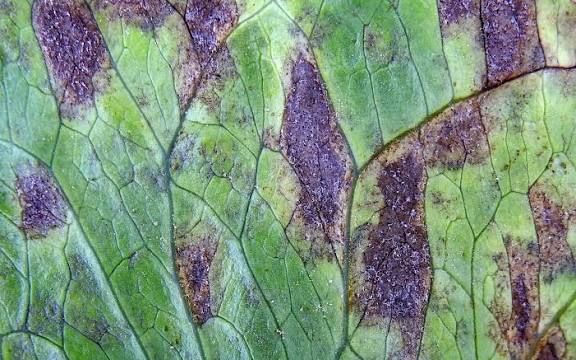
Other fungal leaf spots create their own patterns. Cercospora leaf spot appears as brown spots with concentric rings. Microdochium creates tan lesions on the midrib that expand and eventually turn straw colored. Learning these visual differences helps you diagnose the specific disease affecting your plants.
Why Leaf Spot Spreads So Quickly
Understanding how leaf spot spreads helps you implement effective prevention. Both bacterial and fungal leaf spot are spread primarily through water splash. Rain splashing on infected leaves flicks droplets containing the disease pathogen to surrounding leaves and plants. Overhead irrigation systems create the same effect, making them particularly dangerous.
Cool, moist conditions are ideal for both bacterial and fungal leaf spot. Bacterial leaf spot thrives when temperatures are between 50 and 75 degrees Fahrenheit. Fungal leaf spot also prefers cool moist conditions. Cool temperatures combined with high moisture levels create an ideal environment for disease development. That's why spring and fall are typically the most problematic seasons. The combination of cool temperatures and higher rainfall creates perfect disease conditions.
Contaminated seeds are the primary source of bacterial leaf spot introduction. Infected seeds introduce the pathogen directly into your garden. Once established, the disease spreads through water splash. The bacteria can survive on crop debris in soil for several months and can even survive on wild lettuce plants that serve as disease reservoirs.
Humidity is the other critical factor. When foliage stays wet for extended periods, the pathogens have ideal conditions to infect. Morning dew, overhead watering in the evening, and poor air circulation all promote high humidity around the leaves. Night time watering combined with poor air circulation creates prolonged leaf wetness, the primary condition triggering disease development.
Prevention Strategies That Work
The best management approach for leaf spot is prevention. Once the disease appears, controlling it becomes difficult and expensive. Prevention eliminates the problem before it starts.
Start with certified pathogen-free seed. Contaminated seeds are the primary source of bacterial leaf spot introduction. Purchase seed from reputable suppliers who test for disease. Never save seed from diseased plants. If you want to treat seed yourself, hot water treatment effectively kills seed-borne bacteria. Soak seeds in water heated to 100 degrees Fahrenheit for 10 minutes. Then transfer them to 120 to 125 degree water for 20 to 25 minutes. Pat dry and cool to normal temperature before planting. This treatment kills bacteria on the seed surface without damaging germination.
Avoid overhead irrigation at all costs. This is the single most effective prevention strategy. Overhead sprinklers create the exact conditions that spread leaf spot rapidly. Water splashes from one plant to another, dispersing disease pathogens. Replace overhead irrigation with drip irrigation that delivers water directly to the soil at the plant base. Drip systems keep foliage completely dry, eliminating the water splash that spreads disease. If drip irrigation isn't available, hand water carefully at the soil level, avoiding foliage contact.
Water early in the morning if you must use any overhead watering. Morning irrigation allows foliage to dry quickly in the sun and air. Avoid evening or nighttime watering entirely. Water applied in the evening promotes extended leaf wetness through the night, creating perfect disease conditions. When foliage remains wet from evening watering combined with dew and cool night temperatures, leaf spot infections increase dramatically.
Provide adequate plant spacing to promote air circulation. Overcrowded lettuce plants trap moisture between leaves. This still air and high humidity create ideal disease conditions. Proper spacing allows air to move through the canopy, promoting faster leaf drying after any watering or rain. Space plants according to variety requirements, usually four to eight inches apart depending on final head size.
Rotate your crops to different locations each season. Bacterial leaf spot bacteria can survive on undecomposed lettuce residue in soil for several months. Planting lettuce in the same location year after year builds up pathogen populations in the soil. Move your lettuce to a different garden location each year. Remove all infected debris from the old lettuce planting before growing anything there.
Remove infected plants immediately. As soon as you spot symptoms, remove the infected plant entirely. Do not compost diseased material. Destroy it or dispose of it far from the garden. Rogue-ing infected plants early prevents the disease from spreading to surrounding plants. This single action can stop an outbreak in its tracks if done at the first sign of symptoms.
Sterilize tools and equipment. Bacterial and fungal spores can be spread on garden tools, stakes, and hands. Wash your hands after handling any plants and before touching healthy plants. Dip cutting tools in a bleach solution between plants to sterilize them. This prevents spreading disease from one plant to another during harvest or maintenance.
Treatment Options When Prevention Fails
If leaf spot appears despite your prevention efforts, treatment options are limited but available. Copper fungicides can help reduce disease spread if applied early. These fungicides must be applied before symptoms appear or very early in disease development. Once the disease is established and spots are visible, copper fungicides provide limited benefit.
Copper products like Kocide 3000, Badge, and Cuprofix Ultra are OMRI certified for organic use. Apply at the rate recommended on the package, typically one to two pounds per acre or one and a half to six fluid ounces per 2.5 gallons of water. Repeat applications every seven to ten days if disease pressure remains high. Copper is a protectant fungicide, meaning it prevents infection on treated leaves. It does not cure existing infections.
Copper fungicides are not very effective for bacterial leaf spot. They work better for Septoria and other fungal leaf spots. The main limitation is that copper must be applied before infection occurs. Since leaf spot is often unpredictable, knowing when to spray is difficult. Preemptive spraying in most seasons would be unnecessary and economically impractical.
Mancozeb fungicides combined with copper may provide better efficacy than copper alone for some leaf spot diseases. However, availability and cost often limit this option for home gardeners. Professional growers use this combination approach more regularly.
Beyond copper fungicides, remove affected leaves and plants as your primary treatment. Once bacterial leaf spot appears, mechanical removal combined with improved cultural practices is often more effective than chemical treatment. Remove all spotted leaves and destroy them. This removes a source of infection and stops spread to neighboring plants.
Choosing Disease Resistant Varieties
The most efficient long-term solution is growing disease resistant lettuce varieties. Plant breeders have developed varieties with strong resistance to leaf spot. These resistant varieties still produce excellent lettuce while naturally resisting disease.
Little Gem is the most resistant lettuce variety available for bacterial leaf spot. This heirloom variety consistently shows strong resistance across research trials. La Brillante and Pavane also demonstrate good resistance. These varieties naturally resist the bacterial leaf spot pathogen and rarely develop symptoms even in high-disease conditions.
Vista Verde and Salinas varieties are highly susceptible to bacterial leaf spot. If you've had leaf spot problems in previous years, avoid these susceptible varieties. Choose resistant alternatives instead. Your seed catalog usually indicates disease resistance on the seed packet. Look for varieties labeled resistant to BLS (bacterial leaf spot) or Septoria.
Developing resistance through breeding takes years of research, but the investment is worth it. Resistant varieties eliminate the need for fungicide spraying and intensive management. They produce the same quality lettuce as susceptible varieties but with disease resistance built in. This is the approach commercial growers use to manage leaf spot long-term.
How Plantlyze Helps You Catch Leaf Spot Early
Early detection is critical because leaf spot spreads rapidly once symptoms appear. Many gardeners don't notice symptoms until the disease is well-established. Plantlyze uses AI-powered image recognition to identify disease symptoms at the earliest stages, before you notice them visually.
Upload a photo of your lettuce plant and Plantlyze analyzes the foliage for disease signs. The tool recognizes the subtle color shifts, spot patterns, and leaf distortion that indicate early leaf spot development. By detecting problems at the first sign, you get weeks of advance warning before symptoms become obvious. This early detection window is exactly when intervention is most effective.
Plantlyze provides specific guidance on whether the disease is bacterial or fungal leaf spot based on visual characteristics. This helps you choose the right treatment approach. The AI also tracks your plants progress over weeks, allowing you to monitor whether your prevention strategies are working or if intervention is needed.
The tool builds your visual recognition skills over time. As you review photos and disease diagnosis throughout the season, you develop intuition about recognizing leaf spot in real time. Over multiple seasons, this builds into expert-level disease recognition. Visit plantlyze.com to start monitoring your lettuce for early disease signs with AI powered precision.
Conclusion
Lettuce leaf spot is destructive but preventable. Prevention is vastly superior to trying to treat established disease. Start with certified pathogen-free seed. Switch from overhead irrigation to drip irrigation that keeps foliage dry. Water early morning or at soil level only. Provide adequate plant spacing for air circulation. Rotate your lettuce to different garden locations yearly. Remove infected plants immediately to prevent spread.
If leaf spot appears despite your efforts, remove affected leaves and plants. Apply copper fungicides if you choose chemical management, but understand that they have limited effectiveness on bacterial leaf spot. Growing disease resistant varieties eliminates most leaf spot problems entirely. Varieties like Little Gem, La Brillante, and Pavane provide strong natural resistance while producing excellent lettuce.
The investment in prevention prevents heartbreak later. When you see your entire lettuce crop covered in leaf spots before harvest, you'll wish you had taken prevention seriously. By implementing these strategies now, you ensure that leaf spot never destroys your lettuce again. Your late spring and early fall lettuce crops will thrive. Your harvests will be abundant. That crisp, unblemished lettuce is absolutely worth the preventive effort.
References
Penn State Extension - Lettuce Bacterial Leaf Spot
https://extension.psu.edu/lettuce-bacterial-leaf-spot/UC IPM - Bacterial Leaf Spot/Lettuce/Agriculture
https://ipm.ucanr.edu/agriculture/lettuce/bacterial-leaf-spot/Cornell University - Septoria Leaf Spot on Lettuce
https://blogs.cornell.edu/livegpath/gallery/lettuce/septoria-leaf-spot-on-lettuce/UMass Agriculture - Lettuce, Septoria Blight
https://www.umass.edu/agriculture-food-environment/vegetable/fact-sheets/lettuce-septoria-blightArizona Cooperative Extension - Lettuce Diseases
https://acis.cals.arizona.edu/agricultural-ipm/vegetables/lettuce/diseasesCornell Vegetables - Copper Fungicides for Disease Management
https://www.vegetables.cornell.edu/pest-management/disease-factsheets/copper-fungicides-for-organic-disease-management-in-vegetables/eOrganic - Disease Management in Organic Lettuce Production
https://eorganic.org/node/5000