
Lettuce
Explore our lettuce articles with expert tips, guides, and insights.
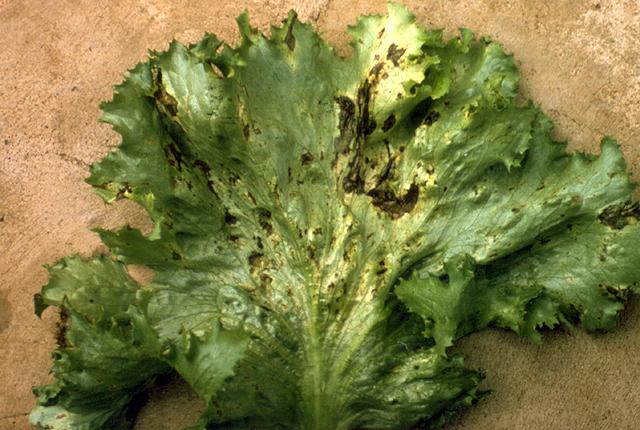
Understanding Lettuce Bacterial Leaf Spot
Lettuce bacterial leaf spot is a serious disease threatening home and commercial gardens. Caused by Xanthomonas bacteria, it creates water-soaked spots that rapidly blacken lettuce leaves. Prevention through disease-free seed, resistant varieties, proper watering techniques, and crop rotation is far easier than treatment. Early detection using modern diagnostic tools like Plantlyze ensures quick action.
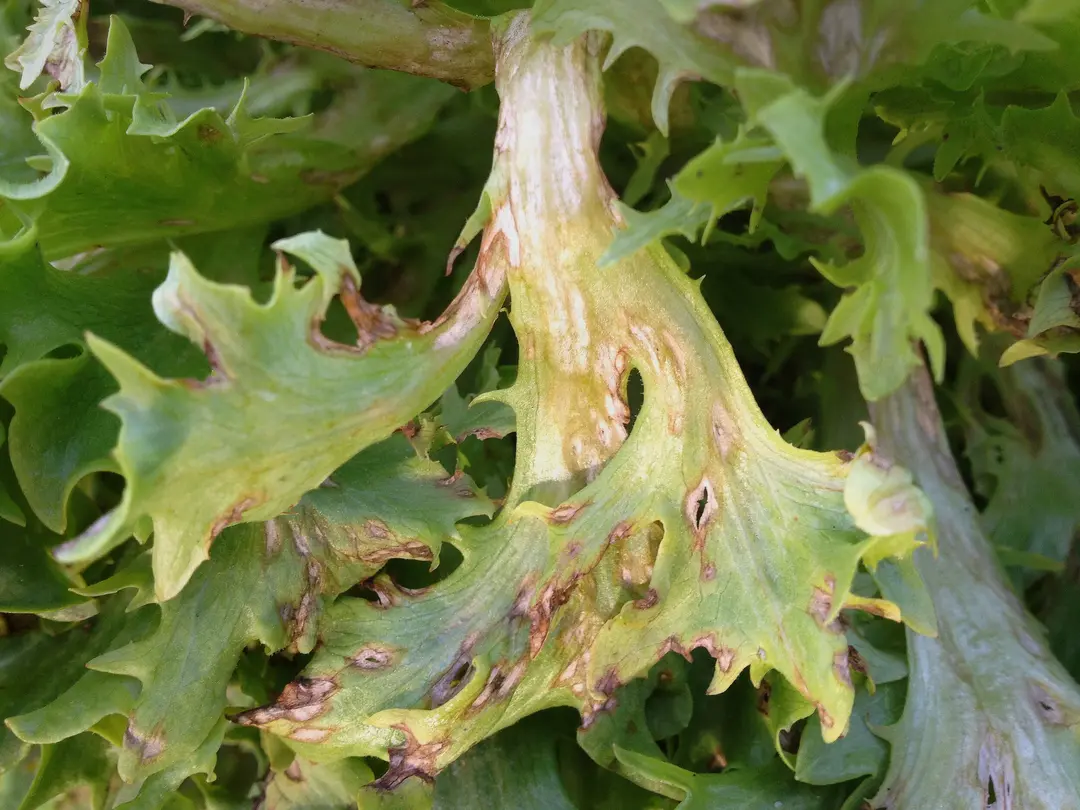
Lettuce Anthracnose: Complete Prevention & Management Guide
Lettuce anthracnose, caused by Microdochium panattonianum, is a soilborne fungal disease that spreads through water-splash transmission. This pathogen thrives in cool, wet spring conditions and causes orange-tan lesions with characteristic shot-hole symptoms. Anthracnose requires integrated management combining field history assessment, irrigation optimization, crop rotation, and careful monitoring to prevent significant crop losses.
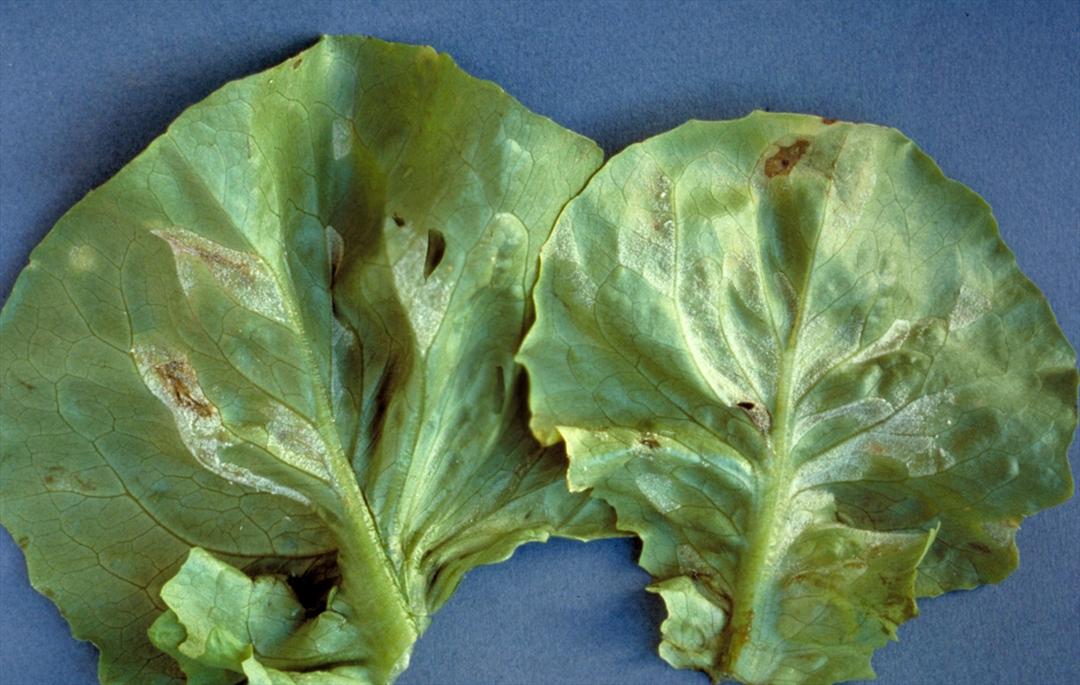
Lettuce Downy Mildew: The Complete Guide
Lettuce downy mildew, caused by Bremia lactucae, ranks as the most significant threat to lettuce growers worldwide. This oomycete pathogen reproduces rapidly (5 to 7 days) and weakens plants, making them vulnerable to secondary infections. Downy mildew is highly preventable through resistant varieties, proper irrigation, air circulation, and crop rotation strategies.
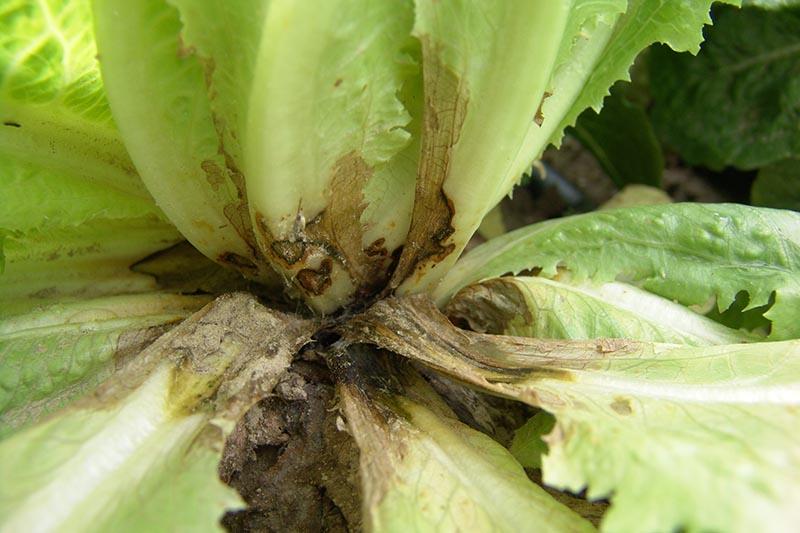
The Complete Guide to Lettuce Diseases
Lettuce faces three major diseases: downy mildew (yellow patches, white fuzz), powdery mildew (gray dusty coating), and lettuce drop (stem rot collapse). Prevention is key through resistant varieties, proper spacing, moisture management, and crop rotation. Early detection matters significantly.