Your garden was thriving just weeks ago. The lettuce seedlings looked perfect, growing steadily with vibrant green leaves. Then you noticed something off. Yellow patches started appearing on the older leaves, and when you flipped them over, you found white fuzz coating the undersides. Within days, your promising lettuce crop looked like it might be a total loss.
This scenario plays out for countless home gardeners and small scale farmers every year. Lettuce diseases are among the most frustrating challenges in vegetable gardening because they spread quickly and can devastate crops if you're not watching for the early warning signs. The good news? Understanding what you're looking for and taking preventive action makes all the difference between a bumper crop and a disappointing harvest.
This guide walks you through the most common lettuce diseases you'll encounter, how to spot them before they take over your crop, and what to do about them. Whether you're growing lettuce in a backyard container or managing a larger plot, knowing how to recognize and manage these problems will save you time, frustration, and plants.
The Three Major Lettuce Diseases You Need to Know About
When you're looking at a struggling lettuce plant, three diseases are usually responsible. Learning to tell them apart is your first step toward fixing the problem.
Downy Mildew: The Speedy Invader
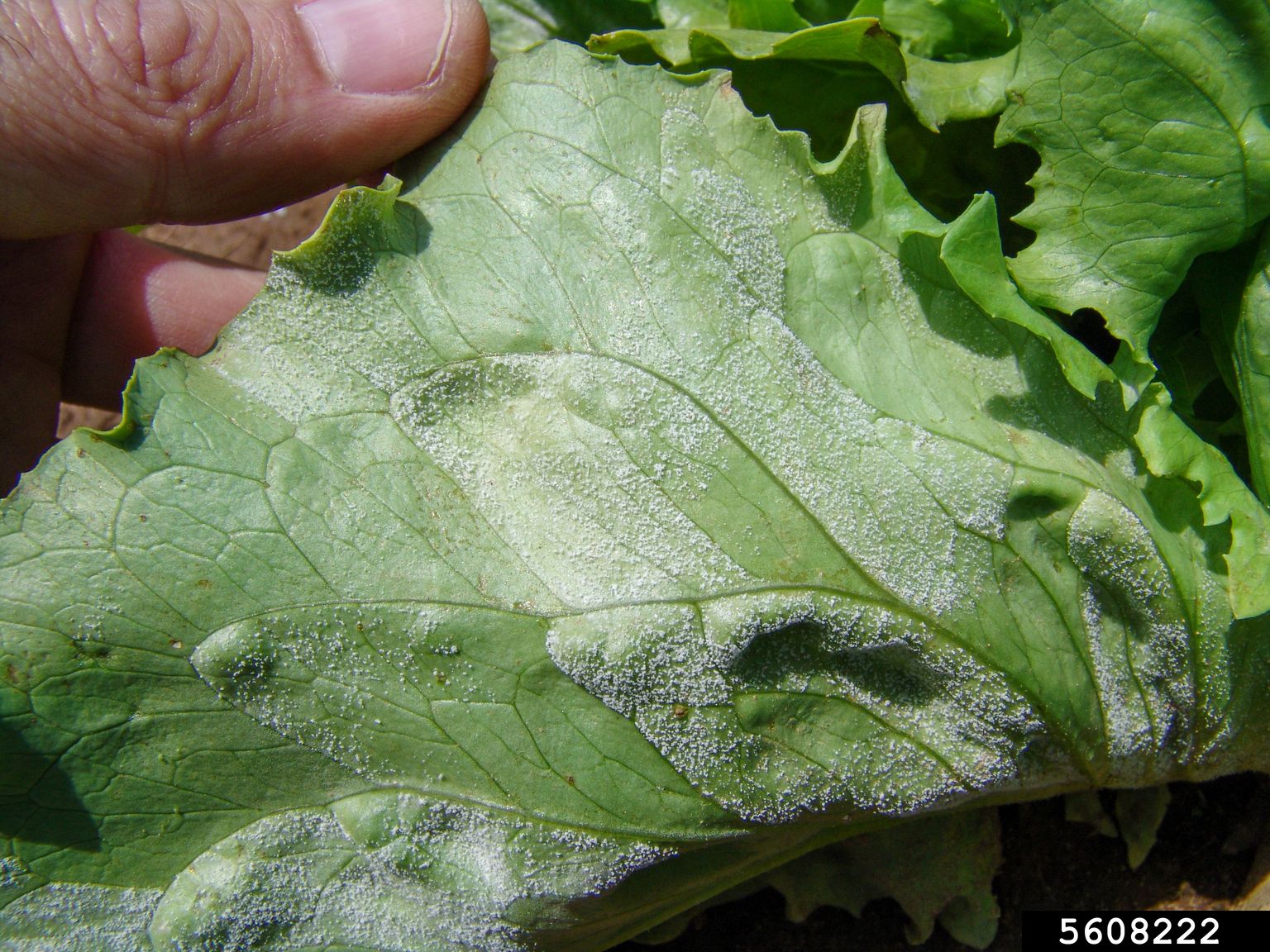
Can you imagine how a certain disease can cover your whole bed of lettuce within less than a week? This is downy mildew. One of the most aggressive diseases against lettuce, it is caused by an organism similar to fungi which thrives well under conditions that most growers set for their crop-cool and moist weather with high humidity. The scientific name of the causal agent shall be discussed later: Bremia lactucae.
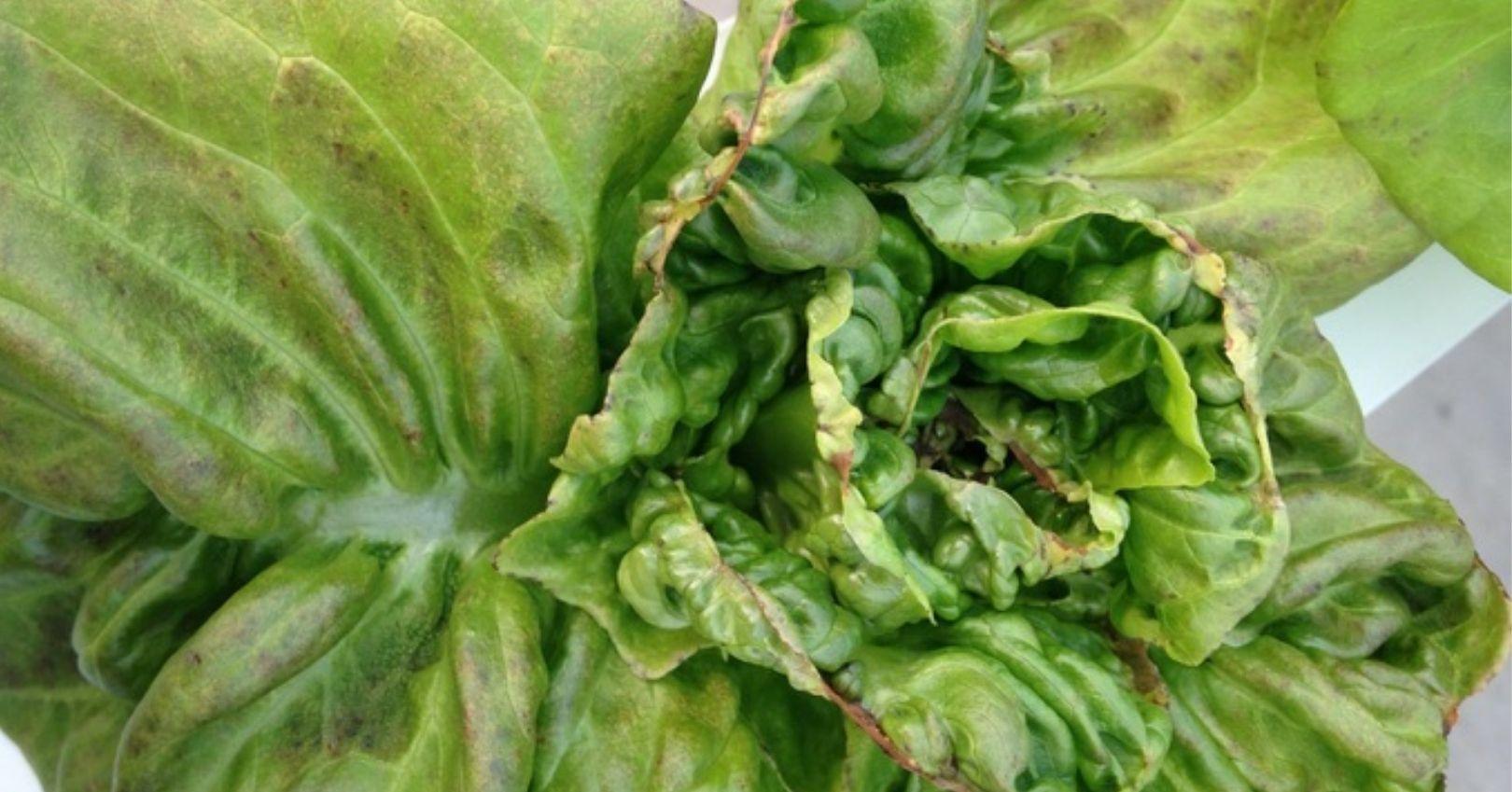
Here's what downy mildew looks like. You'll spot pale yellow or light green patches on the upper surface of leaves, usually starting on the older, outer leaves of your lettuce. These patches often have sharp angles because they're bounded by the leaf veins. Flip the leaf over, and you'll see the telltale sign: a fuzzy, white growth that looks almost like cotton. That white coating is where the fungus produces spores that spread the disease to other parts of your plant and your neighbors' lettuce too.
As the disease progresses, those infected areas turn brown and papery. Severely affected leaves eventually die completely. In the worst cases, especially with young seedlings, the disease can kill the entire plant.
Downy mildew loves temperatures between 10 and 23 degrees Celsius, which is why it's such a problem in spring and autumn in most temperate regions. It needs free moisture on your leaves to infect them, which means it thrives during cool, rainy periods or when overhead watering keeps leaves wet through the evening.
Powdery Mildew: The Deceptive Dusting
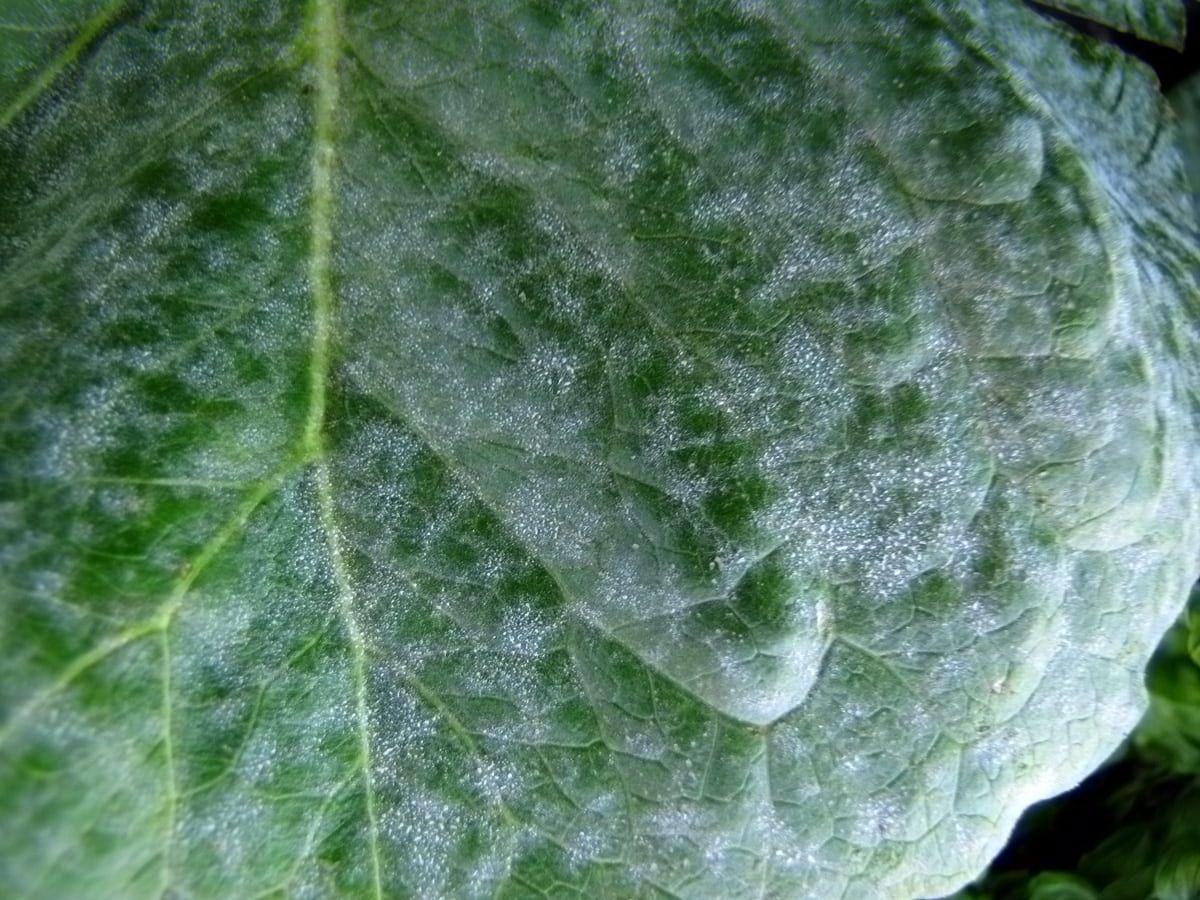
At first glance, powdery mildew might not seem as scary as downy mildew. It covers your lettuce leaves in what looks like a fine white or gray powder, almost like someone dusted your plants with flour. But don't let its appearance fool you. Powdery mildew can quickly cover entire leaves and reduce your lettuce quality significantly.
The key difference between powdery mildew and downy mildew is important. A thick, dusty coating develops on both the upper and lower surfaces of leaves. Powdery mildew does not need standing water on your leaves to spread just like downy mildew.It can break out in slightly drier conditions as well, particularly during warm humid spells.
Unlike downy mildew, which is limited by leaf veins, powdery mildew covers the whole surface of the leaf. In its development, it can eventually cover the entire leaf surface hence restricting severely the ability of the plant to photosynthesize. This will make your lettuce weak with low yield and quality.
Powdery mildew shows up more during warmer stretches of weather, particularly when days are warm but nights remain cool and humidity is elevated. If you grow lettuce through the summer months, this is the disease you're most likely to encounter.
Sclerotinia Rot (Lettuce Drop): The Silent Killer
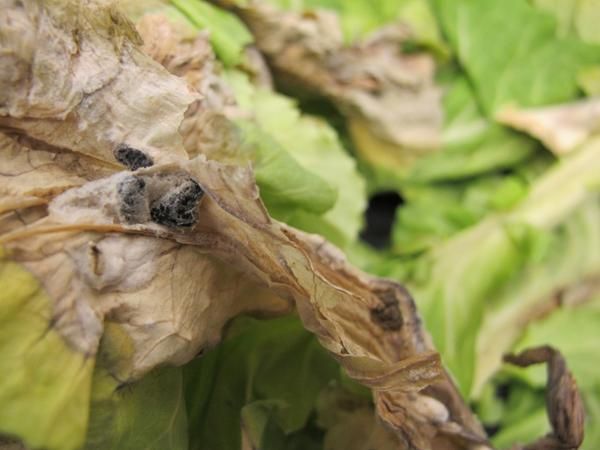
While the first two diseases attack leaves, Sclerotinia rot, commonly called lettuce drop, attacks the heart of your plant. This disease caused by the fungus Sclerotinia sclerotiorum is particularly devastating because by the time you notice something's wrong, significant damage has already occurred.
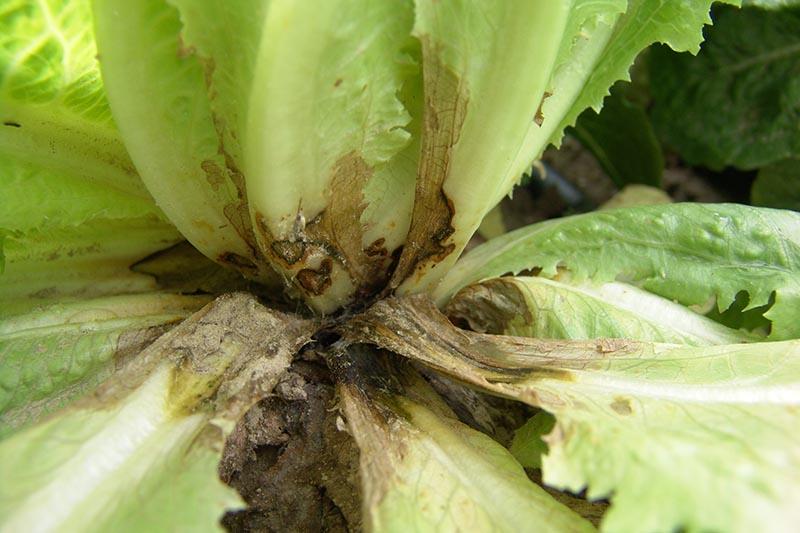
Lettuce drop typically starts at the base of the plant or on the main stem. You'll see a soft, dark, watery decay developing on stem tissue or near the root. What makes this disease truly scary is how fast it progresses once it starts. Infected tissue breaks down rapidly, and you'll often see white, fluffy fungal growth on the rotted areas. This fungal growth is the fungus producing spores, which means the disease can spread to nearby plants.
The plant doesn't wilt gradually like with some diseases. Instead, infected lettuce collapses suddenly because the stem tissue that carries water and nutrients is destroyed. Within days, your plant goes from looking relatively normal to being completely unmarketable or dead.
Spring conditions are ideal for this disease. When you have temperatures hovering around 15 to 20 degrees Celsius combined with moisture from rain or high humidity, Sclerotinia rot becomes a real threat. This is why timing your lettuce plantings strategically is so important for disease management.
Spotting the Trouble Before It Gets Worse
The secret to managing lettuce diseases isn't complicated: catch them early. The difference between controlling a disease and losing your crop often comes down to whether you noticed the problem when it was affecting just a few outer leaves or when it had already spread throughout your plants.
What Healthy Lettuce Actually Looks Like
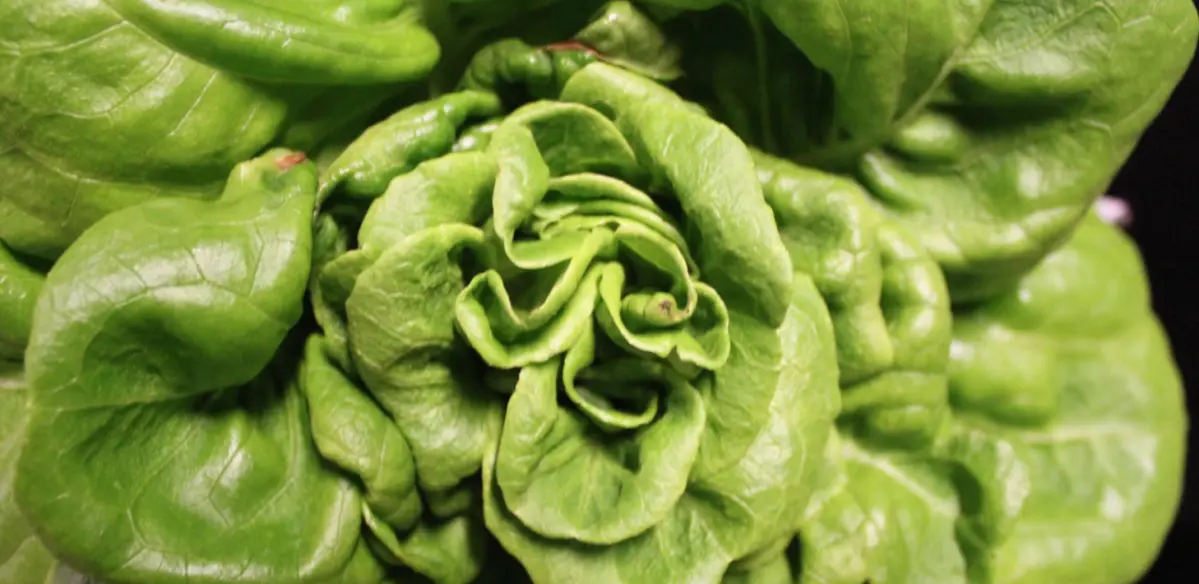
Before you can spot disease, you need to know what healthy looks like. Good lettuce should have vibrant, crisp leaves free from spots, discoloration, or unusual growth. The leaves should feel firm and turgid, not soft or slimy. There should be no white, gray, or fuzzy coating on either surface of the leaves. The stem should be firm and bright colored, not dark, soft, or watery.
Get in the habit of checking your lettuce every few days, especially the older outer leaves and the base of the plants. Look at both the tops and undersides of leaves. If you're growing lettuce in conditions where disease is likely (cool, wet, humid), you need to be even more vigilant.
The First Signs You're in Trouble
With downy mildew, you might first notice just a few small yellow spots on outer leaves. The white fuzz might not be obvious at first glance. That's exactly when you need to act. The moment you see those spots, you can implement treatments before the disease spreads. Wait another week, and the problem becomes exponentially worse.
For powdery mildew, you might first see a slight whitish tint on leaves before a thick coating develops. Again, catching this early means you can manage it before it spreads through your entire bed.
With lettuce drop, the challenge is different because the disease works from the inside out. By the time you see visible soft rot on the stem, the plant is usually already severely infected or dying. This is why prevention is even more critical for this particular disease.
Don't Ignore Tipburn: It Opens the Door to Worse Problems
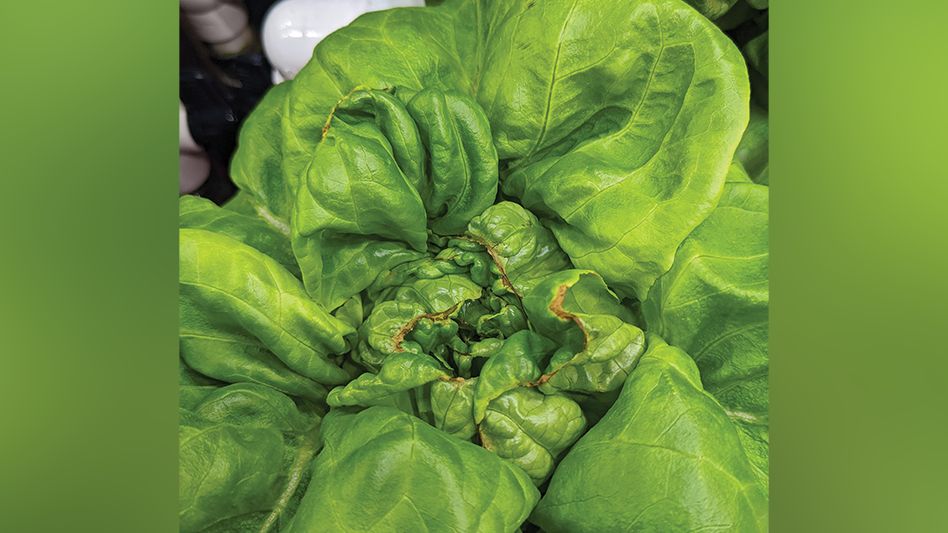
There's another issue you'll encounter with lettuce that isn't a disease but creates serious problems. It's called tipburn, and it's caused by calcium deficiency in the plant. You'll see browning and necrosis starting on the leaf edges and tips, particularly on inner leaves of heading types. The affected tissue becomes papery and brown.
While tipburn itself isn't a disease, it creates openings where bacteria can enter your plants. Studies have shown that lettuce with tipburn is far more susceptible to bacterial infections that can destroy your crop. The bacteria multiply dramatically in these damaged areas, sometimes multiplying more than twenty fold compared to healthy leaves.
Managing tipburn means focusing on consistent watering, avoiding extreme temperature swings, and harvesting slightly earlier rather than later. The severity of tipburn increases the longer you wait to harvest once it starts appearing. Sometimes waiting just three extra days can increase tipburn severity by 30 to 50 percent.
Prevention: Your Most Powerful Tool
If you take nothing else from this guide, remember this: preventing disease is infinitely easier than trying to cure it once your lettuce is infected. The best disease management strategy combines multiple approaches working together.
Start with Smart Variety Selection
One of your most powerful tools is choosing lettuce varieties that resist the diseases common in your area. Different lettuce varieties have resistance to different downy mildew strains, different powdery mildew races, and varying susceptibility to lettuce drop. The lettuce variety that's perfect for one region might be vulnerable to diseases in another area.
Talk to your local extension office or experienced growers in your region to find out which diseases are most problematic where you live. Then choose varieties bred for resistance to those specific diseases. This alone can significantly reduce your disease pressure without any other interventions.
Some varieties like Galactic have shown greater tolerance to lettuce drop in research trials. Others have been bred specifically for resistance to particular downy mildew races. Using resistant varieties isn't a guarantee, but it's a huge advantage.
Create Conditions That Discourage Disease
Diseases thrive in certain environments. Creating conditions where your lettuce is healthy and diseases struggle is fundamental to good management.
Moisture management is critical. Downy mildew and Sclerotinia rot both favor wet conditions. If you are practicing overhead watering that totally wets the whole plant, then change to drip irrigation which delivers water to the soil and roots while keeping the leaves dry. Nighttime wetness of leaves is an invitation for fungal diseases to establish themselves; if it has to be overhead watering let it be done early morning so that leaves dry quickly.
Air circulation matters tremendously. Diseases thrive in still, humid air. Don't overcrowd your lettuce. Proper spacing allows air to move between plants and helps leaves dry quickly after watering or rain. If you're growing lettuce in high tunnels or covered structures, ensure good ventilation.
Temperature and humidity management helps, particularly in controlled growing environments. During periods when conditions are ideal for diseases (cool, wet, humid for downy mildew and lettuce drop), increase air circulation and ventilation to reduce humidity around the plants.
Rotate Your Crops
Many lettuce pathogens survive in crop residues and soil. If you grow lettuce in the same spot year after year, disease pressure builds. Rotate lettuce with non host crops for at least 2 to 3 years before returning to that same location. This breaks the disease cycle and significantly reduces the pathogen populations that can infect your next lettuce crop.
This applies especially to bacterial diseases and Sclerotinia rot, which can overwinter in soil and residues.
Time Your Plantings Strategically
When you plant lettuce matters. Research from Kentucky growers shows that mid March planting dates had ten times higher lettuce drop incidence than late spring plantings. Early plantings had slightly better disease pressure than mid spring plantings, but late plantings showed the least disease.
This isn't universal across all regions and conditions, but it illustrates an important principle: understanding when disease pressure is naturally highest in your area and avoiding those plantings when possible is a powerful management tool.
Similarly, understanding that downy mildew is worse in cool, wet periods means planning your fall lettuce crop with this in mind. Late summer plantings that mature during cooler autumn weather experience higher disease pressure than spring plantings that mature as temperatures warm.
Managing Lettuce Diseases Once They Appear
Despite your best efforts at prevention, sometimes lettuce diseases still show up. When they do, you have options for managing them.
The Fungicide Approach
Fungicides are most effective when used as protectants, meaning they prevent infection rather than curing an already infected plant. Once a fungus has established itself inside leaf tissue, fungicides can't eradicate it. This is why timing is everything with fungicide applications.
If you're in a region or season where downy mildew is likely, applying preventive fungicide treatments before you see disease symptoms is far more effective than waiting until you spot the first yellow patches. Apply based on weather forecasts and disease risk rather than waiting for visible disease.
Fungicides work best when you use multiple products with different modes of action to prevent the pathogen from developing resistance to any single product. A strategy combining several fungicides with different active ingredients applied in rotation throughout the season provides better long term control than using the same product repeatedly.
For those preferring organic options, biofungicides based on beneficial microbes like Bacillus subtilis offer some protection, particularly when applied early in the disease development cycle.
Addressing Bacterial Problems
Bacterial diseases in lettuce are typically secondary infections that follow damage from other diseases, insects, or physical injury. The best management approach is preventing that initial damage. Keeping your lettuce free from downy mildew, powdery mildew, tipburn, and other damage reduces the likelihood of bacterial infections establishing themselves.
Good soil drainage, crop rotation away from lettuce for multiple years, and using disease free seed are fundamental to managing bacterial diseases. Unlike fungal diseases, fungicides often aren't effective for bacterial problems. Prevention is truly your only reliable tool.
An Integrated Approach Works Best
No single strategy solves every lettuce disease problem. The best disease management combines multiple tactics: resistant varieties, good cultural practices, appropriate irrigation and spacing, timely plantings, and fungicide applications when needed. Using multiple strategies simultaneously provides better control than relying on any single approach.
Beyond Manual Detection: Get Expert Help When You Need It
Correctly identifying what's wrong with your lettuce is the first step toward fixing the problem. But even experienced growers sometimes struggle to distinguish between similar looking diseases or to figure out exactly what's causing leaf damage.
This is where modern technology can help. Tools like Plantlyze use artificial intelligence to analyze plant images and provide instant diagnosis along with treatment recommendations. Instead of spending time trying to identify the exact disease, photographing your lettuce and getting an AI powered diagnosis takes seconds. Plantlyze can help you confirm what you're seeing, learn about the disease you're dealing with, and understand your treatment options.
Whether you're a beginner gardener just starting to grow lettuce or an experienced grower managing larger plantings, having access to accurate disease identification is invaluable. You can visit plantlyze.com to upload a photo of your lettuce and get an instant diagnosis. This takes the guesswork out of disease identification and helps you respond quickly with appropriate management strategies.
References
UC IPM - Downy Mildew / Lettuce https://ipm.ucanr.edu/agriculture/lettuce/downy-mildew/
Royal Horticultural Society - Lettuce Downy Mildew https://www.rhs.org.uk/disease/lettuce-downy-mildew
University of Arizona Cooperative Extension - Vegetable IPM https://cales.arizona.edu/crop/vegetables/advisories/more/disease68.html