Lettuce is one of the most rewarding vegetables to grow, whether in a backyard garden or commercial field. Yet a single disease threatens to destroy entire harvests: bacterial leaf spot (BLS). This devastating infection turns crisp, healthy lettuce leaves into blackened, papery remnants within days. The good news? With proper knowledge and prevention strategies, you can protect your lettuce crop from this silent destroyer.
What Is Lettuce Bacterial Leaf Spot?
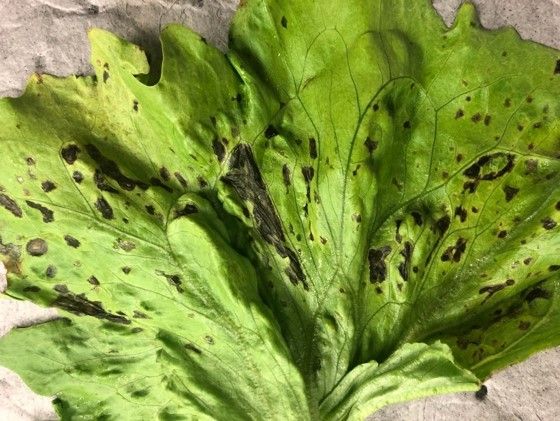
Lettuce bacterial leaf spot is a serious foliar disease caused by the bacterium Xanthomonas hortorum pv. vitians, formerly known as Xanthomonas campestris pv. vitians. This pathogen was first discovered and documented in 1918 by agricultural researcher Nellie Brown from the U.S. Department of Agriculture, who isolated it from infected lettuce plants in South Carolina.
The bacterium itself is rod-shaped, gram negative, and thrives in warm conditions with optimal growth occurring at 26 to 28 degrees Celsius (approximately 79 to 82 degrees Fahrenheit). While this might seem like specific scientific detail, understanding the enemy's preferences helps you create growing conditions that work against it.
Unlike fungal diseases that produce visible structures on plant surfaces, bacterial infections are invisible to the naked eye until symptoms appear. This makes early detection and prevention absolutely critical.
Recognizing Bacterial Leaf Spot Symptoms
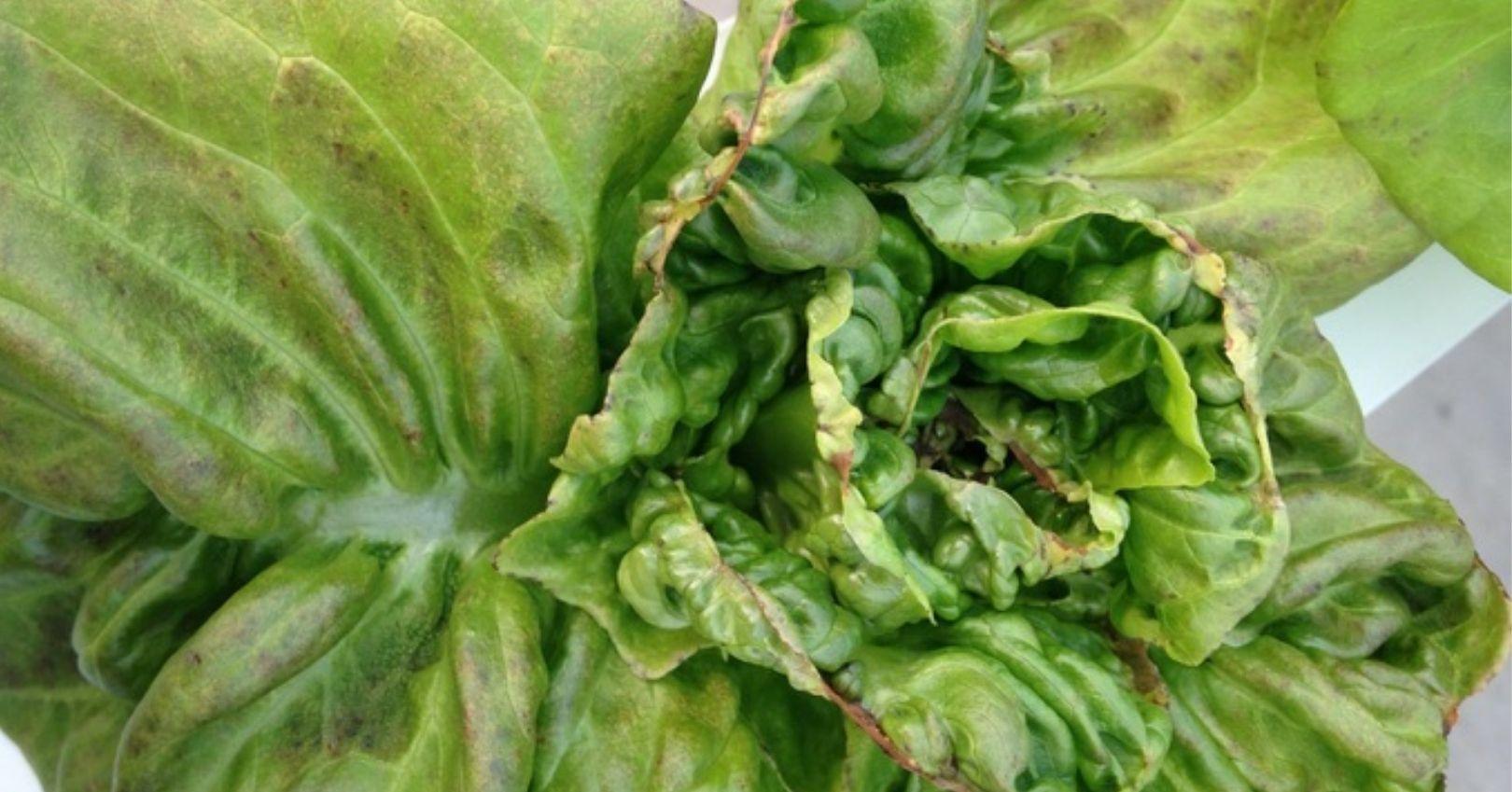
The first sign of bacterial leaf spot appears as small, circular, water-soaked spots on mature lettuce leaves. These spots often have a transparent, wet appearance that distinguishes them from other lettuce diseases. The spots typically start on the outer, fully developed leaves, though in moist conditions the disease can rapidly spread to inner leaves as well.
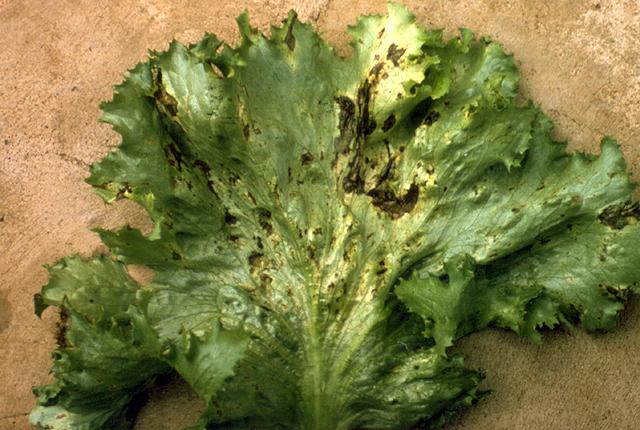
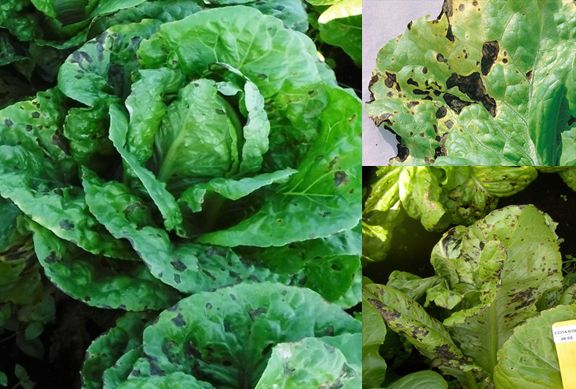
As the disease progresses, these water-soaked spots darken and turn brown to black within days. The affected tissue becomes dry and papery as the lesions age. Multiple spots may merge together, eventually blackening most of the leaf and making it unmarketable. The spots often have angular edges rather than smooth, round borders, which is another identifying characteristic.
Here's what to watch for:
Early Stage: Small transparent spots, barely noticeable
Mid Stage: Spots darken to brown, leaf tissue weakens
Advanced Stage: Black spots merge, entire leaves blacken, postharvest quality severely compromised
In greenhouse or high-moisture environments, the disease can advance from first visible symptoms to widespread infection within one week. This rapid progression is why catching it early makes all the difference.
How Bacterial Leaf Spot Spreads
Understanding disease transmission is essential for effective prevention. Bacterial leaf spot doesn't appear randomly; it follows predictable pathways that you can interrupt.
The bacterium spreads primarily through water splash. When rain, overhead irrigation, or even hand-watering touches infected leaves, water droplets carrying the bacteria spray onto nearby healthy plants. This is the primary reason why overhead sprinkler systems are problematic in lettuce production.
Beyond water transmission, the disease can enter your garden through contaminated seed. Infected seeds may harbor the pathogen internally, meaning disease symptoms appear weeks after planting when it's too late to prevent crop loss. Once established, the bacterium survives in infected crop debris left in the soil and can persist for months to years on undecomposed leaf material.
Environmental conditions that favor disease development:
Wet conditions create the perfect breeding ground for bacterial leaf spot. Cool to warm temperatures between 50 to 75 degrees Fahrenheit accelerate disease development, though the bacteria can infect at any temperature in the presence of moisture. High humidity and dense plant canopies reduce air circulation, keeping foliage wet longer, which extends the infection window.
Prevention: Your First and Best Defense
Preventing bacterial leaf spot is infinitely easier than treating it once established. In fact, once the disease takes hold, options for control become severely limited. Prevention focuses on breaking the chain of transmission through several proven strategies.
Start with Disease-Free Seed
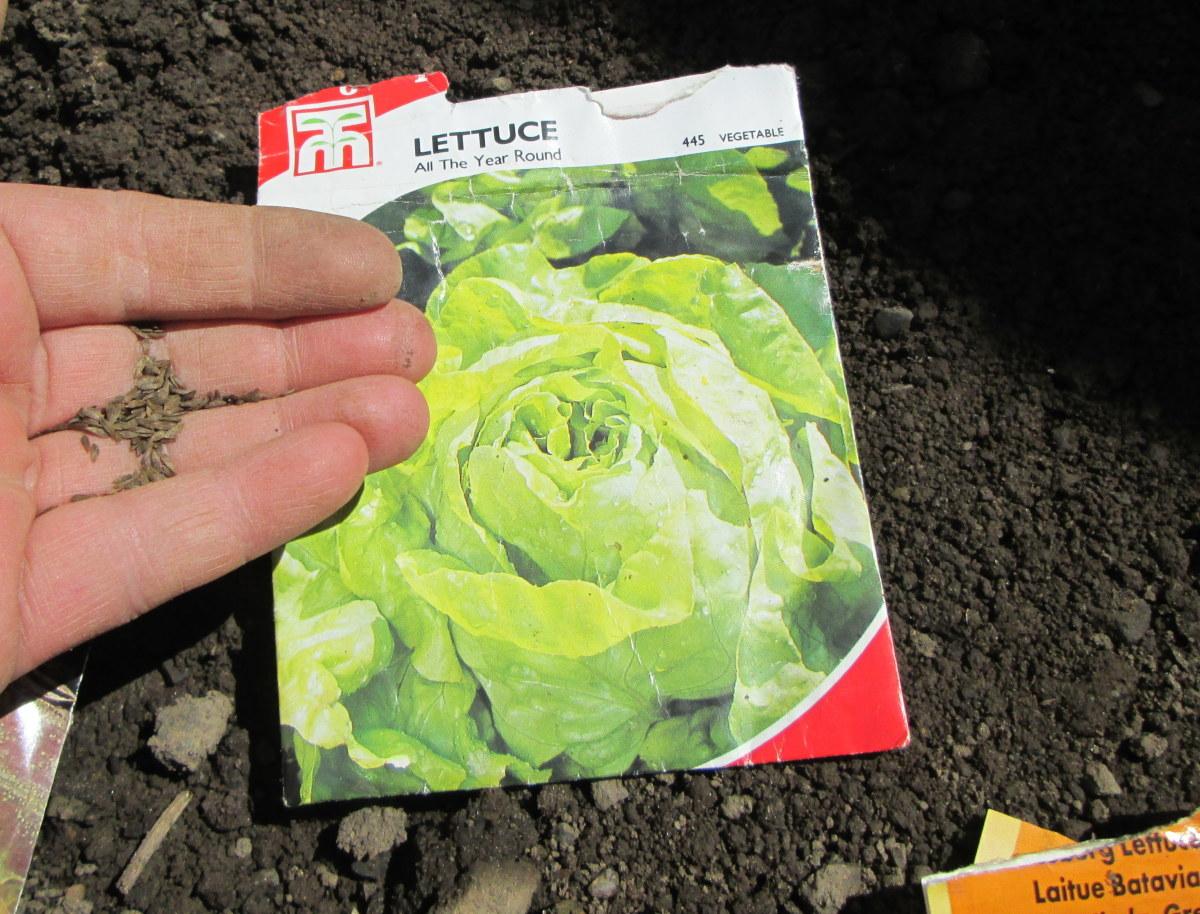
The first defense layer is using certified, pathogen-free seed from reputable suppliers. Reliable seed testing isn't yet universally available, so choosing suppliers with strong disease management practices matters.
If you're concerned about seed quality or want to add an extra layer of protection, hot water seed treatment effectively eliminates the bacterium if present internally. Here's the proper protocol:
Heat two pots of water. Fill the first pot to 100 degrees Fahrenheit (38 degrees Celsius) and the second to 120 to 125 degrees Fahrenheit (49 to 52 degrees Celsius). Submerge your lettuce seeds in the warmer first pot for approximately 10 minutes to allow them to adjust. Then transfer them to the hotter second pot and keep them submerged for 20 to 25 minutes. Finally, pat them dry with a clean towel and cool them to room temperature before planting.
Alternatively, hydrogen peroxide treatment using a 3 to 5 percent aqueous solution can effectively reduce or eradicate the pathogen from seed surfaces.
Choose Resistant Varieties
Plant breeders have developed several lettuce cultivars with proven resistance to bacterial leaf spot. These varieties still require good management practices, but they provide a significant advantage:
Little Gem: Shows strong resistance to multiple Xanthomonas vitians strains from California and has excellent flavor.
Ice Queen: Another variety recommended for gardeners in BLS-prone areas.
Pavane: European heirloom variety with reliable resistance properties.
La Brillante: Another classic variety showing strong resistance characteristics.
PI358001-1: This plant introduction demonstrates resistance to Florida strains of the pathogen, making it valuable for southeastern gardeners.
Important note: The disease includes at least three different pathogenic races, and resistance varies by race. A variety resistant to one race might succumb to another. Understanding your region's dominant race can help you select the most effective variety, though this information isn't always readily available to home gardeners.
Master Proper Watering Techniques
Water management is arguably the single most important cultural practice for preventing bacterial leaf spot. The key principle is simple: never wet the foliage.
Avoid overhead sprinkler irrigation entirely if possible. Instead, use drip irrigation systems placed close to the soil surface, or water by hand using a watering can directed at the base of plants. When you water, apply moisture to the soil around the plants, not to the leaves themselves.
If rain is forecast and your lettuce already shows any BLS symptoms, this is not the time to do other garden work that might splash water on the plants. Similarly, avoid handling or harvesting lettuce when leaves are wet.
Implement Crop Rotation
Never plant lettuce in the same location two years in a row if the previous crop showed any signs of bacterial leaf spot. The bacterium survives on infected plant debris left in soil and can persist for extended periods. By rotating crops, you break this survival pathway.
When rotating, remove all debris from the old planting site before planting a different crop. Ideally, plant non-lettuce species in that location for at least one full season, with slower-growing crops like broccoli, cauliflower, or celery being particularly beneficial as they allow more time for the pathogen to die off naturally.
Maintain Strict Sanitation
Practice rigorous sanitation throughout the growing season:
Remove any lettuce plant showing BLS symptoms immediately and dispose of it far from your garden, not in compost. The bacterium can survive in compost piles that don't reach sufficient temperatures.
After harvest, remove all crop residue from the garden beds. Don't allow infected leaves to decompose in place.
Disinfect tools and hands if you've handled diseased plants. Wash hands thoroughly before touching healthy plants.
Keep weeds controlled, as they can harbor the pathogen between crops.
Management When Disease Appears
Despite your best efforts, sometimes bacterial leaf spot appears in your lettuce. At this point, options become limited. Unlike fungal diseases, bacterial infections don't respond well to most treatments once established.
Early Detection Is Critical
The first 48 to 72 hours after symptoms appear represent your best window for action. If you notice water-soaked spots appearing on outer lettuce leaves, examine the entire plant and surrounding plants closely.
Digital Plant Diagnosis Tools: Modern technology offers quick confirmation of what you're seeing. If you want to verify your diagnosis before taking drastic action, tools like Plantlyze (an AI-powered plant care and diagnosis platform) can help you identify the disease quickly by analyzing photos of affected leaves. Visit plantlyze.com to upload images and get instant diagnostic confirmation, giving you confidence in your next steps.
Treatment Options
Copper fungicides can be applied, but their effectiveness is limited unless applied very early in the disease cycle, before infection is fully established. These work best as preventative sprays rather than curative treatments.
In commercial settings, copper hydroxide has been used with some success to slow spread, but home gardeners rarely achieve complete disease control through chemical means alone.
When to Remove Plants
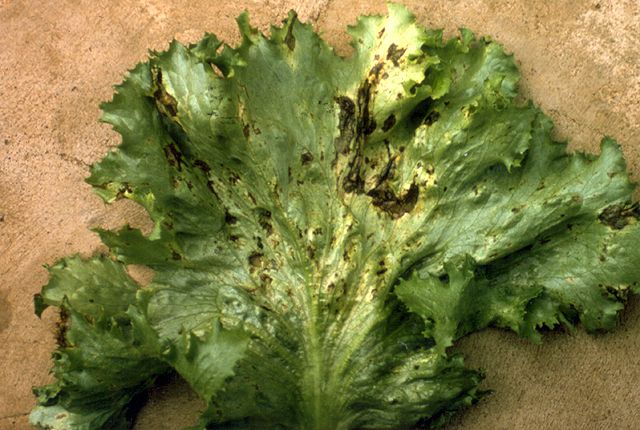
If more than 20 to 25 percent of a lettuce plant shows BLS symptoms, removal is typically the best option. Removing and destroying diseased plants prevents the bacteria from multiplying and spreading to surrounding healthy plants. This sacrifice prevents the loss of entire beds.
If only a few outer leaves show spots and the plant is otherwise healthy, carefully remove the affected leaves using disinfected pruning tools, and dispose of them in sealed plastic bags. Do not compost them. Monitor the plant daily for new symptoms.
Special Considerations for Different Growing Systems
Greenhouse and nursery environments present unique challenges. Xanthomonas can survive in dried leaf tissue in greenhouses for more than 3 years, making sanitation between crops absolutely essential. Clean and disinfect all benches, pots, trays, and tools with appropriate disinfectants before replanting.
Container gardeners have an advantage: they can use fresh potting medium each season, reducing bacterial survival in old soil. Even so, container sanitation remains important. Wash containers thoroughly before reuse.
Hydroponic and aquaponic systems require strict nutrient solution management and regular system sanitation, as bacterial populations can establish in recirculating water systems.
Understanding Race-Specific Resistance
Advanced research has revealed that bacterial leaf spot isn't a single pathogen but rather multiple pathogenic races. At least three distinct races have been identified, and different lettuce cultivars show varying resistance depending on which race is present in your region.
This explains why a resistant variety might fail in one location but succeed in another. Knowing your region's dominant race would help with variety selection, but most home gardeners lack access to this information. The practical solution is to use resistant varieties while maintaining excellent cultural practices, which work against all races.
Penn State University is developing race-specific detection methods that could eventually give gardeners and growers better tools for variety selection, but these technologies aren't yet widely available to home gardeners.
Key Takeaways for Lettuce Success
Bacterial leaf spot remains one of lettuce's most unpredictable and destructive enemies. Yet it's also highly preventable through consistent management:
Begin with certified, disease-free seed or treat your own seed with hot water. Select resistant varieties suited to your region. Never wet lettuce foliage during irrigation; use drip systems or hand-watering instead. Rotate crops annually and remove all infected debris. Maintain rigorous sanitation practices throughout the growing season.
If disease does appear, identify it quickly using modern diagnostic tools, remove affected plants immediately, and adjust your practices for the next season. Each growing season teaches valuable lessons that strengthen your disease prevention program.
The crisp, healthy lettuce you harvest is worth the effort. By understanding how bacterial leaf spot spreads and implementing proven prevention strategies, you'll join successful growers who rarely see this disease in their fields.
References
USDA Agricultural Marketing Service – Vegetable Disease Resources https://www.ams.usda.gov/
UC IPM (University of California Integrated Pest Management) – Bacterial Leaf Spot / Lettuce / Agriculture https://ipm.ucanr.edu/agriculture/lettuce/bacterial-leaf-spot/
University of Florida EDIS – Bacterial Leaf Spot of Lettuce: An Unpredictable Enemy to the Vegetable Industry https://edis.ifas.ufl.edu/publication/HS1412
UC Davis Michel more Lab – Bacterial Leaf Spot https://michelmorelab.ucdavis.edu/bacterial-leaf-spot
National Center for Biotechnology Information (NCBI/PMC) – Impact on Alternaria alternata Invasion and Mycotoxin Production https://pmc.ncbi.nlm.nih.gov/articles/PMC10059781/