Introduction
Let us imagine a scenario in which on some cold winter morning you enter your kitchen and from there pick up fresh, crisp lettuce for your salad. No trip to the grocery store. No questions about its source. Just homegrown greens tasting better and costing less than any comparable item that can be bought. Indoor growing of lettuce makes this possible all year round and is, frankly, much easier than most people would ever suspect.
Whether you live in a cramped apartment, face harsh winters, or simply want fresh vegetables without the outdoor space, indoor lettuce growing offers an accessible solution. Lettuce naturally thrives in cooler conditions and requires less light than other vegetables, making it the perfect candidate for indoor cultivation. In just 3-4 weeks, you can go from planting seeds to harvesting your first crop. Let's explore how to transform any indoor space into a productive lettuce garden.
Why Growing Lettuce Indoors Is Easier Than You Think
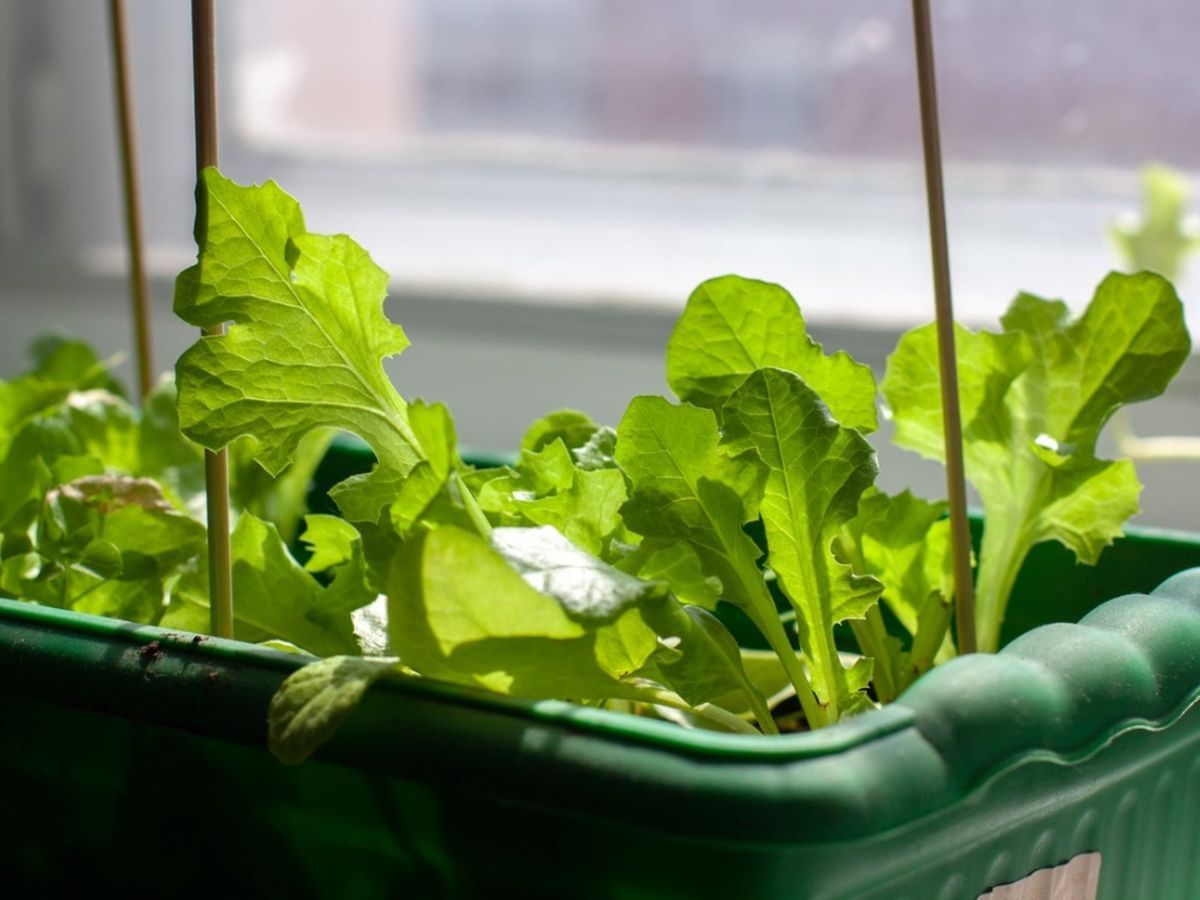
Most people think growing anything indoors needs some special knowledge or fancy equipment. Lettuce completely disproves that assumption. Unlike tomatoes or peppers which need strong light and warmth, lettuce actually prefers cool conditions with modest lighting.[1] That makes beginner-friendly really and truly!
Lettuce is a cool weather crop. Outdoor temperatures get above 75°F and the lettuce goes to seed. Bolting. Flowering, indoors you control 'the' temperature.[24] Keep it between 60-70°F and lettuce will be happy as can be thriving nicely. This natural tendency toward cooler conditions makes your air-conditioned home or cool basement an ideal growing environment for something like this-not fighting nature but working with it.
The light requirement is another reason lettuce succeeds indoors. While tomatoes need 14-16 hours of intense light daily, lettuce needs just 12 hours. Natural sunlight from a south-facing window often suffices, or inexpensive LED grow lights do the job perfectly. You don't need thousands of watts or complex setups. Simple, affordable lighting works great.
Speed is another advantage. From seed to harvest takes approximately 3-4 weeks, depending on variety. You'll see germination within 7-14 days in soil-based systems or remarkably, just 1-4 days in hydroponic setups. This rapid cycle means you experience success quickly and can plant new crops in succession for continuous harvests. Growing lettuce indoors fits any living situation—apartments, offices, homes with limited yard space. Best of all, homegrown lettuce costs a fraction of supermarket prices while tasting considerably better. For anyone curious about gardening but intimidated by outdoor growing, lettuce is the perfect entry point.
Choosing the Right Lettuce Varieties for Indoor Growing
Not all lettuce varieties perform equally indoors. Some prefer more space, while others thrive in compact conditions. Understanding which varieties suit your setup determines your success rate.
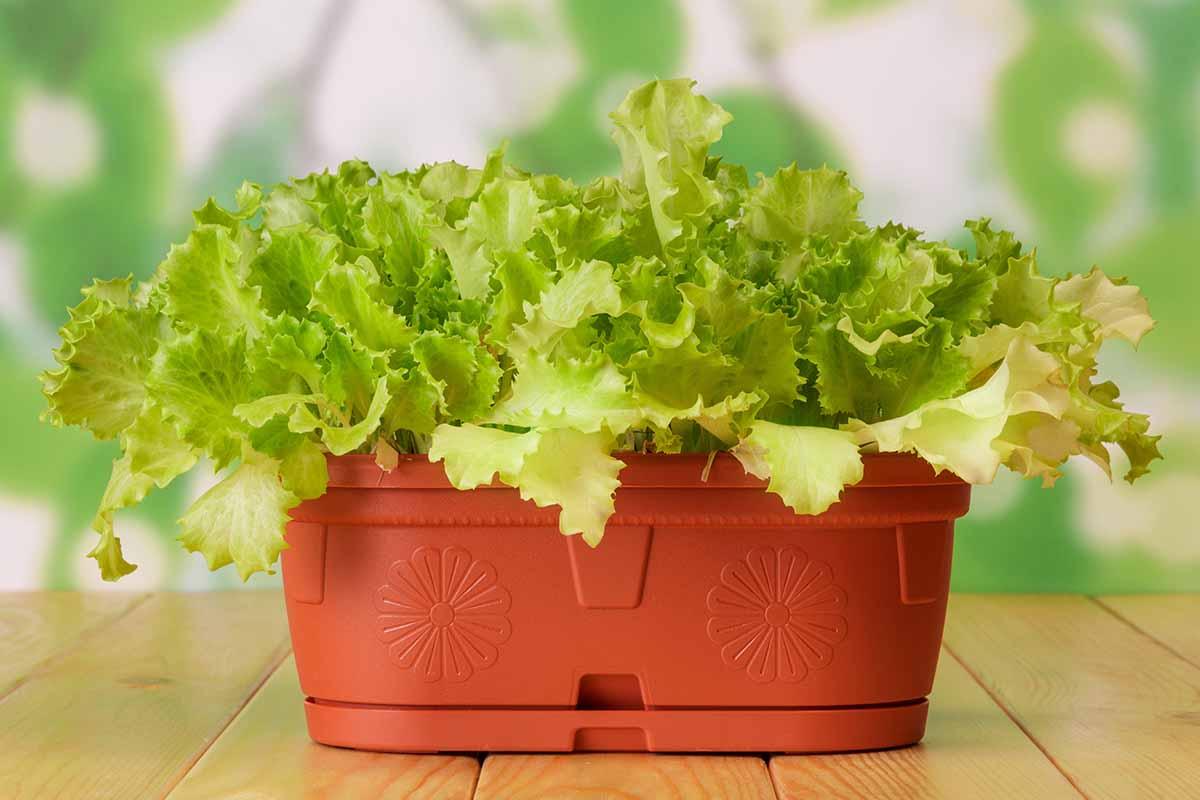
Loose-leaf lettuce is the top choice for indoor growing. Varieties like oak leaf, red leaf, and buttercrunch are fast-growing, compact, and forgiving. These varieties typically mature in 30-45 days and don't require as much vertical space. You harvest leaves individually by plucking outer ones, allowing inner leaves to continue growing. This "cut and come again" method means one plant provides multiple harvests over 6-8 weeks.
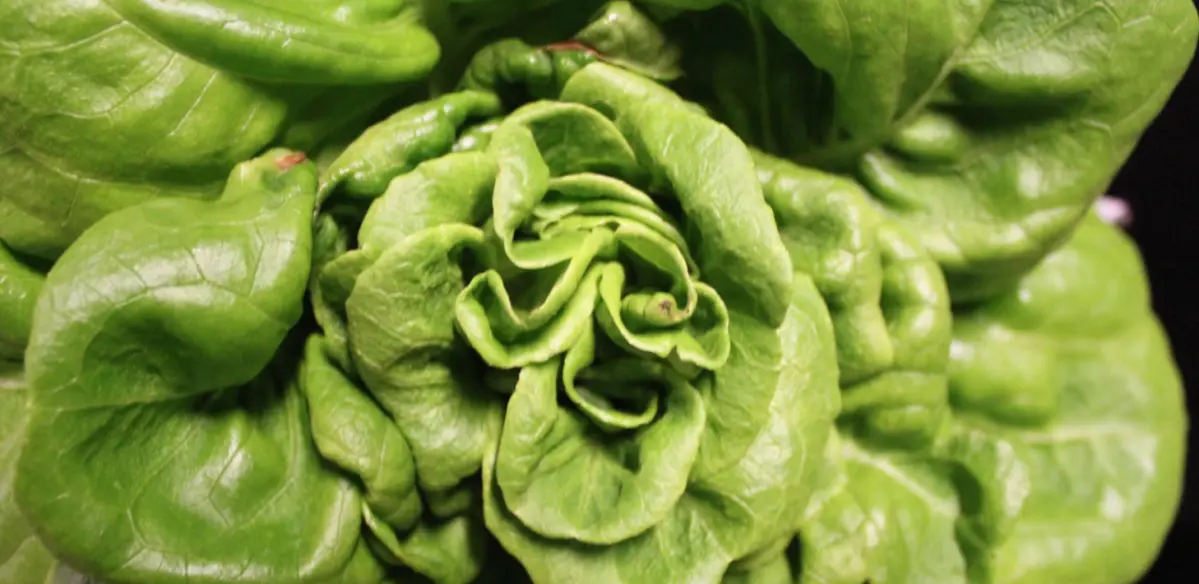
Butterhead lettuce offers excellent flavor and crispness. Varieties like Bibb or Boston lettuce develop those classic tender, folded leaves. While they need slightly more space and longer growing time (around 60-75 days), butterhead varieties reward your patience with superior taste. If you have the space and patience, butterheads are worth growing.
Romaine lettuce works for indoor growing too, though it requires more vertical space since these plants grow taller. Romaine varieties take about 60-75 days but produce sturdy, long-lasting harvests.
Avoid large crisphead varieties like iceberg lettuce indoors. These require significant space, longer growing periods, and higher light intensity. They're better suited to outdoor or commercial operations with substantial resources.
Baby leaf lettuce represents a fantastic option for very small spaces. Seed companies now offer packets labeled "salad mix" or "microgreen mix" that mature in just 20-30 days at tiny sizes. Perfect for apartments or office spaces. You can also source pre-sprouted lettuce seedlings from local nurseries or online retailers like Lettuce Grow, giving you a head start if you want to skip the germination phase.
Essential Equipment and Setup
Before planting your first seed, gather these essential items. You don't need expensive equipment, but quality basics matter.
Light Requirements
Lettuce requires at least twelve hours of light per day. If your south window can provide enough brightness, then natural sunlight will also work. Place the seedlings just against the windowpane to maximize available light. However, nature’s light varies with season and location; most growers prefer LED grow lights for their reliability and control.
Affordable LED grow lights fall into two basic categories: full spectrum panel and tube or bar light. The full spectrum panel serves large setups well, while simple tube lights (sometimes referred to as shop lights) suit smaller operations perfectly. Place lights 6-12 inches above your seedlings, adjusting upward as plants grow. Keep lights on 12-14 hours daily using a basic timer, which costs just a few dollars and removes guesswork.
Growing Medium and Containers
You have two paths: soil-based growing or hydroponics. For beginners, soil-based growing is more forgiving and requires less initial investment.
For soil-based growing, use a quality potting mix designed for seedlings. This mix is typically lighter and airier than garden soil, allowing excellent drainage. Good drainage prevents root rot and fungal issues. Mix components might include peat moss, coconut coir, perlite, and vermiculite. Avoid heavy garden soil from outdoors; it compacts indoors and drains poorly.
Containers need drainage holes in the bottom. You can repurpose household items: plastic storage containers, yogurt cups, or takeout boxes all work if you drill drainage holes. For more serious growing, shallow trays (2-4 inches deep) accommodate lettuce's shallow root systems perfectly. Spacing matters less than you'd think indoors. Many growers use 6-8 inch spacing between plants, though closer spacing still produces results.
Hydroponic systems offer an alternative for those interested in water-based growing. Systems like AeroGarden provide complete setups. For budget-conscious growers, deep water culture (DWC) systems are simple and effective. DWC involves suspending plant roots in nutrient-rich water. Lettuce roots absorb water and nutrients directly, often producing faster growth and bigger yields than soil-based methods. Hydroponics requires slightly more setup and attention to water pH and nutrient balance, but many growers find it more efficient long-term.
Temperature and Humidity Control
Lettuce grows best between 60-70°F. For seed germination specifically, 70-75°F speeds up sprouting. If your home runs warmer than 75°F, you'll need to provide extra cooling or shade, or select heat-tolerant varieties like oak leaf and salad bowl.
A simple household thermometer tracks your growing space temperature. Many growers keep their lettuce area away from heat sources and near windows for naturally cooler conditions. Basements and cool closets are ideal if they receive adequate light.
Humidity levels between 50-70 percent are optimal. Fortunately, most homes maintain this range naturally. Overly dry conditions can slow growth, but lettuce tolerates normal household humidity. Avoid dense plantings that restrict air circulation, as poor airflow invites fungal diseases.
Step-by-Step Growing Guide
Success comes from following a logical progression through distinct phases. Let's walk through each one.
Preparation and Planting
Start by cleaning all containers and tools with mild soap and water. This simple step prevents soil-borne diseases. Prepare your growing medium by dampening it thoroughly with water before planting. Moist (but not waterlogged) soil makes planting easier and helps seeds make soil contact.
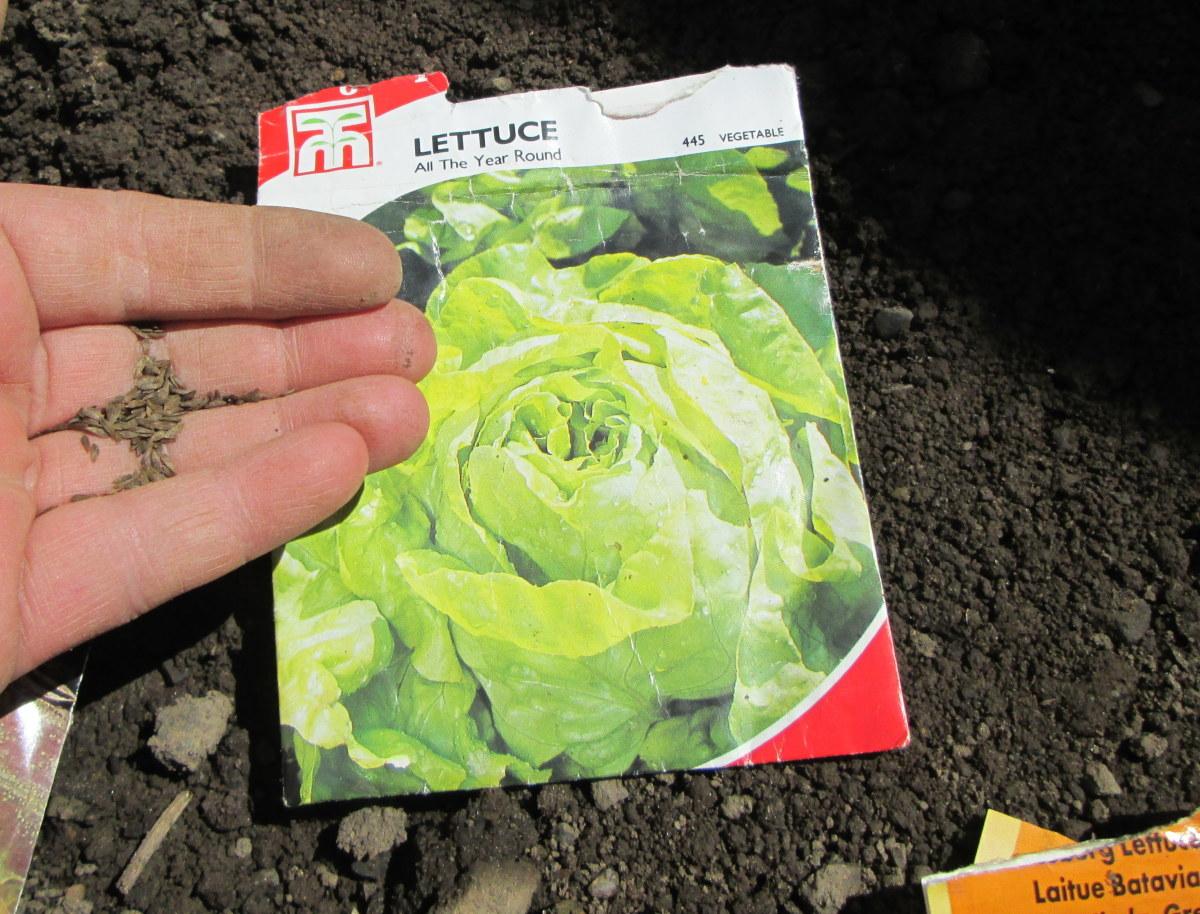
For direct seeding, plant lettuce seeds at about a depth of 0.25 inches. In containers, space the seeds approximately 1-2 inches apart. The seeds are very small; consider using seed tape or placing them carefully with a toothpick. Cover them lightly with moist soil. For hydroponics systems, follow your kit’s instructions on positioning seedlings.
Use a spray bottle to water gently. You will not displace the seeds that way. Label containers with the name of variety and date of planting. It is this simple habit that eliminates confusion later on and enables you to determine which ones grow faster,
Germination Phase (Days 1-14)
Expect germination in 7-14 days for soil-based seeds and just 1-4 days for hydroponic systems. During this phase, keep soil consistently moist (like a wrung-out sponge, not soggy). Check daily and mist with water if the surface dries out.
Germinating seeds don't need light yet. Keep them in a warm spot (70-75°F is ideal) in a dark location or covered with a humidity dome or clear plastic wrap. This warm, moist environment speeds germination remarkably. Once you see the first tiny green shoots emerging, immediately move seedlings under lights and remove any covering.
Maintain consistent moisture during germination. Too dry, and seeds won't sprout. Too wet, and seeds rot. This balance is easier than it sounds; most growers simply mist seedlings daily.
Seedling Development (Weeks 2-3)
Once seedlings emerge, strong light becomes critical. Position lights just 2-3 inches above seedlings, adjusting upward as plants grow. Keep lights on 12-14 hours daily. You should see true leaves (the second set of leaves that looks like actual lettuce leaves) developing within 10-14 days.
Water consistently but allow the soil surface to dry slightly between waterings. This encourages stronger root development. Thin seedlings if they're crowded, removing weaker plants to give strongest plants room.
Watch for leggy seedlings (tall, thin, pale plants stretching toward light). This indicates insufficient light intensity or too much distance from lights. Move lights closer immediately.
Growth and Development (Weeks 3-4)
Now lettuce enters rapid growth mode. Leaves expand, plants thicken, and you'll clearly see your lettuce looking like actual salad greens. Maintain consistent moisture and adequate light. Plants grow noticeably taller and bushier during this phase.
Watch for bolting signs: a flower stalk beginning to form in the center of the plant. Bolting happens when lettuce perceives stress from heat, irregular watering, or aging. If bolting begins, harvest immediately before the lettuce turns bitter. However, proper temperature control and consistent care prevent most bolting.
When outer leaves reach 4 inches tall, your lettuce is approaching harvest readiness. The plant looks like actual lettuce now, not just seedlings.
Watering, Feeding, and Maintenance
Proper care after initial germination ensures consistent, quality harvests.
Watering Best Practices
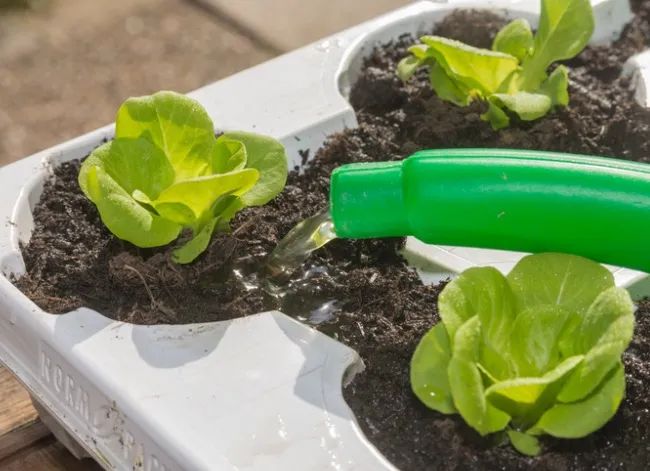
Lettuce prefers consistently moist soil but not waterlogged conditions. Water when the top 0.5-1 inch of soil feels dry to the touch. This typically means watering every 1-2 days for indoor plants in containers.
Overwatering causes more problems than underwatering. Excess moisture leads to root rot, fungal diseases, and leaf spotting. Conversely, underwatering stresses plants, encouraging bolting. The ideal balance is moist but well-draining soil.
Water in the morning when possible. This allows foliage to dry during the day, reducing disease risk. Use room-temperature water. Cold water shocks plants and slows growth.
In hydroponic systems, monitor water levels daily and maintain proper nutrient solution concentrations according to your system's instructions. Water temperature should be 65-70°F for optimal nutrient uptake.
Nutrient Management
The potting mix always does have some starter nutrients in it but top dressing works very well for lettuce. After two to three weeks from the initial planting, a balanced liquid fertilizer can be applied every seven to ten days-ALL fertilizers should however be used at half strength so as not to burn with nutrients. These may include fish emulsion or seaweed extract general hydroponic nutrient.
Yellow leaves mean lack of Nitrogen! In such cases feed more often just slightly. Conversely, stop feeding if you see any crust-like buildup on soil (salt accumulation).
Hydroponic systems require more attention to nutrient management. Follow your system's guidelines for water changes and nutrient adjustments. Regular monitoring prevents deficiencies and maintains optimal plant health.
Ongoing Maintenance
Indoor gardening is relatively pest and disease-free compared to outdoor growing. However, remain vigilant. Check the undersides of leaves weekly for any tiny insects or unusual spots. Indoor pests like spider mites or whiteflies are rare but possible.
Ensure good air circulation around plants. A small oscillating fan set on low speed helps tremendously. Good airflow prevents fungal diseases and strengthens plant stems.
Keep your growing area clean. Remove dead leaves promptly and wipe down containers periodically. This simple hygiene prevents disease issues. If you notice any diseased leaves, remove them immediately and discard in the trash, not the compost.
Monitor your seedlings every other day. You're looking for any signs of stress: yellowing, wilting, unusual spots, or stunted growth. Early detection allows quick intervention before problems spread.
Harvesting Strategies and Maximizing Yield
The best part arrives when you finally harvest your lettuce. Timing and technique matter for ongoing productivity.
Knowing When to Harvest
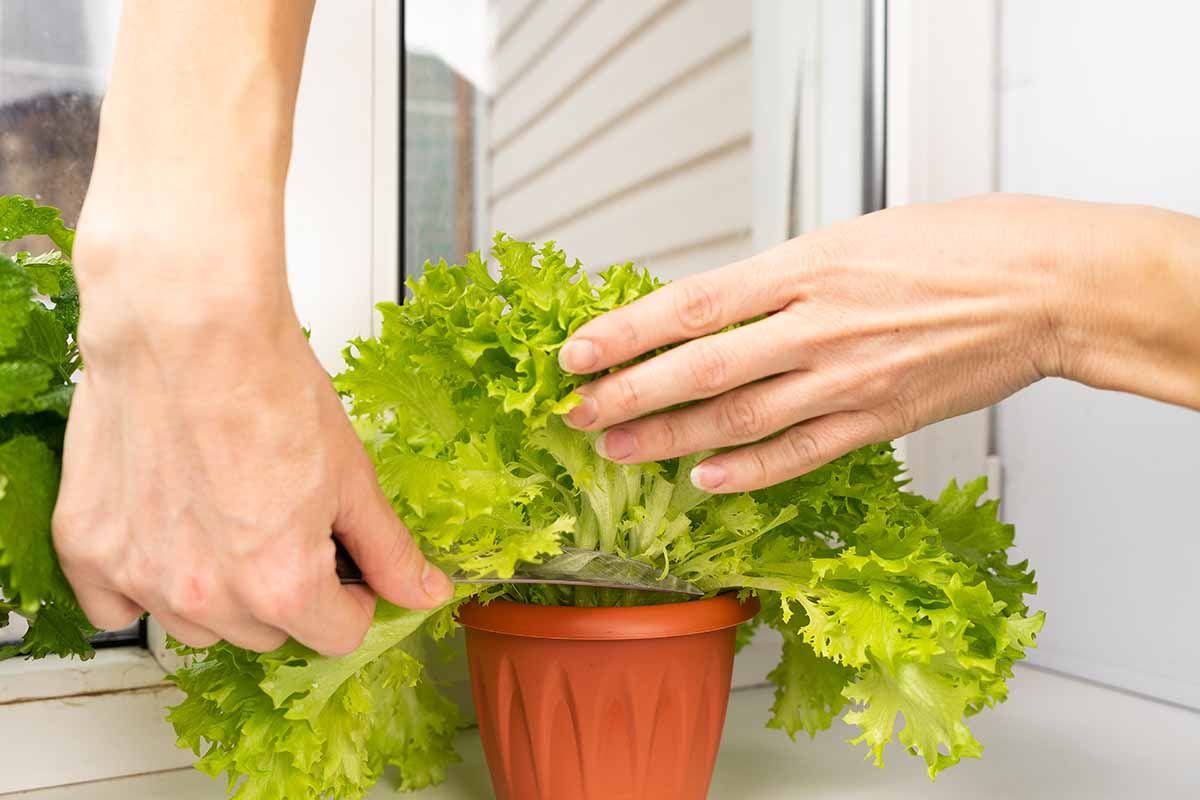
Loose-leaf lettuce is ready when outer leaves reach 4 inches in length. You don't need to wait for the entire plant to mature. This is where indoor growing shines: you can begin harvesting at three weeks and continue for weeks longer by using proper technique.
For loose-leaf varieties, pinch or cut outer leaves at the base where they attach to the main stem. Leave inner leaves intact; they'll continue growing and producing more harvestable leaves. This "cut and come again" method keeps plants productive for 6-8 weeks from a single planting.
For butterhead and romaine varieties, let plants develop more fully before harvesting. Once the head feels firm when gently squeezed, the plant is ready. You can cut the entire head at soil level with a knife, or pinch off individual outer leaves similarly to loose-leaf varieties.
Harvest in the morning when lettuce is crisp and full of water. Freshly harvested lettuce stores in the refrigerator for 1-2 weeks in a sealed container or plastic bag.
Extending Your Growing Season
The continuous harvest potential is indoor growing's greatest advantage. Start a new container of seeds every 2-3 weeks. This succession planting ensures you always have lettuce at different growth stages. When one batch is finishing, the next batch is reaching harvest size.
Many growers maintain multiple containers with staggered planting dates. A simple rotation system: plant lettuce on week 1, plant again on week 3, harvest from week 1 crop around week 4, plant again on week 5, harvest from week 3 crop around week 6, and so on. This rhythm provides continuous fresh lettuce with minimal effort.
After harvesting loose-leaf lettuce completely (when the plant finally stops producing), remove the spent plant and refresh the soil if needed, or compost it. Your container is now ready for the next crop.
Troubleshooting Common Indoor Growing Problems
Even with careful attention, problems occasionally arise. Here's how to identify and fix them.
Bolting (Premature Flowering)
Bolting happens when lettuce perceives stress and rushes to reproduce. Common causes include temperatures consistently above 75°F, irregular watering, or extreme light stress. You'll see a flower stalk forming in the center of the plant, and leaves begin tasting bitter.
Prevention is far easier than solving bolting. Keep temperatures between 60-70°F, and always keep the soil moist. Do not stress them with extreme light conditions. In case they start bolting, harvest immediately. It is still safe to eat but becomes very bitter.
If it happens frequently, try to grow a heat-tolerant variety of lettuce such as oak leaf or red oak leaf lettuce. These varieties will slightly warm better conditions resist bolting completely,
Light-Related Issues
Leggy seedlings (tall, thin, pale plants) indicate insufficient light. Plants stretch toward whatever light is available. Move your lights closer (2-3 inches from seedlings) and ensure 12-14 hours of light daily. Proper lighting prevents legginess before it starts.
If plants appear pale green instead of deep green, light intensity might be insufficient. LED lights should be strong enough for home growing; if you're using old fluorescent lights, upgrading to LEDs dramatically improves results.
Conversely, light burn (bleached, papery leaves) rarely occurs with standard household LED lights but might appear if you use excessively intense grow lights positioned too close. Adjust lights upward if you notice leaf bleaching.
Water and Nutrient Problems
Root rot manifests as mushy, dark roots and wilting leaves despite wet soil. This fungal condition results from overly wet, waterlogged soil. Reduce watering frequency, improve drainage, and consider repotting in fresh, dry soil if rot is severe. Going forward, avoid overwatering religiously.
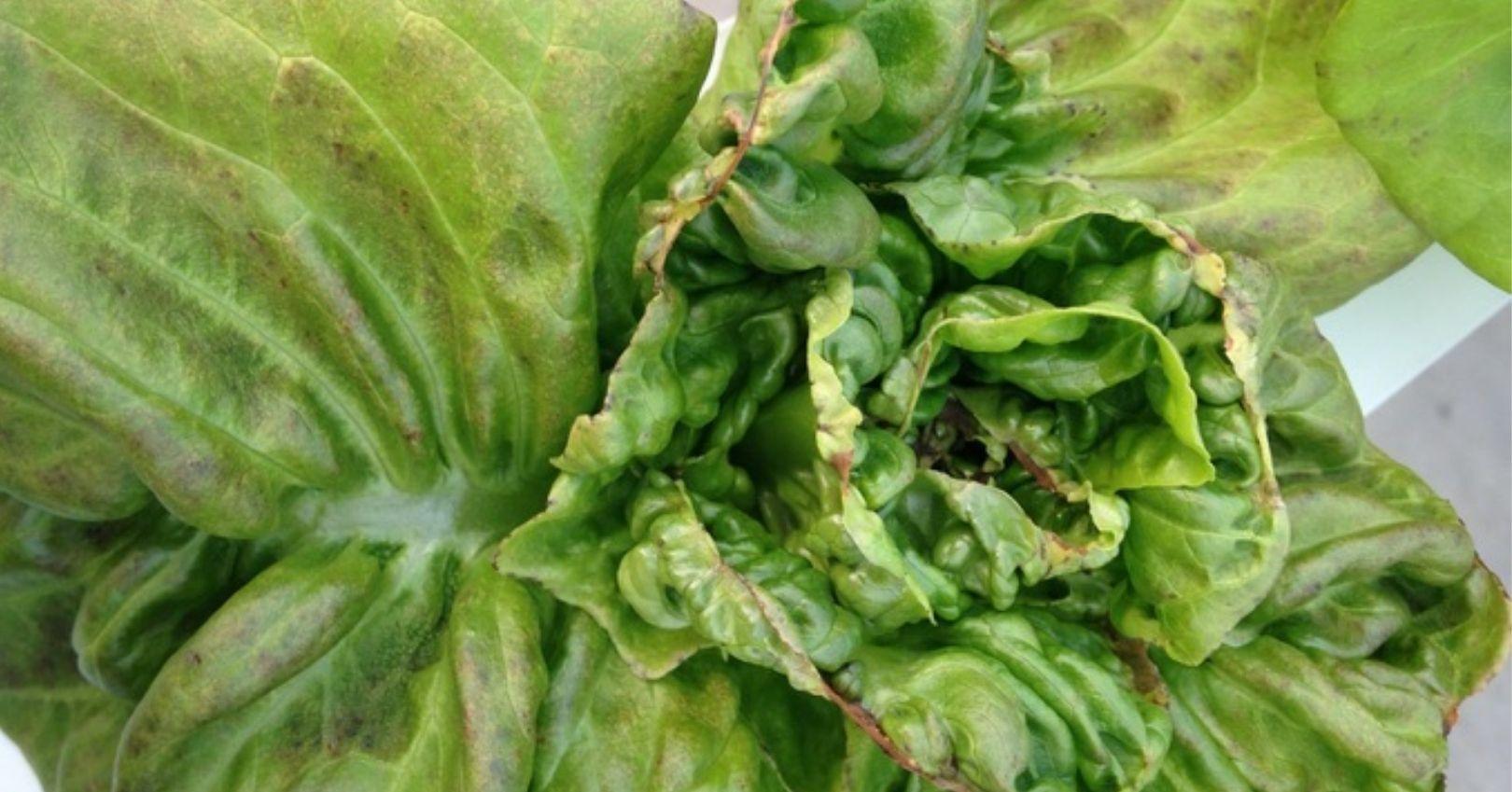
Nutrient deficiency shows as yellowing leaves (nitrogen deficiency) or purple-tinged foliage (phosphorus deficiency). Increase feeding frequency with diluted liquid fertilizer. Usually, your plants recover within a week or two of consistent feeding.
Yellow leaves could also indicate aging. Outer leaves on mature plants naturally yellow as plants age. This is normal and not problematic unless all leaves are yellowing.
Pests and Diseases
Indoor gardening rarely encounters serious pests. However, spider mites, whiteflies, or fungus gnats occasionally appear, especially if you introduce outdoor plants or contaminated soil. Inspect plants regularly, checking leaf undersides.
If you spot pests, isolate affected plants immediately away from other houseplants. Spray leaves (top and bottom) with neem oil or insecticidal soap diluted per label instructions. Most pest issues resolve within 1-2 treatments.
Fungal diseases like powdery mildew or leaf spot develop in poorly ventilated spaces. Increase air circulation with a fan and avoid overhead watering that leaves leaves wet. Remove affected leaves and discard them. Prevention through good air circulation is far easier than treating disease once established.
Plant Health Monitoring with Plantlyze
As your indoor lettuce garden grows, staying on top of plant health becomes crucial. Between regular visual inspections, Plantlyze offers an intelligent companion tool that takes the guesswork out of diagnosing problems.
Plantlyze is an AI-powered plant care and diagnosis platform designed for exactly this kind of indoor gardening situation. If you notice anything unusual—spots on leaves, color changes, stunted growth—simply snap a photo and upload it to plantlyze.com. The AI analyzes your image within seconds, identifying potential diseases, nutrient deficiencies, pest damage, or environmental stress. You receive expert-backed recommendations tailored to your specific problem.
Beyond diagnosis, Plantlyze tracks your plant's growth progress over time. Upload photos weekly, and the platform builds a visual timeline of your lettuce's development. You can set care reminders for watering, feeding, and other maintenance tasks. If problems arise, you have a documented history to reference.
The beauty of tools like Plantlyze is they complement your hands-on care, not replace it. You're still the primary caregiver, making daily observations and decisions. Plantlyze simply provides instant expert guidance whenever you need it, particularly valuable when you're unsure if that leaf spot is normal aging or a disease requiring intervention.
Discover how Plantlyze's AI plant health tool can help you monitor your indoor lettuce garden at plantlyze.com. Get started today and grow with confidence.
Conclusion
Growing lettuce indoors is genuinely achievable for anyone willing to provide basic care. You've learned that lettuce naturally prefers cooler temperatures and modest lighting, making it ideal for indoor spaces. You know which varieties perform best indoors, what equipment you actually need, and how to progress through each growth phase from seed to harvest.
The timeline is your friend. Within 3-4 weeks of planting, you're picking fresh lettuce. Within a few months of establishing a succession planting schedule, you enjoy continuous harvests. The cost of homegrown lettuce drops to a fraction of supermarket prices, and the taste improvement is remarkable.
Indoor lettuce growing succeeds because it works with nature, not against it. Cool temperatures, modest lighting, and consistent care create ideal conditions that lettuce naturally seeks. Your home's air-conditioned environment becomes an advantage rather than a limitation.
Start small if you're new to gardening. Plant a single container of loose-leaf lettuce this week. Experience the entire cycle from seed to harvest. Once you've succeeded with your first crop, expand gradually. Add more containers, try different varieties, experiment with succession planting and hydroponic systems.
Keep your indoor garden thriving with Plantlyze's smart monitoring tool. Upload photos, receive instant diagnosis, track your growth progress, and get care reminders all in one place. Visit plantlyze.com to get started and grow with confidence.
The fresher-than-fresh lettuce you'll be eating in a few weeks will convince you that indoor growing is one of the easiest and most rewarding gardening projects you can undertake.
References
Nature Publishing Group - https://www.nature.com/articles/s41598-023-33855-z
NC State Extension Publications - https://content.ces.ncsu.edu/lettuce
University of Maryland Extension - https://extension.umd.edu/resource/growing-lettuce-home-garden
Illinois Extension - https://extension.illinois.edu/blogs/good-growing/2020-04-24-how-grow-lettuce
Clemson University Cooperative Extension - https://www.clemson.edu/extension/