The experience of growing fresh lettuce at home is fulfilling until pests appear and destroy the whole crop. Aphids, caterpillars, thrips and other common garden insects can ruin a perfectly healthy lettuce crop within days. Most people get extremely frustrated when they have put in all the effort to grow their own greens only to find out that some bugs beat them to it.
Here’s the good news: You don’t need toxic chemicals to keep your lettuce safe. Organic pest control methods will do just fine, and they’ll also spare beneficial insects that help in balancing your garden ecosystem. This guide shares effective organic tricks used by both home gardeners and commercial farmers to get rid of pests on lettuce while keeping a healthy, sustainable garden.
Common Lettuce Pests: Identification Guide
Identifying the specific pest affecting your lettuce is the crucial first step in choosing the right treatment. Different pests require different approaches, and knowing what you're dealing with saves time and effort.
Aphids: The Most Common Lettuce Threat
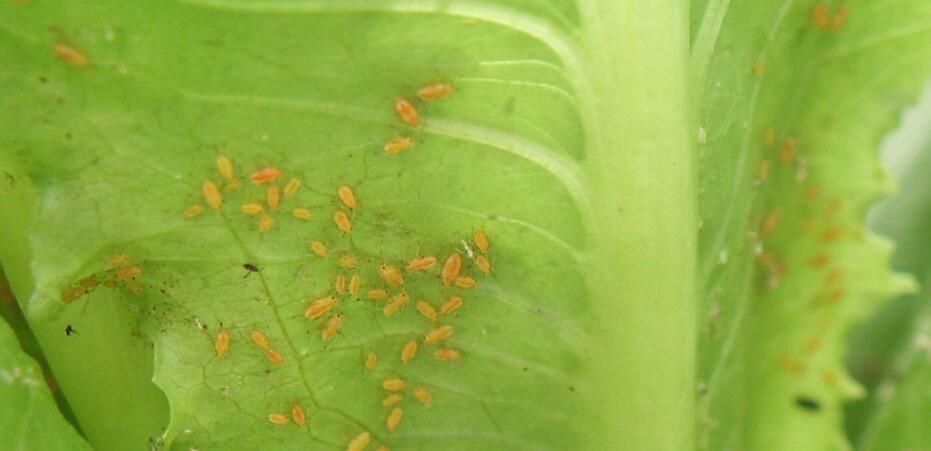
Aphids are tiny insects measuring around one-eighth inch long. They come in various colors including green, yellow, brown, or black, and cluster on the undersides of lettuce leaves. Green peach aphids, lettuce aphids, and foxglove aphids are the most common varieties affecting lettuce crops.
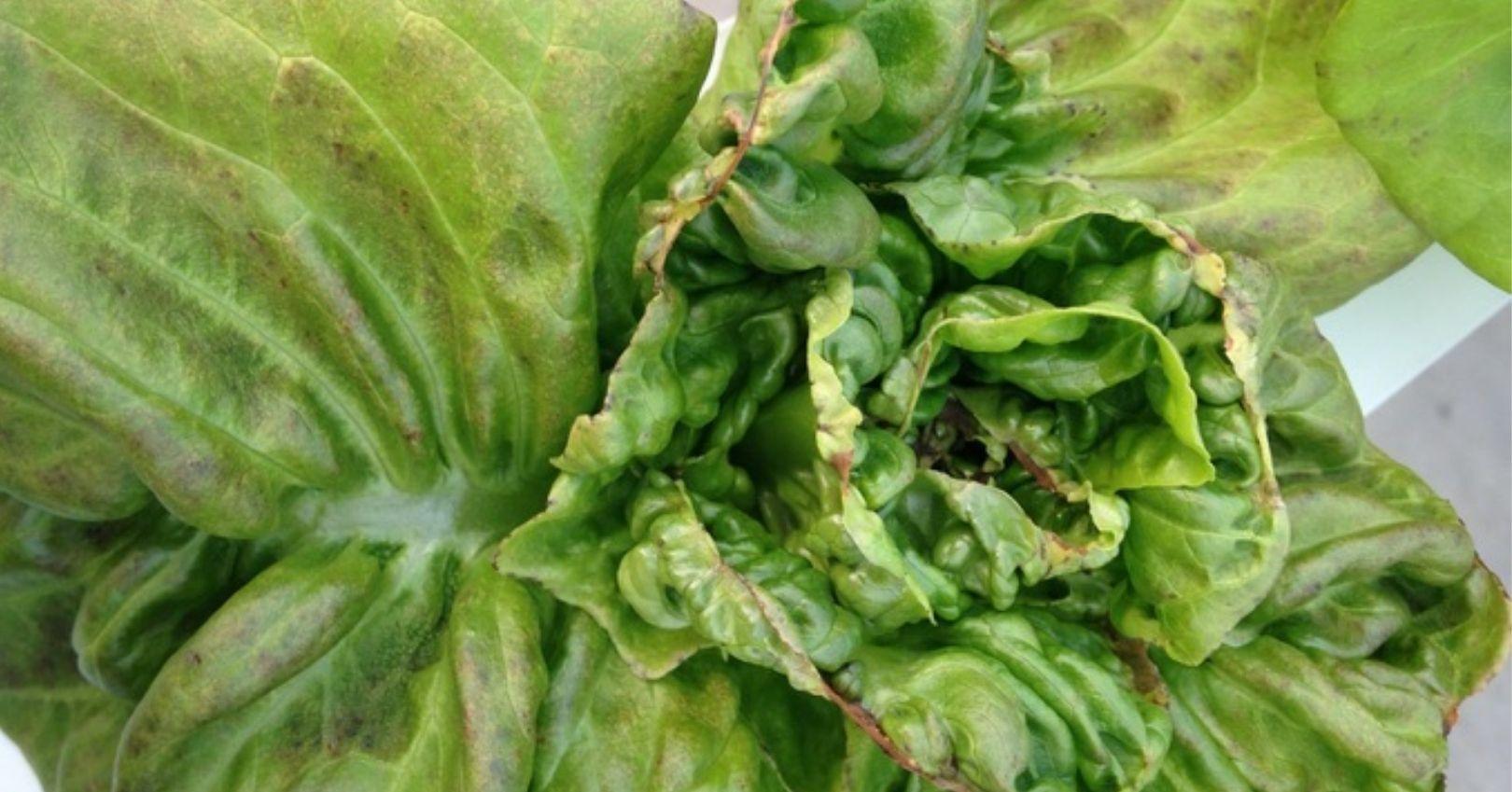
Look for sticky residue on leaves, called honeydew, which indicates aphid presence. This sticky substance often attracts ants that farm the aphids for their sweet secretions. Affected leaves develop a yellowing appearance, curling inward as aphids feed on plant juices. Heavy infestations cause leaves to become distorted, discolored, and stunted.
Caterpillars: Hidden Leaf Destroyers
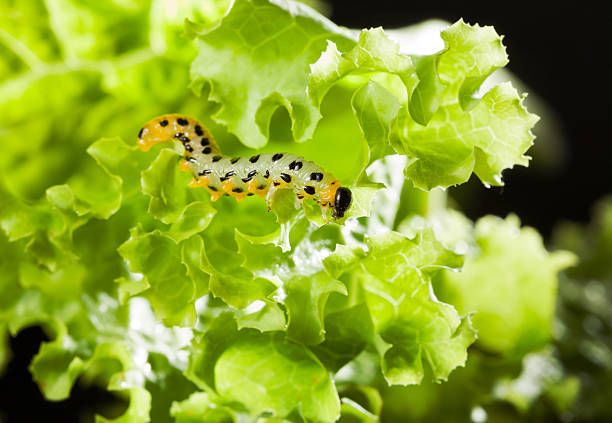
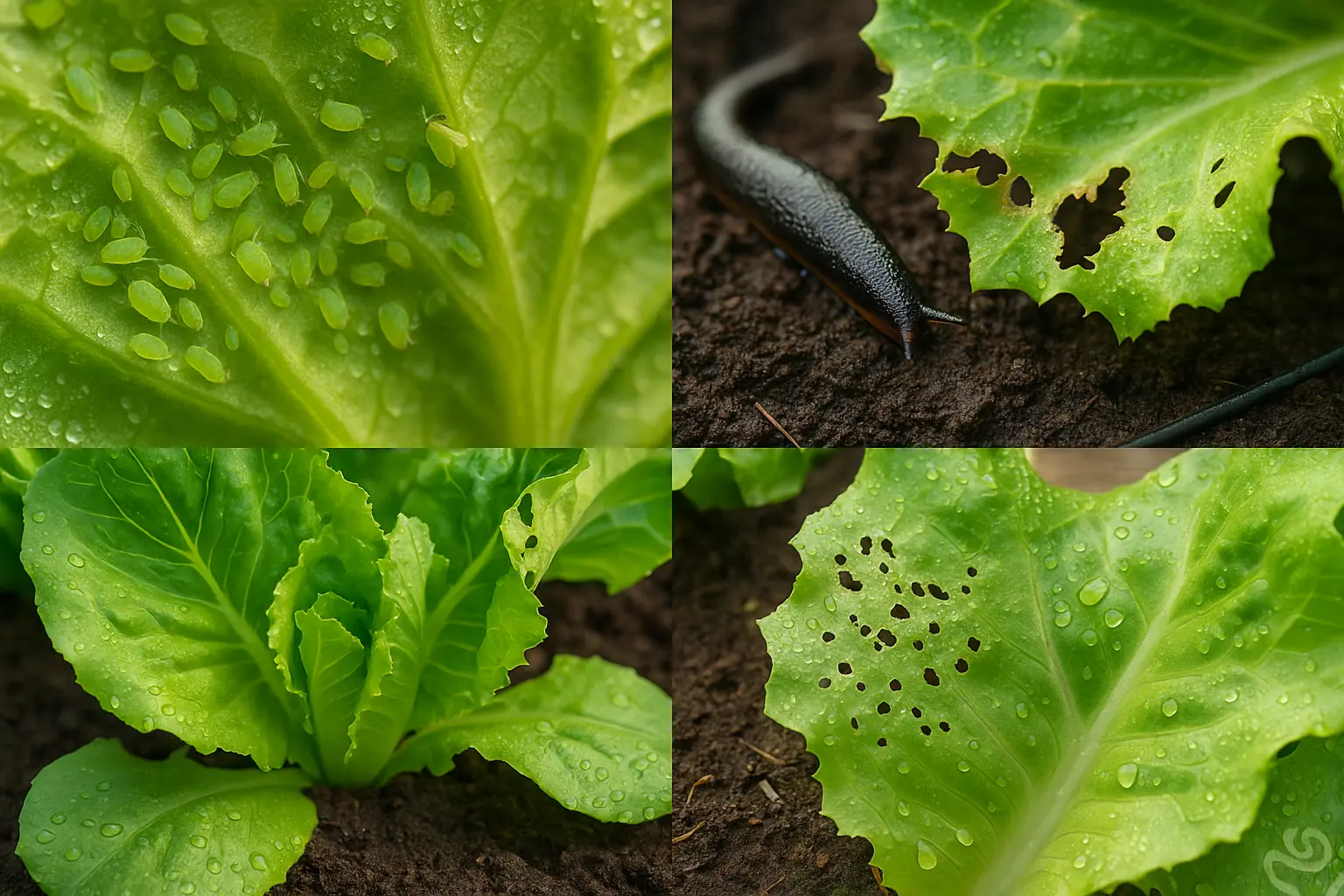
Cabbage loopers and armyworms are the primary caterpillar pests affecting lettuce. These caterpillars are smooth-bodied, green or brown larvae that create irregular holes in lettuce leaves. Unlike aphids that cluster visibly, caterpillars hide within the lettuce head, making them harder to spot.
You might notice small droppings on leaves or holes appearing almost overnight. Caterpillar damage is particularly problematic because the insects feed inside the head, contaminating the lettuce. Female moths lay eggs on leaf undersides, so early monitoring is essential.
Thrips: Tiny Insects, Big Problems
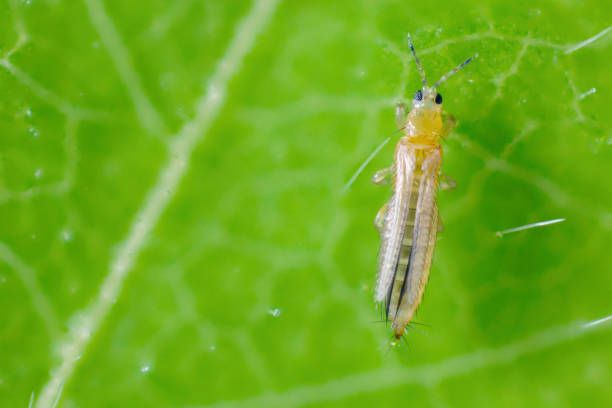
Thrips are microscopic insects barely visible to the naked eye. Western flower thrips are the primary lettuce pest, creating silvery streaks or stippled patterns on leaves. Heavily infested lettuce develops a bronze or bleached appearance as thrips feed on leaf tissue.
Thrips are challenging to control because their small size allows them to hide in tight leaf layers. They reproduce quickly in warm weather, causing infestations to escalate rapidly. Early detection through careful inspection prevents widespread damage.
Other Common Lettuce Pests
Leafminers tunnel inside lettuce leaves, creating distinctive blotchy trails. Slugs and snails leave irregular holes and slime trails on lower leaves. Whiteflies cluster on leaf undersides and create yellowing damage similar to aphids. Each pest requires slightly different treatment approaches.
Signs Your Lettuce Has Pests
Regular monitoring catches pest problems before they become severe. Check your lettuce plants at least three times per week, examining both the tops and undersides of leaves carefully.
Early warning signs include sticky residue on leaves, yellowing or curling foliage, visible insects on stems or leaf undersides, wilting despite adequate water, and stunted plant growth. Some pests leave droppings or webs, while others create visible holes or trails.
The sooner you detect pests, the easier they are to manage. Early intervention prevents infestations from exploding and gives organic control methods time to work effectively.
Prevention: The Best Defense Against Lettuce Pests
Preventing pest problems is always easier than treating established infestations. A strong prevention strategy combined with regular monitoring creates an environment where pests struggle to gain a foothold.
Build Soil Health
Healthy soil creates strong, pest-resistant plants. Amend your garden beds with compost and organic matter before planting lettuce. Rich soil supports beneficial microorganisms that suppress pest populations naturally. These microorganisms break down organic matter and release nutrients that strengthen plant immune systems, making lettuce less attractive to pests.
Poor soil stressed plants attract pests like magnets. Insects instinctively seek out weakened plants that can't defend themselves. Investing in soil quality pays dividends through stronger, more pest-resistant lettuce.
Practice Crop Rotation
Rotating lettuce to different garden locations each season breaks pest life cycles. Many pests overwinter in soil, waiting for their preferred crop to return the following year. By moving lettuce to a different bed each season, you interrupt this cycle and reduce pest populations naturally.
Rotate lettuce with crops from different plant families. If lettuce grew in bed one this year, plant beans or tomatoes there next year and move lettuce to bed two or three. After two years, lettuce can return to its original location with minimal pest pressure.
Clean Up Plant Debris
Remove lettuce plant debris, dead leaves, and mature plants immediately after harvest. Pests hide in this debris throughout fall and winter, surviving to reinfest crops the following spring. Clearing garden beds eliminates pest habitats and reduces future pest pressure significantly.
Don't leave old plants in the garden. Compost them in a hot compost pile where temperatures exceed 140 degrees Fahrenheit, which kills pest eggs and larvae. Never compost infested plants in cool compost piles where pests survive.
Organic Pest Control Methods That Work
Once pests appear despite your best prevention efforts, organic solutions provide effective control without toxic chemicals.
Manual Removal: Simple and Effective
For small infestations, manual removal works surprisingly well. Pick visible pests off plants by hand, crush them, and dispose of them. Use a dry paper towel to make hand-picking easier and less messy. This method works particularly well for caterpillars and large-bodied pests.
For aphids, you can spray plants with a strong water jet to dislodge them from leaves. Hold the hose about 12 inches from plants and spray the leaf undersides thoroughly. This removes many aphids and buys time for natural predators to arrive and establish populations.
Manual removal takes patience and requires consistent monitoring, but it costs nothing and avoids chemical exposure entirely.
Attract Natural Predators
Beneficial insects offer nature's most elegant pest control solution. Ladybugs eat hundreds of aphids throughout their lifetime. Green lacewings and their larvae consume soft-bodied pests rapidly. Parasitic wasps lay eggs inside pest insects, controlling populations from within.
Attract these beneficial insects by planting flowers they love. Alyssum, marigolds, dill, and yarrow provide nectar and pollen that sustain beneficial insects. These flowering plants create a living pest control army around your lettuce beds.
Plant these flowers in clusters nearby rather than spreading them throughout the garden. This creates concentrated zones where beneficial insects congregate and hunt effectively. Once established, these predator populations maintain pest control naturally with minimal intervention.
Organic Sprays and Solutions
Neem oil derived from neem tree seeds disrupts insect reproduction and feeding. Dilute neem oil with water according to package directions and spray lettuce thoroughly, coating both leaf surfaces. Apply in early morning or late evening to avoid harming beneficial insects.
Soap and water solution works well on soft-bodied pests like aphids. Mix several tablespoons of pure liquid castile soap in a small bucket of water. Spray directly on pests, making sure to coat leaf undersides where eggs and larvae hide. Repeat applications every 3 to 5 days as needed.
Diatomaceous earth, a powder made from fossilized algae, physically damages pest exoskeletons, causing dehydration and death. Dust food-grade diatomaceous earth directly on affected plants and soil. Reapply after rain or every 7 days as needed.
These organic solutions work best when applied early in pest colonization, before populations explode. Monitor carefully and apply treatments immediately when pests appear.
Companion Planting Strategy
Specific crops planted near lettuce help to confuse its pests while attracting beneficial insects. Marigold will chase away a lot of garden pests and also attract some wasps which are considered beneficial. Nasturtium acts as a trap crop to take most pests away from the lettuce. Cilantro and dill will be able to attract parasitic wasps that lay their eggs inside pest insects.
Create a diverse planting pattern where lettuce is interspersed with these companion plants. This diversity makes it harder for pests to locate and colonize your lettuce while simultaneously supporting beneficial insect populations.
Companion planting also improves soil health and creates a more resilient garden ecosystem overall.
Use Floating Row Covers
Floating row covers are lightweight fabric sheets placed directly over lettuce plants. These covers physically exclude pests from accessing plants while allowing sunlight and water through.
Install row covers when planting lettuce to prevent pest colonization from the start. Remove covers once plants are mature or when pests are under control. This barrier method provides complete protection without any chemical inputs.
When to Act: Early Detection Matters
Early action prevents small pest problems from becoming infestations. Monitor your lettuce every 2 to 3 days, examining both the tops and undersides of leaves carefully. Note any changes in plant appearance or the presence of visible insects.
When you detect pests for the first time, act within 24 to 48 hours. Early treatment prevents pest populations from exploding exponentially. A few aphids detected Monday and treated immediately stays manageable. The same few aphids left untreated for a week can become hundreds or thousands.
Tools like Plantlyze can help identify pests early and track their progression. Plantlyze is an AI-powered plant care and diagnosis tool designed to help gardeners monitor plant health, identify problems quickly, and take action before pest infestations become severe. Visit Plantlyze.com to learn how this intelligent tool can help protect your lettuce and other garden plants from pest damage.
Step-by-Step Treatment Guide
When pests appear, follow this systematic approach to regain control of your lettuce.
Step 1: Identify the Pest
Examine affected plants carefully and compare what you see to the pest identification section above. Correct identification ensures you choose the most effective treatment method.
Step 2: Assess Infestation Severity
Count the number of affected plants and estimate pest population density. Light infestations on just one or two plants might respond to manual removal alone. Moderate infestations across multiple plants require more aggressive treatment.
Step 3: Remove Heavily Infested Leaves
Prune away the worst-affected foliage. This removes many pests immediately and improves air circulation around remaining leaves, creating conditions where beneficial insects thrive.
Step 4: Apply Appropriate Treatment
Choose your method based on pest type and infestation severity. Manual removal works well for light infestations. Organic sprays handle moderate problems. Introduce beneficial insects for persistent issues.
Step 5: Monitor Daily for Two Weeks
After treatment, monitor treated plants daily. Watch for signs that the pest population is declining or increasing. Be prepared to apply additional treatments if populations rebound.
Step 6: Support Beneficial Insect Populations
Once pest populations decline, continue supporting beneficial insects by maintaining companion plants and avoiding broad-spectrum pesticides. These beneficial insects provide long-term pest management.
Frequently Asked Questions About Lettuce Pest Control
What's the difference between organic and conventional pest control?
Organic methods use natural substances and biological processes. They work with garden ecosystems rather than against them, supporting beneficial insects and soil health simultaneously. Conventional methods rely on synthetic chemicals that kill pests but also harm beneficial insects and soil microorganisms.
Can I use store-bought organic pesticides on lettuce I plan to eat?
Yes, but follow label directions carefully. Most organic pesticides require a waiting period between application and harvest. Read labels to determine safe application timing relative to your harvest date.
Why won't my lettuce pests go away after treatment?
Pests might be reinfesting from nearby untreated areas. You might need additional treatments since organic methods sometimes require multiple applications. Beneficial insects need time to establish populations. Be patient and persistent with treatment and monitoring.
Is it safe to eat lettuce with pest damage?
Lettuce with minor pest damage is safe to eat after washing thoroughly. Remove heavily damaged leaves entirely. Never eat lettuce that shows signs of disease or mold development.
How long does organic pest treatment take to work?
Organic methods work more slowly than synthetic chemicals. Manual removal provides immediate results. Beneficial insect populations need 2 to 3 weeks to establish and suppress pests. Organic sprays typically show results within 3 to 5 days with repeated applications.
Should I destroy my entire plant if it has pests?
Not necessarily. Prune away affected parts and treat remaining healthy foliage. Only remove entire plants if they're completely infested or showing disease symptoms. Most pest problems can be managed without destroying plants entirely.
Key Takeaway: Prevention and Persistence Win
Pest control success comes from combining strong prevention with early detection and quick response. Build healthy soil, practice crop rotation, keep your garden clean, and monitor lettuce regularly. When pests appear despite your efforts, respond quickly with organic methods that work with your garden's natural systems.
The organic approach requires more patience than chemical pesticides, but it protects your health, supports beneficial insects, and creates a more resilient garden ecosystem. Your homegrown lettuce tastes better and stays fresher when grown pest-free using sustainable methods that nourish rather than harm your garden.
References
UC Davis Agriculture and Natural Resources. https://calfruitandveg.com/2024/04/22/biological-control-considerations-and-research-for-lettuce-growers/
UC IPM. https://ipm.ucanr.edu/agriculture/lettuce/lettuce-aphid/
Growing Produce. https://www.growingproduce.com/vegetables/4-keys-effective-aphid-management-leafy-vegetables/