Organic lettuce growers face a persistent challenge that threatens productivity and profitability: fungal and oomycete diseases that can devastate crops within days. While disease management in conventional farming relies heavily on synthetic fungicides, organic producers must depend on prevention, resistant varieties, cultural practices, and approved biological treatments. The good news is that with proper knowledge and timing, organic lettuce disease control is absolutely achievable. The key lies in understanding each disease, its conditions for spread, and the organic tools available to manage it.
This guide explores five major lettuce diseases and practical organic management strategies grounded in research from agricultural extensions including Cornell University, UC Davis, and UMass Amherst. By implementing these evidence based approaches, organic lettuce growers can significantly reduce disease pressure and maintain healthy, marketable crops.
Understanding Common Lettuce Diseases
Lettuce faces attack from multiple pathogens, each with distinct characteristics, preferred conditions, and management approaches. Understanding what you're looking at in the field is the first step toward effective management.
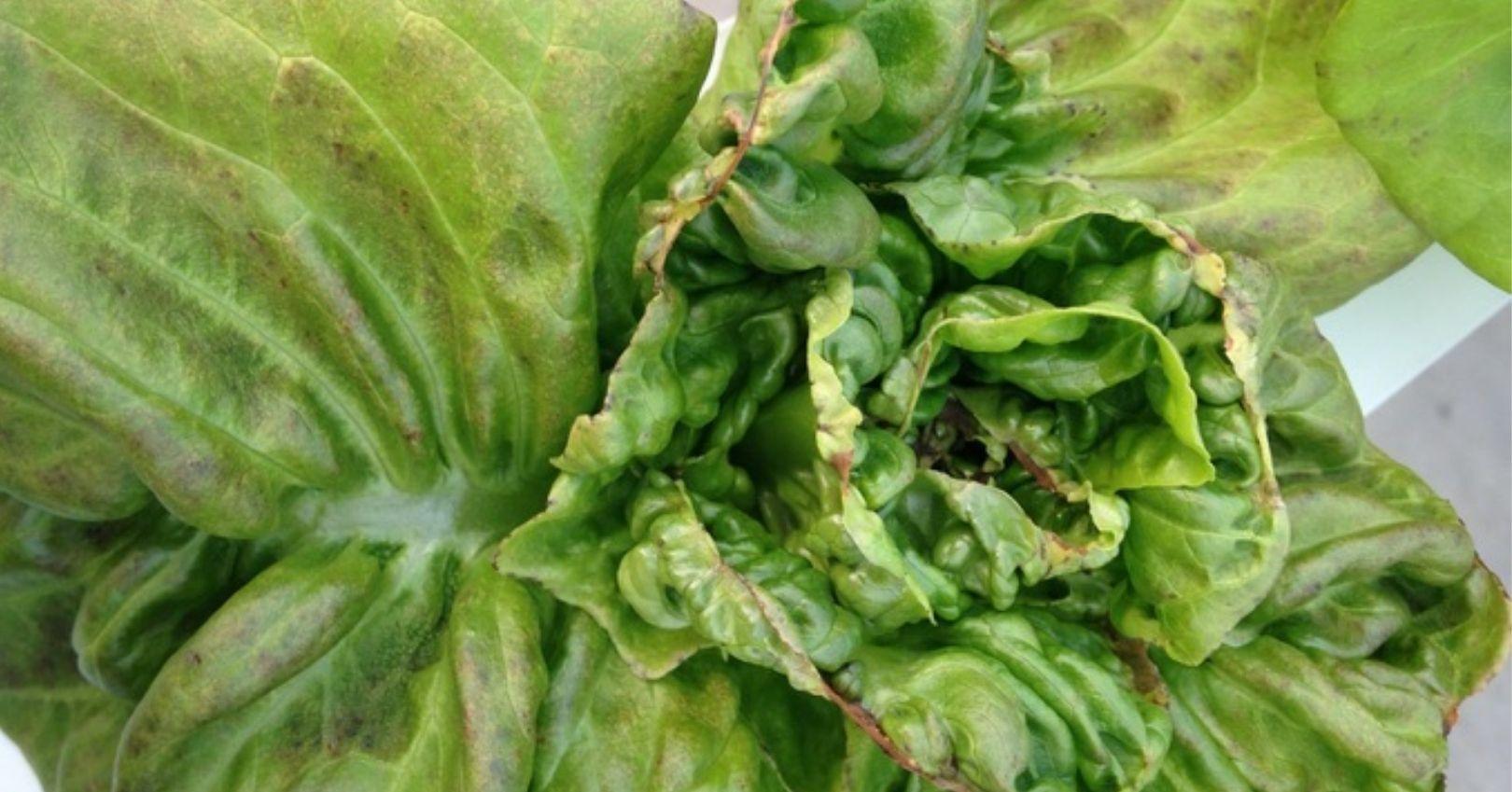
Downy mildew is one of the most serious threats to organic lettuce production. This disease is caused by Bremia lactucae, which is not actually a fungus but an oomycete or water mold, which explains why it thrives in cool, wet conditions. The disease appears as light green to yellow angular spots on leaf surfaces, with fuzzy white growth on the undersides of affected leaves. What makes downy mildew particularly dangerous is its rapid reproduction cycle. The pathogen can complete a life cycle in as little as seven days under favorable conditions, allowing infections to spread explosively through a planting. New races of downy mildew continue to emerge, with the most recent identified as B1:10US, making resistance management an ongoing breeding priority.
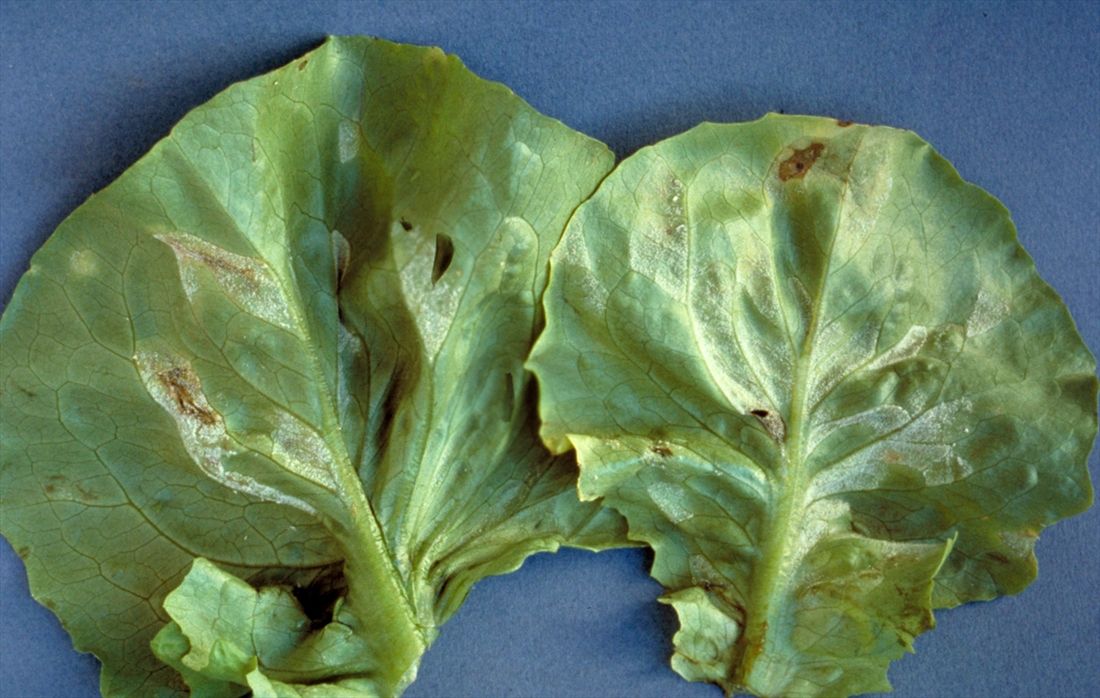
Powdery mildew differs dramatically from downy mildew in the conditions it favors. While downy mildew loves moisture, powdery mildew prefers warm, dry conditions. The disease appears as a grayish white powdery coating on both sides of lettuce leaves, eventually causing leaf deformity and tissue death. It spreads through airborne spores and can develop under surprisingly dry conditions. Interestingly, powdery mildew can even thrive when the foliage is dry, making it more challenging to manage in arid climates.
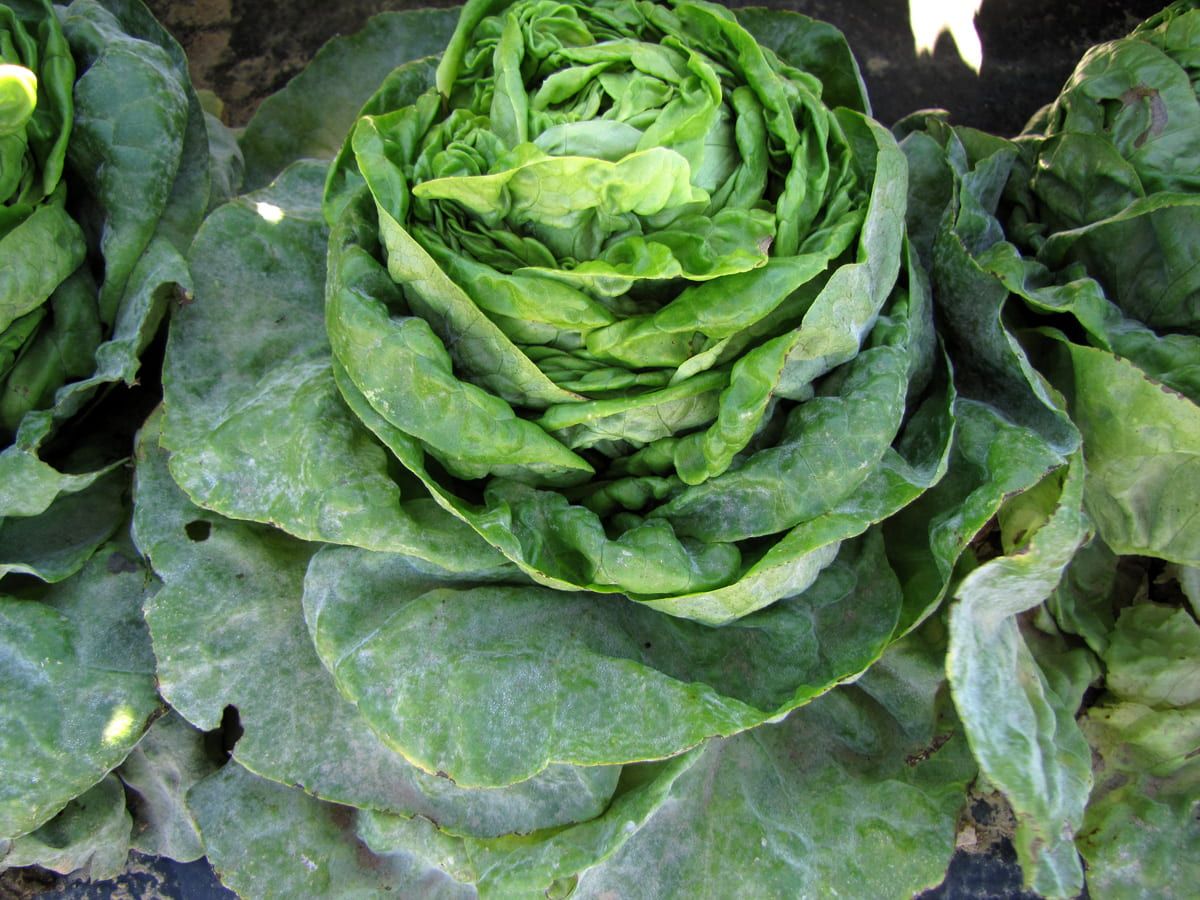
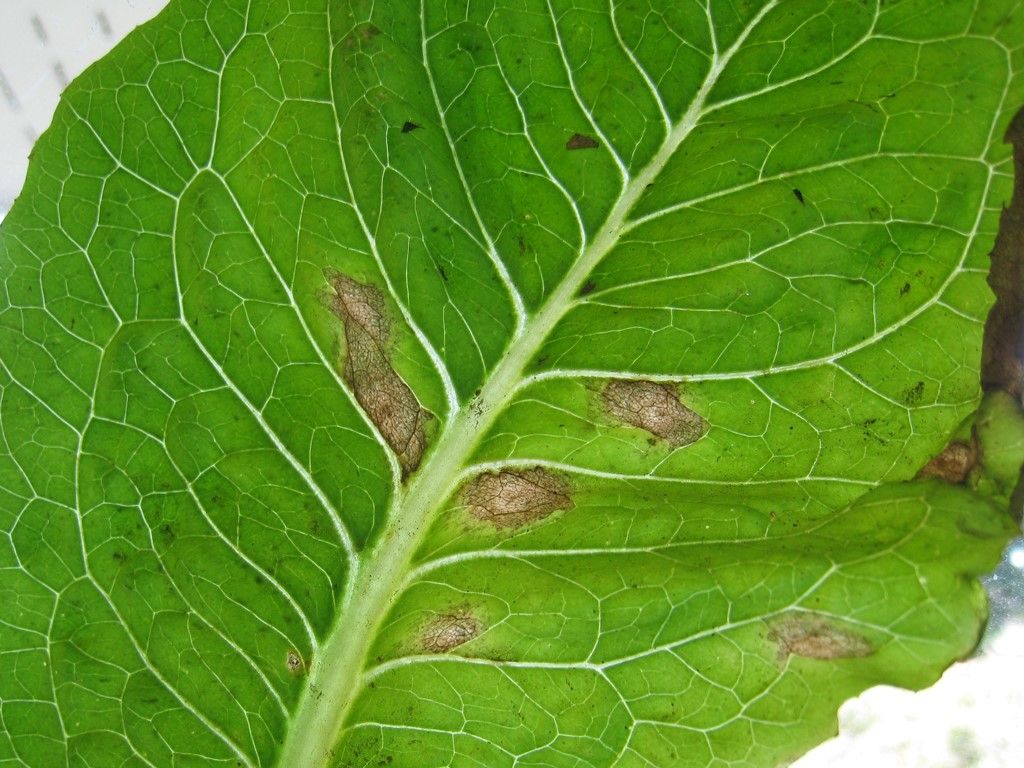
Septoria leaf spot typically begins near the soil line and progresses upward. The disease creates small dark lesions with yellow halos on affected leaves. Unlike the oomycetes and some other fungi, Septoria lactucae can survive in crop residue for up to three years, making sanitation and crop rotation critical components of long term disease management. The pathogen spreads via water splash, which is why soil level irrigation becomes so important.
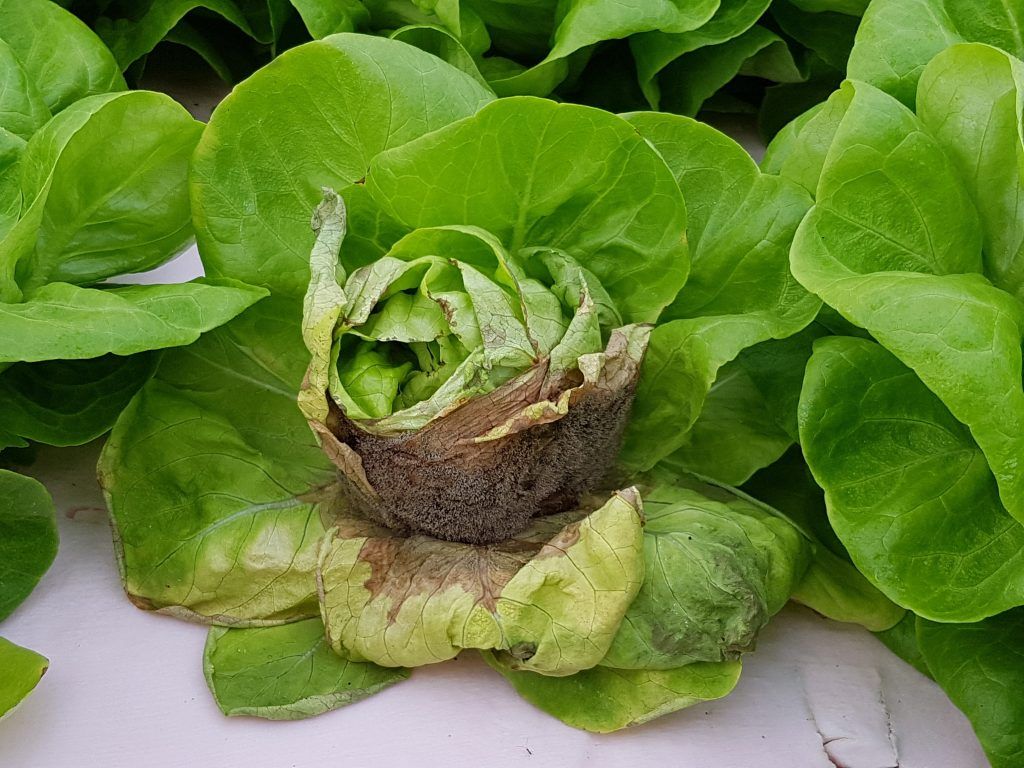
Gray mold, caused by the fungus Botrytis cinerea, presents as fuzzy gray growth on stems and foliage, often causing complete plant collapse. This fungus is ubiquitous in agricultural environments and can survive indefinitely on dead plant tissue. Gray mold is particularly problematic in greenhouse production where cool, moist conditions persist. Once it establishes in a facility, the fungus can produce abundant airborne spores weekly and even produce hard resting structures called sclerotia that allow it to survive dormant periods.
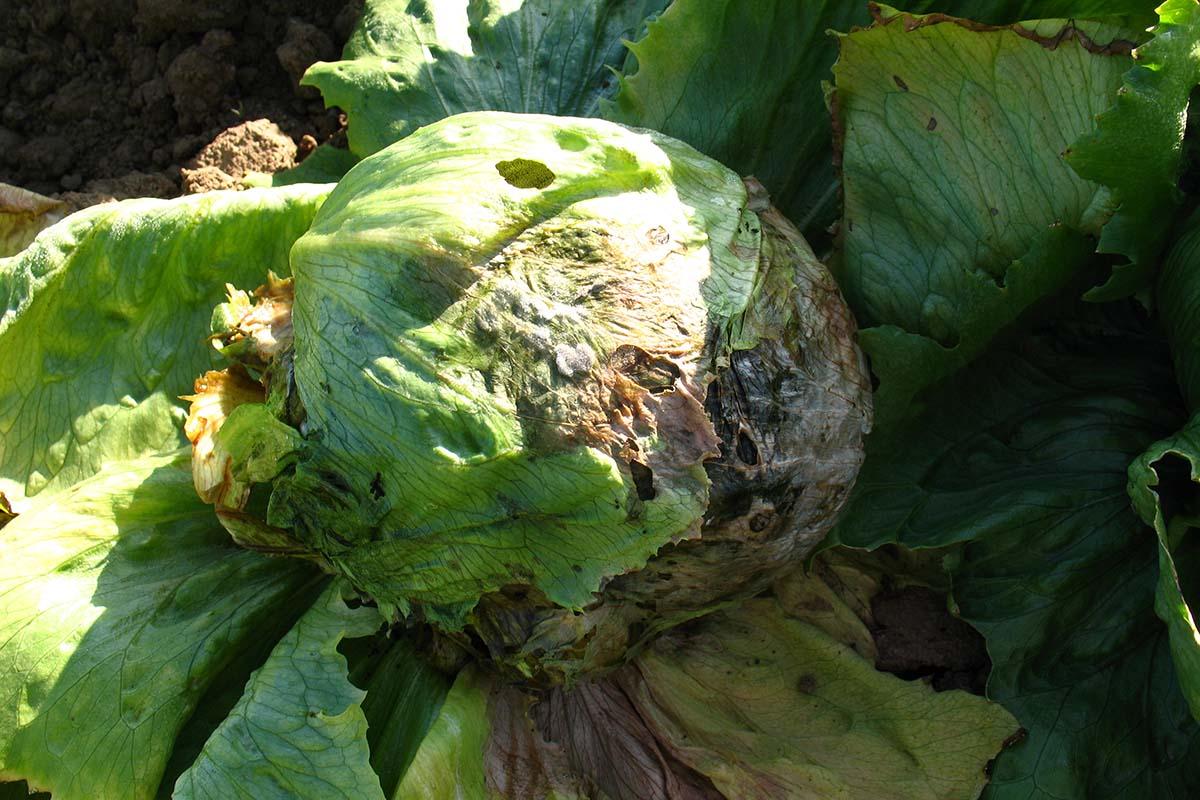
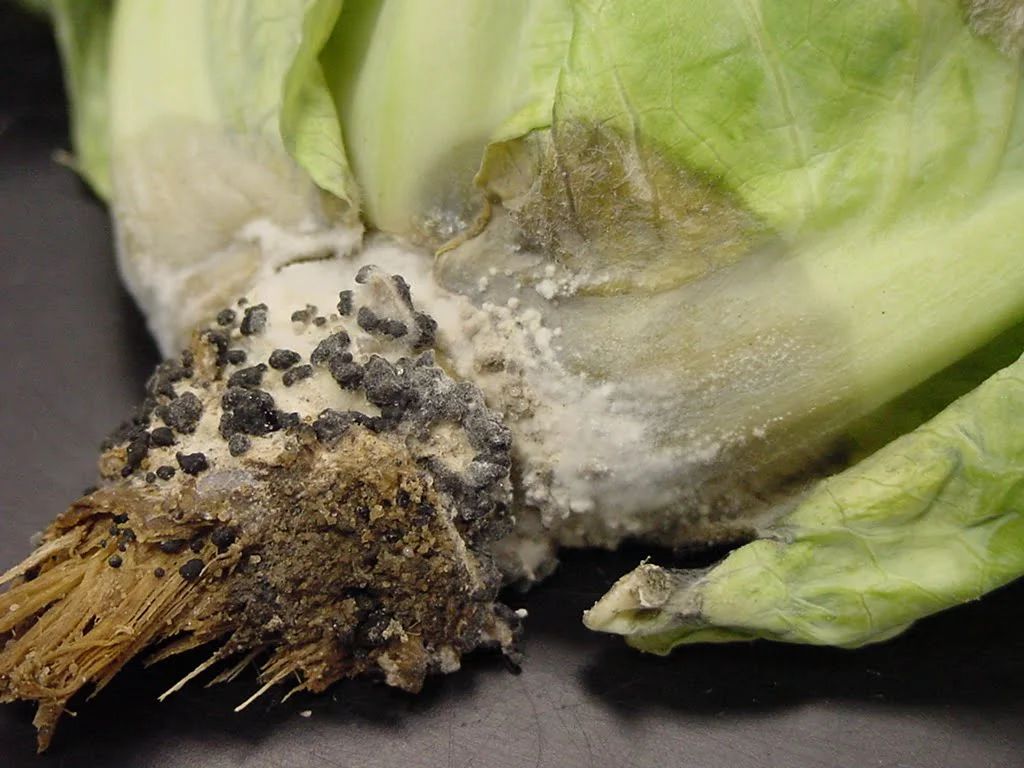
White mold, caused by Sclerotinia sclerotiorum, is perhaps the most aggressive and difficult disease to manage organically. The pathogen produces distinctive white cottony growth at the plant base and hard black sclerotia that can survive in soil for over ten years. Cool, moist conditions with dense plant canopies create ideal environments for infection. Once sclerotia contaminate a field, the problem persists for a decade or more, making prevention the only realistic strategy.
Prevention: The Foundation of Organic Disease Management
For organic lettuce growers, the saying "prevention is treatment" applies more strongly than in any other management area. Implementing robust preventive strategies can reduce disease pressure by fifty to seventy percent before any fungicides become necessary.
Selecting Disease-Resistant Varieties
The most foundational prevention strategy is choosing lettuce varieties that resist the diseases you've encountered. Cornell Vegetables Extension maintains a comprehensive database of disease resistant lettuce cultivars. For downy mildew, highly resistant varieties include Adicamp, Almanor, and Jara romaine lettuces, along with babyleaf varieties like Cavendish, Clearwater, Leucadia, and Mosslanding.
The resistance genetics are more complex than they once were. Modern breeding programs incorporate multiple resistance genes because new pathotype races continue to emerge. Breeders monitor field conditions closely and release new resistant varieties each year to stay ahead of pathogen evolution. However, current resistance breeding faces a trade off: highly resistant varieties sometimes produce smaller plants, requiring breeders to refine them further for commercial viability.
For white mold resistance, the options are limited. Kweik and Milagro varieties offer some resistance, but most commercial lettuce varieties remain susceptible. For gray mold, no commercial resistant varieties currently exist, making cultural control the primary defense.
Cultural Management Strategies
Cultural practices form the backbone of disease prevention. These approaches work by making the environment less favorable for pathogens and limiting their spread.
Crop rotation is essential, particularly for diseases that persist in soil and plant debris. For Septoria leaf spot, rotate with non-host crops for three years minimum. For white mold and gray mold, rotate to non susceptible crops such as cereals and grasses for at least three to five years. This extended timeline recognizes the long survival period of fungal sclerotia in soil.
Plant spacing dramatically affects disease development. Dense plantings create humid microclimates where fungal spores germinate readily. Adequate spacing allows air to flow between plants, reducing leaf wetness duration and slowing spore spread. This is particularly critical for gray mold and white mold management in high tunnel and greenhouse production.
Irrigation timing and method matter considerably. Overhead irrigation creates exactly the wet foliage conditions that favor downy mildew, powdery mildew, and Septoria. Drip irrigation applied at soil level keeps foliage dry and reduces disease development. When overhead irrigation is unavoidable, apply it early in the morning so foliage dries quickly in warming temperatures.
Field sanitation removes the inoculum that starts infections. Remove all crop residue at season end. Don't leave fallen lettuce leaves under plants, as these dead tissues harbor fungal spores and sclerotia. Consider deep plowing to bury fungal structures deeper than their germination depth, which can reduce soil pathogen populations over time.
Tool sterilization between plants prevents spreading pathogens, particularly Septoria leaf spot. After removing infected leaves or plants, sterilize pruning tools with a ten percent bleach solution or 70% rubbing alcohol before moving to the next plant.
Avoid field work when plants are wet. Walking through wet foliage spreads fungal spores throughout the planting. Similarly, working in wet soil can spread fungal propagules. This simple practice costs nothing but requires discipline.
Environmental Optimization
Soil management impacts plant disease resistance. Acidic soils often lack adequate calcium, which strengthens plant cell walls and provides better resistance to infection. Testing soil pH and applying lime to reach neutral to slightly alkaline conditions can improve plant health and disease resistance.
For greenhouse production, managing humidity is critical. Target humidity levels between sixty and seventy percent. Humidity above eighty five percent favors downy mildew, gray mold, and other fungal pathogens. Humidity below sixty percent favors powdery mildew. Ventilation systems, spacing plants adequately, and avoiding overwatering all contribute to humidity management.
Water quality and uniformity matter too. Avoid boom and bust irrigation patterns that stress plants. Consistent soil moisture combined with good drainage creates conditions where plants resist infection more effectively than stressed plants do.
Organic Treatment Options
When preventive measures don't eliminate disease pressure, organic approved fungicides and biocontrol agents provide additional protection. Understanding which products work best for which diseases and at which disease stage optimizes effectiveness.
Sulfur Based Fungicides
Elemental sulfur is a time tested organic fungicide with specific strengths and limitations. Sulfur prevents spore germination by disrupting fungal metabolism, making it fundamentally preventive rather than curative. The best time to apply sulfur is before disease appears, not after symptoms develop.
Application conditions are critical. Never apply sulfur when temperatures will exceed ninety degrees Fahrenheit within three days. High heat causes sulfur to damage plant foliage rather than fungi. Early morning or late afternoon applications work best. Thorough coverage of both leaf surfaces is essential because sulfur works only where it contacts the fungal spore. Many growers under apply sulfur because they don't achieve complete leaf coverage, particularly undersides.
Sulfur works exceptionally well for powdery mildew prevention in warm, dry climates. In the Pacific Northwest and other wet regions, its effectiveness diminishes because spores germinate before sulfur's preventive action can work.
Potassium Bicarbonate: Curative Powdery Mildew Control
Potassium bicarbonate represents a breakthrough for powdery mildew management because it actively eliminates existing infections, unlike sulfur which only prevents new ones. OMRI listed products like MilStop and Kaligreen contain potassium bicarbonate as the active ingredient. These products work as contact fungicides that kill powdery mildew spores on contact.
Unlike sulfur, potassium bicarbonate can be applied at warmer temperatures without causing phytotoxicity. The product also provides supplemental potassium to plants. However, it requires good spray coverage to wet both sides of all affected leaves. Resistance to potassium bicarbonate is uncommon, but rotating between sulfur and potassium bicarbonate prevents any potential development.
Avoid confusing potassium bicarbonate with baking soda. While baking soda has been used traditionally, potassium bicarbonate is significantly more effective. Baking soda also alters soil pH over time, potentially reducing iron availability to plants.
Neem Oil Products
Neem oil, extracted from the neem tree fruit and seeds, has been used in organic agriculture for decades. Mixed at the recommended rate (typically one teaspoon per liter of water), neem oil functions as a preventive measure against multiple fungal diseases. However, for powdery mildew specifically, its effectiveness is moderate compared to sulfur or potassium bicarbonate.
Neem oil advantages include broad spectrum activity on multiple diseases and reasonable cost. Disadvantages include temperature sensitivity. Below fifty five degrees Fahrenheit, neem oil solidifies into an unusable jelly like consistency. Early evening applications, when temperatures are dropping, work best because the oil requires time to spread and penetrate before drying. Temperature too high allows the oil to evaporate before adequate coverage.
Neem oil leaves an oily residue on foliage that can be difficult to remove. Some growers report challenges with harvesting and handling lettuce after neem oil application.
Copper Fungicides
Copper fungicides work against fungal diseases and bacterial leaf spots, making them versatile tools in the organic toolkit. Bordeaux mixture, a combination of copper sulfate and lime, has been used in organic production for over a century. Copper octanoate and copper diammonia diacetate complexes are also available.
Copper's advantage is its long persistence on foliage. Rain doesn't wash it off immediately, allowing continued protection after application. It's particularly effective on Septoria leaf spot, which is difficult to manage with other organic options.
Caution is warranted with copper. It can accumulate in soil over years of use, eventually reaching toxic levels that damage plants. Judicious application on high-need crops like lettuce in fields with Septoria history is appropriate, but avoid applying to every crop. Additionally, young or tender foliage can suffer copper burn with phytotoxicity evident as bleaching or necrotic spotting.
Test copper fungicides on a small area first if you're uncertain how your lettuce variety will respond. Apply preventively before disease appears rather than after infection establishes.
Biological Fungicides and Biocontrol Agents
Biological products represent the cutting edge of organic disease management. These living organisms or their byproducts antagonize pathogens through various mechanisms.
Bacillus subtilis and related Bacillus species compete with pathogens for nutrients and space, producing antimicrobial compounds that inhibit pathogen growth. Research shows effectiveness against multiple fungal diseases. Bacillus products require ongoing applications throughout the growing season to maintain populations. They work best as preventive programs rather than emergency treatments for established infections.
Trichoderma harzianum is a fungus that parasitizes other fungi, breaking down their cell walls with enzymes. This biofungicide colonizes the root zone and also stimulates plant defense mechanisms, strengthening plants' natural resistance. Research shows significant effectiveness against gray mold and root pathogens.
Pseudomonas species reduce gray mold lesions by over seventy eight percent in research trials. These bacteria colonize the root zone and compete with pathogens.
Coniothyrium minitans offers hope for white mold management. This fungus specifically parasitizes sclerotia, the resting structures that allow white mold to persist in soil for years. Applying C. minitans after harvest, when incorporating crop residues, or pre-planting helps reduce the sclerotia population that starts infections next season.
Biocontrol agents work best as season-long programs, not emergency treatments. Plan applications beginning early in the season and continuing on schedule throughout. Their effectiveness depends on maintaining living populations of the beneficial organisms.
Disease Specific Management Plans
Each major lettuce disease requires a tailored approach that integrates multiple strategies.
Managing Downy Mildew Organically
Downy mildew is the most challenging lettuce disease for organic growers. Managing it requires commitment to disease resistant varieties as the cornerstone strategy. Plant susceptible varieties and disease will likely establish regardless of other management efforts.
Begin with downy mildew resistant varieties as your foundation. Understand that resistance is not absolute. New pathotypes will eventually evolve that overcome current resistance genes. This is an ongoing breeding challenge, not a one time solution. Breeders continuously monitor field conditions and release new varieties with enhanced resistance.
Environmental control ranks as the secondary strategy. Downy mildew favors temperatures between sixty and seventy five degrees Fahrenheit combined with high humidity and free water on leaves. Reducing humidity to below sixty percent when possible suppresses the disease. Improving air circulation and avoiding overhead irrigation removes the wet foliage conditions downy mildew requires.
Preventive fungicide applications become the tertiary strategy. For downy mildew, prevention is critical because fungicides cannot cure infected plants. Scouting is essential. Check the undersides of leaves regularly because downy mildew appears there first. When weather forecasts cool, wet periods, begin fungicide applications immediately. Apply every seven to ten days during high risk periods, rotating different products to prevent resistance development.
The mindset for downy mildew management is simple: prevention is treatment. Once infection establishes, your options are limited. Focus energy on preventing infection rather than treating it.
Managing Powdery Mildew Organically
Powdery mildew is the reverse image of downy mildew in environmental preferences. Where downy mildew loves moisture and cool temperatures, powdery mildew favors warm, dry conditions. This fundamental difference changes management strategies significantly.
Air flow and dryness become primary defenses. Trim excess foliage and space plants adequately to maximize air penetration and leaf drying. This simple practice often prevents powdery mildew without any fungicide applications. In arid regions with low humidity, powdery mildew is nonetheless a concern, making chemical approaches more necessary.
For chemical management, sulfur applied preventively weekly during vulnerable seasons provides excellent control. Once powdery mildew appears, switch to potassium bicarbonate for curative action. Apply every seven days, continuing until the disease is under control, then maintain preventive sprays.
Rotate your fungicide products. Using only sulfur, or only potassium bicarbonate, season after season, selects for resistance development. Alternate between products each week to maintain effectiveness.
Managing Septoria Leaf Spot Organically
Septoria leaf spot management begins with early identification. The disease starts near the soil line as small dark lesions with yellow halos. Upon detection, immediately remove affected leaves. Destroy them, do not compost them, as fungal spores remain viable in compost piles that don't reach high enough temperatures.
Tool sterilization is critical for Septoria because the disease spreads readily on contaminated tools. Sterilize all pruning implements with bleach or rubbing alcohol before moving between plants. This simple practice prevents spread to healthy plants.
Soil management prevents disease splash from infecting upper leaves. Apply three to four inches of mulch around plants to create a barrier between soil and foliage. Drip irrigation is strongly preferred over overhead watering because overhead irrigation splashes fungal spores from soil to leaves.
Copper fungicides are the most effective organic option for Septoria. Apply preventively when wet conditions are forecast. Plan applications for ten day intervals during high risk periods. Copper persists through rain, protecting foliage for extended periods. Unlike sulfur and other products, copper works well in both wet and dry climates.
Crop rotation is essential. Don't plant lettuce or other Septoria susceptible crops in the same field for at least three years. The fungus survives this long in plant debris. This requirement makes Septoria particularly challenging in small scale operations with limited land.
Managing Gray Mold Organically
Gray mold management is perhaps the most controllable disease through cultural practices. This fungus's dependence on moisture creates vulnerability to environmental manipulation.
Moisture management is the primary defense. Avoid overhead irrigation entirely if possible. Use drip irrigation applied at soil level. In greenhouses, adjust watering so the soil is consistently moist but not soggy. Avoid creating standing water on plants or soil surface.
Remove all dead plant tissue promptly. Gray mold grows infinitely on dead material. Fallen leaves, diseased branches, and plant debris all provide food for the fungus. Remove these immediately when noticed. At season end, completely clear the greenhouse or field of all crop residue.
Air circulation and spacing prevent the dense, humid microclimate gray mold loves. Space plants to allow air flow. In greenhouses, use ventilation fans to keep air moving constantly.
Biological controls are highly effective against gray mold. Trichoderma, Bacillus, and Pseudomonas all show substantial efficacy. Apply these products regularly throughout the season. Unlike chemical fungicides applied reactively, biological products work best as preventive season long programs.
If chemical management becomes necessary, remember that gray mold develops fungicide resistance readily. Rotate different fungicide types, never using the same product two applications in a row. Follow resistance management guidelines on product labels carefully.
Managing White Mold Organically
White mold, or lettuce drop, is the most aggressive lettuce disease and requires the most aggressive management response. Once sclerotia contaminate soil, the problem persists for years. Prevention and early removal are the only realistic strategies.
Scout lettuce fields daily during cool, moist conditions when white mold risk is high. Remove any infected plants immediately upon detection. Don't wait to see if the infection spreads. Destroy infected plants by burying or burning, never composting, because sclerotia survive composting.
Canopy management reduces moisture within the plant canopy. Space lettuce adequately. Remove obstacles that impede air drainage, such as tall grass at field edges and ditchbanks. Irrigation should prevent standing water on plant surfaces.
Deep plowing after harvest buries sclerotia deeper than their germination depth, reducing the number that initiate infection next season. Plow eight to ten inches deep. Multiple plowing cycles over several years progressively reduces sclerotia populations.
Crop rotation for five years is the minimum for highly contaminated soils. Rotate to non susceptible crops such as cereals and grasses. Many vegetable crops, including beans, cucurbits, and brassicas, are susceptible to white mold, so select rotation crops carefully.
Coniothyrium minitans offers the most promising biological approach for white mold. This fungus parasitizes sclerotia, breaking them down over time. Apply C. minitans products to soil after harvest or pre-planting to give the agent time to colonize.
Currently, no commercial lettuce varieties with white mold resistance exist. Breeding programs are working on this, but it remains an area for future development. Until resistant varieties arrive, cultural and biological management are your primary options.
Step by Step Implementation Guide for Organic Growers
Pre Season Preparation
Begin before planting by reviewing last season's disease history. Which diseases appeared? How severe were they? Did management strategies work effectively? Document this information because patterns often repeat.
Select lettuce varieties for the upcoming season based on your disease history. If downy mildew was problematic, prioritize highly resistant varieties. If white mold has contaminated your soil, plan deep plowing and long crop rotations now.
Prepare your irrigation system for soil level application. Retrofit overhead systems if necessary. Pressure test your drip system to ensure uniform water distribution and proper drainage. A well designed irrigation system becomes one of your strongest disease management tools.
Plan your crop rotation. List all available fields and what will be planted. Ensure susceptible crops don't follow each other. If white mold is a concern, identify non susceptible fields for that crop.
Spring Planting Protocol
Begin with certified disease free seed. Examine all transplants closely before planting. Remove any seedlings showing disease symptoms. Reject entire flats if they show significant disease.
Deep plow fields with white mold or gray mold history. Plow eight to ten inches deep to bury fungal structures deeper than their germination zone.
Apply soil amendments as indicated by soil test results. Add lime to raise pH if soil is acidic. Ensure adequate calcium availability to strengthen plant cell walls.
Set up your field scouting schedule. Plan to scout plants two to three times weekly. Scout early in the morning when dew is still present and symptoms are most visible. Check both surfaces of leaves, particularly leaf undersides where downy mildew and gray mold establish first.
Begin preventive fungicide applications if conditions favor disease. Cool, wet spring weather suggests downy mildew risk is high. Start preventive applications immediately rather than waiting for disease to appear.
Growing Season Management
Scout plants regularly. Two to three times weekly is the minimum frequency during high risk periods. Identify disease symptoms early before spread accelerates. Check weather forecasts for conditions favoring disease development.
Adjust irrigation practices based on weather. Reduce irrigation after rain. In dry periods, irrigate deeply but infrequently. Consistent soil moisture combined with good drainage is your goal.
Apply fungicides on schedule. Don't skip applications because you haven't seen disease yet. Preventive fungicides work before disease appears. Once disease establishes significantly, treatment options become limited.
Remove infected leaves or plants immediately. Don't leave diseased tissue on the plant hoping it will recover. Removal stops disease spread and eliminates inoculum. Sterilize tools after removing infected material.
Maintain adequate air circulation. Thin dense plantings if necessary. Remove fallen leaves under plants. Keep work areas clean.
Post Harvest Disease Management
Remove all crop residue from fields or greenhouses. Don't till infected material into soil and leave it there. Either remove it completely or bury it through deep plowing.
Deep plow fields when possible. This buries fungal structures and promotes their decomposition. Particularly important for white mold and gray mold management.
Plan crop rotation now for next season. Document what you planted where. Rotate susceptible crops to different fields.
If biological control agents like Coniothyrium minitans are part of your program, apply them after harvest when incorporating crop residues. This gives them time to colonize sclerotia and reduce next season's disease pressure.
Sanitize greenhouse structures. Clean benches, pots, and tools. Disinfect surfaces with a ten percent bleach solution to eliminate fungal spores and resting structures.
Document disease pressure, management strategies used, and their effectiveness. This information guides next season's planning.
How Plantlyze Can Help
Early disease detection is the foundation of effective organic disease management. Many organic treatments work best preventively. Once disease spreads significantly, treatment becomes difficult. This is where technology can dramatically improve outcomes.
Plantlyze is an AI powered plant diagnosis tool that uses advanced image recognition to identify lettuce diseases quickly and accurately. Rather than waiting to see if symptoms you observe are actually a serious disease or something less concerning, you can use Plantlyze to confirm diagnosis at the earliest detection stage.
The advantage is timing. Early detection enables early treatment. Fungicide applications applied to plants with initial symptoms are far more effective than applications attempted after disease has spread substantially through the planting. Similarly, early identification allows you to remove infected plants before they contaminate neighboring plants and spread sclerotia or spores throughout the field.
Visit Plantlyze.com to photograph an affected leaf or plant and receive instant AI powered diagnosis. This tool helps organic growers make faster, more confident management decisions during the critical early stages of disease development. Combined with the management strategies outlined in this guide, early detection maximizes your chances of controlling disease while maintaining organic practices and crop viability.
Conclusion: Organic Lettuce Disease Control is Achievable
Organic lettuce disease management requires knowledge, timing, and strategic use of multiple tools. It is not a single product or practice, but rather an integrated approach that begins with prevention through resistant varieties and cultural practices, followed by treatment with organic approved options when disease pressure justifies intervention.
The foundation of success is understanding your diseases and their ecology. Downy mildew's preference for cool, wet conditions differs dramatically from powdery mildew's love of warm, dry environments. White mold's persistence in soil differs from diseases that overwinter in above ground residue. Understanding these fundamental differences allows you to tailor management to your specific situation.
Prevention saves more money and effort than treatment. Cultural practices cost nothing, resistant varieties cost no more than susceptible ones, and preventive fungicides are more effective and cheaper than treating established infections. Invest first in disease resistant varieties and cultural management. Use fungicides preventively during high risk periods rather than reactively after disease appears.
Finally, use available technology to support your management decisions. Tools like Plantlyze.com enable faster, more accurate disease identification that leads to faster intervention. Early detection and early treatment are the keys to organic disease control success.
Organic lettuce production is viable and rewarding. With the knowledge and tools available today, effective organic disease management is completely achievable. Start with resistant varieties, implement strong cultural practices, scout regularly, and treat early when conditions favor disease. Your organic lettuce will thrive.
References
Cornell Cooperative Extension – Disease Resistant Lettuce Varieties
https://www.vegetables.cornell.edu/pest-management/disease-factsheets/disease-resistant-vegetable-varieties/disease-resistant-lettuce-varieties/UC IPM (University of California Integrated Pest Management) – Lettuce Powdery Mildew
https://ipm.ucanr.edu/agriculture/lettuce/powdery-mildew/UMass Amherst – Lettuce Septoria Blight
https://www.umass.edu/agriculture-food-environment/vegetable/fact-sheets/lettuce-septoria-blightUC IPM – Lettuce Drop (White Mold/Sclerotinia)
https://ipm.ucanr.edu/agriculture/lettuce/lettuce-drop/PMC/NIH – Evaluation of Lettuce Germplasm Resistance to Gray Mold Disease
https://pmc.ncbi.nlm.nih.gov/articles/PMC4174840/Frontiers in Agronomy – Biological Control Agents: Mechanisms of Action
https://www.frontiersin.org/journals/agronomy/articles/10.3389/fagro.2025.1578915/fullPurdue Extension – Using Organic Fungicides (PDF)
https://www.extension.purdue.edu/extmedia/bp/bp-69-w.pdfUniversity of Tennessee Extension – Lettuce Drop Management (W1002)
https://utia.tennessee.edu/publications/wp-content/uploads/sites/269/2023/10/W1002.pdf