You check your lettuce seedlings on a hot afternoon and notice the leaves starting to wilt. You panic and water heavily. By evening, the soil is soggy and you're worried you've done damage. Sound familiar? Most gardeners struggle with watering lettuce properly, oscillating between overwatering and underwatering. The good news is that with the right knowledge, watering lettuce becomes straightforward. This guide covers everything you need to know: how much water lettuce actually needs, how to read the signs of water stress, the best watering methods, and how to adapt your schedule for different seasons and growing setups.
Understanding Lettuce Water Needs
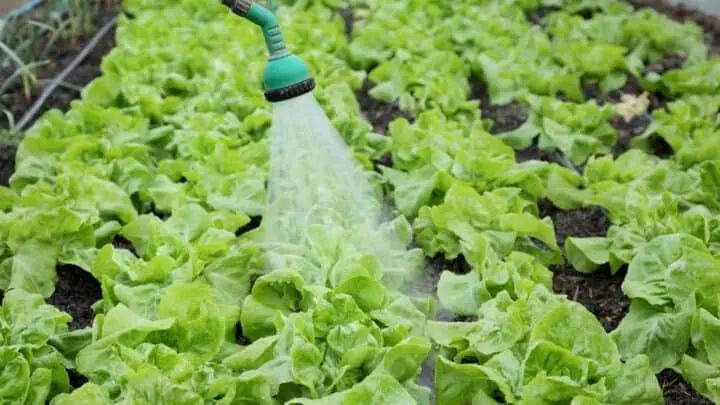
Lettuce plants have a shallow root system. Most active roots live in just the top 6 to 12 inches of soil. Compare this to tomatoes, which root much deeper, and you'll see why lettuce needs different care. This shallow root zone means lettuce can't tap into water reserves deeper in the soil. It also means the plant is highly sensitive to dry spells, even brief ones. Even a single day of underwatering during peak growth can slow your lettuce's development.
Here's the basic requirement: one inch of water per week from rainfall or watering. In sandy soils that drain quickly, you might need up to two inches weekly. During hot weather, the amount increases again. The key takeaway is this: consistency matters more than frequency. Your lettuce doesn't care if you water once daily or twice every three days. It cares that the soil stays consistently moist, never soggy or bone dry.
Water comprises about 90 percent of lettuce tissue. Think of lettuce as an athlete who needs to hydrate constantly during a workout. Missing even one water break affects performance. When lettuce experiences water stress during its rapid growth phase, it slows development and produces lower quality leaves. The plant struggles to expand new foliage, which directly impacts your harvest size and taste.
Reading Your Lettuce: Signs of Water Stress
Learning to diagnose water problems is the next critical skill. Your lettuce will tell you what it needs if you know what to look for. Underwatering shows specific symptoms. Wilting or drooping leaves despite apparent concern is the most obvious sign. You'll also notice slow growth, pale colored leaves, and in severe cases, leaf edges showing brown or stress colors. The soil will pull away from the edges of pots or feel bone dry when you touch it.
Overwatering creates different problems. Yellow leaves, particularly the lower ones, indicate too much water. Soft, mushy stems mean the roots are rotting from waterlogged conditions. You might notice a musty or moldy smell coming from the soil, which signals fungal activity. Overwatered lettuce also becomes more susceptible to disease, including tipburn and bottom rot. The soil stays constantly wet rather than moist.
Here's the practical test you can do right now. Take your index finger. Push it into the soil next to your lettuce plant until your finger goes in up to the first knuckle, about one inch. If the soil feels dry at that depth, it's time to water. If it feels moist like a wrung-out sponge, wait. If it's muddy or smells bad, you've been watering too much. Do this check every two to three days during the growing season.
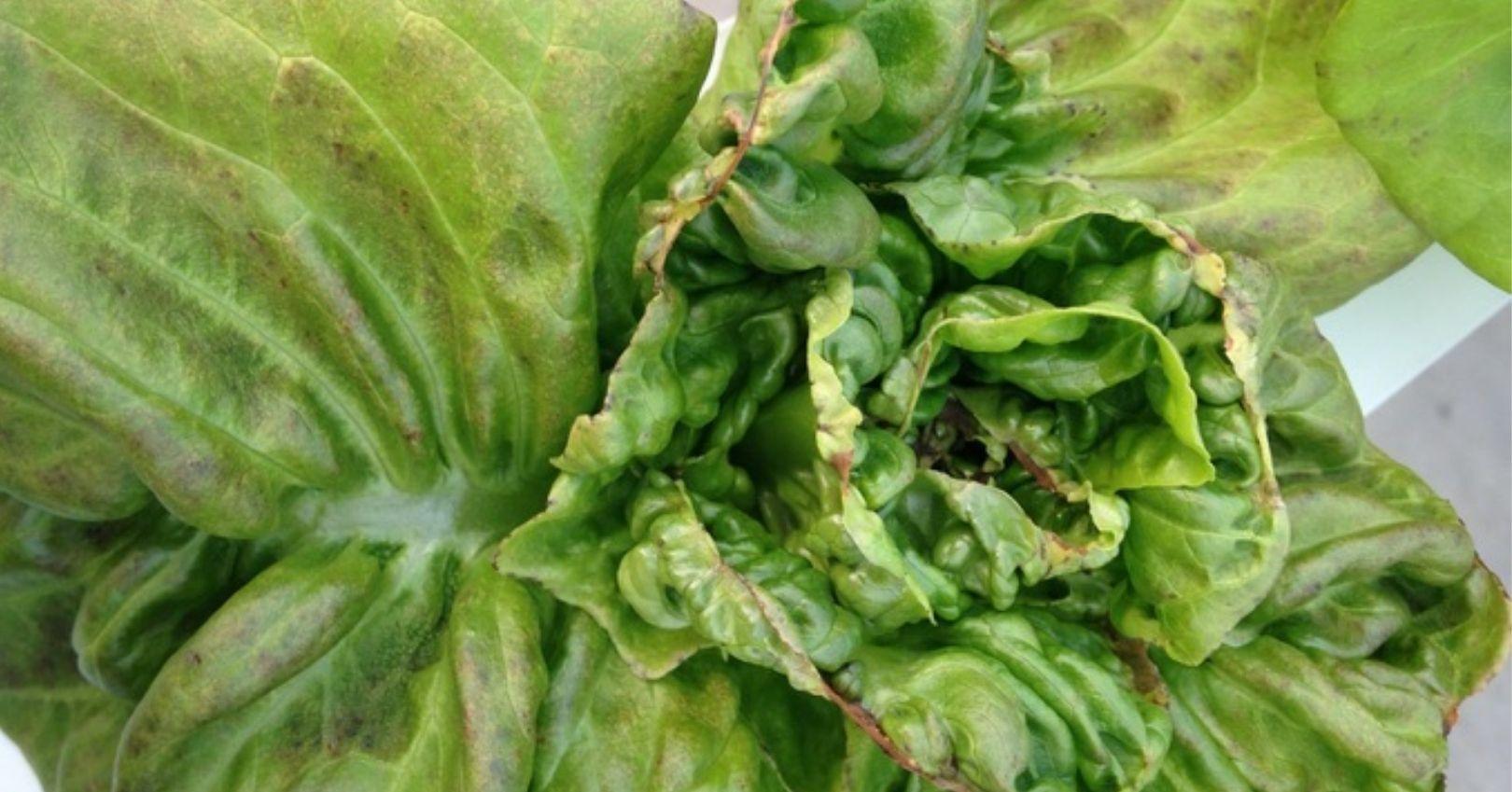
One special note deserves attention: tipburn. This calcium-related disorder appears as brown or rust colored spots on inner lettuce leaves. Tipburn isn't caused by lacking calcium in your soil. Even well fertilized lettuce can develop tipburn when growing rapidly in warm conditions. The real issue is that calcium moves through plants in water. When a plant grows too fast or water is inconsistent, calcium can't reach the developing inner leaves quickly enough. Prevention is simple: maintain consistent moisture and water during nighttime or early morning hours. Nighttime watering maximizes nutrient movement and calcium translocation to developing leaves.
Best Watering Techniques and Methods
Now let's get practical. Here's what actually works for watering lettuce. Drip irrigation is the gold standard. This method delivers water directly to the soil at a slow, consistent rate. Uniform moisture reaches every part of your lettuce's root zone. Foliage stays dry, which reduces disease risk significantly. Water doesn't evaporate uselessly into the air. Drip irrigation is water efficient, saving you time and resources.
Soaker hoses are nearly as good. They work similarly to drip irrigation but are easier to set up for small gardens. Simply lay the hose along your lettuce rows and turn on the water. The hose slowly seeps water into the surrounding soil. Like drip irrigation, soaker hoses keep foliage dry and deliver water directly where roots need it. They're an excellent alternative if you're not ready to invest in a full drip system.
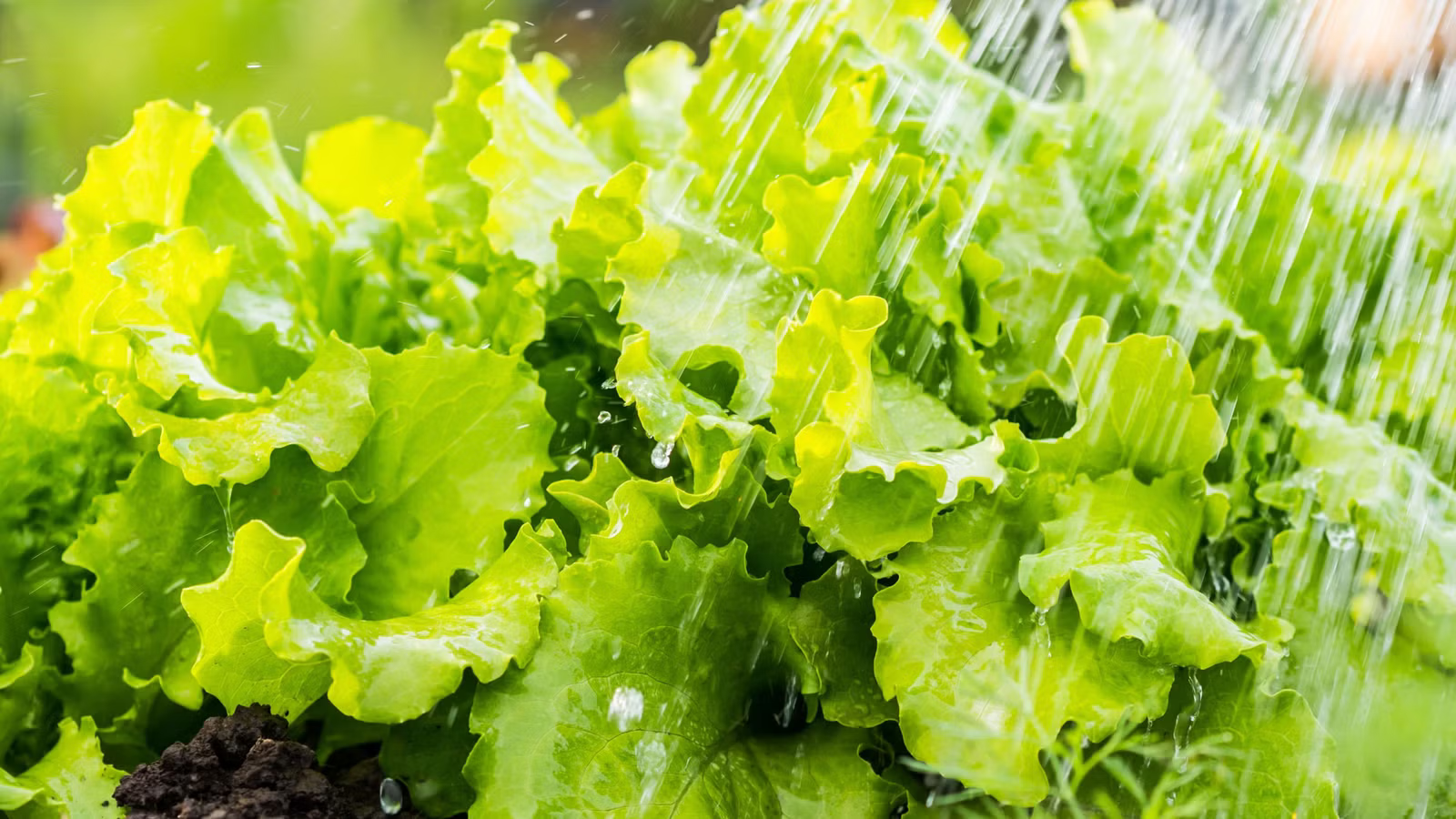
Hand watering works for small gardens. If you only have a few lettuce plants, a watering can gives you precise control. Water directly at the soil level, avoiding the foliage. Be gentle to avoid disturbing young seedlings. Hand watering takes more time than automated systems, but it lets you inspect each plant closely.
Avoid overhead sprinklers. Watering from above wets the foliage, increasing disease pressure. Water also evaporates before reaching the soil. Your lettuce might look watered when the soil is still dry. Foliage diseases spread rapidly when leaves stay wet, especially tipburn risk.
The science of watering depth matters here. Your goal is to moisten six to eight inches deep, which covers the entire root zone. The depth you achieve depends on your soil type. In sandy soil, half an inch of water reaches six inches deep. Loamy soil needs three-quarters of an inch to reach that depth. Clay soil requires a full inch. After watering, wait thirty minutes. Then dig a small hole next to your lettuce. The soil at the bottom should be moist like a wrung-out sponge. Not dry. Not waterlogged. Moist. If it's dry, water more extensively next time. If it's soggy, let it dry slightly before the next watering.
Timing is everything for disease prevention. The best time to water is early morning, between four and six in the morning, before the sun heats up. Early morning gives foliage time to dry, reducing disease risk dramatically. The second best time is nighttime, after the sun sets. Avoid midday hot watering because it wastes water to evaporation. Avoid evening and afternoon overhead spray because it promotes disease.
Watering Schedule by Season
Your watering frequency changes with the seasons. This seasonal approach works well, but your specific schedule depends on three factors: your climate zone, your soil type, and your specific growing setup.
Spring brings mild growth periods as temperatures gradually warm. Moderate watering typically means two to three times per week. Monitor soil moisture every two days. Watch for the transition to summer as temperatures rise. You'll notice soil drying faster and plants growing quicker.
Summer means peak water demands. Warm temperatures increase evapotranspiration, the combined loss of water through soil evaporation and plant leaf transpiration. Daily watering may be necessary for container plants. Garden beds typically need water every one to two days. Watch closely for tip
burn risk during heat waves when plants grow very fast. Increase frequency the moment temperatures spike above eighty-five degrees.
Fall brings cooling temperatures. You can reduce watering frequency as temperatures drop and plant growth slows. Two to three times weekly typically suffices. Monitor your specific garden because cooling can happen gradually or suddenly depending on your location.
Winter means minimal demands. Container lettuce indoors needs less water, usually once or twice weekly. Garden beds often rely mostly on rainfall. Soil retains moisture longer in cool weather. Still check moisture every three to four days because even winter plants need consistent moisture.
Container plants need special attention. Containers dry out faster than garden beds because water sits in limited soil volume and exposed sides lose water to evaporation. Container lettuce may need two to three times more frequent watering than garden bed lettuce. Garden beds have greater soil volume, which acts as a moisture buffer. Soil retains water longer. Adding two to three inches of mulch around your lettuce dramatically improves water retention. Mulching reduces watering frequency by thirty to fifty percent and keeps soil temperature more consistent.
Container Growing vs. Garden Bed Growing
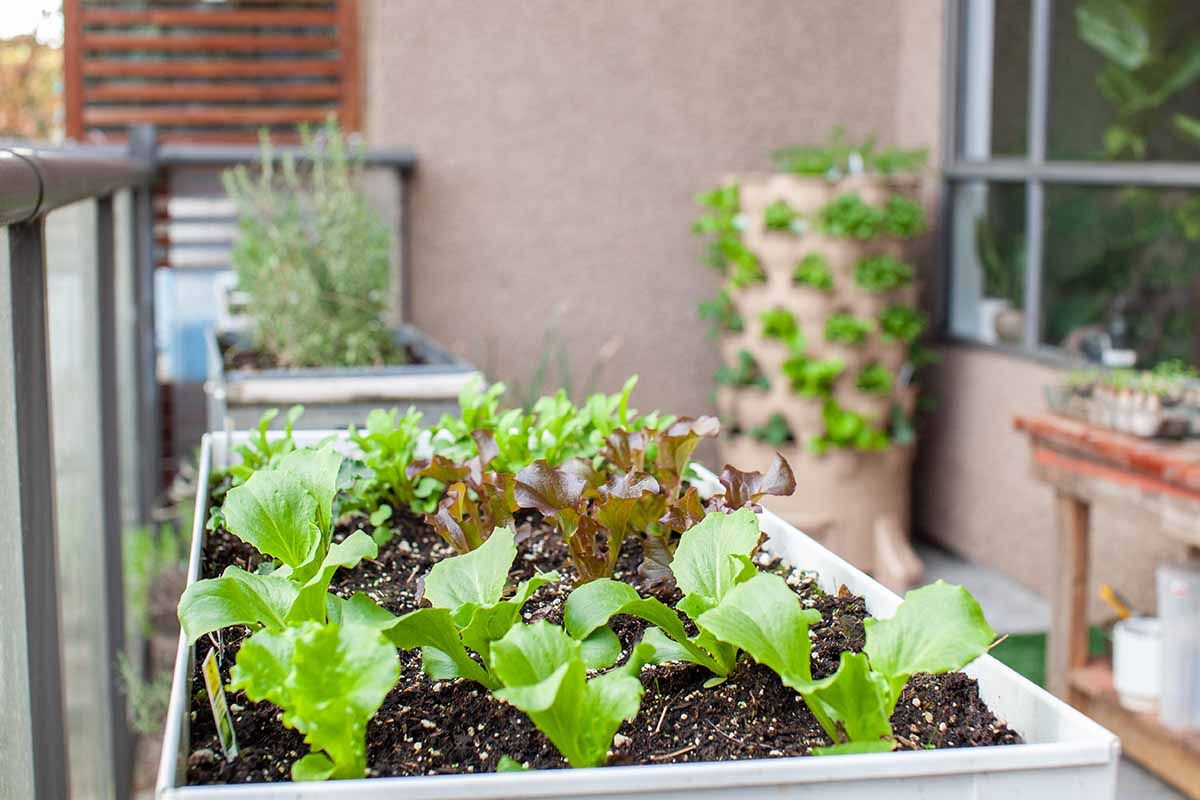
The growing context matters for your watering approach. Container plants require more frequent attention. Check daily during the growing season. Drainage holes are essential to prevent root rot. Water until you see water draining from the bottom. This ensures the entire soil volume gets saturated. Use high-quality potting mix because it retains water better than garden soil.
Garden bed growing requires less frequent watering. Soil volume provides a moisture buffer that protects against missed watering days. Incorporat compost into garden beds to improve water retention. Drip irrigation works most efficiently in garden beds because you can lay it out once and use it for the entire season. Account for rainfall in your frequency calculations. A good rain might satisfy your weekly water needs.
For those using advanced systems like hydroponics or aquaponics, water and nutrient delivery is system managed, so your focus shifts to monitoring EC and TDS levels rather than soil moisture. Consistent moisture is guaranteed through the system.
How AI Can Help You Water Better
You now understand lettuce's watering needs. But what if you want to take the guesswork out entirely? Plantlyze is an AI-powered plant care tool designed for exactly this purpose. It analyzes plant health through photos and provides customized watering schedules for your specific climate and growing setup. Instead of remembering seasonal guidelines or the finger moisture test, you get personalized recommendations updated as conditions change.
Here's what Plantlyze does for you. It analyzes your lettuce plant through image recognition, providing real-time health assessments. The tool sends reminders when your lettuce is ready to water based on your specific conditions. It diagnoses diseases early, including tipburn risk before it becomes visible. It tracks your lettuce's progress over weeks and months so you learn what works best. It adjusts recommendations automatically if weather changes, humidity shifts, or temperatures spike.
If this sounds helpful, explore Plantlyze at plantlyze.com. If you prefer the hands-on approach using what you've learned here, that works perfectly too. The goal is healthy, consistent lettuce harvests. Whether you use AI tools or your finger test, consistency is what matters most.
Conclusion
Remember that struggling lettuce from the beginning? Proper watering would have prevented it. By mastering these techniques, you avoid that disappointment. Here are the three key takeaways. First, lettuce needs consistent moisture from its shallow root zone. Second, drip irrigation or soaker hoses work best for delivering that consistency. Third, monitoring and adapting for seasons and stress signs builds the intuition you need.
Now that you understand why lettuce needs water, let's look at how to tell when it's time to water. You now have everything you need to water lettuce successfully. Start small if you're new to gardening. Even one week of consistency builds the intuition you need. Implement drip irrigation this week, check soil moisture daily, and watch what happens. In three weeks, you'll know exactly what your lettuce needs. In two months, you'll harvest crisp, healthy heads that taste infinitely better than store-bought. That's the payoff.
For personalized watering schedules based on your exact climate and growing setup, check out Plantlyze at plantlyze.com. Whether you take that step or stick with the proven methods in this guide, you're on the path to lettuce success. Lettuce is forgiving. Every day you water consistently, you're building skill. The satisfaction of harvesting perfect lettuce you grew yourself is worth the attention. Good luck.
References
NC State Extension & Publication - Lettuce Production in North Carolina
https://content.ces.ncsu.edu/lettuceUniversity of California Integrated Pest Management - Lettuce Cultural Tips
https://ipm.ucanr.edu/home-and-landscape/lettuce/cultural-tips/index.htmlUniversity of Florida IFAS - Watering the Vegetable Garden
https://gardeningsolutions.ifas.ufl.edu/plants/edibles/vegetables/watering-the-vegetable-garden/Arizona Cooperative Extension - Lettuce Irrigation
https://acis.cals.arizona.edu/agricultural-ipm/vegetables/lettuce/irrigationAgriculture Victoria - Tip burn in Lettuce
https://agriculture.vic.gov.au/biosecurity/plant-diseases/vegetable-diseases/tipburn-in-lettuce