Lettuce growers face a persistent enemy that can devastate crops overnight: gray mold. This fungal disease spreads rapidly in cool, moist conditions, turning lush green plants into rot-covered losses within days. Whether you manage a greenhouse, hydroponic system, or field operation, gray mold demands your attention. Understanding this disease and implementing proven management strategies is essential to protecting your lettuce investment.
What Is Lettuce Gray Mold?
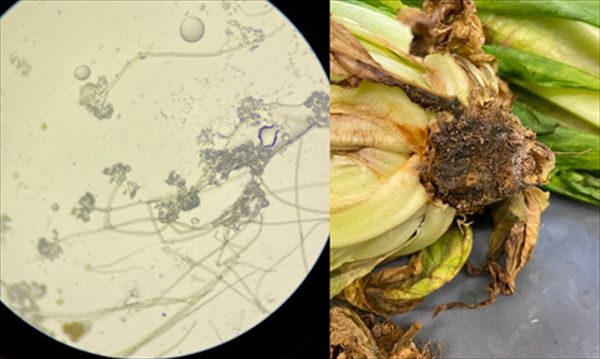
Lettuce gray mold is a serious fungal disease caused by the pathogen Botrytis cinerea, a necrotrophic fungus that infects more than 1400 plant species worldwide. This same pathogen causes devastating losses in grapes, strawberries, tomatoes, and numerous other crops, making it one of agriculture's most economically significant diseases.
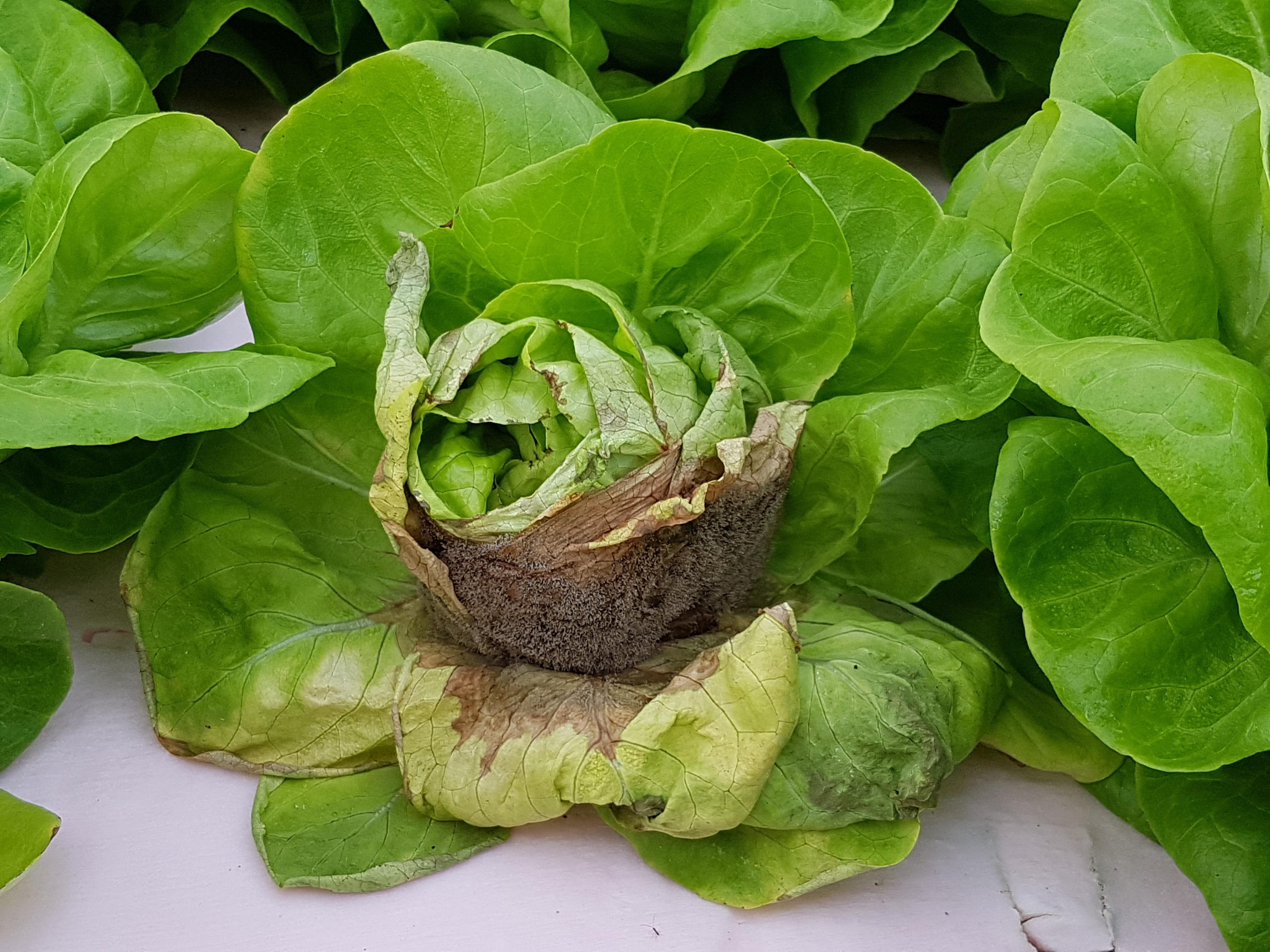
The disease earned its name from the characteristic gray fuzzy fungal growth that appears on infected plant tissues, particularly visible on aging or dead plant parts. Unlike some pathogens that only attack specific plant tissues, Botrytis cinerea targets weak, aging, or damaged plant cells, which is why it thrives on senescing leaves, flower parts, and plant material in contact with soil.
Botrytis cinerea is also known as gray rot or botrytis blight, and it presents a unique challenge to growers because the fungus can cause significant losses both before harvest in the field and greenhouse, and after harvest during storage and distribution.
Understanding Gray Mold Conditions
Botrytis cinerea thrives in specific environmental conditions that you can monitor and modify. The fungus prefers cool to moderately warm temperatures, with optimal growth occurring between 64 and 73 degrees Fahrenheit (18 to 23 degrees Celsius). Importantly, fungal growth ceases above 90 degrees Fahrenheit (32 degrees Celsius), which means warm weather actually suppresses the disease.
Moisture is the critical factor. The real challenge of greenhouse production is in the fact that it allows for cool, moist conditions favored by Botrytis to be maintained year-round. Infection develops best under high humidity with extended periods of leaf wetness. A film of water on the surface of any plant part contains conidial spores which germinate and attempt to invade the plant tissue.
The fungus survives between growing seasons as sclerotia, hardened structures that persist indefinitely in soil on decayed organic debris. This is why sanitation and crop debris removal are so critical to breaking the disease cycle. The pathogen can even survive cold storage conditions, meaning postharvest losses can be devastating if lettuce shows early infection symptoms.
Recognizing Gray Mold Symptoms
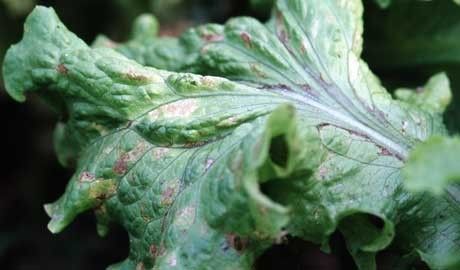
Early detection of gray mold dramatically improves your chances of controlling the disease before it spreads through your crop. Learning to identify symptoms at their earliest stages is a crucial skill for any lettuce producer.
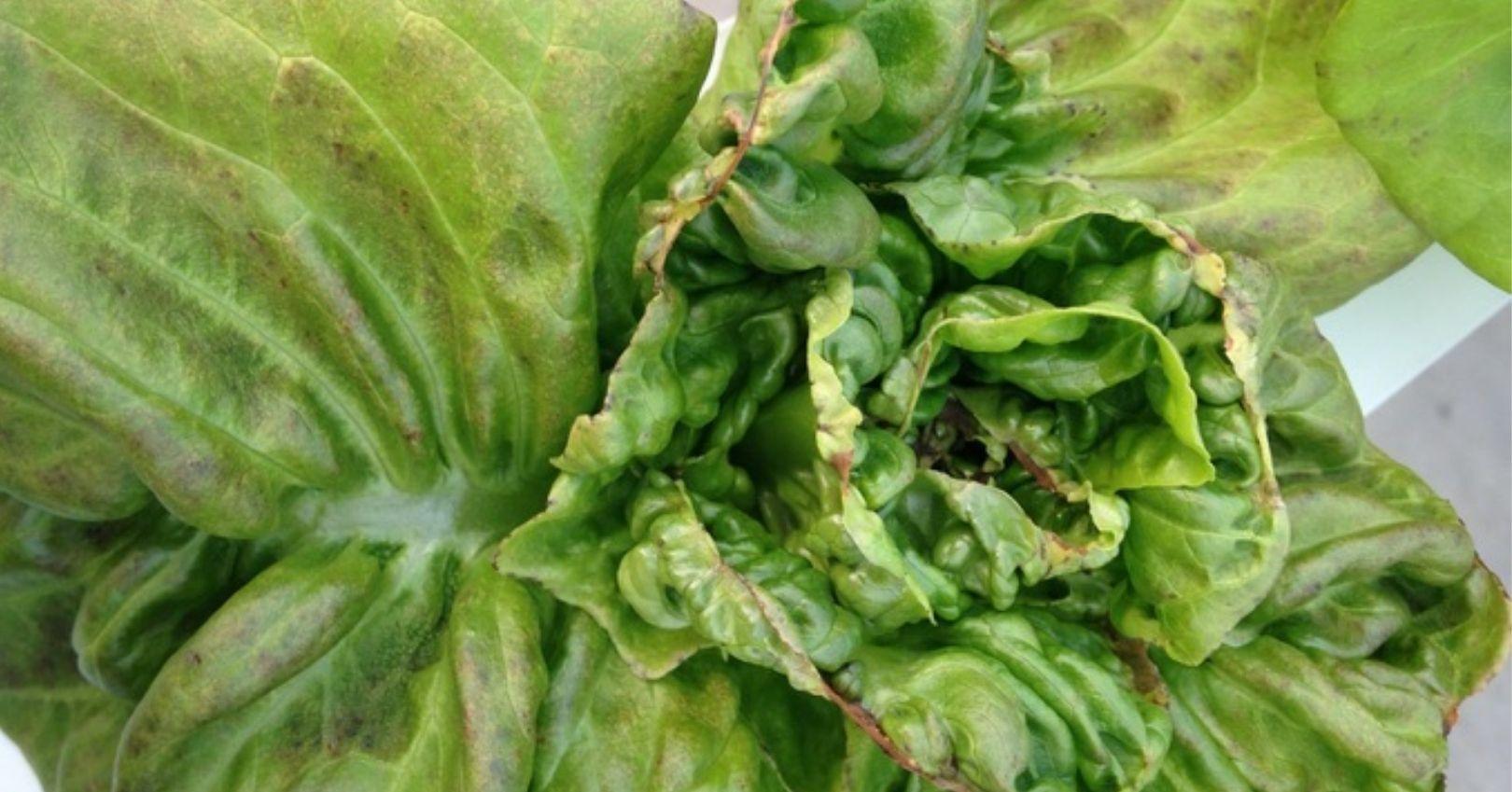
Initial symptoms appear as small, water-soaked spots on lettuce leaves, most commonly on plant parts in contact with soil or on tissue that has been injured. The spots may initially appear tan or brown and feel soft to the touch. These water-soaked lesions are the disease's calling card.
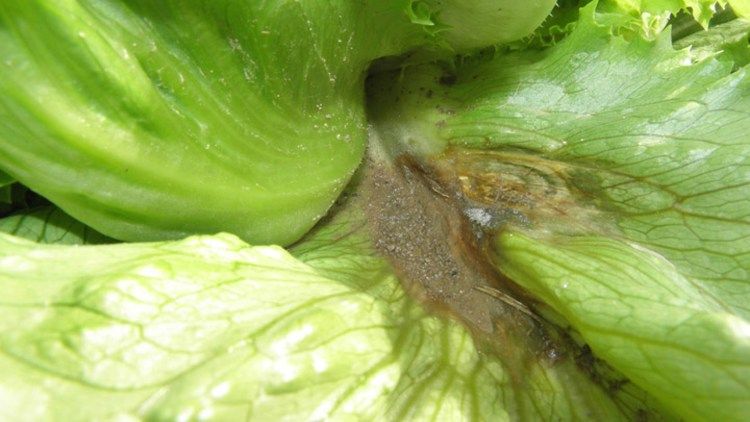
As conditions remain moist, these spots rapidly progress to the characteristic gray or brown fuzzy mold growth. This fungal mold covers the affected tissue and looks like a fine powder when disturbed, releasing clouds of microscopic gray spores. When you touch infected leaves or attempt to harvest, you may literally see a cloud of spores dispersing into the air.
Disease progression follows a predictable pattern:
Early Stage: Water-soaked spots appear on lower or injured leaves
Mid Stage: Spots darken, fuzzy gray mold develops, tissue softens
Advanced Stage: Mold profusely covers crown and base of leaves, plant wilting begins, unpleasant decomposition odor develops
In seedlings and young transplants, the disease manifests as damping-off, where infected seedlings wilt, blacken at the base, and collapse completely. This vulnerability at the seedling stage makes proper transplant production crucial for preventing losses.
In severe cases, entire plants become coated with fuzzy gray growth, leading to complete crop failure. Affected lettuce becomes unmarketable due to visible mold and accelerated rot during storage.
How Gray Mold Spreads
Understanding disease transmission pathways allows you to interrupt them and reduce infection pressure in your growing environment.
Botrytis cinerea spreads primarily through airborne spores. When mold-covered tissue is disturbed, touched, or handled, it releases spores that float through the greenhouse or field. These spores land on healthy plants, and in the presence of moisture, germinate and penetrate plant tissues.
Water transmission is equally important. Rain splash, overhead irrigation, or any water that contacts infected leaves disperses spores onto nearby healthy plants. Infected water droplets can travel considerable distances, especially in enclosed greenhouse environments with air circulation fans.
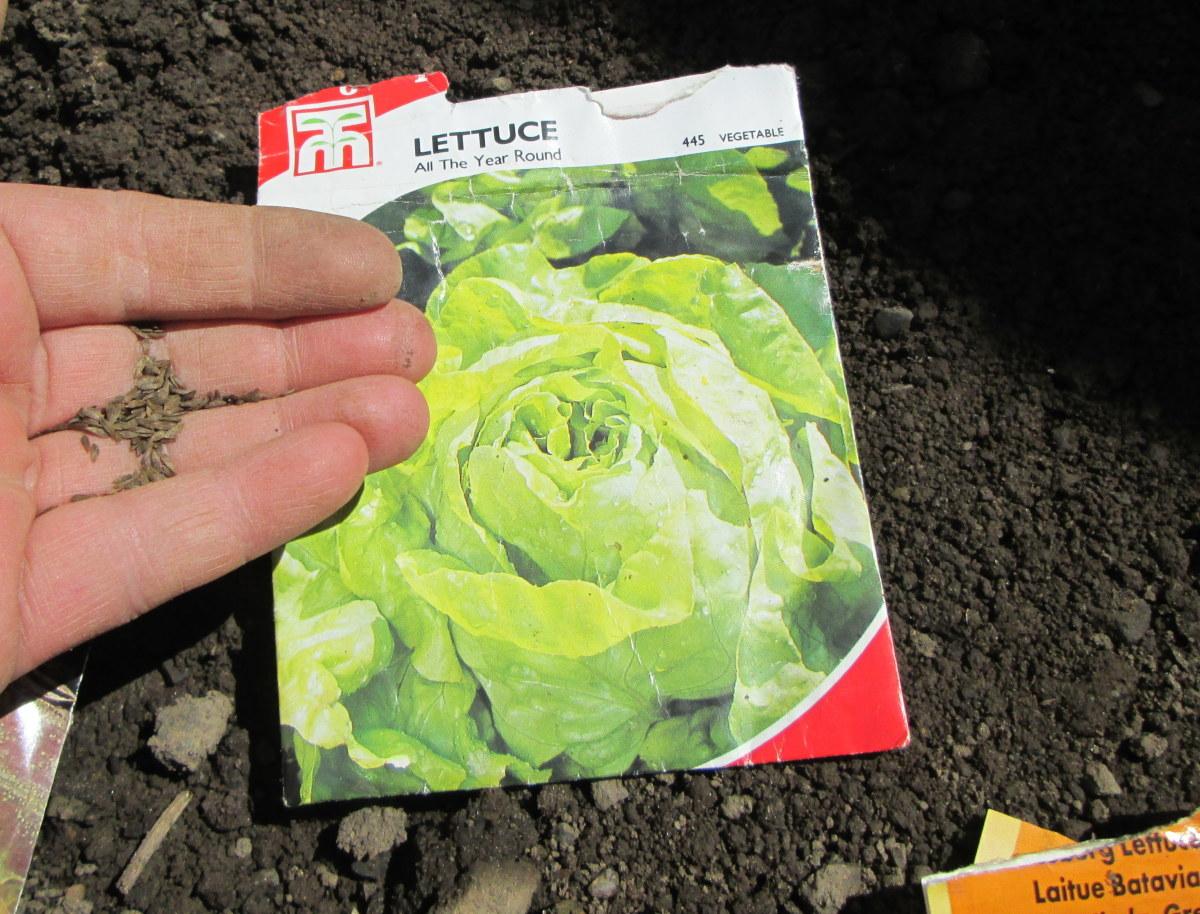
The disease can also enter your crop through infected seeds. If seed lots are contaminated with Botrytis, germinating seeds may experience damping-off or develop early-stage infection that progresses after germination.
Beyond live transmission, the fungus persists on decayed plant debris in soil and on greenhouse structures. Sclerotia can survive for years in soil and on non-living plant material, serving as inoculum reservoirs. This is why sanitation between crops is essential but challenging, as it requires removing not just visible debris but all decomposing organic matter.
Prevention: The Foundation of Control
Preventing gray mold is infinitely easier than controlling an established outbreak. Effective prevention requires implementing multiple strategies simultaneously, as no single practice alone provides adequate protection.
Implement Rigorous Sanitation
Sanitation forms the foundation of gray mold management. Remove all crop residue immediately after harvest, including fallen leaves, stem pieces, and root material. Do not compost this material; instead, dispose of it through burning or burial far from production areas.
Within your growing structure, remove dead leaves and debris regularly throughout the growing season. Dead flower petals, fallen leaves, and spent plant material provide excellent growth medium for Botrytis. Pay particular attention to leaf litter accumulating under plants and in corners where air circulation is poor.
Between crop cycles, deep clean your greenhouse or production structure. Scrub benches, pots, trays, and irrigation lines with a disinfectant solution. Botrytis spores can cling to surfaces and contaminate new crops. Remove and replace soil in field production areas where previous crops showed heavy disease pressure.
Optimize Irrigation Management
Your irrigation system can either suppress or promote gray mold depending on how you manage it. Avoid overhead sprinkler irrigation entirely if possible. Overhead systems wet foliage, creating the moist conditions Botrytis requires.
Instead, use drip irrigation systems placed close to the soil surface, delivering water directly to root zones without wetting foliage. If drip systems are not feasible, use hand-watering or furrow irrigation that keeps leaves dry.
Water timing matters significantly. If you must water foliage, apply water early in the morning so foliage dries quickly under morning and midday sun. Avoid evening irrigation, which leaves foliage wet throughout the cool nighttime hours when fungal infection risk peaks.
Promote Air Circulation
Good airflow reduces leaf wetness duration and suppresses fungal growth. Space plants adequately to allow air to circulate freely around all foliage. Avoid overcrowding transplants or field-planted lettuce. Thin seedbeds and field plantings to proper spacing as soon as plants develop second true leaves.
In greenhouse production, use ventilation fans or shade house louvers to move air constantly. This reduces humidity and dries foliage faster after any wetting event.
Handle Plants With Care
Avoid injuring plants during transplanting, thinning, pruning, or harvesting. Botrytis commonly invades through wounded tissues and injured leaves. Use clean, sharp tools for any cutting operation. Sanitize tools between uses by wiping with rubbing alcohol or dipping in a 10% bleach solution.
Fungicide Management and Application
When prevention measures alone are insufficient, fungicides become necessary. However, effective fungicide use requires understanding resistance management principles.
Fungicide Resistance Development
Fungicide resistance is a critical concern in gray mold management. Botrytis cinerea can rapidly develop resistance to fungicides, especially those with single-site modes of action. This means fungicides that work excellently one season may fail the next if used improperly.
To manage resistance effectively:
Use multiple fungicide products with different modes of action throughout the season. Rotate between product classes rather than using the same fungicide repeatedly.
Alternate between products every 2 to 3 applications. For example, use Product A for 2 applications, then switch to Product B for the next 2 applications, then Product C.
Never rely on a single fungicide, no matter how effective initially. Include multi-site contact fungicides like sulfur in your rotation, as resistance develops more slowly to these broad-spectrum products.
Timing and Application
Apply fungicides protectively before disease appears, not after infection begins. Botrytis protection requires preventative applications throughout the growing season, particularly during cool, wet periods when disease pressure peaks.
After thinning operations, when plant injury increases infection risk, apply protectant fungicides to the crop base and crown area. Time applications before plants become too large to treat thoroughly.
Near-harvest applications present challenges. Many fungicides cannot be applied close to harvest due to residue limits. Plan your spray calendar to ensure final applications occur well before harvest, then rely on good sanitation to prevent late-season infections.
Available Fungicide Options
Common fungicide active ingredients include chlorothalonil, captan, iprodione, thiophanate-methyl, and mancozeb. However, always consult current product labels and local agricultural extension services before making fungicide applications, as regulations and resistance patterns change.
For organic production, neem oil, sulfur, and copper fungicides offer some protection when applied early and regularly. These natural products work best as preventatives and provide limited curative activity once infection is established.
Biological Control: An Emerging Solution
As fungicide resistance becomes more problematic, biological control agents are gaining attention as valuable components of integrated management programs.
Several microorganisms show promise in suppressing gray mold on lettuce:
Trichoderma strains are fungal parasites that attack Botrytis directly. Research from multiple institutions has documented their effectiveness in reducing gray mold incidence.
Bacillus species provide antagonistic activity through various mechanisms including antibiotic production. These bacteria have been used successfully against numerous plant pathogens.
Pseudomonas fluorescens reduced gray mold lesions on lettuce by over 78% in research trials.
Coniothyrium minitans specifically parasitizes Botrytis sclerotia, attacking the overwintering survival structures. This biological agent has been used successfully against other sclerotia-forming pathogens.
Epicoccum purpurascens and Streptomyces griseovirides based products are also available for gray mold control on lettuce.
Biological control agents work best when integrated with cultural practices. They typically provide partial suppression rather than complete disease control, making them most effective as components of comprehensive management programs rather than standalone solutions.
Resistant Varieties and Breeding
The challenge in genetic resistance to gray mold is that most commercial lettuce cultivars are highly susceptible. Research evaluating 212 lettuce germplasm accessions found that 208 (98%) showed 100% disease incidence when inoculated with Botrytis cinerea.
However, four promising accessions demonstrated resistance:
K021055 (L. sativa): Shows moderately high resistance with only 20% disease incidence.
IT908801 (L. sativa): Another moderately resistant accession with 20% disease incidence.
K000598 (L. saligna): A wild relative of cultivated lettuce showing complete resistance to gray mold.
K000599 (L. saligna): Another wild relative with complete resistance potential.
These wild relatives represent exciting opportunities for breeding programs. Plant breeders are now incorporating resistance genetics from wild Lactuca species into commercial cultivars. However, this process is slow, requiring multiple growing seasons to develop stable, uniform commercial varieties.
For current production, the reality is that lettuce growers cannot rely on varietal resistance alone. You must implement comprehensive management practices using the prevention, chemical, and biological tools available.
Digital Diagnosis Tools
If gray mold symptoms appear on your lettuce, quick and accurate diagnosis is critical for effective response. Plantlyze, an AI-powered plant care and diagnosis platform, can help you confirm gray mold identification by analyzing photos of affected plant tissue. Visit plantlyze.com to upload images and receive instant diagnostic confirmation. This verification allows you to take immediate action with confidence in your diagnosis before disease spreads further.
Special Considerations for Different Production Systems
Greenhouse Production
Greenhouse environments present unique gray mold challenges because the controlled conditions create ideal disease environments year-round. Temperatures can be maintained in the optimal 64 to 73 degree Fahrenheit range, and humidity management is difficult.
Focus greenhouse management on ventilation, spacing, and irrigation management. Use fans aggressively to maintain air movement. Space plants to maximum distances while maintaining productivity. Transition to drip irrigation and eliminate all overhead watering. Remove infected plants immediately when symptoms appear.
Hydroponic Systems
Recirculating hydroponic systems require strict nutrient solution sanitation and frequent system cleaning. Botrytis spores can establish in recirculating water, infecting multiple crops. Clean irrigation lines between crops with disinfectant solution. Remove all dead plant material from systems immediately.
Consider using biological control agents in hydroponic systems, as these microbial treatments integrate well with closed-loop systems. Some growers report success with Trichoderma and Bacillus based products applied to hydroponic solutions.
Field Production
Field-grown lettuce experiences lower disease pressure than protected production due to better air circulation and lower humidity. However, spring and fall production in cool, wet weather can trigger severe outbreaks.
Focus field management on crop rotation, residue removal, and fungicide programs during high-risk periods. Avoid planting lettuce in the same location for two consecutive seasons if the previous crop showed gray mold.
Key Management Takeaways
Gray mold remains one of lettuce's most destructive diseases, particularly in greenhouse and protected cultivation. Unlike some pathogens that only infect strong tissues, Botrytis targets weak and senescing plant parts, making it difficult to breed away entirely.
Effective management requires an integrated approach combining multiple strategies:
Start with excellent sanitation. Remove all crop residue and disinfect production surfaces between crops. This reduces initial inoculum levels.
Optimize irrigation through drip systems and morning-only water application. Never allow foliage to remain wet during cool nighttime hours.
Promote air circulation through adequate spacing and active ventilation. Good airflow dries foliage quickly and suppresses fungal growth.
Implement strategic fungicide programs during high-risk periods, using multiple products with different modes of action to prevent resistance development.
Explore biological control agents as components of your management program. These living solutions offer promise as resistance management tools.
Remain vigilant for early symptoms. When caught early, gray mold is controllable; established infections often result in total crop loss.
With commitment to prevention and early intervention, you can successfully manage gray mold and maintain healthy, marketable lettuce crops season after season.
References
UC IPM (University of California Integrated Pest Management) – Botrytis Crown Rot / Lettuce / Agriculture https://ipm.ucanr.edu/agriculture/lettuce/botrytis-crown-rot/
NCBI/PMC (National Center for Biotechnology Information) – Evaluation of Lettuce Germplasm Resistance to Gray Mold Disease https://pmc.ncbi.nlm.nih.gov/articles/PMC4174840/
CABI Digital Library – Botrytis cinerea (Grey Mold-Rot) https://www.cabidigitallibrary.org/doi/full/10.1079/cabicompendium.9611
EOS (Earth Observation Systems) – Botrytis Cinerea (Gray Mold): Causes, Symptoms, and Treatment https://eos.com/blog/botrytis-cinerea/
Wikipedia (Peer-reviewed) – Botrytis cinerea https://en.wikipedia.org/wiki/Botrytis_cinerea