Discovering white powdery spots on your lettuce leaves can send any grower into immediate concern mode. That telltale dusting across your crop isn't just cosmetic damage; it's powdery mildew, one of the most destructive fungal diseases threatening lettuce production worldwide.
Whether you're managing a commercial greenhouse operation or nurturing a backyard garden, this comprehensive guide will equip you with proven strategies to identify, prevent, and treat lettuce powdery mildew effectively. Plus, you'll learn how modern AI powered tools like Plantlyze can help you catch problems early and protect your harvest.
What Is Lettuce Powdery Mildew?
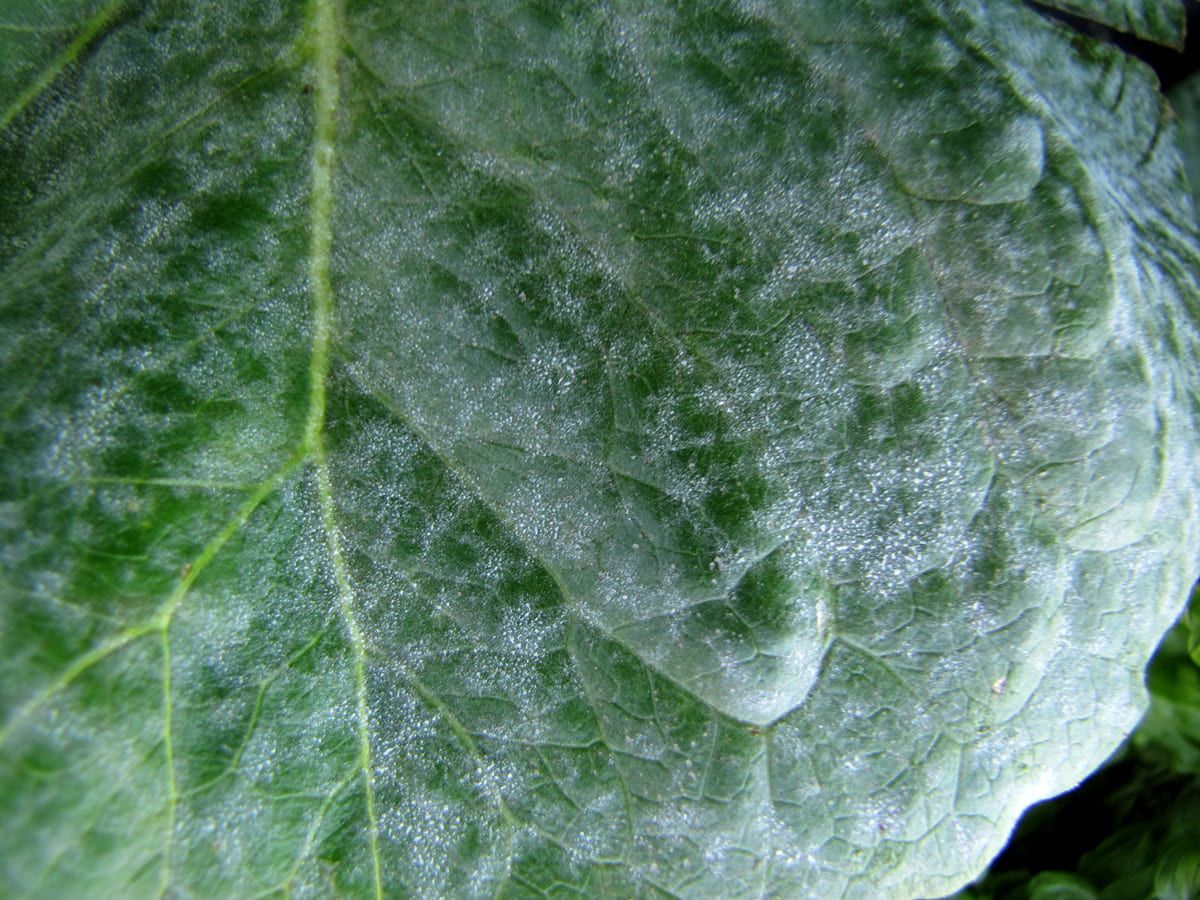
Lettuce powdery mildew is caused by the fungus Golovinomyces cichoracearum, previously known as Erysiphe cichoracearum. This microscopic troublemaker is an obligate biotrophic parasite, meaning it cannot survive without living plant tissue. The fungus establishes itself on your lettuce leaves and begins a silent invasion that can devastate entire crops if left unchecked.
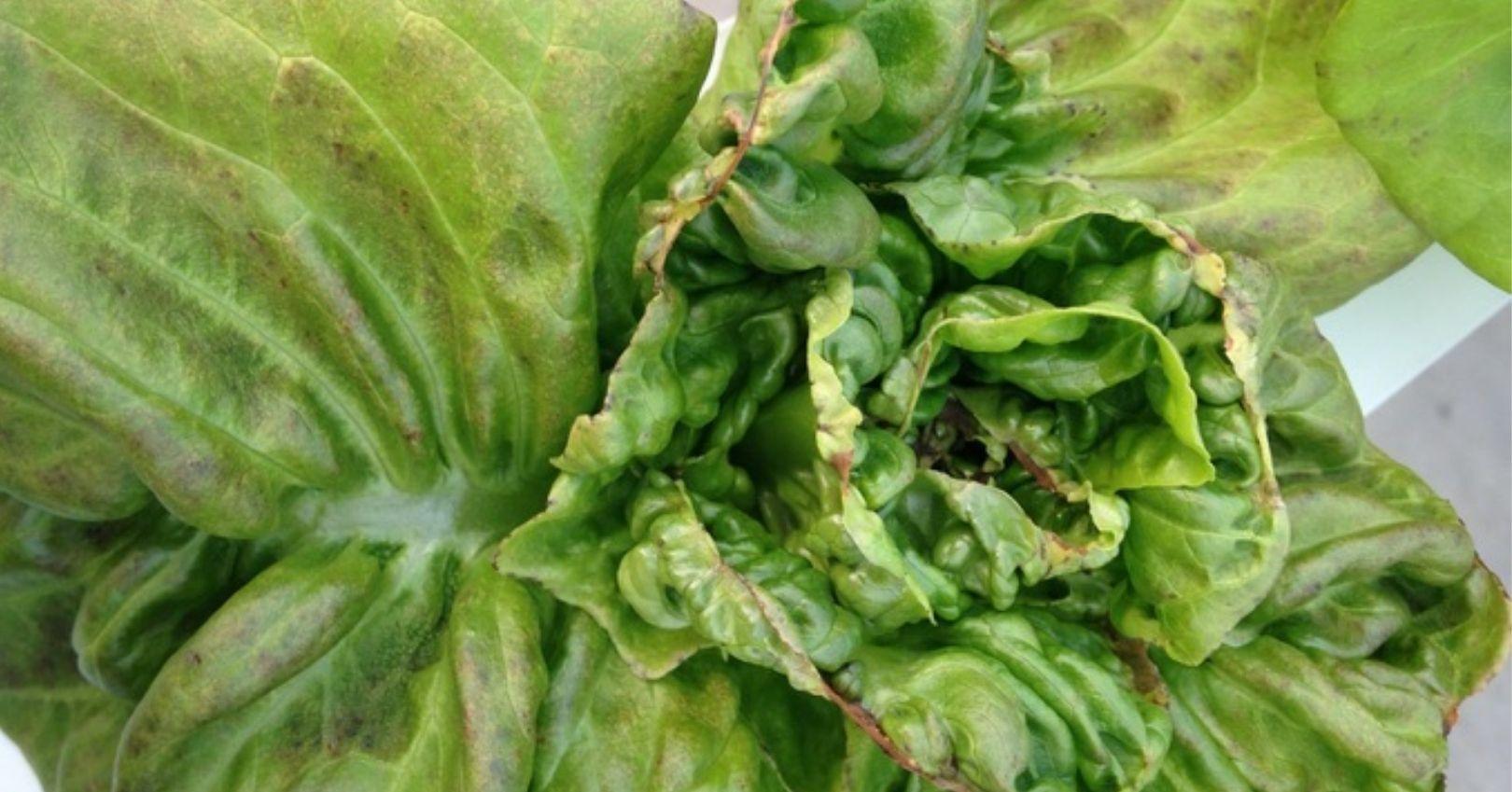
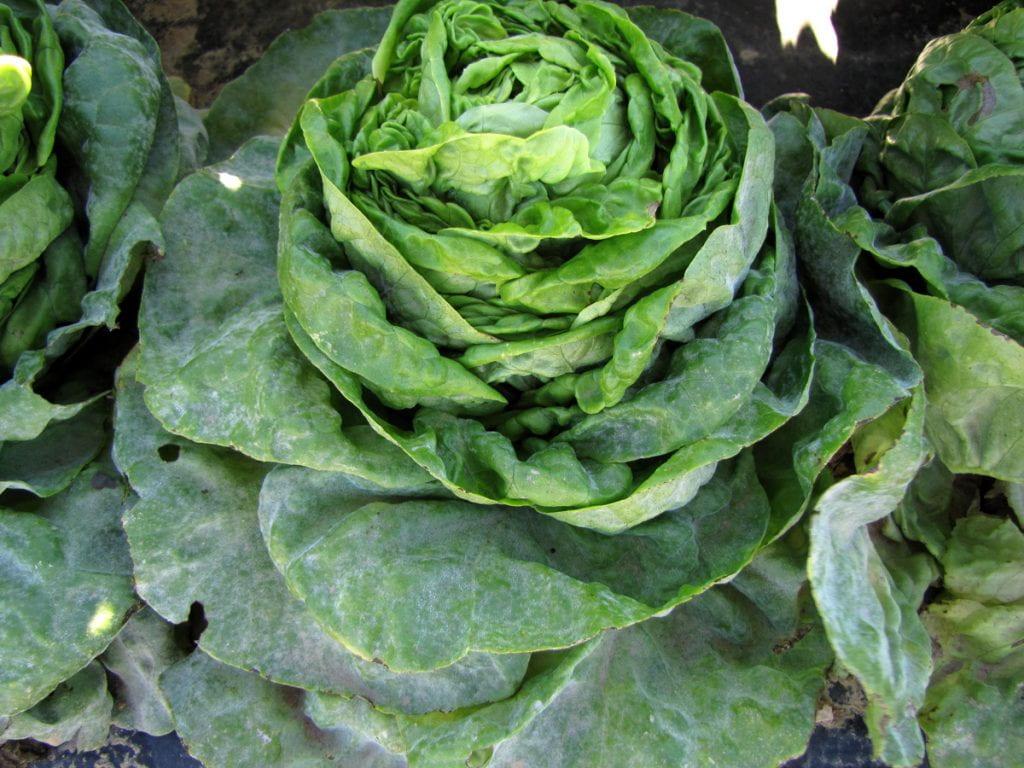
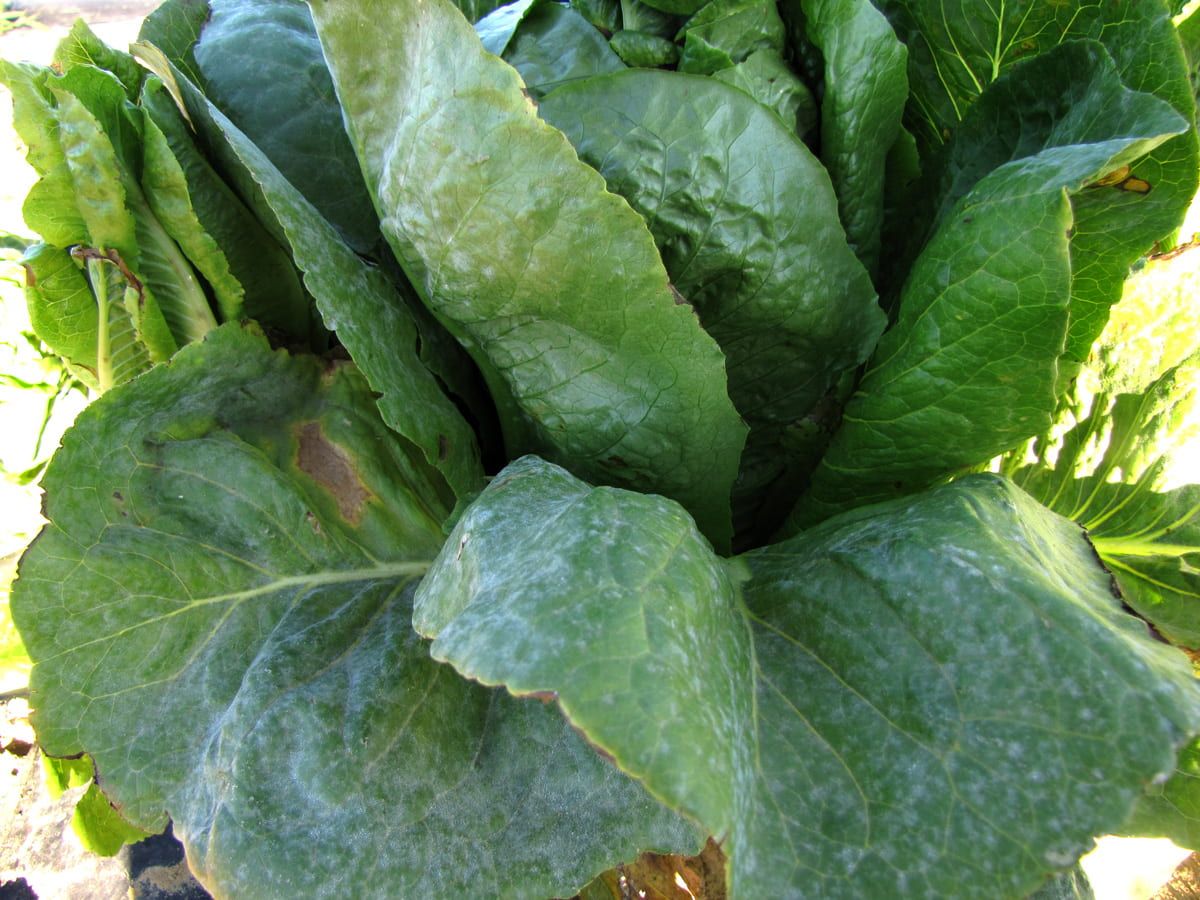
The visual symptoms are really obvious once you know what to look for. Initially, there may be slight purple or reddish blotches on the surfaces of leaves. These early warning signs quickly develop into the characteristic gray white powdery growth that appears on both upper and lower leaf surfaces. Unlike some other fungal diseases, the chains of spores produced by powdery mildew can easily be seen with a simple hand lens (magnifying glass), hence its early identification even without laboratory equipment.
The disease progression follows a predictable pattern. Within seven to ten days of initial infection, the white mycelium becomes clearly visible. As the fungus spreads, it covers leaf surfaces, reducing the plant's ability to photosynthesize. Advanced infections cause leaves to dry out, turn brown, and die prematurely. Severe cases result in leaf curling, chlorosis, and dieback, which can expose your crop to additional problems like sunscald.
Environmental Triggers and Risk Factors
Understanding what triggers powdery mildew outbreaks is your first line of defense. This fungus thrives in surprisingly specific conditions that many growers inadvertently create in their growing spaces.
Temperature plays a crucial role. Powdery mildew flourishes in warm, dry conditions with moderate temperatures between 70°F to 85°F. However, there's an interesting paradox at work. While free water on leaf surfaces actually prevents spore germination, high relative humidity above 95% at night favors spore formation, and low daytime humidity favors spore dispersal. This combination of humid nights and dry days creates the perfect storm for disease development.
Greenhouse environments are particularly vulnerable. Lack of ventilation, dense canopy, and no air movement is the microclimate in which this disease loves to flourish. Most growers report that hanging baskets near vents are always the first to show symptoms since that area traps humidity with restricted airflow.
The disease is also very much seasonal. That would be high risk from early summer to late fall for outdoor crops. Greenhouse growers, however, battle this threat year round, with fall and winter months presenting particular challenges as heating systems create temperature fluctuations and humidity spikes.
Plant stress factors significantly increase susceptibility. Over fertilization, especially with nitrogen, creates lush, tender new growth that the fungus finds irresistible. Dense plantings and delayed harvest of mature plants also increase risk by creating humid, shaded conditions within the crop canopy.
Impact on Crop Yield and Quality
The economic impact of powdery mildew on lettuce production cannot be overstated. Research demonstrates yield losses reaching up to 30% in various lettuce cultivars. The fungus achieves this damage by coating leaf surfaces and reducing photosynthesis, which stunts plant development and limits growth.
Quality degradation is equally concerning. Infected leaves become unmarketable due to the unsightly white mycelium coverage. Even minor infections can render premium lettuce unsuitable for sale, as consumers and buyers reject produce showing any signs of disease. This directly results in reduced earnings for their commercial operations, thereby increasing the risk of losing market contracts.
The damages do not stop at the immediate yield loss. In severe infections, plants are left weak and become easy prey for other diseases and environmental stresses. The cumulative effect will be manifested in subsequent plantings and overall productivity of the farm.
Prevention Strategies
Preventing powdery mildew is far more effective than treating established infections. A comprehensive prevention program combines cultural practices, resistant varieties, and environmental management.
Cultural Practices
It begins with proper spacing and airflow. Allow adequate spacing to increase air movement within the canopy. In greenhouses, an actual fan-and ventilation tubing system distributes all the air uniformly over the growing area.
Humidity management is a factor of the routine activities within the day. Advise heating for at least one hour before sunset and also ventilating in the late afternoon to reduce humidity during nighttime. Apply irrigation water early in the morning so that leaf surfaces can dry completely before evening. Never compromise with sanitation; remove infected leaves immediately and put them into plastic bags, thus preventing spore dispersal while removing them. Conduct thorough greenhouse cleaning between crop cycles and eliminate weed hosts that can harbor the fungus.
Timely harvest of mature plants prevents overgrowth and dense canopy formation that trap humidity. This simple practice significantly reduces disease pressure throughout the growing season.
Resistant Varieties
Planting resistant varieties provides a genetic advantage in the battle against powdery mildew. Resistance does not equal immunity, these varieties will depress the level of the disease to a minimum and shall also ensure minimal chemical interventions. Here are proven resistant varieties you should consider in your next planting:
Jericho has good tolerance to both powdery mildew and downy mildew. Jericho can be grown where conditions are tough. Sandy shows very strong resistance to powdery mildew and forms attractive marketable heads. Loma shows resistance to downy mildew as well as powdery mildew hence broad spectrum protection. Regal Oak is reliably resistant to powdery mildew. Super Jericho has been specifically bred for mildew resistance, offering enhanced protection for commercial growers.
Environmental Monitoring
Modern growing operations benefit from digital environmental monitoring. Use digital hygrometers and automated ventilation systems to maintain relative humidity between 55% to 75% depending on your production stage. These tools provide real time data that helps you anticipate and prevent conditions favoring disease development.
For growers seeking advanced monitoring solutions, Plantlyze offers environmental tracking features that alert you when conditions favor powdery mildew development, allowing proactive management before problems start.
Treatment Options
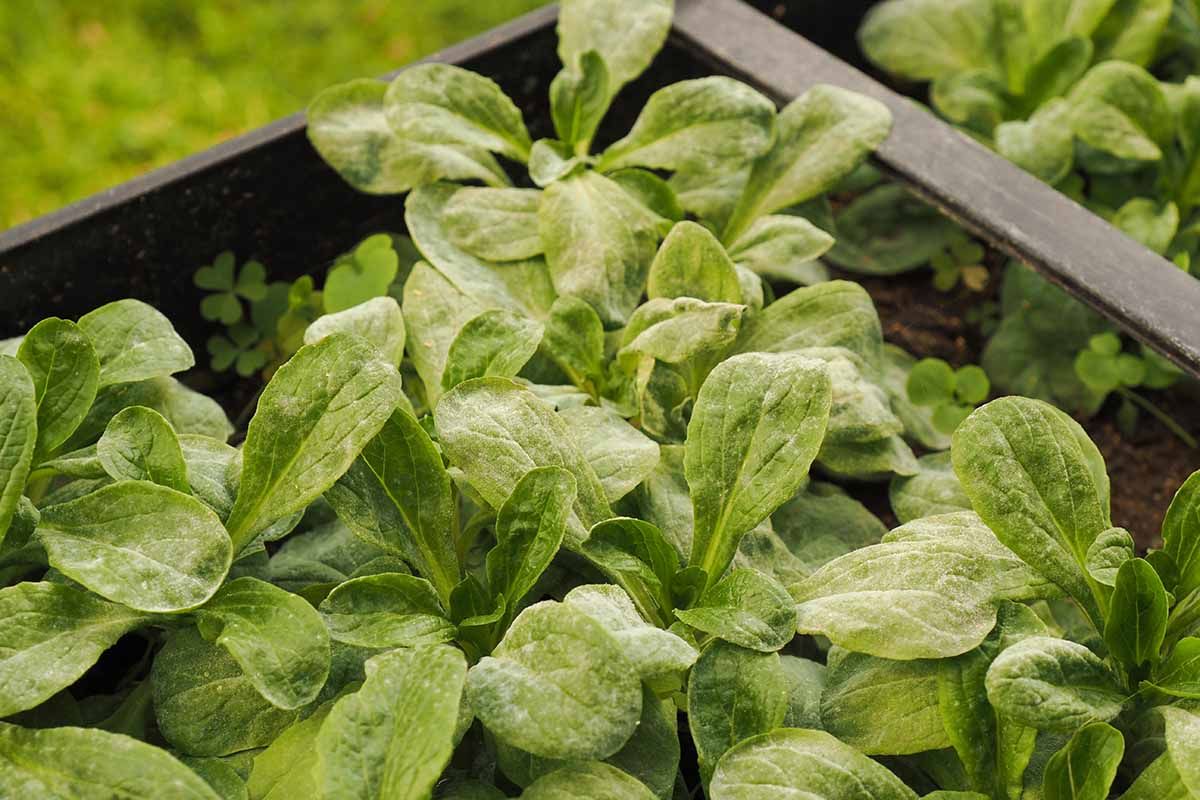
When prevention fails and powdery mildew appears, immediate action is essential. Delays in detection can cause disease to jump from 10% to 70% infected leaves in just one week.
Organic Fungicides
Potassium bicarbonate, sold under brand names like MilStop, represents one of the most effective organic options. This OMRI certified fungicide quickly destroys powdery mildew spores, reducing sporulation by up to 80% when applied at 1.6 oz per gallon. It provides both preventive and curative control, making it valuable throughout the growing season. Research demonstrates impressive results, with treated plots showing 44.8% yield increases compared to untreated controls.
Sulfur based products offer another organic option for prevention and treatment. These traditional fungicides remain effective but require careful application timing. Avoid sulfur applications when temperatures exceed 90°F, as plant damage can occur.
Biological controls provide additional organic options. Products containing Bacillus amyloliquefaciens strain D747 (Double Nickel) and Bacillus subtilis (Companion) offer disease suppression through competitive exclusion and induced plant resistance.
Natural Remedies
Several household products can help manage powdery mildew when applied correctly. Milk solutions, mixed at a 1:9 or 1:10 ratio with water and applied weekly for three to four weeks, show surprising effectiveness. The proteins in milk create an antiseptic effect while boosting plant immunity.
Baking soda mixtures provide another accessible option. Combine one tablespoon per gallon with horticultural oil to improve adherence. This solution works by creating an alkaline environment that inhibits fungal growth while triggering the plant's natural defense responses.
Neem oil receives mixed reviews as a standalone treatment but shows enhanced effectiveness when combined with other treatments. Its multiple modes of action make it a useful component in integrated management programs.
Conventional Fungicides
For severe outbreaks, conventional fungicides may be necessary. Several registered options provide effective control when used according to label directions:
Quinoxyfen (Quintec) in Group 13 works as a protectant, preventing spore germination. Penthiopyrad (Fontelis) in Group 7 offers both preventive and curative activity. Azoxystrobin (Quadris) in Group 11 provides systemic protection. Myclobutanil (Rally) in Group 3 offers curative and protective action.
Rotating fungicides with different mode of action groups is essential for preventing resistance development. Do not use one product for long periods. This creates a population of fungi which are resistant to that particular chemical.
The timing of application largely determines the degree of success in controlling this disease. Applications should be made at the very first symptoms and thorough coverage on all parts of the plant surface, including the undersides of leaves where the fungus usually establishes itself first, is necessary. Repeat applications every 7-10 days depending upon label recommendations as well as intensity (pressure)of infection observed in an area.
Integrated Disease Management Approach
The most effective powdery mildew control combines multiple tactics rather than relying on any single method. Research demonstrates that integrated approaches consistently outperform individual treatments.
UV light treatment is new and innovative in integrated management. UV-B, pre-transplant exposure combined with MilStop application resulted in significant disease reduction while increasing the amino acid content of lettuce. Therefore, and interestingly enough to note about this study, UV-C alone showed no significant effect hence emphasizing not only on the use of a correct spectrum but also that there has to be some kind or another interaction between two treatments.
A comprehensive monitoring protocol supports integrated management. Conduct weekly scouting starting early in the crop cycle. Flag affected areas and revisit after treatments to assess efficacy. This systematic approach helps you understand which combinations work best in your specific growing conditions.
Detailed record keeping enhances long term success. Document environmental conditions, treatment dates, products used, and observed efficacy. These records inform future planning and help refine your integrated management program over time.
When to Act: Decision Making Framework
Successful powdery mildew management requires decisive action at the right time. Your response timeline significantly impacts treatment success and crop recovery.
Early detection provides the greatest chance for successful control. Implement a regular scouting schedule, examining plants at least twice weekly during high risk periods. Pay particular attention to new growth and areas with limited air circulation.
Establish clear action thresholds to guide your response. At the first sign of disease, immediately remove affected leaves and bag them for disposal. For moderate infections affecting multiple plants, implement your chosen treatment program within 24 to 48 hours. Severe outbreaks may require immediate treatment combined with aggressive cultural modifications.
Weather based alerts help you anticipate disease pressure. Set up notifications for conditions favoring powdery mildew development: warm nights above 65°F combined with high humidity create ideal conditions for spore formation and dispersal.
Don't wait until it's too late. Upload photos of your lettuce to Plantlyze.com for instant AI powered diagnosis and personalized treatment recommendations. Early identification through advanced image analysis can mean the difference between a minor setback and a major crop loss.
Conclusion and Next Steps
Lettuce powdery mildew presents a serious challenge, but with proper management strategies, you can protect your crops and ensure healthy harvests. Success comes from integrating in a synergic way preventive cultural practices and the possibility of implementing an early detection program together with the use of resistant varieties and targeted treatments only when necessary.
Yes, it is. Powdery mildew can be controlled or managed. Organic biological home garden chemical integrated approaches as emphasized in this guide have been proven effective in both commercial and home growing operations. You are t he difference. Take action. Vigilant always. Ready t o protect y our lettuce crop? Visit Plantlyze.com today for AI powered plant health monitoring, disease identification, and customized treatment plans. Join thousands of growers using technology to grow healthier plants and achieve better harvests.
Share your powdery mildew experiences in the comments below, and subscribe for more crop protection guides delivered directly to your inbox. Together, we can grow stronger, more resilient lettuce crops.
References
UC IPM - Powdery Mildew / Lettuce / Agriculture
https://ipm.ucanr.edu/agriculture/lettuce/powdery-mildew/UC IPM - Powdery Mildew on Vegetables
https://ipm.ucanr.edu/home-and-landscape/powdery-mildew-on-vegetables/pest-notes/ScienceDirect - Patterns of virulence variation in the interaction between Lactuca and powdery mildew
https://www.sciencedirect.com/science/article/abs/pii/S175450481200044XPacific Northwest Pest Management Handbooks - Lettuce (Lactuca sativa)-Powdery Mildew
https://pnwhandbooks.org/plantdisease/host-disease/lettuce-lactuca-sativa-powdery-mildewOhioline - Powdery Mildew of Greenhouse-grown Lettuce
https://ohioline.osu.edu/factsheet/anr-56