Why Fresh Homegrown Lettuce Beats Store-Bought Every Time
Growing lettuce is one of the easiest ways to start a food garden and enjoy crisp, fresh salad greens throughout spring and fall. Most gardeners are surprised to learn how simple it is and how quickly plants produce. Lettuce is one of the fastest crops to harvest (45 to 60 days typical).
Lettuce works in gardens, containers, and even indoors. Multiple varieties are available with different colors and textures. You can harvest multiple times from each plant. It is a cool weather crop extending growing seasons beyond tomatoes and peppers. Plantlyze's plant care guides help you track lettuce growth and harvest timing perfectly.
Let me walk you through everything you need to know to grow abundant lettuce all season long.
Lettuce Thrives in Cool Weather: Timing and Temperature Matter
Lettuce is fundamentally different from warm season crops like tomatoes. Understanding this cool weather nature is the key to lettuce success. You will grow the best lettuce when you match the plant's temperature preferences.
The Ideal Temperature Range
Lettuce grows best in temperatures between 60 and 70 degrees Fahrenheit during the day, with nighttime temperatures between 54 and 59 degrees Fahrenheit. These mild temperatures produce the crispest, sweetest lettuce you can grow. Hot weather makes lettuce bitter and tough.
Seeds germinate in temperatures as low as 40 degrees Fahrenheit, but they prefer 60 to 65 degrees Fahrenheit for optimal germination. This cool seed requirement makes lettuce different from many other garden crops. Warm soil can prevent seed germination entirely.
When temperatures consistently exceed 75 degrees Fahrenheit, lettuce begins bolting (going to seed). As days lengthen and heat increases, plants naturally shift from producing leaves to producing flowers. This is why spring and fall are ideal lettuce seasons.
Best Planting Times
In spring, begin planting about one month before your last frost date. This timing ensures lettuce matures during cool weather before summer heat arrives. Some gardeners start seeds indoors 4 to 6 weeks before transplanting outdoors.
For fall crops, plant 4 to 8 weeks before your first frost date. Fall lettuce is often more successful than spring because plants mature as temperatures cool. Many gardeners grow lettuce through winter using cold frames or row covers.
Year-round growing is possible in many areas of the country, using simple covers like cold frames. This extends your lettuce season significantly.
USDA Zones and Location
Lettuce grows well in USDA zones 3 through 10, but thrives particularly well in zones 5 through 7. In warmer zones, focus on spring and fall growing. In colder zones, use covers to extend the season.
Choose a location receiving 6 to 8 hours of direct sunlight daily. Lettuce tolerates partial shade (3 to 4 hours of sun) better than many vegetables. In hot climates, afternoon shade helps prevent bolting.
Build Great Soil: The Foundation for Crisp Leaves
Lettuce has a shallow root system living mostly in the top 6 to 8 inches of soil. This means soil quality in that top layer is critical for success. Good soil preparation pays dividends throughout the season.
Soil Type and pH
Lettuce prefers loose, well-draining soil rich in organic matter. The soil should be slightly acidic with a pH between 6.0 and 6.8. Most garden soils fit this range naturally. Test your soil if you have concerns.
Lettuce roots struggle in compacted or heavy clay soils. Work your soil until it becomes loose and friable (crumbly and light). This texture allows water to drain properly and roots to penetrate easily.
Adding Organic Matter
Add 2 to 3 inches of well-rotted compost to your planting area before planting. Work this compost into the top 6 inches of soil to create a nutrient-rich root zone. For in-ground beds, this single amendment often provides all the fertility lettuce needs.
For containers, mix equal parts organic potting soil and compost. This combination creates a loose, well-draining environment perfect for lettuce roots. Container soil depletes faster than garden soil.
After harvesting, add another 2 to 3 inch layer of compost to replenish nutrients for the next planting cycle. This keeps your lettuce bed productive all season.
Soil Preparation Steps
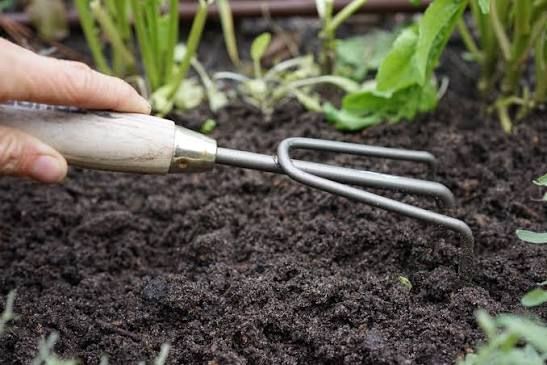
Loosen existing soil to a depth of 6 to 10 inches using a rototiller or garden fork. Break up large clods and remove rocks and debris. Spread compost evenly over the prepared bed and mix it thoroughly into the loosened soil.
Create a smooth, level seedbed for planting. Lumpy seedbeds cause uneven germination and watering problems. Your lettuce will grow better with smooth, even soil.
Getting Lettuce Started: Direct Sowing vs. Transplants
You have two main paths to planting lettuce, each with advantages and disadvantages. Choose based on your timeline and available space. Both methods produce excellent results when done correctly.
Direct Sowing Seeds (Most Cost-Effective)
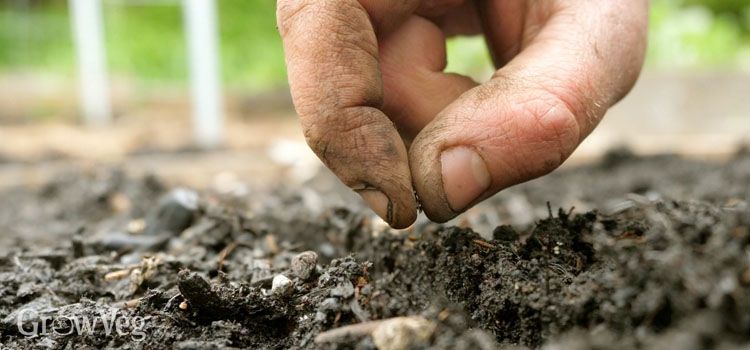
Direct seeding is the most economical method and gives you the widest choice of varieties. You also avoid transplant shock that can trigger early bolting. This is the preferred method for most gardeners.
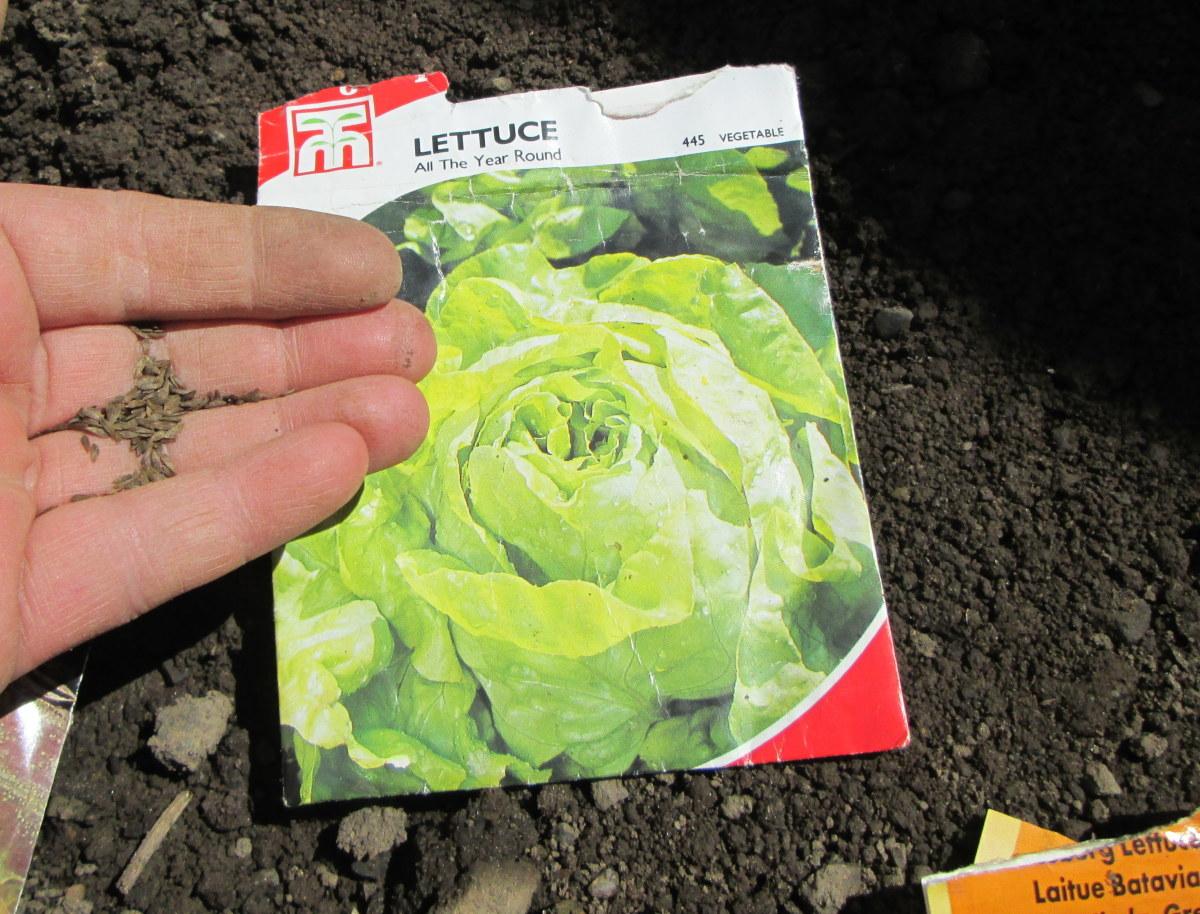
Plant seeds 1/4 to 1/2 inch deep. Do not plant deeper because lettuce seeds need light to germinate properly. Some gardeners plant them as shallow as 1/8 inch deep, just barely covered with soil.
For heading types, space seeds 2 inches apart in rows 12 to 18 inches apart. For loose-leaf varieties, you can broadcast seeds more thickly over a bed. Seeds germinate in 7 to 10 days under ideal conditions.
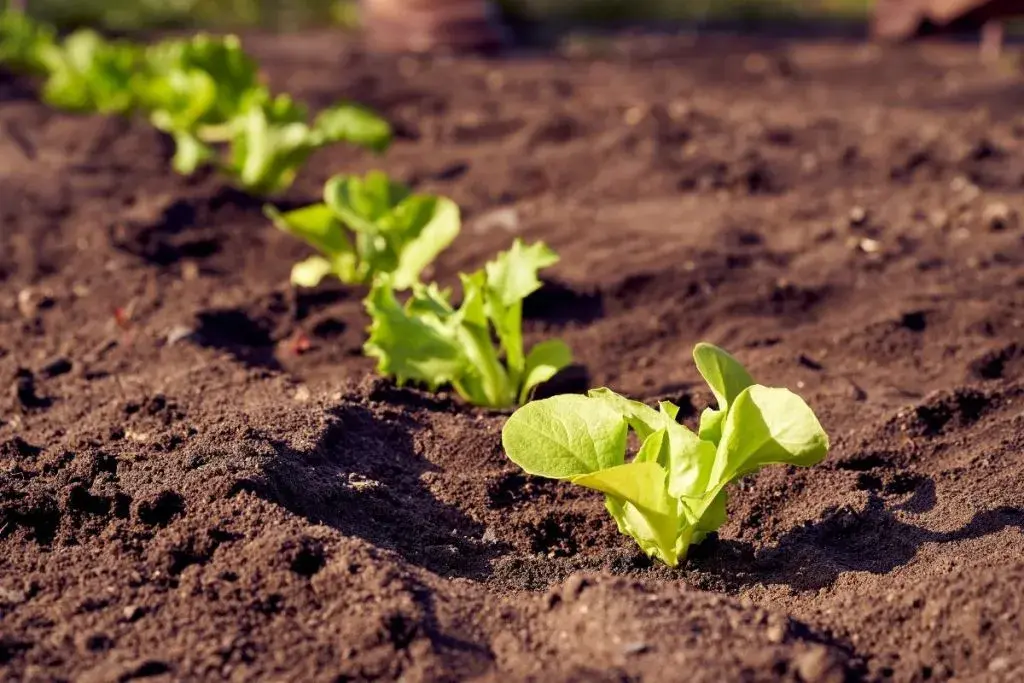
Once seedlings emerge with their first true leaves, thin them to the proper spacing. Leaf lettuce needs 4 inches between plants. Heading types need 10 to 12 inches. Baby lettuce can be planted closer at 6 to 8 inches.
You can eat the thinned seedlings as baby greens. Do not just pull them out violently. Gently remove smaller seedlings to avoid disturbing neighbors' roots.
Starting Transplants (Faster Results)
Starting transplants indoors gives you a 3 to 4 week head start on the season. Transplants are ready in 4 to 5 weeks from germination. This method works well in short seasons.
Before transplanting outdoors, slowly acclimate indoor seedlings to outdoor conditions over 1 to 2 weeks. This hardening off process prevents shock and early bolting. Gradually increase outdoor exposure each day.
Space transplants at their final spacing from the start, typically 10 to 12 inches for heading types or 4 inches for leaf types. Water transplants well after planting.
Container Planting
Any container with drainage holes works, but medium to large containers are ideal. Plan on 12 to 14 inches of space per plant. Four looseleaf or butterhead lettuces fit in a square foot of container space.
Use a combination of organic potting soil and compost mixed equally. This provides good drainage and nutrition. Moisten soil before planting.
Four Main Types of Lettuce: Find Your Favorite
Understanding lettuce variety types helps you choose plants matching your preferences and growing conditions. Each type offers different textures and harvest methods. You will find favorites among these four main categories.
Looseleaf Lettuce
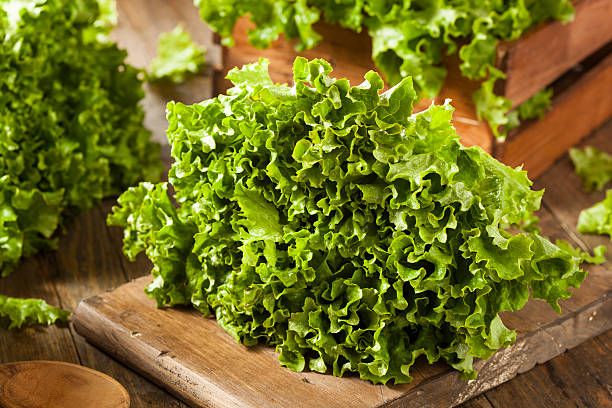
Plants form a rosette of loose leaves without heading. You can pick individual outer leaves repeatedly. Green Leaf and Red Leaf are the most common varieties. Prizehead offers red tinged leaves.
Best for beginners and continuous harvest gardens. These varieties bolt more slowly than other types in some conditions. Plants grow outward, not inward, making them ideal for the cut-and-come-again harvest method.
Romaine Lettuce
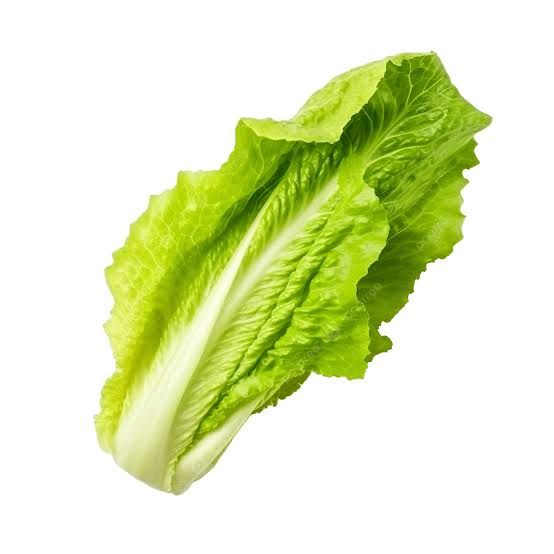
Upright plants with long leaves and white ribs. Forms relatively compact heads. Also called Cos lettuce. Varieties include Parris Island, Coastal Star, and Little Gem. Outredgeous offers deep red color.
Best for classic Caesar salads. Crunchy texture appeals to many gardeners. More heat tolerant than other heading types in some varieties. Grows 6 inches to 2 feet tall depending on variety.
Butterhead Lettuce
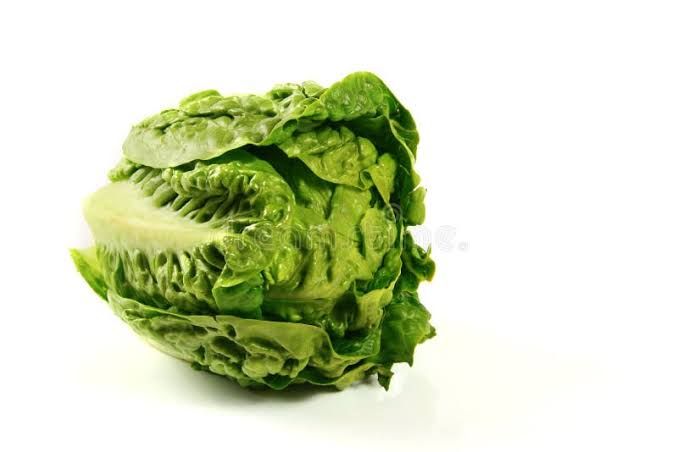
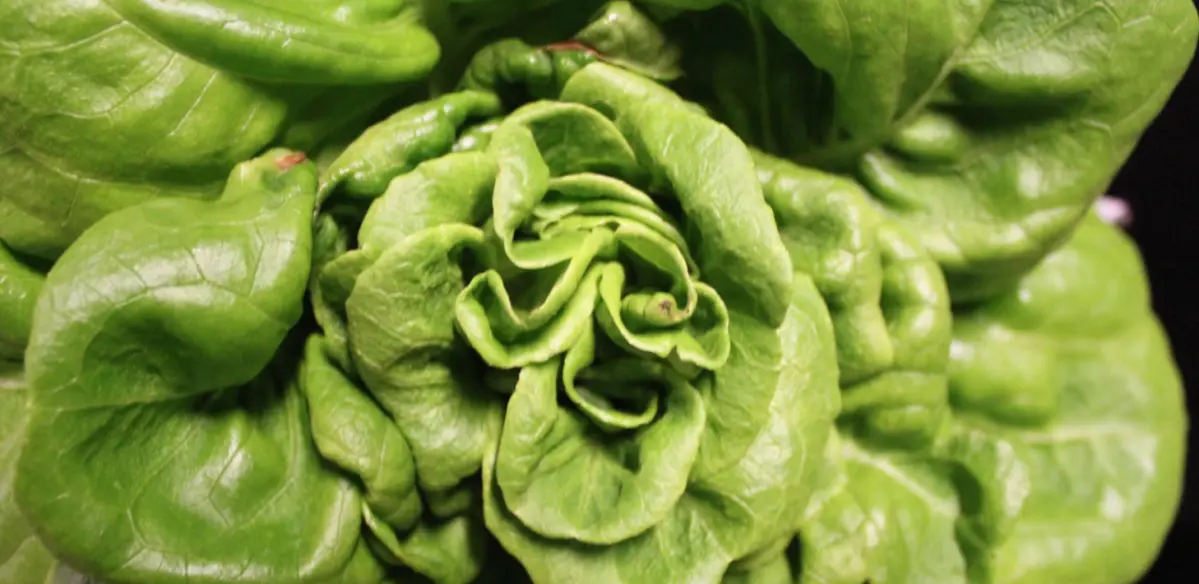
Soft, tender, buttery-textured leaves with a slightly nutty flavor. Boston Bibb and Buttercrunch are classics. Often show red or bronze tints. Marvel of 4 Seasons is cold hardy.
Best for delicate texture lovers. Less crisp than romaine but more delicate and flavorful. Forms loosely folded heads. Requires careful handling to avoid wilting.
Crisphead Lettuce (Iceberg)
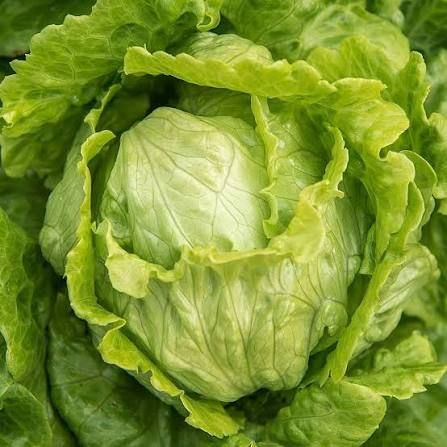
Dense, compact heads with tightly packed crispy leaves. Takes longest to mature (60 to 70 days). Most challenging type for beginners. Compact varieties available.
Best for those wanting classic iceberg heads. Needs warm weather initially, then cool weather for heading. Takes 70 to 90 days total.
Watering Consistency: The Secret to Crisp, Sweet Lettuce
Lettuce is roughly 80 percent water. Consistent moisture determines flavor quality and prevents bolting. Get watering right and your lettuce will taste better than anything from the store.
Watering Amount and Frequency
Provide 1 to 2 inches of water weekly. This amount varies based on temperature, soil type, and evaporation rates. Check soil twice weekly by sticking your finger 1 inch deep. Water if soil feels dry at this depth.
Containers need more frequent watering than garden beds, especially in hot weather. Often daily watering is necessary. Morning watering reduces evaporation and disease.
Irrigation Method
Drip irrigation is ideal for lettuce. It delivers water directly to soil, keeping foliage dry and reducing disease. Soaker hoses or gentle sprinklers work well. Avoid forceful sprays that damage tender leaves.
Water early morning or evening rather than midday to reduce evaporation. Keep soil consistently moist but never soggy. Wet soil causes root rot.
Mulching for Moisture
A 2 to 3-inch layer of compost, straw, or shredded leaves around plants conserves moisture, suppresses weeds, and cools soil. Apply mulch after plants establish but before peak heat. In summer, mulch is especially valuable for reducing watering needs.
Preventing Common Problems
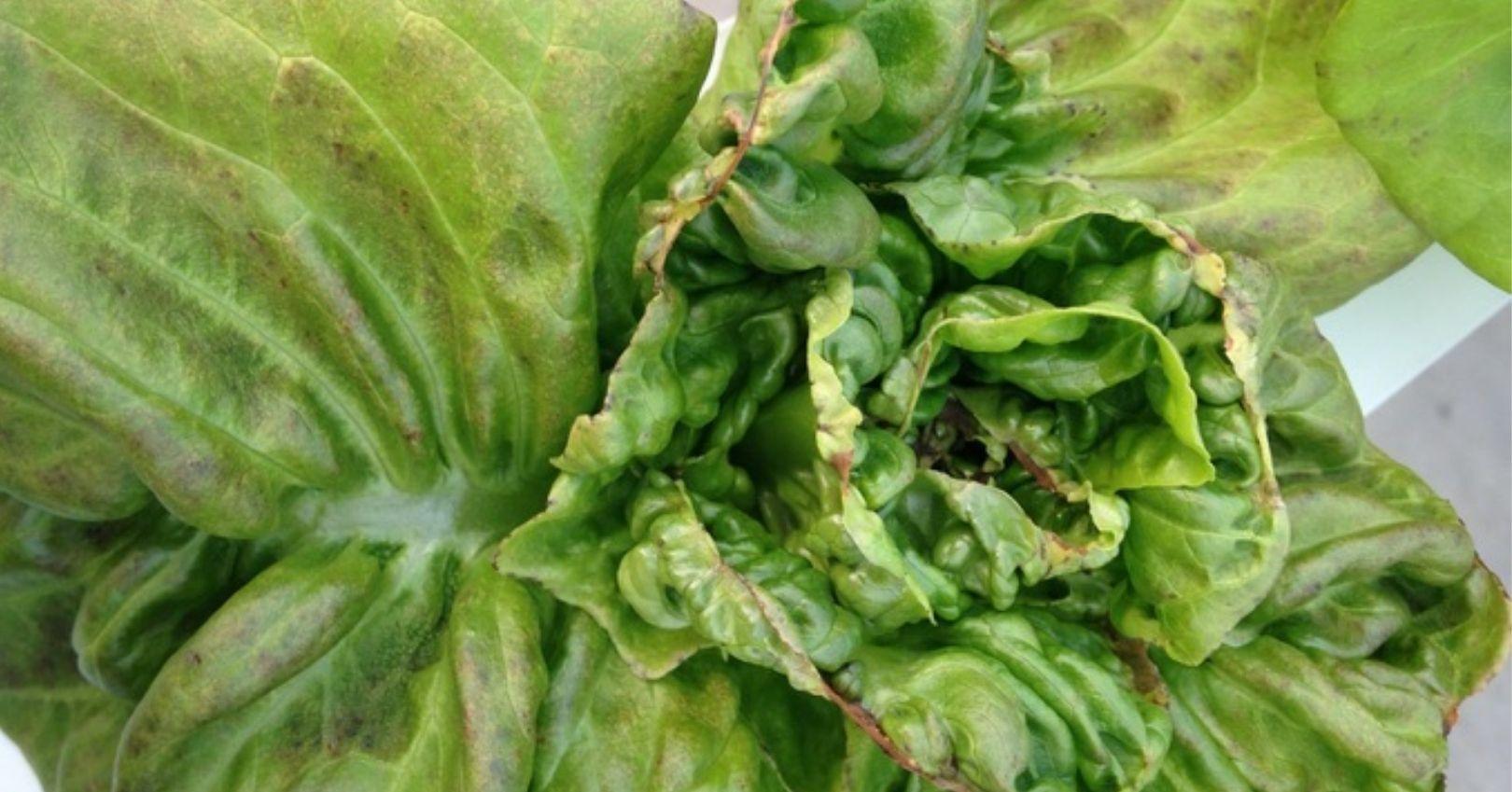
Tipburn (browning leaf edges) results from moisture fluctuations and calcium deficiency. Consistent watering prevents this problem. Inadequate watering causes tough, bitter leaves. Consistent moisture maintains quality.
Stop Bolting Before It Starts: Heat Management
Bolting is every lettuce gardener's frustration. When plants bolt, leaves become bitter and tough. Prevention is far easier than dealing with bolted lettuce.
Understanding Bolting Triggers
Temperatures above 75 degrees Fahrenheit trigger bolting. Some varieties can tolerate slightly higher temperatures, but heat is the primary driver. Extended daylight hours signal plants to reproduce. This is why summer bolting is worse than spring or fall bolting.
As plants age, bolting becomes more likely even in cool conditions. Water stress accelerates bolting. Consistent moisture delays it.
Bolting Prevention Strategies
Choose Summer Crisp or Batavia types including Muir, Panisse, and Rouxai. These are most heat tolerant. Bolt-resistant varieties include Sparx, Starfighter, New Red Fire, and Jericho.
Plant lettuce under trees or alongside taller crops. Use shade cloth during the hottest parts of summer. Consistent watering delays bolting significantly. Mulch conserves moisture.
Focus on spring and fall when temperatures are mild. Avoid summer planting in hot climates. Pick lettuce before plants reach full maturity. Young, tender leaves are always better than waiting for giant heads.
What to Do With Bolted Lettuce
Let plants bolt to produce seed heads. Collect seeds when they dry completely for next year's planting. Cut bolted plants to 1 to 2 inches above soil. Many varieties resprout when temperatures cool in late summer or fall.
If leaves are too bitter, simply compost the plant and replant with fresh seed. Bolted lettuce is not wasted if you save seeds or use the greens in cooking.
How to Harvest: Four Methods for Continuous Lettuce
How you harvest determines how long plants produce. Different methods suit different preferences. Choose the method matching your harvest schedule and variety type.
The Cut-and-Come-Again Method (Most Gentle)
Pick individual outer leaves or a few leaves at a time, leaving the center intact. The plant continues growing new leaves from the center. This method requires more frequent harvests but is gentlest on plants.
You can harvest from the same plant 3 to 4 times during the season. Use clean scissors or snips to cut leaves just above soil level. Maximum total yield per plant.
The Ponytail Chop (Balanced Speed and Gentleness)
Gather a handful of leaves like a ponytail and cut below your hand using scissors. Leave the bottom 3 to 4 inches of the plant intact. Plants recover in 1 to 2 weeks and produce new leaves.
You can harvest 2 to 3 times using this method with more leaves per harvest than cut-and-come-again. Best for moderate harvests with reasonable plant recovery time.
Harvesting Baby Greens
Pick young, immature leaves at 21 to 28 days. These tender greens are perfect for salads. Cut entire immature plants or pick individual young leaves.
Best for those wanting quick harvests and tender texture. Often done with dense plantings.
Full Head Harvest
Harvest entire heads only when plants bolt or when you want to remove plants for replanting. Cut the plant about 1 inch above soil level using clean scissors or pruning shears. This ends the plant's productivity, so use only when necessary.
Pull leaves from the head one at a time and wash before eating. Leave the base and roots in place.
Sow Every Two Weeks: Never Run Out of Fresh Lettuce
One planting of lettuce matures all at once, leaving you with excess lettuce and then none. Succession planting solves this problem. It is the secret to continuous harvest.
The Succession Planting Strategy
Sow new lettuce seeds every 2 to 3 weeks throughout spring and fall. Plants mature at staggered intervals, providing continuous harvest rather than feast-famine cycles. This method ensures you always have fresh lettuce.
In spring, start succession plantings every 2 to 3 weeks beginning as soon as soil can be worked. Continue until temperatures become too warm. Begin fall succession plantings in late summer when temperatures cool. Continue until frost.
Execution
Direct sow small batches of seeds every 2 to 3 weeks in the garden. Or start seeds indoors in trays and transplant seedlings as space opens up from previous harvests. As you harvest mature lettuce, replant that space immediately with succession crops.
Optimal Scheduling
Note when you plant and when harvest occurs. This data helps you time future plantings perfectly. Different varieties mature at different speeds. Faster varieties allow shorter intervals between plantings.
In hot areas, shorten succession intervals in spring. In cool climates, extend intervals longer. Track your results for next season.
Lettuce in Pots: Perfect for Patios and Balconies
Container gardening lets anyone grow lettuce even without garden space. Containers work surprisingly well for this shallow rooted crop. You can grow lettuce anywhere with sunlight.
Container Selection and Setup
Medium to large containers work best. Plan on 12 to 14 inches of space per plant. Containers must have drainage holes. Waterlogged soil causes root rot.
Use a combination of organic potting soil and compost mixed equally. This combination provides good drainage and nutrition. Moisten soil before planting. Four looseleaf or butterhead lettuces fit in a square foot of container space.
Container Care Differences
Containers need more frequent watering than garden beds. Check soil daily in hot weather. Container soil depletes faster. Feed with balanced liquid fertilizer every 3 to 4 weeks.
Container soil warms and cools faster. In hot climates, shade containers more than garden beds. Looseleaf and butterhead varieties work better in containers than large crisphead types.
Location and Sunlight
Place containers where they receive 6 to 8 hours of direct sun daily. In summer, afternoon shade keeps soil cooler and delays bolting. Containers on patios and decks dry faster than ground-level plantings.
Get Personalized Advice with Plantlyze AI Technology
Growing lettuce successfully depends on timing it perfectly for your local conditions. Plantlyze provides personalized guidance based on your plants and location.
Upload photos of your lettuce at different growth stages and the AI technology identifies growth stage and plant health. You receive personalized guidance on harvest timing. Get recommendations specific to your local first and last frost dates.
Track lettuce growth from planting through harvest. Plantlyze confirms plants are ready to harvest before overgrowth. This prevents bolting by alerting you to heat stress. The platform provides zone-specific planting schedules.
Visit Plantlyze.com today and upload photos of your lettuce plants. Get instant personalized guidance on harvest timing and succession planting for your location. Let Plantlyze help you achieve continuous fresh lettuce all season.
Troubleshooting Lettuce Problems: Solutions for Common Issues
Learning from mistakes others make prevents you from repeating them. Understanding common errors helps you avoid costly problems.
Plants bolt prematurely when heat and long days trigger the process. Plant in cool seasons, provide shade, water consistently, choose heat-tolerant varieties. Bitter, tough leaves result from water stress, age, or heat. Water consistently, harvest young, provide afternoon shade in summer.
Tipburn (brown leaf edges) results from moisture fluctuations and calcium deficiency. Maintain consistent moisture, add compost (contains calcium), avoid periods of drought followed by heavy watering. Damping off (seedling death) comes from fungal disease due to excessive moisture. Use sterile seed starting mix, do not overwater, ensure good air circulation.
Slug and snail damage occurs in cool, moist conditions. Remove by hand at night, use beer traps, create barriers with diatomaceous earth. Lettuce rot comes from poor drainage or excessive moisture. Ensure well-draining soil, water at soil level (not foliage), thin plants for air circulation.
Yellowing leaves indicate nitrogen deficiency or disease. Add compost or balanced fertilizer, remove diseased leaves immediately.
Start Growing Lettuce This Season
Lettuce is one of easiest crops for beginners. It is a cool weather crop thriving in spring and fall. Lettuce works in gardens, containers, and window boxes. Multiple varieties are available for different preferences.
Harvest multiple times from each plant with proper technique. Succession planting provides continuous supply. Consistent watering and cool temperatures prevent bolting.
Choose your planting season (spring or fall). Prepare soil with 2 to 3 inches of compost. Plant seeds 1/4 to 1/2 inch deep or transplants at spacing. Water consistently (1 to 2 inches weekly). Provide 6 to 8 hours of sunlight.
Start harvesting at 45 to 60 days. Use cut-and-come-again for multiple harvests. Begin succession plantings every 2 to 3 weeks. Enjoy crisp, fresh salad greens all season.
Fresh, homegrown lettuce beats store-bought in every way. Start with the basics covered here, and you will soon have abundant lettuce.
Download the Plantlyze app at Plantlyze.com and photograph your lettuce at each growth stage. Get personalized harvest recommendations specific to your location and plants. Plantlyze's AI technology takes the guesswork out of timing lettuce harvests perfectly. Track your succession plantings and never run out of fresh lettuce again.
References
Michigan State University Extension: https://www.canr.msu.edu/uploads/resources/pdfs/lettuce2011.pdf
Illinois Extension UIUC: https://extension.illinois.edu/blogs/good-growing/2020-04-24-how-grow-lettuce
University of Kentucky: https://publications.mgcafe.uky.edu/sites/publications.ca.uky.edu/files/NEP239_0.pdf
LSU AgCenter: https://www.lsuagcenter.com/~/media/system/2/c/2/e/2c2ef149a0635f8abdd26144c2264584/pub3363lettuce4cweb.pdf