Lettuce Diseases: Prevention Beats Treatment Every Time
Lettuce diseases can destroy your entire harvest in days if you don't act fast. The good news is that most lettuce diseases are completely preventable with the right knowledge and techniques. Lettuce is vulnerable to multiple fungal, viral, and bacterial diseases.
Prevention is far more effective than treatment. Early detection dramatically improves outcomes. Organic options are available for most common diseases. Resistant varieties provide your first line of defense. Plantlyze's plant disease identification tool helps you diagnose lettuce diseases before they spread.
Let me walk you through the most common lettuce diseases, how to identify them, and exactly how to treat each one.
Why Lettuce Gets Sick: Disease Triangle and Environmental Factors
Plant diseases need three things to develop: a susceptible plant, a pathogen, and the right environment. Understanding this disease triangle helps you prevent problems. Every disease requires all three factors simultaneously.
The Disease Triangle: Three Factors Required
Young lettuce seedlings are most vulnerable to disease. Older mature plants can also get sick but established growth helps. Plants weakened by stress get sick more easily. Fungal spores, virus particles, and bacteria are everywhere in soil and air. These invisible invaders wait for the right conditions to attack. Good sanitation reduces pathogen populations dramatically.
Temperature, moisture, humidity, and plant spacing create conditions for disease. Cool, wet conditions favor downy mildew and damping off. Warm, dry conditions favor powdery mildew. Bottom rot thrives in warm, moist soil (especially Zones 8 to 10). Understanding your environment helps you prevent disease before it starts.
Environmental Conditions That Trigger Lettuce Diseases
Downy mildew loves 60 to 65 degrees Fahrenheit with high humidity. Powdery mildew prefers warm, dry conditions above 75 degrees. Bottom rot thrives in warm, moist soil (especially Zones 8 to 10). Damping off varies by pathogen but favors either cool wet or warm dry conditions.
High humidity and wet foliage trigger fungal diseases quickly. Overhead watering creates perfect conditions for disease spread. Wet soil causes root rot and damping off. Fluctuating moisture stresses plants, making them more susceptible. Crowded plantings trap humidity and prevent drying. Poor air movement creates pockets where disease spreads. Adequate spacing (8 to 10 inches for heading lettuce) dramatically reduces disease pressure.
Two Types of Lettuce Diseases: Prevention Strategies Differ
Most common lettuce diseases are fungal. These spread via spores in water, air, and soil. Fungal diseases are usually preventable with cultural practices and fungicides. Viruses are less common but more serious. Viruses spread via insects, contaminated tools, and hands. No cure exists for viral infections (prevention only). Use resistant varieties and control insect vectors.
Downy Mildew Control: Your Most Important Disease Battle
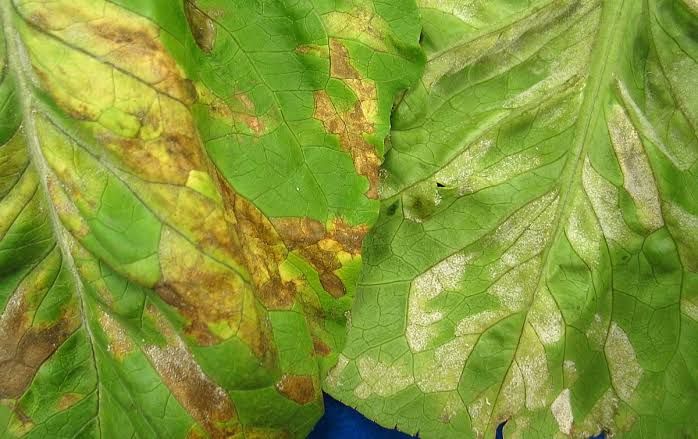
Downy mildew (Bremia lactucae) is the most economically important lettuce disease worldwide. Recognizing it early and treating aggressively saves your crop. This disease can wipe out entire fields in cool, wet springs.
Identifying Downy Mildew Symptoms
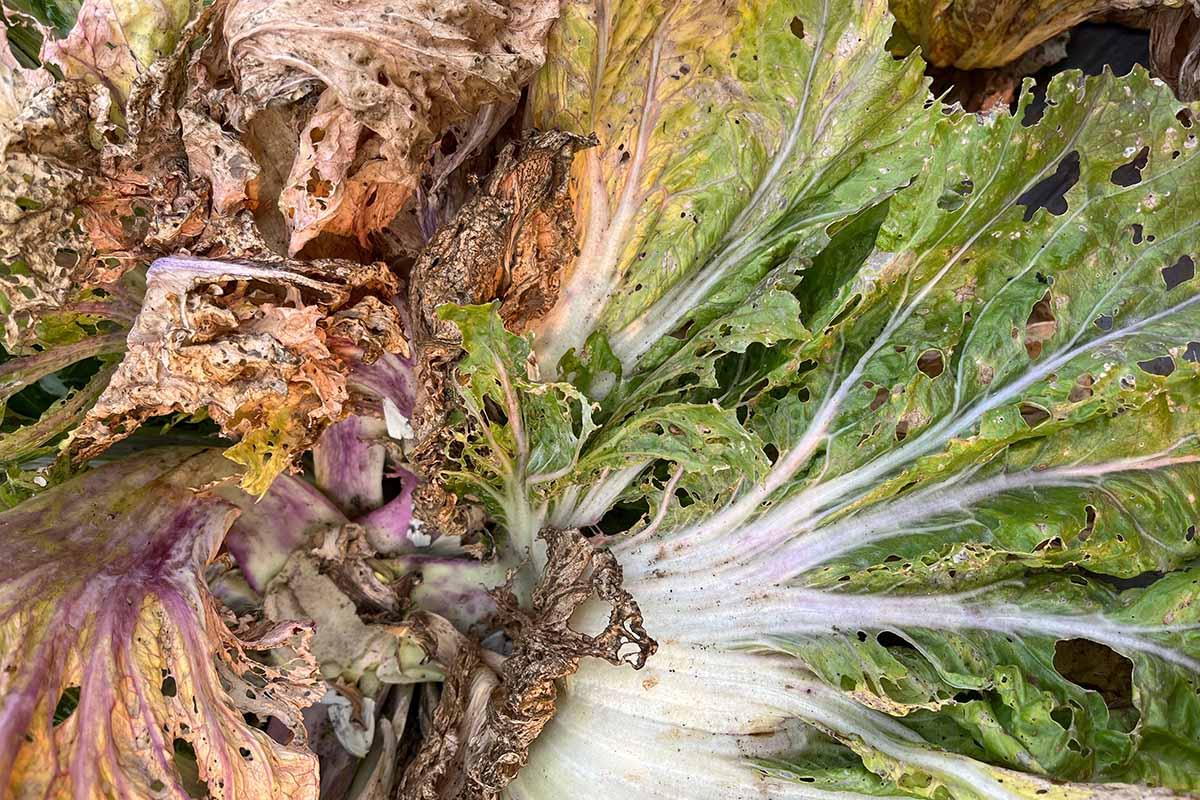
Yellow patches appear on upper leaf surfaces first. Gray or purple-brown fuzzy growth develops on lower leaf surfaces. Affected leaves begin yellowing completely as disease progresses. In advanced stages, entire plants turn yellow and collapse.
Disease develops quickly under cool, wet conditions (60-65 degrees Fahrenheit). Rainy springs and cool seasons see worst outbreaks. High humidity and crowded plantings speed development dramatically. Many gardeners confuse downy mildew with powdery mildew. Here is the key difference: downy mildew has branched fruiting bodies on leaf undersides. Powdery mildew shows chains of spores (visible with hand lens) and appears on both leaf surfaces.
Prevention Methods (Most Important)
Choosing downy mildew resistant varieties is your best defense. Look for varieties marked with Bl resistance genes. Resistance codes on seed packets show which pathovars the variety resists. Space heading lettuce 8 to 10 inches apart. Looseleaf types can be closer but benefit from 6 to 8 inches. Good air circulation prevents humidity buildup.
Use drip irrigation or soaker hoses to water at soil level only. Never use overhead sprinklers on lettuce. Keep foliage dry at all times. Water early morning to dry any dew quickly. Install a fan in high tunnels or greenhouses. Remove dead, dying, and diseased leaves immediately. Thin plants aggressively for airflow. Prune lower leaves to increase ventilation.
Treatment Options
Apply fungicides BEFORE disease appears on resistant varieties. Preventative applications 5-7 days before conditions favor disease are more effective than treatment after symptoms. Begin applications when weather turns cool and wet.
Organic options include copper fungicide (OMRI-approved), Sulfur (contact fungicide), Neem oil every 7-14 days, Potassium bicarbonate (1 TB plus 1/2 teaspoon soap per gallon). Conventional options include Fosetyl-Al (Aliette), Metalaxyl (Ridomil), Maneb. Rotate different fungicide chemistries to prevent resistance development.
Mix fungicides exactly per label directions. Apply thoroughly to coat all leaf surfaces, especially undersides. Repeat applications every 7-10 days during high disease pressure. Stop applications 3-7 days before harvest (check labels).
Managing Powdery Mildew, Botrytis, and Bottom Rot
While less common than downy mildew, these fungal diseases can still destroy lettuce crops if left untreated. Each requires slightly different management approaches. Understanding these diseases helps you address problems quickly.
Powdery Mildew (Erysiphe cichoracearum)
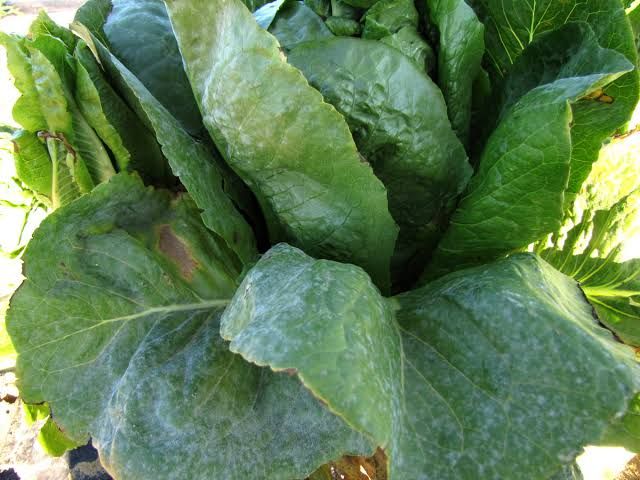
Gray-white powdery coating appears on both leaf surfaces. Leaves become deformed and buckle. Advanced infections cause leaves to dry and turn brown. Favors warm, dry conditions (opposite of downy mildew). Primarily affects mature lettuce plants. Occurs January to April in desert growing areas.
Begin fungicide applications as soon as you see powdery growth. Sulfur fungicide works well but cannot be applied if temperatures exceed 90 degrees within 3 days. Baking soda solution (1 TB baking soda and 1/2 teaspoon liquid soap per gallon water) works better as preventative. Milk spray (1 part milk to 2-3 parts water) works surprisingly well on powdery mildew. Neem oil at 2.5 TB per gallon every 7-14 days.
Bottom Rot (Rhizoctonia solani)
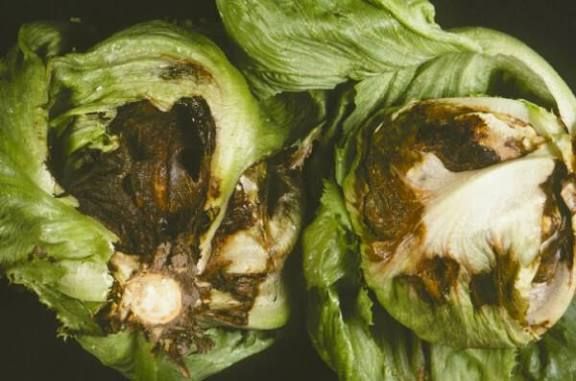
Plant collapses from the base upward. Reddish-brown rotting tissue appears at soil line. Entire plant becomes unusable. This soil-borne disease is favored by high moisture and warm temperatures (especially Zones 8 to 10).
Practice crop rotation for 2-4 years. Create elevated beds for better drainage. Amend sandy soil to clay heavy soils. Mulch to prevent splash. Apply fungicides (Rovral, Endura, Iprodione) just after thinning. Early application provides maximum suppression.
Botrytis and Sclerotinia (White Mold)
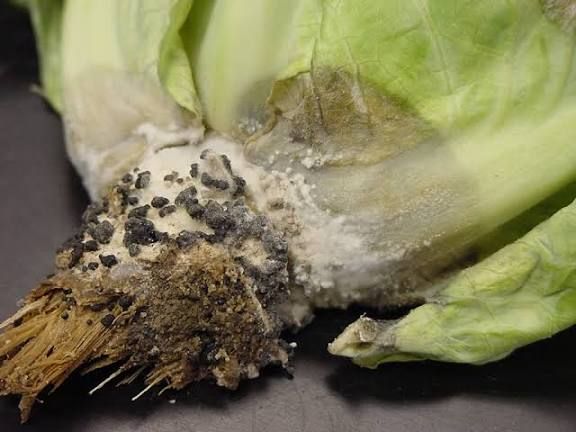
Gray-tan cottony mycelium growth appears on affected tissue. Black sclerotia (fungal bodies) form in tissue and soil. Multiple plants collapse simultaneously. Ensure excellent drainage and airflow. Practice crop rotation and remove all plant debris. Remove affected plants immediately. Apply fungicides early when conditions favor disease. Practice strict sanitation. Deep ploughing buries sclerotia below root zone.
Lettuce Viruses: Why Prevention Matters More Than Cure
Viral diseases have no cure once established. Your only option is prevention through resistant varieties and vector control. This makes viral disease prevention your highest priority. Treating viruses requires a different mindset than treating fungal diseases.
Lettuce Mosaic Virus (LMV)
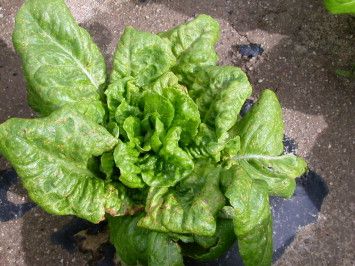
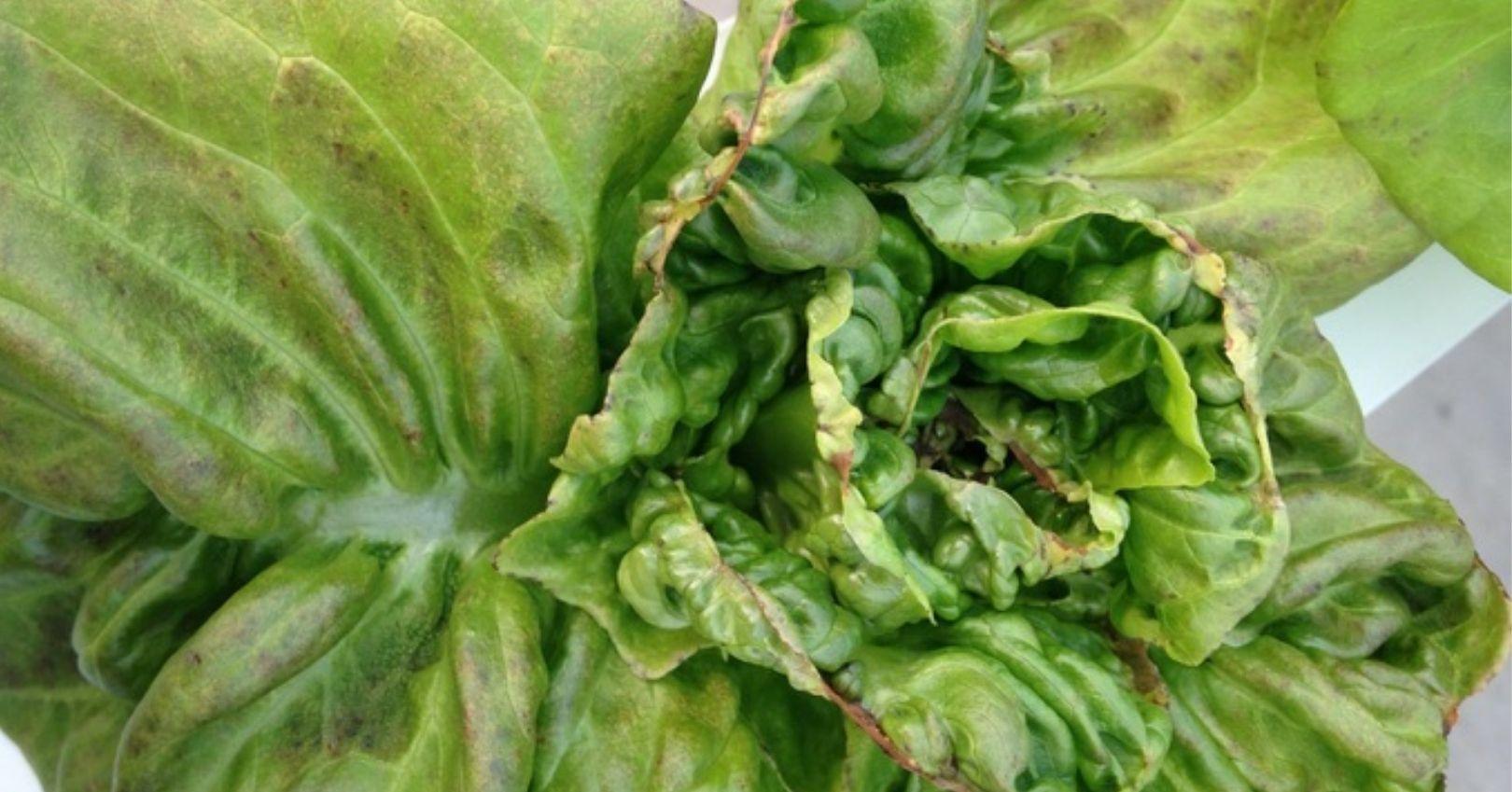
Mottling and distortion on leaves occur as symptoms develop. Sepia stunting appears if infected early. Plants fail to form proper heads. Can cause 100 percent crop loss with early infection. Spread by aphids (persistent transmission). Can spread via contaminated hands and tools. Infected plants remain infectious all season.
Choose LMV resistant varieties (Dynamite, Edox, Harmony, Optima). Control aphid populations with reflective mulch, netting, beneficial insects. Remove any plants showing mottling immediately. Sanitize tools between every plant.
Lettuce Big Vein Disease (LBVD)
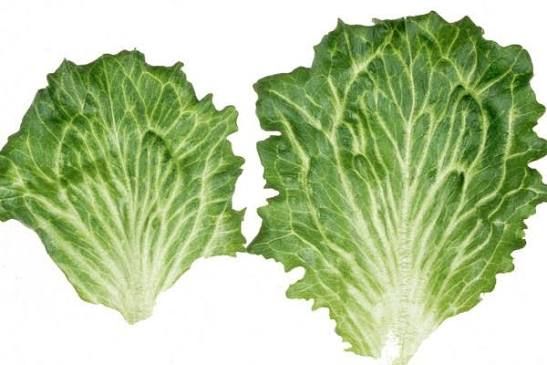
Enlarged veins appear pale against normal leaf color. Leaves show characteristic big-vein pattern. Plants may not show severe symptoms but yield is reduced 16 percent. Transmitted by zoospores of soil-borne fungus (Olpidium brassicae). Vector lives in soil and moves between plants.
Fungicide applications targeting the fungal vector can reduce disease. Combining fungicide treatments with crop covers creates synergistic effect. Crop rotation helps reduce vector populations.
Other Viral Diseases
Lettuce Necrotic Yellows Virus (LNYV) is a vector-borne disease spread by insects. Area-wide management strategies are important. Resistant varieties help when available. Tomato Spotted Wilt Virus is a regional problem affecting some lettuce areas. Management is similar to LMV (resistant varieties, vector control).
Damping Off Prevention: Your Seedlings are at Risk
Damping off disease has no cure once established. Infected seedlings cannot be saved. Prevention through proper technique is your only option. This disease frustrates more seedling growers than any other.
Understanding Damping Off
Seedling collapse occurs at soil line shortly after germination. Soil-borne fungal infection is caused by Pythium, Phytophthora, Rhizoctonia, or Fusarium. Most common in overly wet seed-starting conditions. Cool wet conditions favor Pythium and Phytophthora. Warm dry conditions favor Fusarium and Rhizoctonia.
Once damping off takes hold in a flat, there is no saving infected seedlings. Remaining healthy seedlings must be moved to clean conditions immediately. This is why prevention is absolutely critical.
Prevention Techniques
Sterilize all seed trays, containers, and tools before use. Soak in dilute bleach solution (1 part bleach to 10 parts water) or hydrogen peroxide. Rinse thoroughly and air dry completely. Use well-draining seed-starting mix. Avoid compacted or heavy soil. Add cinnamon (natural antifungal) or diatomaceous earth if desired.
Keep soil moist but never waterlogged. This is the biggest mistake gardeners make. Water from below (bottom watering) to keep soil surface dry. Misting young seedlings invites fungal spores. Use a gentle fan to improve air movement. Poor air circulation increases humidity and mold growth. Provide full-spectrum light 14-16 hours daily. Light actually destroys mold pathogens.
Use heat mats to keep soil warm (70-75 degrees). Pathogens don't fare well in warm conditions. Combine heat with excellent drainage. Purchase fungicide-treated seeds to reduce damping off risk. Disease-free seeds from reputable sources are worth the investment.
If Damping Off Appears
Remove affected seedlings and all soil from the flat immediately. Place remaining plants in high-light, well-ventilated area. Back off watering significantly. Mist weekly with weak chamomile or hydrogen peroxide solution. Discard affected plants (do not compost).
Organic Fungicides: Treating Lettuce Disease Naturally
Many effective organic options exist for treating lettuce diseases. These options work best when combined with cultural practices and resistant varieties. Organic growers have excellent tools available today.
Common Organic Fungicide Options
Most trusted organic fungicide for powdery mildew is sulfur. Apply when temperatures are below 90 degrees. Thorough coverage is required. Cannot be applied if temperatures exceed 90 degrees within 3 days. Copper fungicide is effective for downy mildew. OMRI-approved versions are available. Apply as preventive treatment. Check labels for intervals and timing.
Neem oil is effective for multiple diseases including powdery mildew, downy mildew, botrytis. Spray at 2.5 TB per gallon every 7-14 days. Better when combined with other treatments. Potassium bicarbonate is more effective than baking soda for treating existing powdery mildew. Mix 1 TB with 1/2 teaspoon liquid soap per gallon. Spray all surfaces thoroughly.
Kitchen Remedies That Actually Work
Mix 1 TB baking soda and 1/2 teaspoon liquid soap per gallon water. Works better as preventative than treatment. Spray weekly or as needed. Safe for edible crops. Mix 1 part milk to 2-3 parts water. Naturally-occurring compounds combat disease while boosting plant immunity. Apply early in day. Use fresh milk. Strain before spraying.
Blend 2 bulbs fresh garlic in quart water with liquid soap. Strain through cheesecloth. Refrigerate. Dilute 1-10 before spraying. Prevents germination of powdery mildew spores. Mix 1 part finished compost with 6 parts water. Soak 1 week. Strain and dilute further. Many organic growers report excellent results.
Proper Organic Application Techniques
Apply fungicides before disease appears when possible. Preventative applications are more effective than treatment. Spray thoroughly to coat all leaf surfaces, including undersides. Incomplete coverage leaves disease opportunity. Repeat applications every 7-14 days during high disease pressure. Stop 3-7 days before harvest (check labels).
Alternate fungicide types to prevent resistance. Mix different modes of action.
Disease-Resistant Lettuce Varieties: Prevention Through Selection
Choosing the right variety is your first and most important disease management decision. Resistant varieties reduce fungicide needs by 70-80 percent. This is your most powerful disease prevention tool.
Understanding Resistance Codes
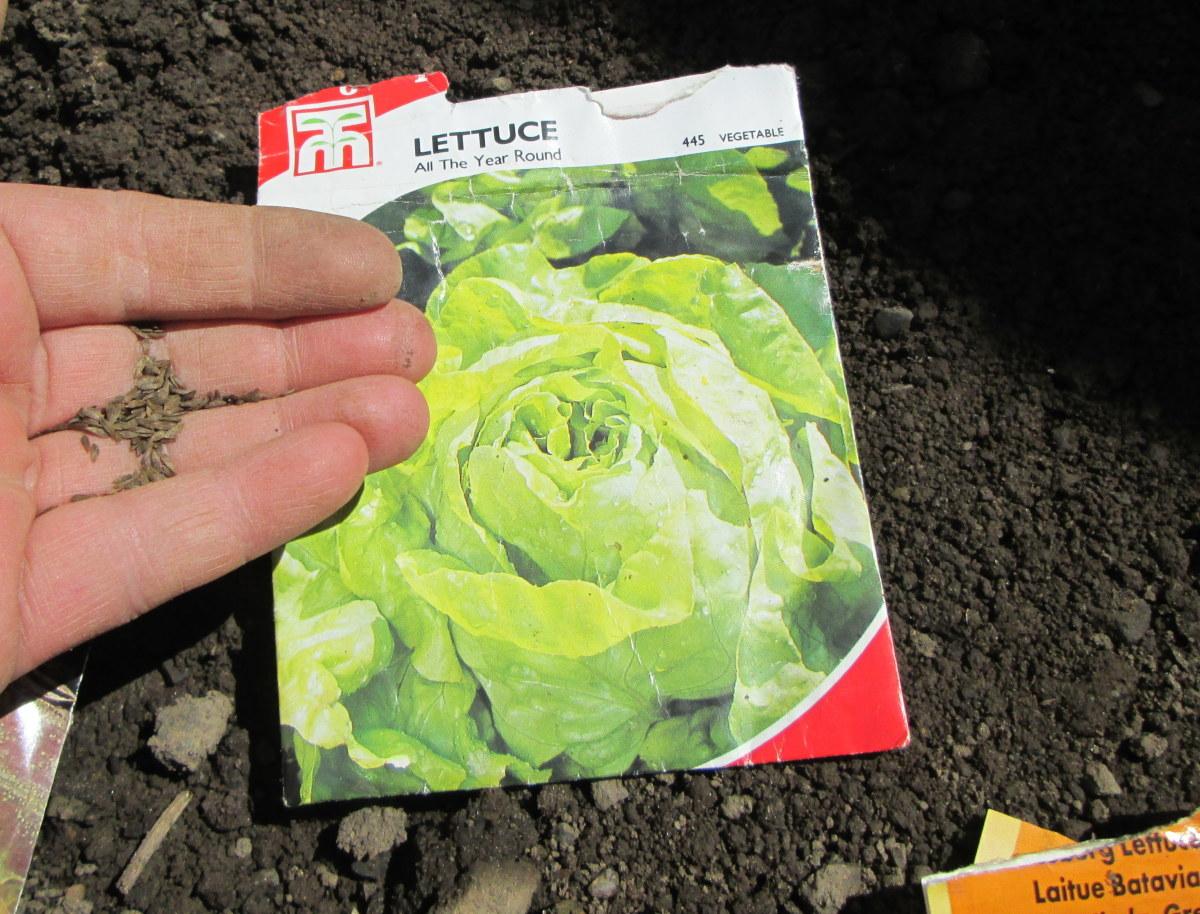
Seed packets show resistance to specific diseases using letter codes. These codes tell you exactly what diseases that variety resists. Downy mildew resistance is shown as "Bl" (Bremia lactucae races). Many modern varieties offer resistance to multiple diseases. Downy mildew, lettuce mosaic virus, botrytis, sclerotinia, and bottom rot resistances are all available. Look for varieties with the most resistances relevant to your area.
Talk to other growers in your area. Ask which varieties have performed best in your climate. Local extension offices have disease pressure information for your region.
Popular Resistant Varieties
Optima, Harmony, Edox, Pirat, and Salvius resist downy mildew. Dynamite, Edox, Harmony, Optima, Panisse, and Inferno resist lettuce mosaic virus. Fusion resists corky root rot and LMV. Monte Carlo resists 10-plus diseases. Modus RZ resists corky root rot, downy mildew, and LMV.
Pirat is a brown heirloom with downy mildew and LMV resistance. Brauner Trotzkopf has bottom rot and bacterial head rot resistance.
Using Resistant Varieties in Your Disease Management Plan
Resistant varieties are the foundation of your disease management. They reduce disease pressure and reduce fungicide need. Start with resistant varieties first. Resistant varieties work best combined with cultural practices and fungicides when needed. This integrated approach provides maximum protection. Rotate variety types to prevent resistance breakdown in disease populations. Use different varieties each season when possible.
IPM Strategy: Combining All Methods for Complete Protection
Integrated Pest Management combines resistant varieties, cultural practices, and fungicide treatments for superior disease control. This combination beats any single method. This is how professional growers manage disease.
Key IPM Components
Walk through your lettuce beds 2-3 times weekly. Catch disease at first sign before it spreads. Early detection saves harvests. Start with disease-resistant varieties adapted to your area. Resistance codes guide your selection. Proper spacing (8-10 inches), drip irrigation, airflow, sanitation, crop rotation form disease prevention foundation.
Apply fungicides BEFORE disease appears when environmental conditions favor disease development. Preventative sprays are 70 percent more effective than treatment sprays. Alternate different fungicide modes of action. Prevent resistance development. Rotate organic and conventional options.
Weekly Inspection Checklist
Check leaf undersides for downy mildew gray growth. Look for powdery white coating on leaf surfaces. Inspect base of plants for rot. Monitor seedlings for damping off. Watch for virus symptoms (mottling, yellowing). Record findings and weather conditions. Adjust management based on observations. Track disease patterns in your garden.
Record Keeping Matters
Record disease symptoms, dates, weather, and treatments applied. This data helps you predict future problems. Review your notes each season. Determine which varieties and techniques worked best. Adjust management based on experience.
Get Expert Disease Diagnosis with Plantlyze AI
Identifying lettuce diseases correctly is essential for effective treatment. Plantlyze uses AI technology to diagnose diseases from plant photos instantly. This technology removes the guesswork from disease identification.
Upload photos of affected lettuce leaves and AI technology identifies disease instantly. Get specific treatment recommendations tailored to your disease. Know whether disease is fungal, viral, or bacterial. Receive organic and conventional treatment options. Learn best timing for fungicide applications. Get preventative measures for future protection.
Prevents misdiagnosis (downy vs powdery mildew confusion is common). Identifies diseases before they spread. Provides specific treatment for your disease. Suggests preventative measures for future. Tracks disease patterns in your garden. Archives photos for future reference.
Visit Plantlyze.com today and upload photos of any concerning lettuce symptoms. Get instant AI-powered disease diagnosis and customized treatment recommendations. Treat lettuce diseases confidently with expert guidance from Plantlyze.
Disease Management Mistakes That Waste Time and Money
Delay until disease is severe makes treatment difficult. Begin fungicide applications when conditions favor disease, before symptoms appear. Wet soil causes damping off and root rot. Keep seed-starting mix moist but never waterlogged. Water from below.
Wet foliage spreads fungal spores rapidly. Use drip irrigation or soaker hoses to water at soil level only. Poor air circulation creates humidity pocket where disease thrives. Space heading lettuce 8-10 inches apart minimum. Soil-borne diseases accumulate and worsen. Rotate lettuce crops with non-susceptible plants for 2-4 years.
Growing susceptible varieties when resistant options exist is wasteful. Choose disease-resistant varieties matched to your disease pressure. Disease develops resistance to single fungicide quickly. Rotate fungicide modes of action every 1-2 applications. Fungal spores persist in compost and reinfect future crops. Discard all diseased lettuce in trash (not compost).
Healthy Lettuce Starts With Smart Disease Prevention
Prevention is far more effective than treatment. Cool, wet conditions favor downy mildew. Warm, dry conditions favor powdery mildew. Damping off has no cure (prevention critical). Viral diseases require prevention only. Resistant varieties provide first line defense. Organic treatment options are available. Integrated Pest Management combines all methods. Cultural practices prevent 70-80 percent of diseases.
Choose disease-resistant varieties adapted to your area. Space lettuce 8-10 inches apart for heading types. Use drip irrigation to keep foliage dry. Remove dead leaves and improve airflow. Monitor crops 2-3 times weekly. Apply preventative fungicides before disease appears. Rotate fungicide modes of action. Practice crop rotation for 2-4 years. Sanitize all tools and containers. Keep detailed records of disease and treatments.
Healthy lettuce begins with smart disease prevention. Combine resistant varieties, cultural practices, and preventative fungicides for superior results. Start your disease management plan before planting season arrives.
Download the Plantlyze app at Plantlyze.com and photograph your lettuce leaves when you notice any concerning symptoms. Get instant AI-powered disease diagnosis and specific treatment recommendations. Treat lettuce diseases confidently with expert guidance from Plantlyze. Enjoy healthy, disease-free lettuce all season.
References
UC IPM Statewide Program: https://ipm.ucanr.edu/agriculture/lettuce/powdery-mildew/
University of Connecticut CAHNR: https://ipm-cahnr.media.uconn.edu/wp-content/uploads/sites/3216/2025/02/Feb-2025_Lettuce-Factsheet.pdf
University of Kentucky Plant Pathology: https://plantpathology.mgcafe.uky.edu/sites/plantpathology.ca.uky.edu/files/PPFS-VG-53.pdf
Arizona Cooperative Extension: https://acis.cals.arizona.edu/agricultural-ipm/vegetables/lettuce/diseases