Lettuce mosaic virus (LMV) is among the most dangerous viruses of lettuce, capable of wiping out whole harvests if not controlled. This unseen enemy shows no preference among varieties-all types of lettuce are susceptible to LMV infection: Iceberg, butterhead, and loose leaf. The information and control measures shared in this article are thus applicable to both commercial farmers with thousands of plants and homemakers growing a few heads on their balconies. What makes Lettuce Mosaic Virus? How do you prevent it from attacking your crop? How do you control it when eventually attacks? Read on for answers.
Understanding Lettuce Mosaic Virus: What Growers Need to Know
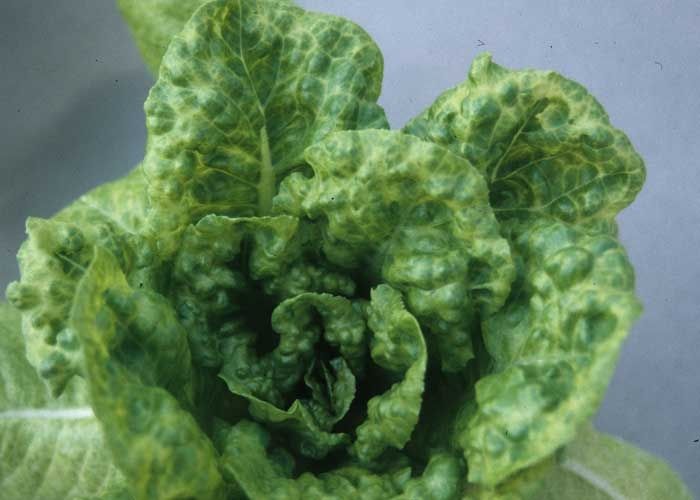
Lettuce mosaic virus is a potyvirus, making it typical of plant viruses which include numerous species besides lettuce as crop hosts. The virus occurs virtually worldwide and is an important economic disease in commercial production as well as among smallholder gardeners globally. The disease earned its name from the distinctive mosaic and mottling patterns that develop on infected plant leaves.
What really makes LMV troublesome is its broad host range. Lettuce is the main crop affected but the virus easily infects spinach, peas, escarole and endive as well as numerous wild plant species. This expanded host range means that virus reservoirs can build up in unexpected places around your garden or farm. The perennial weeds and wild lettuce species near growing areas frequently harbor the virus, becoming local sources of infection that threaten nearby crops.
The economic impact of lettuce mosaic cannot be overstated. Infected plants become unmarketable due to leaf distortions, deformed heads, and visible mosaic patterns. In severe cases, disease infection rates can reach 100 percent locally, resulting in complete harvest loss. The quality reduction and potential complete crop failure make prevention and early management absolutely critical for commercial operations and passionate home growers.
Recognizing Lettuce Mosaic Symptoms: Early Detection Matters
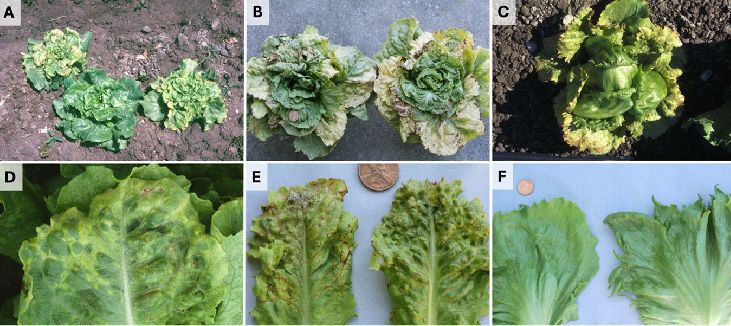
Careful observation is required to identify the lettuce mosaic virus because its symptoms are largely dependent on such factors as variety of lettuce, strain of the virus, age at which the plant was infected, and environmental conditions. This means that regular consistent monitoring must be carried out on the plants so as to enable quick detection in case an infection occurs.
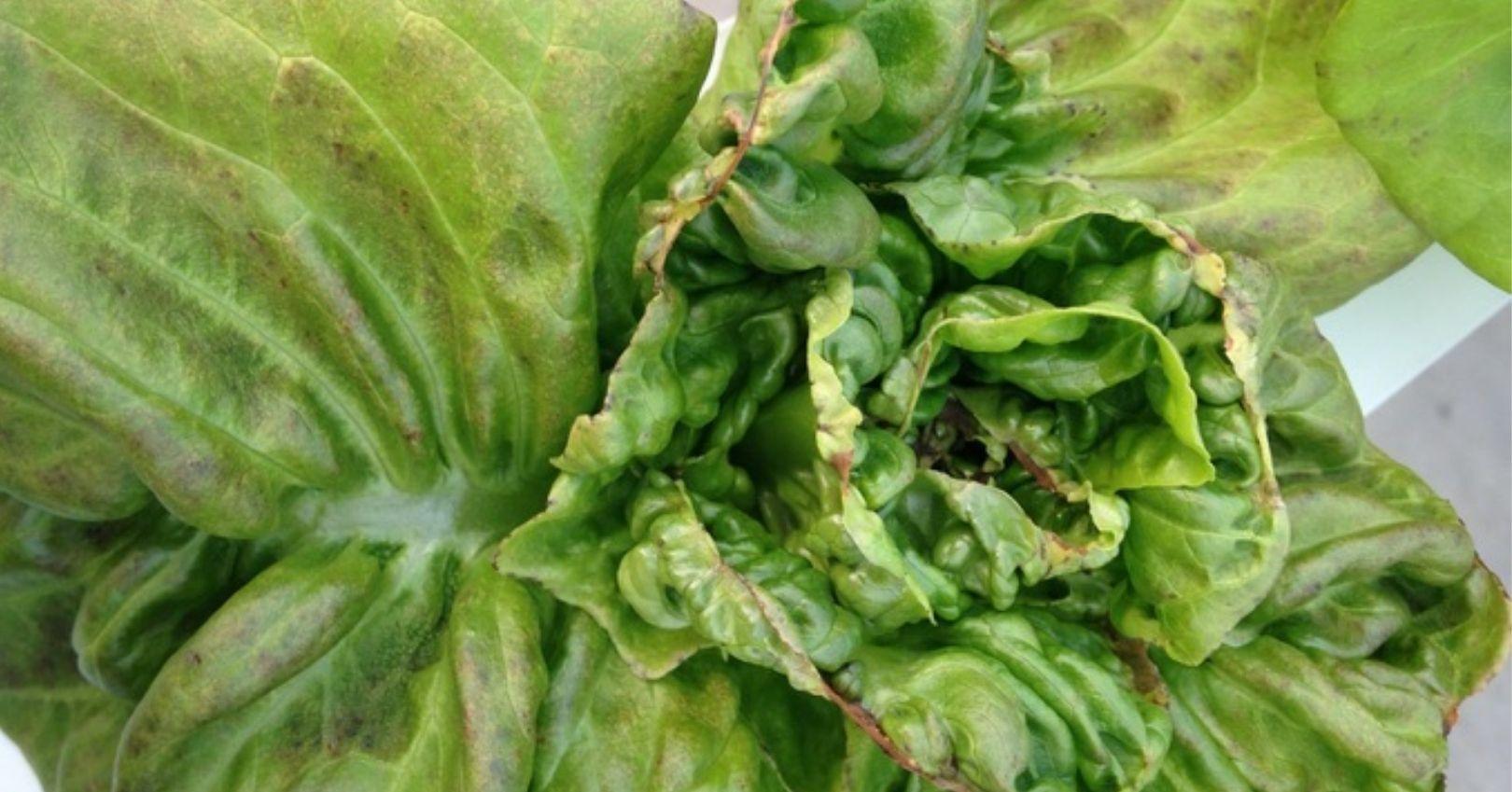
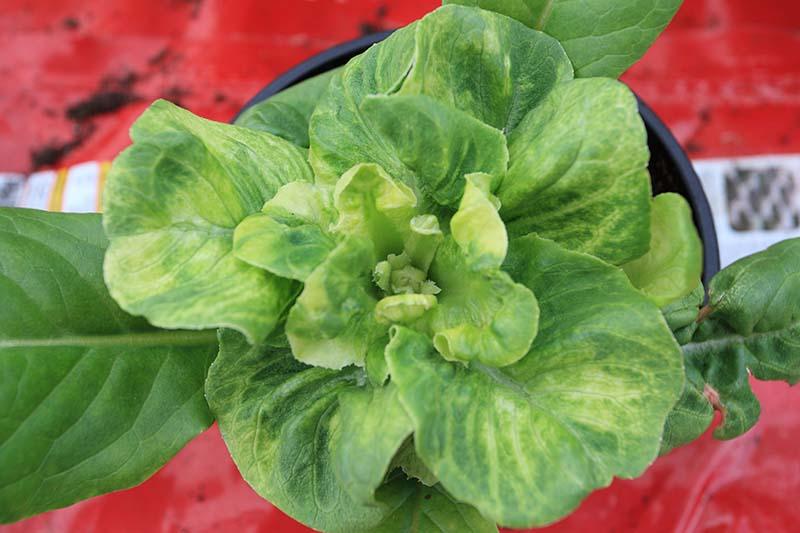
Young plants infected with LMV during seedling stage display the most severe and obvious symptoms. Infected seedlings show twisted, partially folded leaves that grow abnormally slowly. The characteristic green and yellow mosaic or mottling pattern appears on leaf surfaces. These stunted plants rarely reach full size, and head lettuce varieties infected early fail to form proper heads. By the time these symptoms become visible, the plant has already suffered significant viral damage.
Mature plants infected later in the growing cycle show distinctly different symptoms. Older, outer leaves develop yellow discoloration, become twisted and deformed, and may show brown necrotic flecks. In head lettuce, wrapper leaves often curve backward away from the developing head. New growth appears distorted and develops slowly. While these plants may reach partial maturity, they produce unmarketable heads and significantly reduced yields.
The most reliable symptom in early stages is the mosaic pattern itself. Green and yellow mottled patches create a characteristic patchwork appearance on leaves. A close examination will reveal interveinal discoloration where a yellow color develops between the veins of the leaves to form a very distinct pattern. This visual signature makes LMV easy to distinguish from other nutritional deficiencies or environmental stress that may result in general discoloration.
Regular plant inspections using magnifying glasses help spot these early patterns before symptoms progress. Watch seedlings most closely, as they show symptoms more pronounced in new growth. Early identification dramatically improves your ability to prevent further spread.
How Lettuce Mosaic Virus Spreads: Transmission Pathways
Knowledge of the mode of transmission of lettuce mosaic is very important in devising effective means for its prevention. This accounts for a multifaceted approach to its control since it has several routes by which it can be transmitted.
This, therefore, remains the main and most economically important entry path of LMV into lettuce crops: Infected mother plants produce seeds that bear the virus within them at an incidence rate ranging between 1 percent and 10 percent. These infected seeds then germinate into infected seedlings thereby establishing the virus right from seedling beds! That’s why certified seed free from viruses is mandatory in many commercial regions where lettuce is produced.
Aphids are the second major pathway in transmission, and primary mechanism of intra-field plant-to-plant spread of the virus. LMV has been reported to be transmitted by several species of aphids, with Myzus persicae and Macrosiphum euphorbiae as two very active vectors. They acquire the virus while feeding from an infected plant and almost immediately inoculate healthy plants through their feeding stylets. Importantly, aphids transmit LMV in a non persistent manner, therefore they can only transmit the virus for short periods after acquisition. Even with this limitation on the vectoring by aphids ,there is fast local spread most probably within days after contact of aphids with infected plants.
Secondary host plants create persistent virus reservoirs that continuously threaten nearby lettuce crops. Wild lettuce species including prickly lettuce and oxtongue thrive in field margins and uncultivated areas. Lambsquarters, shepherd’s purse and different common thistles either carry the virus or show infection by it. Occasional ornamental plants such as daisies and asters also get infected. These alternative hosts help LMV exist in between lettuce growing seasons ,also carrying aphids which later infect new crops.
Environmental conditions influence the transmission efficiency. The warm weather enhances the reproduction and activity of aphids thus fast transmission of the virus. High population of aphids ensures frequent transmission of the virus. Cool temperatures and low aphid pressure slow but do not prevent disease spread.

Preventing Lettuce Mosaic Virus: Proactive Protection Strategies
Effective LMV prevention relies on multiple coordinated strategies that work together to minimize infection risk. No single approach provides complete protection, but combining methods creates layers of defense.
Certified virus free seed forms the foundation of any LMV control program. Many regions legally mandate that only tested, virus indexed seed can be planted. Seed certification programs test seeds for virus presence using enzyme linked immunosorbent assay (ELISA) or polymerase chain reaction (PCR) techniques. Certified seed ensures no infected seeds at the rate of zero infected seeds per 30,000 seeds tested. Always purchase seed from reputable sources that provide certification documentation. This single step eliminates the primary inoculum source, dramatically reducing infection risk.
Resistant lettuce varieties provide an excellent complementary control measure. Plant breeders have successfully incorporated natural virus resistance genes (mo1 and mo2) into commercially important lettuce types. These genes confer varying resistance levels. The mo1 gene provides high resistance preventing systemic virus accumulation and symptoms, while the mo2 gene provides lower resistance that prevents symptoms while allowing reduced virus accumulation. Selecting resistant varieties suited to your region and market preferences provides substantial protection while maintaining crop quality.
Field and nursery management practices significantly reduce virus exposure. Protect nurseries with floating row covers or screening that excludes aphids while seedlings develop. Maintain nursery areas isolated from mature lettuce fields. Remove potential virus reservoir plants aggressively through rigorous weed control within fields, field margins, and surrounding areas. Plow down or remove harvested lettuce fields immediately after harvest to eliminate crop residues that harbor aphids and virus. Establish lettuce free periods during winter months to break the disease cycle and eliminate virus survival sources.
Crop rotation involving non host crops reduces soil borne inoculum and allows time for virus decline. Rotate lettuce with crops from different families. Space rotations at least two years apart in the same field.
Specialized netting and screening technologies provide additional protection. UV absorbing nets placed over growing areas significantly reduce aphid transmission while maintaining light and water penetration. These nets prevent aphid access to young plants during critical early growth stages when infection causes most severe damage.
Managing Lettuce Mosaic Infections: Action Steps for Growers
Rapid response reduces its spread and also limits the losses. Early detection and immediate action are the best tools for managing outbreaks.
Immediate removal of plants is the cornerstone in outbreak management. As soon as you spot infected plants, remove them totally and destroy them. Uproot whole plants and dispose of them away from the growing area- do not compost infected plants because the virus may survive composting. This immediate action removes local sources of infection by aphids before they can transmit infections to other plants timing is very important especially in commercial operations where every single infected plant means an exponential growth of future infections.
Aggressive aphid management directly reduces virus transmission rates. Check fields two times a week specifically for the presence of aphids. Normally, colonization begins at the edges of the field; hence greater attention should be paid to these areas. In seedling stages, if populations rapidly increase, quick treatment is warranted. In mature plants, treatment should be applied before head development because they will hide within developing heads and cannot be reached.
Organic approved aphid control methods work effectively for virus management. Neem oil and soap solutions applied in early morning or evening hours reduce aphid populations substantially. Mix 160 to 200 milliliters of neem oil with 100 grams of soap in 20 liters of water for effective results. Spray to coat leaf surfaces thoroughly. Repeat applications at 7 to 10 day intervals as needed.
For growers seeking natural solutions, attract beneficial insects that prey on aphids. Plant flowering species including gypsophila, coriander, and clover to attract adult syrphids whose larvae consume aphids voraciously. Ladybugs and lacewings provide additional aphid predation. These beneficial insects establish populations over time, providing ongoing aphid suppression.
For comprehensive plant health support, many growers turn to digital plant care tools. Plantlyze (plantlyze.com) offers an AI powered plant diagnosis tool that helps identify virus symptoms early and confirms whether detected symptoms indicate lettuce mosaic or other plant health issues. Early confirmation enables faster intervention and prevents misdiagnosis that might delay necessary management responses.
Nutrition and Plant Immunity: Strengthening Natural Defenses
Plant nutrition directly influences disease susceptibility and virus progression severity. A well nourished plant is capable of building up immunity to resist against diseases, hence sustenance of good health. This implies that completeness in the mineral nutrition supplied to the plant will enable it maintain good health by facilitating its ability to build strong immune system.
Programs of proper nutrition will enhance the structure of cell walls and make more active the synthesis within the plant of defensive compounds, hence making the plant less susceptible to diseases. A program involving either wrong nutrition or over-application of a single nutrient would favor such conditions for viruses that are in development. Evidence proves that lettuce plants under a balanced fertilizer program with good constant availability of nutrients show reduced severity toward mosaic virus disease together with general vigor.
Macro and micronutrient programs tailored to soil test results optimize plant nutrition. Timing fertilizer applications to align with plant growth phases enhances nutrient uptake efficiency. Staged fertilization rather than single heavy applications maintains steady nutrient availability. Fertigation and foliar spray applications deliver nutrients quickly when plants need them most, while slow release fertilizers provide steady supply over extended periods.
Calcium and silicon, in particular, play a vital role in the management of viruses. Recent studies on nanotechnology have revealed that calcium nano agents facilitate better delivery of calcium to young tissues thus reducing mosaic virus symptoms by 80% among certain crops.[15] Silicon makes cell walls stronger hence increasing resistance of plants to pathogens.
Regular monitoring helps in the early detection of infestation or infection and also proper nutrition hence integrated Regular weekly inspections of the plantation using observation datasheets (or a mobile app) will ensure that any infection is detected before it has widely spread. An integrated approach that includes regular monitoring and appropriate nutrition can highly reduce the use of chemicals to minimum levels possible with productivity.
Conclusion: Taking Action to Protect Your Lettuce
Lettuce mosaic virus presents a genuine threat to successful lettuce production at any scale. Still, knowledge works better against this new virus and its mode of transmission. Hence, infections can be well prevented and controlled by informed management practices that involve integrated use of more than one practice comprising certified seeds, resistant varieties, good field management practice involving aphid control and observation on plant health.
Buy certified virus-free seed from reputable suppliers. Choose resistant varieties which are adapted to your climate and that suit your market. Carry out thorough field sanitation practices and aggressive weed control to remove sources of the viruses. Observe your plants regularly so as to detect early symptoms. Apply organically approved methods of aphid management before infections set in.
For enhanced plant health monitoring and early symptom detection, utilize modern plant care technology. Visit Plantlyze.com to access AI powered plant diagnosis that helps you identify mosaic symptoms accurately and confirm virus presence. Early detection combined with immediate management action minimizes crop losses and preserves your harvests.
Start implementing these strategies today. Your commitment to prevention and vigilant management will pay dividends through healthier plants, improved yields, and successful lettuce production season after season.
References
1. National Center for Biotechnology Information (NCBI/PubMed Central)
https://pmc.ncbi.nlm.nih.gov/articles/PMC6640324/
2. CABI Compendium (International Center for Agriculture and Biosciences)
https://www.cabidigitallibrary.org/doi/full/10.1079/cabicompendium.30269
3. UC Davis Integrated Pest Management (University of California)
https://ipm.ucanr.edu/agriculture/lettuce/lettuce-mosaic/
4. PubMed NCBI Journal Article
https://pubmed.ncbi.nlm.nih.gov/30722603/
5. Plant Disease Journal (American Phytopathological Society)
https://apsjournals.apsnet.org/doi/10.1094/PDIS-09-12-0827-PDN