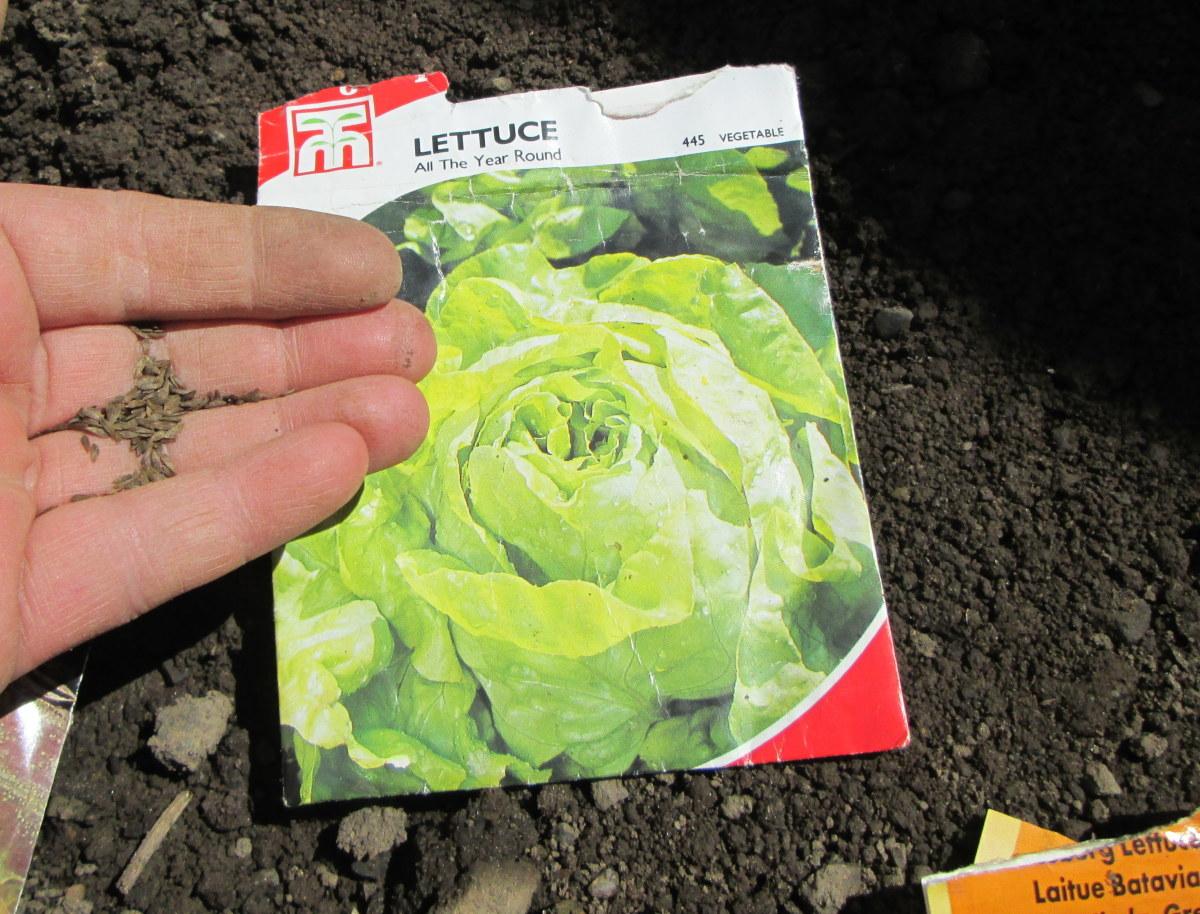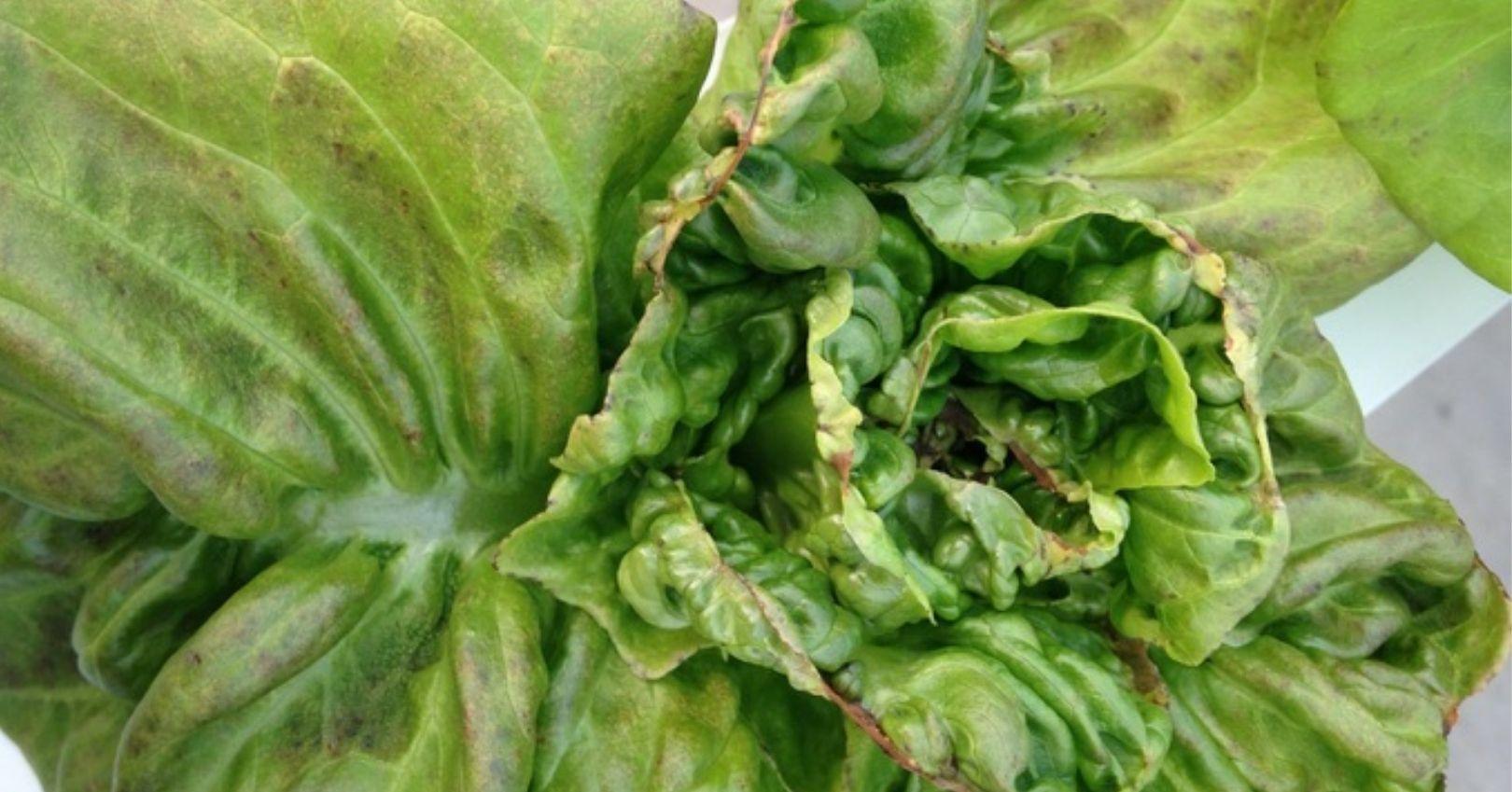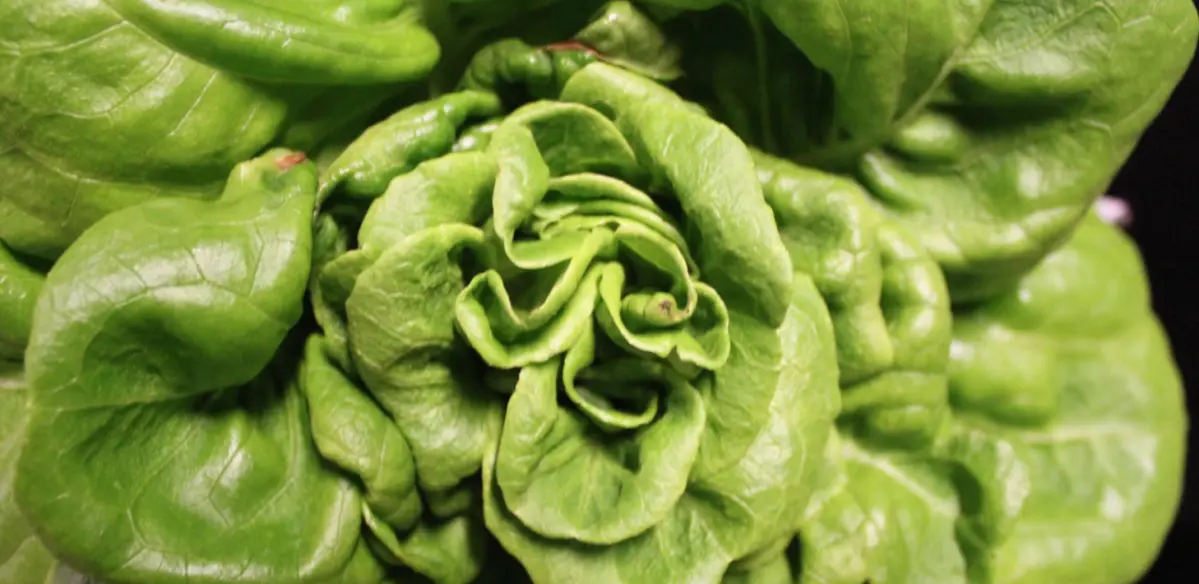
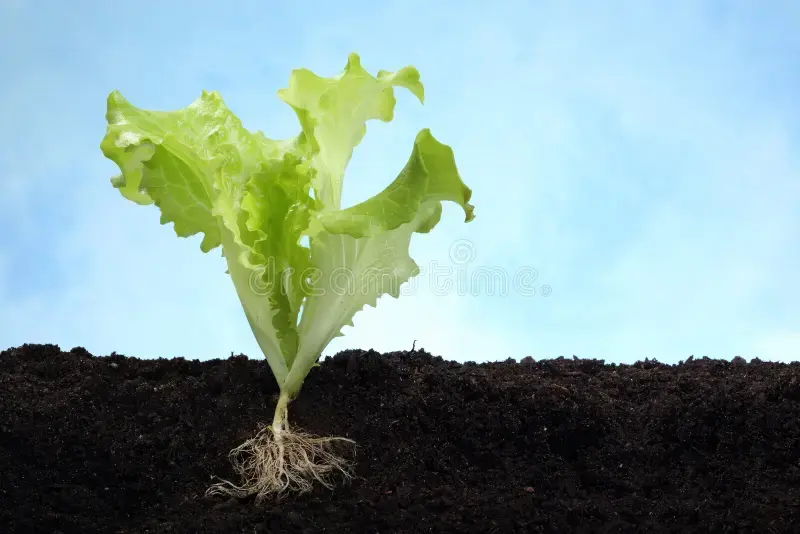
You plant lettuce seeds in whatever soil you have, expecting them to grow. Weeks pass and the seedlings emerge pale and stunted. The leaves develop an odd yellow color. Growth is slow and disappointing. You're frustrated because you followed watering instructions perfectly and the lighting is good. The real culprit is beneath the surface. Soil quality directly impacts lettuce quality, flavor, and production. Poor soil creates poor lettuce. The good news is that creating ideal lettuce soil is straightforward and inexpensive. Understanding what lettuce needs from soil, then building or amending your garden accordingly, transforms your lettuce production. This guide covers everything you need to know: the ideal soil texture, pH range, organic matter percentage, amendments to add, how to prepare your soil, container mixes for potted lettuce, and how to avoid common soil problems that destroy crops.
Why Soil Matters More Than You Think
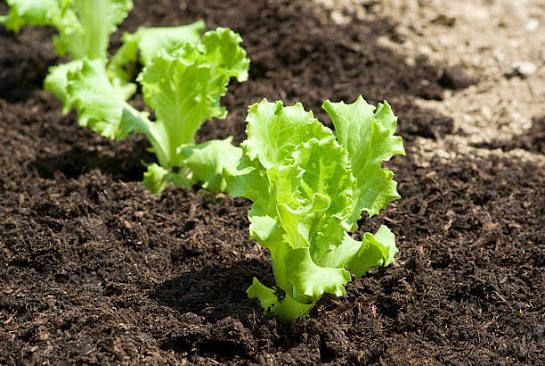
Lettuce is a leafy green that draws all its nutrition and moisture from soil. Unlike fruiting vegetables that have multiple organs contributing to growth, lettuce is essentially just leaves. The quality of those leaves depends almost entirely on soil conditions. Poor soil produces small, bitter, tough leaves. Great soil produces crisp, tender, flavorful lettuce that tastes like it came from an upscale restaurant.
Soil serves multiple critical functions for lettuce. It anchors roots and provides structural support. It stores water that lettuce draws upon between watering events. It holds nutrients in forms plants can absorb. It harbors microbes that break down organic matter into available nutrients. It regulates soil temperature, protecting roots from extreme heat and cold. It allows air movement to roots, providing oxygen essential for respiration. Poor soil fails at one or more of these functions. Sandy soil drains too fast and nutrients leach away before lettuce roots absorb them. Clay soil compacts and prevents water and air movement. Unbalanced pH locks up nutrients, making them unavailable even when present. Without adequate organic matter, soil can't hold water or support nutrient cycling. Each deficiency reduces lettuce quality.
Understanding Ideal Soil Texture
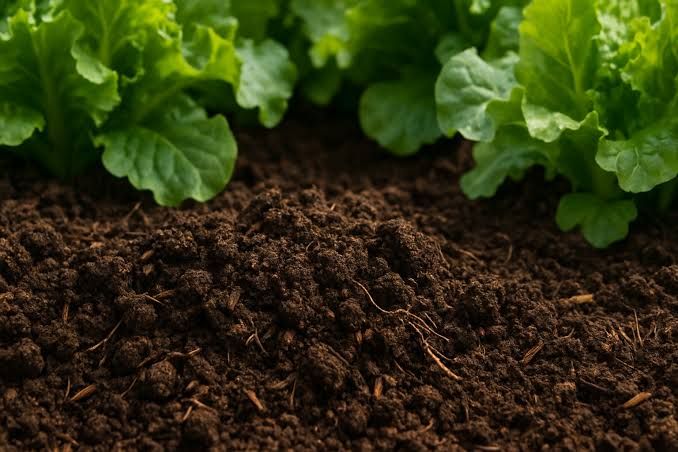
Lettuce prefers loamy or sandy loam soils. Loam is the sweet spot for vegetable gardening, containing a balanced mixture of sand, silt, and clay particles. This balance allows loam to drain excess water while retaining moisture available to plants. Loam also holds nutrients longer than sandy soils and doesn't compact like heavy clay.
Sandy soils drain rapidly, which sounds good until you realize water needed by plants drains away within hours of watering. Nutrients leach through sandy soil faster than roots can absorb them. Plants in sandy soil need more frequent watering and more frequent fertilizer applications. Sandy soil does have benefits in that it warms quickly in spring, allowing earlier planting. If you have sandy soil, amending it heavily with organic matter improves its performance significantly.
Clay soils retain water and nutrients well but compact easily. Compacted clay blocks water and air movement to roots. Lettuce roots struggle in compacted soil. If you have clay soil, amending with organic material opens it up, improving drainage and aeration. Work amendments in thoroughly to break up compaction.
If your natural soil is not loam, don't despair. Any soil type can be transformed through amendment. Add compost, peat moss, coco coir, aged manure, or other organic materials. These amendments physically change soil structure, improving texture in sandy soils and drainage in clay soils. Most gardeners don't start with perfect soil. They build it over years through consistent amendment.
Soil pH and Nutrient Availability
Lettuce performs best in slightly acidic soil with a pH between 6.0 and 6.5. This narrow pH range is critical because nutrient availability to plants depends heavily on pH. At the correct pH, nutrients are dissolved in soil water where roots can absorb them. Outside the optimal range, nutrients remain locked in unavailable forms even when present in high concentrations.
Testing your soil pH is the first step. Inexpensive pH testing kits are available at garden centers. More accurate lab testing is available through your university extension office. A simple home test gives you a baseline to work from. If pH is too low (too acidic), add garden lime. If pH is too high (too alkaline), add sulfur. Make adjustments gradually, testing again after a few months. Soil pH changes slowly.
Beyond pH, lettuce needs adequate nutrients. Nitrogen is most important for leaf production. Phosphorus supports root development and energy production. Potassium strengthens cell walls and improves disease resistance. Secondary nutrients like calcium, magnesium, and sulfur also matter. Micronutrients like iron, boron, and manganese are required in small amounts.
Rather than memorize which nutrients do what, test your soil. Extension office soil tests provide specific recommendations for nutrients your soil lacks. Follow those recommendations and your soil will support excellent lettuce. If testing isn't available, incorporate quality compost before planting. Good compost contains balanced nutrients that satisfy most lettuce needs.
Adding Organic Matter and Amendments
Organic matter is the foundation of great garden soil. It improves water retention in sandy soils and improves drainage in clay soils. It feeds soil microbes that make nutrients available to plants. It improves soil structure, making soil easier to work. Ideal soil contains between five and ten percent organic matter by weight. Most garden soils start lower than this, requiring amendment over time.
Compost is the best organic amendment. Well-decomposed compost adds organic matter while providing nutrients. Apply one inch of finished compost per 100 square feet of garden area. Work it into the top six inches of soil. This rate adds organic matter without excessive salt accumulation. Repeat this annually to maintain soil quality.
Peat moss and coco coir are alternatives to compost. Both hold moisture exceptionally well, improving water retention in sandy soils. Peat moss is traditional but environmentally problematic due to wetland destruction. Coco coir, a by-product of the coconut industry, is more sustainable. Both are effective amendments.
Aged manure improves water retention by about 25 percent when mixed into sandy soil. Use aged or composted manure, never fresh. Fresh manure introduces excess salts and can burn plants. Aged manure retains the benefits while the salts have leached away.
Mulching the soil surface also improves soil. Two to three inches of wood chip mulch prevents water evaporation and regulates soil temperature. As mulch decomposes, it adds organic matter to the soil. This combines the benefits of moisture retention and organic matter building.
Preparing Your Soil for Planting
Proper soil preparation is crucial for lettuce success. Tilling the soil to a depth of ten to twelve inches breaks up compaction and allows amendments to mix in thoroughly. Remove rocks, clumps, and debris. Lettuce seeds are tiny and cannot push through obstructions. A smooth, crumbly seedbed is essential.
If amending your soil, work amendments in during this tilling stage. Spread two to three inches of compost over the garden, then till it in. The amendments should be thoroughly mixed throughout the soil, not sitting in layers. Poor mixing creates pockets of different moisture and nutrient levels that hurt plant development.
For existing beds, annual amendment maintains and improves soil. Add another inch of compost each spring and work it into the top two to three inches of soil. Over years, this builds excellent soil.
Level the seedbed carefully. Sunken spots trap water creating soggy areas. Raised spots dry out faster. Even levelness ensures uniform moisture and germination. A well-prepared seedbed is worth the effort.
Container and Raised Bed Soil Mixes
Container gardening requires different soil than in-ground planting. Commercial potting mixes are formulated for good drainage and aeration while retaining moisture. They also contain slow-release fertilizers. The cost is justified for containers because potting mixes work so well.
If you prefer to make your own, several recipes work. Mel's mix contains one part peat moss or coco coir, one part vermiculite, and one part compost. This three ingredient mix works surprisingly well for container lettuce. The compost provides nutrients so no fertilizer is needed initially.
A peat-based mix contains seventy to eighty percent peat moss, ten to twenty percent perlite, and ten percent vermiculite. This lighter mix drains well but requires added fertilizer. You can adjust these ratios based on your needs and available ingredients.
For those wanting better sustainability, coco coir replaces peat moss in any recipe. Coco coir performs similarly to peat while using an agricultural by-product rather than harvesting wetlands. To prepare coco coir, soak the compressed brick in water until it expands, then mix with other ingredients.
The key principle for container mixes is balancing water retention with drainage. Containers dry out much faster than garden beds. Water retention becomes the limiting factor. Include adequate peat moss, coco coir, or compost to retain moisture. The more mix in your container, the longer it holds moisture between waterings.
Addressing Soil Salinity
Lettuce is highly sensitive to soil salinity, tolerating salt concentrations only between 1.1 and 2.0 electrical conductivity units. Salt accumulation is particularly problematic in arid regions and in enclosed environments like high tunnels. Salt inhibits plant growth and can reduce yields by fifty percent or more.
If you suspect salt problems, conduct an electrical conductivity test. This measures salt concentration in soil. High readings indicate salt accumulation. Pre-irrigation before planting helps. Irrigate the field with fresh water, allowing it to drain. This flushes excess salts from the root zone. Deep chiseling before planting also helps break up salt layers.
In container growing, fresh potting mix prevents salt problems. Avoid reusing potting mix year after year without refreshing. Salts accumulate from fertilizers applied during the growing season. Fresh mix each year eliminates this problem. If budget doesn't allow fresh mix, replace the top three to four inches with fresh potting mix and compost the rest.
How Plantlyze Helps You Optimize Soil Conditions
Healthy soil produces healthy plants. By the time you notice lettuce problems visually, soil problems have often been developing for weeks. Plantlyze uses AI to analyze plant appearance and assess underlying soil conditions.
Upload photos of your lettuce plants and Plantlyze analyzes their color, leaf texture, size, and growth pattern. The tool recognizes soil-related problems including nutrient deficiency, moisture stress, and salt stress. It identifies problems early, before they become severe. This early detection allows you to correct soil conditions before damage becomes permanent.
Plantlyze tracks your plants over the season. Photos uploaded weekly or biweekly build a detailed record of plant health and growth. You see exactly when problems begin and how quickly they resolve after corrective actions. This real-time feedback teaches you how soil conditions in your specific garden affect lettuce performance. Over multiple growing seasons, you develop an intuitive understanding of your soil's strengths and limitations. Visit plantlyze.com to start monitoring your lettuce for soil-related health issues with AI powered precision.
Conclusion
The best soil for lettuce is loamy or sandy loam with a pH between 6.0 and 6.5, rich in organic matter, and free of salt accumulation. If you don't have this soil naturally, build it through amendment. Add compost or aged manure annually. Till amendments in thoroughly. Remove rocks and debris. Test your soil pH and adjust as needed. For containers, use quality potting mix or make your own using proven recipes emphasizing water retention.
These soil improvements deliver dramatic results. Lettuce grown in properly prepared soil emerges vigorously, develops rich green color, grows quickly, and tastes excellent. The investment in soil preparation pays dividends for years. Great soil builds over time through consistent amendment. Your first season may show moderate improvements. By year three, your soil will be noticeably richer. By year five, lettuce production will be substantially better than when you started.
Start with a soil test to identify deficiencies. Add compost and age amendments. Adjust pH if needed. Prepare the seedbed thoroughly. Then plant with confidence knowing your lettuce has the foundation it needs to thrive. The extra effort preparing soil is the best investment you can make in lettuce quality.
References
UC IPM - Cultural Tips for Growing Lettuce
https://ipm.ucanr.edu/home-and-landscape/cultural-tips-for-growing-lettuce/University of Georgia CAES - Home Garden Lettuce
https://fieldreport.caes.uga.edu/publications/C1018/home-garden-lettuce/Arizona Cooperative Extension - Lettuce Soil Management
https://acis.cals.arizona.edu/agricultural-ipm/vegetables/lettuce/soil-managementUniversity of Minnesota Extension - Growing Lettuce, Endive, and Radicchio
https://extension.umn.edu/vegetables/growing-lettuce-endive-and-radicchioUtah State University Extension - How to Grow Lettuce in Your Garden
https://extension.usu.edu/yardandgarden/research/lettuce-in-the-gardenUniversity of Minnesota Extension - Interpreting Your Compost Report
https://extension.umn.edu/soil-and-foliar-testing/interpreting-your-compost-reportUtah State University Extension - Salinity and Plant Tolerance
https://extension.usu.edu/irrigation/research/salinity-and-plant-toleranceNIH/PMC - Mitigation of Salt Stress in Lettuce
https://pmc.ncbi.nlm.nih.gov/articles/PMC10906269/