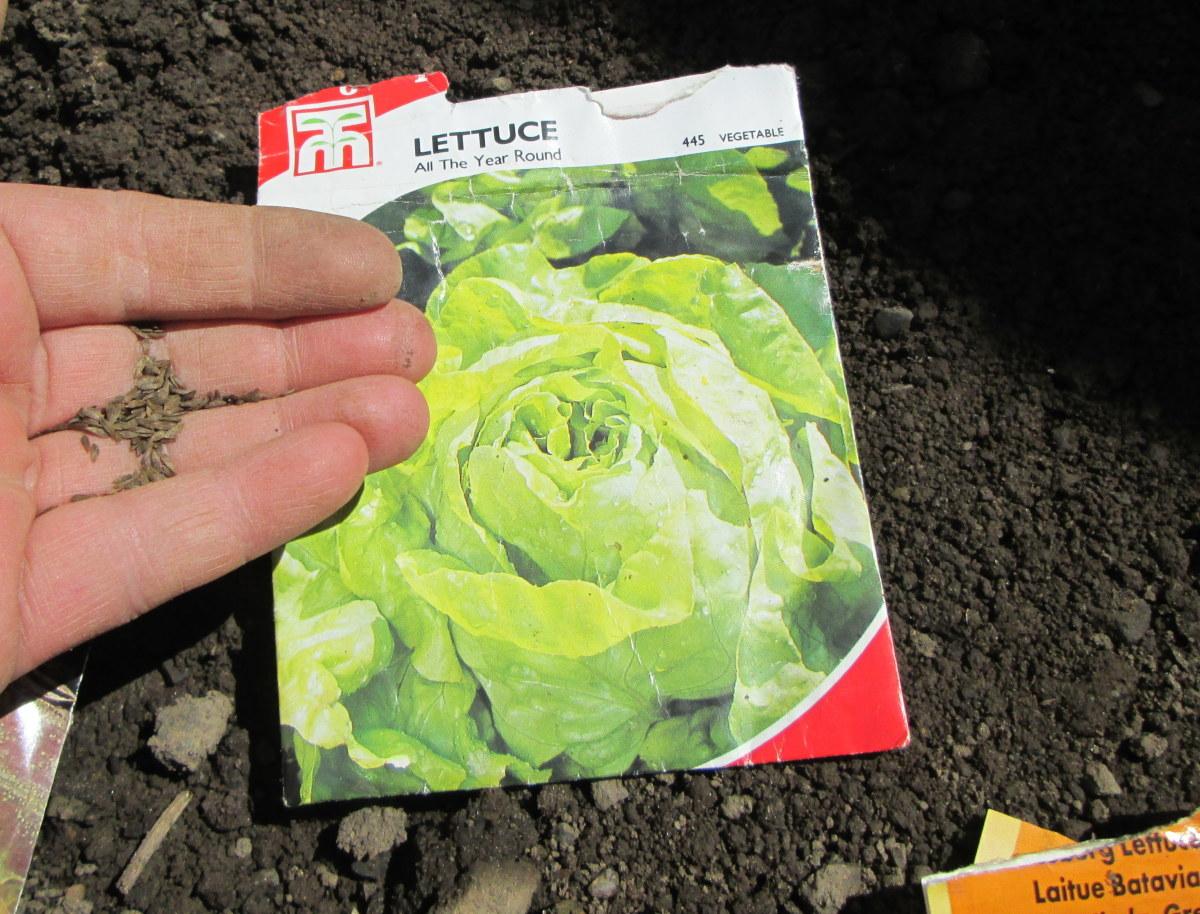
Lettuce leaves grow pale and stunted. Growth has barely advanced since the last observation. The watering is regular, the sunlight adequate-yes, something obvious is missing-but what? Most probably a top-dressing organic matter beneath the soil! Lettuce plants are heavy feeders; they need consistent nutrition to develop those crisp yet tender inner leaves you so desire. Without proper fertilization, your lettuce suffers from stunted growth, weak color, and disappointing yields. With the right nutrients applied at the right time, you can grow vibrant, nutrient-dense lettuce that tastes exceptional. This guide covers everything you need to know: what nutrients lettuce needs, how to recognize deficiencies, which fertilizers work best and the exact schedule for applying them throughout the season.
Understanding Lettuce Nutrient Needs
Lettuce is a leafy green that requires different nutrition than fruiting vegetables like tomatoes or peppers. While all plants need nitrogen, phosphorus, and potassium, lettuce has specific demands. Nitrogen is the most critical nutrient because lettuce's entire purpose is producing leaves. Nitrogen promotes the lush, green foliage that makes quality lettuce. Without sufficient nitrogen, leaves emerge pale and growth stalls.
Phosphorus and potassium matter too, but in different ways. Phosphorus supports root development and energy production. Strong roots absorb more water and nutrients, creating healthier plants overall. Potassium strengthens plant tissues and helps resistance to disease. Together, these three macronutrients create the foundation for quality lettuce. Beyond these major nutrients, lettuce needs calcium for cell strength and disease resistance.
It needs magnesium for photosynthesis. It needs micronutrients like iron, boron, and manganese in smaller amounts.
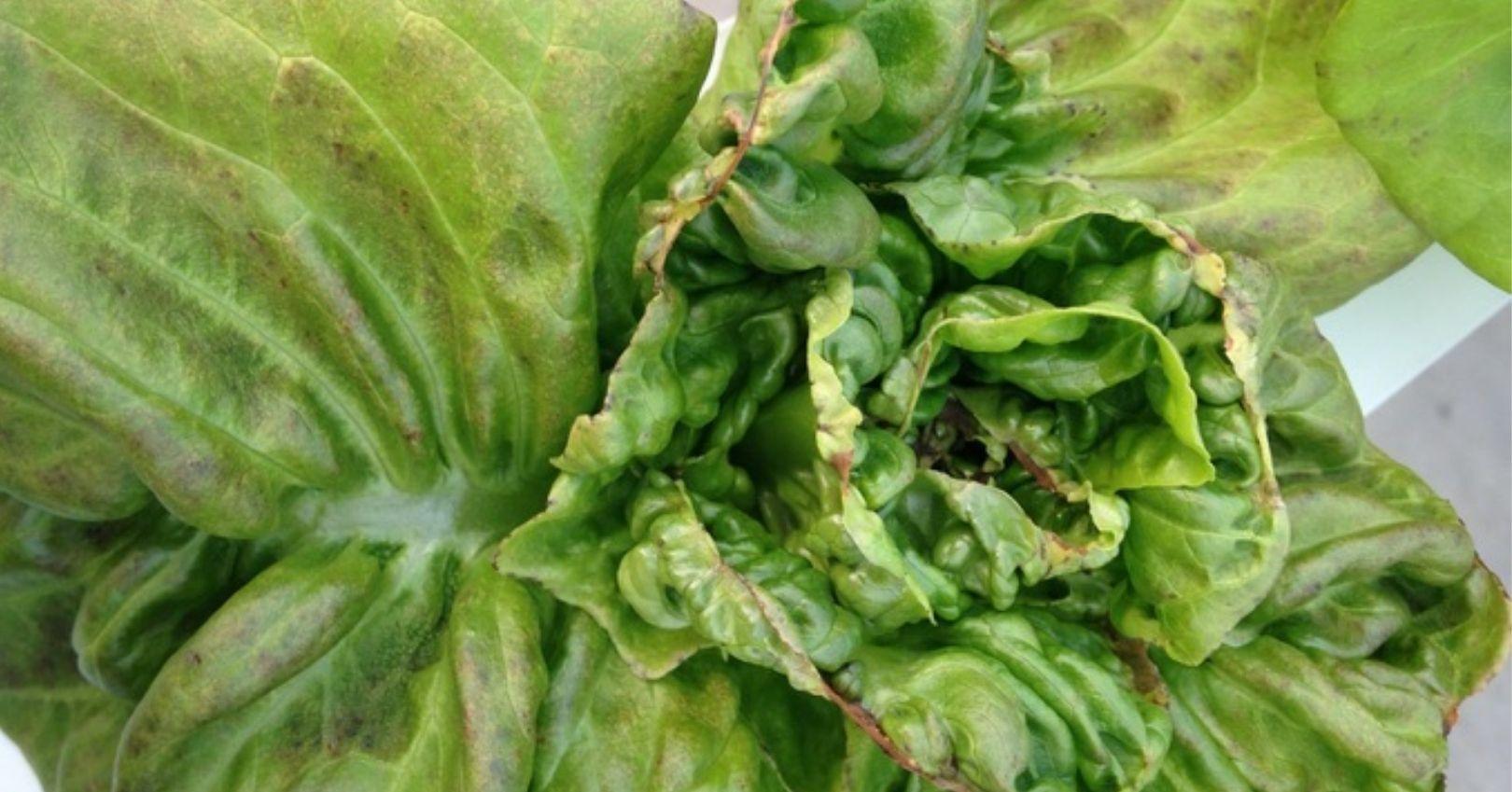
Most gardeners focus only on nitrogen and ignore the rest. This incomplete approach creates problems. Your lettuce might grow leaves but they'll lack substance. The plant becomes susceptible to disease. Inner leaves develop brown spots. Leaves curl and distort. These problems stem from micronutrient deficiency, not neglect. Balanced fertilization supplies all the nutrients lettuce requires. This comprehensive approach creates robust plants that resist disease and produce superior harvests.
Key Macronutrients Explained
Nitrogen deserves special attention because it makes the biggest visible difference. This nutrient moves through plants promoting cell growth and photosynthesis. Nitrogen is responsible for that deep green color you see in healthy lettuce. It drives rapid leaf expansion during the growing season. However, too much nitrogen creates problems. Excessive nitrogen produces soft, weak leaves that lack substance. The plant grows quickly but the leaves are watery and often bitter tasting. Quality lettuce needs moderate nitrogen combined with other nutrients.
Phosphorus gets overlooked by beginning gardeners, yet it's essential. This nutrient travels slower through plants than nitrogen, moving mostly downward into roots. Phosphorus promotes strong root development that anchors the plant and improves nutrient uptake. It powers the energy reactions that drive photosynthesis. Without adequate phosphorus, roots stay weak, the plant struggles to absorb water during dry periods, and growth slows. Phosphorus deficiency shows as stunted plants with reduced leaf production.
Potassium strengthens cell walls and tissue throughout the plant. This nutrient improves disease resistance by promoting thicker outer leaf walls. It helps the plant store carbohydrates more efficiently. Potassium-deficient lettuce develops brown spots on leaf edges, especially older leaves. The leaves curl downward. Growth becomes weak and plants look generally unwell. With adequate potassium, your lettuce develops thick, substantial leaves with better flavor and longer storage life.
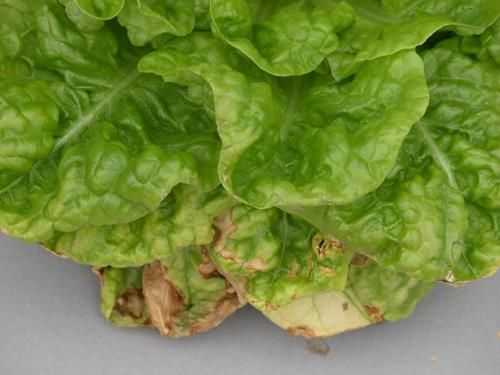
Calcium builds strong cell membranes and prevents diseases like tip burn. Tip burn makes brown spots on the young inner leaves. The plant becomes unmarketable. Calcium is particularly important during rapid growth periods or heat stress. Magnesium forms the center of chlorophyll molecules, making photosynthesis possible. Without magnesium, new leaves develop interveinal chlorosis-meaning the veins stay green but the tissue between them turns yellow. The plant weakens and leaf production declines.
Recognizing Nutrient Deficiency Symptoms
Learning to identify nutrient problems saves your lettuce before serious damage occurs. Nitrogen deficiency creates the most obvious visual symptom. Older outer leaves turn a light yellow-green color. As the deficiency progresses, these outer leaves turn completely yellow while inner leaves stay green. Growth slows noticeably. The plant looks pale and sickly. If you catch this early and apply nitrogen-rich fertilizer, recovery is quick.
Phosphorus deficiency shows differently. The plant becomes stunted and weak. Growth halts almost completely. Deficiency symptoms appear quickly, sometimes within three weeks of the plant running low on phosphorus. Unlike nitrogen deficiency which shows as yellowing, phosphorus deficiency creates a general weakness without distinctive color changes. The whole plant looks undersized.
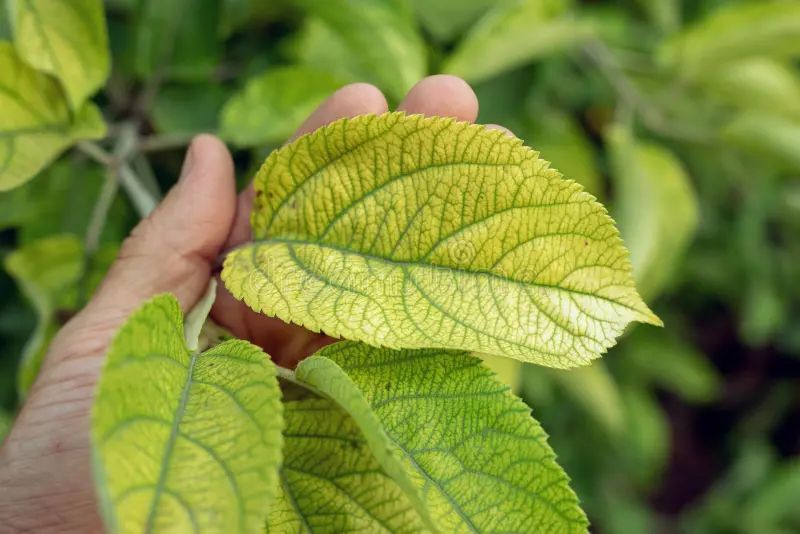
Potassium deficiency begins at the leaf edges. The oldest leaves develop brown or scorched looking edges that spread inward. This marginal necrosis is the classic potassium deficiency symptom. Yellowing often accompanies the browning. The leaves curl and the plant grows weakly. Once you see leaf edge browning in lettuce, potassium deficiency is advanced.
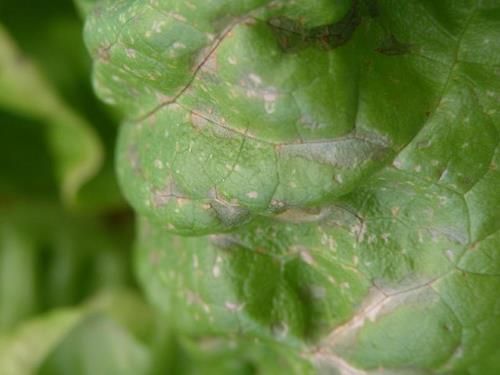
Calcium deficiency causes tip burn, the appearance of brown spots on young inner leaves. The spots develop into distorted, diseased looking tissue. Calcium moves slowly through plants so deficiency develops on new growth first. Container plants are particularly vulnerable because the growing medium often lacks adequate calcium. Regular watering with hard water containing minerals helps prevent this problem.
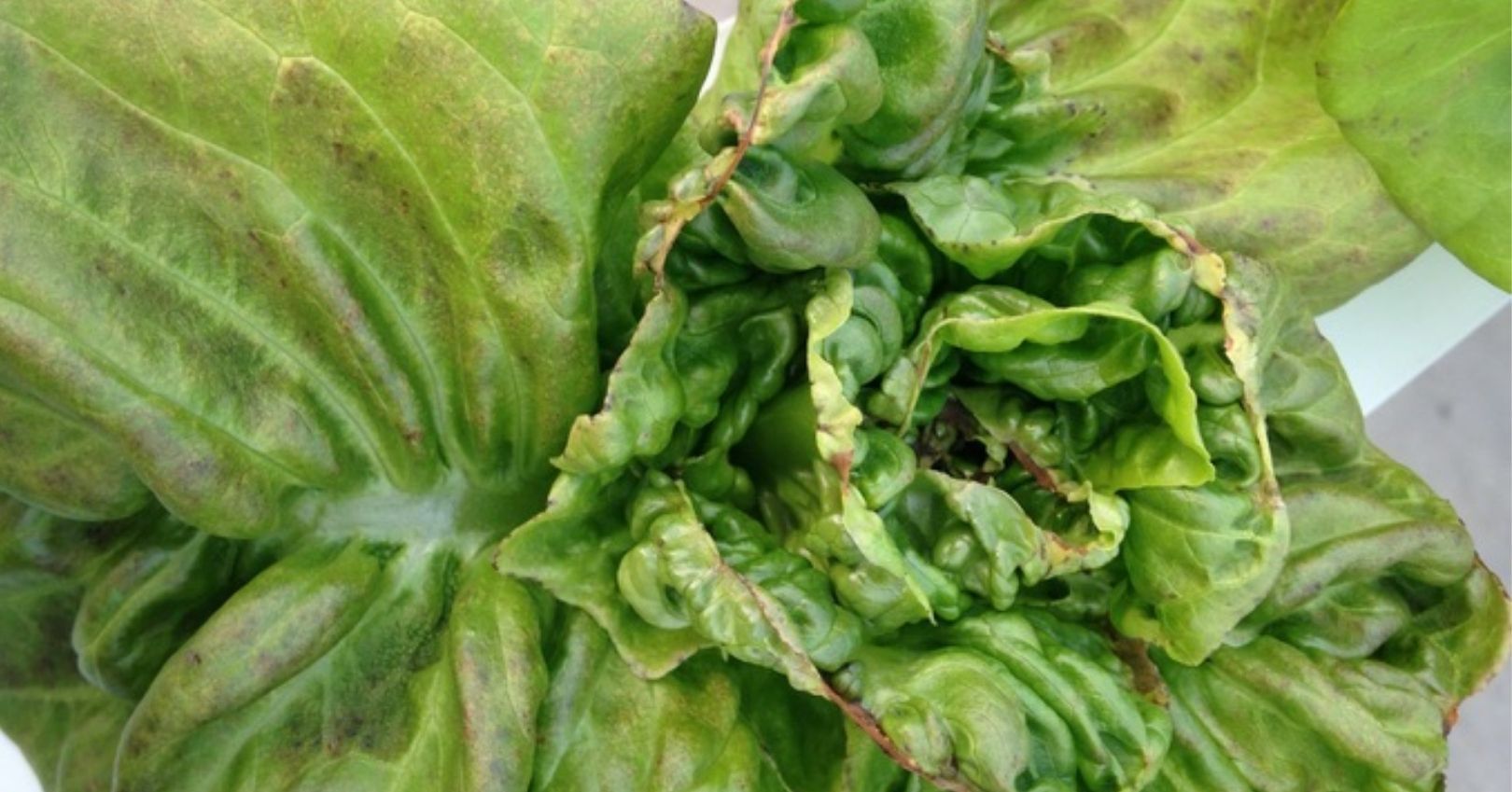
Magnesium deficiency shows as light yellowing between the leaf veins on mature leaves. The veins stay green while surrounding tissue yellows. This interveinal chlorosis is distinctive. Early symptoms appear on older leaves first. As deficiency advances, browning develops at the leaf edges. Iron deficiency creates similar yellowing but affects new growth instead of old growth, and the pattern differs slightly.
Best Fertilizer Ratios and Types
The best fertilizer for lettuce contains an adequate proportion of all three primary nutrients. Great lettuce can be created with a ratio of 8-15-36 or 12-4-8. These ratios provide sufficient nitrogen to supply the needs for leaf growth, while phosphorus and potassium are emphasized. Alternatives work fairly well if specialized lettuce fertilizers such as 5-10-5, 5-10-10, or 10-10-10 cannot be found. The important thing is not to use a fertilizer that contains high nitrogen with very little content of other nutrients.
Water soluble fertilizers, such as Miracle-Gro (24-8-16), act fast. You mix it in water and apply through irrigation or by foliar application. This allows frequent adjustment of nutrient supply. The major disadvantage is that the nutrients leach out very quickly in sandy soil or under conditions of frequent watering. Hydroponic growers often choose water-soluble options because they control the nutrient solution precisely.
Slow-release granular fertilizers like Osmocote (18-6-12) release nutrients gradually over weeks or months. You apply them once to the soil and let them work. This is convenient for home gardeners but offers less control. The nutrient ratios are predetermined. Slow-release fertilizers work well for container lettuce because you can apply them at planting and not worry about frequent applications.
Organic fertilizers include cottonseed meal, alfalfa meal, kelp meal, and compost. Cottonseed meal contains about 6-2-1 NPK but requires time to break down in soil. The bacteria in soil convert organic matter into plant available nutrients gradually. This slow release prevents nutrient burn and feeds the soil microbes. Compost applied at planting provides long-term nutrition that improves soil structure simultaneously. Research shows that a combination of 75 percent chemical fertilizer with 25 percent bio-slurry produces optimal lettuce yields while improving soil health.
For hydroponics, nutrient solutions need careful balance. A 5-5-5 ratio works for many hydroponic systems. The exact ratio depends on your water source, pH, and light conditions. Keep electrical conductivity between 1.2 and 1.8 millisiemens. Monitor nutrient levels regularly and adjust when needed. Some hydroponic growers use specialized two-part fertilizers designed for leafy greens.
How and When to Apply Fertilizer
Start fertilizing about two to three weeks after planting seedlings in the ground or three weeks after seeds germinate. This delay allows the plant to develop roots before demanding heavy nutrition. Early nutrition helps prevent nutrient deficiencies before plants reach full maturity.
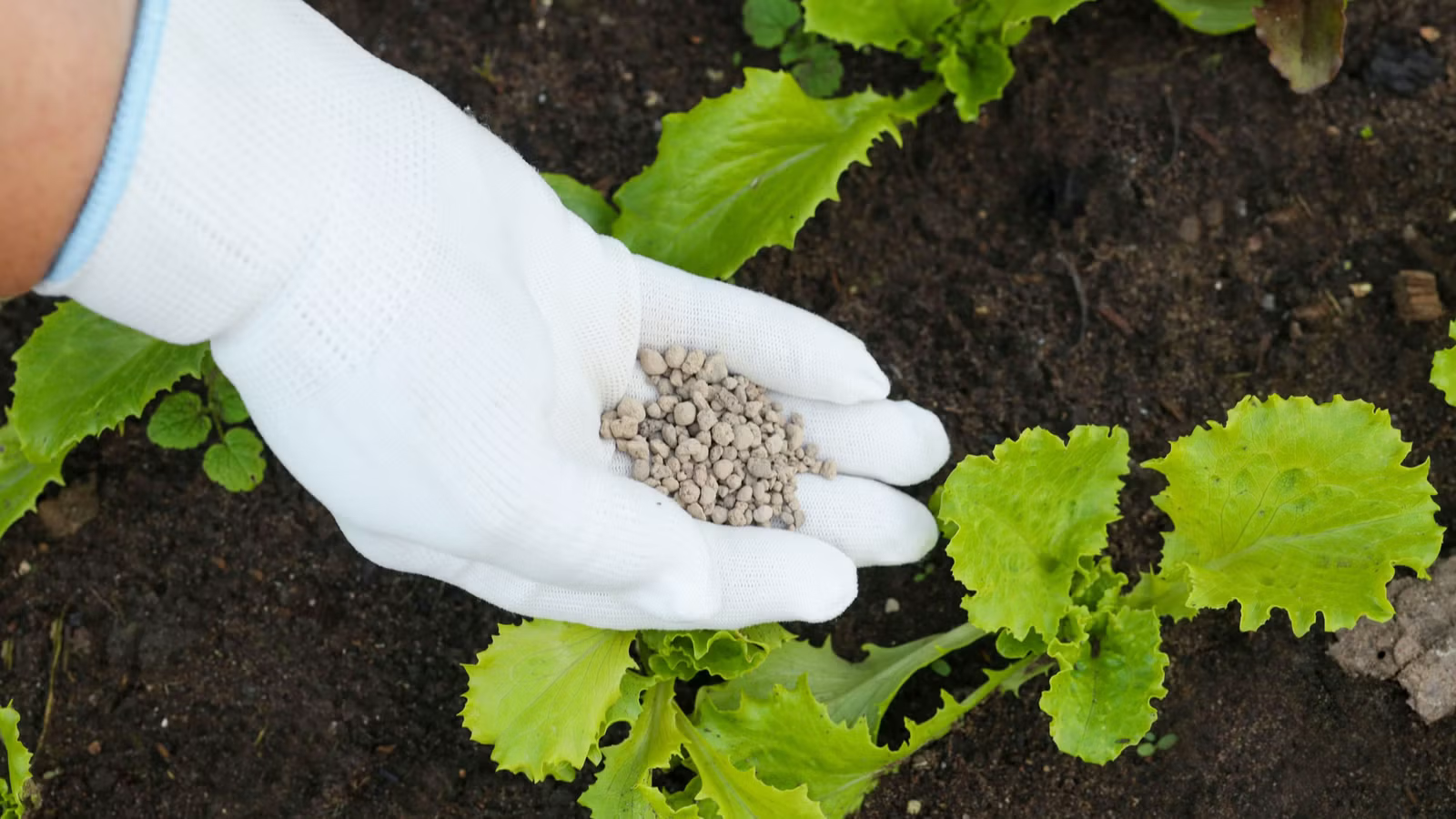
For garden beds, apply granular fertilizer by scattering it around the base of plants about four to six inches from the stem. Do not let fertilizer touch plant tissue directly or it can burn leaves. Water thoroughly after application to dissolve the fertilizer and carry nutrients down into the root zone. This soil incorporation ensures the roots access the nutrition.
Water-soluble fertilizers dissolve in water and apply through irrigation or watering can. Mix according to package directions. Apply every two weeks during the growing season. This frequent application keeps nutrients available as the plant grows rapidly. Water-soluble options work particularly well for container lettuce where frequent checking is easy.
Slow-release fertilizers need only one or two applications. Apply at planting and optionally again four to six weeks later if growth is slow. The granules continue releasing nutrients through the season. This method requires less attention than water-soluble options.
Foliar spraying applies dilute fertilizer solution directly to the leaves. Some nutrients are absorbed through the leaf surfaces. This is a supplementary application that helps during periods of rapid growth or when deficiency symptoms are observed. Calcium-containing foliar sprays help prevent tip burn during hot weather. Magnesium solutions applied as foliar spray help with chlorosis.Calcium- and magnesium-containing fertilizers work best and fastest by foliar application because they bypass soil barriers.
For containers, container-mix soils often lack nutrients. Apply fertilizer starting three weeks after transplanting. Use water-soluble options every two weeks or apply slow-release fertilizer at planting. Container lettuce typically needs more fertilizer attention than garden bed lettuce because repeated watering leaches nutrients quickly.
Avoid overfertilization. Excess nitrogen creates weak, watery leaves susceptible to disease. Excess nutrients in general can increase nitrate accumulation, making lettuce less healthy. Follow package directions carefully. When in doubt, apply less rather than more. You can always add nutrients but fixing excess requires flushing soil which disrupts plants.
Organic vs. Synthetic Fertilizers
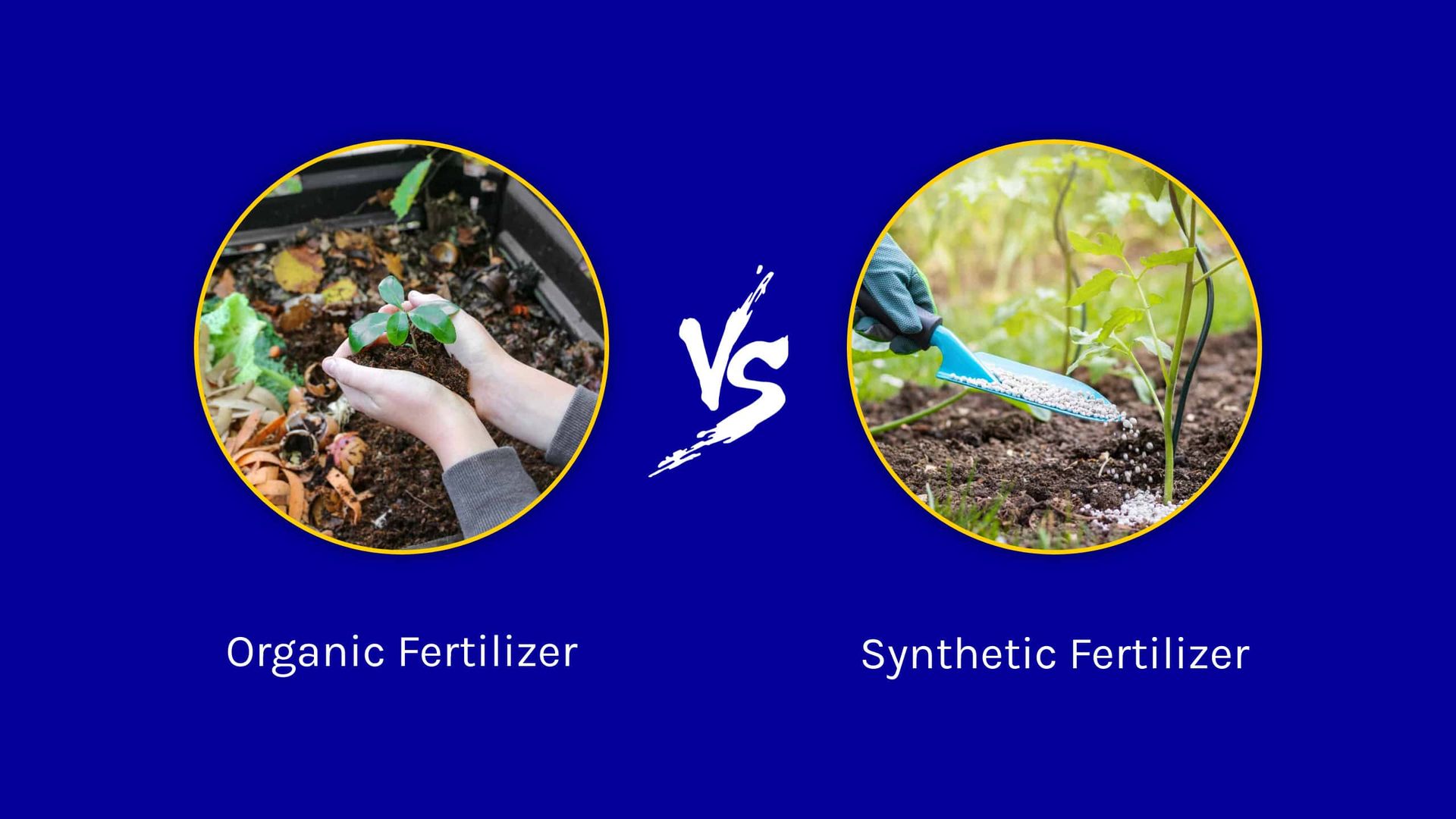
Synthetic or chemical fertilizers deliver nutrients in immediately available form. Plants can use the nutrients right away. This speed makes synthetic options excellent for correcting deficiency symptoms quickly. The precision of commercial formulations ensures consistency. You know exactly what ratio you are applying. For beginners, this predictability is valuable.
Organic fertilizers require soil microbes to break down organic matter into plant available nutrients. This process takes time but builds soil health simultaneously. The slow release matches plant growth rate better than sudden synthetic applications. Organic matter improves soil structure, increases water-holding capacity, and supports beneficial microbes. Over time, organically managed soils become richer and more productive.
Many gardeners find that combining both approaches works best. Organic matter from compost provides the foundation. Slow nutrients from decomposing materials feed plants steadily. Supplemental applications of water-soluble synthetic fertilizer provide immediate nutrition during peak growing periods. This hybrid approach supplies nutrition when needed while building long-term soil health.
Compost is nature's complete fertilizer. Adding one to two pounds of compost per four to five square feet at planting provides broad-spectrum nutrients plus beneficial microbes. During the season, compost continues releasing nutrients as it decomposes. For container lettuce, mix finished compost into potting mix at a rate of twenty to thirty percent by volume. This amendment provides nutrition while improving water retention.
Research comparing compost and chemical fertilizers found interesting differences. Lettuce grown with compost contained less nitrate than chemically fertilized lettuce. The slow-release nature of compost prevents the excessive nitrate accumulation that happens with high chemical nitrogen applications. This makes compost-grown lettuce potentially healthier from a nutritional perspective.
How Plantlyze Helps You Get Fertilization Right
Identifying nutrient deficiencies before damage occurs is challenging for most gardeners. By the time symptoms become visible, significant damage has already happened. Plantlyze uses AI-powered image recognition to analyze your lettuce plants and detect early nutrition problems.
Upload a photo of your lettuce plant and Plantlyze identifies if nutrient stress is beginning. The tool recognizes subtle color shifts, leaf distortion, and growth patterns that signal deficiency. This early detection lets you correct problems before leaves become unmarketable. Plantlyze also provides specific recommendations for which nutrients to apply based on the symptoms detected.
The AI tracks your plant's progress over weeks. You can upload new photos periodically and monitor whether your nutrient management is working. This real-time feedback builds your understanding of how lettuce responds to different feeding schedules. Over a season, you develop intuition about optimal fertilization timing for your specific growing conditions.
Plantlyze stores photos in a timeline so you can review how your practices affected plant development. You see the exact moment nutritional problems began and how quickly recovery happened after treatment. This visual data accelerates your learning curve significantly. Visit plantlyze.com to start monitoring your lettuce nutrition with AI-powered precision.
Conclusion
Proper fertilization transforms lettuce from struggling to thriving. Start by understanding that lettuce demands nitrogen primarily but also needs phosphorus, potassium, calcium, magnesium, and micronutrients in appropriate amounts. Choose a balanced fertilizer with an NPK ratio around 8-15-36 or 12-4-8. Apply fertilizer beginning three weeks after planting and continue every two weeks during the growing season. Begin with water-soluble fertilizers that let you adjust nutrient supply frequently based on plant appearance.
Learn to recognize nutrient deficiency symptoms so you can correct problems quickly. Nitrogen deficiency shows as yellowing outer leaves. Potassium deficiency appears as brown leaf edges. Calcium deficiency appears as tipburn of the inner leaves. Phosphorus deficiency makes the plant generally stunted. The earlier it is recognized, the earlier it can be corrected.
Combine organic with synthetic. Apply compost at planting for base nutrition and soil enhancement. Apply supplemental water-soluble fertilizer through the season for consistent nutrition. This hybrid method builds soil health long term while supporting excellent lettuce production.
Implement these fertilization practices today and watch your lettuce transform. Leaves will emerge vibrant green, crisp, and full-bodied. Harvests will become abundant and reliable. The investment in proper nutrition pays dividends in both quantity and quality of lettuce. Your salads will taste noticeably better when grown with attention to complete nutrition. That's the real reward of mastering lettuce fertilization.
References
Yara US - Crop Nutrition Strategy for Maximizing Lettuce Plant Health
https://www.yara.us/crop-nutrition/lettuce/crop-nutrition-strategy-for-maximizing-lettuce-plant-health/University of California IPM - Vegetables: Cultural Tips for Growing Lettuce
https://ipm.ucanr.edu/home-and-landscape/lettuce/cultural-tips/index.htmle-GRO - Dialing in Lettuce Fertility (PDF)
https://e-gro.org/ebooks/DIALING%20IN%20LETTUCE%20FERTILITY%20A%20GROWERS%20NUTRIENT%20MANAGEMENT%20AND%20DIAGNOSTIC%20GUIDE.pdfTeagasc - Nutrient Deficiencies: Greenhouse Salad Crops
https://teagasc.ie/crops/horticulture/vegetables/nutrient-deficiencies-greenhouse-salad-crops/CDFA - CA Fertilization Guidelines for Lettuce
https://www.cdfa.ca.gov/is/ffldrs/frep/FertilizationGuidelines/Lettuce.htmlUniversity of Maryland - Plant, Fertilize, Water a Salad Table
https://extension.umd.edu/resource/plant-fertilize-water-salad-tabletm-or-salad-boxtmUniversity of Florida IFAS - Fertilizer Management for Greenhouse Vegetables
https://edis.ifas.ufl.edu/publication/CV265PMC/NIH - Growth and Marketable Yield of Lettuce Study
https://pmc.ncbi.nlm.nih.gov/articles/PMC10758858/