
Blog
Plant Care Insights & Tips
Explore expert tips, plant care guides, and AI-powered insights to help you grow thriving, healthy plants.
February 8, 2026
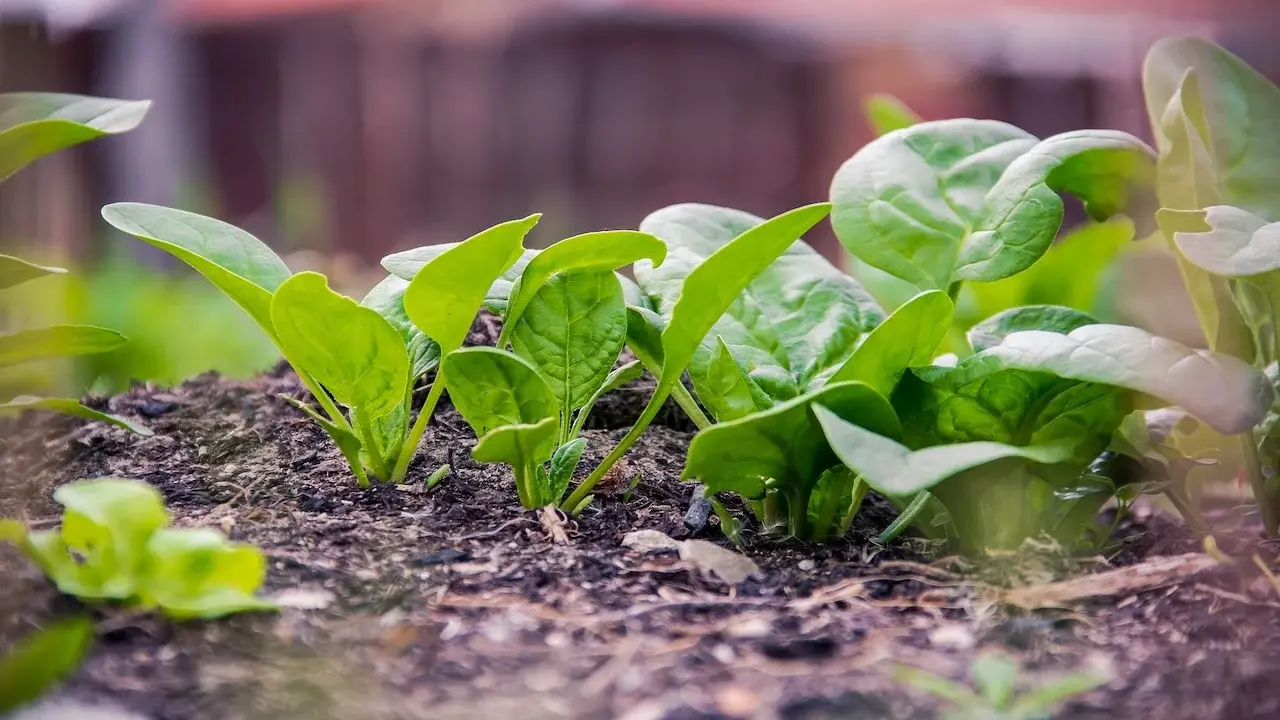
Spinach Harvesting: When, How and How Often
Spinach harvesting is most rewarding when you pick at the right time and use gentle techniques. Harvest outer leaves every few days, or cut about 2–3 inches above the soil, leaving the plant intact. This keeps your spinach producing tender, flavorful leaves for weeks and supports a continuous homegrown supply.
February 8, 2026
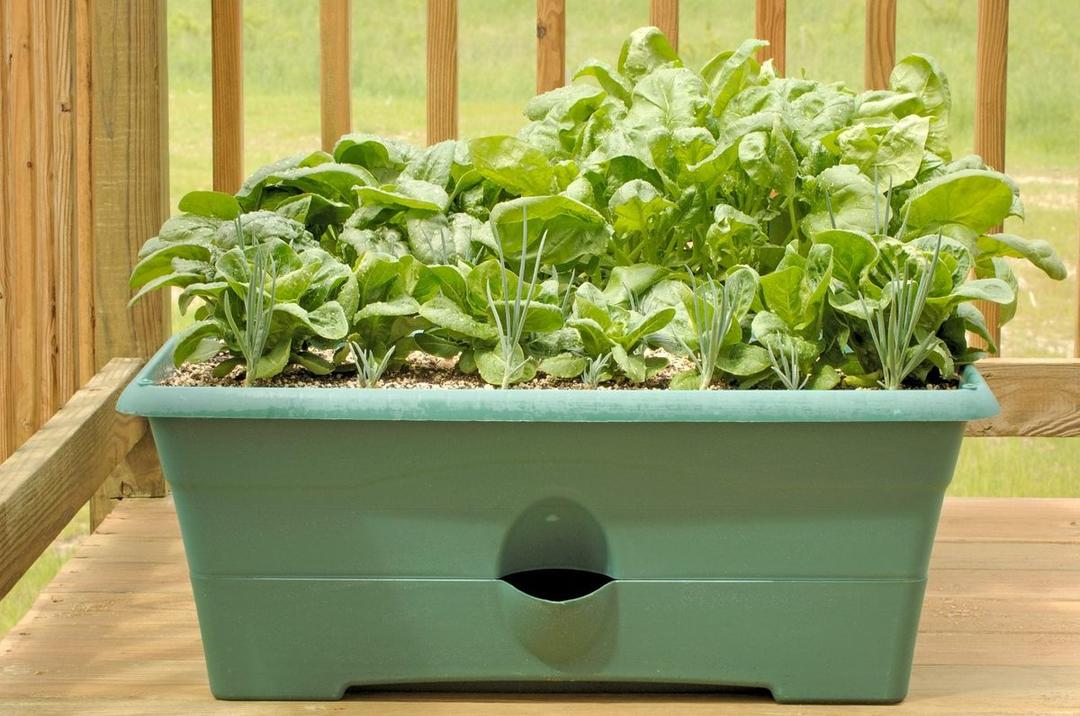
Spinach Container Growing: A Simple Guide
Spinach container growing lets you enjoy fresh, homegrown greens even in small spaces. With the right pot, soil, and light, you can harvest tender leaves from your balcony or windowsill in just weeks, making it one of the easiest and most rewarding indoor or outdoor edible plants to grow.

February 7, 2026
Identifying White Spots on My Spinach Leaves and Fixing Them
White spots on spinach leaves are often caused by fungal diseases like white rust or pests such as leaf miners. Cool, wet weather and poor airflow favor these issues. Quick diagnosis and adjusting watering and spacing can save your crop. Tools like Plantlyze help identify problems from a simple photo.
February 7, 2026
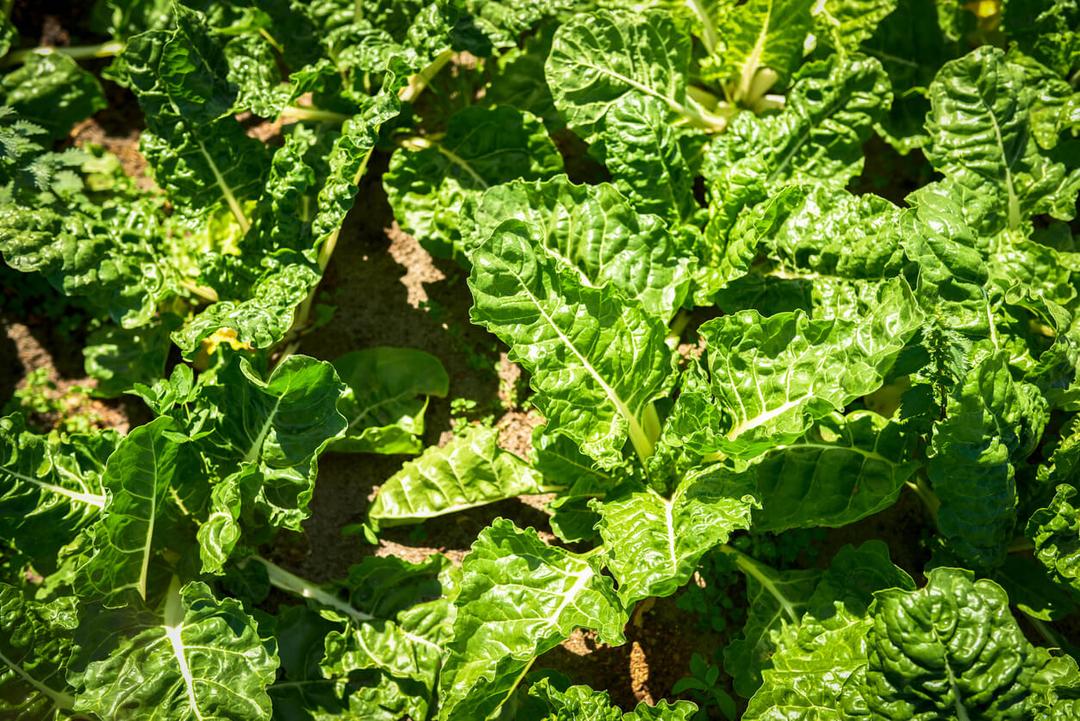
Spinach Sunlight: How Much Light Spinach Needs to Thrive
Spinach grows best with 6–8 hours of direct sunlight in cool weather but still performs in partial shade. Too little light slows growth and pale leaves, while too much hot sun can cause wilting and early bolting. Adjust light with shade, companions, or containers to keep spinach healthy and productive.
February 7, 2026
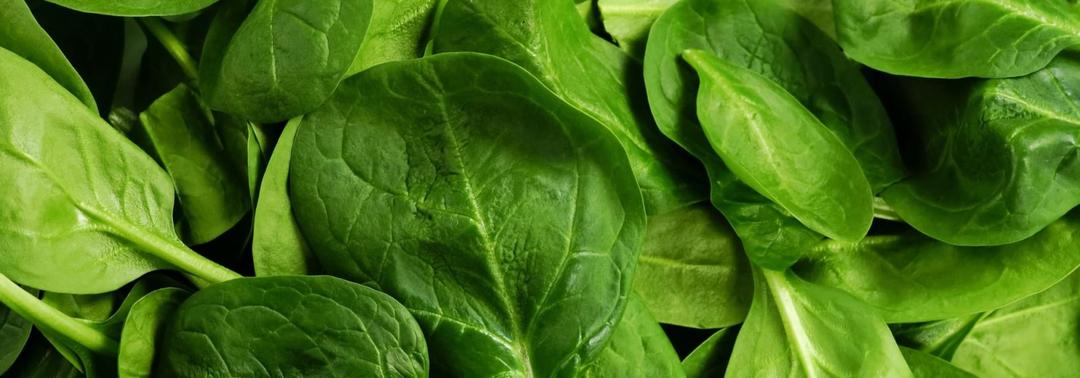
Spinach Not Growing: Why Your Spinach Stalls
Spinach not growing is usually linked to temperature, soil, or water issues. Cool‑season plants can stall in hot soil, poor drainage, or incorrect watering. Check germination, light, spacing, and bolt‑resistant varieties, and use Plantlyze to help diagnose why your spinach is not growing and what to change.
February 7, 2026
Spinach Downy Mildew: How to Spot It and Save Your Crop
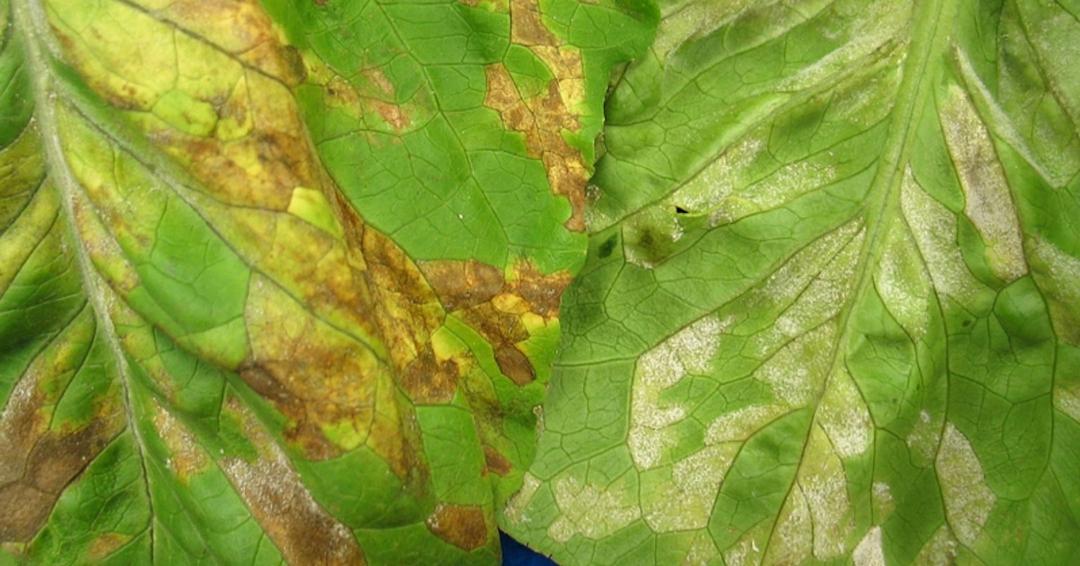
Spinach downy mildew appears as yellow angular spots on the upper leaf surface with a gray‑purple fuzzy growth underneath. It thrives in cool, wet conditions and can spread quickly. Early detection, resistant varieties, and good airflow can help protect your crop and keep your spinach harvest healthy.
February 7, 2026
Spinach Aphids: Spot Them and Keep Your Crop Aphid Free
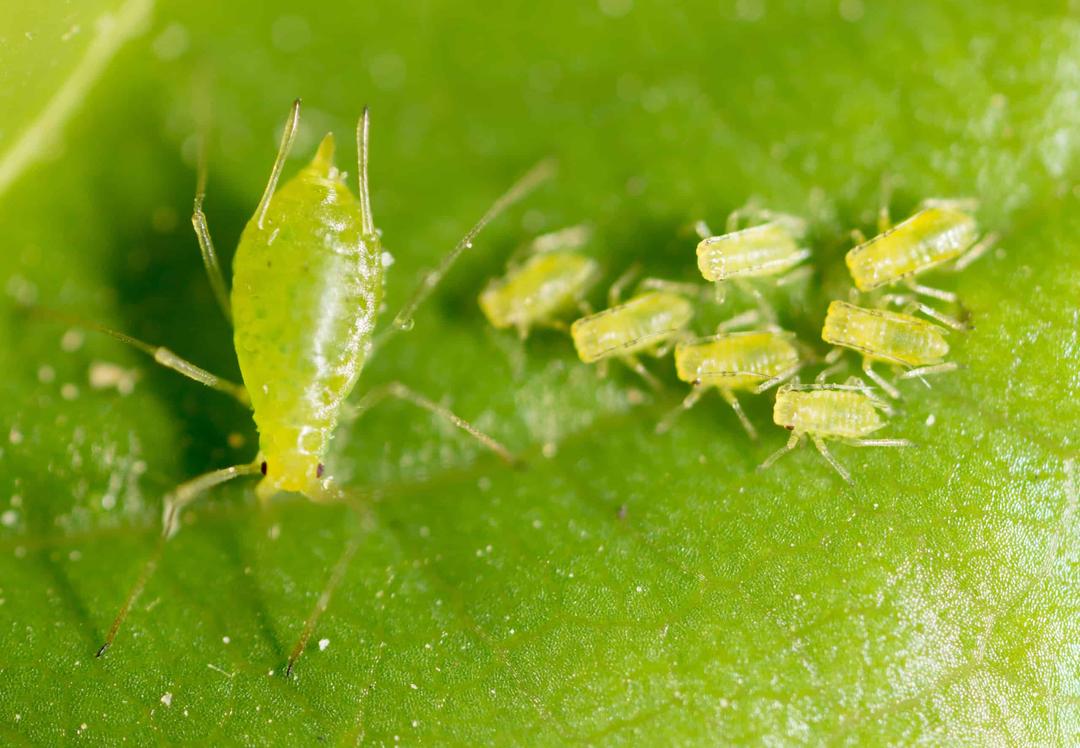
Spinach aphids are tiny green insects that cluster on the undersides of leaves, sucking sap and causing curling, yellowing, and stunted growth. They reproduce quickly and can contaminate harvests, but early detection and simple washing or organic sprays can keep your spinach crop healthy and aphid free.
February 7, 2026
Spinach Leaf Spot: Symptoms, Causes, and Recovery Steps
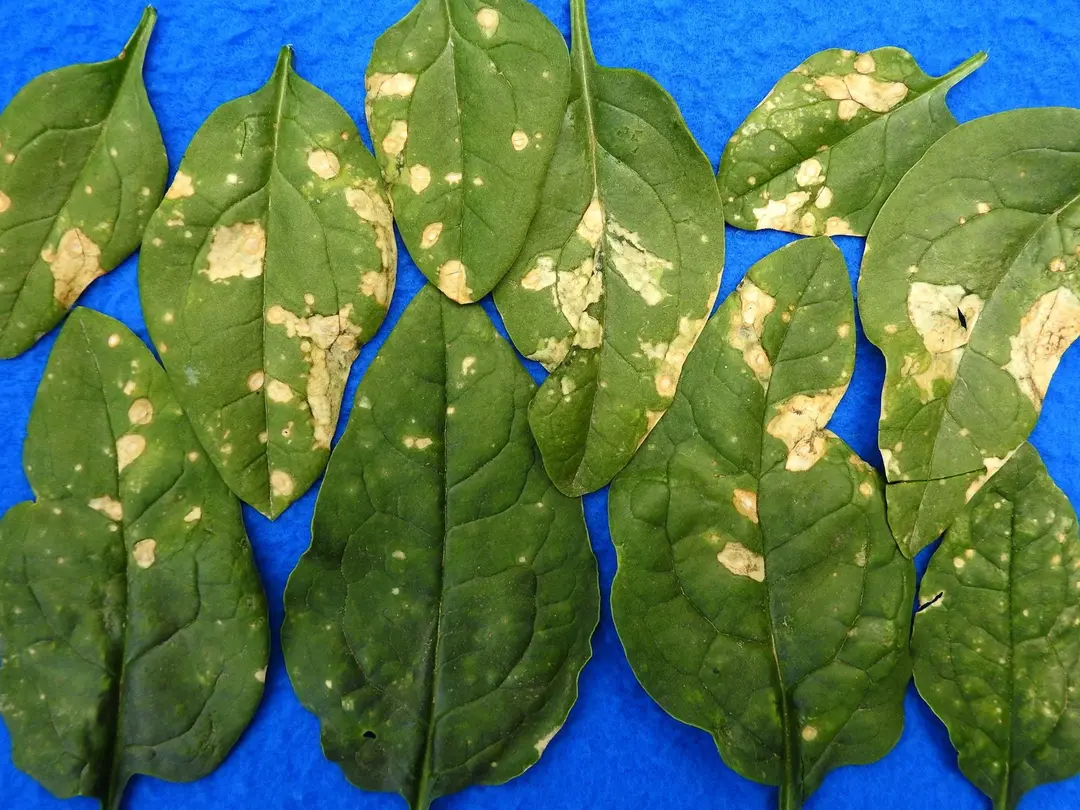
Spinach leaf spot often appears as small brown or tan spots on older leaves that may darken and merge into larger patches. Cool, wet weather and crowded plants favor this fungal disease. Early detection and simple care steps can keep your spinach healthy and productive.
February 7, 2026
Spinach Diseases: Common Spinach Leaf Problems
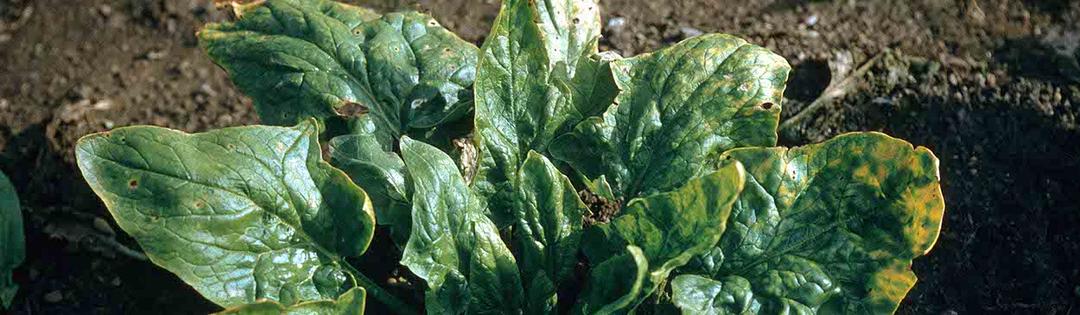
Spinach diseases such as downy mildew, white rust, and leaf spots can quickly ruin your crop if not caught early. By learning the main symptoms and using AI tools like Plantlyze, you can spot problems sooner, protect your plants, and keep your harvest healthy and productive.
Showing 28 - 36 of 237 articles