You planted fresh spinach, watched it grow, and then noticed clusters of tiny green bugs on the undersides of the leaves. Are they harmless, or a sign of a serious problem? The most likely answer is spinach aphids, especially the green peach aphid (Myzus persicae), which is one of the most economically important pests on spinach. The good news is that most aphid infestations can be managed with simple, timely steps. In this guide, we will walk through how to recognize spinach aphids, why they matter, and how to prevent and control them—and how tools like Plantlyze, an AI‑powered plant care assistant, can help you diagnose and respond faster.
What Are Spinach Aphids?
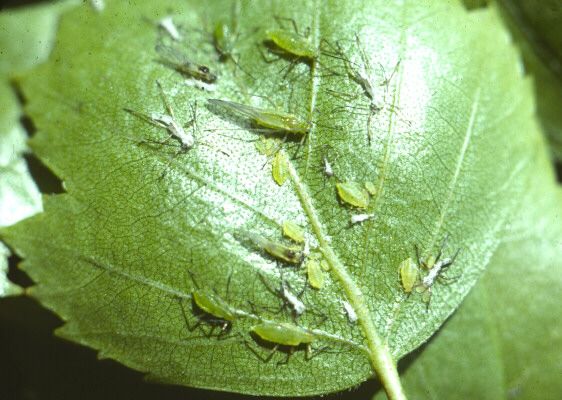
Spinach aphids are small, soft‑bodied insects that feed by sucking sap from spinach leaves, stems, and young shoots. The green peach aphid (Myzus persicae) is the most common and damaging aphid species on spinach, although potato aphid (Macrosiphum euphorbiae) and others can also appear.
Aphids reproduce quickly. Under favorable conditions, females give birth to live nymphs, and populations can explode in just a few days. Winged forms can fly into your garden from weeds, nearby crops, or overwintering host plants, making spinach a frequent target.
If you are unsure whether the tiny insects on your spinach are aphids, you can upload a close‑up photo to Plantlyze and receive AI‑supported identification help within minutes.
How to Recognize Aphid Damage on Spinach
Aphid damage is often easy to spot once you know what to look for.
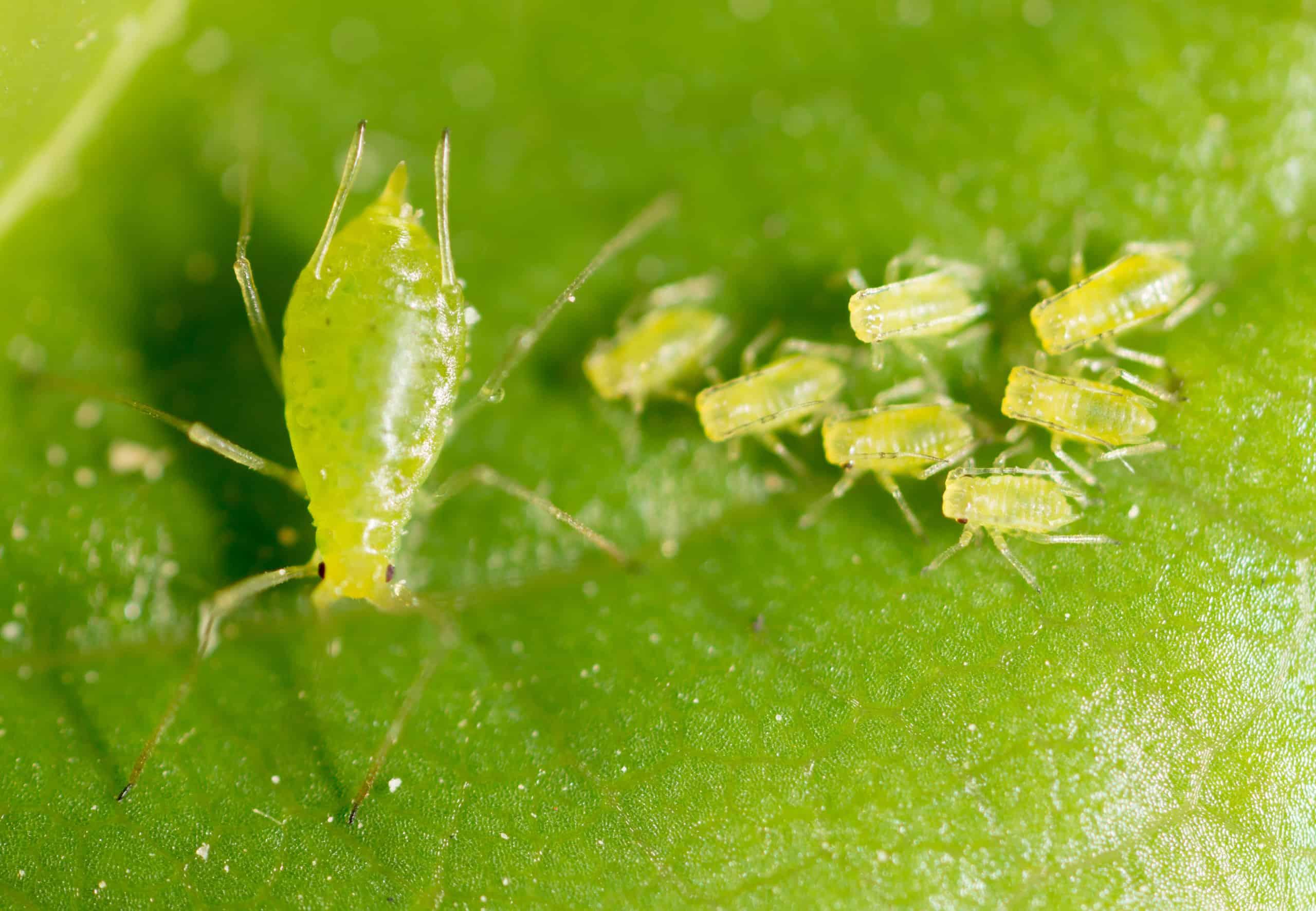
Look for small, pear‑shaped insects clustered on the undersides of leaves, stems, and new growth.
Aphids can be green, yellow, or pale, and sometimes darker on the underside of the plant.
Leaves may curl, yellow, or become distorted where aphids feed heavily.
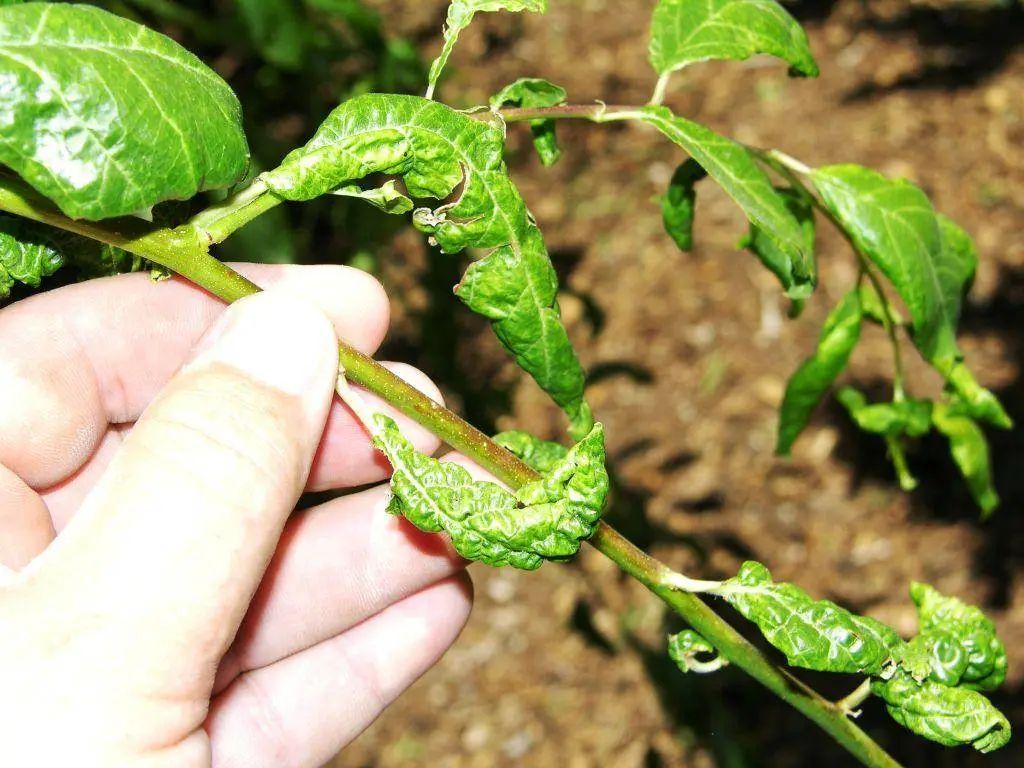
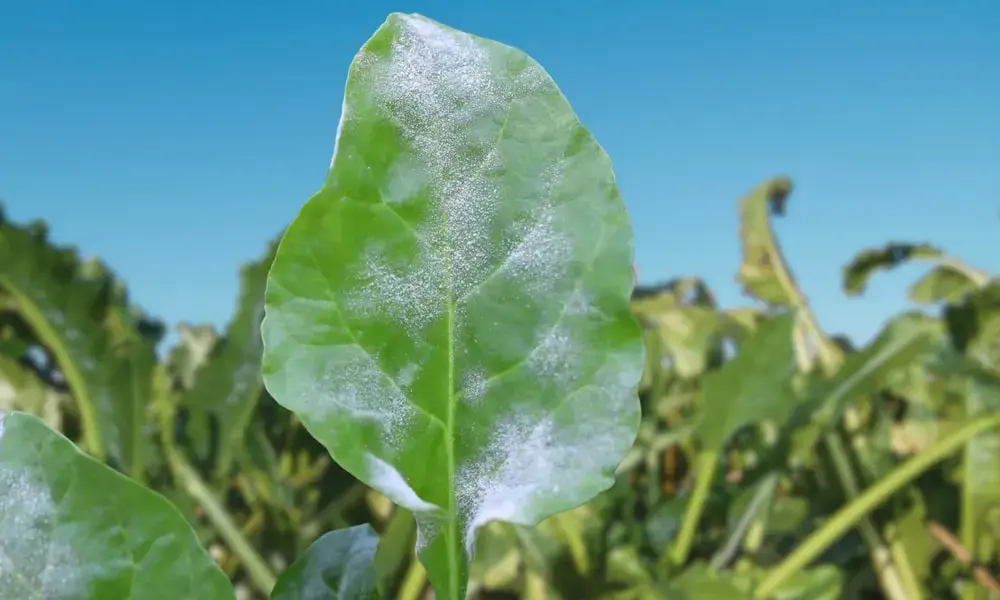
This image illustrates the common signs of aphid damage on spinach leaves, including curled edges and discoloration. Recognizing these symptoms early can help protect your crop and ensure a healthy harvest. Young spinach plants can become stunted or wilted under heavy feeding pressure.
You may also notice sticky, shiny patches on leaves caused by honeydew, a sugary substance aphids excrete. This honeydew can encourage sooty mold to grow and may attract ants walking up the plants.
If the insects on your spinach are hard to see clearly, a macro photo uploaded to Plantlyze can help confirm whether you are dealing with aphids, and how dense the infestation is.
Why Spinach Aphids Are a Real Problem
Aphids on spinach are more than just a cosmetic issue.
Heavy infestations can stunt growth, reduce leaf quality, and lower yields, especially in young plants.
For home growers, the leaves can look unattractive and feel sticky, making harvesting and cooking unpleasant.
In commercial spinach production, aphid‑contaminated leaves can be rejected by buyers, since most markets tolerate very little insect presence.
Aphids can also act as virus vectors. The green peach aphid, for example, is known to transmit several plant viruses, including beet western yellows virus and cucumber mosaic virus, which can damage spinach and nearby crops.
If your spinach shows both aphids and unusual yellowing or stunting, uploading a photo to Plantlyze can help you distinguish bug‑related damage from possible virus symptoms.
Prevention: Cultural and Habitat Management
The best way to deal with spinach aphids is to make your garden less attractive to them in the first place.
Inspect and remove infested plants
Check transplants and new spinach plants for aphids before you plant them.
If you see heavy colonies, remove or discard those plants to avoid bringing aphids into your main bed.
Manage weeds and host plants
Many weeds in the mustard and goosefoot families host aphids and can build up nearby populations.
Keep weeds under control around spinach and remove volunteer spinach plants that may act as “green bridges” for aphids to survive between seasons.
Use physical barriers
Row covers placed over young spinach can block winged aphids before they land and start colonizing the plants.
For greenhouse or tunnel‑grown spinach, fine‑mesh insect‑screen material on vents can greatly reduce aphid invasions.
Balance fertilization and watering
Aphids often thrive on lush, nitrogen‑rich growth, so avoid over‑fertilizing your spinach.
Keep plants healthy and well‑watered, but not so soft and fast‑growing that they become irresistible to aphids.
If you are unsure whether your planting layout and fertilization habits are attracting aphids, Plantlyze can help you interpret leaf photos and suggest small adjustments to your care routine.
Organic and Non‑Chemical Control Methods
Many spinach growers prefer to start with organic or low‑impact methods before turning to stronger insecticides.
Water and manual removal
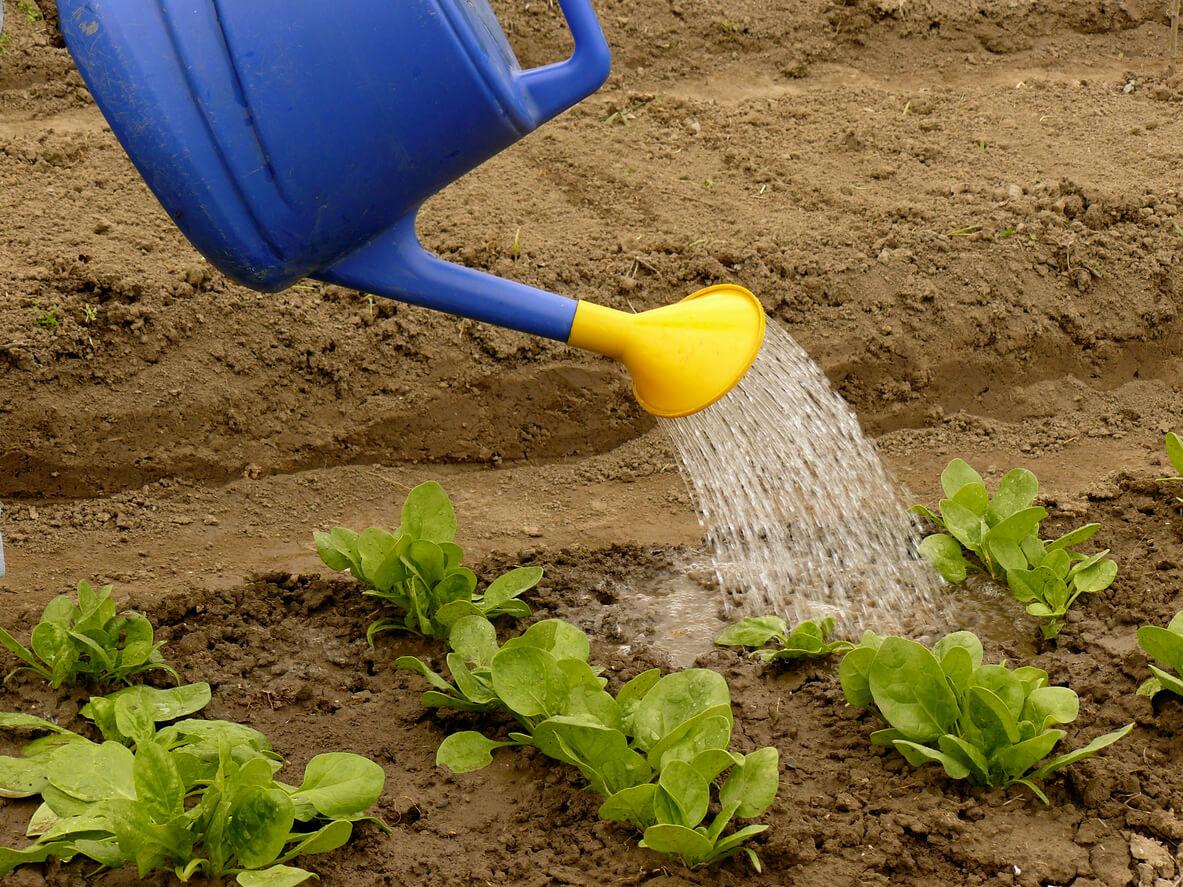
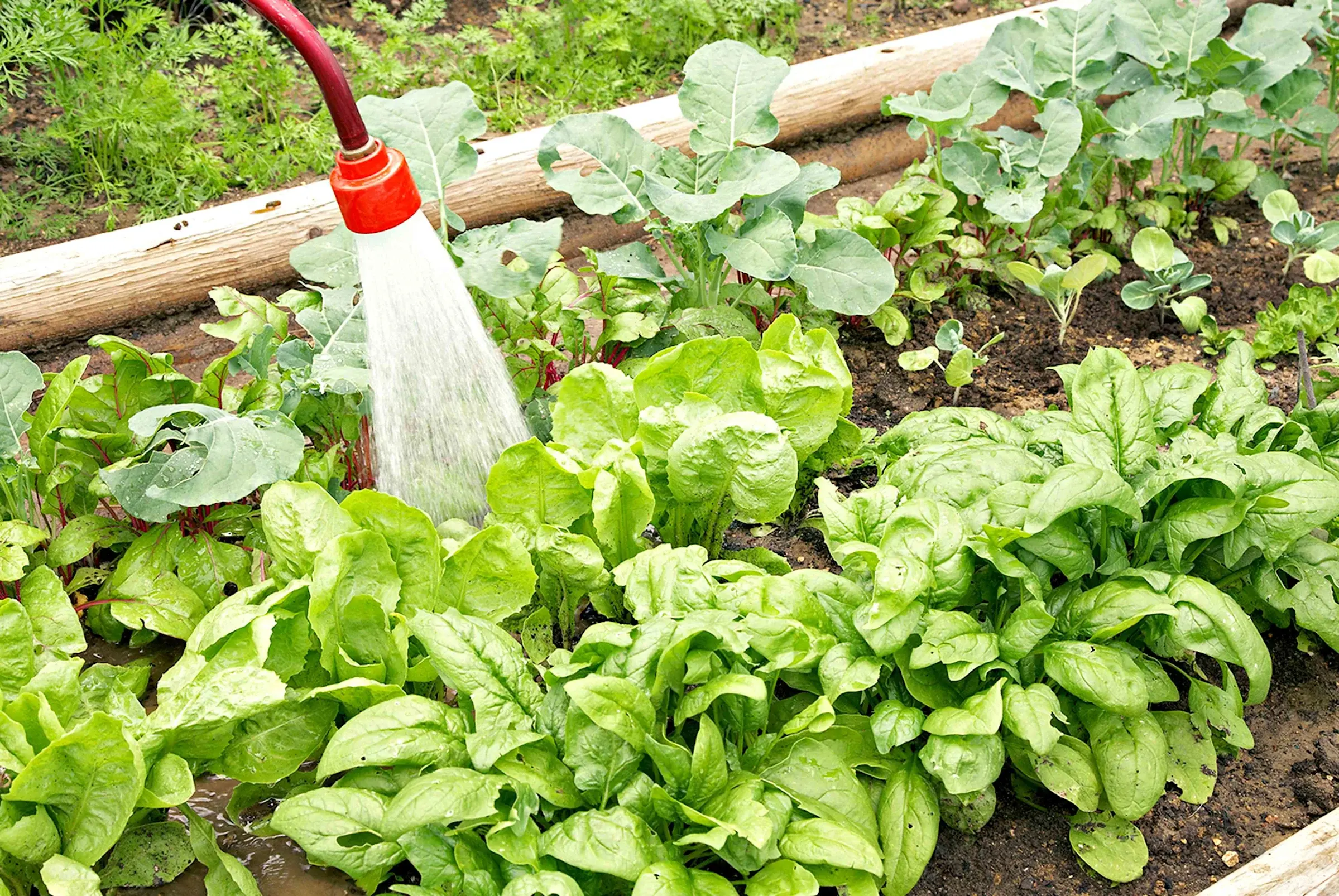
A strong jet of water from a hose can wash many aphids off leaves, especially in small gardens or on individual plants. This needs to be repeated as new aphids fly in, but it is a gentle, fast‑acting method that avoids chemicals.
Use traps and monitoring
Yellow sticky traps placed near spinach beds can help you monitor aphid flights and detect population increases early.
Regular visual inspection, especially of young terminals and leaf undersides, lets you catch outbreaks before they become severe.
Encourage natural enemies
Aphids have many natural enemies, including lady beetles, lacewings, and syrphid fly larvae, which feed on aphid colonies.
To support these beneficials, avoid broad‑spectrum insecticides and plant nectar‑rich companion plants such as dill, yarrow, or alyssum.
Apply organic sprays when needed
Insecticidal soaps can smother aphids when applied thoroughly to leaf undersides, especially in organic systems.
Neem‑based products and other OMRI‑listed insecticides can reduce aphid populations but often require repeat applications and good coverage.
If you prefer to avoid chemicals, Plantlyze can help you track whether non‑chemical methods are reducing aphid numbers over time by comparing photos taken a few days apart.
When and How to Use Chemical Controls
In commercial or high‑risk settings, insecticides are often necessary to prevent serious economic loss.
Modern aphid products include systemic or translaminar insecticides that move through the plant and provide longer protection while being softer on beneficial insects. Examples include compounds such as sulfoxaflor, flupyradifurone, pyrifluquinazon, afidopyropen, spirotetramat, and flonicamid, which are commonly used in fresh‑market spinach systems.
Key points:
Thorough coverage of the leaf undersides is essential, especially in dense baby‑leaf or high‑tunnel spinach.
Rotate insecticide groups to manage resistance, following IRAC and local extension guidelines.
Always follow label instructions for rates, pre‑harvest intervals, and safety.
If you feel overwhelmed by product choices, Plantlyze can help you interpret the severity of the infestation and decide whether to stay with organic methods or move to more targeted treatments.
How to Tell Aphids from Other Pests
Several other insects can look similar to aphids at first glance.
Mealybugs appear as fluffy, white, cottony spots, often on stems and leaf bases, rather than soft green clusters.
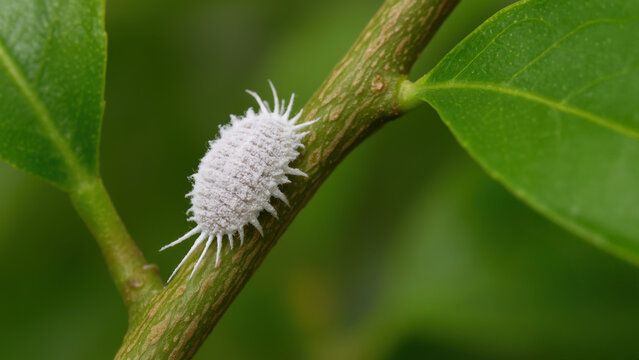
Mealybugs are small, sap-sucking pests that can wreak havoc on spinach plants. Identifying and managing these pests is crucial for maintaining healthy crops and ensuring a bountiful harvest. Spider mites are tiny specks that cause fine stippling and webbing, not clusters of green insects.
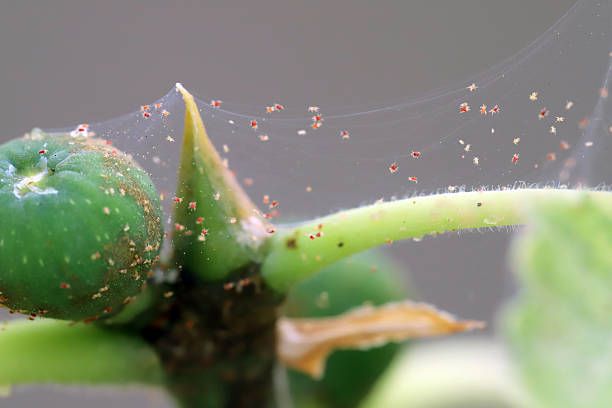
Spider mites are tiny pests that can cause significant damage to spinach plants. Learn how to identify and manage these harmful invaders to protect your garden's health. Cabbage aphids are often gray‑green and concentrate on brassica crops, not spinach, though they can occasionally appear nearby.
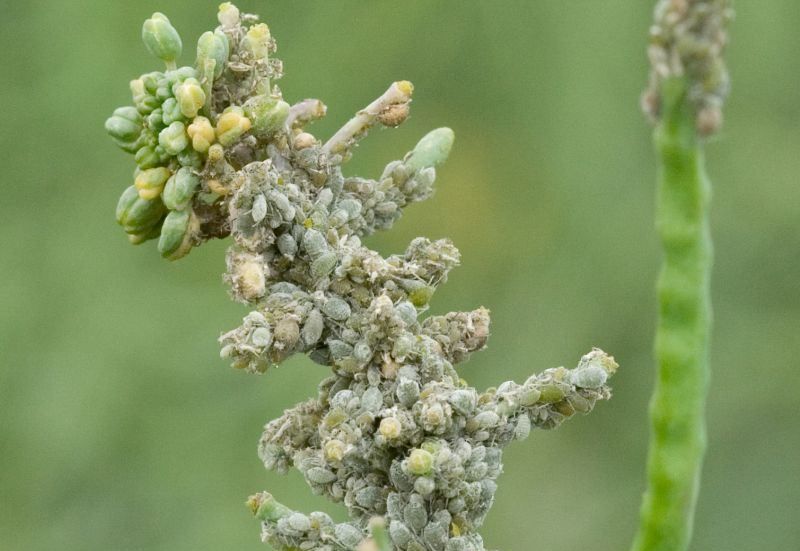
Cabbage aphids are small pests that can severely damage spinach plants. Identifying and managing these aphids early is crucial for maintaining healthy crops and ensuring a bountiful harvest.
If you are unsure, examine the pests with a magnifying glass or take a clear photo. Plantlyze can compare your image with known aphid and pest patterns to confirm whether the insects on your spinach are aphids.
Step‑by‑Step Action Plan for Aphid Infestations
Here is a simple, easy‑to‑follow plan you can use when you notice aphids on your spinach.
Inspect
Look for tiny green, yellow, or black insects on leaf undersides and new growth, especially where the leaves may be curling or yellowing.Confirm
Check the shape and grouping of the insects; crush a few if needed, or take a macro photo to confirm they are aphids before treating.Remove
Use a strong spray of water, a soft cloth, or a gentle stream from a hose to wash aphids off the leaves, especially in small gardens.Protect
Use row covers, manage weeds, and adjust fertilization to make spinach less attractive to aphids.Encourage
Support lady beetles, lacewings, and other beneficial insects by avoiding harsh chemicals and planting nectar‑rich flowers nearby.Treat
If needed, apply insecticidal soap, neem, or a registered insecticide, making sure to cover the undersides of leaves thoroughly.Monitor
Keep checking your spinach every few days, especially in spring and fall when aphids are most active, and watch for new colonies.
If you upload periodic photos of your spinach to Plantlyze, you can see whether aphid numbers are going down and whether your management plan is working.
Why Early Detection Really Matters
Aphids reproduce very quickly, so a few small colonies can become a major problem in days.
Early detection lets you wash or remove aphids before they spread over the whole bed.
Acting early means you can often avoid heavy insecticide use and still protect your harvest.
Visual inspection is essential, but it can miss hidden hot spots. Plantlyze can help you notice subtle changes in leaf color and insect clustering, giving you more time to choose gentle control methods before the problem escalates.
Plantlyze as Your Spinach Care Assistant
Plantlyze is an AI‑powered plant‑care platform that helps you identify pests and diseases from photos and supports faster, more informed decisions. By uploading a clear image of your spinach leaves, you can receive insights about the likely cause of the damage and guidance on the next steps, whether that means water sprays, organic treatments, cultural changes, or professional advice.
Plantlyze is especially useful for home gardeners and small growers who want quick answers without needing to be insect‑identification experts.
If you want to turn your smartphone into a plant‑care lab, visit Plantlyze.com, upload a photo of your spinach leaves, and follow the recommended steps for a healthier, aphid‑free crop.
References
Green Peach and Potato Aphids on Spinach – UC IPM
https://ipm.ucanr.edu/agriculture/spinach/green-peach-and-potato-aphids/Green Peach Aphid Biology and Management – UF IFAS Extension
https://edis.ifas.ufl.edu/publication/IN379Aphid Management in Spinach – VTechWorks (Virginia Tech)
https://vtechworks.lib.vt.edu/bitstreams/dd4e87ca-d453-47ee-977b-33a7f9585f78/downloadIPM for Control of Myzus persicae – IRAC International
https://irac-online.org/documents/ipm-for-control-of-myzus-persicae/Aphids on Vegetables – Utah State University Extension
https://extension.usu.edu/pests/research/aphid-pests-on-vegetables