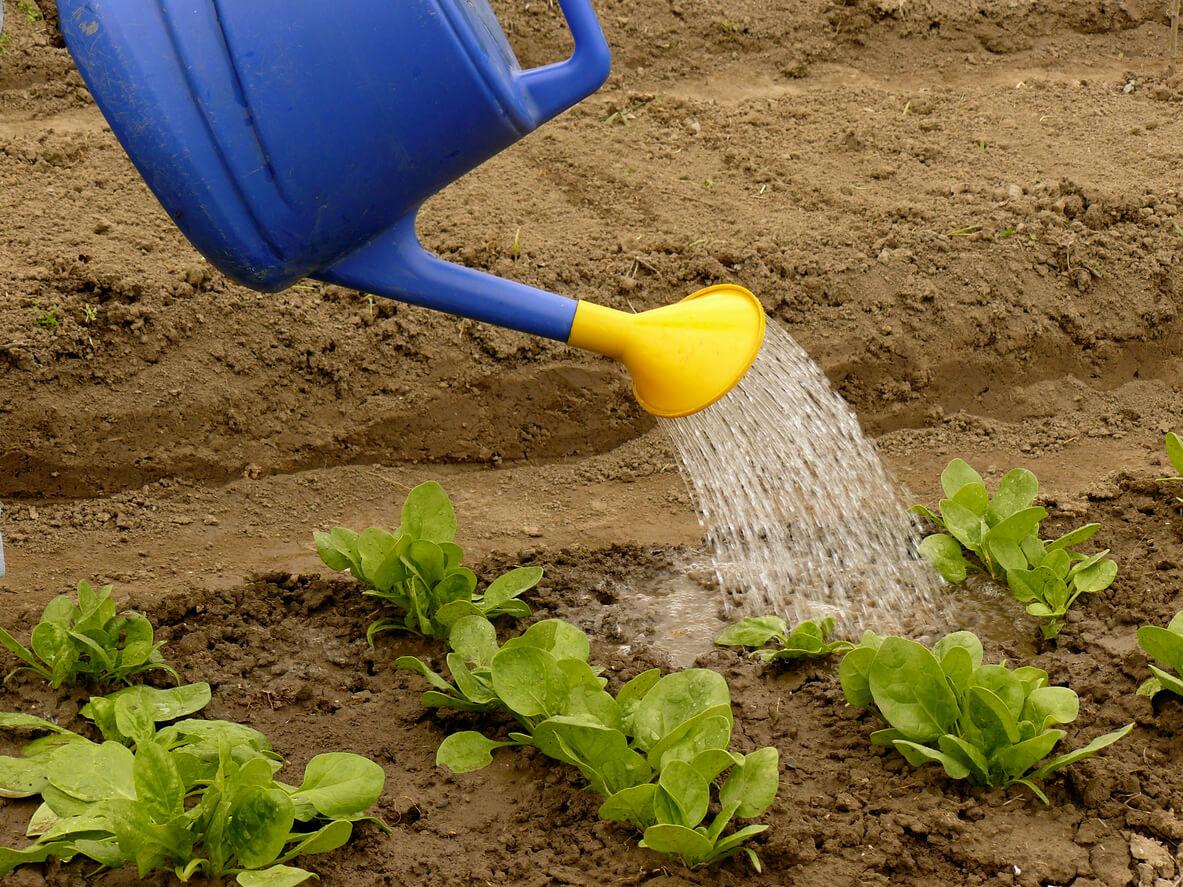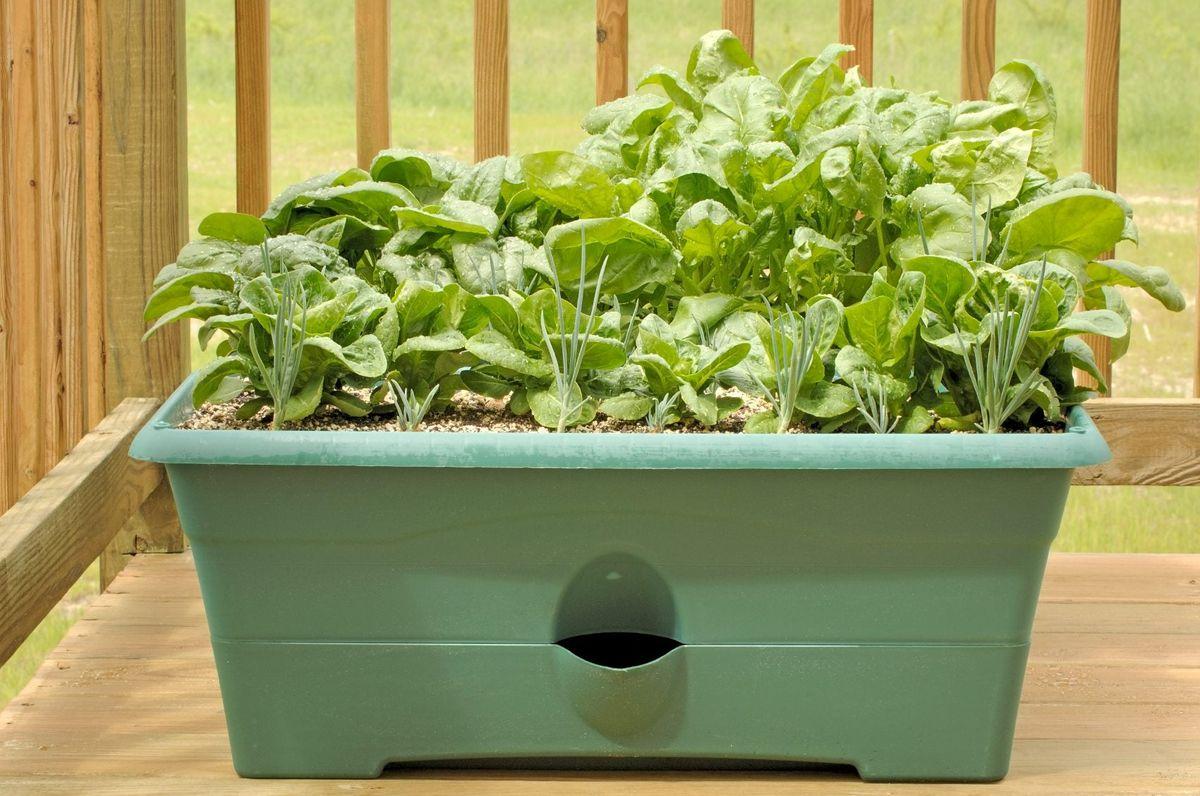
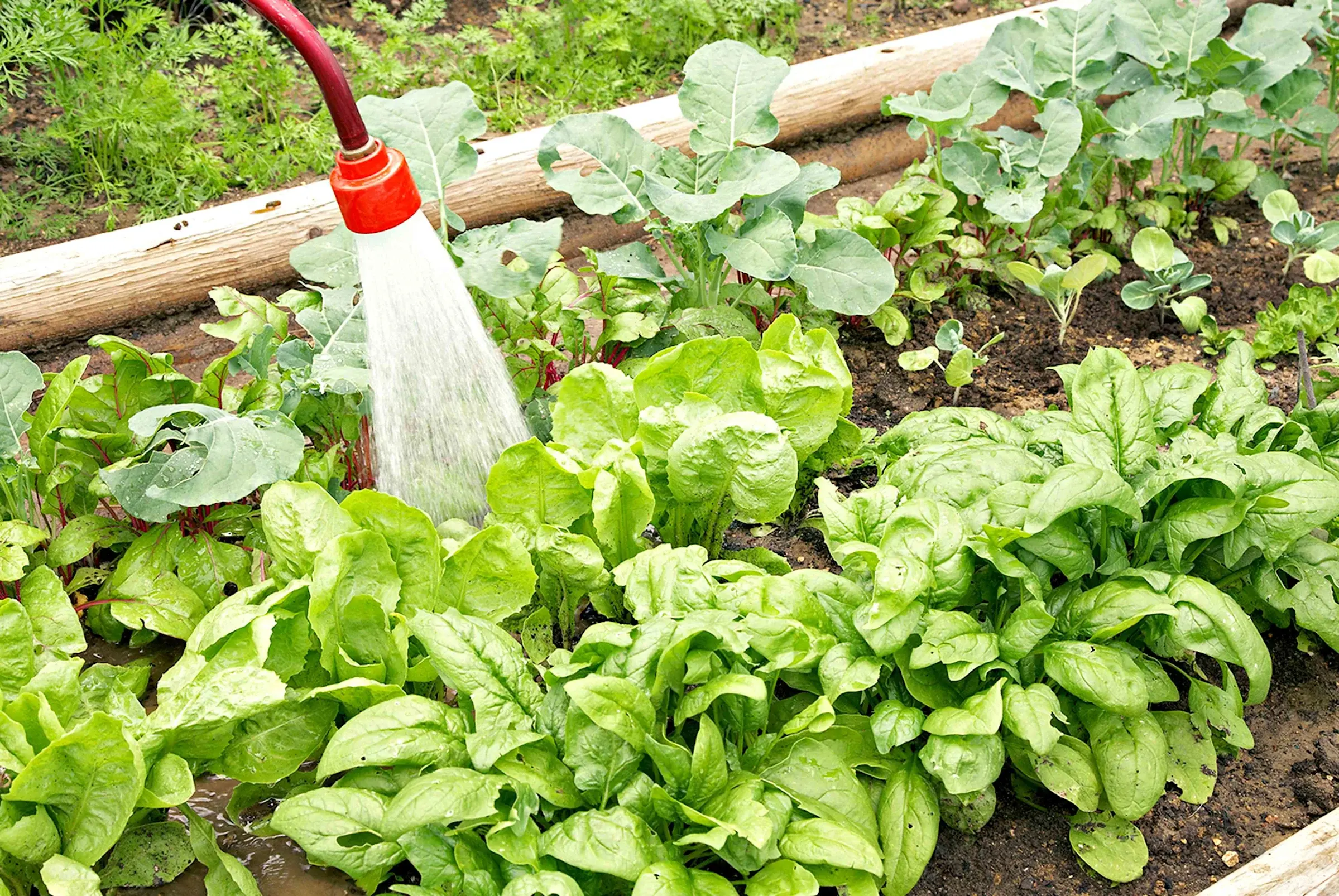
If you grow spinach in your garden, maybe you are planting it as a lonely single row somewhere at the edge of a vegetable bed. Spinach will not complain about that because it is an easygoing plant-but watch how much better and faster it grows when well‑matched companions share its bed! This article guides you through best spinach companion plants, ones to avoid, and how to plan a simple productive bed that fits your space. For AI help choosing right plant partners and spotting problems early visit plantlyze.com-for tailored garden guidance.
Why companion planting works for spinach
Companion planting means growing different plants together so each one helps the others. Companion planting is the practice of associating different crops so that one benefits the other. The good companions of spinach improve soil fertility, confuse its pests, and create a cooler microclimate for it as well as weed suppression. Spinach itself is shallow-rooted, fast-growing cool season green; therefore it responds very well to plants either enriching topsoil or shading ground without imposing much competition on their roots.
Herbs of strong scent such as dill, oregano, and thyme can cover spinach to aphids and leaf miners. Peas and beans which make the soil rich in nitrogen add another bonus because spinach loves nitrogen for its lush leafy growth. Taller plants, either lettuces or flowers,tall can shade the spinach from harsh afternoon sun in early spring when it is still very tender hence reducing stress. Low‑growing partners like carrots and radishes occupy different soil layers, so they rarely compete and make every square inch of your bed more productive.
If you are new to this, think of your spinach bed as a small community. Each plant has a role: some feed the soil, some protect from pests, some shade the ground, and spinach is the fast‑growing leafy star that you harvest often. With the right lineup, your harvest can be bigger and more reliable.
Best spinach companion plants
Here are some of the most useful and trustworthy spinach companions, written in simple, practical terms you can use right away.
Peas and beans
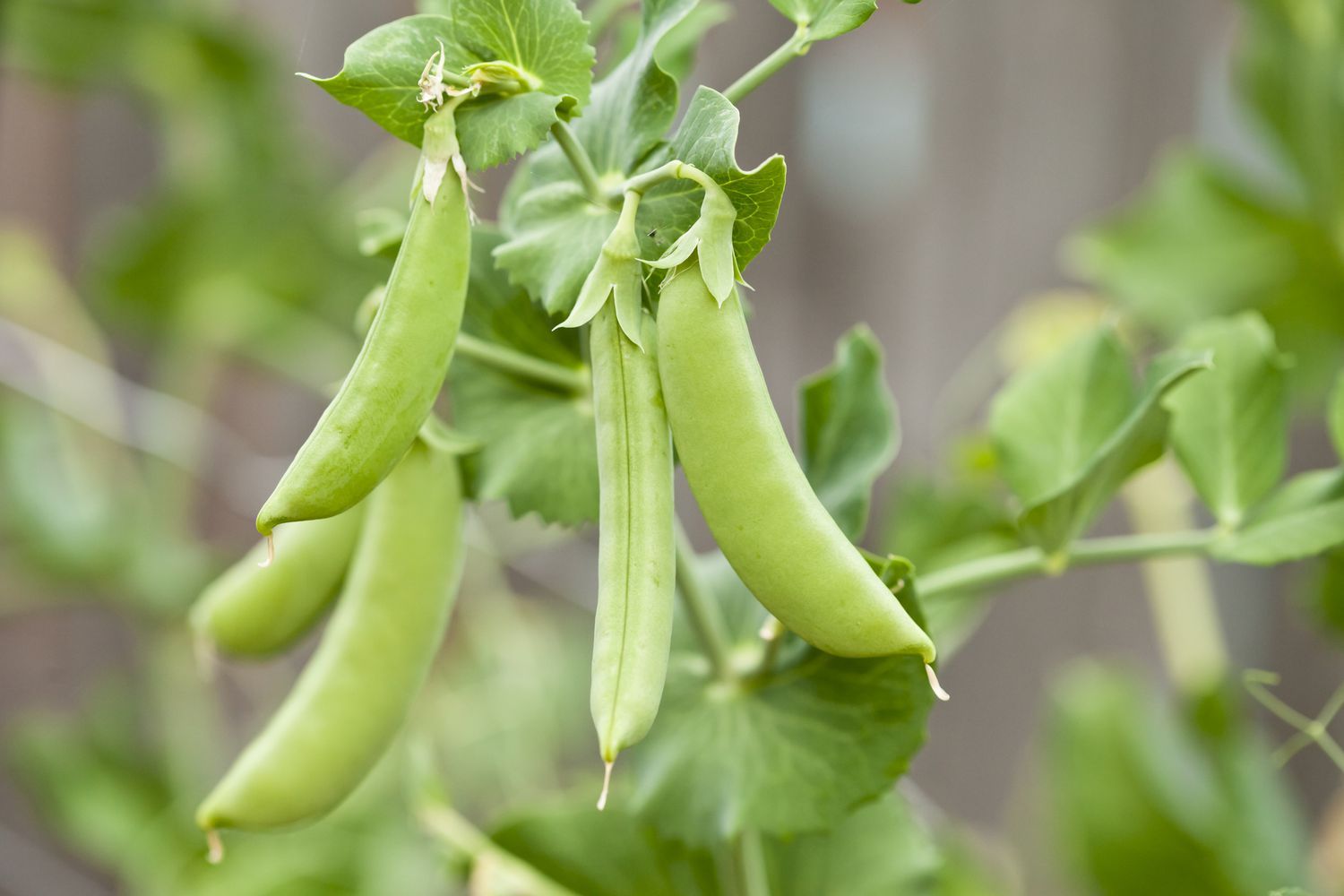
Peas and beans are excellent companions for spinach because they are nitrogen fixers. They pull nitrogen from the air and store it in their root nodules, which slowly feeds nearby plants. Spinach, which loves nitrogen‑rich soil, benefits from this extra feeding without needing extra fertilizer. Plant peas on a trellis at one end of the bed and spinach along the base, where it can enjoy cooler soil and slight shade. Beans can work the same way, but keep them spaced so they do not block all the light.
Lettuce and other salad greens
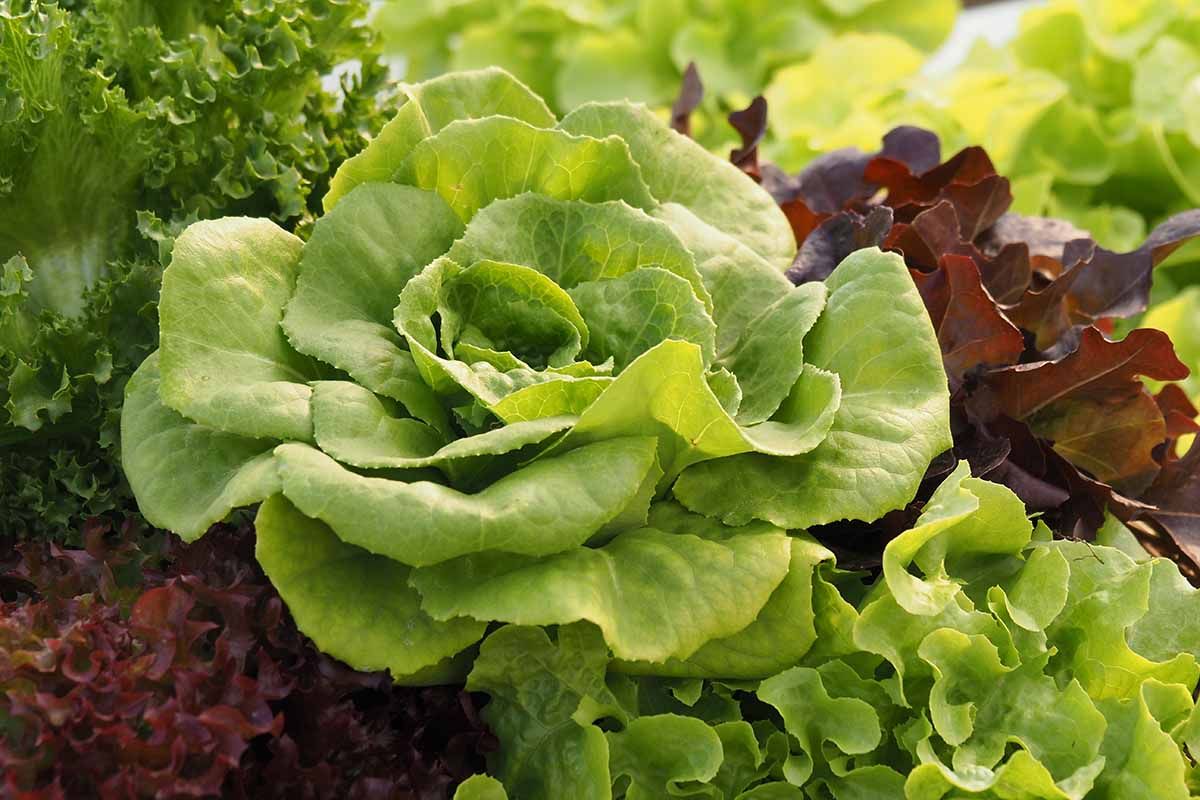
Lettuce, arugula, and similar leafy greens are natural bedmates for spinach. They share similar water needs and prefer cooler temperatures, so they grow well together in early spring. Lettuce can also act as a living mulch, shading the soil and keeping moisture in. This helps spinach roots stay cool and hydrated, especially as the sun gets stronger. Mix small patches of spinach and lettuce in the same row, or alternate them in blocks for a continuous salad‑harvest bed.
Carrots and radishes
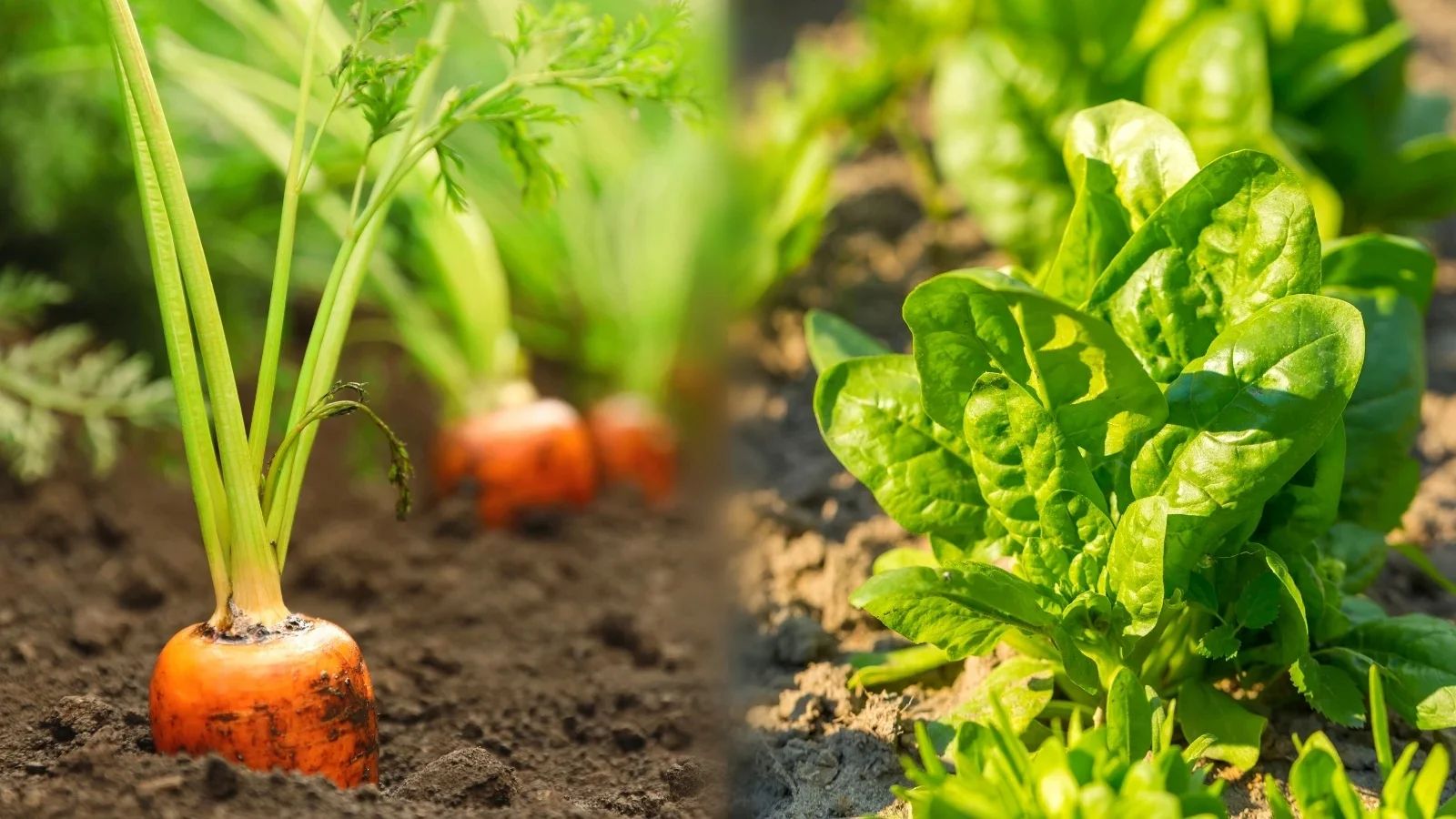
Carrots and radishes are excellent companions because they use different parts of the soil. Carrots grow deep taproots, while spinach stays shallow. This means they rarely compete for nutrients. Radishes grow very quickly, so you can harvest them early and leave space for spinach to fill in. Carrots can also help break up the soil, making it easier for spinach to spread its roots. Interplant them in alternating rows or use a checkerboard pattern for a mixed texture in your bed.
Brassicas such as kale, cabbage, and broccoli
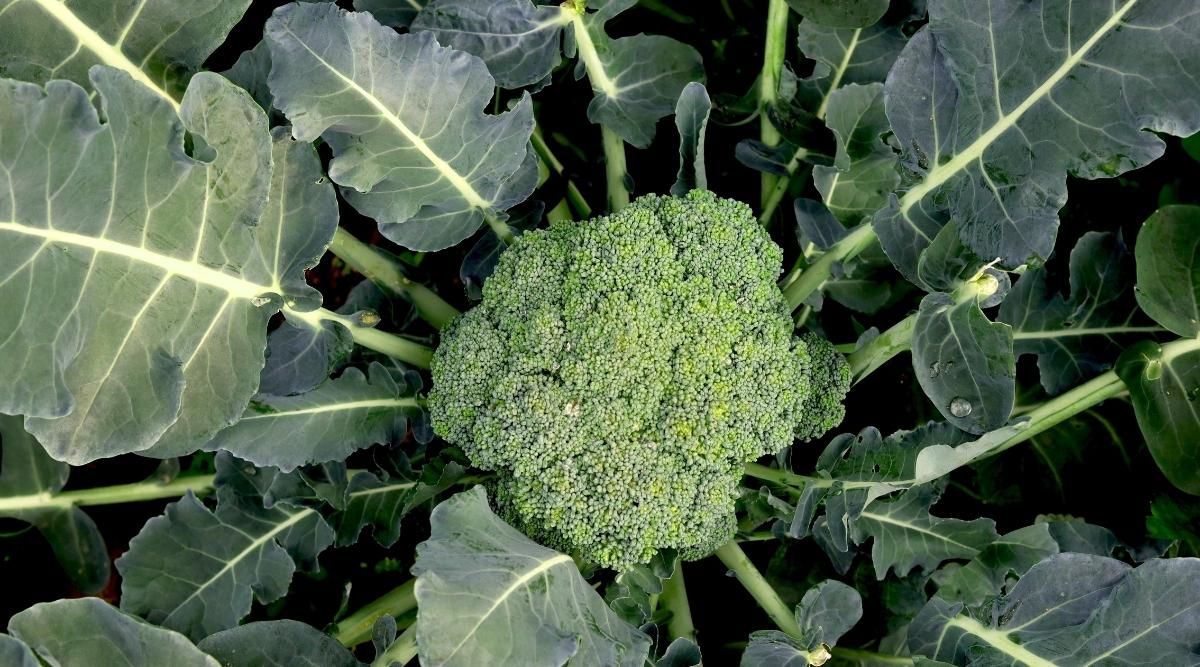
Brassicas like kale, cabbage, and broccoli can share space with spinach, mainly because they use different root zones. Spinach stays near the surface, while brassicas often have deeper roots. However, both can attract similar pests such as flea beetles, so watch the plants carefully and use row covers or sticky traps if needed. Brassicas also provide light shade that can protect spinach from hot afternoon sun, especially in milder climates.
Alliums such as onions, garlic, and chives
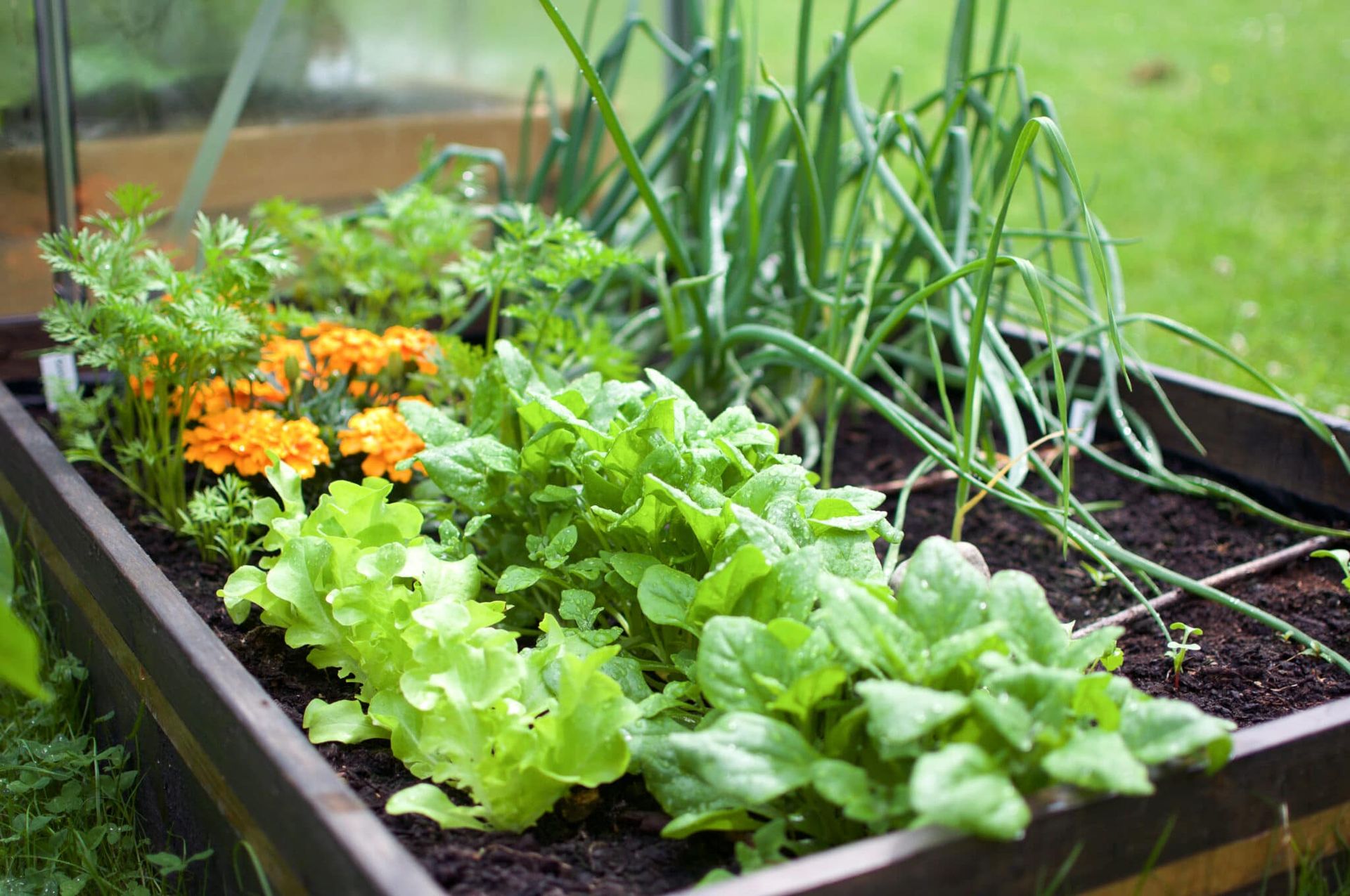
Onions, garlic, and chives are useful companions thanks to their strong scent. Many gardeners find that alliums help confuse aphids and other leaf‑eating insects, which can be a problem for spinach. Garlic and chives can be planted along the edges of your spinach bed or in small clusters between spinach plants. They also tend to occupy a small footprint, so they do not take much space from your main crop.
Strawberries
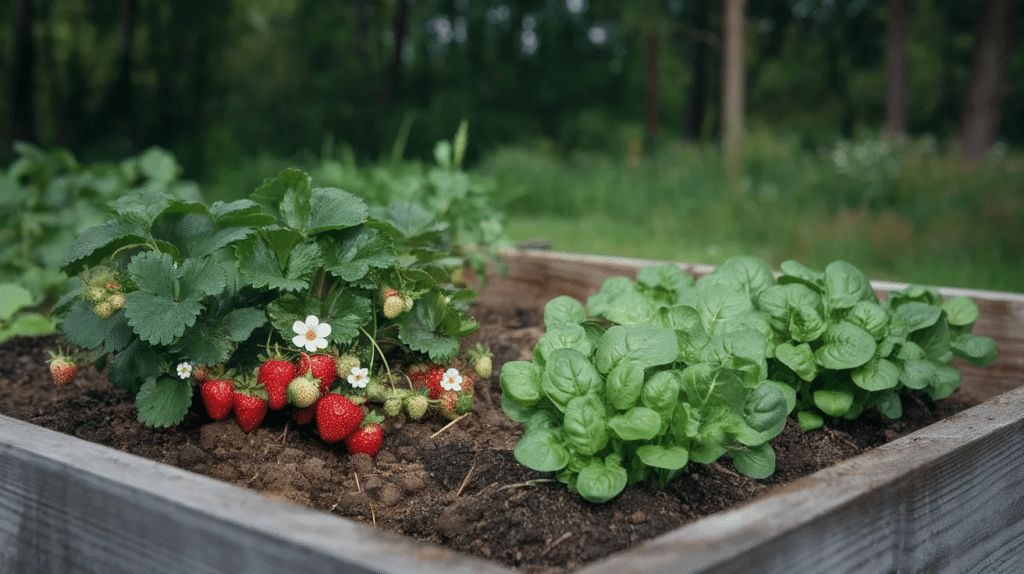
Strawberries can be an interesting companion for spinach in cooler seasons. They spread across the soil, acting as a living mulch that keeps moisture in and weeds down. This can help spinach keep its roots cool and hydrated. Some companion‑planting guides suggest strawberries may also benefit from spinach’s presence, as the leafy cover can reduce soil splash and certain fungal issues. Space them with a few inches between plants so both can breathe.
Flowers such as marigolds, nasturtiums, and calendula
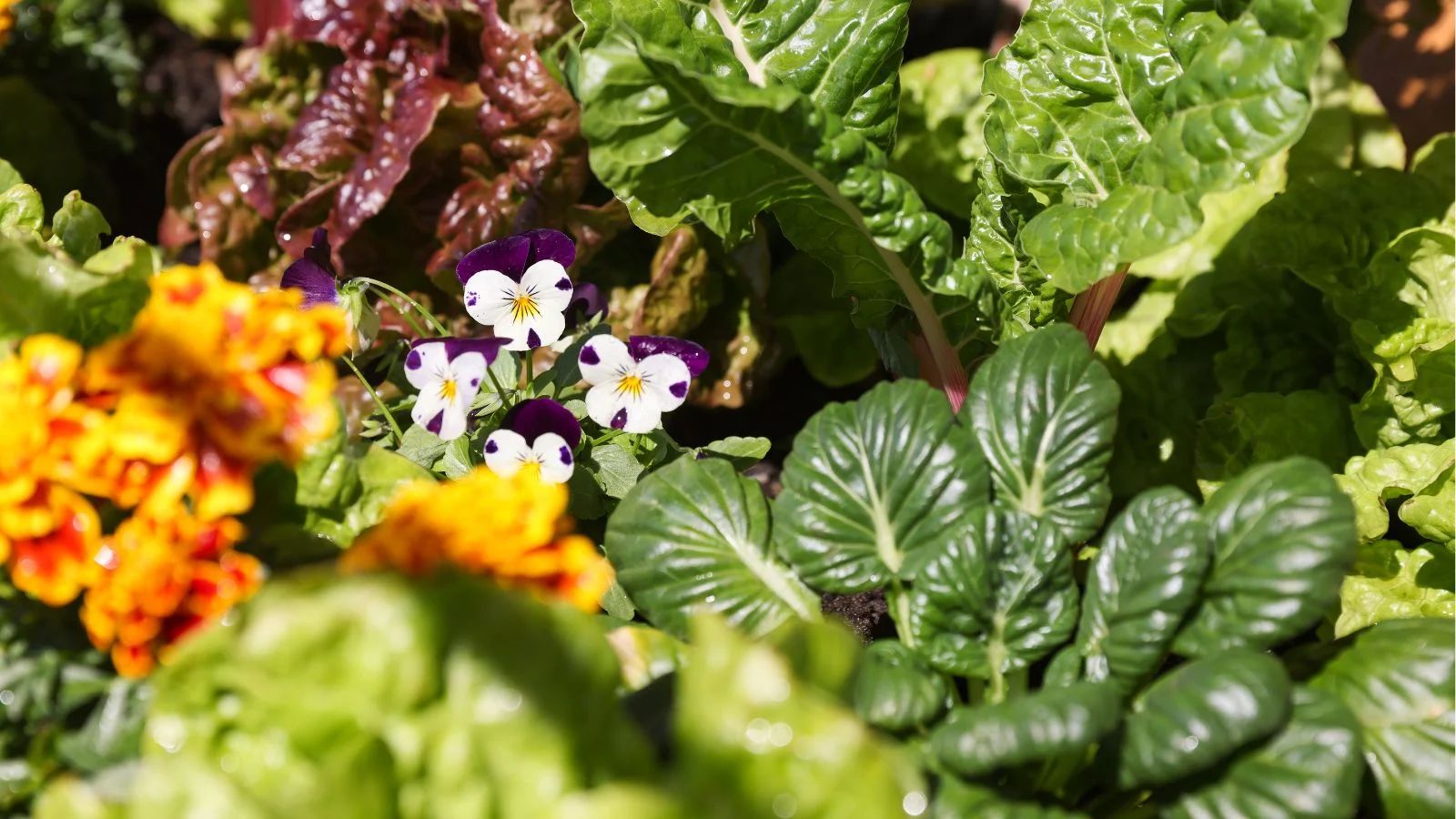
Flowers are not just for looks; they can be powerful allies for spinach. Marigolds release compounds that pests often dislike and help attract beneficial insects such as hoverflies and ladybugs. Nasturtiums can act as trap crops, drawing aphids away from spinach. Calendula attracts pollinators and other helpful insects that keep pest populations in check. Plant these flowers along the edges of your spinach bed or in small clumps between spinach rows.
Herbs such as dill, cilantro, oregano, and thyme

Herbs like dill, cilantro, oregano, and thyme can enhance your spinach bed by attracting pollinators and beneficial wasps that prey on common garden pests. Their aromatic foliage may also confuse insects that target spinach. Dill can grow tall, so place it where it will not overshadow the spinach; oregano and thyme can be low‑growing edging plants. Cilantro can be tucked in between spinach plants and harvested for the kitchen as it grows.
Throughout this companion‑plant journey, you can use tools like plantlyze.com to explore which pairings suit your climate and soil, and to get AI‑driven alerts if your plants start showing signs of stress or disease.
Spinach companion plants to avoid
Not every plant is a good neighbor for spinach. A few common vegetables and flowers can cause problems either by competing too strongly or by attracting extra pests.
Nightshades such as tomatoes and potatoes are often best kept away from spinach. They can compete for water and nutrients, and both spinach and nightshades can attract similar fungal issues under the right conditions. If you must grow them in the same garden, keep them in separate beds rather than side by side.
Very tall, dense crops such as standard corn can block light and create a crowded space where spinach may struggle. You can still grow corn elsewhere in the garden, but avoid planting it directly next to low‑growing spinach unless you leave plenty of space or use shorter corn varieties.
Strong‑smelling herbs or flowers may also attract extra pests if not managed, so keep them in small amounts and observe your plants closely. If you notice more aphids or beetles gathering near certain plants, consider moving them away from spinach or using a light organic spray.
How to plan your spinach companion bed
Planning a good spinach companion bed does not require a PhD in horticulture. A few simple steps can set you up for success.
First, sketch your bed on paper or in your mind and note how much sun it gets. Spinach prefers cool, partial shade in spring, so pairing it with taller greens or flowers can help. Then decide which two or three companions you want to focus on, such as peas, lettuce, and marigolds. Group plants by height and root depth: tall plants behind, medium in the middle, and low growers like spinach at the front. Keep at least a few inches between plants so they are not crowded.
For an early spring bed, you could plant peas on a trellis at one end, spinach in the middle, and lettuce along the edges. As the season progresses, add flowers or herbs at the borders to attract beneficial insects. You can also rotate spinach with other crops later in the year to keep the soil healthy.
If you want help designing your layout, plantlyze.com offers AI‑powered garden planning tools that suggest plant pairings, spacing, and rotations based on your location and soil type. This can save time and increase your chances of a lush, productive spinach crop.
References
“Agronomic viability of New Zealand spinach and kale intercropping” – peer‑reviewed journal article
https://pubmed.ncbi.nlm.nih.gov/28876391/“Influence of Companion Planting on Microbial Compositions and Soil Enzyme Activities” – PMC / scientific study
https://pmc.ncbi.nlm.nih.gov/articles/PMC10331949/“Effect of Green Onion, Lettuce and Spinach Intercropping on Growth, Productivity and Economic Returns” – Horticultura Brasileira
https://www.academia.edu/22006109/EFFECT_OF_GREEN_ONION_LETTUCE_AND_SPINACH_INTERCROPPING_ON_GROWTH_PRODUCTIVITY_AND_ECONOMIC_RE“Companion Planting in Gardening” – Virginia Cooperative Extension (VCE Publications)
https://www.pubs.ext.vt.edu/SPES/spes‑620.html“The Science of Companion Planting in the Garden” – Montana State University Extension
https://www.montana.edu/extension/broadwater/blog‑article.html?id=18786