
spinach
Explore our spinach articles with expert tips, guides, and insights.
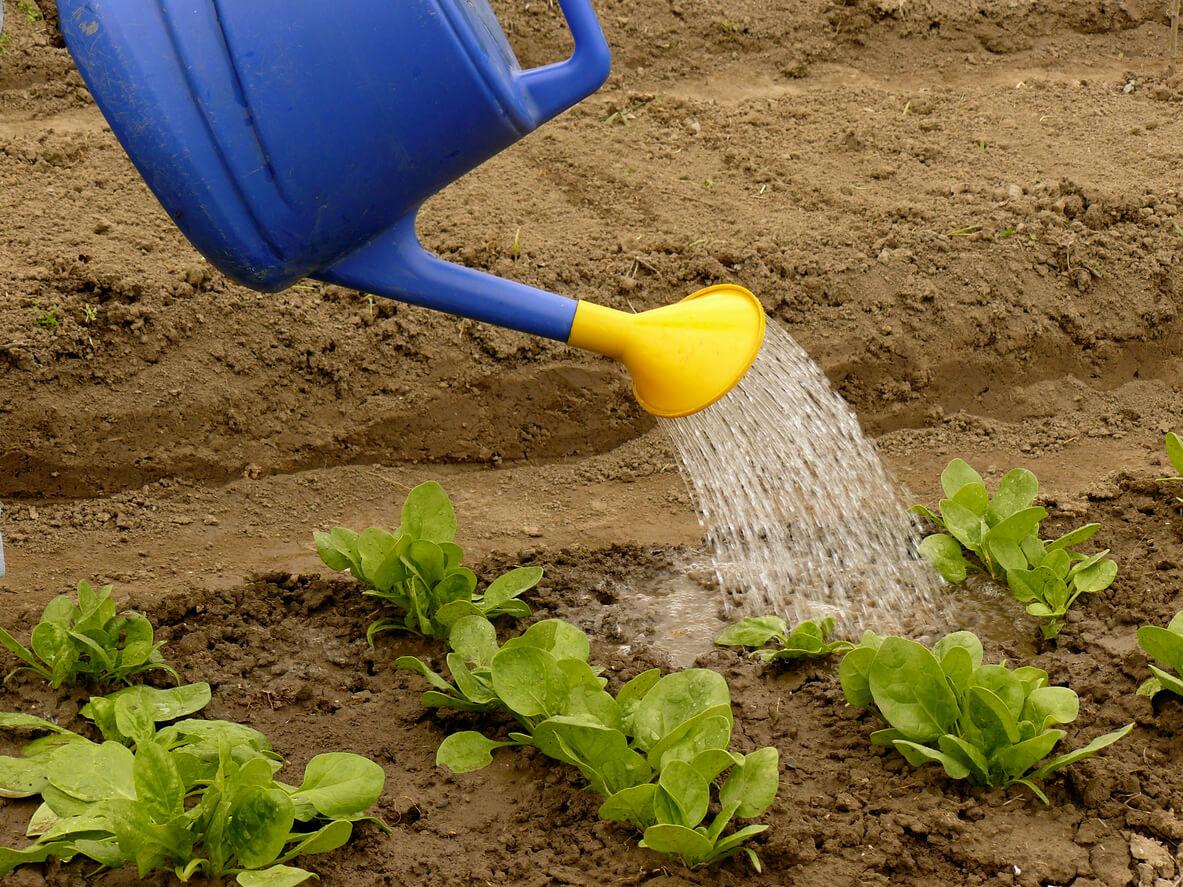
How to Spot and Fix Overwatering in Spinach
Overwatered spinach often shows yellow leaves, wilting despite wet soil, and mushy stems, yet many gardeners still water on schedule. Learn the key signs, how to rescue affected plants, and how to prevent overwatering so your spinach stays healthy and harvest‑ready.
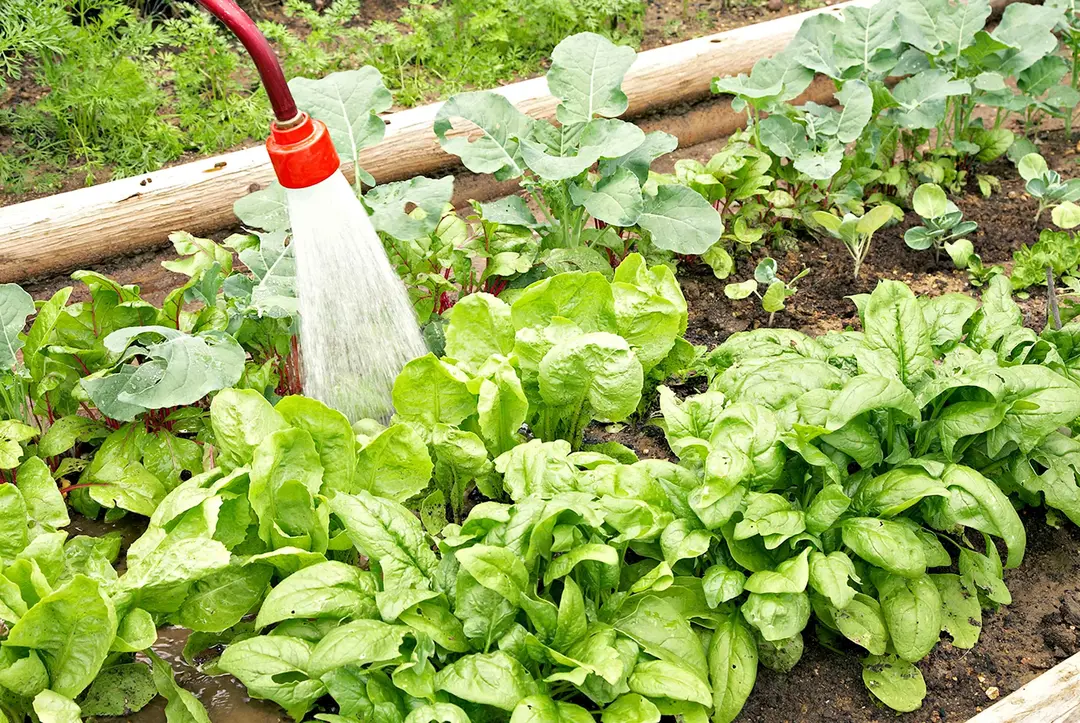
Spinach Companion Plants: What to Grow Next to Spinach
Spinach grows better with the right neighbors. Peas enrich the soil, lettuce shades the ground, and marigolds deter pests. When you pair spinach with smart companions, you get healthier leaves, fewer bugs, and more harvests from the same space.
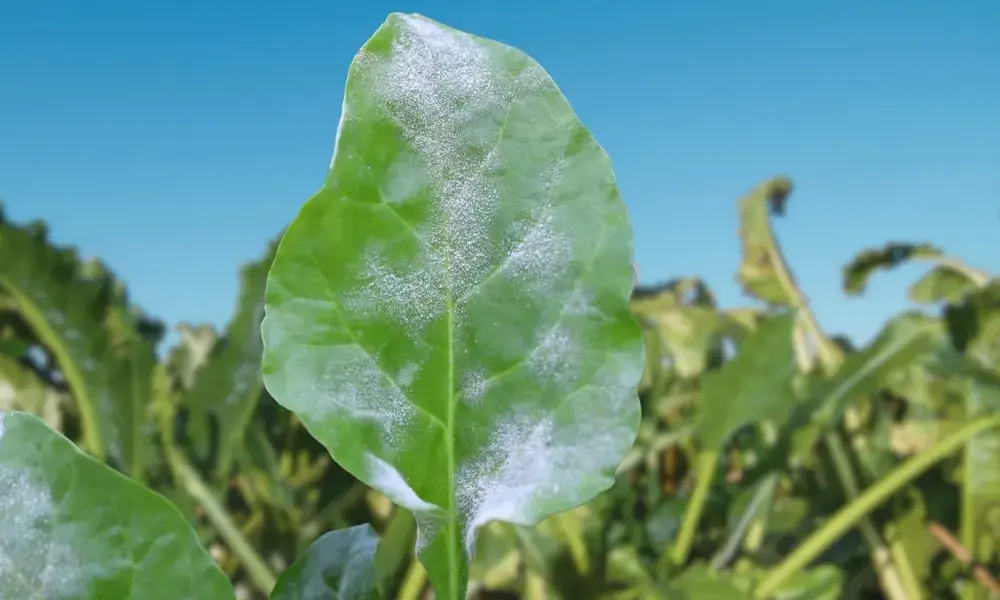
Spinach Powdery Mildew: Symptoms, Causes and Organic Control
Spinach powdery mildew appears as white or grayish, powdery patches on leaves and stems, thriving in warm, humid conditions with poor airflow. Catching it early and using simple cultural steps like proper spacing, watering at the base, and removing infected tissue can greatly reduce its impact on your crop.
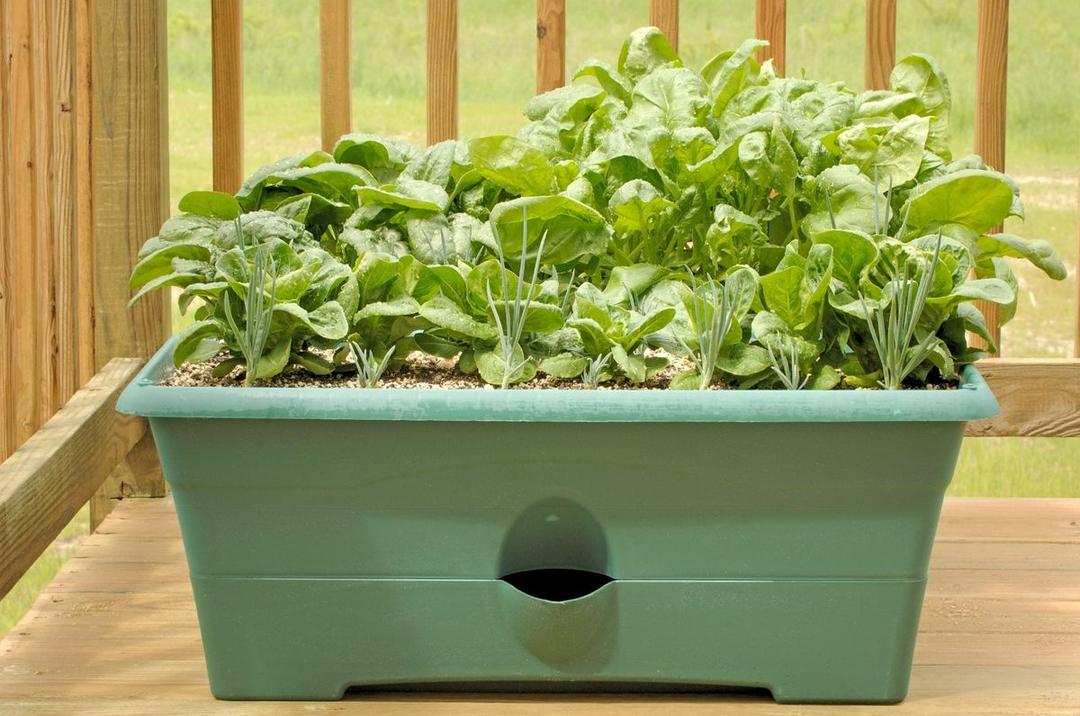
How to Grow Spinach Indoors – A Simple Step‑by‑Step Guide
Growing spinach indoors is simple and rewarding: choose a compact variety, use a well‑draining potting mix, provide 6–8 hours of bright light, keep soil moist, and harvest outer leaves regularly. Use Plantlyze at plantlyze.com for AI‑powered care tips and quick plant‑health checks.

Spinach Leaf Miners: How to Identify and Stop Them
Spinach leaf miners create white, winding tunnels inside leaves that weaken plants and reduce yield. This guide explains how to identify these pests, remove damaged foliage, and use organic controls and resistant varieties. Learn how AI tools like Plantlyze can help you diagnose leaf miner damage and keep your spinach healthy at plantlyze.com

The Best Soil for Spinach: How to Prepare Your Garden
Spinach thrives only when its soil is well‑drained, rich in organic matter, and slightly acidic to neutral. This article explains how to prepare the perfect bed for lush, healthy leaves—and how AI plant‑care tools like Plantlyze can help you diagnose soil‑related issues and keep your spinach garden thriving.
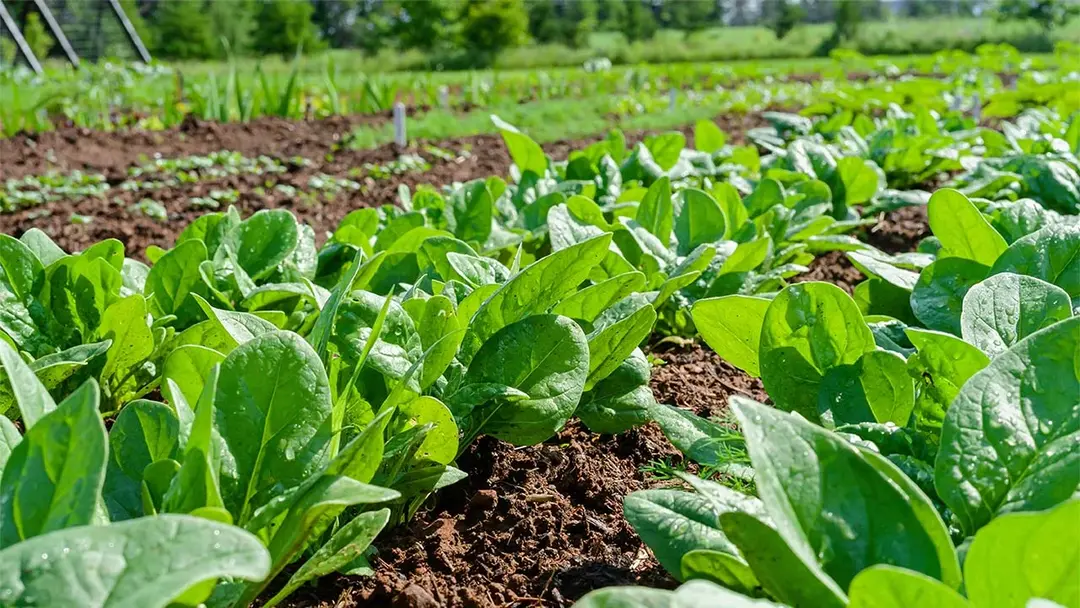
Best Fertilizer for Spinach: Simple Feeding
Spinach thrives on balanced feeding, especially nitrogen for leafy growth and potassium for strong, flavorful leaves. Over fertilizing can cause bitterness and nitrate buildup, while under feeding leads to pale, slow growth. A smart tool like Plantlyze helps you diagnose nutrient needs from a photo and adjust your fertilizer plan for healthier spinach.
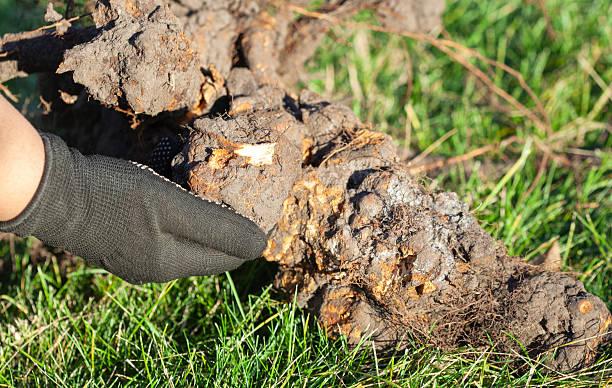
Spinach Root Rot: Causes, Symptoms and Organic Treatment
Spinach root rot strikes in cool, wet soil, causing seedlings to collapse and older plants to wilt and yellow. Poor drainage, overwatering, and repeated spinach planting favor the disease. Simple cultural fixes, proper diagnosis, and tools like Plantlyze can help protect your crop and keep spinach healthy.
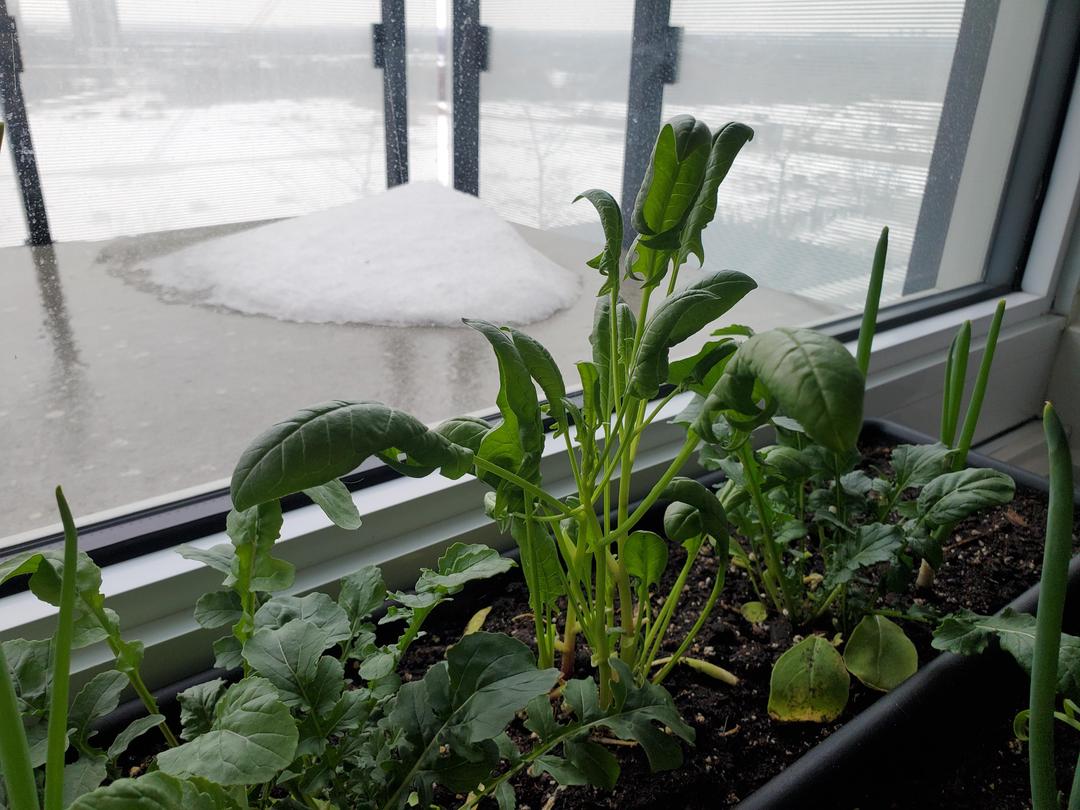
Why Are Spinach Leaves Curling? Causes and Easy Fixes
Curling spinach leaves often signal stress from water, pests, or disease. Check soil moisture, light, and pests first, then adjust care. If you are unsure what is wrong, an AI plant care tool like Plantlyze can analyze a photo and help you fix the problem fast.