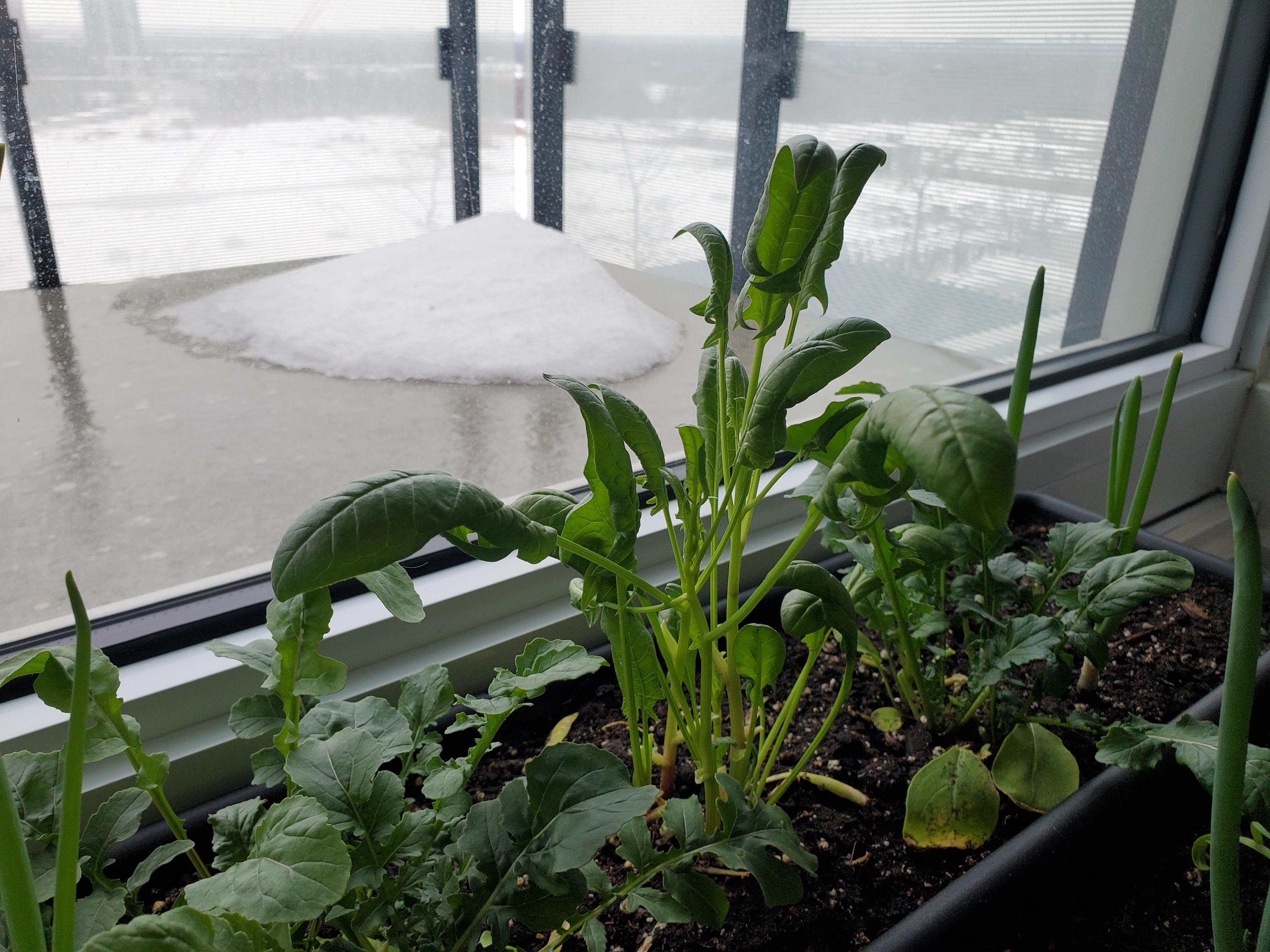
You planted your spinach with care, but now the leaves look tight, twisted, or curled up like tiny fists. Instead of lush, flat greens, you see wrinkled, puckered foliage and you wonder what went wrong. Curling spinach leaves are a common problem, but they are rarely a death sentence for your plant. In most cases, curled leaves are a signal that something is off—water, nutrition, light, pests, or disease—and once you know what to look for, you can fix it quickly.
Spinach is a cool season leafy green that grows fast and provides tender leaves for salads, smoothies, and cooking. Because it grows quickly, it also tends to show stress fast. Small changes in water, temperature, or soil can show up as cupped, twisted, or curled leaves. If you feel unsure what is causing the curling, an AI powered plant care tool like Plantlyze can help you match the symptom to the cause by analyzing a photo of your plant. This takes some of the guesswork out of diagnosis and gives you simple, practical steps to try at home.
First, Check the Basics
Before you jump into diseases or pests, take a moment to check the basics. Not all curling spinach leaves are a sign of serious trouble. Sometimes the plant is just reacting to a sudden change in environment, watering, or temperature. Start by asking yourself a few simple questions.
Is the soil too dry or too wet? Gently press your finger into the soil up to the first knuckle. If it feels dry and dusty, the plant may be thirsty. If it feels soggy and waterlogged, you may be overwatering. Curling leaves can appear when the roots cannot get the right balance of water and oxygen. Also look at how much light your spinach receives. Too much hot sun can make leaves curl up, while too little light can cause thin, stretched stems and weak, curled new growth.
If you recently transplanted seedlings, moved the container, or had a sudden heat wave or cold snap, your spinach may simply be adjusting. In these cases, curled leaves often improve once the plant settles in. If the curling is mild and only affects a few leaves, observe the plant for a few days before making major changes. If you notice the problem spreading or new leaves coming out already twisted, it is time to look deeper into pests, diseases, and nutrition.
Environmental Stress and Water Issues
Leaf curling is a common way plants respond to stress. In spinach, this can show up when the plant is too hot, too dry, or too wet. Understanding the difference can help you take the right action fast.
When spinach is underwatered, the leaves often curl inward, look limp, and may turn pale or yellow at the edges. The plant is trying to reduce its surface area to slow down water loss, so leaves roll or cup up. If you suspect drought stress, water the plant slowly and deeply so the water reaches the root zone. Keep the soil consistently moist, not soaked, and avoid letting it dry out completely between waterings.
On the other hand, overwatering can also make spinach leaves curl. If the soil never dries out, the roots struggle to get oxygen and may start to rot. In this situation, leaves may curl, look pale, and feel soft or weak. You may also notice a musty smell or slow growth. To fix this, stop watering until the top inch of soil feels dry, and make sure your container has proper drainage holes. If necessary, repot the plant in a lighter, well draining potting mix and reduce the size of your watering top‑ups.
Heat and sun can also cause spinach leaves to curl. In hot weather, the plant curls its leaves slightly to protect itself from intense light and reduce water loss. This may look similar to drought stress but can happen even if the soil is moist. If you live in a warm climate, try moving your spinach to a spot with morning sun and light shade during the hottest part of the day. This can help keep the leaves flat and the plant healthy. If you are unsure whether your spinach is stressed by heat or water, a clear photo and plant‑care app can help you narrow it down by looking at leaf texture and color.
Nutrient and Soil Problems
Spinach is a fast growing plant, so it can run through nutrients quickly, especially in containers. When the soil is poor or the plant is outgrowing its pot, curled or twisted leaves may appear.
An imbalance of nutrients, especially nitrogen, can cause leaf curling. Too little nitrogen can make leaves small, pale, and weak. Too much can trigger rapid, soft growth that looks twisted or curled, particularly in new leaves. Other deficiencies, like potassium or magnesium, may show as yellowing, spotting, or curling at the edges. If you have been feeding regularly with a strong fertilizer, try reducing the dose or switching to a balanced, diluted formula. Using a half strength liquid feed every 2 or 3 weeks is usually enough for spinach in containers.
Soil quality also matters. Heavy, compacted, or clay like soil in pots can suffocate roots and cause poor water movement. This can lead to stress and leaf curling even if you water correctly. If your spinach looks unhappy and the soil feels dense, consider repotting into a light, airy potting mix designed for vegetables. Adding a small amount of compost or worm castings can improve soil structure and slowly release nutrients without shocking the plant.
If you are unsure whether the curling is linked to water, light, or nutrition, an AI plant care platform can help you connect the dots. Uploading a clear image of your spinach and its pot may show subtle signs of nutrient deficiency or root stress that are hard to spot with the naked eye. This can guide you to adjust your watering or feeding routine without overdoing it.
Pests That Cause Leaf Curling
Pests are one of the most common causes of severely curled, twisted, or distorted spinach leaves. Many small insects feed on plant sap, which can change how leaves grow and cause them to pucker or curl.
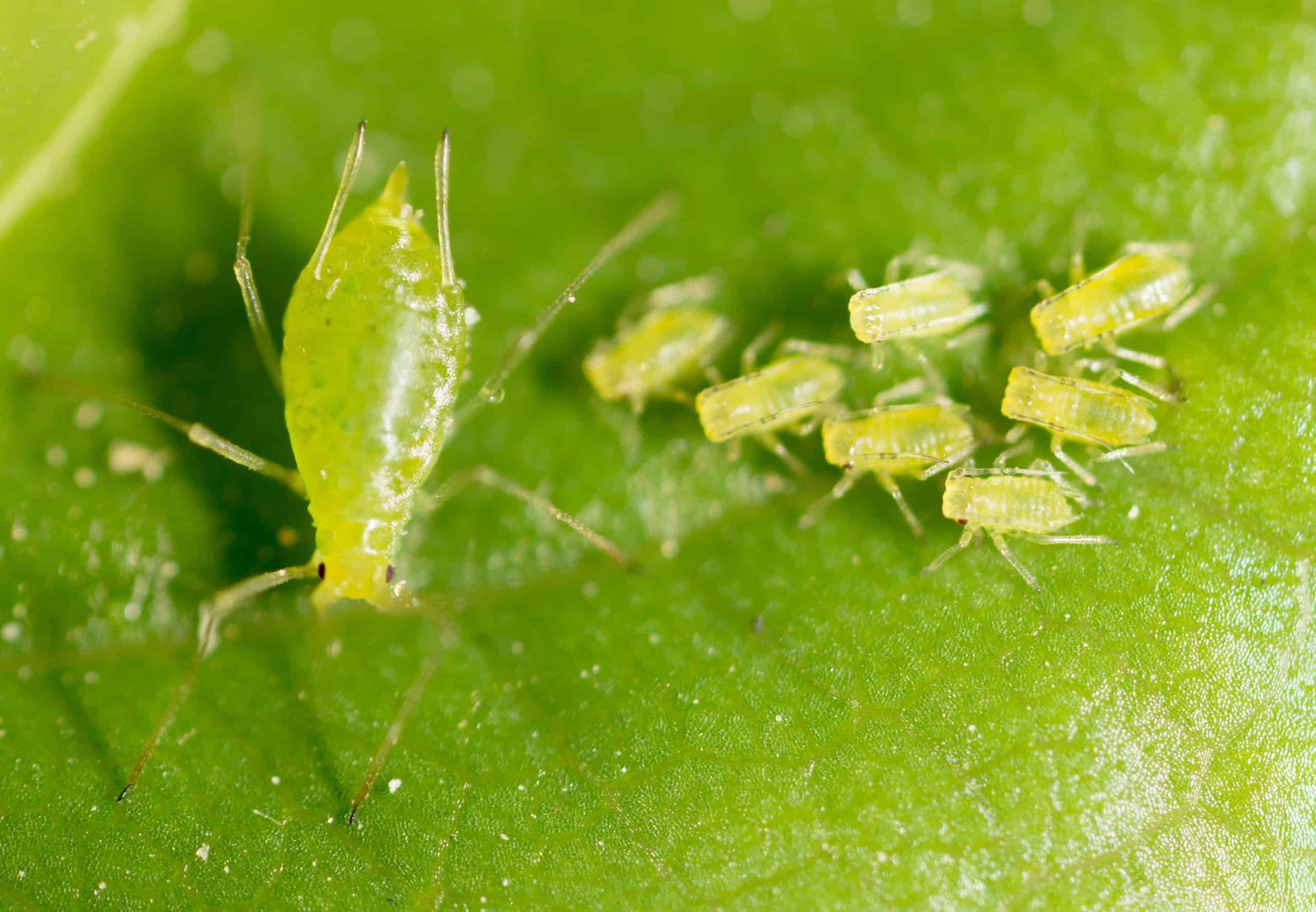
Aphids are frequent culprits. These tiny green, black, or white insects cluster on new growth and the undersides of leaves, sucking sap out of the plant. As they feed, they inject substances that can distort leaf tissue. You may notice sticky residue on the leaves, tiny black dots, or ants crawling around the plant. If you spot aphids, check the underside of leaves with a magnifying glass or the zoom on your phone. A gentle spray of water or a light insecticidal soap can remove many aphids without harming the plant.
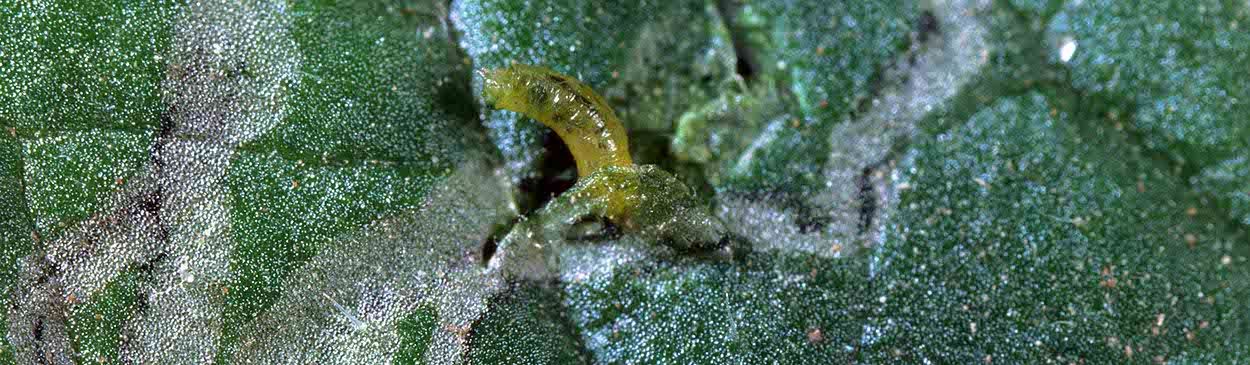
Other pests like spider mites, thrips, and leaf miners can also cause curled or wrinkled leaves. Spider mites may leave fine webbing and pale stippling on the foliage. Thrips can cause silver streaks and distorted growth. Leaf miners leave thin, squiggly trails inside the leaves as they tunnel through the tissue. These pests are hard to see with the naked eye, which is where a close up photo and AI plant care tool can help. If you are unsure what is making the leaves curl, a plant diagnosis app may identify the pest based on the pattern of damage and suggest simple, organic treatment options.
Good airflow and avoiding overcrowding are key to preventing pest problems. Space your spinach plants so there is room for air to move through the foliage. Avoid watering directly on the leaves for long periods, as damp leaves can attract some pests. If you notice a small outbreak, act early. The sooner you remove pests, the less damage they cause and the better your chances of keeping your spinach harvestable.
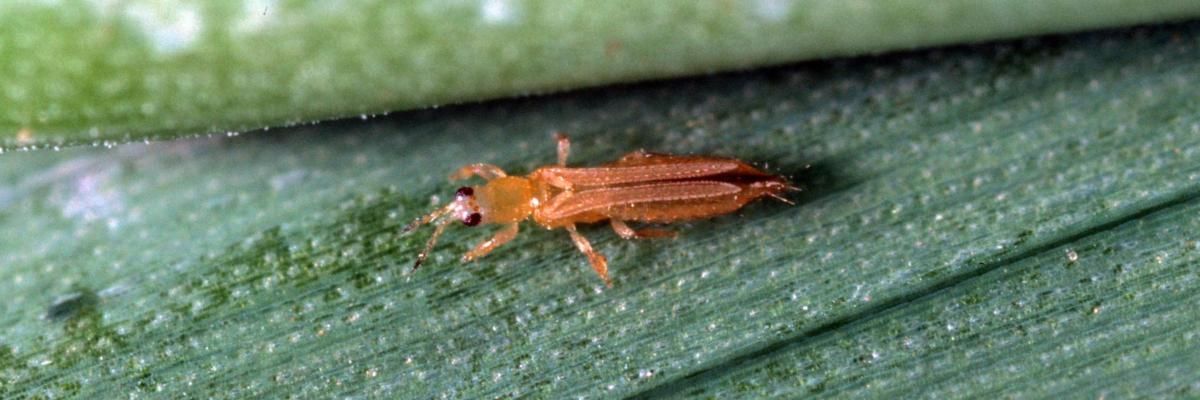
Viral and Fungal Diseases
Not all curling leaves are caused by pests or environment. Some inflictions come from viruses or fungi, which can be harder to treat but important to recognize.
Spinach viruses such as beet curly top virus and related curtoviruses can cause leaves to curl, twist, and turn yellow or pale. The plant may look stunted, and the leaves can develop a puckered, wrinkled texture. These viruses are usually spread by leafhoppers feeding on infected plants and then moving to healthy ones. Because there is no cure for virus infected spinach, the best practice is to remove and destroy affected plants to prevent the virus from spreading to others. Clean your tools and avoid planting new spinach in the same spot for a season if possible.
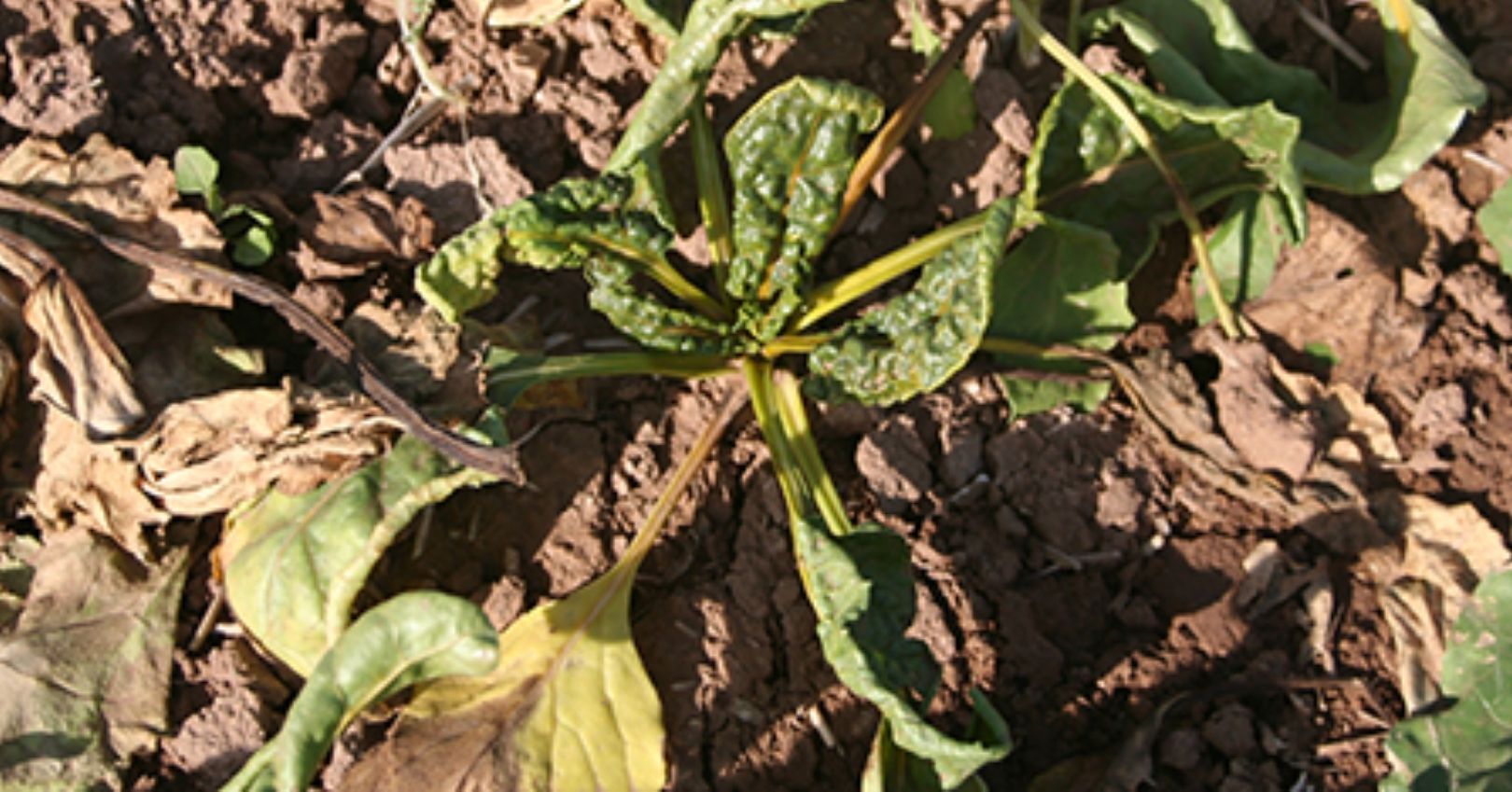
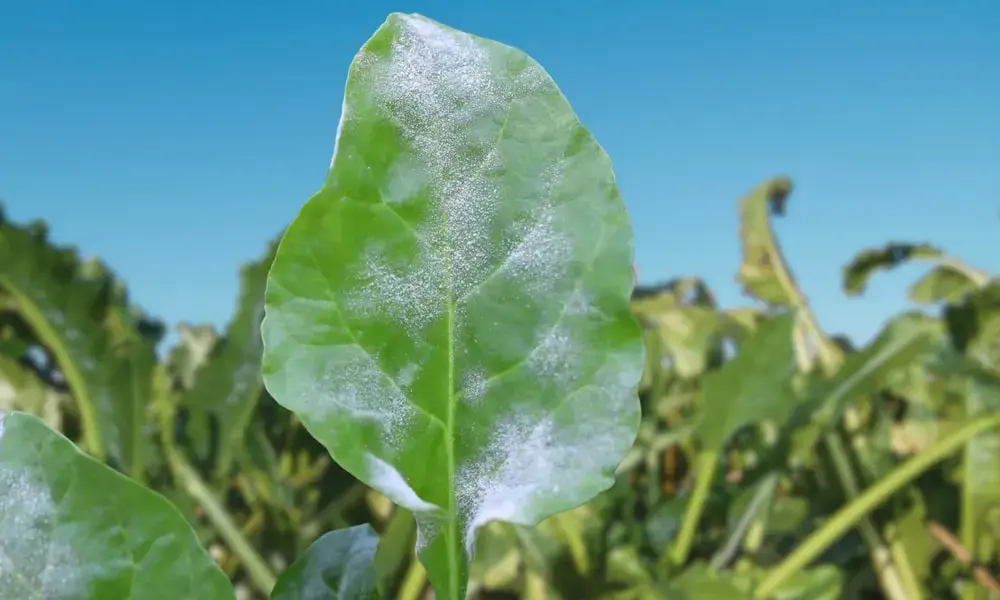
Fungal leaf diseases are another possible cause of leaf curling. Downy mildew, cercospora leaf spot, and stemphylium blight can all affect spinach, especially in humid, wet conditions. Infected leaves may show yellow or brown spots, fuzzy growth, or irregular patches along with curling or distortion. These issues often get worse in crowded plantings with poor airflow and frequent overhead watering. To reduce the risk, water at the base of the plant, space plants appropriately, and avoid working in the garden when everything is wet.
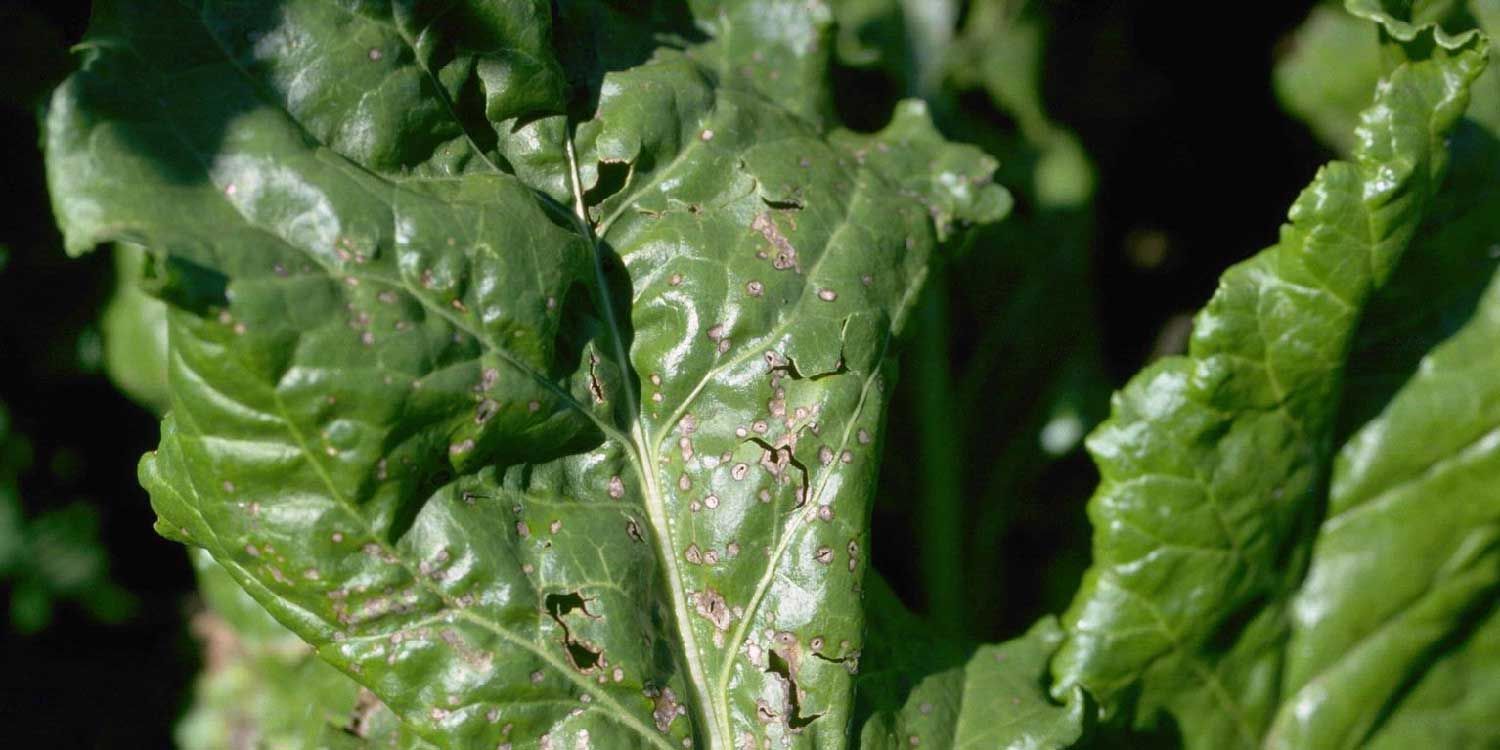
If you suspect a viral or fungal problem, an AI plant diagnosis platform can help you distinguish between diseases and environmental stress. Instead of guessing, you can get a photo based assessment and suggestions for cultural changes or organic treatments. Even if the plant cannot be fully saved, you can still harvest a few healthy outer leaves for use in the kitchen. If you want fast, expert style help with spinach curling leaves, you can try an AI plant care tool like Plantlyze and explore plantlyze.com for more plant‑care resources and a free trial.
Heat, Sun, and Light Stress
Light plays a big role in how spinach leaves look and behave. Too much sun, especially in hot weather, can cause leaves to curl, cup, or twist as the plant tries to protect itself. You may also notice that the plant starts to bolt, sending up a central stalk and flowers. Bolted spinach often has smaller, tougher leaves and a bitter taste.
If your spinach is in a very sunny spot with little shade, consider moving it where it receives bright light but not harsh afternoon sun. Morning sun with filtered light later in the day is often ideal. Using a shade cloth or placing taller plants nearby can also help reduce heat stress. If you grow spinach indoors, make sure your plants are not too close to a window that gets strong midday heat. Moving the container back a few inches or using a sheer curtain can make a noticeable difference.
Too little light can also cause problems. In low light, spinach may grow tall and thin, with weak, pale leaves that look slightly curled or crinkled. This is the plant reaching for more light. If you are growing in containers on a shady balcony or indoors, try rotating the pot or moving it closer to a bright window. If natural light is limited, you can use a simple grow light placed above the plants for a few extra hours each day.
If you are unsure how much light your spinach is really getting, some plant care apps can help you match your space to the right plants. A brief photo of the plant and its location may give you a better idea of whether the light is too intense or too weak for healthy, flat leaves.
Herbicide, Chemical, or Shock Damage
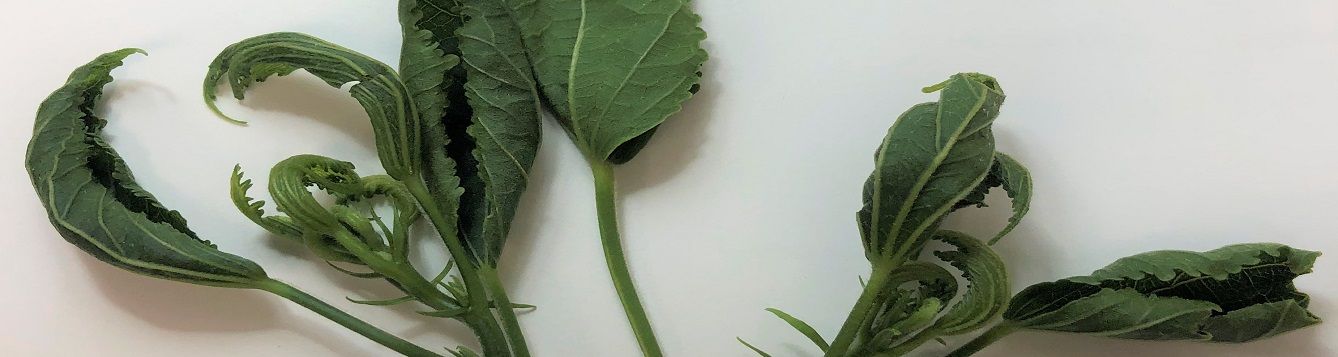
Sometimes curled or cupped spinach leaves are not a sign of disease or pest damage, but of chemical exposure or sudden shock. Herbicide drift from nearby lawn treatments or weed sprays can cause leaves to curl, twist, or cup in unusual ways. This often shows up on the newest growth first and may look different from the typical patterns of pests or nutrient deficiency.
If you have recently used strong chemicals in your garden or on a lawn near your spinach containers, this could be the cause. In mild cases, the plant may recover on its own once the chemical dissipates and new growth appears. If the damage is severe, it may be safer to remove the plant and avoid planting spinach in that area for a season. Always read labels carefully and keep spin off spray away from edible plants whenever possible.
Physical shock can also lead to curling. Transplanting, rough handling, or strong winds can stress the plant and make leaves curl temporarily. If only a few leaves are affected and the rest of the plant looks healthy, give it a few days to recover. Keep the soil consistently moist, provide some light shade if the weather is hot, and avoid touching the leaves more than necessary.
When to Save the Plant vs Start Over
Deciding what to do with a spinach plant that has curling leaves depends on how serious the problem is and how much of the plant is still healthy.
If the curling is caused by water, light, or nutrient issues, you can often fix the problem and keep the plant. Adjust your watering, improve light conditions, and correct any nutrient imbalances. In many cases, new leaves will grow normally while existing curled leaves gradually mature or you harvest them as you go.
If you suspect a virus or severe fungal disease, the situation is different. Viruses are not curable, and removing infected plants helps protect other greens in your garden. If most of the leaves are curled, yellow, or spotted and the plant looks weak, it is usually best to remove it and compost only if your composting system reaches high temperatures that kill pathogens. After that, clean your tools and containers before planting again.
You may still be able to harvest a few healthy outer leaves from a stressed plant, especially if only the inner or newer leaves are affected. Simply wash them thoroughly and use them as soon as possible. If you continue having trouble with curling leaves, you can try a different spinach variety next time, especially one labeled as bolt resistant or suited to your climate.
If you want help deciding whether to keep the plant or replace it, an AI plant care app can give you a second opinion based on your photo. Uploading a clear image of the overall plant and a close up of the curled leaves can help you see subtle signs of disease or pest damage that are easy to miss on your own.
Use AI to Know What Is Wrong With Your Spinach
If you are unsure why your spinach leaves are curling, an AI powered plant care and diagnosis platform can simplify the process. Plantlyze is an AI based tool designed to help gardeners identify plant problems and get simple care suggestions without needing a horticulturist on speed dial. By uploading a clear photo of your spinach, you can receive insights on whether the curling is likely due to water, pests, disease, or environmental stress.
The platform uses plant images and symptom patterns to flag possible issues and suggest practical steps, such as adjusting watering, improving light, or looking for specific pests. It also works for many other leafy greens and houseplants, making it useful if you grow a small balcony or indoor garden. If you grow several types of greens, an AI plant care app can help you keep track of each plant’s needs and catch problems early, before serious damage occurs.
If you want fast, easy help with spinach curling leaves or other plant issues, you can explore Plantlyze’s features at plantlyze.com. There you can start a free trial, upload photos of your plants, and get AI based guidance on care and recovery. Whether you are a beginner or an experienced gardener, a tool like this can save time, reduce stress, and help you grow healthier, more productive spinach at home.
References
University of California Integrated Pest Management – Spinach: Virus Diseases
https://ipm.ucanr.edu/agriculture/spinach/virus-diseases/Plant Pathology Report – First Report of a New Curtovirus Species, Spinach Severe Curly Top Virus
https://pubmed.ncbi.nlm.nih.gov/30743586/Scientific Article – Identification of a Dicot Infecting Mastrevirus Along with Alpha Satellite DNA in Spinach
https://www.sciencedirect.com/science/article/pii/S0168170218304143Nature Scientific Reports – SpinachXAI‑Rec: A Multi‑Stage Explainable AI Framework for Spinach Defect Recognition
https://www.nature.com/articles/s41598-025-19804-yJournal‑Style Research on Spinach Growing Problems and Virus‑Like Symptoms in Commercial Fields
https://journeywithjill.net/gardening/2021/11/09/common-problems-growing-spinach-and-how-to-prevent-them/