Spinach Powdery Mildew: Symptoms, Causes and Organic Control for Home Gardeners
Spinach is a favorite among home growers for its quick harvest and nutrient‑rich leaves. But when a white dusty film appears on the foliage, gardeners often panic. That pale coating is usually powdery mildew, a common fungal disease that can weaken plants and reduce yield. In this article you will learn how to recognize spinach powdery mildew, what causes it, and how to protect your crop with simple cultural and organic methods. You will also see how tools like Plantlyze can help you watch your plants and get AI‑assisted guidance whenever something looks off on your spinach leaves.
What Is Powdery Mildew on Spinach
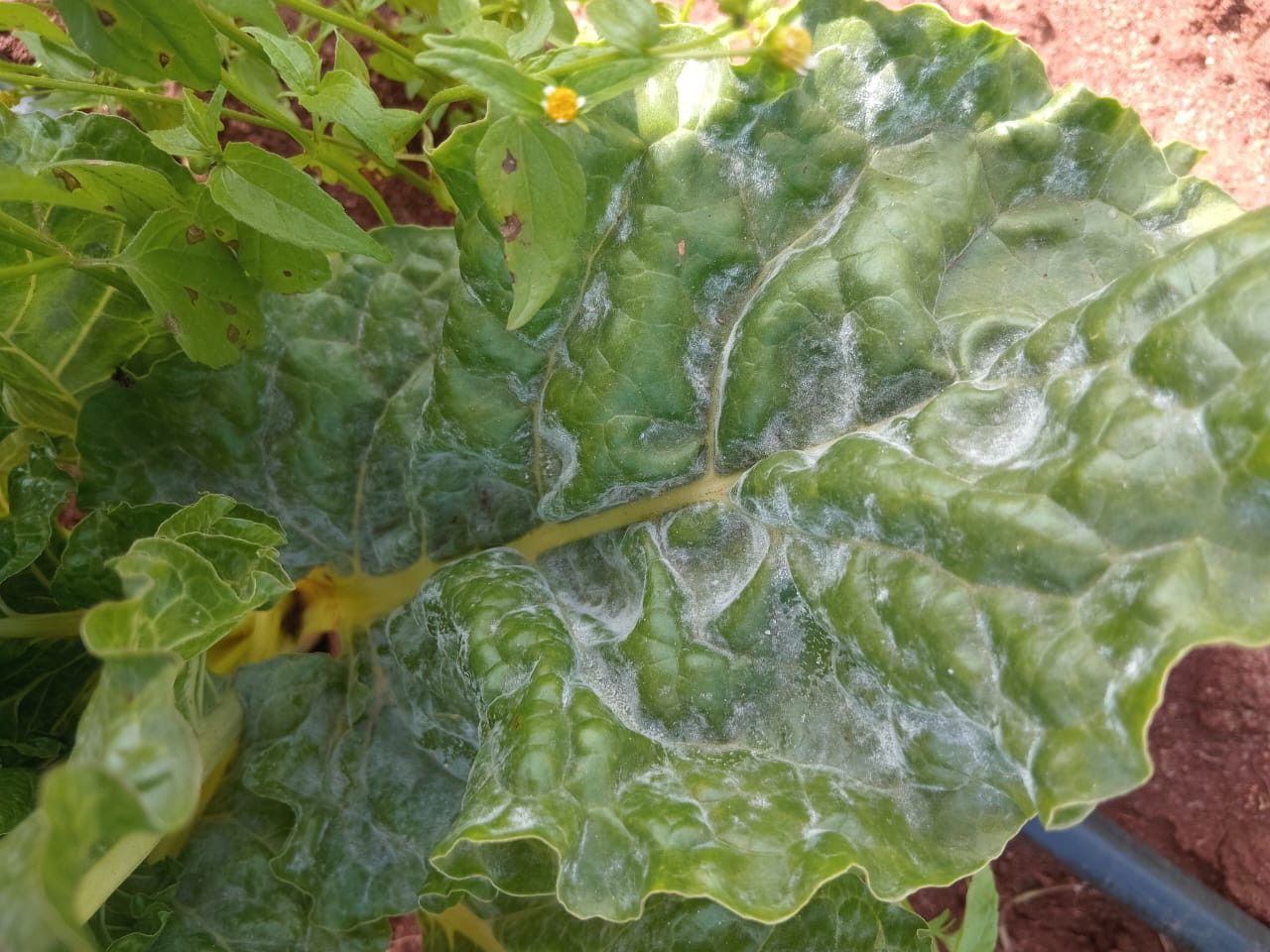
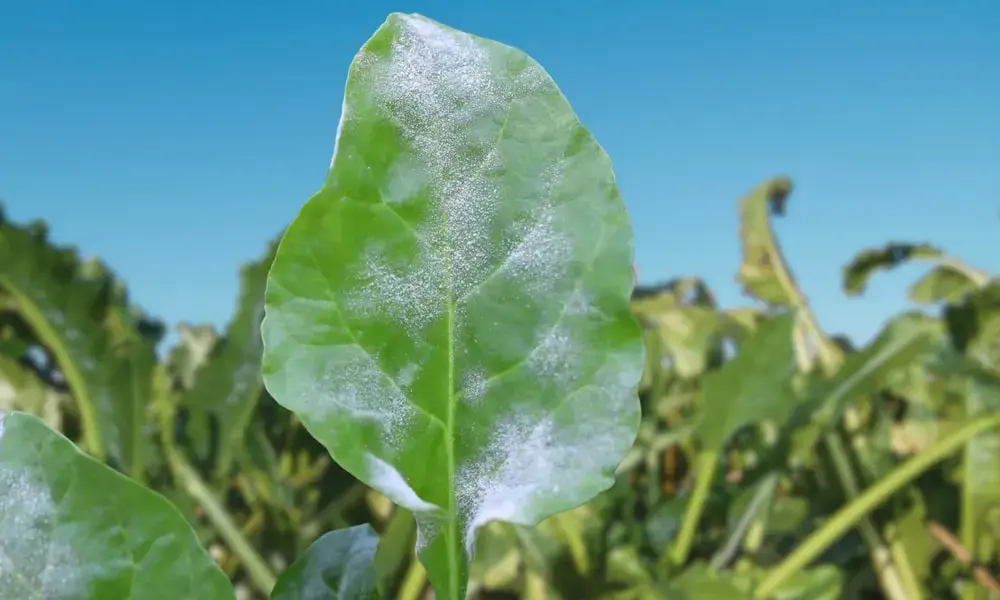
Powdery mildew is a fungal disease caused by microscopic fungi that grow on the surface of leaves and stems. On spinach, it shows up as small, round, white or grayish patches that gradually expand into a powdery coating. Over time, heavily infected leaves may turn yellow, curl, or drop early, which can stunt growth and lower the quality of your harvest.
Unlike many other leaf diseases, powdery mildew spores do not need standing water on the leaf surface to germinate. They thrive in warm days, cooler nights, and high humidity, which makes spring and fall especially risky for spinach. Because the disease can spread quickly from plant to plant, catching it early is key to keeping your crop healthy.
How to Recognize Powdery Mildew on Spinach
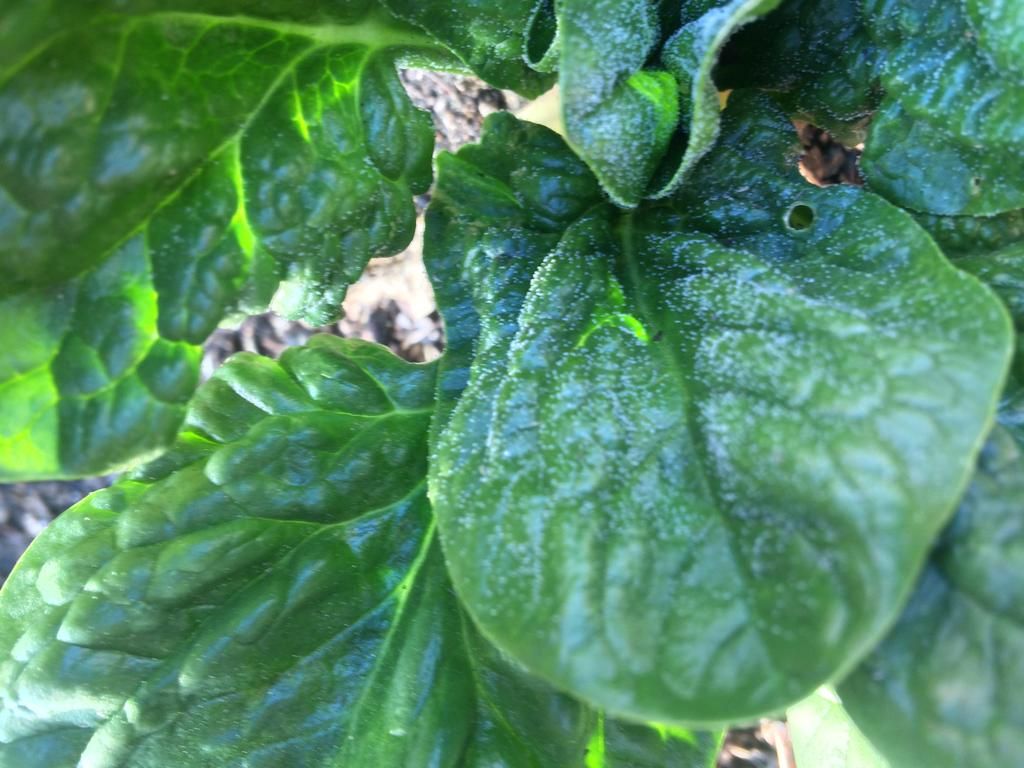
At first, powdery mildew may look like someone lightly dusted flour on your spinach leaves. The spots usually start on the upper side of older leaves but can appear on the lower surface too. As the infection progresses, the white patches grow larger and may merge into a continuous powdery film.
In more advanced stages, you may notice:
Yellowing or browning around the white patches
Leaves looking distorted, brittle, or prematurely aged
Reduced leaf size and lower overall plant vigor
If the spots look water soaked or have a fuzzy underside with gray or purple mold, the problem may be spinach downy mildew instead. Getting the right diagnosis helps you choose the most effective treatment. Tools like Plantlyze allow you to upload a photo of the affected leaf and receive AI‑assisted guidance on whether it matches powdery mildew or another issue.
What Causes Powdery Mildew on Spinach
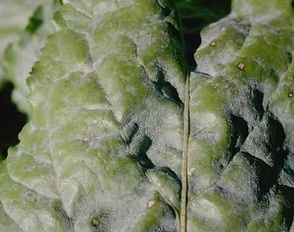
Powdery mildew is caused by airborne fungal spores that land on susceptible spinach tissue and start to grow. These fungi prefer warm, humid conditions but do well even when the air is not extremely wet, as long as there is some humidity and poor airflow. Several factors make spinach more vulnerable:
Crowded plants with little space between them
Shaded or poorly ventilated growing areas
Over fertilizing with nitrogen, which encourages soft, succulent growth
Planting in the same spot year after year without rotation
Once the fungus establishes itself, it produces more spores that can drift to nearby plants, especially in gardens with dense foliage and little air movement.
Conditions That Make Spinach More Vulnerable
Certain growing conditions act like a welcome mat for powdery mildew. If any of these are present in your garden, your spinach is at higher risk.
Shade and low light reduce leaf drying and encourage persistent humidity at the canopy level. Spinach planted under trees, next to tall walls, or between dense rows often stays damp longer, giving spores more time to infect.
Poor air circulation also plays a big role. When plants are packed too close together, air cannot move freely, and moist pockets form around the leaves. That stagnant environment favors fungal growth and makes it harder for sprays to reach all surfaces evenly.
Overhead watering and late‑day irrigation can keep leaves wet for many hours, which is ideal for many leaf diseases. While powdery mildew does not require free water on the leaf, prolonged leaf wetness still supports spore movement and secondary infections.
Finally, planting the same crop in the same bed repeatedly allows fungal spores to build up in the soil and plant debris. Without rotation or sanitation, each new spinach crop starts under higher disease pressure.
How Powdery Mildew Spreads in the Garden
Powdery mildew spreads primarily through the air. Tiny spores are carried by wind from infected plants to healthy ones, landing on leaves and stems. Once they find suitable conditions, they germinate and start growing on the leaf surface.
Human activity can also move the disease. Tools, hands, or clothing that touch infected leaves can pick up spores and transfer them to clean plants. Nearby ornamental plants or other vegetables that host the same or similar fungi can act as a reservoir, supplying a steady source of spores.
Mixing low‑resistance and high‑resistance varieties in the same area can help slow the spread, but only if combined with good spacing and air movement. Otherwise, one heavily infected plant can quickly drag the whole patch down.
Step‑By‑Step Prevention: Stop Powdery Mildew Before It Starts
Prevention is always easier than trying to cure a full‑blown infection. Here are practical steps you can take to reduce the risk of powdery mildew on your spinach.
Choose resistant or less susceptible varieties when possible. Some spinach cultivars have shown better tolerance to powdery mildew or related fungal diseases. Check seed labels or catalog descriptions for any mention of disease resistance and include those varieties in your rotation.
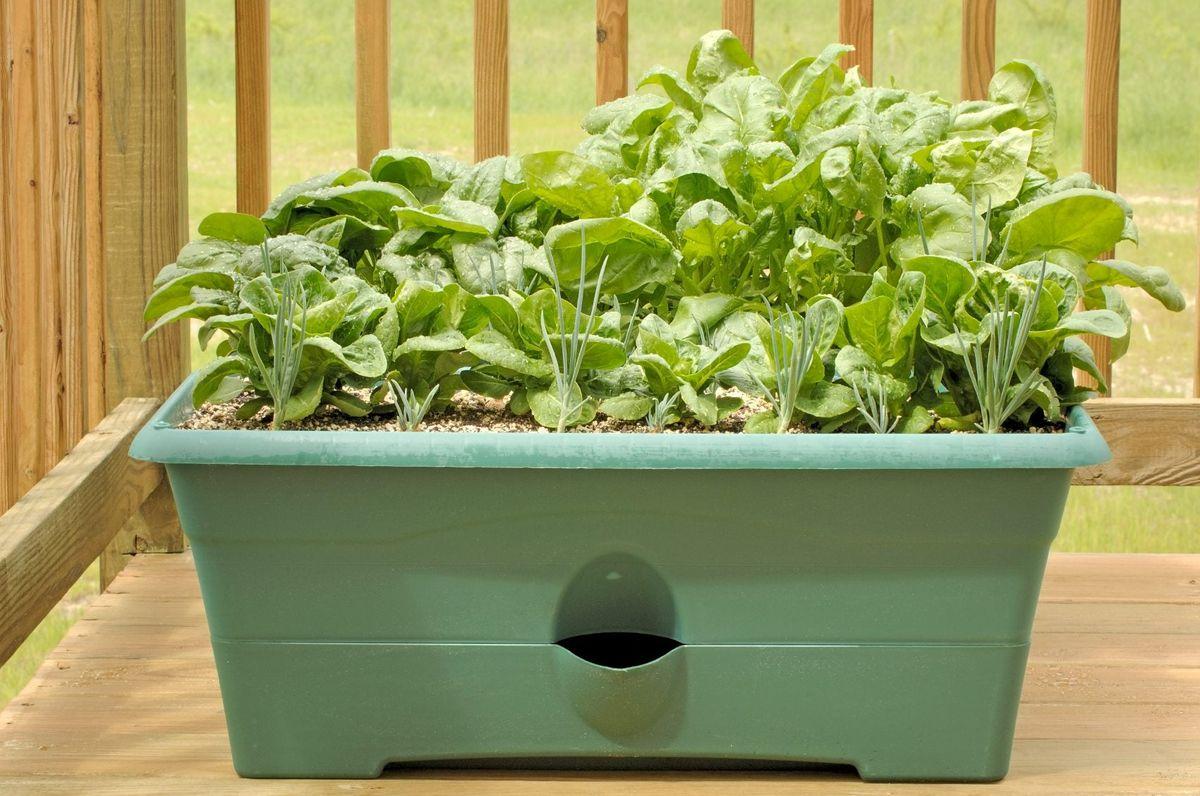
Plant in full sun with good spacing. Aim to give spinach plants enough room so air can move freely between them. Wider spacing helps leaves dry after dew or rain and reduces the humidity that powdery mildew loves. If you grow in containers, avoid clustering pots too tightly together.
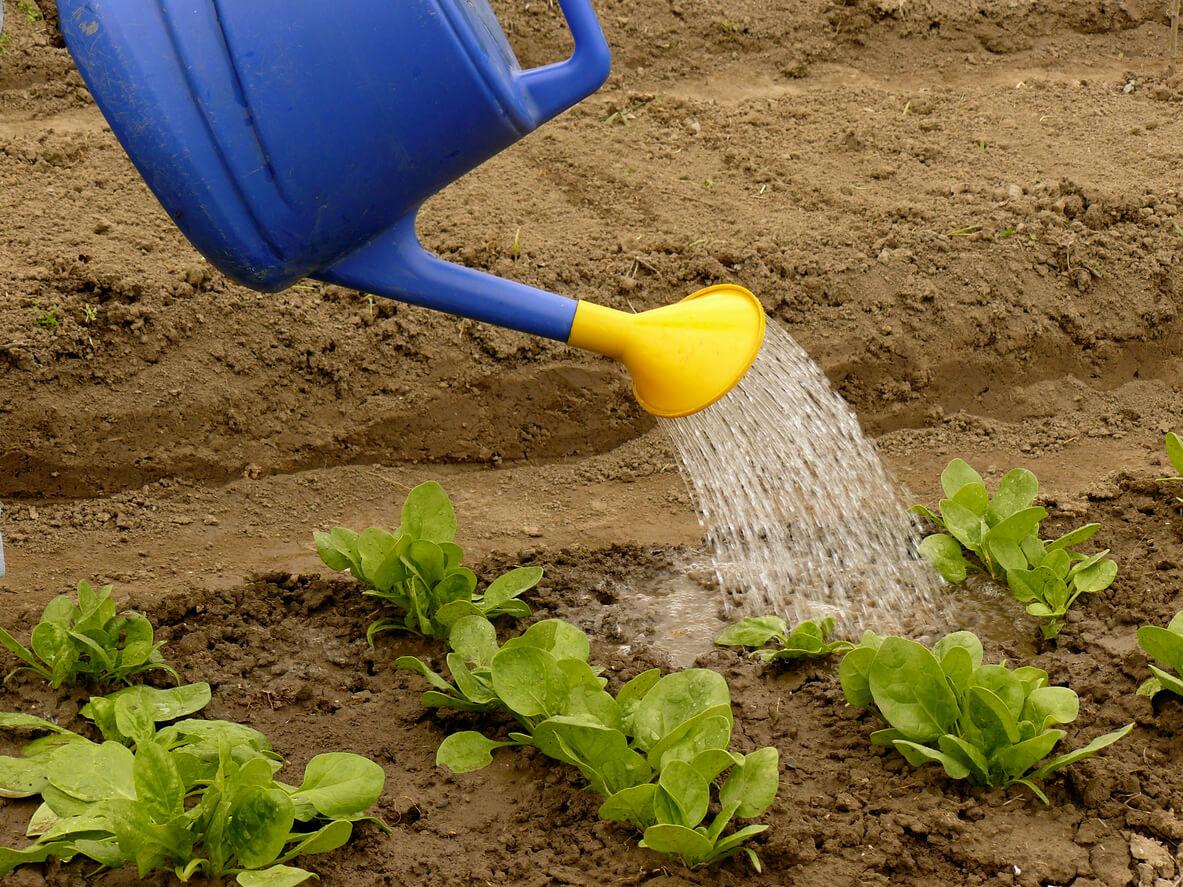
Water at the base, not overhead. Use drip irrigation, soaker hoses, or a gentle watering can aimed at the soil rather than the foliage. This keeps leaves as dry as possible and reduces the chance of spores being carried by splashing water. Irrigating early in the day allows any accidental wetting to dry quickly.
Practice crop rotation and sanitation. Do not plant spinach or related greens in the same bed every season. Rotate with non‑host crops such as legumes or alliums to break the disease cycle. After harvest, remove old plant debris and dispose of it away from the garden, as spores can survive on dried leaves and stems.
Regular monitoring is advised. Walk through the farm at least once every week and observe both the upper and lower sides of spinach leaves for small white patches, yellowing or any unusual discoloration. "The earlier it (symptom) is noticed, the more effective whatever control measure that will be applied." This was according to Dr. Olaniyi who emphasized early detection.
If you record your planting dates, locations, and observations of any patterns over time either recurring problems in a particular bed or elsewhere then Plantlyze can help you track such details it will also remind you about ideal spacing rotation windows and inspection dates.
Organic and Home‑Based Treatments for Infected Spinach
If you already see powdery mildew on your spinach, do not abandon the crop just yet. There are several steps you can take to slow the fungus and protect remaining healthy tissue.
Remove heavily infected leaves. Pinch off or cut away leaves that are mostly covered with white growth. Place these in a trash bag or compost pile that reaches high temperatures, not in a simple home compost bin where spores may survive. Removing diseased tissue reduces the number of spores available to spread.
Apply a baking soda‑based spray if you prefer a home‑made option. Many gardeners use a mixture of baking soda, water, and a small amount of mild soap to change the surface chemistry of the leaf and make it less friendly to fungal growth. Keep in mind that this is a folk remedy and results can vary. Always test a small area first and avoid spraying in direct sun or extreme heat to reduce the risk of leaf burn.
Use labeled organic fungicides carefully. Potassium bicarbonate and sulfur‑based products are labeled for use as organic fungicides on most vegetables. Other horticultural oils and neem products can also suppress the fungus. Check the label specifically for use on edible spinach and follow all safety instructions. Spray at first sign of disease and repeat according to product schedule.
Do not spray too close to harvest. If you are treating spinach you plan to eat soon, pay attention to the pre‑harvest interval on the label. Many organic fungicides require a few days between last application and harvest. When in doubt, focus on cultural controls and leaf removal for short‑term crops.
Record what you spray and when. In case you reuse the same bed for future spinach plantings, a treatment history will help in deciding whether to rotate crops or change variety or any adjustment in prevention strategy. Plantlyze can store such notes, even reminders for follow‑up inspection or repeat spray can be set.
Cultural Tips to Keep Your Spinach Healthy Long‑Term
Beyond immediate treatment, a few long‑term habits can make your spinach much less attractive to powdery mildew and other diseases.
Improve spacing and airflow. If you notice your spinach patch crowding itself, thin seedlings or transplant extras to give them more room. Good airflow dries the leaves faster and makes it harder for the fungus to settle in. Important in high‑humidity or coastal climates.
Fine‑tune your watering routine. Water deeply but less frequently, so roots go deeper and leaves are not constantly damp. Early morning watering allows sunlight to dry the foliage quickly hence recommending against late evening sprinkling which can leave the leaves wet overnight.
Do not over fertilize. Nitrogen makes the plants grow leaves, and if there is too much nitrogen, then all the leaves will be soft and fast growing. Use a balanced fertilizer or well rotted compost added to the soil so that nutrients are provided without over stimulating growth.
Clean up between seasons. Remove old spinach plants and any remaining crop debris after harvest. This reduces the amount of over‑wintering spores in your garden. If you grow spinach in containers, wash pots and trays before reusing them to avoid carrying spores to the next crop.
When to Replace or Rotate the Crop
If powdery mildew keeps coming back in the same bed, it may be time to change your plan. Repeated infections can signal that the environment is too favorable for the fungus or that spores are building up in the soil and plant debris.
In such cases, consider rotating to crops that are not hosts for powdery mildew, such as legumes or certain root vegetables. This breaks the disease cycle and gives you a chance to improve soil health, drainage, and airflow before planting spinach again.
If you track your crop history in an app like Plantlyze, you can easily see which beds have had repeated spinach disease problems and decide where to rotate or skip spinach in the next season.
How to Use Plantlyze to Monitor and Diagnose Powdery Mildew
Plantlyze is an AI‑powered plant‑care assistant that helps home gardeners and small growers identify and manage plant problems. With spinach, you can use it to upload a photo of your leaves and receive guidance on whether the white patches look like powdery mildew or something else, such as nutrient deficiency, sunscald, or another disease.
The app can also help you:
Keep a digital journal of when you planted, watered, and treated your spinach
Log treatments and monitor whether symptoms improve or spread
Set reminders for routine inspections or preventive sprays
By combining your own observations with AI‑assisted insights, you gain a clearer picture of what is happening in your garden and can act sooner rather than later. If you want to start using this kind of support for your spinach and other plants, visit plantlyze.com to explore the tool and create your first plant profile.
Quick Recap: What You Need to Remember
Powdery mildew on spinach shows up as white or grayish, powdery patches on leaves and stems. It thrives in warm, humid conditions with poor air circulation and crowded plants. Early detection and simple cultural steps such as proper spacing, watering at the base, and timely removal of infected tissue can significantly reduce its impact.
When symptoms appear, consider a combination of leaf removal, organic fungicides, and improved growing practices. And if you ever feel unsure about a leaf spot or white growth, Plantlyze can help you confirm the issue and stay on top of your plant care routine. With a bit of attention and the right habits, you can keep your spinach healthy and your harvests crisp and clean.
References
Morphological and molecular characterization of spinach powdery mildew disease caused by Oidiopsis haplophylli – Researcher Life
https://discovery.researcher.life/article/morphological-and-molecular-characterization-of-spinach-powdery-mildew-disease-caused-A novel finding of powdery mildew caused by Oidiopsis haplophylli on spinach – Journal of Phytopathology
https://bsppjournals.onlinelibrary.wiley.com/doi/10.1111/j.1365-3059.2008.01913.xCelery and Spinach Flavonoid‑Rich Extracts Enhance Phytoalexin Production in Powdery Mildew‑Infected Cucumber Leaves – PMC
https://pmc.ncbi.nlm.nih.gov/articles/PMC12349301/Spinach flavonoid‑rich extract: Unleashing plant defense mechanisms against powdery mildew – ScienceDirect
https://www.sciencedirect.com/science/article/abs/pii/S2352554124003152