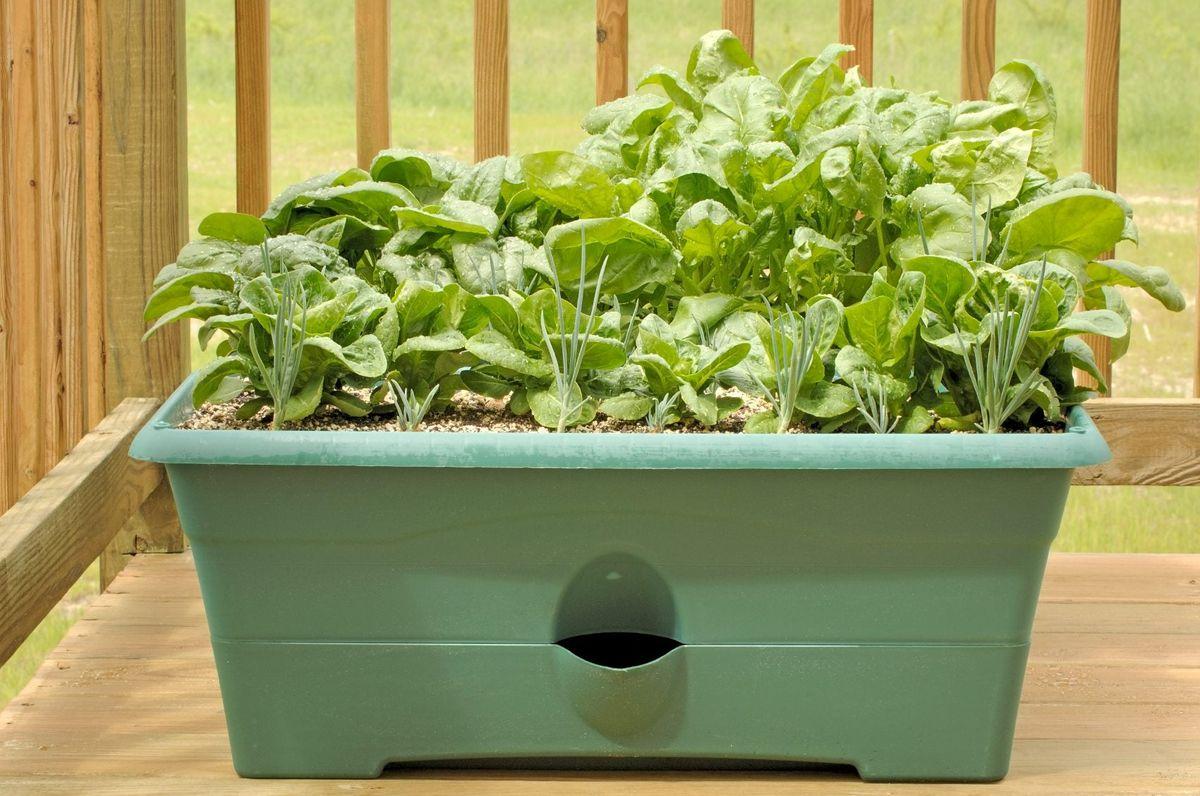
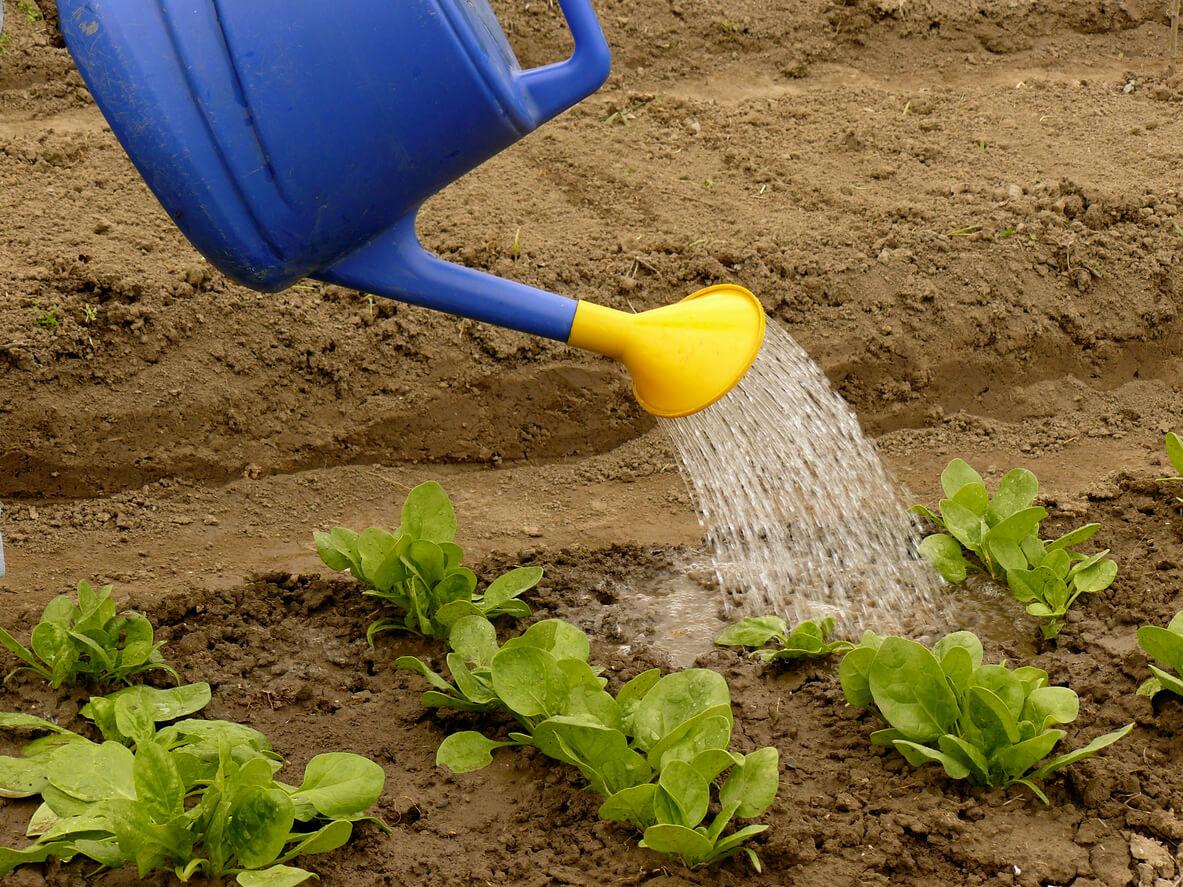
Spinach overwatering is one of those sneaky problems that can ruin a whole bed without you realizing it. You water your plants regularly, yet you see yellowing leaves, limp stems, or even plants that just collapse. What many gardeners do not realize is that their spinach may be drowning, not drying out. In this article, we will walk through how spinach reacts to too much water, how to recognize the signs, how to rescue affected plants, and how to prevent overwatering in the future. Along the way, we will also show how tools like Plantlyze can help you diagnose and care for spinach using an AI‑powered plant‑care assistant.
Why spinach is sensitive to overwatering
Spinach is a shallow‑rooted leafy green that thrives on consistent moisture, but it does not like sitting in water. When the soil stays soaked, oxygen cannot reach the roots, and the plant struggles to take up nutrients even though water is plentiful. This lack of oxygen weakens the roots and makes them more vulnerable to rot and fungal diseases. As a result, spinach is often more harmed by overwatering than by a short period of mild dryness. The key is to keep the soil evenly moist, not soggy, so the roots can breathe while still accessing water.
Signs your spinach is overwatered

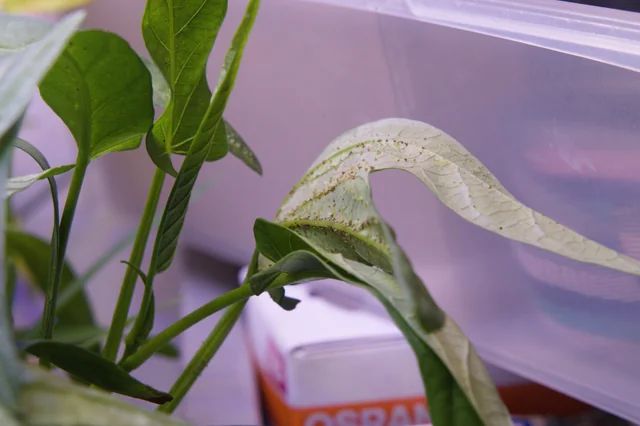
One of the first signals that spinach is overwatered is yellowing or pale leaves, usually starting at the lower foliage. These leaves may look washed out or slightly translucent, and they can drop off sooner than expected. If you notice this while the soil still feels wet, overwatering is a likely cause rather than a simple nutrient problem. Another telltale sign is wilting even though the ground is clearly damp. When roots are waterlogged, they cannot function properly, so the plant acts thirsty even in wet conditions.
Soft or mushy stems, especially near the base, indicate that the lower part of the plant is starting to rot. If you gently pull a plant, the roots may appear brown, black, or slimy instead of firm and white. This is a strong sign of root rot caused by prolonged wet soil. Growth itself may slow down or become uneven, with thin, floppy leaves and weak stems. Over time, the bed may look patchy, with gaps where plants have collapsed or thinned out. In advanced cases, you might catch a sour or musty smell from the soil, which signals anaerobic conditions and possible fungal activity. Occasionally, you may also see fuzzy mold or algae on the soil surface and on the lower leaves, both of which thrive when moisture stays high.
Side effects on growth and yield
Overwatered spinach rarely reaches its full potential. Leaves stay small, soft, and sparse, reducing the usable harvest per plant. The plants could also bolt earlier, sending up flower stalks and turning bitter, which shortens the harvest window. When the roots are weakened, the crop becomes more vulnerable to secondary diseases and pests, further lowering yield. From a quality perspective, wet foliage and stressed tissue can shorten shelf life after picking and increase risk of spoilage or mold in storage. On a larger scale, constantly overwatering the same bed can degrade soil structure and nutrient balance, affecting not only spinach but future crops in the same location.
Common mistakes in watering spinach
Many gardeners fall into a few predictable patterns that lead to overwatering. Another common mistake is that of adhering to a rigid schedule, such as watering every morning without checking how dry the soil has actually become. This will easily saturate the bed during cool or rainy periods. Yet another frequent mistake is in trying to apply so much water at once, creating puddles or standing water instead of moistening the root zone. The roots of spinach are relatively shallow and therefore seldom require deep heavy soakings.
Another big culprit is poor drainage in containers or garden beds. Heavy clay soil, compacted ground, or blocked drainage holes in pots trap water around the roots. Some growers also forget to adjust their routine when it rains, effectively watering twice in the same day. Finally, using overhead sprinklers late in the evening keeps the leaves wet overnight, which encourages fungal issues even if the soil is not completely soaked. Awareness of these habits is the first step toward fixing them.
How to rescue overwatered spinach
If you suspect your spinach has been overwatered, act quickly but calmly. Stop watering. Let the soil dry out a little. Move pots to an area with light and air, in which both light and air can help 'dry' the soil within the pot· If there are drainage holes at the bottom of the pot, check that they are not blocked so that any excess water inside flows out completely· You may also leave it on a saucer for some time to catch run-off but remember to remove the saucer later so it is not sitting in water.
Remove gently any leaves which are extremely yellow or brown so that the plant can conserve its energy, and allow all tissues to become healthy. If the roots appear mushy or dark then repot the plant into fresh well-draining soil. Cut off with clean scissors any soft rotten roots and replant at the same depth being careful not to damage firm white roots. For plants in the ground, do not dig too deep; instead, work on improving surface drainage and airflow. Once the plant has stabilized, resume watering only when the top layer of soil feels dry to touch. Do not fertilize stressed spinach until clear signs of recovery because extra nutrients can further stress weak roots.
How to prevent overwatering going forward
Prevention starts with checking the soil before every watering. Insert your finger about an inch deep into the soil around your spinach; if it feels damp, wait another day. This simple test helps you switch from a fixed schedule to an “as needed” approach. When you do water, aim for even, gentle moisture at the root zone rather than a heavy flood. Use a watering can or drip line instead of a strong jet that pools on the surface. Watering early in the day allows leaves to dry before nightfall, which reduces fungal pressure.
If your soil is heavy and holding water, add compost-perlite or coarse sand to break it up a bit without letting it get too dry too fast. Mulch lightly around the plants to keep in some moisture so you do not have to water as often. In containers, make sure there is good drainage and do not use trays that hold standing water for long periods of time. Finally, adjust your habits with the seasons: spinach in hot sunny places will need more frequent watering than shaded cool areas where very little may be needed at all.
Advanced tips for gardeners and growers
For small-scale growers, rotation will break the cycle of soil-borne pathogens that love wet conditions and accumulate quickly. Do not plant spinach in the same bed every year; better still, associate it with other crops that can tolerate slightly drier soil. For container growers, surface flooding can be prevented by using self-watering containers or systems where drip irrigation slowly feeds water to the root zone. Balcony or rooftop urban gardeners should take note of wind and sun exposure: "The elements may dry out my containers really fast during the day but at night they're cool and damp."
Different spinach varieties vary slightly in their tolerance to moisture, so choosing robust types can give you a bit more safety margin. If you are growing multiple leafy greens, group plants with similar water needs together so you can fine‑tune irrigation for each group. In all cases, recording your watering patterns and observing how plants respond over time helps you refine your routine and avoid repeating the same mistakes.
How Plantlyze can help you care for spinach
Most newbies always find it hard to determine whether their spinach is overwatered, lacks nutrients, or just responds to high temperatures. This shall be an AI-powered plant care tool like Plantlyze comes in handy. Upload a picture of your spinach, answer a few simple questions, and get an instant result determining whether overwatering could possibly be the major problem among other highlighted issues. Plantlyze can further recommend specific watering schedule adjustments and soil modifications based on your type of plant and general conditions within your locality.
Plantlyze does not substitute good gardening instincts. It simply delivers a layer of data-driven guidance to make the user more confident in spotting symptoms and associating them with the right stress, either environmental or nutritional. Digitally assisted home gardeners and small producers will eventually have less guesswork with better plant health through time. If you are still one among many who keep second-guessing whether your spinach is overwatered or stressed for another reason, let Plantlyze give its quick visual diagnosis accompanied by a personalized care plan. Visit plantlyze.com to get started.
References
University of California Integrated Pest Management – Damping‑Off and Root Rot in Spinach
https://ipm.ucanr.edu/agriculture/spinach/damping-off-and-root-rot/USDA Agricultural Research Service – Spinach biomass yield and physiological response to water and salinity stress
https://www.ars.usda.gov/arsuserfiles/20360500/pdf_pubs/P2549.pdfCanadian Journal of Plant Science – Effects of different water and nitrogen levels on spinach yield and efficiency
https://cdnsciencepub.com/doi/10.4141/cjps-2014-184Phytopathology / APS Journals – Characterizing damping‑off and root rot pathogens of spinach in California (Pythium and other pathogens)
https://calgreens.org/wp-content/uploads/2022/03/characterizing-damping-off-and-root-rot-pathogens-of-spinach-in-california_2013.pdfPubMed – Root rot of spinach in southern Italy caused by Pythium aphanidermatum
https://pubmed.ncbi.nlm.nih.gov/30699770/