Imagine walking into your kitchen, snipping a few fresh spinach leaves from a small pot on your windowsill, and tossing them straight into your breakfast smoothie or salad. Growing spinach indoors makes that possible all year round, even if you live in a small apartment or a climate with harsh winters. With a little attention to light, soil, and watering, you can enjoy crisp, homegrown spinach without stepping outside.
In this guide, you will learn how to set up an indoor spinach garden, choose the right variety, care for your plants, and troubleshoot common problems. And if you ever feel unsure about your plant’s health, you can use Plantlyze to get AI‑powered care tips and disease diagnosis. You can start exploring it at plantlyze.com.
Why Grow Spinach Indoors?
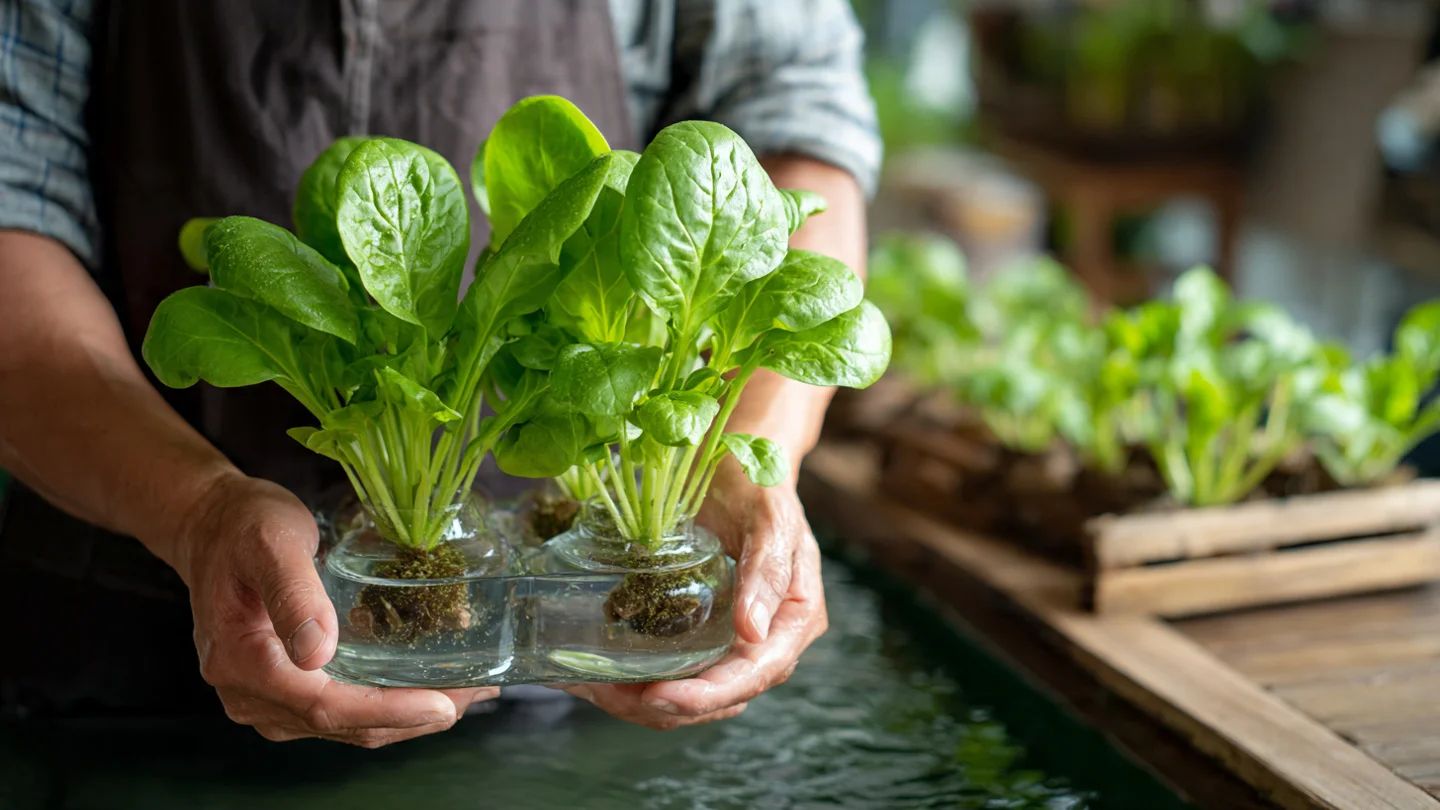
Growing spinach indoors offers several benefits that make it ideal for urban gardeners and small‑space growers. You can harvest fresh leaves almost year round, regardless of the season outside. Unlike outdoor gardens, your indoor spinach avoids many common pests and weeds, so you can reduce or even skip chemical treatments.
Indoor spinach is also very space‑efficient. A sunny windowsill, a small shelf, or a compact balcony can easily support several pots of spinach. You control the light, temperature, and moisture, which helps prevent bolting and keeps your plants growing steadily. Spinach grown indoors is often cleaner and safer, since it is not exposed to soil‑borne diseases or heavy rain splashing dirt onto the leaves.
If you want personalized guidance as you grow, tools like Plantlyze can analyze photos of your plants and suggest tailored care steps based on real‑time conditions.
Choosing the Right Spinach for Indoor Growing
Select a variety suitable for containers and inside spaces. Choose compact, quick types maturing baby spinach bred for container and hydroponic culture to grow indoors. Most practical are the varieties of baby spinach because they grow fast and remain small; hence, equally ideal for windowsill gardens.
Smooth‑leaf types are easier to harvest and wash. This makes them more suitable in an indoor setup of the salad bowl style. Most varieties friendly to indoors can be harvested as baby greens in approximately 30–40 days, becoming fully mature within 6–8 weeks.[1] Yes, you read that right! Less than a month from sowing until you start enjoying fresh leaves.
If you already have a spinach plant and are not sure of the exact variety, you can take a clear photo and upload it to Plantlyze. Its AI system can help you identify the variety and recommend ideal light, temperature, and spacing for it.
Containers, Soil, and Setup
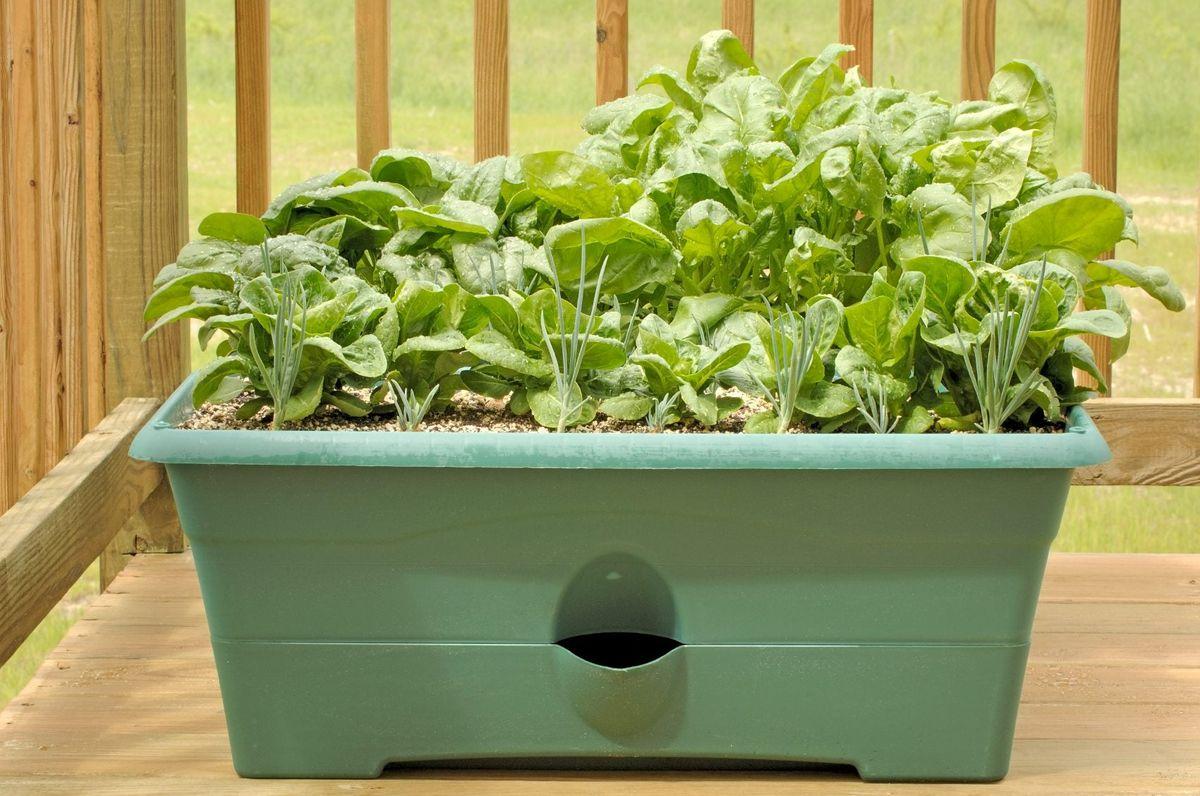
The right container and soil setup are key to healthy indoor spinach. Choose pots or containers that are at least 15–18 cm deep, with good drainage holes at the bottom. Window boxes, fabric grow bags, or self‑watering pots all work well for indoor spinach. Make sure the container is stable and will not tip easily when placed near a window or under a grow light.
Fill the container with a high‑quality potting mix that drains well. Do not use heavy garden soil. Heavy garden soil becomes compacted and waterlogged inside pots. Use a mixture enriched with compost or containing slow release fertilizer added to give your spinach an excellent start. In case you are a hydroponics fan, then yes, spinach can also be grown in systems using nutrient rich water instead of soil; for example, rock wool plugs or net pots with balanced solution.
For beginners, a simple potting‑mix setup is usually the easiest and most reliable method. As your plants grow, you can use Plantlyze to check whether your soil seems too dry, too wet, or lacking nutrients based on your plant’s appearance.
Light Requirements for Indoor Spinach
Spinach needs plenty of light to grow compact and leafy rather than tall and weak. Ideally, place your pots in a bright location where they receive 6–8 hours of indirect sunlight per day. A south facing or east facing window is usually ideal in most homes.
If your windows do not provide enough light, especially during the winter months, you can supplement with LED grow lights. Position the lights about 15–30 cm above the plants and keep them on for 10–14 hours per day. This simulates the long, bright days spinach prefers without overheating the leaves. Be careful not to place the lights too close, as that can scorch the foliage.
If your spinach leaves are pale or the plants stretch upward with long stems, that usually means the light is too weak. In that case, you can move the plants closer to the window or lower the grow lights. Plantlyze can also help you interpret leaf color and shape to adjust your lighting setup.
Sowing Spinach Seeds Indoors
Starting spinach from seed indoors is simple and rewarding. Begin by lightly moistening your potting mix so it is damp but not soggy. Then, sow the seeds about 3–5 mm deep, spacing them roughly 5–8 cm apart across the soil surface. Cover them with a thin layer of soil and gently press down to make contact.
Keep the pot in a warm spot with a consistent temperature around 15–20 °C. Under these conditions, spinach seeds usually germinate within 5–10 days. Once the seedlings emerge, continue to keep the soil moist but not waterlogged. As true leaves form, thin out the weaker plants so that each remaining spinach plant has about 10–15 cm of space around it.
Thinning may feel harsh at first, but it gives each plant enough room to develop strong leaves. If you notice any odd spots, discoloration, or unusually slow growth in your seedlings, you can take a photo and upload it to Plantlyze for an AI‑assisted diagnosis.
Watering and Feeding Your Indoor Spinach
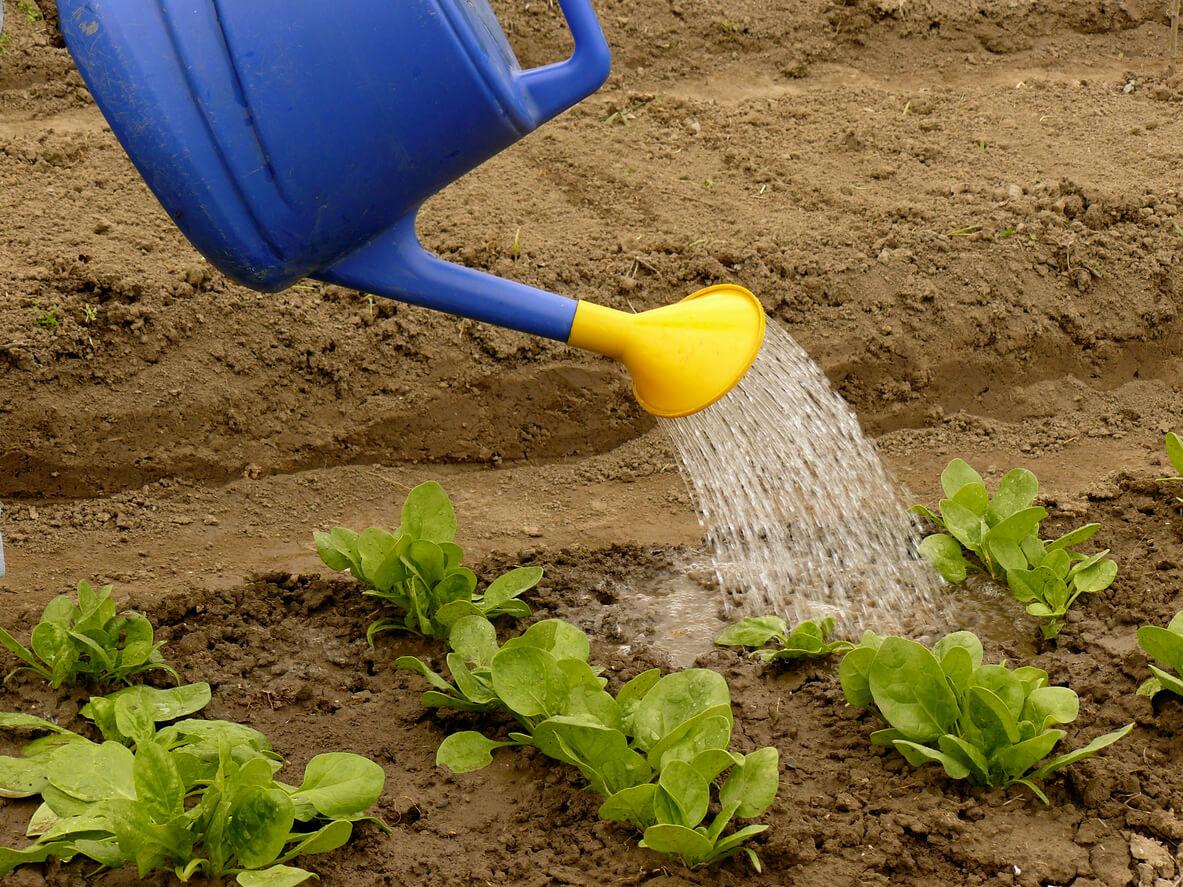
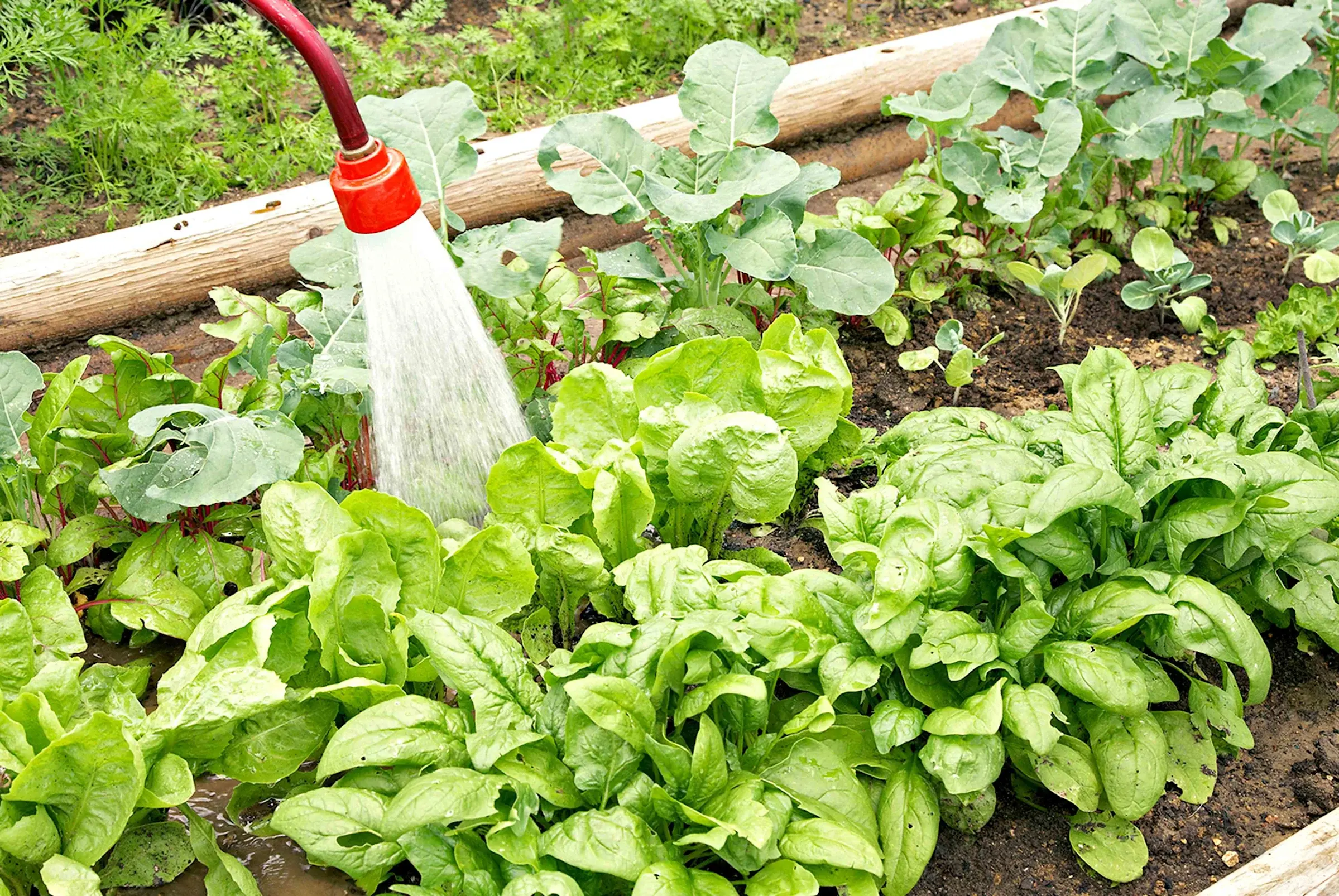
Watering is one of the most important parts of indoor spinach care. Keep the soil consistently moist, but avoid letting the pot sit in standing water. Water when the top 1–2 cm of soil feels slightly dry to the touch. Overwatering can lead to root rot, especially in containers with poor drainage.
Spinach is a relatively light feeder, but it still benefits from regular nutrition. You can apply a balanced liquid fertilizer every 2–3 weeks or use a slow‑release granular fertilizer mixed into the potting mix at planting. Watch for signs of stress such as yellowing leaves, which may indicate overwatering or a lack of nutrients, or pale, thin growth, which can suggest poor soil fertility.
If you are unsure whether your plant needs more water, less water, or more food, you can use Plantlyze to analyze its leaves and environment. The AI can help you refine your watering and feeding routine over time.
Temperature, Humidity, and Airflow
Spinach grows best in a cool to moderate temperature range, roughly between 15 and 24 °C. It can tolerate mild cool nights but struggles when it gets too hot. If your indoor space is warm, especially near radiators or heaters, your spinach may bolt quickly, sending up flower stalks and reducing leaf quality.
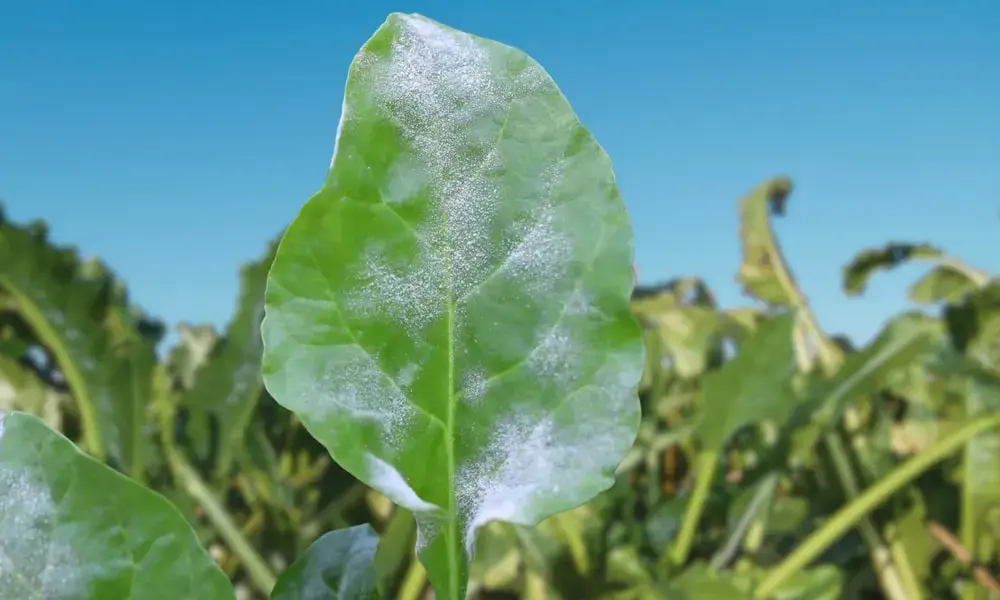
Moderate humidity is generally fine for spinach, but good airflow is important to prevent mold and fungal issues. A gentle breeze from an open window or a small fan can help keep the air moving without drying the soil too quickly. Avoid placing your spinach in a hot, stagnant corner where heat and moisture can build up.
If you track your indoor environment with tools like Plantlyze, you can see how temperature and humidity changes affect your plant’s growth and adjust conditions accordingly.
Harvesting and Regrowth
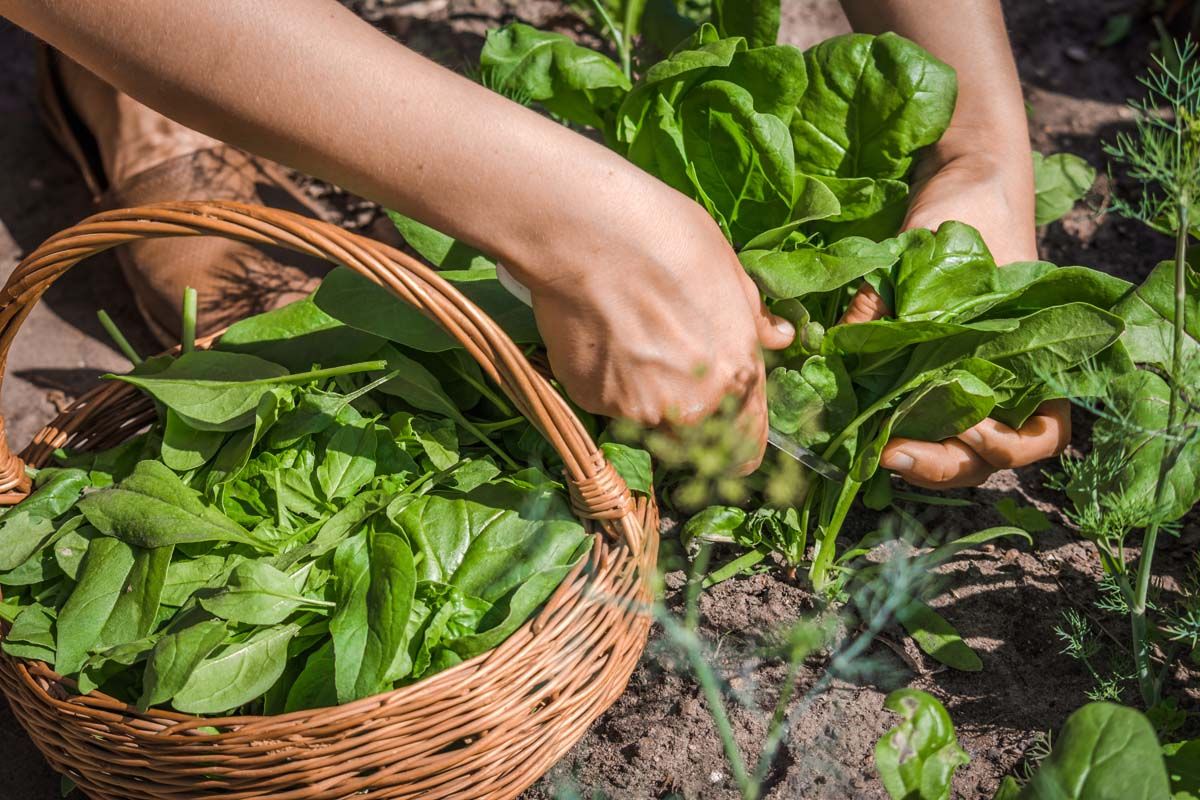
One of the beauties of indoor spinach is that it can produce multiple harvests from the same plant. For baby‑leaf spinach, start harvesting when the outer leaves are about 7–10 cm long. Use clean scissors to snip the outer leaves, leaving the central growth point intact so the plant continues to produce new leaves.
If you prefer a larger harvest at once, you can cut the entire plant at the base when it is mature. In many cases, spinach will regrow new leaves after a cut‑and‑come‑again harvest, especially if you fertilize lightly and keep the soil moist. Regular harvesting encourages bushier, more productive plants.
If you ever worry that you have harvested too much or damaged the plant, you can take a photo and upload it to Plantlyze. The AI can check for stress signs and tell you whether your plant is likely to recover and keep producing.
Common Problems and How to Fix Them
Even with careful care, indoor spinach can sometimes show problems. One common issue is bolting, when the plant suddenly sends up a tall flower stalk. This usually happens when the plant is exposed to heat, long days, or stress. Once spinach bolts, the leaves become bitter and production slows.
Yellow or pale leaves can indicate overwatering, poor drainage, or nutrient deficiency. If the soil stays wet for too long, roots may start to rot, so make sure the container has good drainage and adjust your watering schedule. If the leaves are pale and thin, the plant may need a light feeding with a balanced fertilizer.
Indoor pests are rare but can include aphids or spider mites. Treat infestations with gentle insecticidal soap or neem‑based solutions, and isolate affected plants until the problem is under control. Plantlyze can help you quickly identify whether yellow spots or webs are caused by pests, disease, or environmental stress.
If you notice any unusual change in your spinach, the fastest way to get a diagnosis is to upload a clear photo to Plantlyze at plantlyze.com. The AI will suggest possible causes and simple steps to fix the issue.
References
Spinach (Spinacia oleracea L.) Growth Model in Indoor Controlled Environments – https://pmc.ncbi.nlm.nih.gov/articles/PMC11944551/
Optimizing germination and growth of greenhouse hydroponic baby spinach – https://www.sciencedirect.com/science/article/pii/S2666154325009019
A Quantitative Analysis of Nutrient Requirements for Hydroponic Spinach (Spinacia oleracea L.) – https://www.longdom.org/open-access/a-quantitative-analysis-of-nutrient-requirements-for-hydroponic-spinach-spinacia-oleracea-l-.html
Niche‑specific microbial diversity, interactions, and functional potential associated with spinach – https://www.sciencedirect.com/science/article/pii/S2666517425001361
Beneficial bacterial endophytes promote spinach plant growth under indoor vertical hydroponic systems – https://www.maxapress.com/article/doi/10.48130/tihort-0024-0012