If you grow spinach in your garden or containers, you have probably noticed how sensitive it can be. One week the leaves look lush and deep green, the next they turn pale, thin, or oddly bitter. Much of that has to do with fertilizer. Spinach is a fast growing leafy crop that expects a steady supply of nutrients, especially nitrogen, but it also punishes overfeeding with burnt leaves and high nitrate levels. In this guide you will learn which fertilizer to use for spinach, what NPK ratios work best, and how to feed your plants safely with both organic and synthetic options. Along the way you will also see how a smart plant care tool like Plantlyze can help you spot nutrient problems early and adjust your feeding plan with a simple photo.
Why spinach needs the right fertilizer
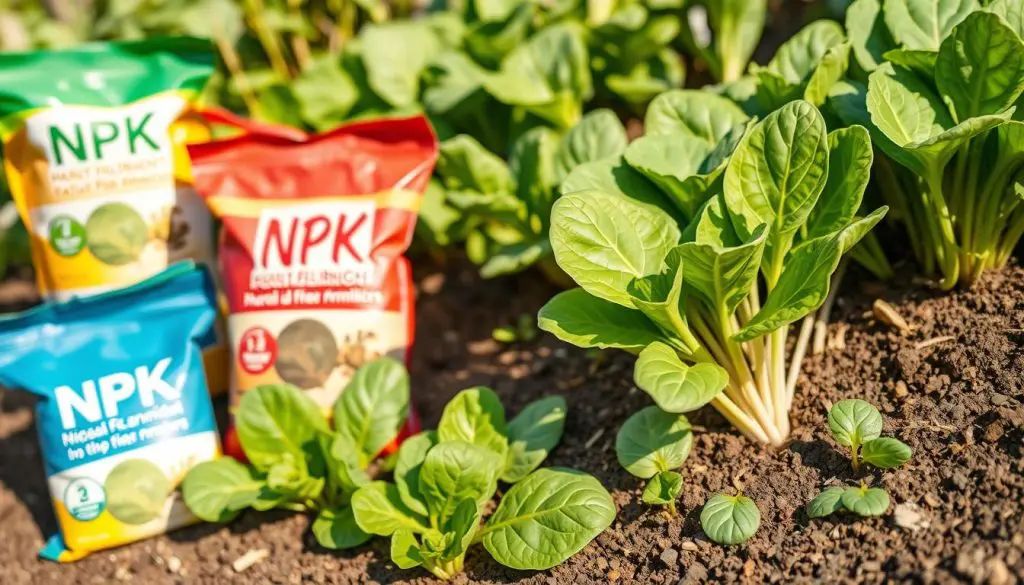
Spinach is what gardeners call a nitrogen hungry leafy vegetable. It pushes out a lot of green tissue in a short time, so it pulls a significant amount of nitrogen from the soil, plus moderate phosphorus and potassium. When nutrients are balanced, spinach grows quickly, forms dense rosettes, and stays a rich dark green. When something is off, you start seeing pale or yellow leaves, slow growth, weak stems, or leaves that taste harsh instead of fresh.
Common signs of fertilizer problems include:
Pale or yellow leaves, especially on older foliage, often indicate nitrogen shortage.
Stunted plants with poor root development can point to low phosphorus.
Weak stems, low disease resistance, or leaves that feel thin and brittle may signal potassium deficiency.
On the other side, too much nitrogen can make leaves dark and heavy but also push nitrate levels higher, sometimes giving a bitter edge to the flavor. That is why understanding what spinach needs, and when, matters more than just dumping fertilizer into the bed. If you ever feel unsure, a plant care app like Plantlyze can analyze photos of your spinach and suggest whether you may be under feeding or over feeding, helping you tailor your fertilizer choices to your specific plants and conditions.
Nitrogen, phosphorus, and potassium: the spinach trio
Nitrogen — spinachs leaf builder
Nitrogen is the main driver of leaf growth and color. It helps spinach produce chlorophyll, the green pigment that also powers photosynthesis. When nitrogen is sufficient, leaves unfurl larger, thicker, and a deep green. Field studies show that increasing nitrogen application can raise spinach leaf size and SPAD readings, which are used as a proxy for greenness and nitrogen status.
However there is a downside to loading too much nitrogen at once. High nitrogen can increase nitrate accumulation in the leaves, which affects taste and can be a concern for health‑conscious growers. The trick is to give spinach enough nitrogen to keep it growing strongly, but not so much that you stress the plant or build up excess salts in the soil.
Phosphorus — root and energy support
Phosphorus does not build leaves the way nitrogen does, but it is crucial for early development and energy transfer inside the plant. It helps roots grow strong and supports seedlings in the first few weeks after planting. If spinach starts slow or looks puny even with good watering, a lack of phosphorus is often part of the story.
Garden guides usually recommend including a modest amount of phosphorus in pre planting fertilizers, especially in soils that are sandy or previously low in organic matter. A balanced starter fertilizer can give young spinach the energy it needs to get off to a solid start.
Potassium — stronger plants, better taste
Potassium helps spinach regulate water, resist stress, and maintain better leaf texture and flavor. It strengthens cell walls, which can make leaves less prone to wilting in heat or cold and less attractive to some foliar diseases. Potassium also plays a role in the transport of sugars and other compounds, which influences how sweet and pleasant spinach tastes.
Because spinach is often grown in cooler weather or under cover, maintaining potassium can help it handle temperature swings and keep producing quality leaves over a longer harvest window. A fertilizer that includes a reasonable potassium level, not just nitrogen, supports both appearance and eating quality.
The best NPK ratios for spinach
If you look at a fertilizer bag, you will see three numbers such as 10 10 10 or 12 6 6. These are the NPK values: nitrogen, phosphorus, and potassium. For spinach, many gardeners and researchers find that a formula slightly rich in nitrogen, but still balanced, works best.
Commonly recommended options include:
A balanced mix such as 10 10 10 or 12 12 12, which delivers equal or nearly equal amounts of each nutrient and suits general leafy vegetable needs.
A slightly nitrogen heavy mix such as 12 6 6 or 20 10 10, which aligns with the idea of a 2:1:1 nitrogen to phosphorus to potassium ratio aimed at maximizing leaf production.
For most home gardens, starting with a 12 12 12 or 12 6 6 type fertilizer, then adjusting based on how the plants respond, is a safe approach. If soil tests show plenty of phosphorus already, you can lean toward a nitrogen focused formula like 20 10 0 or 18 6 12 when side dressing, while still keeping potassium present.
Soil type also matters. Sandy soils drain quickly and may need more frequent but lighter applications, while clay or loamy soils can hold nutrients longer and benefit from fewer, slightly heavier doses. If you are unsure what your soil lacks, using a plant diagnosis tool such as Plantlyze can help you interpret leaf color, growth patterns, and even photos of your garden to recommend a more targeted fertilizer strategy.
Organic vs synthetic fertilizers for spinach
Organic options that spinach loves
Organic fertilizers work by slowly breaking down and releasing nutrients over time. They are usually gentler on plants and can improve soil structure, which spinach appreciates because it likes loose, well drained beds.
Popular organic choices include:
Well rotted cow manure or compost, which add nutrients plus beneficial microbes and improve water retention.
Biogas digestate, a byproduct of cattle dung biogas systems, which field experiments show can support spinach growth while posing lower environmental risk than some inorganic fertilizers.
Composted poultry manure or other manure based blends, which are rich in nitrogen but should be well aged to avoid burning young plants.
Organic options are ideal if you want to build long term soil fertility and avoid sudden spikes in nitrogen. They are especially useful for raised beds and containers where you want steady, gradual feeding.
When synthetic fertilizers make sense
Synthetic fertilizers deliver nutrients in a more concentrated, immediately available form. They are useful when:
You need to correct a clear deficiency quickly, such as pale leaves after a heavy rain or on poor soil.
You are growing spinach in a short season and want to maximize leaf size and yield in a limited window.
Common synthetic choices include balanced NPK mixes like 10 10 10 or 12 12 12, sometimes applied as water soluble liquid feeds or granular sidedresses. The risk with synthetics is over application. Too much nitrogen at once can boost leaf growth but also increase nitrate levels and make the crop taste bitter or stressed.
For most growers, a mixed approach gives the best results: build the soil with organic matter over time, then use light synthetic side dressings only when plants show clear signs of hunger, such as lighter green leaves or slowed growth.
When and how often to fertilize spinach
Fertilizing before planting
Preparation is key for spinach. Because it grows fast, it benefits from a nutrient rich seedbed from the start. Before sowing seeds or transplanting seedlings, mix a balanced fertilizer or compost into the top few inches of soil. This gives roots access to nutrients as soon as they start to grow.
A typical recommendation is about 1 pound of a 10 10 10 fertilizer per 100 square feet of bed, or an equivalent amount of compost or manure depending on its nutrient content. On sandy or depleted soils, you may lean toward the higher end of that range; on rich, compost heavy beds, you can use less.
Feeding during growth
Once spinach has developed 4 to 6 true leaves, you can start a light feeding program if plants look pale or growth slows. Side dressing with a nitrogen rich fertilizer or applying a diluted liquid feed every 2 to 3 weeks can help maintain steady growth without shocking the plant.
If you choose a synthetic fertilizer, it is safer to split the total recommended dose into 2 or 3 applications. For example, instead of applying all the nitrogen in one go, apply one third at planting, one third at mid growth, and the last third toward the end of the harvest period, stopping before the final harvest to keep nitrate levels in check.
Stop feeding before harvest
In the last 1 to 2 weeks before harvest, many growers reduce or stop nitrogen fertilization. This helps limit nitrate buildup and can improve flavor by letting the plant use up stored nitrogen rather than adding more. A final light potassium feed can still support leaf firmness and shelf life without pushing extra nitrates.
Common mistakes and how to avoid them
Over fertilizing spinach
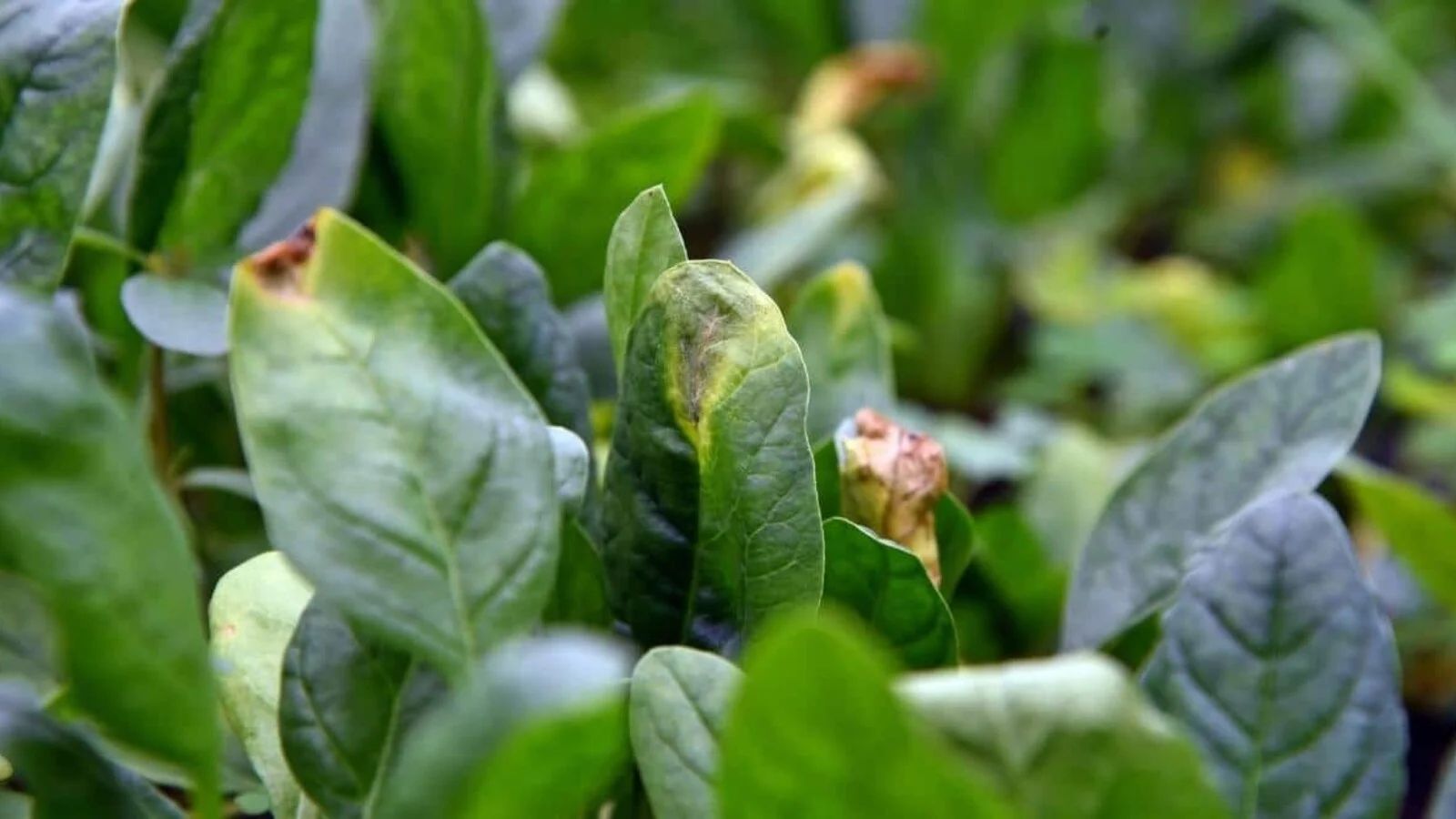
Over feeding is one of the most common mistakes. Symptoms include leaf burn, brown edges, strong acrid smell, or leaves that are dark but brittle. Excess nitrogen can also make spinach more attractive to pests like aphids and increase nitrate levels in the leaves.
To avoid over fertilizing, stick to recommended rates, observe your plants closely, and err on the side of less rather than more. If you are unsure what your plants need, a diagnosis tool like Plantlyze can analyze leaf color and growth patterns and suggest whether you should hold back on fertilizer or adjust the type you are using.
Only feeding nitrogen, ignoring P and K
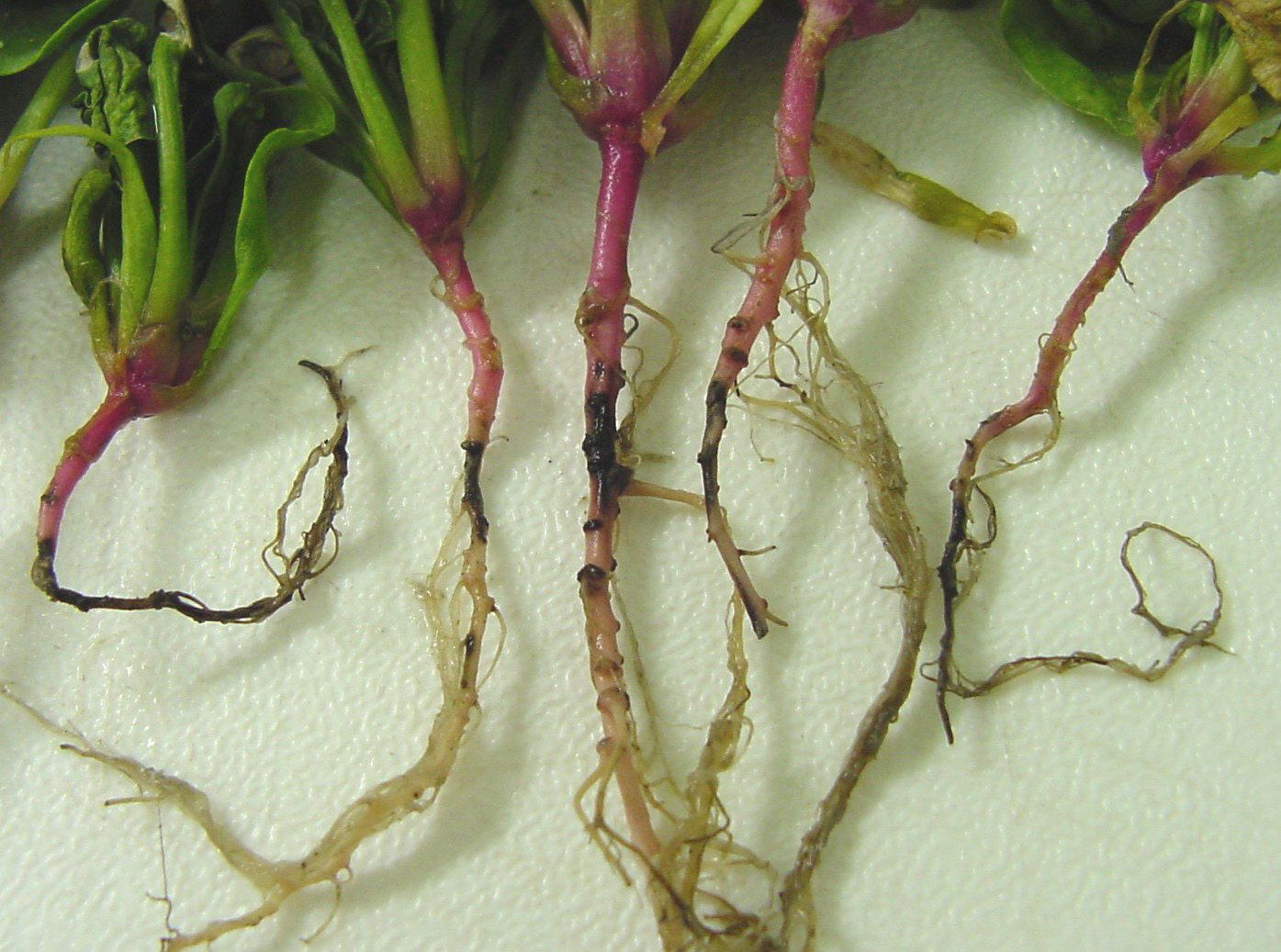
Some gardeners focus only on nitrogen because it visibly affects leaf color and size. But if phosphorus or potassium is low, plants can develop weak roots, poor disease resistance, and thin, hollow stems underneath healthy looking leaves.
A balanced approach that includes all three macronutrients supports not only appearance but also long term plant health. If you use a nitrogen focused fertilizer for side dressing, pair it with a base of balanced compost or an organic mix that supplies phosphorus and potassium.
Fertilizing dry soil or wrong timing
Applying fertilizer to dry soil concentrates salts around the roots and can burn them. Similarly, feeding plants that are already stressed by drought, heat, or disease may worsen the problem instead of helping.
The safer practice is to water the soil before or immediately after applying dry fertilizer, or to use a liquid feed that is already diluted. Time your main fertilizer applications around periods of active growth and avoid heavy feeding when plants are bolting or nearing maturity.
How Plantlyze helps you feed spinach smarter
It is easy to miss subtle nutrient shifts until your spinach already looks sick. Yellowing patches, uneven growth, or sudden stunting can be early signs of deficiency or toxicity, but they are not always obvious to the untrained eye. That is where an AI powered plant care tool like Plantlyze comes in.
Plantlyze lets you upload photos of your spinach plants and garden beds. The app analyzes leaf color, shape, and overall plant vigor, then suggests whether you may need more nitrogen, potassium, or a different fertilizer type, and whether soil preparation or pH might be part of the issue. This kind of insight can help you adjust your fertilizer plan before problems become severe, saving you time, plants, and unnecessary chemicals.
If you want a personalized spinach care plan based on your local conditions, try Plantlyze at plantlyze.com to turn your smartphone into a simple plant doctor between harvests.
References
Impact of nitrogen fertilizer type and application rate on growth and nitrate content of spinach – https://pmc.ncbi.nlm.nih.gov/articles/PMC11249000/
Comparative nutrient leaching capability of cattle dung biogas digestate on spinach growth and yield – https://pubmed.ncbi.nlm.nih.gov/31838669/
Biogas digestate as a renewable fertilizer: effects of digestate on spinach and soil – https://www.cambridge.org/core/journals/renewable-agriculture-and-food-systems/article/biogas-digestate-as-a-renewable-fertilizer
Optimization of NPK nutrient ratios for leafy vegetables including spinach – https://pmc.ncbi.nlm.nih.gov/articles/PMC12694132/
Cultural tips for growing spinach (UC IPM) – https://ipm.ucanr.edu/home-and-landscape/cultural-tips-for-growing-spinach/