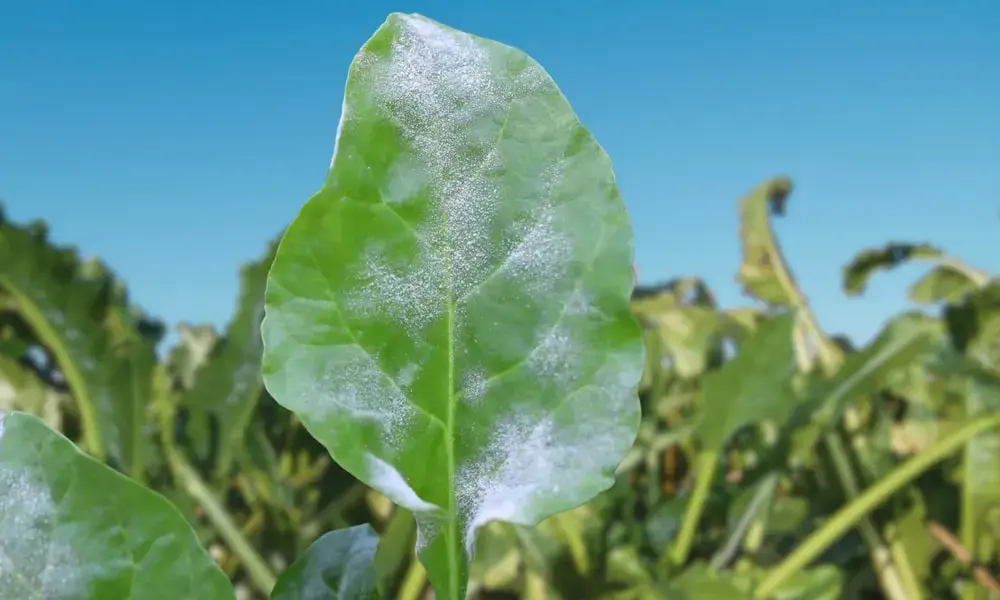
If you grow spinach, you may already be familiar with those strange white, winding trails inside the leaves. At first glance, they look like pencil marks or sun damage, but they are actually the work of a tiny pest called the spinach leaf miner. Left unchecked, leaf miners can ruin the appearance, quality, and yield of your spinach crop. The good news is that with a few simple steps and the right tools, you can spot these pests early and keep them under control.
What Are Spinach Leaf Miners?
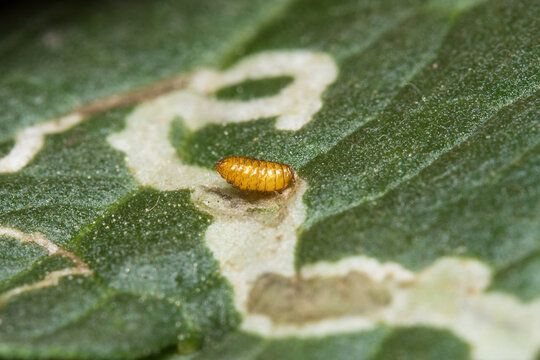
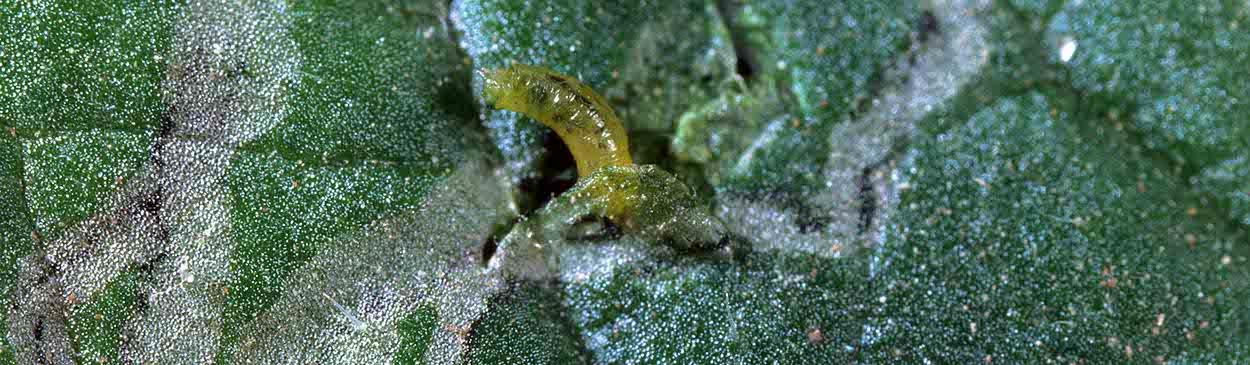
Spinach leaf miners are small, dark‑gray flies in the species Pegomya hyoscyami. They do not live on the surface of the leaf; instead, their larvae tunnel inside the leaf tissue, creating those white, snaking lines you see. Each little tunnel is a living space where the larva eats the green tissue between the upper and lower leaf surfaces.
The life cycle starts with tiny white eggs laid on the underside or upper surface of young spinach leaves. After a few days, the eggs hatch into tiny, legless, whitish maggots that burrow into the leaf and feed for about a week. Then they drop into the soil, where they pupate and eventually emerge as adult flies, ready to start the cycle again. Because they live inside the leaf, spraying insecticides from the outside is often less effective unless timed just right.
Understanding this life cycle helps you choose the right moment to inspect, remove, or treat plants. If you are unsure whether those white lines are leaf miners or something else, tools like Plantlyze, an AI‑powered plant‑care and diagnosis assistant, can help you confirm the problem by analyzing photos of your leaves.
How to Identify Leaf Miner Damage on Spinach
Leaf miner damage is easy to miss at first but becomes obvious once you know what to look for. The key sign is white, winding, serpentine tunnels or sometimes larger light‑colored blotches inside the leaf. These tunnels follow the path the larva has taken as it eats its way through the tissue.
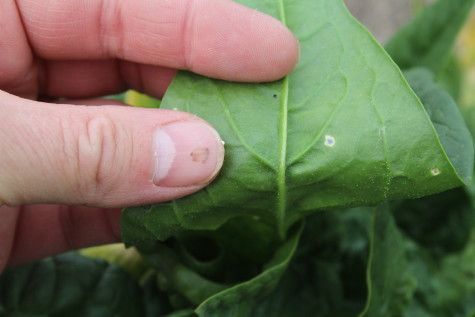
At first, the mines are narrow and delicate, but they widen as the larva grows. You may also see small brown or yellowish spots where the adult fly has fed or laid eggs. In heavy infestations, entire leaves can look bleached, thin, or papery, and the plant may become weaker and more prone to drought or disease.
If you notice these patterns on your spinach, the first step is to look closely at both the upper and lower sides of the leaf to see if the damage is truly inside the leaf or just on the surface. If you are still unsure, you can upload a clear photo of the affected leaf to Plantlyze and get AI‑assisted feedback on whether the damage matches leaf miner feeding or another issue such as nutrient deficiency or sunburn.
What Leaf Miners Do to Your Plants
Leaf miners may not kill a spinach plant outright, but they significantly reduce its ability to photosynthesize. Every mined area loses some of its green tissue, which means less energy for growth and fewer strong, healthy leaves. For home growers, this often translates into smaller harvests and less attractive greens.
Severe mining also makes leaves more fragile and more likely to tear or dry out. In stressed plants, leaf miner damage can open the door to fungal diseases and secondary pests. Adults particularly like young spinach seedlings and tender new leaves, which is why early plantings are often hit hardest.
Because the damage is inside the leaf, you cannot simply wash it off or expect it to disappear with watering. Once the tunnels are there, they stay. The key is to reduce the number of new mines and protect the remaining healthy tissue so your plants can keep producing usable leaves.
Non Chemical Control and Cultural Practices
One of the best ways to control spinach leaf miners is with simple, hands‑on cultural practices that do not rely on sprays.
Regular inspection and removal
Spend a few minutes each week checking the undersides of spinach leaves for white eggs or fresh, narrow mines.
Remove and discard heavily mined leaves away from the garden so the larvae cannot complete their life cycle.
Crush visible eggs
Adults often lay white dots on the upper surface of leaves. Lightly rubbing these areas with a soft cloth or finger can destroy many eggs before they hatch.
Use row covers or fine mesh
Floating row covers or fine insect‑netting screens can block adult flies from reaching your spinach, especially at planting time. This is especially useful for early spring or late fall crops when flies are most active.
Remove weedy host plants
Plants such as lambsquarters, nightshades, chickweed, and plantain can harbor leaf miners. Pulling these weeds around your spinach bed reduces places where the pest can live and reproduce.
Soil cleanup and light tillage
At the end of the season, remove old spinach plants and avoid leaving debris on the soil surface. Light cultivation or raking can help disturb pupae in the top layer of soil and reduce the number of flies that emerge the next year.
Combining these practices over a season can significantly reduce leaf miner pressure. You can also use Plantlyze to log your inspection dates and note which plants show new mines, helping you see whether your cultural controls are working.
Organic and Low Impact Treatments
If cultural practices are not enough, organic or low‑impact treatments can help without resorting to harsh chemicals.
Neem‑based products (azadirachtin)
Some organic growers use neem‑based sprays that contain azadirachtin. These can reduce leaf miner populations when applied at the right time, especially before larvae bury themselves deep inside the leaf.
Treatments are more effective if you catch the problem early, when mines are still small and the larvae are close to the surface.
Targeted spraying and timing
Because leaf miners live inside the leaf, contact sprays only work well on eggs or very young larvae on the surface.
Following an integrated pest management approach, many experts recommend using selective products only when monitoring shows that populations are rising and natural predators are not keeping them in check.
Protect natural enemies
Parasitic wasps and other beneficial insects feed on leaf miners and can help keep numbers down naturally. Broad‑spectrum insecticides can harm these helpers, so choosing more selective options helps maintain a balanced garden ecosystem.
If you are unsure which product is safe for your particular plants and soil, you can use Plantlyze to cross‑check treatment options and track your plant’s health before and after each application.
Resistant Spinach Varieties and Long Term Strategy

Researchers and plant breeders have developed spinach lines that are much more resistant to leaf miner damage. These varieties still show some feeding marks on the surface, but the larvae create far fewer mines inside the leaves. This makes them ideal if you live in an area where leaf miners are a recurring problem.
Long‑term control also involves planning your garden smarter. Rotating crops, adjusting planting dates so spinach is not in the ground during peak leaf miner flight, and choosing resistant varieties can all reduce the pest’s impact over time. Rather than fighting an annual battle with adult flies, you shift toward a garden that naturally discourages heavy infestations.
As you experiment with different varieties and planting times, Plantlyze can help you keep a simple record of what works in your environment and which choices consistently give you cleaner, healthier spinach.
When to Call It and Move On
Sometimes, an early spinach crop becomes too damaged to save. If most of your leaves have large, overlapping mines, the plant may struggle to recover even with good care. In this case, it is often better to remove and destroy the heavily infested plants rather than hoping they will bounce back.
After removing damaged plants, avoid replanting spinach in the same spot immediately. Use that bed for a non‑host crop or take a short break before trying spinach again, to help break the pest cycle. This is especially important if you see many flies around or persistent mines in multiple plantings.
If you are unsure whether a plant is still worth keeping, you can upload a photo to Plantlyze and let the AI help you decide whether it is better to cut your losses now and plant again later.
Using Plantlyze to Help You Manage Leaf Miners
Modern tools make pest management easier and less stressful. Plantlyze is an AI‑powered plant‑care and diagnosis platform that can help you identify leaf miner damage, track your treatments, and plan long‑term prevention strategies.
You can use it to:
Upload photos of leaves with white tunnels and see whether the pattern matches leaf miner feeding or something else.
Record when you remove infested leaves, apply treatments, or change planting dates, so you can see what actually works in your garden.
Explore plant‑care tips tailored to spinach and leaf‑mining pests, helping you stay ahead of future outbreaks.
If you are unsure how serious the leaf miner problem is on your spinach, try uploading a photo to Plantlyze at plantlyze.com for fast, AI‑assisted guidance you can use alongside your hands‑on garden skills.
References
Leafminer Attack Accelerates the Development of Soil‑dwelling Pupae – New Phytologist
https://nph.onlinelibrary.wiley.com/doi/10.1111/nph.17966Genomic Insights of Leafminer Resistance in Spinach through GWAS – ScienceDirect
https://www.sciencedirect.com/science/article/pii/S2468014124001857Spinach Gets New Protection Against Pesky Leafminers – USDA ARS
https://www.ars.usda.gov/news-events/news/research-news/2007/spinach-gets-new-protection-against-pesky-leafminers/Biology and Control of Spinach and Chard Leafminers – University of Greenwich / Project Blue
https://projectblue.blob.core.windows.net/media/Default/Horticulture/Publications/Spinach%20and%20chard%20leafminers.pdfSpinach‑Leafminer – Pacific Northwest Pest Management Handbooks (Scientific extension resource)
https://pnwhandbooks.org/insect/vegetable/vegetable-pests/hosts-pests/spinach-leafminer