Spinach is one of the easiest leafy greens to grow at home, yet many gardeners end up with weak, pale, or bolting plants. The reason is usually the same: the soil is not quite right. Spinach thrives only when it is planted in soil that is loose, rich, and properly balanced. Once you understand its soil needs, you can grow juicier, tastier leaves with fewer problems and less guesswork.
Why Soil Matters for Spinach
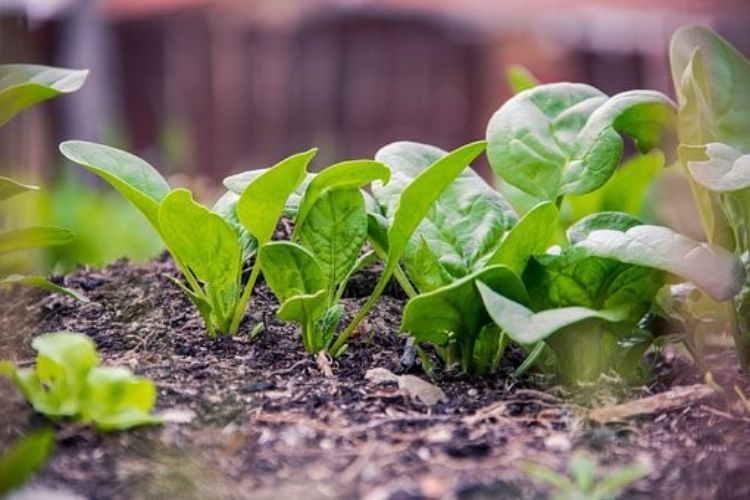
The roots of spinach only travel shallow and its growing period is short. Therefore, it relies mostly on what lies just below the surface layer to complete its quick life cycle. In cases where soils are compacted, very acidic or water logged- the plant cannot effectively take up water and nutrient elements from within a slightly deeper zone; this will be manifested by poor growth (slow), pale leaves as well as early bolting.
Healthy soil means the application of fewer chemical inputs. When the foundation is strong, spinach will grow more vigorously and its natural resistance to stress will be expressed. Tools such as Plantlyze- an AI-powered plant care and diagnosis platform can help in detecting subtle problems earlier by adjusting your care routine before any issue becomes serious.
Ideal Soil Conditions for Spinach
Spinach does best when several basic conditions are met:
The soil drains well but still holds moisture.
The pH is slightly acidic to neutral, roughly between 6.0 and 7.0.
The soil is rich in organic matter, such as compost or aged manure.
The texture is loose and crumbly, not heavy or packed down.
These conditions create an environment where roots can spread easily, water moves freely, and nutrients stay accessible. When the soil matches this profile, spinach grows faster, tastes sweeter, and stays leafy longer before running to seed.
Soil pH for Spinach: What Number to Aim For
Spinach prefers a pH near neutral, typically around 6.5 to 7.0. In very acidic soils—below about 6.0—key nutrients such as nitrogen and phosphorus become harder for the plant to absorb. This can lead to pale leaves, slow growth, or poor germination.
Testing pH at home is simple. You can use a soil test kit or pH strips from a garden center. Many local extension offices also offer more detailed lab tests. If your soil is too acidic, adding lime in the recommended amount can gently raise the pH. If it is too alkaline, you can use small amounts of sulphur or organic amendments such as composted pine needles, following label instructions.
If you are unsure whether your spinach problems are pH‑related, AI tools like Plantlyze can analyze leaf color, size, and growth patterns and help you decide if a soil imbalance is involved. The app does not replace a proper pH test but can guide you toward the right follow‑up steps.
Soil Texture and Drainage for Spinach
The best soil for spinach is a well‑drained loam with plenty of organic matter. Loam feels soft and crumbly, holds moisture without becoming soggy, and lets air reach the roots. This texture is ideal for shallow‑rooted plants like spinach, which need consistent moisture but hate sitting in water.
Heavy clay soils can hold too much water and become compacted, making it hard for roots to spread. Sandy soils dry out too quickly and can leave spinach undernourished. You can improve both types by mixing in compost, aged manure, or coconut coir. These amendments help clay hold less water and give sand more structure and nutrient‑holding capacity.
Raised beds or containers are excellent options if your native soil is poor. They allow you to build a custom mix of compost, topsoil, and other organic materials, giving spinach exactly the environment it loves. If your plants look waterlogged or wilted even when the soil is damp, tools like Plantlyze can help you check for root‑related issues and suggest whether drainage improvements are needed.
Nutrients and Fertility: What Spinach Needs
Spinach is a leafy green, so it needs a steady supply of nitrogen for lush, green foliage, along with some phosphorus and potassium for strong roots and overall health. A soil rich in organic matter naturally provides these nutrients slowly and safely.
Compost, aged manure, and well‑balanced organic fertilizers are excellent choices. They feed the plant without shocking it, unlike heavy chemical fertilizers that can burn roots or encourage weak, watery growth. Over‑fertilizing, especially with nitrogen, can lead to soft leaves that are more prone to pests and disease.
If your spinach looks pale or grows slowly despite good soil and watering, a nutrient deficiency might be the cause. Apps like Plantlyze can analyze photos of your plants and suggest possible nutrient imbalances, such as low nitrogen or potassium, helping you decide whether to add a light fertilizer or wait and observe.
How to Prepare Your Soil Before Planting Spinach
\Before sowing spinach seeds, preparing the soil properly saves time and frustration later. Follow these simple steps to build a strong foundation:
Test the soil Check the pH and texture using a home test kit or a local lab. This gives you a baseline to work from.
Amend with organic matter Spread a layer of compost or aged manure about 3 inches thick over the planting area and mix it into the top 6 inches of soil. This improves structure, drainage, and nutrient content.
Adjust pH if needed Based on your test results, add the recommended amount of lime to raise pH or sulphur to lower it. Always follow package instructions and wait a few weeks before sowing so the amendments can react with the soil.
Loosen and aerate the soil Use a fork or hand tool to break up compacted areas without turning the soil too deeply. This improves root penetration and air circulation.
Level and rest the bed Smooth the surface and let the soil settle for a few days before planting. This helps moisture distribute evenly and reduces the risk of seedlings washing away.
Once the soil is ready, sow your spinach seeds at the recommended spacing and depth for your variety. With good preparation, you will see faster germination, stronger seedlings, and fewer problems later in the season.
Common Spinach Soil Problems and What They Look Like
Even with careful planning, certain soil issues can still show up in your spinach. Recognizing them early makes a big difference.
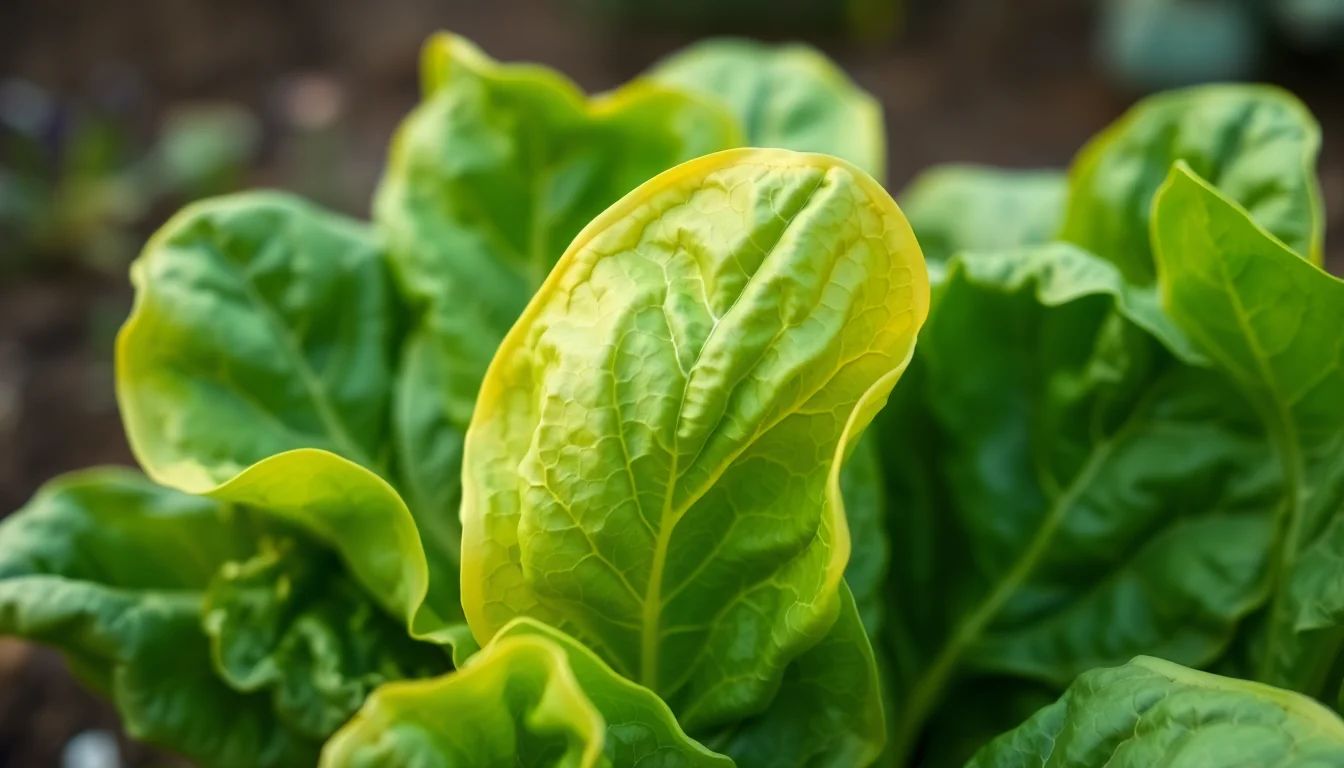
Yellow leaves or pale growth often point to poor drainage, low nutrients, or incorrect pH. If the soil stays wet for days after watering, waterlogged roots can suffocate and stop feeding the plant. In this case, improving drainage and adding compost can help.
Stunted plants with few leaves may indicate compaction, exhausted soil, or conditions that are too acidic. Spinach likes loose, fertile ground; if the soil feels hard or crusty, it is time to dig in more organic matter and aerate.
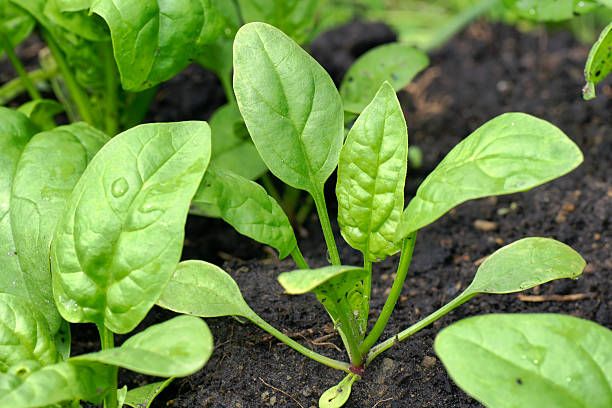
Slow emergence or seedlings that rot in the ground are usually signs of cold, waterlogged soil. Spinach germinates best in cool but not soggy conditions. If you notice these symptoms, consider using raised beds or planting when the soil has warmed slightly.
When you see unusual patterns in your spinach, it helps to document them. Apps like Plantlyze allow you to upload photos of your plants and receive AI‑driven suggestions about possible causes, including soil‑related stress. This can save you time experimenting with different fixes.
Using AI Tools Like Plantlyze to Optimize Spinach Soil Care
Modern gardeners increasingly rely on AI‑assisted tools to stay one step ahead of problems. Platforms like Plantlyze combine plant‑care databases with image recognition and machine learning to give you quick, practical advice.
You can use it to scan your spinach leaves and receive feedback on possible nutrient issues, overwatering, or early signs of disease. The app can also help you track when to retest your soil, refresh compost, or adjust your watering schedule. Instead of guessing whether a yellow patch is a nutrient problem or a pest, AI can guide your next move.
If you are growing several crops at once, Plantlyze can help you monitor each plant’s health over time and notice patterns you might miss. This is especially useful for beginners who are still learning how different soil conditions affect their spinach and other greens.
To get started, visit plantlyze.com and try the AI‑powered plant‑care assistant. It can help you turn your garden into a low‑stress, high‑yielding space by combining smart diagnostics with simple, soil‑friendly practices.
Simple Tips to Keep Your Spinach Soil Healthy All Season
Once your spinach is growing, a few regular habits keep the soil in good shape and the plants thriving.
Mulch the soil around your spinach with straw, shredded leaves, or grass clippings. Mulch helps retain moisture, reduces compaction from rain, and slowly breaks down into more organic matter.
Rotate spinach with other crops each season. Avoid planting leafy greens in the same spot year after year, as this can deplete specific nutrients and encourage disease buildup.
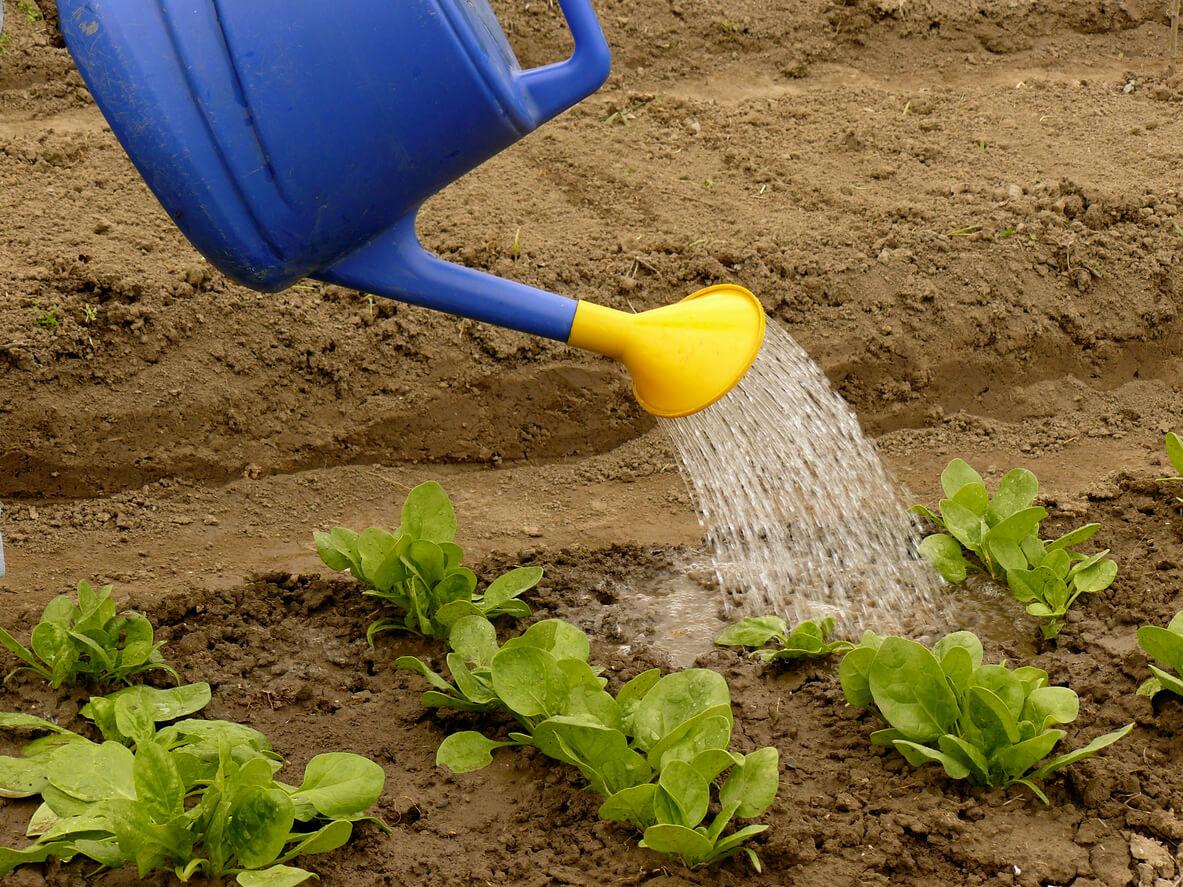
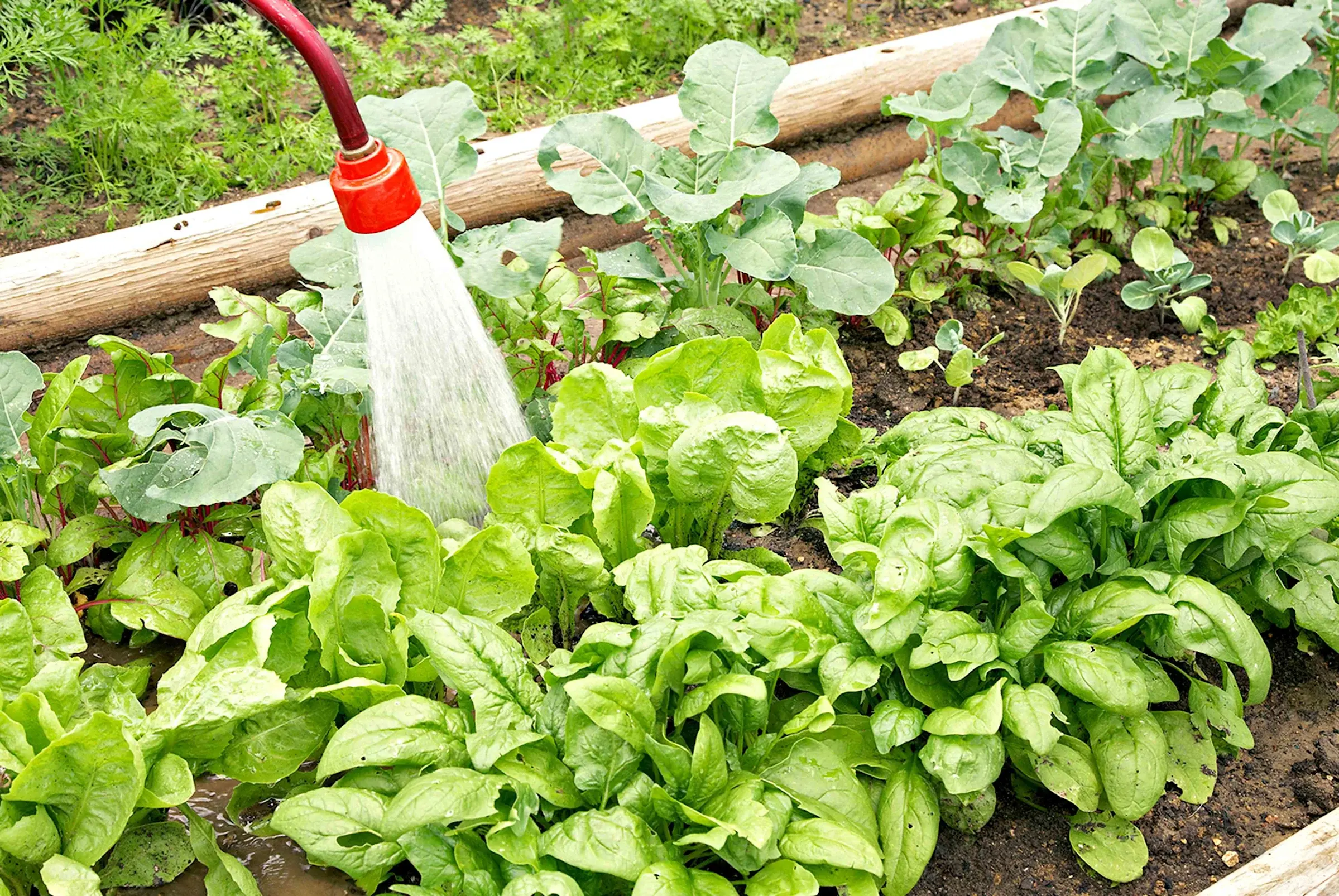
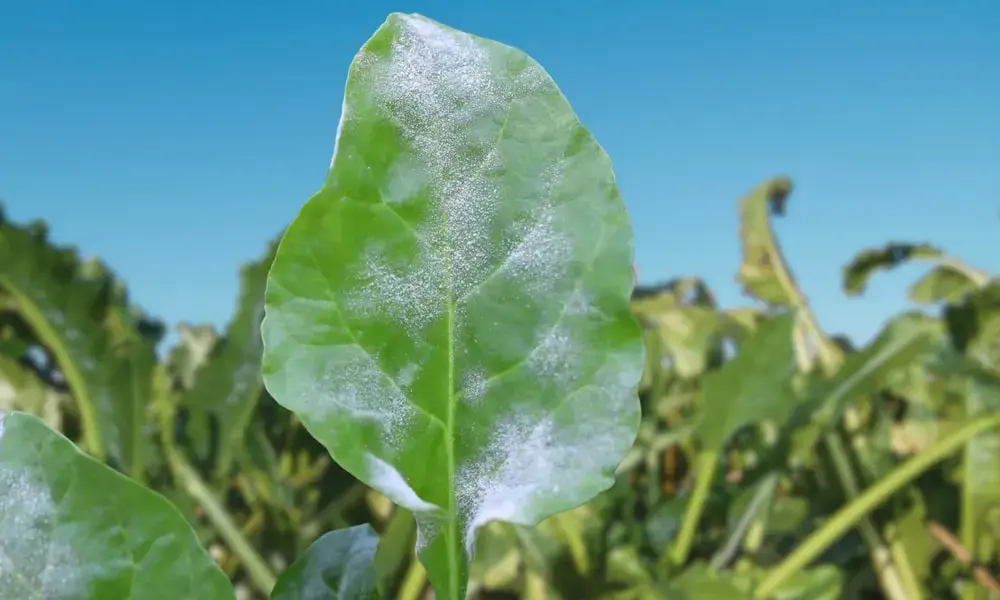
Water at the base of the plants instead of spraying the leaves. This keeps the foliage dry and reduces the chance of fungal problems. Spinach likes steady moisture, so water when the top inch of soil feels dry but avoid turning the bed into a swamp.
Every few weeks, add a thin layer of compost or compost tea around established plants. This gives them a gentle nutrient boost without overwhelming their roots.
Consistent care not only makes spinach tastier and more productive but also helps you rely less on chemicals. When you combine good soil practices with smart tools like Plantlyze, diagnosing issues becomes easier and your garden becomes more enjoyable.
References
Growth and Performance of Baby Spinach (Spinacia oleracea L.) – Hindawi Journal of Botany
https://onlinelibrary.wiley.com/doi/10.1155/2020/8843906Spinach (Spinacia oleracea) as green manure modifies the soil – Scientific Reports (Nature)
https://www.nature.com/articles/s41598-023-31204-8Use of spinach as an indicator of trace metal bioavailability – ScienceDirect (Environmental Pollution)
https://www.sciencedirect.com/science/article/abs/pii/S0269749125015477Enhancing Spinach Growth and Soil Edaphic Factors Using Aquatic Macrophyte‑Derived Biochar – PMC (MDPI)
https://pmc.ncbi.nlm.nih.gov/articles/PMC12490927/Studies on the Fertilizer Requirements of Spinach Plants Growing in Different Substrates – Egyptian Knowledge Bank (research journal)
https://journals.ekb.eg/article_248158.html