Spinach is a fast growing, nutritious leafy green that many gardeners love to grow. Yet nothing feels more frustrating than watching your spinach plants turn yellow, wilt, and collapse as if they are simply “dying for no reason.” Often, the culprit is spinach root rot, a soil‑borne disease complex that attacks the roots and can wipe out entire patches in cool, wet conditions.
This guide walks you through what spinach root rot really is, how to recognize it, what conditions favor its spread, and how to manage it using organic and conventional methods. You will also learn simple prevention steps that fit into any home garden or small market setup. Finally, you will see how tools like Plantlyze, an AI‑powered plant‑care diagnosis assistant, can help you spot early signs of root rot and get tailored care suggestions.
What Is Spinach Root Rot?
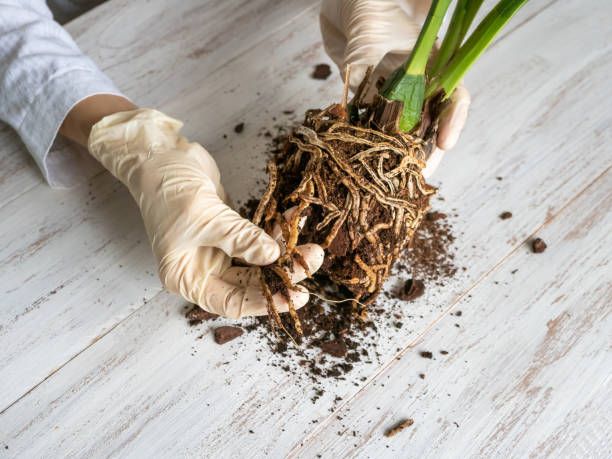
Spinach root rot is not a single disease but a group of problems caused by several soil‑living fungi and fungus‑like organisms. The most common culprits include Pythium spp., Fusarium spp., and Rhizoctonia solani.
These pathogens live in the soil and target the roots of spinach plants, especially when conditions are cool and wet. They weaken the plant’s ability to take up water and nutrients, leading to poor growth, yellowing leaves, and sometimes complete plant collapse.
In some regions, other organisms such as Phytophthora and Aphanomyces can also contribute to root rot issues, especially in poorly drained or waterlogged beds.
Common Symptoms of Spinach Root Rot
Recognizing spinach root rot early can make a big difference in how much of your crop you save. Here are the main signs to watch for.
Seedlings and young plants
Poor germination or seeds that never emerge.
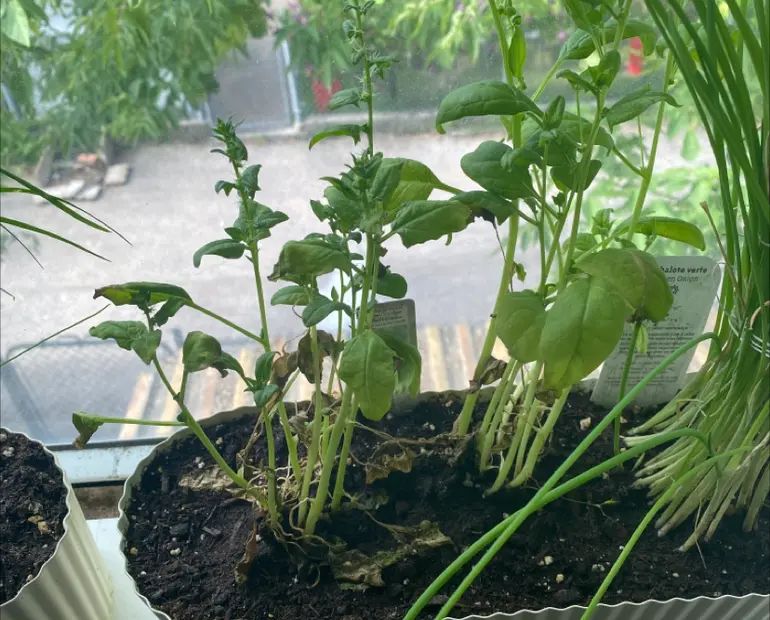
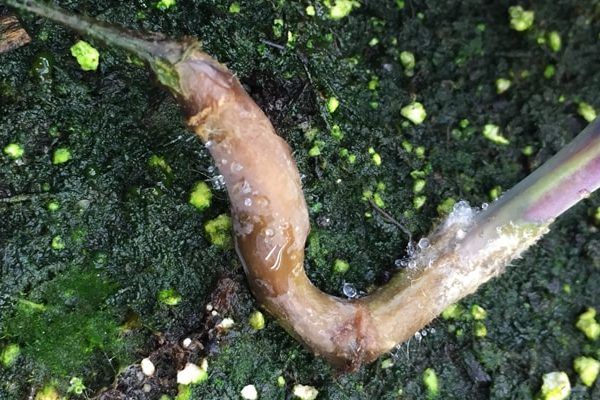
Seedlings that emerge but then suddenly collapse at the soil line, often with a slimy, water‑soaked stem. This is commonly called damping off.
Older spinach plants
Plants that look weak, stunted, or fail to grow vigorously.
Lower leaves that turn yellow while the rest of the plant appears healthy at first.
Wilting during the heat of the day that may improve slightly after watering, yet the plant does not recover fully.
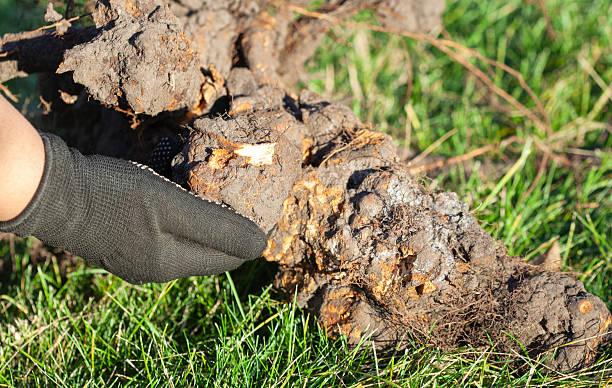
When you gently pull up affected plants, you often see brown or black, water‑soaked roots instead of firm, white roots. In severe cases, the main taproot may look rotten, girdled, or completely decayed.
Because overwatering and nutrient stress can cause similar above‑ground symptoms, it is important to check the roots and growing conditions carefully before deciding on treatment.
Main Causes and Conditions That Favor Spinach Root Rot
Spinach root rot almost always flares up when the soil stays too wet for too long. The main causes and conditions include:
Soil and water issues
Poor drainage, heavy clay soil, or low spots in the bed that collect water.
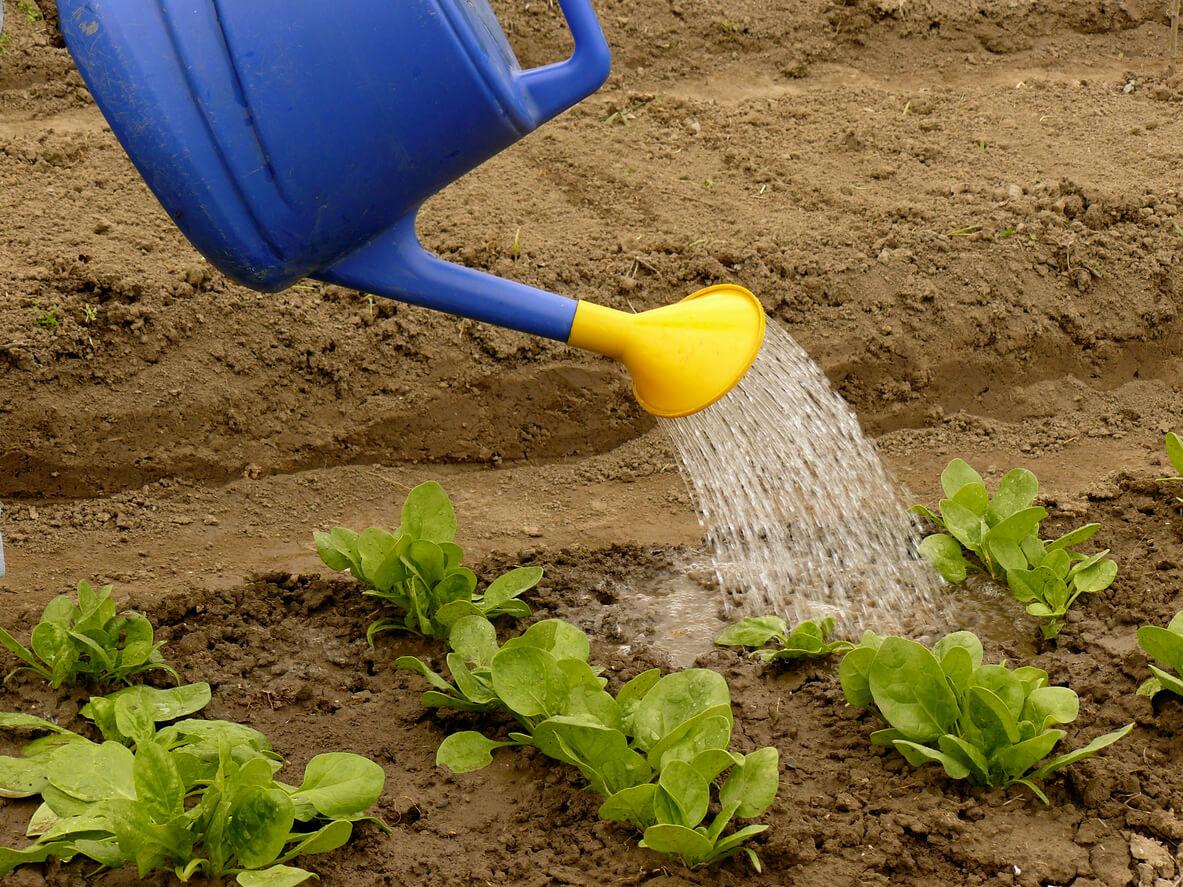
Frequent overhead watering or overwatering, especially during cool weather.
Waterlogged or saturated soil that reduces oxygen around the roots and favors fungal growth.
Pathogen and rotation problems
Soil where spinach or other susceptible crops have been grown repeatedly without rotation. These pathogens can survive for years in the soil.
Lack of crop rotation, which keeps the disease pressure high and gives pathogens easy hosts every season.
Seed and planting practices
Untreated or contaminated seed that may carry Fusarium or other pathogens.
Poor seedbed preparation such as compacted soil, planting too deep, or overcrowding, which slows germination and makes young plants more vulnerable.
When these conditions combine, the chances of spinach root rot increase dramatically. That is why the best long‑term strategy is to manage soil, water, and rotation together.
How to Diagnose Spinach Root Rot
If your spinach plants are looking weak, it helps to confirm whether root rot is the issue or whether it might be something else, such as nutrient deficiency or nematode damage. Here is a simple way to check.
Gently lift several plants from different parts of the bed.
Shake off loose soil and inspect the roots. Look for brown or black, soft, water‑soaked areas instead of firm, white roots.
Check the stem at the soil line for any dark, mushy discoloration.
If the roots look healthy, the problem may lie in nutrition, pH, pests, or water stress. If the roots are clearly rotted, you can assume spinach root rot is at play and start adjusting your care.
If you are unsure, an AI‑powered plant‑care diagnosis tool can support your judgment. Tools like Plantlyze allow you to upload clear photos of your spinach plants, including their leaves, stems, and growing environment, and receive a quick diagnosis along with personalized care suggestions.
Visiting plantlyze.com lets you try the diagnosis tool and get tailored advice for your spinach crop, including how to adjust watering, soil, and fertilization to reduce stress and disease pressure.
Organic and Cultural Management Strategies
Root rot is often easier to prevent than to cure. The following organic and cultural methods can help reduce the severity of spinach root rot without relying heavily on chemical fungicides.
Improve soil and bed structure
Use well‑drained soil or raised beds to avoid water pooling at the plant base.
Avoid compacted soil by not walking on growing beds and loosening the soil gently before planting.
Incorporate compost or other organic matter to improve soil structure and drainage.
Manage water carefully
Water less frequently but deeply, rather than giving small amounts every day.
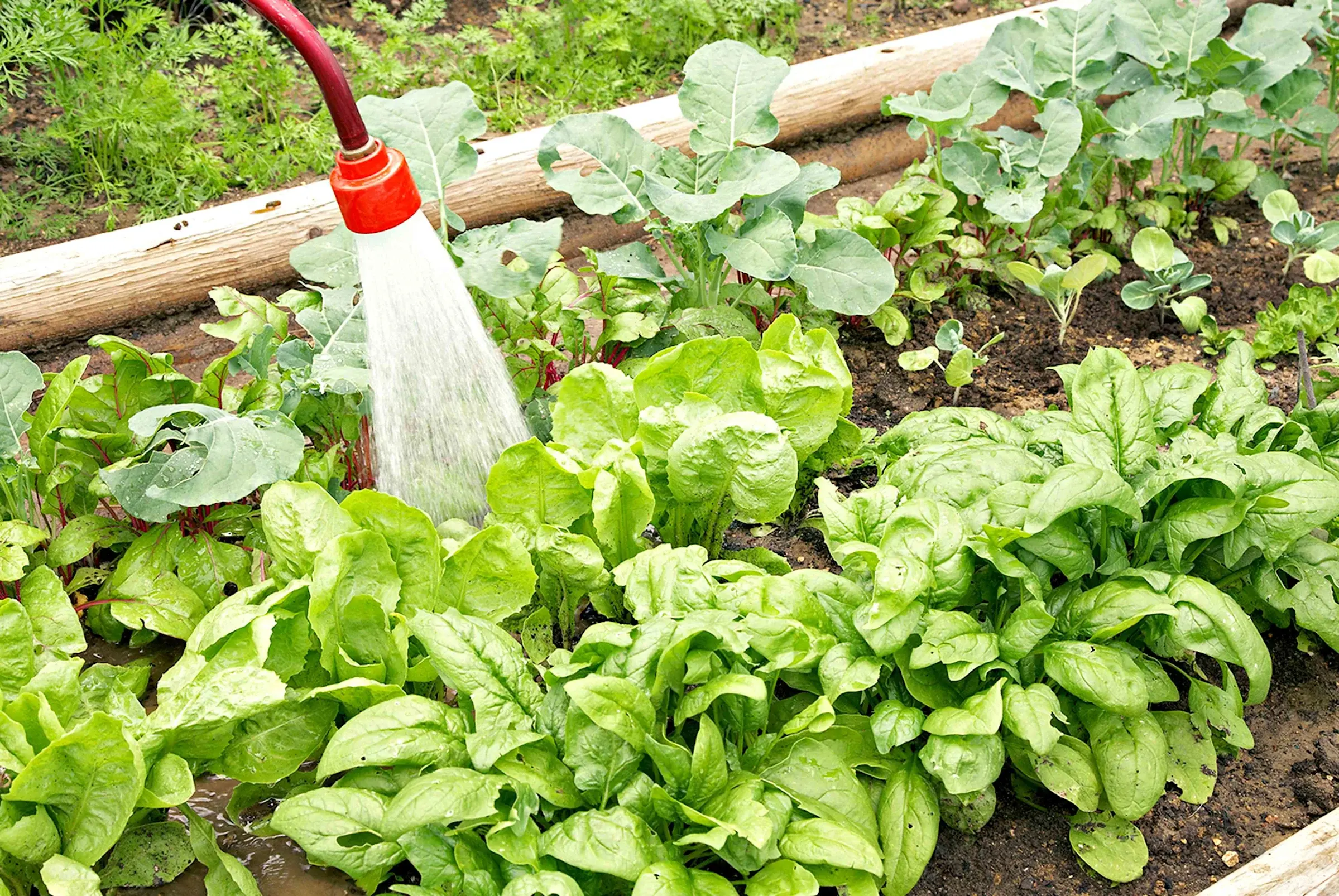
Prefer drip irrigation over overhead watering to keep the soil surface drier and reduce leaf wetness.
Water early in the day so plants and soil have time to dry before evening.
Rotate crops and clean the site
Rotate spinach with crops that are not susceptible to the same root‑rot pathogens, such as grains or non‑Solanaceous vegetables.
Remove crop debris and affected plants from the field to reduce the number of pathogens that survive into the next season.
Support soil biology
Increase soil organic matter to support beneficial microbes that can compete with or suppress harmful fungi.
In some systems, cover cropping or limited soil solarization can help reduce soil‑borne pathogens over time.
These practices do not guarantee complete protection, but they significantly lower the risk of severe spinach root rot and improve overall plant health.
Conventional Treatments and Fungicide Options
In commercial or larger home‑garden settings, many growers combine cultural practices with fungicides to protect spinach from damping off and root rot. This section summarizes common approaches, always reminding you to follow local regulations and label instructions.
Seed treatments
Use fungicide‑treated seeds, especially when planting in cool, wet soils where Pythium‑related damping off is a concern.
Some seed treatments also help protect against Fusarium species that can cause root rot and wilt.
Soil and transplant treatments
Preplant soil applications of certain fungicides, such as mefenoxam, can reduce Pythium damping off when used according to label directions.
Other fungicide groups may be used for different pathogens, but it is important to rotate products and avoid using the same chemical repeatedly to reduce resistance risk.
Label and safety considerations
Always read the product label carefully, including crop, rate, timing, and safety precautions.
Check your local extension or crop‑protection database (such as CDMS or Agrian) for updated recommendations and approved products for spinach in your region.
Used responsibly and in combination with good cultural practices, fungicides can be a valuable tool for managing spinach root rot in high‑risk situations.
Preventing Spinach Root Rot in Your Garden
Prevention is the most effective way to keep spinach root rot under control. The following steps can help you protect your spinach beds over multiple seasons.
Choose the right site and design
Plant spinach in raised beds or on mounds where water drains away quickly.
Avoid low areas that collect water after rain or irrigation.
Use good planting practices
Choose high‑quality spinach varieties and, if possible, those with some resistance or tolerance to Fusarium wilt or damping off.
Space plants to allow good airflow and faster drying of leaves and soil.
Avoid planting too early when the soil is still cold and wet, which favors pathogen activity.
Monitor and adjust care
Regularly inspect your spinach for signs of yellowing, wilting, or poor growth.
Use tools like Plantlyze or similar plant‑health apps to track symptoms, compare images, and test care adjustments such as changing watering frequency or improving soil conditions.
By combining site selection, good planting practices, and regular monitoring, you can create a growing environment where spinach thrives and root rot struggles to gain a foothold.
When to Give Up and Replant
In some cases, even the best management cannot save heavily infected plants. If more than half of the roots on several plants are rotted and the plants are wilting badly, it is usually better to remove them rather than trying to rescue them.
Remove and discard severely affected plants to prevent them from becoming a source of infection for nearby plants.
Adjust soil and water conditions before replanting. Consider using a different crop or a different bed if root rot pressure has been high in that location.
Replanting in the same spot without addressing drainage, rotation, or soil health often leads to the same problem the next time you grow spinach. Taking a step back and improving the environment pays off in healthier crops over time.
References
University of California Statewide Integrated Pest Management Program – Damping‑Off and Root Rot of Spinach
https://ipm.ucanr.edu/agriculture/spinach/damping-off-and-root-rot/ScienceDirect – “Soil amendments and fumigation for the management of Fusarium root rot in spinach” (peer‑reviewed study)
https://www.sciencedirect.com/science/article/abs/pii/S0261219421001162