If you grow spinach at home, you already know how rewarding it is to step outside, snip a few leaves, and turn them into a fresh salad or sauté. But did you know that how and when you harvest spinach can make a big difference in taste, tenderness, and how long the plant keeps producing? Many gardeners either pick too early, leaving tiny leaves behind, or harvest too aggressively, weakening the plant and cutting yields. With the right timing and technique, one spinach bed can feed you for weeks.
In this article, you will learn exactly when spinach is ready to harvest, the best times of day and season to pick, and gentle methods that let the plant keep growing back. You will also find simple storage tips and a quick checklist so you never miss the perfect harvest window. And if you want to catch problems before they ruin your crop, you can use tools like Plantlyze, an AI powered plant care and diagnosis app that scans your spinach leaves and gives you personalized care advice. Visit plantlyze.com to try it anytime.
Understanding Spinach Growth and Harvest Window
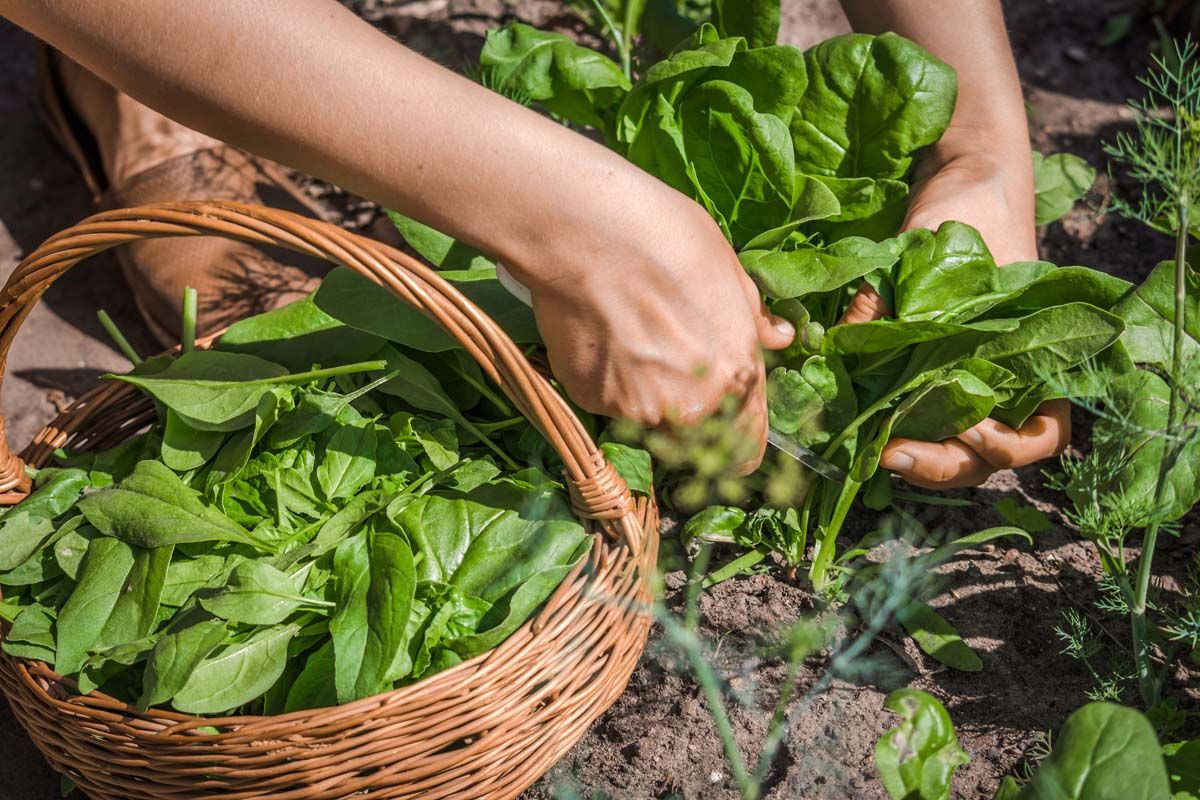
Spinach is a cool season leafy green that grows fast and reliably in many gardens. It thrives in cooler temperatures, making it ideal for spring, fall, and in many regions, even winter growing. The key is to match your harvest timing with how your spinach actually develops. If you pick too early, the leaves are tiny and underdeveloped. If you wait too long, the plant may start to bolt, sending up a central stem and making the leaves bitter.
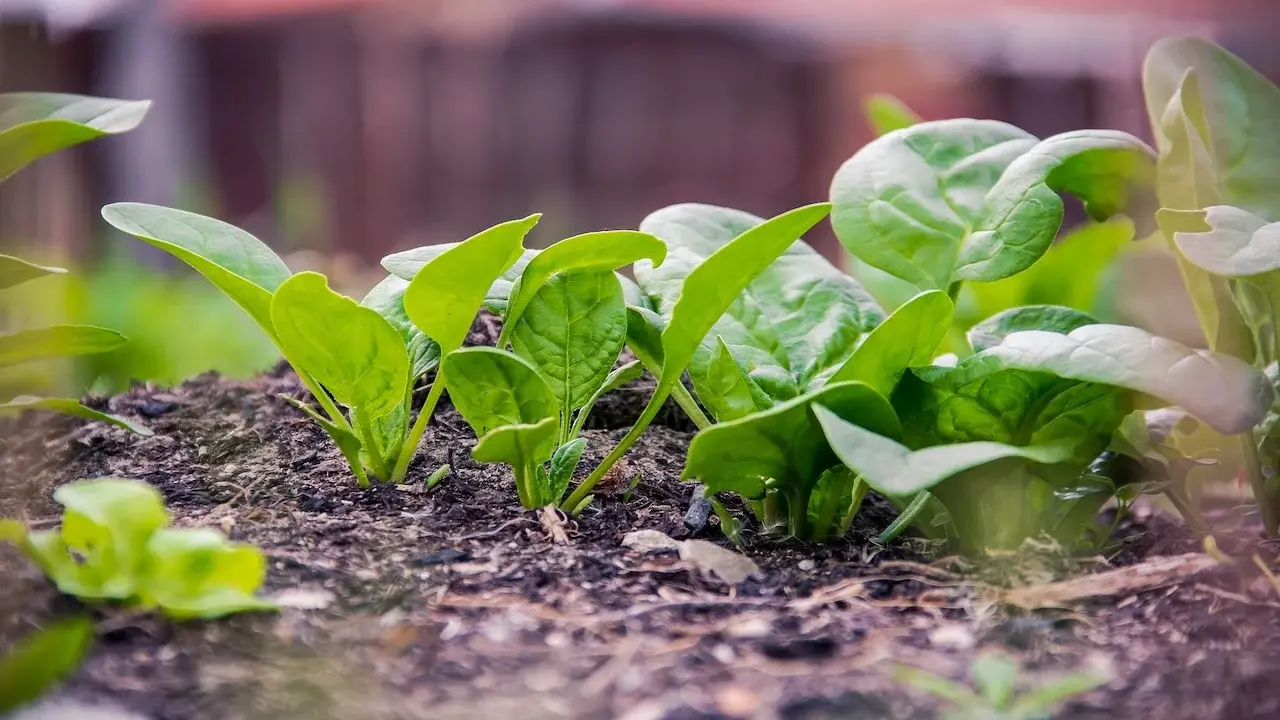
Most spinach varieties are ready for early harvest around 20 to 30 days after sowing, when the outer leaves are about the size of a quarter up to a small hand. This stage is often called baby spinach, and the leaves are tender, mild, and perfect for fresh eating. As the plant matures, you can continue to harvest leaves, or wait until the plant is larger, around 38 to 50 days, depending on the variety and conditions. At this point, the leaves are broader and more robust, suitable for cooking or bulk harvests.
To decide when to start picking, look at the outer leaves first. If several of them are large enough to eat, firm, and still a deep green, the plant is ready. The inner leaves should remain small and intact so they can keep growing. Avoid harvesting when the plant shows signs of stress, such as yellowing, wilting, or a visible central stem stretching upward. These are early signs that the plant is preparing to bolt, and you will want to harvest what you can quickly.
Best Times of Day and Season to Harvest
Timing matters almost as much as technique when you harvest spinach. The best moment to pick is early in the morning, when the leaves are cool, hydrated, and full of flavor. Morning harvesting also helps you avoid the heat of the day, which can wilt leaves quickly and shorten their shelf life in storage. If you cannot harvest in the morning, the next best option is late afternoon or early evening, after the sun has cooled down but before nightfall.
In most climates, spinach grows well in spring and fall, with harvests possible in late spring and mid to late fall. In cooler regions, you can also grow a second crop in early spring after the last hard frost. In warmer areas, spinach is usually grown in winter months to avoid high temperatures that trigger bolting. When the days get long and the weather warms, spinach often starts to bolt, forming a tall central stem and small, less palatable leaves. If you see this happening, harvest remaining leaves right away or cut the plant entirely.
Harvesting on a cool day also helps with storage. Freshly picked spinach that is still crisp and cool will stay fresher longer in the refrigerator. Avoid picking during the hottest part of the day, and if you must, move the harvest to shade immediately and rinse the leaves in cool water as soon as possible. This simple habit keeps your spinach tasting vibrant and crisp for several days.
How to Harvest Spinach for Continuous Growth
The most practical way to harvest spinach is to pick outer leaves regularly, allowing the plant to keep producing new ones. This method works especially well for home gardeners who want a steady supply over weeks. Start by using your fingers or clean scissors to gently remove the largest outer leaves, cutting them at the base of the stem. Leave the smaller, inner leaves untouched so they can continue to photosynthesize and grow.
As a general rule, do not take more than one third of the plant at once. Removing too many leaves at once can slow growth or weaken the plant, especially in smaller plantings. By harvesting only the mature outer leaves, you encourage the spinach to send up more foliage, giving you multiple picking sessions from the same bed. This technique is ideal if you want continuous harvests instead of a single large cut.
Another effective method is to cut the spinach about 2 to 3 inches above the soil using sharp scissors or a knife. This approach works well if the plant has grown into a tight rosette and you want to clear several leaves at once without pulling the whole plant. When you cut at this height, the plant usually regrows a new set of leaves within a few days to a couple of weeks, depending on light, temperature, and soil fertility. You can repeat this process for one to several rounds, depending on the plant’s vigor.
If you are preparing to clear a bed, or if the spinach is starting to bolt and taste bitter, you can also cut the entire plant at the base or pull it out gently. This is best when you want a large batch for cooking or when you notice the plant slowing down or producing mostly older, tougher leaves. In this case, you harvest everything once, then either replant or rotate to another crop.
How Often Can You Harvest Spinach?
With the right care, spinach can be harvested multiple times from the same plants. If you use the outer leaf method, you can pick every 3 to 5 days, removing only the largest leaves each time. As long as the plant is healthy and the weather stays cool, it will keep producing new foliage. This regular harvesting pattern is much better than letting the plants sit for weeks and then cutting everything at once.
When you cut the plant above the soil, you can often expect 1 to 3 regrowth cycles before the spinach slows down significantly. After each cut, make sure the plant has enough water, nutrients, and light to recover. If growth becomes slow or the leaves look pale, it may be time to let that bed rest or move on to a new planting. In many home gardens, successive sowings every few weeks give the best results, ensuring a near continuous supply of fresh spinach.
Regular harvesting also helps prevent bolting. By removing older leaves, you reduce the plant’s energy going into the central stem and encourage it to stay in the leafy growth stage longer. This is especially useful in warmer climates or during unseasonably hot periods, where spinach can quickly go from productive to flowering.
Storing and Using Freshly Harvested Spinach
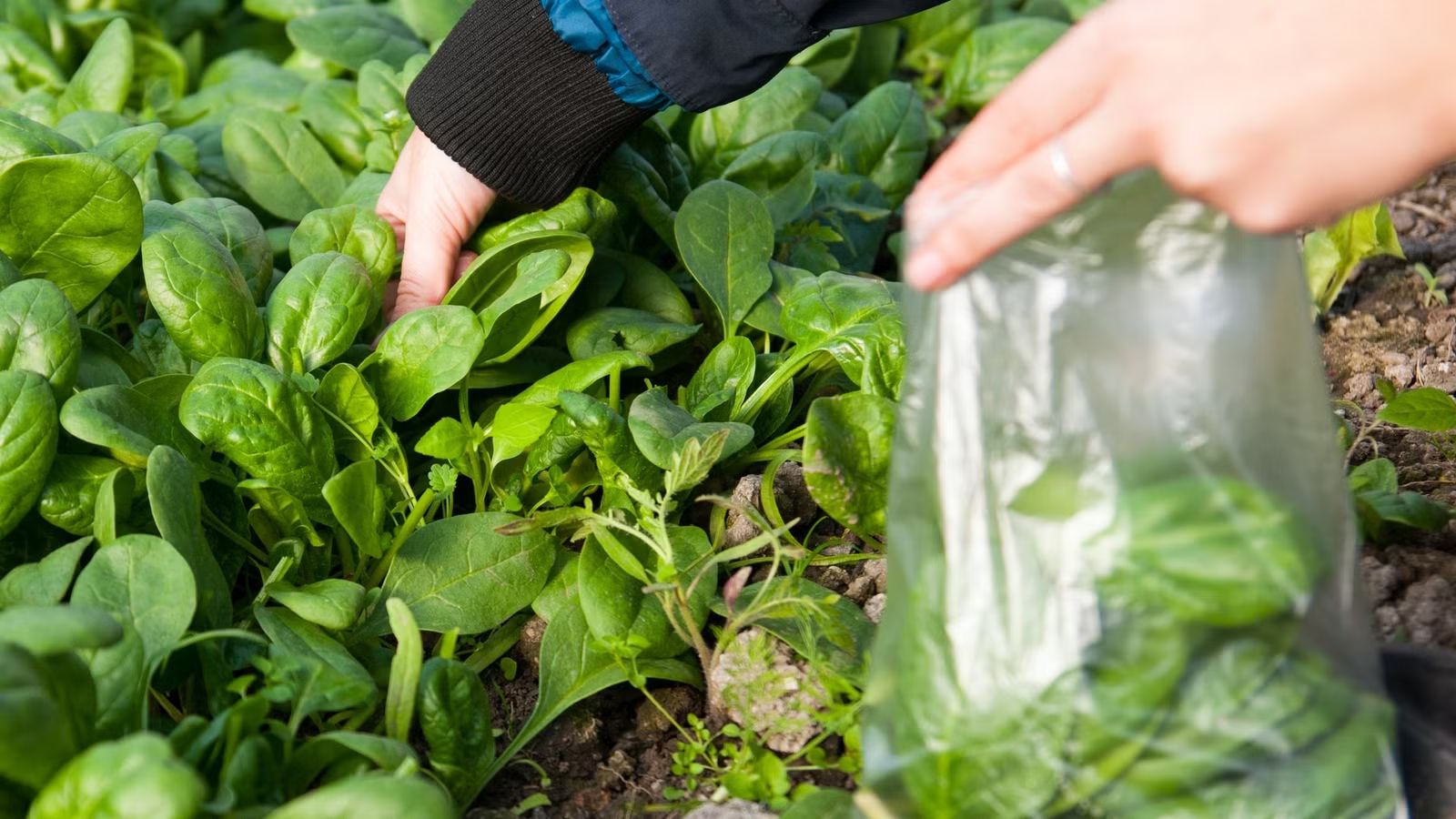
Once you have harvested your spinach, the next step is to keep it fresh as long as possible. Start by rinsing the leaves in cool running water to remove dirt and any small insects. After washing, gently pat the leaves dry with a clean towel or use a salad spinner. Moisture on the leaves speeds up spoilage, so it is important to remove excess water.
Store the spinach in a breathable container, such as a plastic bag with a few small holes or a produce bag, and place it in the refrigerator. Properly stored, fresh spinach usually lasts 5 to 7 days. If you notice any slimy or yellowing leaves, remove them immediately to keep the rest of the batch in good condition. For the best flavor, use the most mature leaves first, since they may wilt or soften more quickly than younger ones.
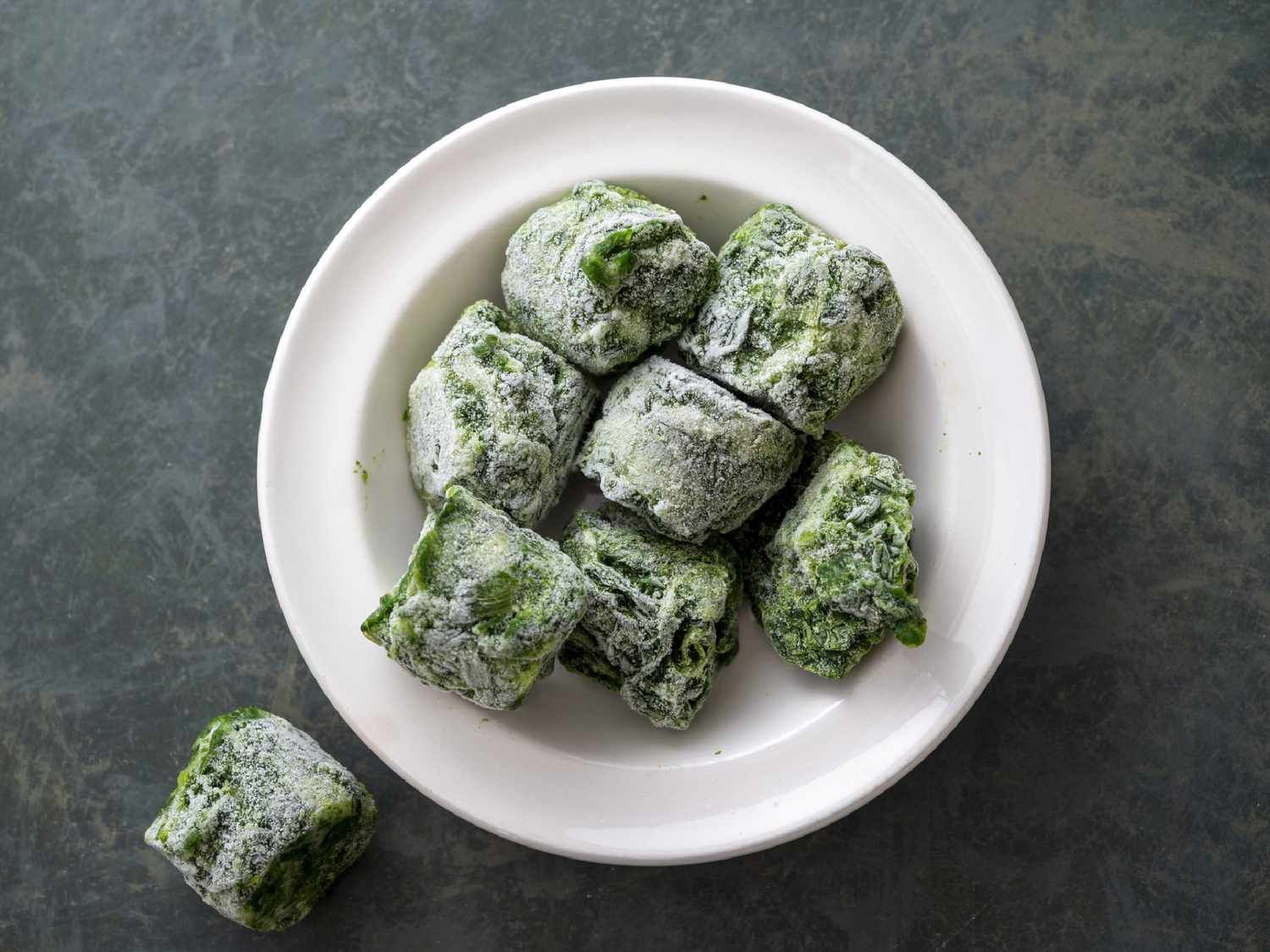
You can use harvested spinach in many ways: in salads, smoothies, stir fries, soups, or as a simple sautéed side. Baby spinach is perfect for salads and quick steaming, while larger, more mature leaves work well for cooking since they reduce in volume when heated. If you have a surplus, consider blanching and freezing larger batches for later use in cooked dishes.
Using an AI Plant Care App to Protect Your Spinach Before Harvest
Even if you stick to the right harvest timing, spinach can still struggle due to pests, disease, or nutrient issues. Unhealthy plants may produce thin, pale, or misshapen leaves, and even the best technique will not give you a strong yield. This is where AI powered plant care tools can help. Apps that analyze leaf color, texture, and overall plant structure can detect problems early, before they ruin your harvest.
Plantlyze is one such AI powered plant diagnosis and care tool designed for home gardeners and plant enthusiasts. You can open the app, take a photo of your spinach leaves, and receive insights on possible issues such as nutrient deficiencies, pest infestations, or water stress. The app may also suggest simple actions like adjusting watering, adding fertilizer, or treating for common pests. This level of guidance is especially helpful if you are new to growing spinach or if your plants are not performing as expected.
By using Plantlyze to check your spinach before harvest, you can address problems early and improve leaf quality. For example, if the app detects yellowing that could be a nitrogen deficiency, you can correct it in time for the next growth cycle. Or if it spots signs of aphids or leaf miners, you can apply gentle treatments before the leaves become damaged. To get started, visit plantlyze.com and explore how the app can help you grow healthier spinach from seed to harvest.
Common Mistakes to Avoid When Harvesting Spinach
Many gardeners unintentionally shorten their harvest period by falling into a few common patterns. One of the most frequent mistakes is removing too many leaves at once, especially from small or young plants. This can stress the spinach and slow its growth, making it harder to get a second or third picking. Try to limit each harvest to the outer leaves and leave enough foliage intact for the plant to keep producing.
Another common error is waiting too long to harvest, especially as temperatures rise. When spinach starts to bolt, leaves become more fibrous and bitter, and the plant shifts its energy into flowering instead of leaf production. If you notice a central stem stretching upward or tiny flower buds forming, harvest what you can right away. You can still use bolting spinach, but the flavor will not be as mild or tender as when harvested earlier.
Picking spinach during the hottest part of the day can also hurt quality. Leaves harvested in strong midday sun wilt faster and lose crispness more quickly. If you must harvest in warm weather, bring the plants or leaves into the shade immediately and rinse them in cool water to refresh them. This helps preserve texture and flavor until you are ready to use them.
Quick Recap: Spinach Harvesting Checklist
To make your spinach harvest work smoothly, keep this simple checklist in mind:
Check if outer leaves are large enough, firm, and still dark green.
Harvest early in the morning when temperatures are cool and leaves are hydrated.
Pick outer leaves only or cut about 2 to 3 inches above the soil, leaving the plant alive.
Never remove more than one third of the plant at once to maintain healthy growth.
Store harvested spinach in a breathable container in the refrigerator for up to a week.
Use an AI plant care tool like Plantlyze to monitor plant health and catch issues before harvest.
By following these steps, you can enjoy tender, flavorful spinach over a longer period and keep your plants productive season after season. If you want to make sure your spinach is in the best possible condition before you start picking, explore Plantlyze at plantlyze.com and let an AI assistant help you grow healthier plants.
References
ScienceDirect – Time of day for harvest and delay before processing affect the quality of minimally processed baby spinach
https://www.sciencedirect.com/science/article/abs/pii/S0925521415300491PMC (NIH) – Prolong the postharvest shelf life of spinach through the use of melatonin
https://pmc.ncbi.nlm.nih.gov/articles/PMC10534088/PMC (NIH) – Transcriptome architecture reveals genetic networks of bolting in spinach
https://pmc.ncbi.nlm.nih.gov/articles/PMC8045288/USDA NIFA – Good Agricultural Practices for Spinach (peer‑reviewed extension science)
https://www.nifa.usda.gov/sites/default/files/resource/Spinach%20Good%20Agricultural%20Practices%20508.pdfPostharvest Research and Extension Center, UC Davis – Spinach postharvest facts
https://postharvest.ucdavis.edu/produce-facts-sheets/spinach