You planted spinach in cool weather, and a few weeks later the leaves look strange: yellow patches on the top and a strange gray or purplish fuzz on the underside. Is this nutrient stress, a different disease, or something more serious? The answer, in many cases, is spinach downy mildew, a common but serious disease in spinach grown under cool, wet conditions. The good news is that early detection and simple care steps can help protect your crop. In this guide, we will walk through the symptoms, causes, and practical prevention and management steps—and how tools like Plantlyze, an AI‑powered plant care assistant, can help you diagnose and respond faster.
What Is Spinach Downy Mildew?
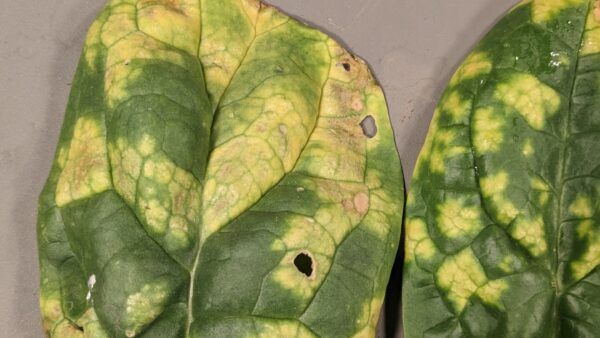
Spinach downy mildew is caused by a water‑mold‑like organism called Peronospora effusa, formerly known as P. farinosa f. sp. spinaciae. Although it behaves a bit like a fungus, it is technically an oomycete, which is related to the organisms that cause diseases such as late blight.
This pathogen thrives in cool, humid conditions, especially when leaves stay wet from rain, overhead watering, or high humidity in tunnels or greenhouses. It survives on infected plant debris, volunteer spinach plants, and sometimes on contaminated seed, then spreads through the air via spores that can travel long distances.
If you are unsure whether the pattern on your spinach matches downy mildew, you can upload a photo of the leaves to Plantlyze and receive AI‑supported guidance about the likely cause.
How to Recognize the Symptoms
The symptoms of spinach downy mildew are often very distinctive once you know what to look for.
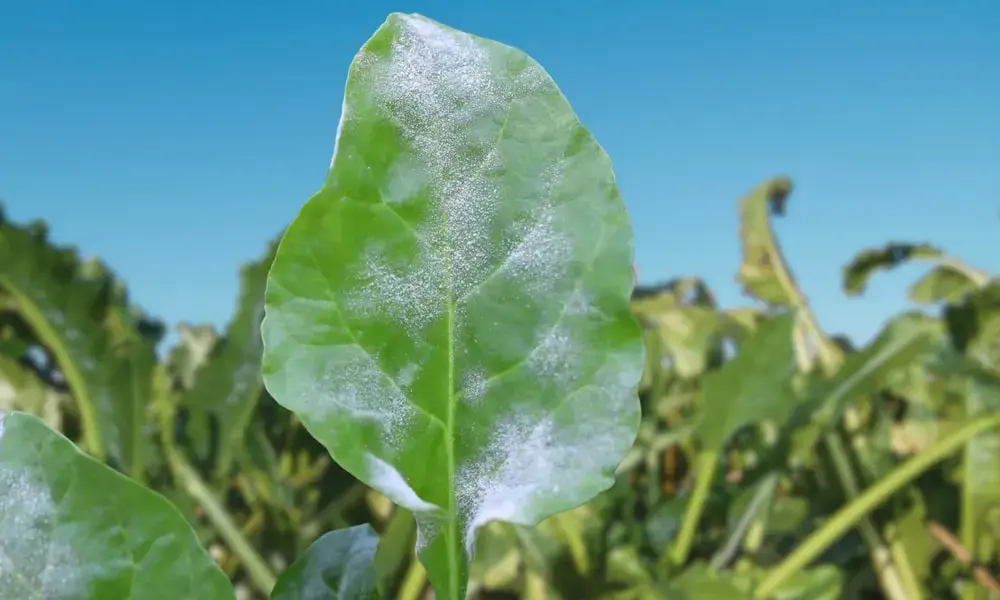
On the upper side of the leaf, you will see pale yellow to bright yellow spots that are often angular and limited by the leaf veins.
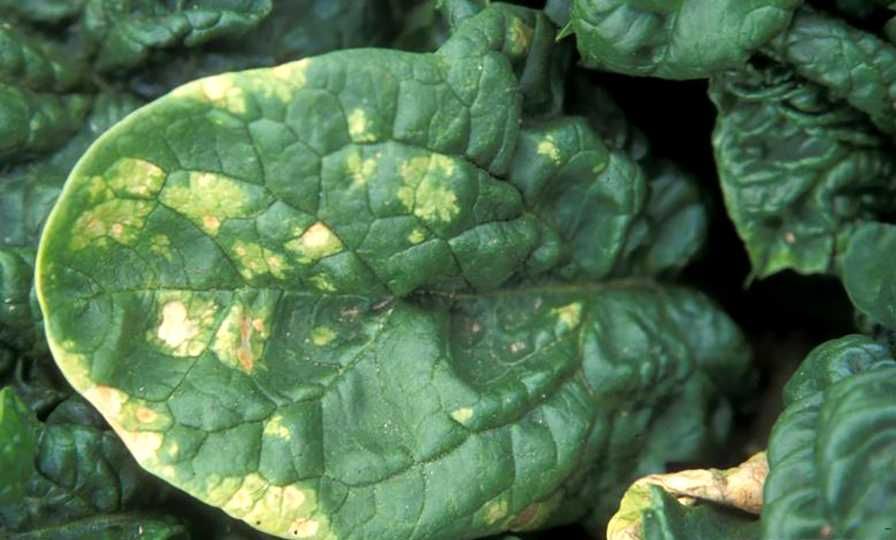
Learn to identify common symptoms on the upper side of spinach leaves. Understanding these signs can help maintain healthy plants and improve your gardening success. As the disease progresses, these spots may grow larger, turn brown, and dry out, sometimes causing the leaf to wilt or die.
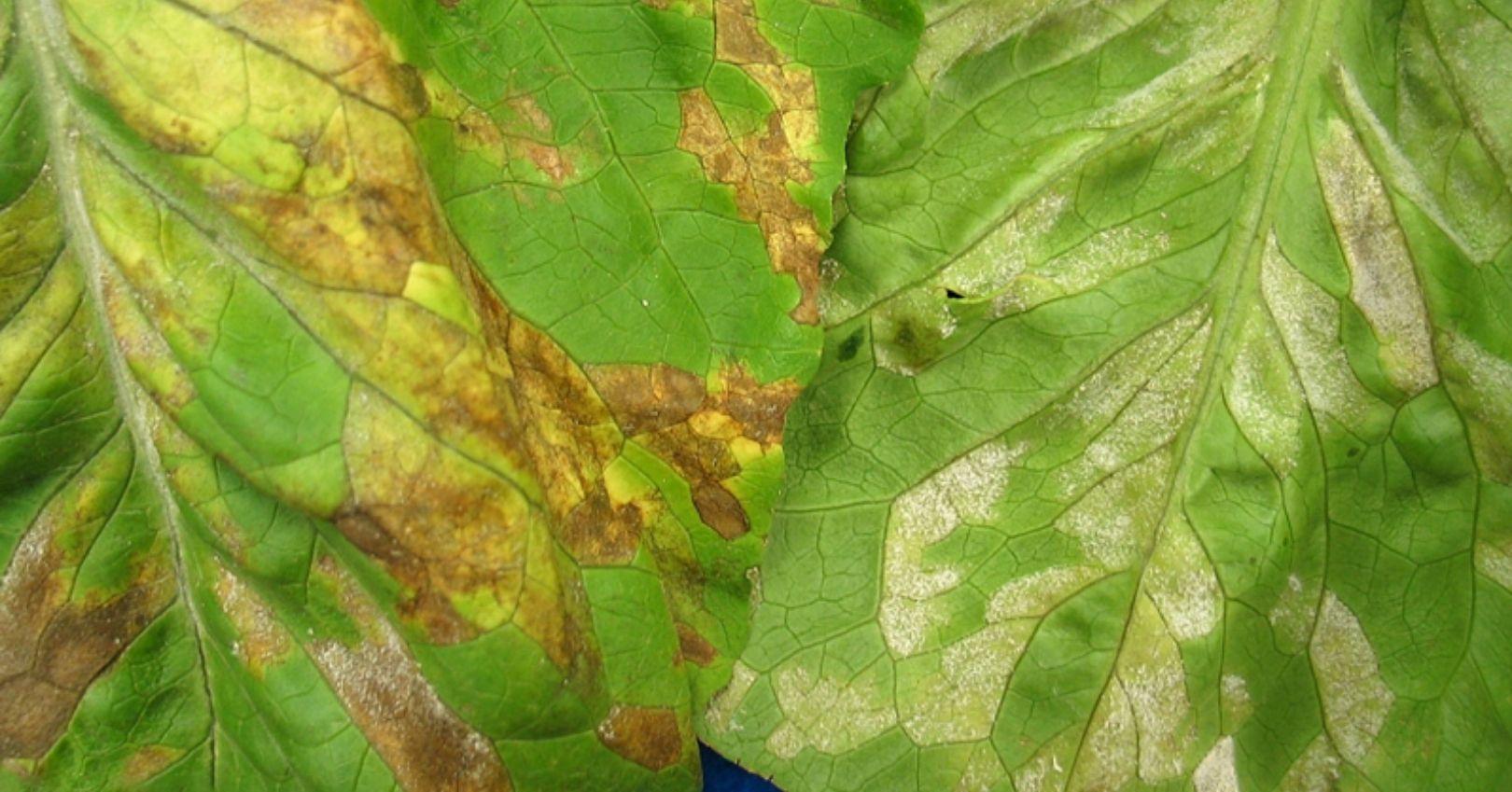
The key diagnostic feature is on the underside of the leaf: a gray to purplish fuzzy growth, especially in the morning when humidity is high.
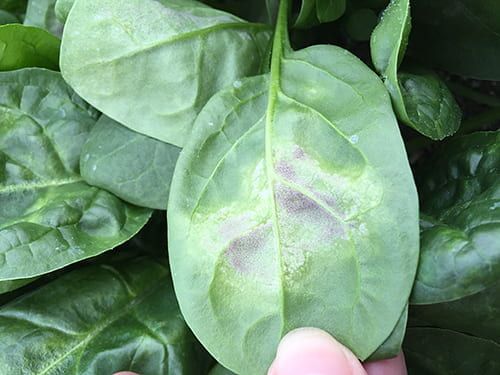
Learn to spot the common symptoms on the underside of spinach leaves. This guide will help you ensure your spinach stays healthy and free from pests.
In cooler, drier conditions, the fuzzy growth may be less visible, but the yellow spots still appear. If you see yellow areas but do not see the fuzzy growth clearly, you can place a suspect leaf upside down on a damp paper towel inside a sealed bag for a day in the dark to encourage the pathogen to develop.
If you are not sure whether the pattern fits downy mildew, Plantlyze can compare your leaf photo with known disease images and help you decide whether the spots are likely to be downy mildew, leaf spot, or something else.
Conditions That Favor the Disease
Spinach downy mildew loves cool temperatures, often around 59–70°F, combined with high humidity and leaf wetness.
Risk increases when:
Plants are grown in tightly spaced rows or under row covers that trap moisture.
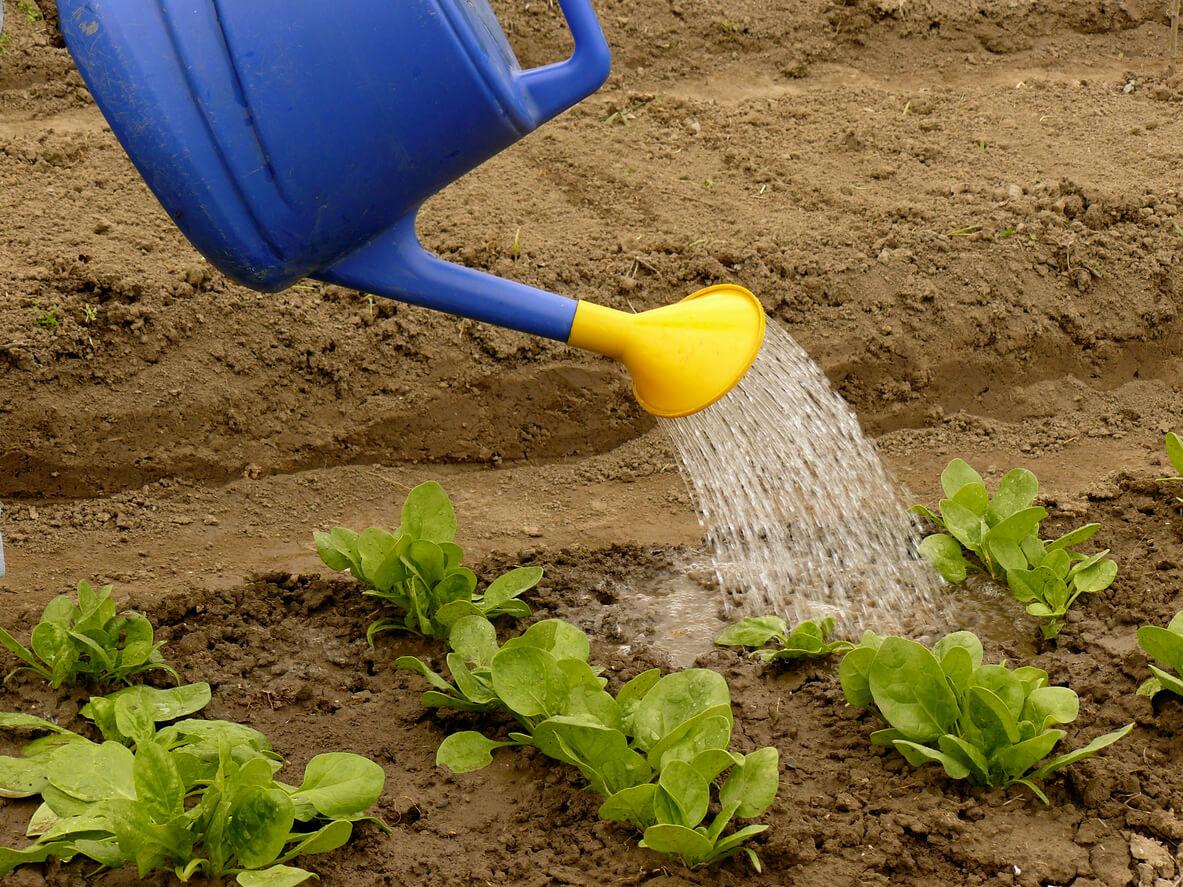
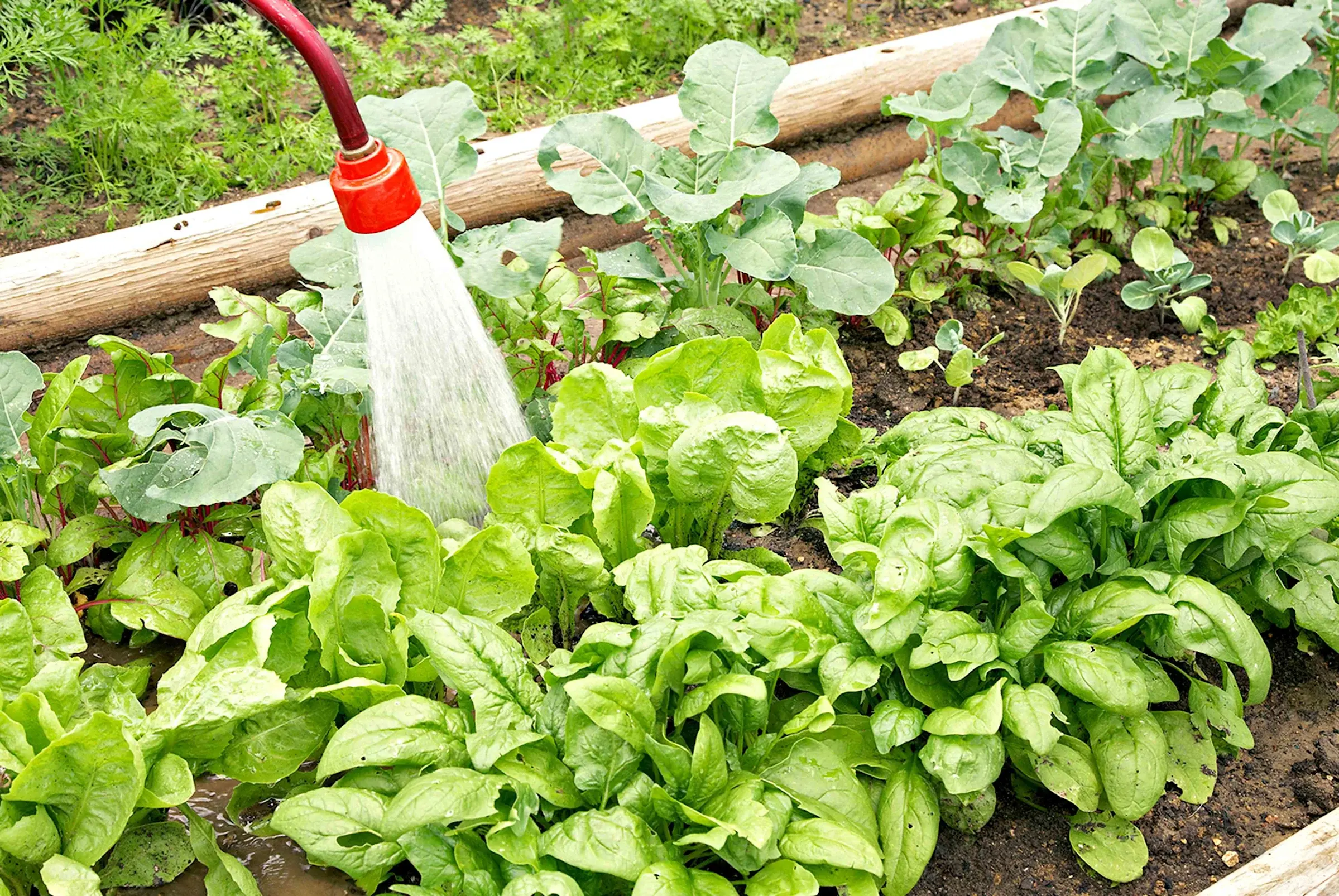
Overhead watering leaves foliage wet for many hours, especially at night.
Spinach is grown in high tunnels or greenhouses where humidity remains high and airflow is limited.
The disease can sometimes explode suddenly, with symptoms “appearing overnight” when conditions become favorable again after a period of unfavorable weather.
If you notice yellow patches on your spinach after several cool, wet days, taking a clear photo and using Plantlyze can help you confirm whether downy mildew is the likely cause and how serious it is.
Prevention: Cultural and Varietal Strategies
Preventing spinach downy mildew is usually more effective than trying to cure it once it has taken hold. Here are practical steps you can take.
Use resistant varieties
Many modern spinach cultivars are bred for downy mildew resistance to specific races of P. effusa. Examples include varieties rated for resistance to races 1–19, depending on your region. However, new pathogen races can evolve and break resistance, so it helps to rotate resistant varieties and avoid relying on a single type.
Improve planting and spacing
Space plants so there is good airflow, which reduces leaf wetness and slows disease spread.
Avoid planting spinach too close to previous spinach crops or to areas with volunteer spinach plants.
Water smartly
Prefer drip irrigation over overhead watering to keep leaves dry.
If you must water overhead, do it early in the day so foliage has time to dry before night.
Avoid covering plants with row covers while leaves are still wet, as this can create a perfect environment for downy mildew.
Practice sanitation and crop hygiene
Remove infected plants and debris promptly and dispose of them away from the garden.
Rotate spinach out of the same bed for 2–3 years where possible, since the pathogen can survive in the soil as oospores for several seasons.
Be cautious with spinach seed that may be contaminated with oospores, especially in high‑risk regions.
If you are unsure which resistant variety is best for your area, Plantlyze can help you interpret local disease patterns and guide your variety and planting choices.
Organic and Chemical Management Options
When prevention is not enough, management depends on how severe the infection is and whether you grow organically or conventionally.
Focus on cultural practices
Removing infected plants, improving airflow, and reducing leaf wetness remain the first line of defense. In many cases, these steps combined with resistant varieties can keep losses low.
Organic options
Copper‑based products are among the most commonly used organic fungicides for downy mildew, but they should not be relied on alone and must be applied carefully to avoid buildup in the soil.
Biological or biofungicide products, such as those based on beneficial bacteria or plant‑defense‑activating compounds, can support control when used early in the disease cycle.
Conventional options (for context)
In commercial settings, specialized fungicides with several modes of action are used on a preventive schedule, especially in high tunnels or seed‑production fields. To delay resistance, growers are advised to rotate fungicide groups and avoid repeated applications of the same product.
If you feel overwhelmed by product choices, Plantlyze can help you track disease severity and decide whether to stick with cultural and organic methods or consider stronger protectants.
How to Tell Downy Mildew from Other Problems
Several other issues can look similar to spinach downy mildew, so it helps to know the differences.
Leaf spot diseases may cause yellow or brown spots, but they usually lack the gray‑purple fuzzy growth on the underside of the leaves.
Nutrient deficiencies often cause more uniform yellowing or pale leaves rather than sharply angular spots.
Water stress can lead to wilting and browning, especially at the edges, without the distinct spotted pattern of downy mildew.
If the pattern on your spinach looks similar to more than one problem, uploading a photo to Plantlyze can help you rule out non‑disease issues before treating for downy mildew.
Step‑by‑Step Action Plan for Your Spinach
Here is a simple checklist you can follow when you notice suspicious symptoms.
Inspect
Look for yellow angular spots on the upper leaf surface and fuzzy gray‑purple growth on the underside, especially in cool, humid weather.
Remove
Pull out heavily infected plants and dispose of them away from the garden to reduce spore spread.
Adjust
Switch to drip irrigation, increase spacing, and improve airflow around the remaining plants.
Choose
Plant resistant varieties and rotate them to avoid supporting a single race of the pathogen.
Monitor
Keep checking new leaves, especially after cool, wet periods, and watch for new spots or fuzzy growth.
Decide
Decide whether to rely on cultural practices or add organic or chemical protectants, always following label instructions.
If you upload periodic photos of your spinach to Plantlyze, you can track whether the disease is improving or spreading and adjust your plan accordingly.
Why Early Detection Really Matters
Early detection of spinach downy mildew can make the difference between a small setback and a lost crop.
Once the disease is established, it can spread quickly through wind‑borne spores, sometimes causing large areas of the crop to collapse in just a few days.
Early diagnosis lets you remove infected plants quickly, apply protectants at the right time, and limit the buildup of inoculum in your garden or field.
Visual inspection is powerful, but it has limits. AI‑driven tools like Plantlyze can help you notice small changes in leaf color and texture that may signal early infection, giving you more time to act.
Plantlyze as Your Spinach Care Assistant
Plantlyze is an AI‑powered plant‑care platform that helps you diagnose plant issues from photos and supports faster, more informed decisions. By uploading a clear image of your spinach leaves, you can receive insights about the likely cause of the spots and guidance on the next steps, including whether to focus on prevention, organic treatments, or professional consultation.
Plantlyze is especially useful for home gardeners and small growers who want quick answers without needing to be plant‑pathology experts.
If you want to turn your smartphone into a plant‑health lab, visit Plantlyze.com, upload a photo of your spinach leaves, and follow the recommended steps for a healthier crop.
References
Spinach Downy Mildew: Disease and Management in the Northeastern U.S. – Cornell Vegetables
https://www.vegetables.cornell.edu/pest-management/disease-factsheets/spinach-downy-mildew/Peronospora effusa: The Spiniach Downy Mildew Pathogen – Taxonomic and Molecular Study
https://pubmed.ncbi.nlm.nih.gov/17509849/Spinach Downy Mildew (Peronospora effusa) – PNW Plant Disease Handbook
https://pnwhandbooks.org/plantdisease/host-disease/spinach-spinacia-oleracea-downy-mildewMapping and Selection of Downy Mildew Resistance in Spinach – Genomic Study
https://pmc.ncbi.nlm.nih.gov/articles/PMC9583407/Downy Mildew in Spinach under High‑Risk Conditions – UMass Extension Fact Sheet
https://www.umass.edu/agriculture-food-environment/vegetable/fact-sheets/spinach-downy-mildew