You planted fresh spinach, watched it grow, and then suddenly noticed dark spots on the leaves. Is it a disease, a nutrient issue, or just environmental stress? More often than not, those spots are a sign of spinach leaf spot disease, a common problem that affects both home gardeners and commercial growers. The good news is that with the right knowledge and a few simple steps, most spinach plants can still recover and produce healthy leaves. In this guide, we will walk through what causes spinach leaf spot, how to recognize it, and what you can do to protect your crop—and how tools like Plantlyze, an AI‑powered plant care assistant, can help you diagnose and manage problems faster.
What Is Spinach Leaf Spot?
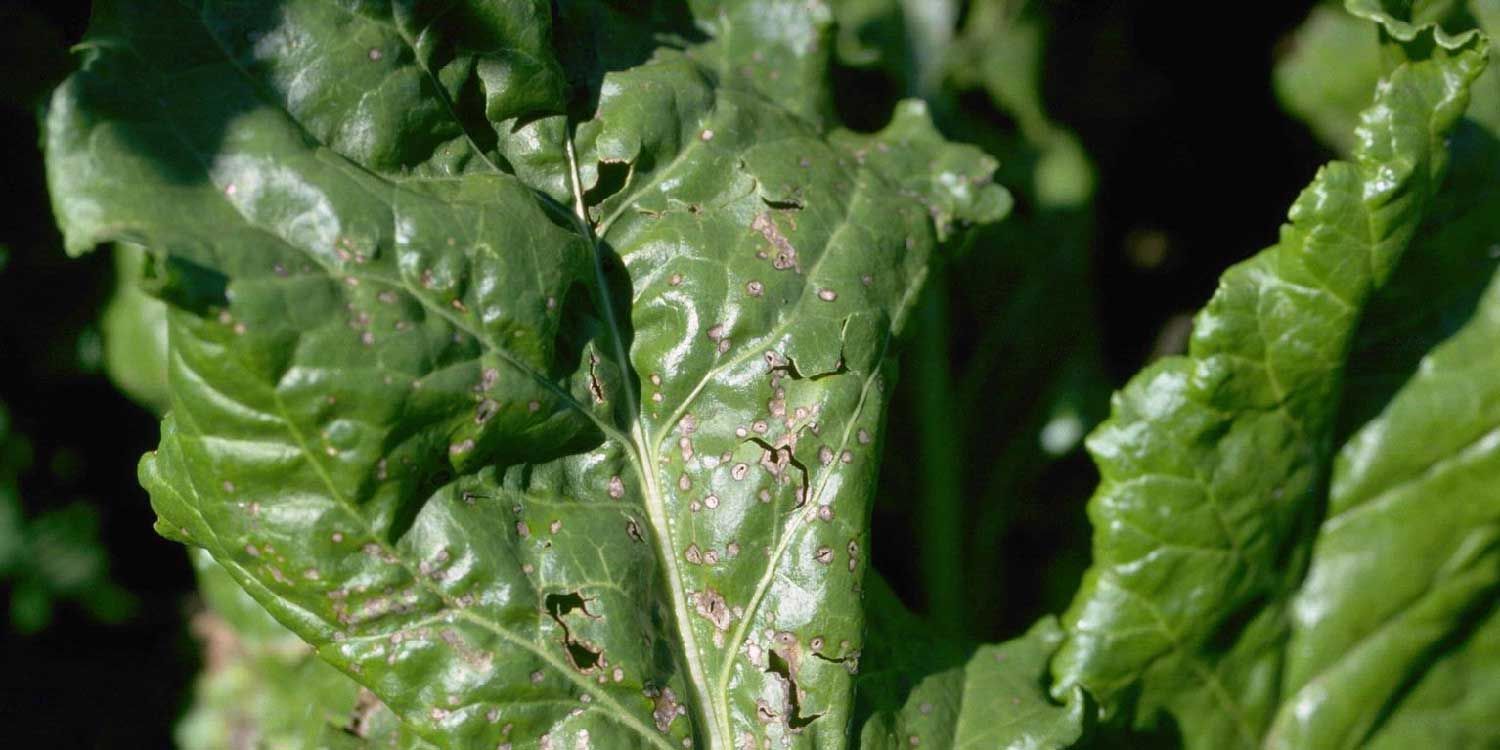
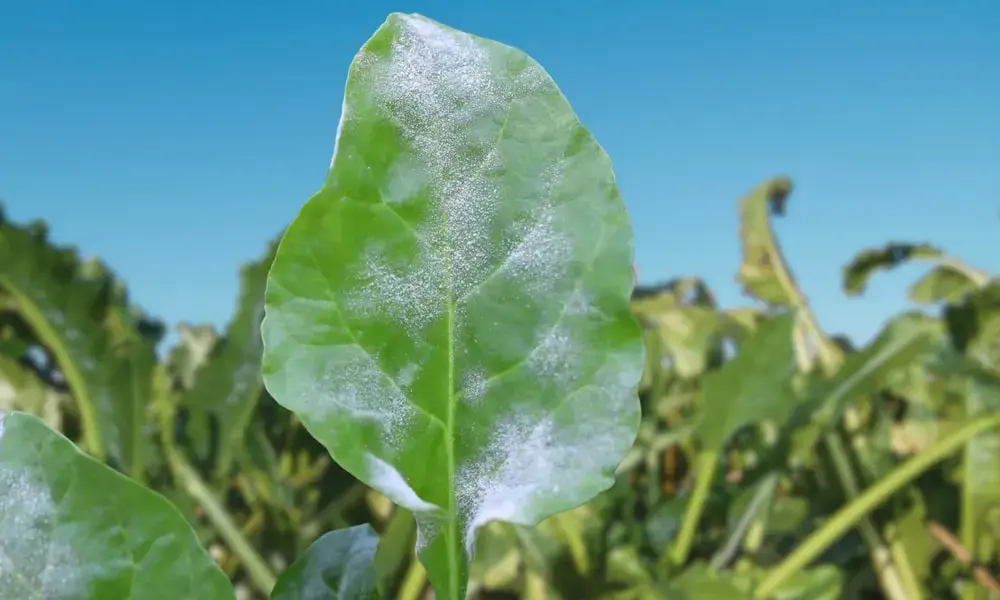
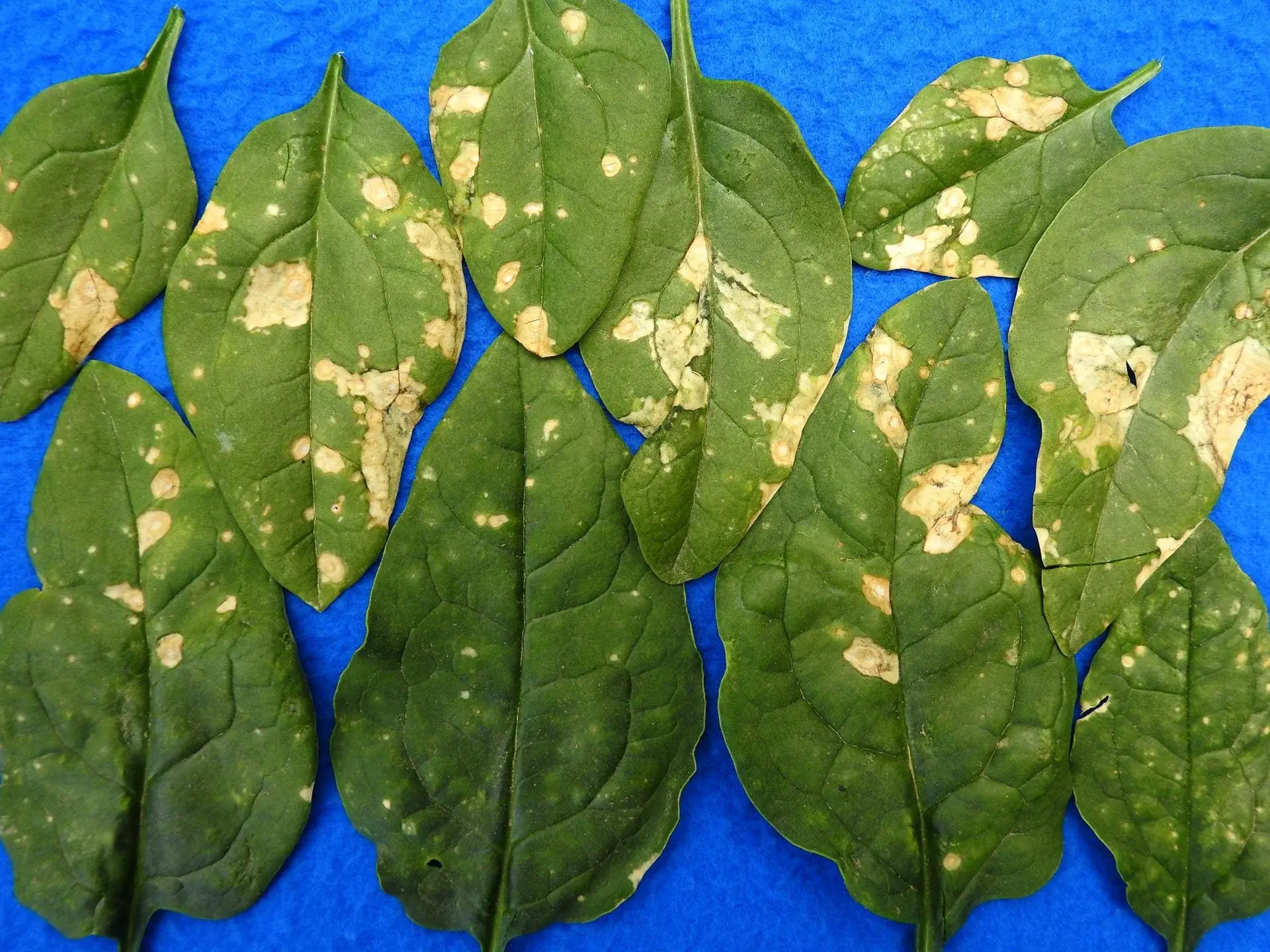
Spinach leaf spot is a plant disease that causes small, irregular or circular spots on the leaves of spinach plants. These spots can start as tiny specks and then spread into larger brown patches, eventually making the leaves look burned or damaged. The disease is usually caused by fungal pathogens such as Cladosporium variabile and Stemphylium botryosum, although bacterial leaf spot can look similar in some cases.
Leaf spot diseases thrive in cool, wet conditions, especially when plants are crowded, airflow is poor, or the leaves stay wet for long periods. If you notice this pattern after several rainy days or frequent overhead watering, it is very likely that fungal leaf spot is the culprit.
If you are unsure whether the spots are fungal, bacterial, or even a non‑living issue such as fertilizer burn, you can upload a photo of the affected leaves to an AI plant‑care tool like Plantlyze. The platform can analyze the pattern, color, and shape of the spots and help you narrow down the problem.
Common Symptoms to Watch For
Recognizing spinach leaf spot early makes all the difference. Here are the main signs to look for:
Small, round or irregular spots appear on older leaves first.
The spots may start as light yellow or tan and then turn darker brown or olive‑black as spores develop.
Spots can grow larger and merge into big dead patches, leaving the leaves thin and papery.
In severe cases, many leaves yellow, wilt, and die, reducing the harvest and weakening the plant.
Fungal leaf spot often shows a clear margin around the spot, sometimes with a halo of yellow tissue. Bacterial leaf spot, on the other hand, may look more water‑soaked or oily, and the spots can spread quickly when the leaves are wet.
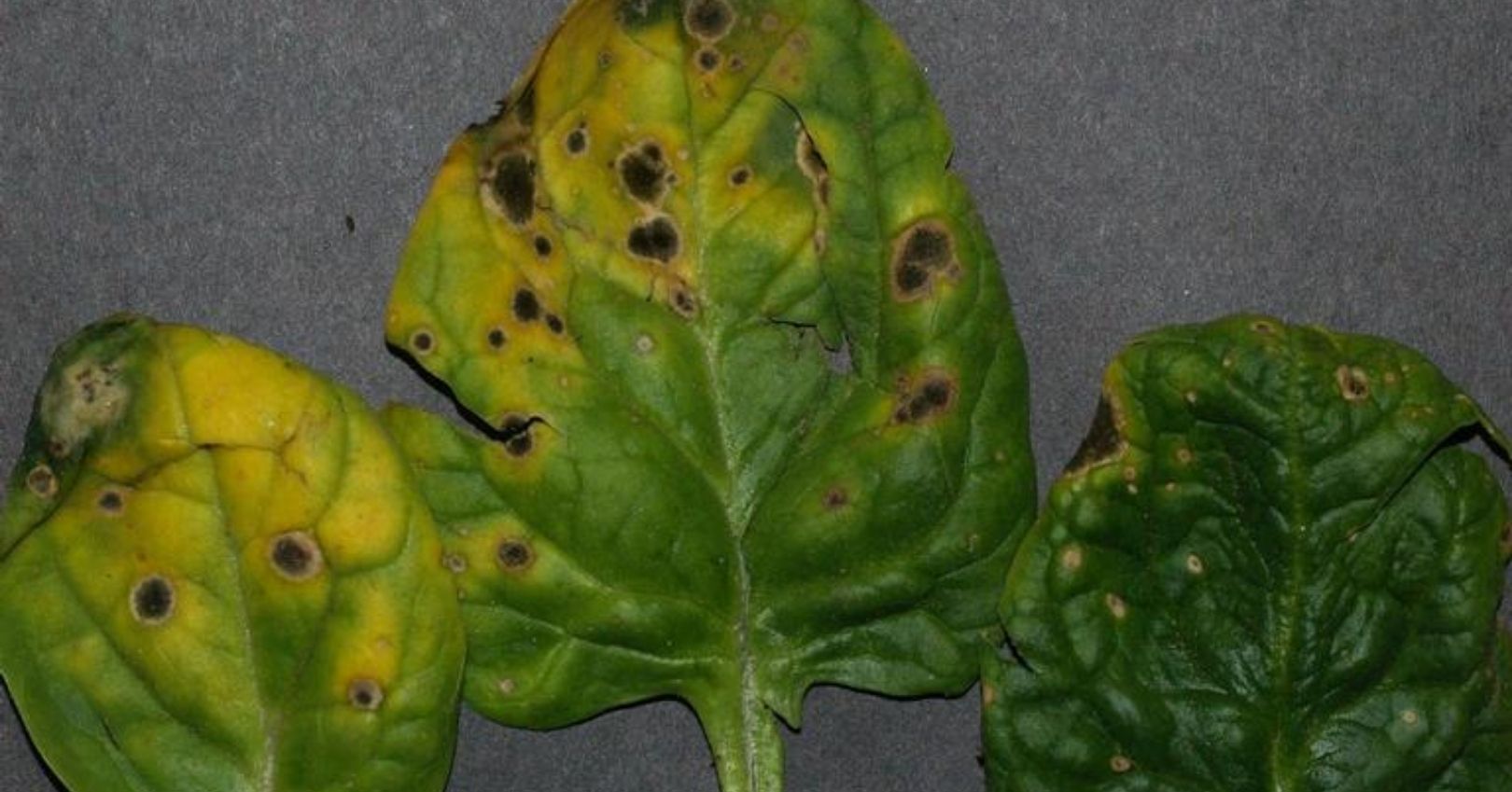
If the spots on your spinach look different from what you see in standard descriptions, Plantlyze can compare your leaf photo with thousands of disease images to help you decide whether the issue is likely fungal, bacterial, or something else entirely.
Meet the Main Culprits: Cladosporium and Stemphylium
Two fungi appear most often in spinach leaf spot outbreaks: Cladosporium variabile and Stemphylium botryosum.
Cladosporium variabile causes small tan to brown spots that can become darker in the center as tiny spores form. This fungus prefers cool, humid weather and spreads by wind and rain splash from infected plants or debris. It can infect both seedlings and mature spinach plants, especially when the leaves stay wet for long periods after watering or rain.
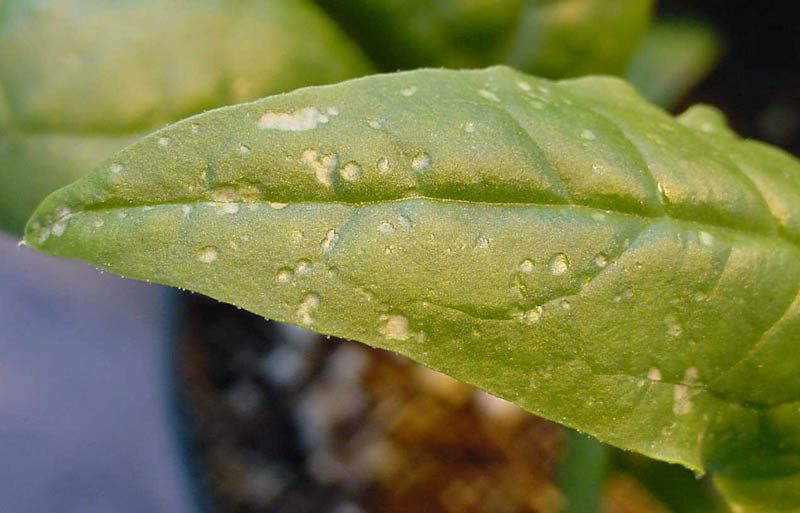
Stemphylium botryosum is linked to a disease called Stemphylium leaf spot, which appears as light gray to tan spots that may turn papery and dry. This fungus can also be seed‑borne, meaning it may move into new fields on contaminated seed. Once the disease is established, it spreads through the same routes as other fungi: rain, wind, tools, and plant debris.
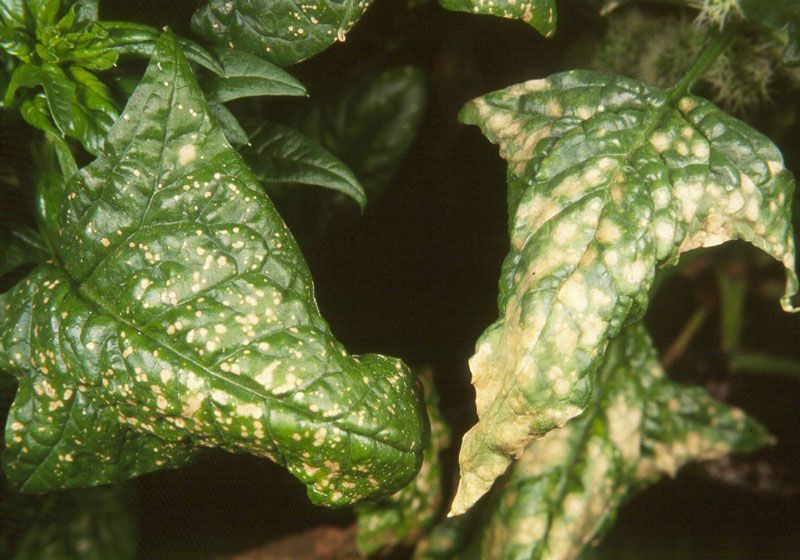
If you repeatedly see the same pattern of spots on your spinach season after season, uploading leaf photos to an AI‑driven tool like Plantlyze over time can help you track whether the same pathogen is returning and whether your management practices are working.
How to Prevent Leaf Spot in Spinach
The best way to deal with spinach leaf spot is to prevent it before it starts. Here are practical steps that work for both home gardens and small farms.
First, practice crop rotation. Avoid planting spinach in the same bed year after year, and rotate with unrelated crops to break the disease cycle. This simple step reduces the buildup of fungal spores in the soil and on nearby plant debris.
Second, give your plants enough space. Crowded spinach blocks airflow and keeps leaves wet longer, creating ideal conditions for fungi. Spacing plants properly not only helps prevent disease but also improves overall plant vigor.
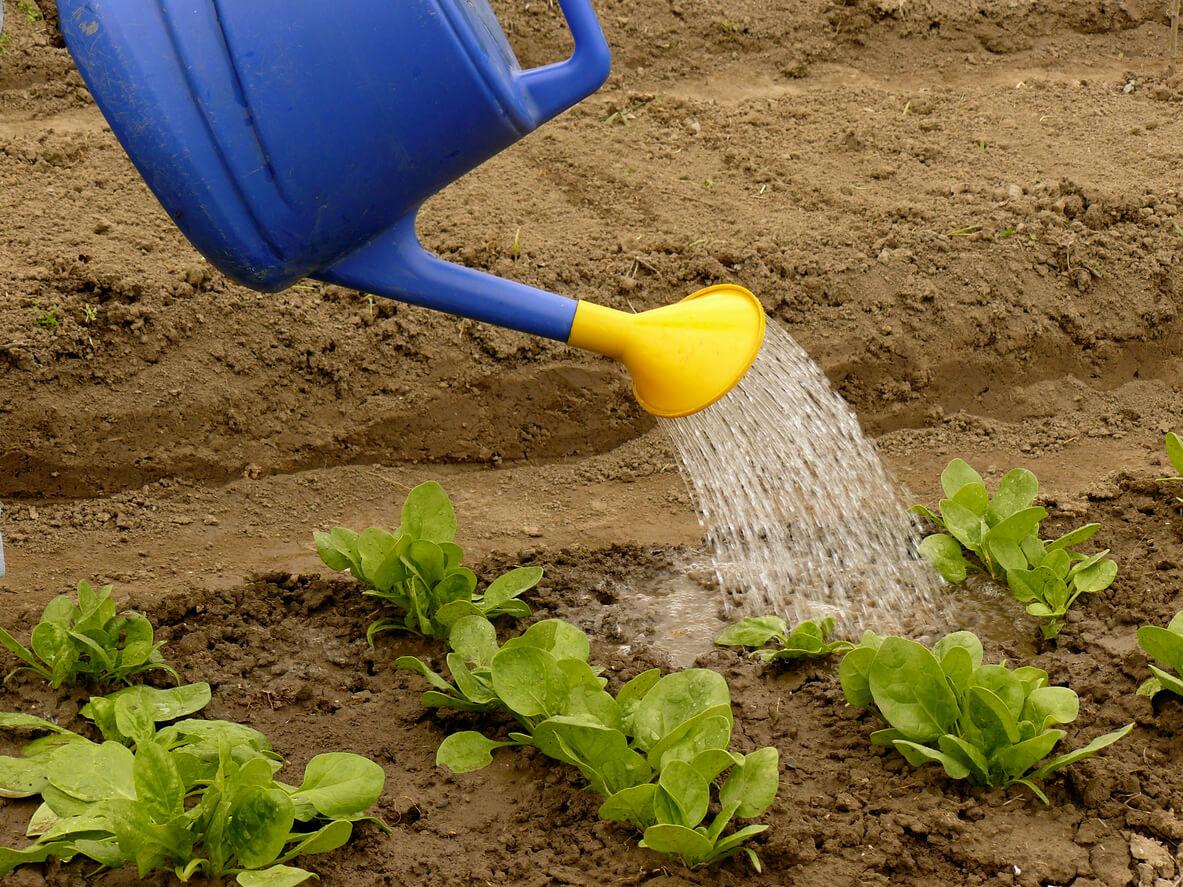
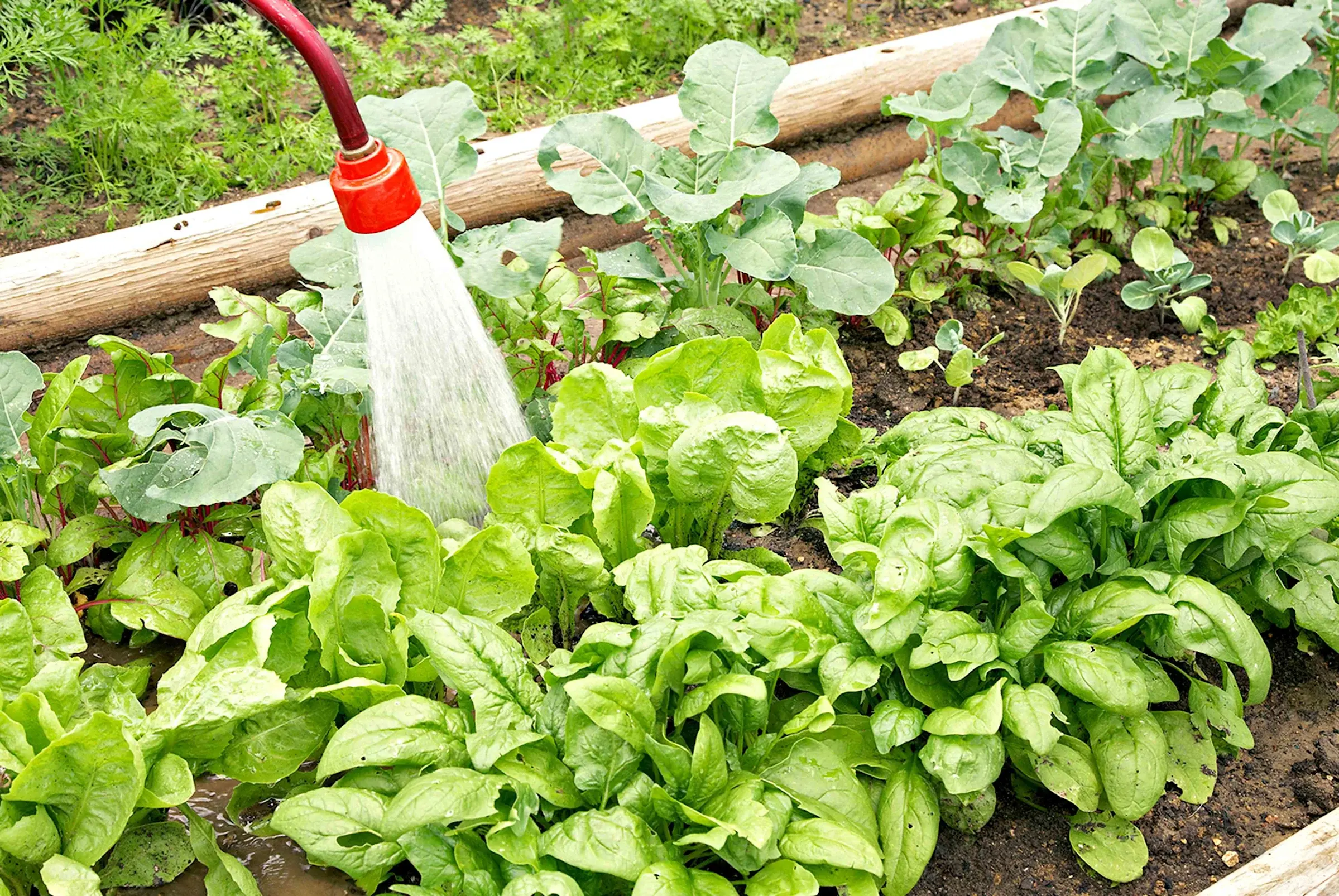
Water smartly. Use drip irrigation whenever possible instead of overhead sprinklers, so the leaves stay dry. If you must use overhead watering, water early in the day so the foliage has time to dry before nightfall.
Clean up regularly. Remove badly infected leaves and clear away plant debris after harvest. Volunteer spinach plants that pop up on their own can also carry disease, so it is best to remove them promptly.
If you grow spinach from seed, consider using disease‑free seed or seed that has been treated, such as hot water treatment, to reduce the risk of bringing leaf spot pathogens into your garden. Always disinfect tools and stakes between uses to avoid spreading disease from one plant or bed to another.
Even with good prevention, diseases can still appear. That is where early diagnosis makes a big difference. If you notice the first signs of spots, you can snap a quick photo and upload it to Plantlyze to get AI‑assisted guidance on what might be happening and what to do next.
Treating Leaf Spot: Organic and Chemical Options
Once spinach leaf spot is present, the goal is to slow its spread and protect healthy leaves. Management options range from simple cultural practices to organic and chemical treatments.
Organic growers often rely on cultural practices and biological products. For example, removing infected leaves, improving airflow, and switching to drip irrigation can reduce disease pressure without using sprays. Some biological products based on beneficial bacteria or fungi, such as certain Bacillus‑based sprays, can help support plant resistance and compete with pathogens.
For more severe cases, copper‑based fungicides approved for organic use can act as protectants on the leaf surface. These products work best when applied before heavy infection or early in the disease cycle, following label instructions carefully. Remember that repeated use of the same fungicide, even organic options, can increase the risk of resistance, so it helps to rotate products when possible.
In commercial settings, growers may use specific fungicides on a preventive schedule, especially in seed production fields where leaf spot can damage both the crop and seed quality. Home growers should read labels carefully, wear protective gear, and avoid spraying when bees are active or when temperatures are extreme.
If you are unsure whether you need a chemical spray or if cultural changes are enough, Plantlyze can help you interpret the severity of the spots and suggest whether prevention, organic sprays, or professional advice might be the best next step.
How to Tell Leaf Spot from Other Problems
Many plant issues can look like leaf spot, so it helps to learn how to tell them apart.
Leaf spot caused by fungi or bacteria usually appears as localized spots on the leaves, often starting on older leaves and spreading upward. Nutrient deficiencies, on the other hand, often cause more uniform yellowing or pale leaves rather than distinct spots.
Fertilizer or herbicide burn may show up as streaks, bleached edges, or general browning, especially after a recent application. Water stress can cause wilting or dry leaf margins, but the damage is usually not organized into small round spots.
To avoid confusion, examine several leaves and the whole plant. If the pattern looks different from what you expect, take photos under good light and upload them to an AI diagnosis tool. Tools like Plantlyze can compare your images with known disease patterns and help you rule out nutrient issues or environmental damage before treating for disease.
Step‑by‑Step Action Plan for Your Spinach
Here is a simple, step‑by‑step plan you can follow when you notice spinach leaf spot:
Inspect Check the leaves for small spots, especially on older foliage, and look at the underside for dark spores or fuzzy patches.
Isolate Remove severely infected leaves or entire plants, and dispose of them away from the garden rather than composting them.
Adjust Switch to drip irrigation, improve spacing, and avoid watering late in the day to keep leaves dry.
Clean Clear away plant debris after harvest and remove any volunteer spinach plants that may harbor disease.
Protect If needed, apply an appropriate organic or chemical protectant, following label directions and using it early in the disease cycle.
Monitor Keep checking new leaves and updating your records or photos over time.
If you upload your photos to Plantlyze every few days, you can track whether the spots are improving or getting worse and adjust your plan accordingly.
Why Early Diagnosis Matters
Catching spinach leaf spot in the early stages helps you limit damage and avoid stronger treatments. Early action can:
Slow the spread to nearby plants.
Preserve more marketable leaves for harvest.
Reduce the need for repeated chemical sprays.
Research on AI‑based plant disease diagnosis shows that machine‑learning models can classify spinach leaf diseases with high accuracy, which supports earlier detection and faster response in both research and real‑world settings. AI‑driven tools can recognize subtle differences in color, shape, and pattern that may be hard for the human eye to notice, especially in the early phases of disease.
Using Plantlyze to Care for Your Spinach
Plantlyze is an AI‑powered plant‑care assistant that helps you diagnose issues from photos. By uploading a clear image of your spinach leaves, you can receive insights about the likely cause of the spots and guidance on what to try next.
The tool is designed for home gardeners and small growers who want faster, easier answers without needing to be plant‑pathology experts. Whether you are dealing with spinach leaf spot, nutrient issues, or other problems, Plantlyze can help you make informed decisions about watering, spacing, organic treatments, or when to seek professional advice.
If you want to turn your smartphone into a plant‑care lab, visit Plantlyze.com, upload a photo of your spinach leaves, and follow the recommended steps for a healthier garden.
References
Llorente, I. & Montesinos, E. (2020). Characterization of Leaf Spot Pathogens from Several Spinach Production Areas in the United States.
https://pubmed.ncbi.nlm.nih.gov/32441578/Koike, S. T. et al. (2001). Host‑specific strain of Stemphylium causes leaf spot disease of California spinach.
https://californiaagriculture.org/article/109601-host-specific-strain-of-stemphylium-causes-leaf-spot-disease-of-california-spinachHernandez‑Perez, P. (MS thesis). Management of seedborne Stemphylium botryosum and Cladosporium leaf spot of spinach.
https://wpcdn.web.wsu.edu/extension/uploads/sites/32/Pablo-Hernandez-Perez-MS-thesis.pdf“Spinach (Spinacia oleracea)–Leaf Spot” – PNW Plant Disease Handbook.
https://pnwhandbooks.org/plantdisease/host-disease/spinach-spinacia-oleracea-leaf-spot
“Stemphylium botryosum pathogenic on spinach seed crops in western Washington.”
https://pubmed.ncbi.nlm.nih.gov/30823067/