Imagine stepping out onto your balcony or to your kitchen windowsill and snipping fresh spinach for your morning smoothie or evening salad. Spinach is one of the easiest and most rewarding leafy greens to grow in containers, even if you only have a small ledge or a tiny patio. With the right setup, you can enjoy continuously growing spinach that stays crisp, tender, and chemical‑free, all from your own home.
Spinach container growing is perfect for people who live in apartments, condos, or houses with limited yard space. It also suits beginners who want a gentle introduction to growing their own food. By using pots or containers, you gain better control over soil quality, watering, and pests, which leads to healthier plants and tastier leaves. If you want AI‑powered help identifying spinach varieties or spotting early signs of stress, tools like Plantlyze can guide you without needing a plant expert on speed‑dial.
Why Grow Spinach in Containers
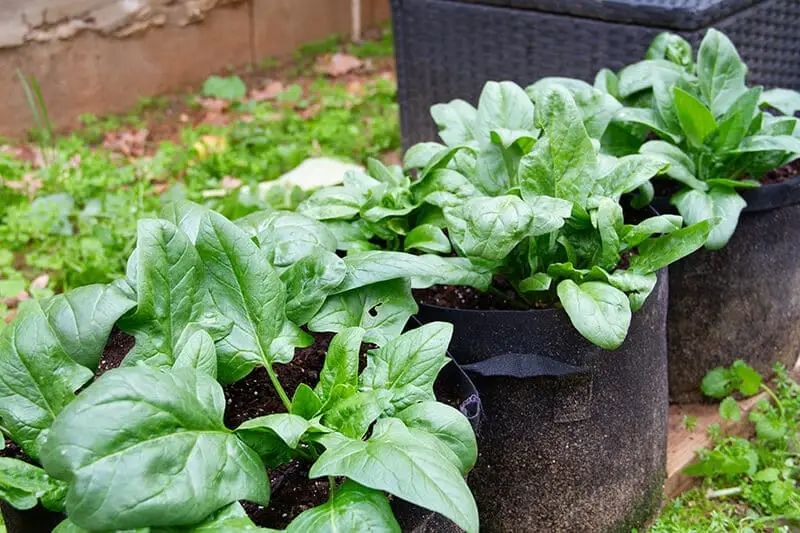
Spinach is a compact, cool‑season plant that thrives in pots and containers. Unlike some larger vegetables, it does not need a lot of space to mature, making it ideal for small‑scale home growing. When you grow spinach in containers, you can move the pots to catch the best light or protect them from extreme heat or wind, which is harder to do with plants planted directly in the ground.
Container gardening also gives you more control over the environment. You can use a high‑quality potting mix, avoid heavy garden soil, and make sure your plants are not overcrowded. This control helps prevent many common problems like waterlogging, root rot, and nutrient imbalances. Plus, spinach is a fast‑growing green, so you can enjoy harvests in just a few weeks, which is very motivating for new gardeners.
Another advantage of spinach in containers is that you can grow it closer to your kitchen. If your pot is on a balcony, windowsill, or near your back door, you are more likely to use the leaves regularly. This proximity also makes it easier to spot pests or yellowing leaves early, so you can intervene before serious damage occurs. If you are unsure about what is normal or what signals a problem, an AI plant‑care platform like Plantlyze can analyze your spinach and help you understand its needs from a simple photo.
Planning Your Spinach Container Setup
Choosing the Right Container
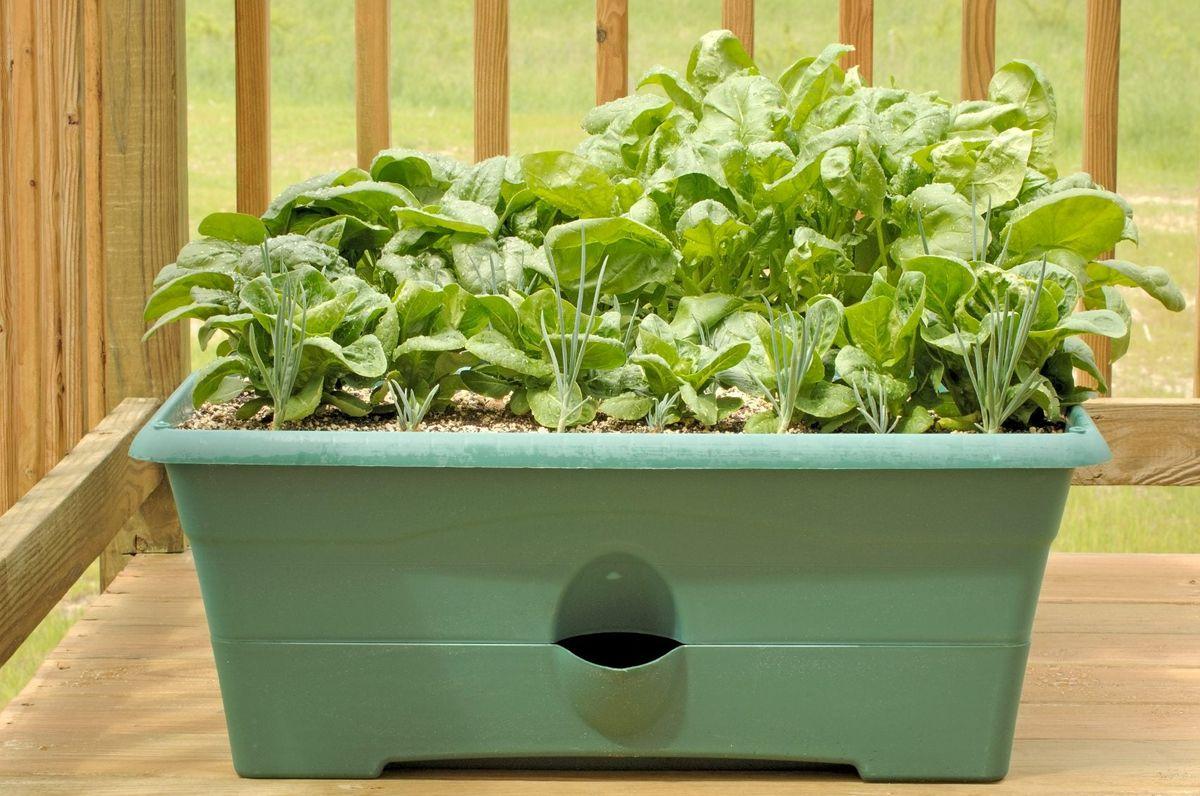
When you start spinach container growing, the first step is selecting containers that match the plant’s needs. Spinach roots need enough depth to develop properly, so choose pots that are at least 6 to 8 inches deep. Shallower containers may lead to quick drying and stressed plants, especially in warm weather.
Drainage is essential. Make sure each container has one or more holes at the bottom so excess water can escape. If you are using a decorative outer pot, place a smaller grow pot inside it and monitor moisture levels closely. Materials like plastic, ceramic, fabric grow bags, and even repurposed food‑safe buckets can all work well, as long as they hold enough soil and allow for proper drainage.
Think about where you plan to place your spinach. Balconies, patios, and windowsills are all great options. If you live in a city or apartment, you can turn a small outdoor space into a productive micro‑garden. Spinach looks attractive in neatly arranged pots, and its bright green leaves make a simple yet pleasing visual display.
Soil and Potting Mix
Spinach in containers grows best in a light, well‑draining potting mix. Avoid using heavy garden soil, which can compact in pots and reduce airflow to the roots. A good choice is a general‑purpose potting mix that already contains some compost or organic matter to support nutrient‑rich growth.
You can further improve the mix by adding a small amount of compost or a slow‑release fertilizer at planting time. This helps spinach establish strong roots and produce lush leaves. However, do not over‑load the soil with fertilizer, as too much can make the leaves taste bitter or encourage leaf diseases.
Spinach dislikes sitting in waterlogged soil. If your pot tends to stay wet, you can mix in a bit of perlite or coconut coir to improve drainage. A healthy mix should feel moist but not soggy when you touch it. When the top inch feels dry, it is usually time to water again.
Sunlight and Location
Spinach prefers cool weather and partial to full sun. Aim for 4 to 6 hours of direct or bright indirect light each day. Many gardeners find that morning sun with some afternoon shade works well, especially in warmer climates. If you only have a shaded balcony or window, you can still grow spinach, but it may grow more slowly and form smaller leaves.
If you are unsure how much light your space actually gets, you can use an AI plant‑care app like Plantlyze to analyze your conditions. By uploading a photo or describing your light exposure, you can receive tailored recommendations for which leafy greens are most likely to thrive in your specific spot. This can be especially helpful if you are growing other greens like lettuce or kale alongside your spinach.
Choose a location that is easily accessible so you can check your plants regularly and water them without effort. If you live in a very hot area, consider moving your spinach containers to a slightly shadier spot during the hottest part of the day to reduce stress and prevent premature bolting.
Planting Spinach in Containers
Choosing Varieties
Not all spinach varieties behave the same way in containers. Look for compact, bolt‑resistant types that are suited to small spaces and fluctuating temperatures. Some varieties are bred to tolerate warmer weather, which helps you extend your harvest window beyond the ideal cool season.
When you choose seeds, check the packet for information about growth habit and recommended spacing. Compact or semi‑dwarf varieties are usually the best fit for pots. If you are growing spinach indoors on a sunny windowsill, you may also want to choose a variety that matures quickly so you can enjoy harvests sooner.
You can also consider other leafy greens that grow well in containers, such as lettuce, arugula, or kale. Growing a mix of greens in separate pots or staggered plantings ensures you always have something ready to eat. If you are unsure which variety fits your climate and light, tools like Plantlyze can help you match the right plant to your conditions.
Sowing Seeds or Seedlings
Spinach in containers can be started from seeds or young seedlings. Seeds are usually cheaper and give you more control over the growing process, while seedlings let you get a head start and shorten the time to harvest.
To sow seeds, fill your container with moistened potting mix, leaving about an inch of space at the top. Make shallow furrows or press the seeds about half an inch deep, spacing them 1 to 2 inches apart. Cover the seeds lightly with soil and water gently so you do not wash them away. If you want a denser harvest, you can try multi‑sowing, which means planting small clusters of seeds in the same spot and later thinning them so the remaining plants have enough room.
If you prefer seedlings, space them according to the packet instructions, usually a few inches apart. Place the seedlings in the pot, gently firm the soil around the roots, and water them thoroughly. Keep the soil moist during the first week to help the plants settle in.
Thin your plants
Once your spinach starts to grow, you may need to thin the seedlings. This step gives the remaining plants enough space to develop strong leaves and reduces competition for nutrients and water. You can snip the extra seedlings with scissors instead of pulling them out, which lessens disturbance to the roots of the plants you want to keep.
The thinned baby spinach can be used in salads or smoothies. This practice turns a necessary gardening task into an early harvest. Over time, you will notice that the remaining plants grow fuller and more vigorous, making your spinach container setup more productive.
Caring for Spinach in Containers
Watering
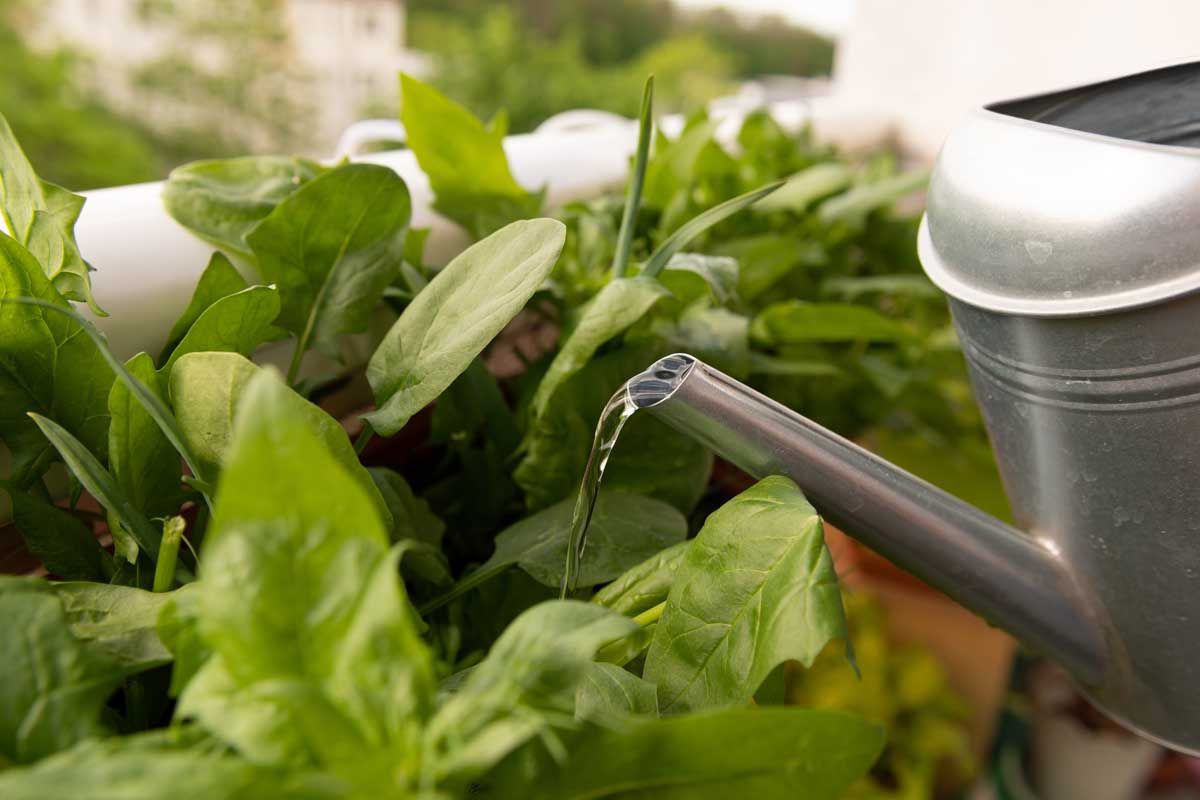
Spinach is relatively low‑maintenance, but it does need consistent moisture. The soil should feel moist to the touch, similar to a wrung‑out sponge. Containers tend to dry out faster than garden beds, especially in warm or windy conditions, so you may need to check moisture levels daily.
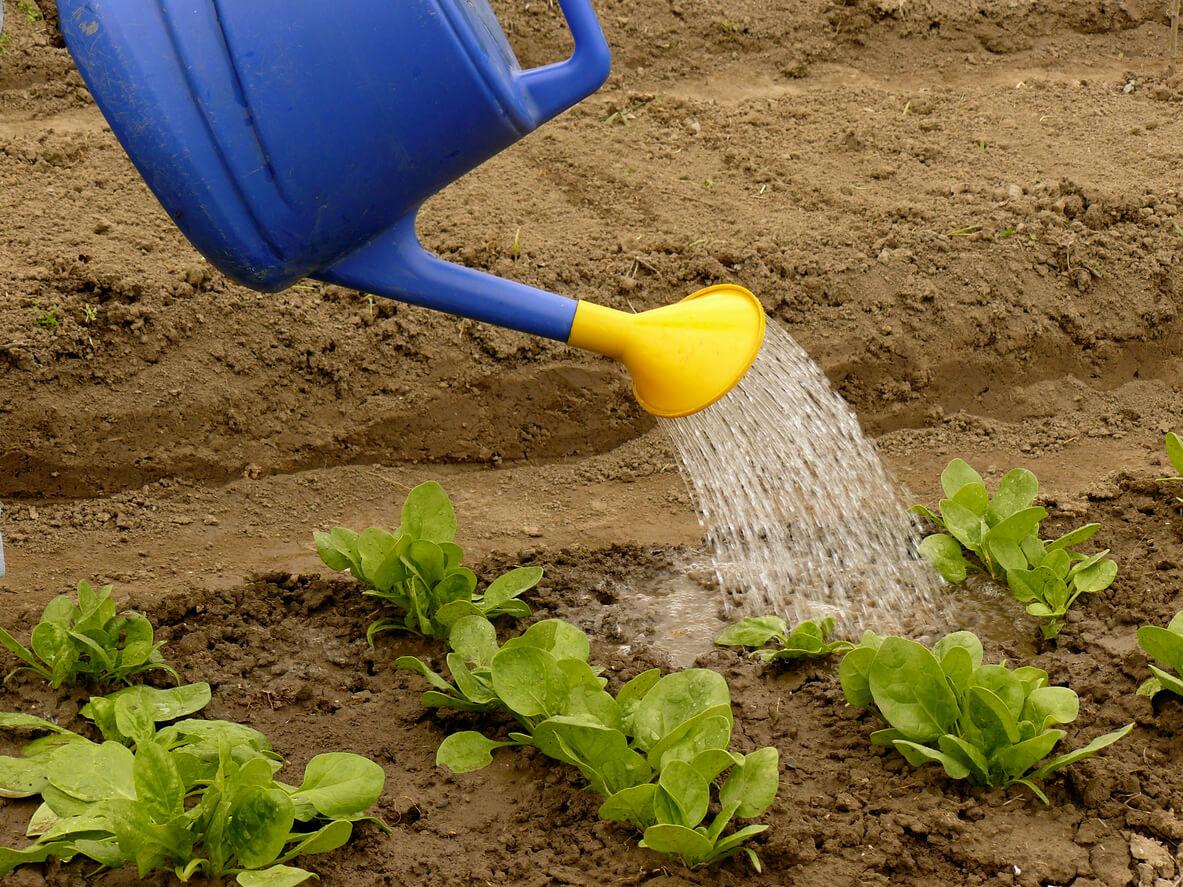
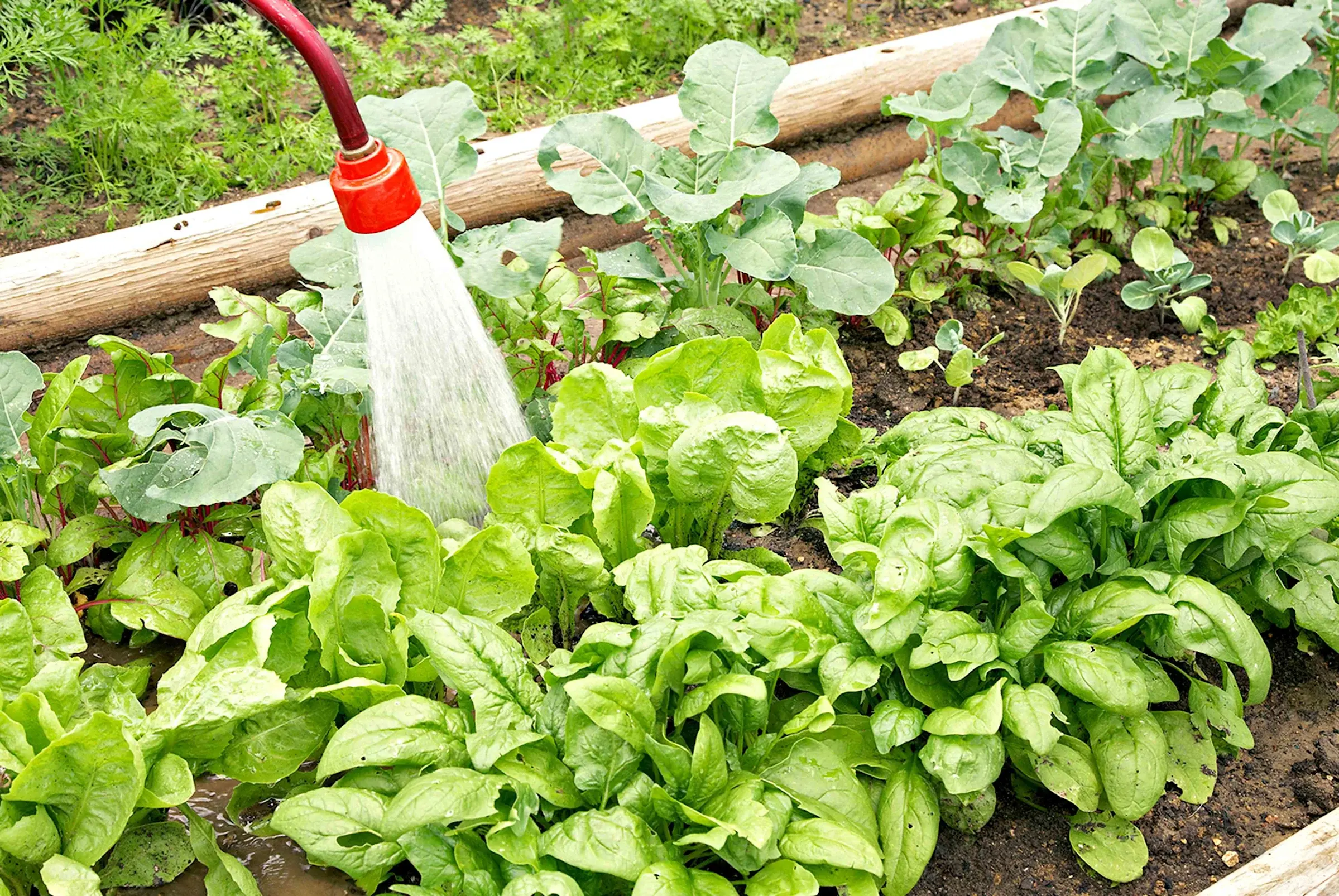
Water when the top inch of soil feels dry. Pour water slowly over the entire surface until it begins to drain from the bottom. This ensures that the root zone receives enough water. Avoid watering in the middle of a hot day, as this can cause rapid evaporation and stress the plants. Early morning or late afternoon are ideal times.
If you are away from home often or have trouble remembering to water, you can use self‑watering containers or place your pots in a shallow tray with a small amount of water. This tray method allows the soil to absorb moisture gradually. However, be sure the pot does not sit in standing water for long periods, as this can lead to root rot.
Feeding and Fertilizer
Spinach is a moderate feeder, which means it benefits from occasional nutrients but does not require heavy fertilization. A light application of balanced liquid fertilizer every 2 to 3 weeks can support healthy leaf growth. Choose a fertilizer that is formulated for leafy greens and follow the label instructions carefully.
Over‑fertilizing can cause spinach to taste bitter or increase the risk of leaf issues. If you added compost or a slow‑release fertilizer at planting time, you may not need to feed the plants as often. Watch for signs like pale leaves or stunted growth, which can indicate nutrient deficiency.
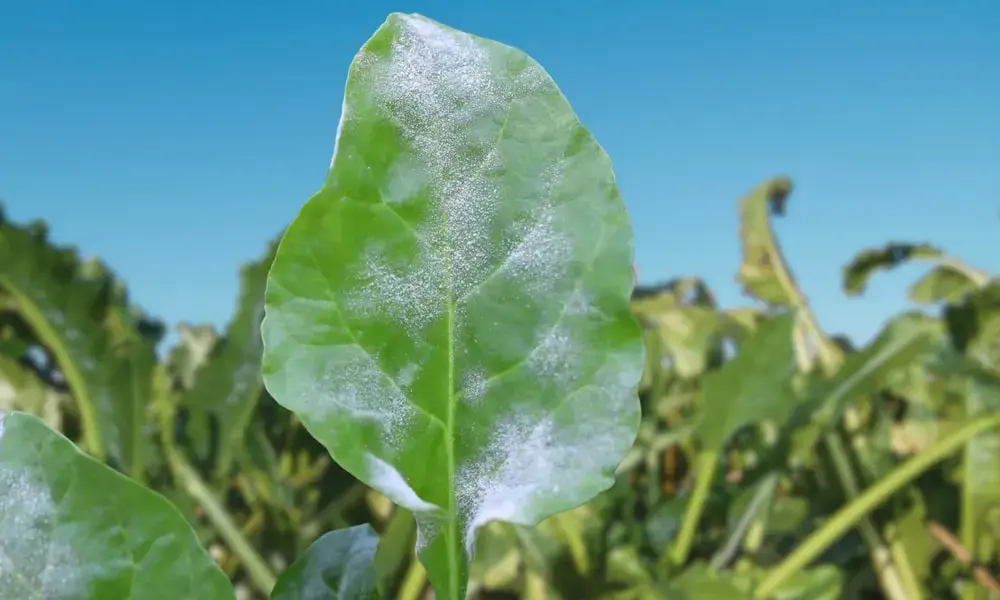
If you notice unusual leaf patterns, discoloration, or spots, an AI plant‑care platform like Plantlyze can help you identify the cause. By uploading a clear photo, you can receive guidance on whether the issue is related to nutrients, pests, or environmental stress, and what steps to take next.
Bolting, Pests, and Diseases
Bolting is a common concern with spinach in containers. Bolting happens when the plant suddenly sends up a tall flower stalk and the leaves become bitter. This is usually triggered by warm temperatures, long days, or stress from inconsistent watering or poor soil.
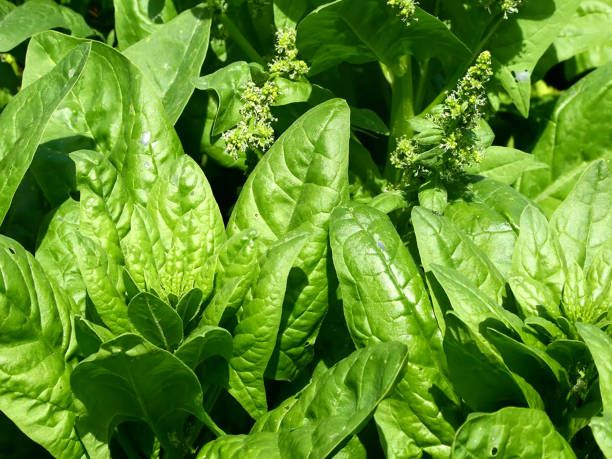
To delay bolting, choose bolt‑resistant varieties, keep the plants cool, and harvest regularly. If you start to see a central stalk forming, you can still harvest the remaining leaves before the flavor changes. Some gardeners find that successive plantings—sowing small batches every few weeks—help maintain a steady supply of tender spinach.
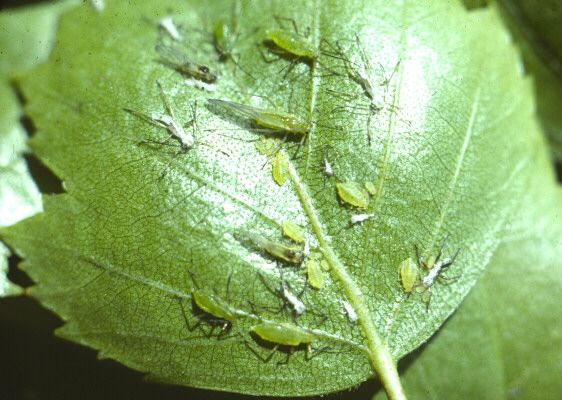
Pests like aphids and leaf miners can also affect spinach. Aphids appear as small clusters of green, black, or white insects on the undersides of leaves, while leaf miners leave thin, squiggly trails. Light infestations can often be managed by washing the leaves with water or using a gentle insecticidal soap. Keeping the area clean and avoiding overcrowding helps reduce the risk of pests and diseases.
If you notice holes in the leaves, yellowing, or strange spots, you can use an AI plant‑diagnosis tool like Plantlyze to help you identify the problem. After analyzing a photo, the tool can suggest simple cultural or organic fixes so you can protect your spinach without reaching for harsh chemicals.
Harvesting Spinach from Containers
Spinach grown in containers is ready to harvest when the leaves are about 3 to 4 inches long. You can start by picking the outer leaves, leaving the center of the plant intact so it continues to produce new growth. This method, called cut‑and‑come‑again, allows you to enjoy multiple harvests from the same plant without replanting.
Use clean scissors or your fingers to cut the leaves cleanly. Avoid tearing the stems, as this can invite disease. Harvest in the morning if possible, when the leaves are cool and crisp. Wash the spinach gently before using it in salads, smoothies, or cooked dishes.
If you want to harvest the whole plant, you can cut it just above the soil line when the leaves reach the desired size. After a full harvest, you can either replant the container or let it rest and refill with fresh potting mix for the next batch. Staggering your plantings by sowing a new pot every couple of weeks ensures you always have spinach ready to pick.
Troubleshooting Common Problems
Even with careful care, spinach in containers can experience a few issues. Yellowing leaves are often a sign of overwatering or a nutrient shortage. If the soil stays constantly wet, reduce watering and check that your pot has good drainage. If the leaves look pale despite adequate moisture, a light fertilizer application may help.
Holes or chewed edges on the leaves usually point to pests like slugs or insects. Regular inspection and prompt action can prevent large outbreaks. If you are unsure what is causing the damage, you can upload a photo to an AI plant‑care app like Plantlyze and receive a diagnosis along with simple treatment suggestions.

Bitter or tough leaves are often linked to heat stress or over‑fertilizing. If temperatures are rising, you can move the containers to a cooler, shadier spot or start a new batch of spinach in cooler weather. Adjusting your fertilization schedule and harvesting regularly can also improve flavor and texture.
From Balcony to Bowl: Making Spinach a Habit
Spinach container growing is less of a one‑time project and more of a daily habit. Once you have a few pots in place, you can make harvesting a small ritual, like grabbing a handful of leaves on your way into the kitchen. Over time, you may find that you naturally gravitate toward using fresh spinach more often in your meals.
You can also experiment with growing different greens in separate containers. Mixed salads from your own balcony or windowsill are fresher and more satisfying than store‑bought options. By rotating crops and maintaining a few pots at all times, you create a continuous supply of leafy greens that support healthier eating habits.
If you enjoy the idea of growing more than just spinach, an AI plant‑care platform like Plantlyze can help you manage a mini indoor or balcony garden. You can track watering schedules, receive care reminders, and get help with plant identification and diagnosis, all from your smartphone.
Use AI to Keep Your Spinach Happy
Whether you grow spinach in containers, on a sunny balcony, or on a small indoor windowsill, AI tools can make plant care easier and more precise. Plantlyze is an AI‑powered plant care platform that helps you identify plants, diagnose problems, and receive tailored care tips based on your specific conditions.
By uploading a photo of your spinach or any other plant, you can get quick feedback on whether it is healthy and what you might need to adjust, such as watering, light, or nutrients. This can be especially helpful for beginners who are still learning the signs of plant stress or for experienced gardeners who want to optimize their care routine.
Explore more plant‑care tools and start your free trial at plantlyze.com to track your spinach and other greens, receive personalized recommendations, and keep your container garden thriving with less guesswork.
References
University of California Agriculture and Natural Resources – Splendid Spinach in Containers
https://ucanr.edu/site/uc-master-gardener-program-alameda-county/splendid-spinach-containersUniversity of Kentucky Cooperative Extension – Growing Your Own: Spinach (including container info)
https://publications.mgcafe.uky.edu/sites/publications.ca.uky.edu/files/NEP240.pdfUniversity of Massachusetts Amherst – Spinach (vegetable fact sheet, environmental and cultural requirements)
https://www.umass.edu/agriculture-food-environment/vegetable/fact-sheets/spinachUC Marin Master Gardeners – Spinach (includes container‑growing guidance)
https://ucanr.edu/site/uc-marin-master-gardeners/document/spinach