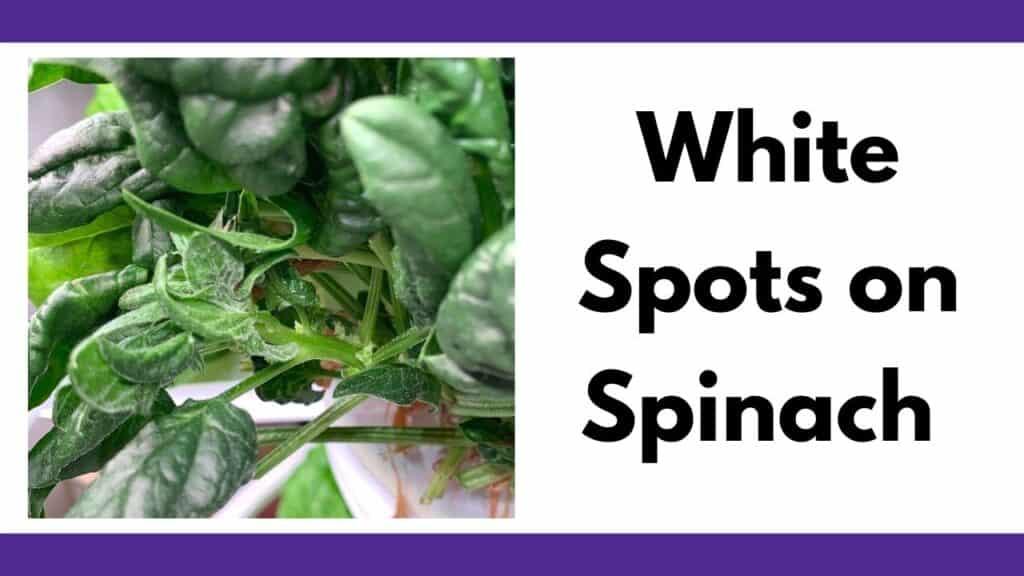
You walk out to your garden, reach for a fresh spinach leaf, and suddenly notice something strange—white spots scattered across the surface. Your heart drops a little. Are those spots dangerous? Can you still eat the spinach? And most importantly, can you fix them?
The good news is that white spots on spinach leaves are usually the result of a few common problems, most of which can be managed with the right care. In this article, you will learn what causes spinach white spots, how to tell the most common issues apart, and what steps you can take to treat and prevent them. Along the way, you will also see how tools like Plantlyze—an AI powered plant care and diagnosis assistant—can help you identify the problem faster and make your gardening decisions easier.
What Spinach White Spots Usually Mean
White spots on spinach are rarely just a random quirk. They are usually symptoms of disease, pests, or environmental stress. In many cases, the first signs appear on older leaves, which are more vulnerable to moisture, poor airflow, and nutrient imbalances.
If the white spots are small, isolated, and not spreading fast, they may be the result of light stress or minor damage. If they are expanding, merging, or appearing on many plants at once, the issue is more likely to be a fungal or pest problem. The sooner you act, the better your chances of saving the harvest.
In the next sections, you will see the most common causes of spinach white spots, how they look, and what to do next.
White Rust: The Classic White Spot Disease
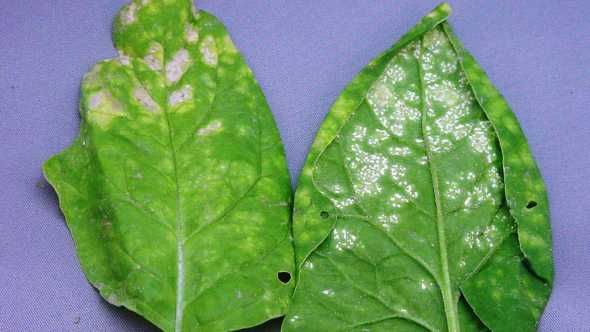
One of the most common fungal issues that cause spinach white spots is white rust, caused by a water mold called Albugo occidentalis. This disease is especially common in cool, moist conditions and can spread quickly through overhead watering, splashing water, or close plant spacing.
What to look for
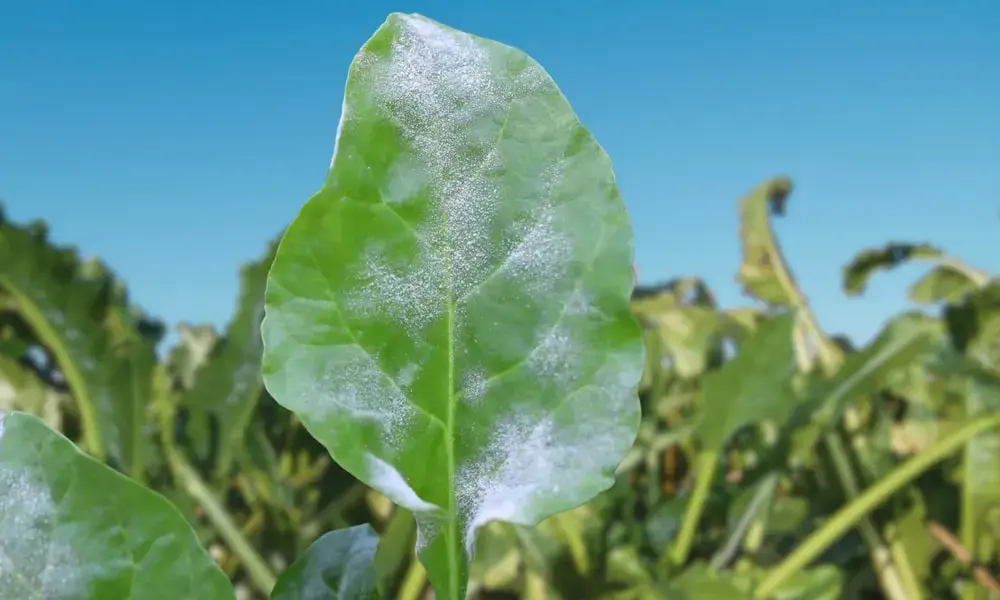
Small, raised white blisters or pustules on the underside of spinach leaves.
Over time, these blisters can grow and merge, covering large areas of the leaf.
Infected leaves may look pale, yellowish, or distorted, and the plant may start to lose vigor.
White rust thrives in cool, damp weather, especially when leaves stay wet for long periods. It can spread from plant to plant through water droplets and wind‑borne spores.
How to respond
Remove and discard heavily infected leaves carefully. Do not compost them if the disease is severe; bag them and throw them away.
Improve air circulation by spacing plants farther apart and trimming nearby foliage.
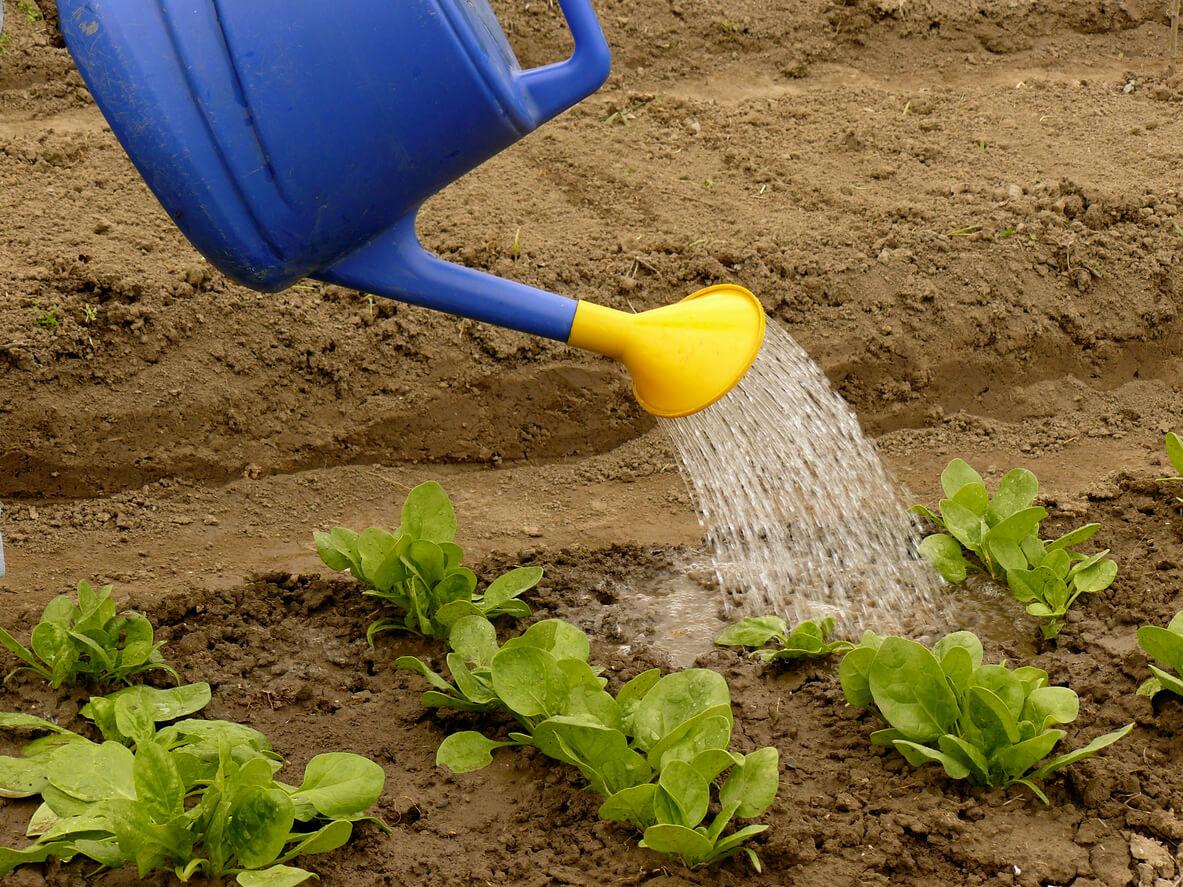
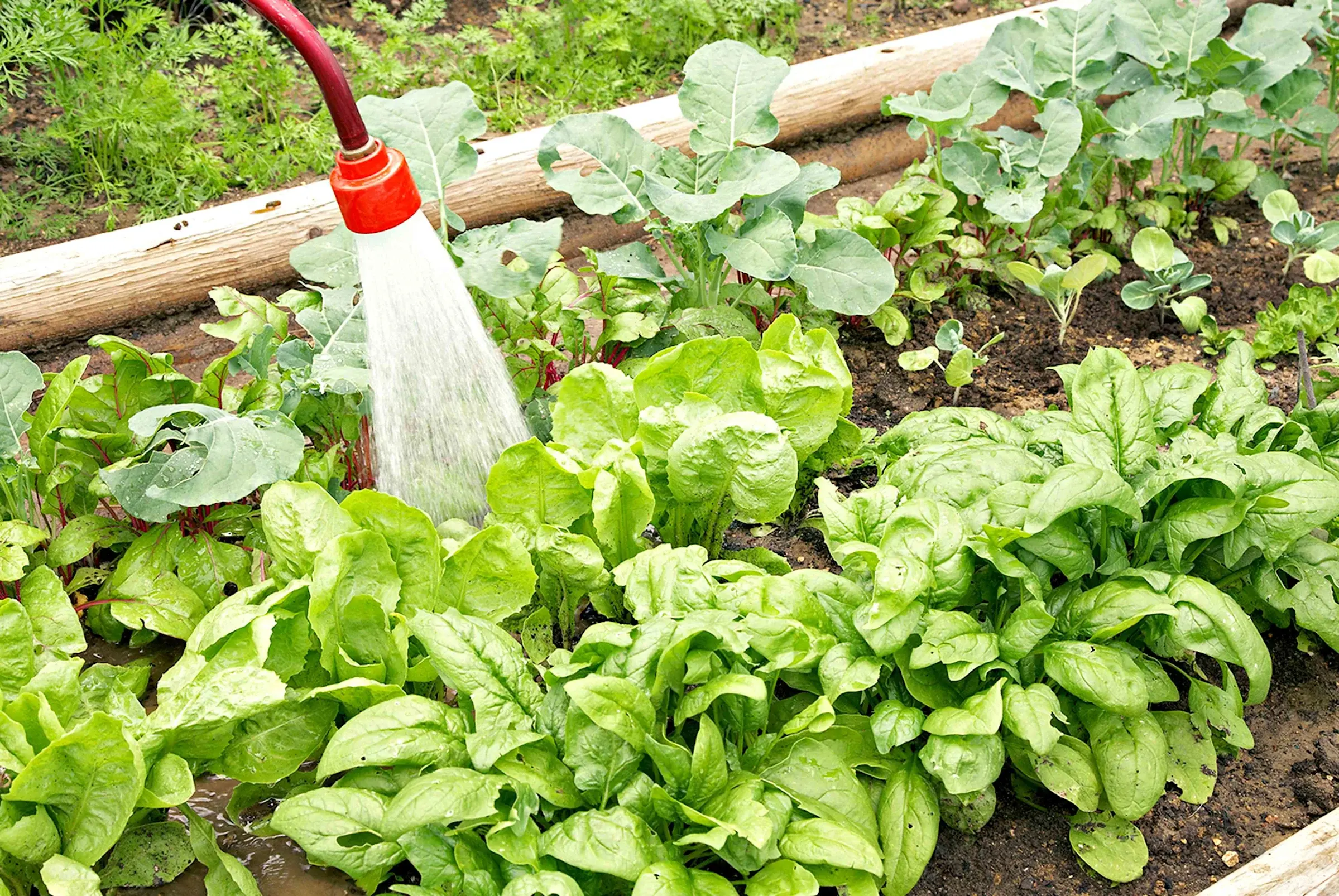
Avoid overhead watering; water at the base of the plant instead.
If the problem persists, consider using an organic fungicide labeled for spinach, following all label instructions.
If you ever feel unsure whether those spots are white rust or something else, tools like Plantlyze can help you confirm the diagnosis by analyzing a clear photo of your leaves. That way, you can decide whether to treat or remove the plant with confidence.
Other Fungal Diseases That Cause White or Gray Spots
Besides white rust, several fungal diseases can create white to grayish spots on spinach leaves, especially in cool, humid conditions.
Downy mildew and fuzzy leaf spots
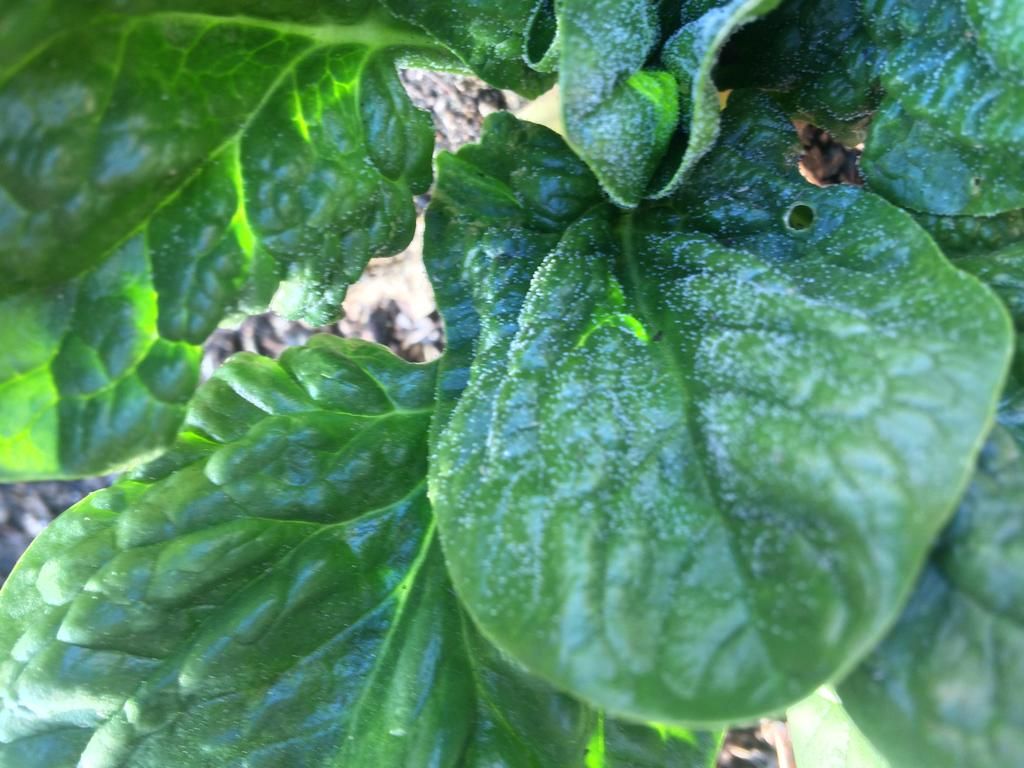
Downy mildew and related fungi often start as pale or yellow spots on the upper surface of the leaf, with a fuzzy or powdery growth on the underside. As the infection progresses, the spots may turn brown and the leaf tissue can become dry and brittle.
Conditions that favor downy mildew include:
Cool nights and high humidity.
Overcrowded plants with poor airflow.
Frequent overhead watering or long leaf wetness periods.
Managing these diseases follows a similar pattern to white rust:
Remove badly infected leaves and avoid letting diseased material sit in the garden.
Reduce leaf wetness by watering at the base and improving spacing.
Choose disease resistant varieties when possible, especially if you grow spinach regularly.
Other leaf spot fungi
Some fungi, such as Cladosporium or Cercospora species, cause small to medium sized leaf spots that may start with a light center and a darker edge. These spots can look grayish or white in the center and may remind you of tiny targets.
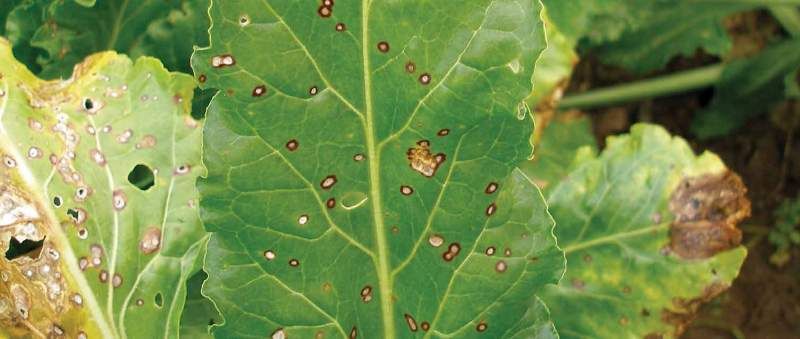
Good cultural practices—crop rotation, clean tools, and proper spacing—help reduce the risk of these fungal diseases.
Pests That Create White or Light Colored Spots
Sometimes, what looks like spinach white spots is actually the work of pests feeding on or inside the leaves.
Leaf miners
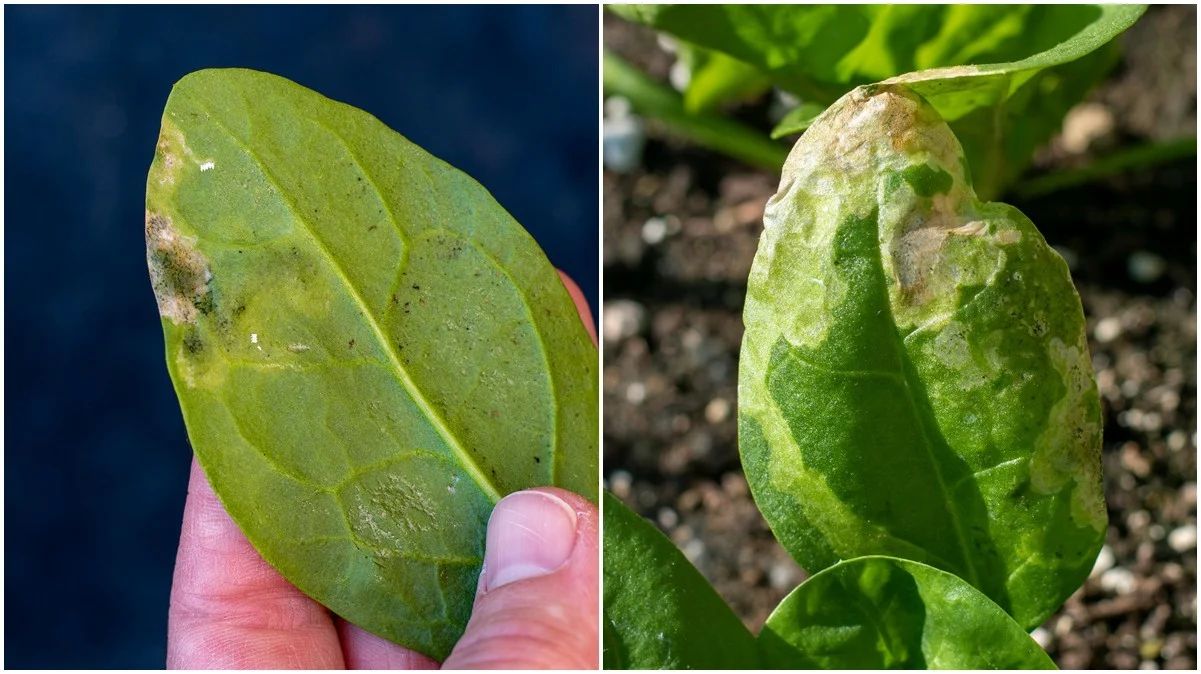
Leaf miners are tiny insects whose larvae tunnel inside the leaf tissue. As they feed, they leave behind white or light colored trails or blotches that can look like irregular spots or streaks. These tunnels reduce the plant’s ability to photosynthesize and weaken it over time.
Signs of leaf miners include:
Winding, pale trails inside the leaf.
Sometimes, small dark spots where the larvae have fed.
To manage leaf miners:
Remove and discard heavily infested leaves.
Use row covers in the early stages to prevent adult flies from laying eggs.
In some cases, insecticidal soap or neem oil can help, but always follow label directions for edible crops.
Other pests
Aphids, thrips, and similar insects can also cause stippling or discoloration that looks like small spots. They suck sap from the leaves, leaving behind damaged or pale patches. A close inspection with a hand lens or a magnifying glass can often reveal the tiny insects hiding on the undersides.
Environmental and Chemical Stress
Not all spinach white spots are caused by disease or pests. Sometimes, the problem comes from environmental stress or improper use of chemicals.
Herbicide or fertilizer burn
Spinach is very sensitive to herbicides and fertilizers. If you recently sprayed a weed killer near your spinach bed or applied a concentrated liquid fertilizer, you may see irregular white, tan, or dead spots on the leaves. These spots often appear quickly after spraying and may be more severe on the edges or tips of the leaves.
To reduce chemical stress:
Avoid spraying herbicides near spinach plants.
Always dilute fertilizers according to the label and apply them away from the base of the plant if possible.
Water the soil well after fertilizing to help distribute the nutrients evenly.
Salt, water, and heat stress
High salt content in irrigation water or soil can cause leaf tip burn or scattered whitish lesions. Overwatering or underwatering can also create stress that looks like spotting or discoloration, especially if the roots are not healthy.
Improving your watering routine and ensuring good drainage can resolve many of these stress‑related issues.
How to Diagnose Spinach White Spots
If you are not sure what is causing the spots, a simple step‑by‑step diagnosis can help you narrow it down.
Check the underside of the leaves.
Are there white blisters or fuzzy growth? That suggests white rust or downy mildew.
Are there tunnels inside the leaf? That points to leaf miners.
Look at the pattern.
Are the spots spreading fast and affecting many plants? Fungal disease is more likely.
Are only a few leaves affected, and they are near where you recently sprayed something? Chemical stress may be the cause.
Think about the environment.
Have you had cool, wet weather with lots of dew? Fungal issues are more likely.
Are the plants crowded or close to a wall? Poor airflow can encourage disease.
Use a photo based diagnosis tool.
Snap a clear, close up photo of an affected leaf and upload it to an AI powered plant diagnosis tool like Plantlyze. These tools can compare your image to known disease and pest patterns and help you decide whether to treat, remove, or simply monitor the plant.
How to Treat Spinach With White Spots
Treatment depends on what is causing the problem and how severe it is.
For fungal diseases like white rust or downy mildew
Remove and discard heavily infected leaves to slow the spread.
Improve spacing and airflow between plants.
Water at the base of the plant instead of from above.
If the problem is significant, consider using an organic fungicide labeled for spinach, following all instructions carefully.
If you are unsure about what to apply, you can share a photo and a description of your care routine with a tool like Plantlyze to get tailored suggestions for your specific situation.
For pest related spots
Physically remove heavily infested leaves.
Use insecticidal soap or neem oil for soft bodied pests, following label directions.
Encourage beneficial insects that help control aphids, thrips, and similar pests.
For environmental or chemical stress
Stop spraying or fertilizing for a while and let the plant recover.
Flush the soil with clean water if salt buildup is suspected.
Adjust your watering schedule so the soil stays evenly moist but not soggy.
Prevention Tips for Healthy Spinach Without White Spots
Preventing spinach white spots is often easier than fixing them once they appear.
Choose disease resistant varieties when available. These are bred to resist common fungal diseases.
Rotate crops and avoid planting spinach in the same spot year after year. This helps break the disease cycle.
Water at soil level, using drip irrigation or a gentle stream at the base of the plant.
Keep plants spaced so air can circulate and leaves dry quickly after rain or watering.
Avoid over fertilizing and always follow label instructions.
Use clean tools and remove plant debris after harvest.
Tools like Plantlyze can send you reminders about spacing, watering, and disease risks based on your local weather and plant type, helping you stay ahead of problems.
When to Remove the Plant
Sometimes, despite your best efforts, the damage is too extensive. If more than half of the leaves are heavily spotted, shriveled, or rotting, the plant may not recover well. In that case, it is often better to remove it and replant.
Removing infected plants helps protect nearby spinach and other leafy greens. After you remove the plant, you can analyze it further with a photo based tool like Plantlyze to understand what went wrong and how to prevent it next time.
Conclusion
White spots on spinach leaves usually fall into one of three categories: fungal disease, pests, or environmental or chemical stress. Fungal diseases like white rust and downy mildew can cause white or grayish spots that spread quickly, while pests like leaf miners may leave behind pale trails or blotches. Environmental stress from salt, heat, or improper spraying can also create similar looking damage.
Early detection and correct identification are key to saving your harvest. Simple steps like improving spacing, watering at the base, and removing badly infected leaves can go a long way. When you are unsure what those spots really are, tools like Plantlyze can help you analyze a photo and get tailored care suggestions. With the right care routine and a bit of tech support, you can grow healthy spinach without worrying about unsightly white spots.
To learn more about AI powered plant care and diagnosis, visit plantlyze.com and start identifying your plant issues with confidence.
References
Genome‑wide association study and genomic prediction of white rust resistance in spinach (Horticulture Research, Oxford Academic) – https://academic.oup.com/hr/article/doi/10.1093/hr/uhac069/6552741
Genome‑wide association study and genomic prediction of white rust resistance in spinach (PubMed abstract) – https://pubmed.ncbi.nlm.nih.gov/35669703/
Spinach (Spinacia oleracea) – White Rust (Pacific Northwest Plant Disease Management Handbook) – https://pnwhandbooks.org/plantdisease/host-disease/spinach-spinacia-oleracea-white-rust