

You have a sunny patch and a shady corner—where should you plant spinach? If it gets too little light, spinach grows slowly and stays small; if it gets too much hot sun, it may wilt, turn pale, or bolt early. The good news is that spinach is more flexible than many people think. In this guide, you will learn how much sunlight spinach really needs, what happens when it gets too little or too much, and how to fine‑tune light for healthy, leafy plants. We will also show you how tools like Plantlyze, an AI‑powered plant care assistant, can help you diagnose light‑related stress from photos and adjust your setup with confidence.
How Much Sun Does Spinach Need?
6 to 8 hours is the optimum range of sunlight for a spinach plant. In this range, the plants grow quickly and develop large tender leaves which can be harvested within 28 to 55 days of sowing depending upon variety and conditions.[1] Spinach shows high tolerance levels. It can also thrive well under partial shade conditions. Partial shade according to general classification accounts for about three to six hours of direct sunlight per day. Under partial shade, growth may be slower and leaves slightly smaller, but the crop can still be productive, especially if you keep the soil cool and moist.
If you are unsure whether your spinach location is getting enough sun, you can upload a photo of your bed and its surroundings to Plantlyze for AI‑assisted guidance on light exposure and plant response.
Spinach in Full Sun: What Works and What Hurts

Full sun is ideal for spinach in cool seasons such as spring and fall. In temperatures of about 45–68°F, spinach also likes strong light and thus can be harvested as a dense crop with dark green leaves within a short period. Benefits of full sun: Faster growth and larger leaves. Shorter days to harvest, especially for baby-leaf crops. Problems with full sun in warmer weather: High-midday sun raises leaf and soil temperature to cause wilting, yellowing edges, and early bolting; leaves may feel thin or bitter when plants are stressed by light plus heat.
To make full sun work better:
Install a shade cloth or tall companion plants(corn, sunflowers, trellised beans) to break the mid‑day light. Keep the soil evenly moist and well mulched to cool the root zone.
If your spinach looks stressed under full sun, Plantlyze can help you distinguish between light‑overload and unrelated water or nutrient issues and suggest practical adjustments.
Spinach in Partial Shade: Can It Still Thrive?
Yes—spinach can grow in partial shade, especially when temperatures are moderate. Partial shade is often defined as 3–6 hours of direct sun, with the rest of the day receiving dappled or filtered light.
Advantages of partial shade:
Less heat stress and slower bolting in late spring and early summer.
The soil stays wet a little longer so watering can be easier in windy or hot microclimates.
Disadvantages:
Growth may be slower and leaves smaller than in full‑sunny spots.
Under very low light (deep shade under dense trees), spinach can become pale, leggy, and weak.
Practical tips for shady‑site spinach:
Aim for morning or late‑afternoon sun rather than hot mid‑day light.
Use containers that you can move as light patterns change through the season.
If you are growing spinach in a shady area, a photo of your plants and light environment uploaded to Plantlyze can help you see whether the light level is still enough for healthy growth or needs adjustment.
Spinach and Artificial Light (Indoors and Grow Tents)
Spinach grown under LEDs or grow lights in plant factories, greenhouses, or home setups relies entirely on artificial light. Research shows that spinach is highly responsive to light intensity, photoperiod, and light spectrum.
Key scientific findings:
Photoperiod (day length) is the most influential factor for spinach growth, with longer days generally increasing leaf number and leaf area.
Light intensity matters: too little light slows growth, while too much can cause leaf burn or physiological stress.
Light quality (red and blue ratios) affects leaf color and chemical composition, with balanced spectra producing better‑quality spinach.
Home‑grower takeaways:
Use full‑spectrum or balanced‑red‑blue grow lights placed a safe distance from the canopy.
Aim for a 10–14‑hour daily light period rather than continuous light, which can promote early bolting.
If you are growing spinach under artificial light, photos of your setup uploaded to Plantlyze can help you fine‑tune light duration and strength for better leaf quality and yield.
How Too Little or Too Much Light Shows Up on Leaves
Spinach clearly signals when light is off, but the cues are subtle if you do not know what to look for.
Signs of too little light:

Leaves appear pale or washed‑out green, almost yellowish, instead of deep green.
New growth may be elongated and spindly, with long stems and small leaves.
Plants grow very slowly and never form full rosettes.
Signs of too much light plus heat:
Leaves may wilt in the afternoon even when soil is moist.
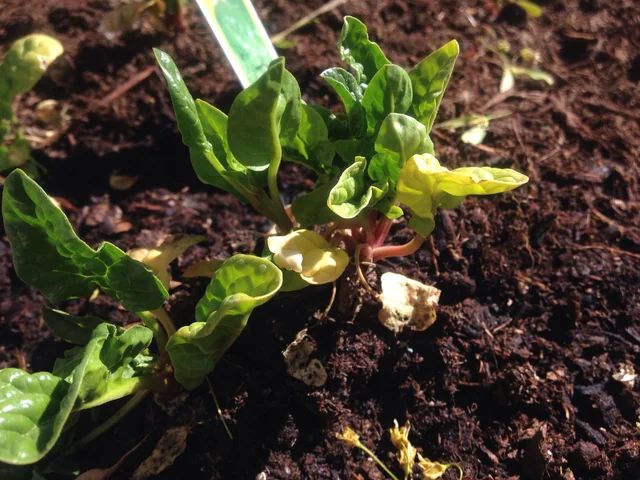
Witness how spinach leaves may wilt in the afternoon heat due to water loss and increased transpiration. Understanding this phenomenon is crucial for effective gardening and ensuring healthy plant growth. Edges or tips of leaves turn yellow or brown, and overall color may look faded or sun‑bleached.
Plants may bolt (send up a central flower stalk) earlier than expected.
Pay attention to your plants at different times of day and in different seasons. If you are unsure whether the visible stress is due to light, Plantlyze can compare leaf color and structure over time and help you link changes to your light and temperature conditions.
Optimizing Sunlight in Your Garden
With a few simple maneuvers, you can give spinach the light it wants without locking it into a single spot.
Practical strategies:
Succession planting Plant spinach in full sun at the beginning of cool spring weather, and later as the season progresses and temperatures increase, plant it in areas with more partial shade.
Container planting Use pots or planters that can be moved toward the sun in spring and pulled back into shade as summer heat increases.
Companion shading Plant spinach near taller crops (corn, trellised beans, sunflowers) that provide afternoon shade without blocking morning light.
Mulch and moisture Keep root zones cool and moist so plants can tolerate more light without bolting.
If you share a photo of your garden layout and spinach plants with Plantlyze, the tool can help you decide which bed or pot placement will give spinach the best light for this season.
Step‑by‑Step Light Check: Why Is My Spinach Stressed?
Here is a simple checklist you can use to assess whether your spinach is getting the right light:
Count effective sunlight hours: Does your spinach receive 3–8 hours of direct light, depending on season?
Assess heat and timing: Is it baking in hot‑midday sun with little shade or airflow in warm weather?
Inspect the leaves:
Are they pale, thin, and slow‑growing? That may indicate low light. Are they wilting or yellowing at the edges on hot days? That may be a sign too much light plus heat.
Consider indoor‑light settings If under LEDs or grow lights, is the intensity moderate and the day length 10–14 hours?
Adjust gradually: Move plants or add shade over a few days instead of all at once to avoid shock.
If you photograph your spinach and its light environment over time and upload it to Plantlyze, you can walk through this checklist with AI‑supported hints tailored to your setup.
Why Early Light Monitoring Matters
Spinach can show early signs of light stress before it stops growing completely. That makes for an excellent window of opportunity to relocate the plants or add shade, or in indoor growing systems adjust the lights to prevent them from bolting or becoming severely stunted maximize leaf size, color and tenderness particularly in baby leaf or continuous harvest systems.
Plantlyze can help you notice subtle changes in leaf hue, texture, or size and suggest whether to change light exposure, watering, or spacing before the problem becomes severe.
Plantlyze as Your Spinach Light Assistant
Plantlyze is an AI-powered plant care platform. It will help you identify light-related stress through photos and guide you to better light placement, use of shade, or settings for indoor lights. Upload a clear photo of your spinach plants together with the area where they are growing to find out if the light level is suitable, too much, or too little along with tailored suggestions on how to improve.
Plantlyze is especially useful for home gardeners, balcony growers, and anyone using grow tents or indoor setups who wants simple, visual guidance without being a plant‑light expert.
If you want to ensure your spinach is getting the right sunlight, visit Plantlyze.com, upload a photo of your plants and their light environment, and get fast, easy‑to‑understand guidance tailored to your setup.
References
Growing Spinach in a Home Garden – UMD Extension https://extension.umd.edu/resource/growing-spinach-home-garden
Growing Spinach, A Cool‑Season Vegetable – Penn State Extension https://extension.psu.edu/growing-spinach-a-cool-season-vegetable/
Optimization of Artificial Light for Spinach Growth in Plant Factory – Scientific Article https://pmc.ncbi.nlm.nih.gov/articles/PMC7238427/
Light Intensity Is a Main Factor Affecting Fresh Market Spinach – Research Report https://ir4.cals.ncsu.edu/fooduse/PerfData/4653.pdf