You planted spinach seeds, waited, waited again, and ended up with either nothing or tiny, struggling plants. You are not growing spinach wrong—you may just be missing a few key conditions. Spinach not growing is a common issue, but in most cases it comes down to a handful of fixable causes. In this guide, we will walk through why spinach may not germinate, why seedlings stay small, and why plants sometimes bolt instead of leafing out—in simple, human‑friendly language. We will also show you how tools like Plantlyze, an AI‑powered plant care and diagnosis assistant, can help you spot and fix problems faster.
When “Not Growing” Actually Starts
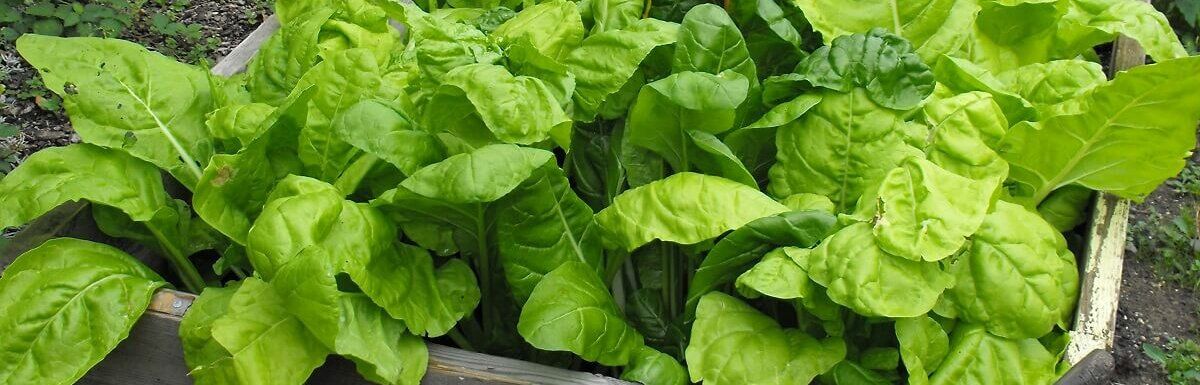
Spinach not growing can look different depending on the stage.
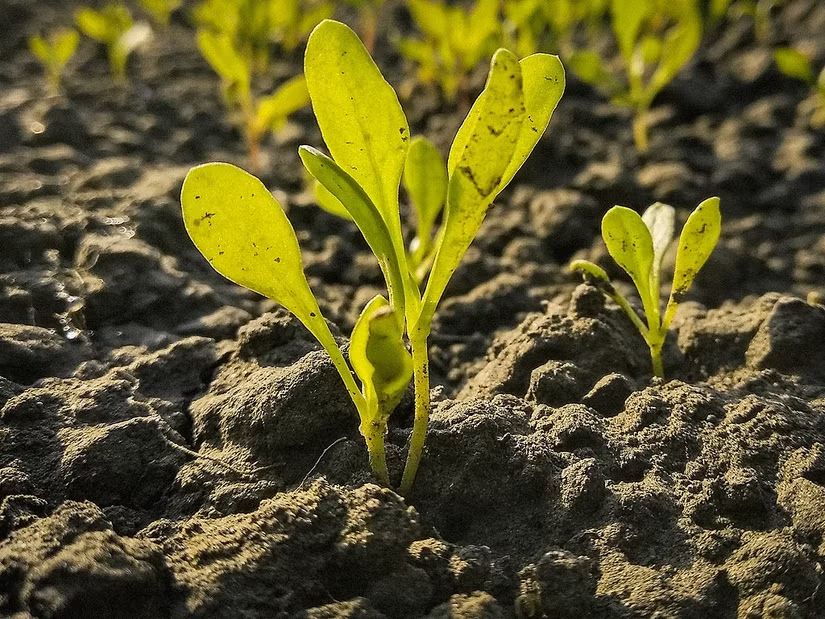
Germination failure: you planted seeds, but nothing ever sprouts.
Seedling stall: plants emerge but stay pale, weak, or very small.
Early bolting: plants send up a central stalk and flower instead of developing into leafy plants.
Each stage has different causes, so the first step is to figure out where your spinach is stuck. If you are unsure whether your plants are stuck in the seed stage, the seedling stage, or already bolting, you can upload a clear photo to Plantlyze and get AI‑supported guidance that matches your specific situation.
Cause 1: Wrong Temperature for Spinach
Spinach is a cool‑season crop that prefers cooler soil and air temperatures. Research and extension guides agree that spinach seeds germinate best when soil temperatures are roughly 45–68°F, with some sources citing an ideal around 70°F.
When temperatures are:
Too hot (soil above about 80–85°F), germination drops, and plants may bolt quickly instead of leafing out.
Too cold (very low soil temperatures), seeds germinate slowly or not at all, and growth is extremely slow once plants do emerge.
To improve your chances:
Plant spinach in early spring or fall, not in the middle of summer.
In warm climates, use shade cloth or mulch to keep the soil cooler and reduce stress.
If you are unsure whether your local climate or season is why your spinach is not growing, Plantlyze can help you map your photos and symptoms to likely temperature‑related stress and suggest better planting windows.
Cause 2: Soil Quality and Drainage Issues
Spinach likes well‑drained, fertile soil rich in organic matter with a pH around 6.0–7.5. When soil is poor or poorly prepared, growth slows or stops.
Common problems:
Compacted or heavy soil holds too much water and limits root growth, making plants look stunted and pale.
Low fertility (especially nitrogen) leads to small, weak, pale‑green spinach.
Extreme pH can lock up nutrients, even if fertilizer is present.
Practical fixes:
Work in compost or well‑rotted manure before planting to improve structure and fertility.
Use raised beds or deep containers if the garden soil is heavy or poorly drained.
If your spinach looks pale and weak, uploading a photo of the plants and soil to Plantlyze can help you see whether your issue may be low fertility or poor drainage and get suggestions tailored to your setup.
Cause 3: Light and Planting Density
Spinach prefers full sun in cooler seasons but can benefit from light shade when it is very hot. Light and spacing strongly affect how well spinach grows—or fails to grow.
Problems:
Too little light causes elongated, pale seedlings that grow slowly and may never reach good size.
Overcrowding keeps plants too close, leading to weak, spindly growth and poor air circulation.
Simple fixes:
Thin seedlings to about 2–4 inches apart so roots and leaves have room.
In containers or indoor setups, use a strong light source close enough to the plants, and avoid placing spinach in deep shade.
If you are growing spinach under lights or in partial shade, a photo of your setup uploaded to Plantlyze can help you see whether your light and spacing match what spinach actually needs.
Cause 4: Water and Moisture Problems
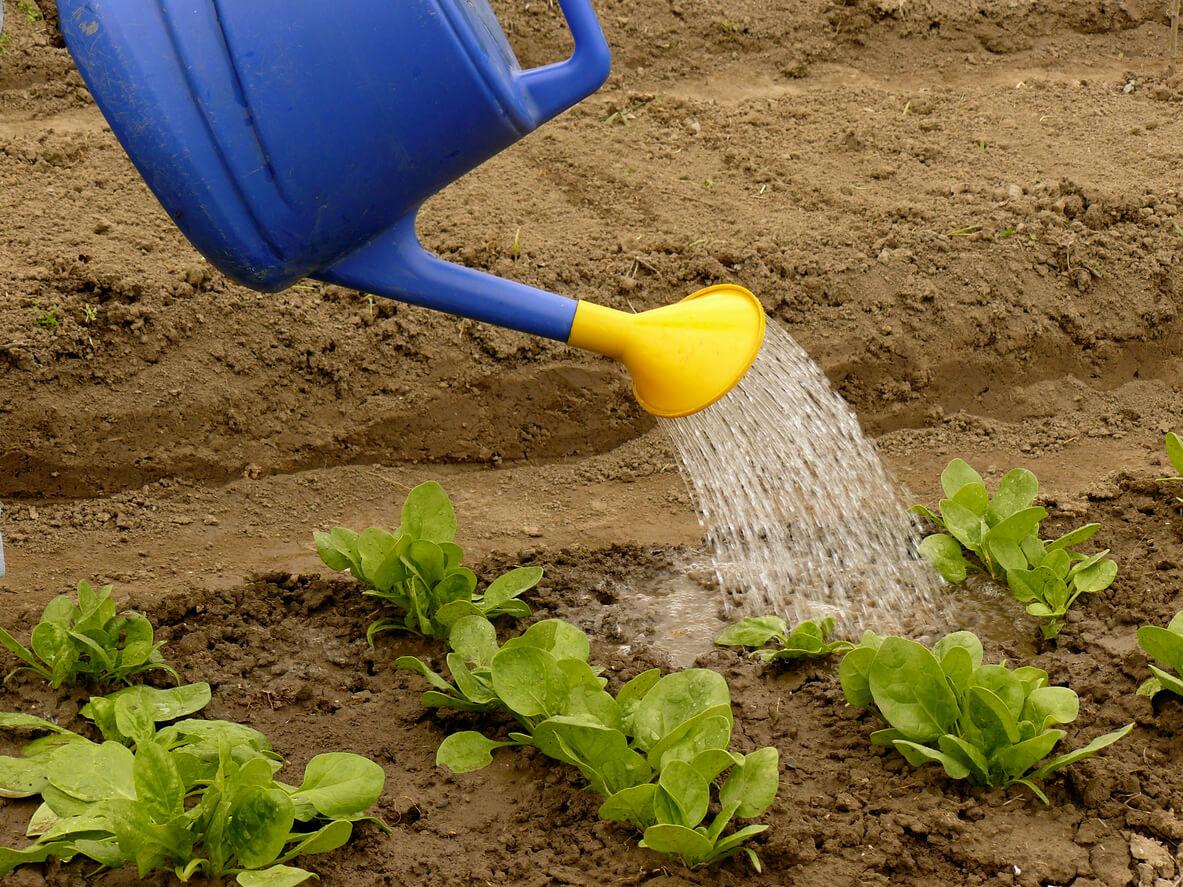
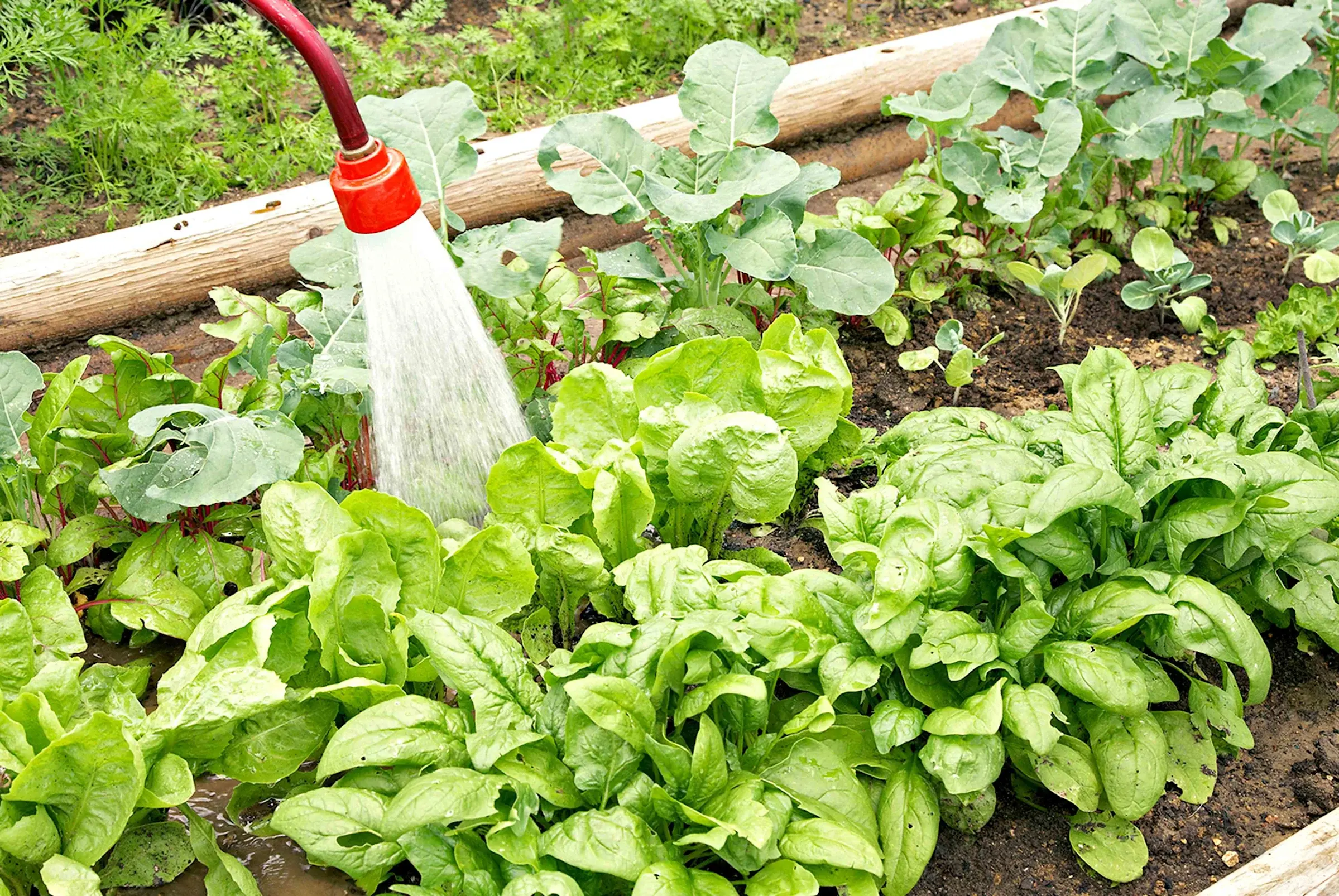
Spinach likes evenly moist soil, not bone‑dry or constantly soggy ground. Water problems can cause plants to stall or bolt.
Issues:
Underwatering stresses spinach, slows growth, and can trigger early bolting, especially when temperatures are on the rise.
Overwatering leads to poor root development, shallow roots, and disease‑friendly conditions.
Good practices:
Water the soil deeply and consistently, aiming to keep the soil moist to about 6 inches down.
Use mulch to reduce evaporation and keep soil temperature more stable.
If you are unsure whether your spinach is dry or waterlogged, Plantlyze can help you read leaf curling, color changes, and soil‑moisture signs from photos and suggest adjustments.
Cause 5: Seed Quality and Sowing Depth
Sometimes spinach not growing is not a care issue at all—it is a seed or planting‑depth issue.
Common causes:
Old or poor‑quality seed germinates poorly or not at all.
Planting too deep can prevent emergence; too shallow can let the soil dry out and stop seedlings.
Recommended steps:
Use fresh spinach seed stored in a cool, dry place, and avoid planting seed that is more than a year old.
Sow seeds about ½ inch deep, firm the soil over them, and keep the surface consistently moist until germination appears.
If you planted spinach and nothing sprouted, a photo of your planting area and seed packet uploaded to Plantlyze can help you decide whether to replant, change depth, or adjust soil moisture.
Cause 6: Early Bolting and Day Length
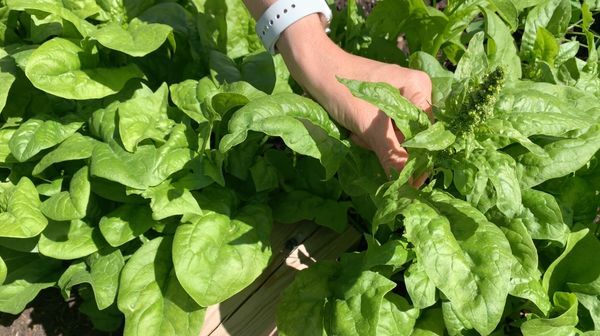
Spinach is day‑length sensitive and can bolt (send up a flower stalk) even when temperatures are still moderate.
Signs:
A central, thick stalk forms instead of leafy rosettes.
Leaves may taste bitter or become tough once bolting starts.
Why it happens:
Longer days and warming temperatures in spring or summer trigger bolting.
Stress from heat, dry soil, or poor nutrients can speed the process.
To reduce bolting:
Choose bolt‑resistant varieties and plant in cool seasons (early spring or fall).
Use shade cloth or row covers to keep plants cooler and reduce stress.
If your spinach is sending up a flower stalk instead of leafing out, Plantlyze can help you distinguish true bolting from other stress‑related issues.
Step‑by‑Step Checklist: Why Is My Spinach Not Growing?
Here is a simple, practical checklist you can follow:
Check germination stage
Are seeds sprouting at all, or are you stuck at zero?
Measure temperature
Is soil too hot or too cold for spinach?
Inspect soil and roots
Is the soil heavy, compacted, or low in nutrients?
Adjust light and spacing
Do plants have enough light and room to grow?
Optimize water
Is the soil evenly moist without waterlogging?
Evaluate seed and sowing
Are seeds fresh and planted at about ½ inch deep?
Watch for bolting
Are plants sending up a central flower stalk instead of leaves?
If you take a photo of your spinach bed and upload it to Plantlyze, you can walk through this checklist with AI‑supported hints that match your exact conditions.
How Early Detection and Monitoring Help
Early signs of slow growth, pale leaves, or small seedlings can hint at temperature, soil, or water issues before the plant completely fails.
Regular checking lets you adjust light, water, or nutrients early, so spinach has a chance to catch up.
Catching bolting early gives you time to harvest some leaves before the plant goes to seed.
Plantlyze can help you notice subtle changes in leaf color and size, suggesting when to water, thin, or harvest before spinach stops growing altogether.
Plantlyze as Your Spinach Care Assistant
Plantlyze is an AI‑powered plant‑care platform that helps you diagnose growth problems from photos and guides you toward better care decisions. By uploading a clear image of your spinach plants and their growing area, you can receive insights about whether your issue is likely related to soil, light, water, temperature, or seed quality.
Plantlyze is especially useful for home gardeners and small growers who want quick answers without needing to be plant‑science experts.
If you want to turn your smartphone into a spinach‑care assistant, visit Plantlyze.com, upload a photo of your spinach and its growing conditions, and follow the recommended steps for healthier, faster‑growing plants.
References
Spinach (Spinacia oleracea) Seed Germination and Whole Plant Growth – Research Study
https://scholarworks.uark.edu/cgi/viewcontent.cgi?article=3086&context=etdOptimization of Artificial Light for Spinach Growth in Plant Factory – Scientific Article
https://pmc.ncbi.nlm.nih.gov/articles/PMC7238427/Spinach Germination and Establishment Considerations – Horticultural Research
http://www.hort.cornell.edu/expo/proceedings/2013/Leafy%20Greens/Leafy%20Greens%20van%20der%20Heide%20Germination%20and%20establ ...