Spinach is one of the most popular leafy greens worldwide, prized for its fast growth, high nutrient content, and ease of cultivation. Yet, even the most careful gardeners and small‑scale farmers often find their spinach leaves pockmarked with spots, veiled in a fuzzy film, or suddenly wilting. These are usually signs of disease at work below the surface. Understanding the major spinach diseases—and how to recognize and manage them early—can make the difference between a steady harvest and a wasted crop.
For home growers and small farms alike, catching symptoms early is key. This is where AI‑powered plant care tools like Plantlyze can help. By uploading a clear photo of your spinach leaves or stems, you can receive fast, science‑backed suggestions on what might be affecting your plants and how to respond. Think of Plantlyze as a digital plant doctor that sits in your pocket, ready to help you interpret spots, blotches, and discolorations before they spread across the entire bed. You can access it anytime at plantlyze.com.
How to Spot Spinach Diseases
Before digging into specific diseases, it helps to know what to look for. Spinach diseases typically show themselves through changes in leaf color, texture, and overall plant vigor. The most common early warning signs include yellowing, browning, or spotting of leaves, unexpected wilting, and the appearance of powdery or fuzzy growth on leaf surfaces.
Start by inspecting both the upper and lower sides of the leaves, as many fungal and oomycete diseases express symptoms differently on each side. Look for any softening at the base of stems or roots, sudden damping‑off of seedlings, or distorted growth patterns. At the same time, pay attention to the environment: high humidity, cool nights, overcrowded planting rows, and frequent overhead watering all create ideal conditions for many spinach diseases to spread.
Using an AI diagnosis tool like Plantlyze can speed up this process. Instead of sifting through a dozen online photos, you can upload your own image and receive a narrowed list of possible diseases, along with guidance on next steps. This is especially useful when symptoms overlap across multiple pathogens or when you are unsure whether what you are seeing is a nutrient issue or a true infection.
Downy Mildew: The Fuzzy Foe of Spinach
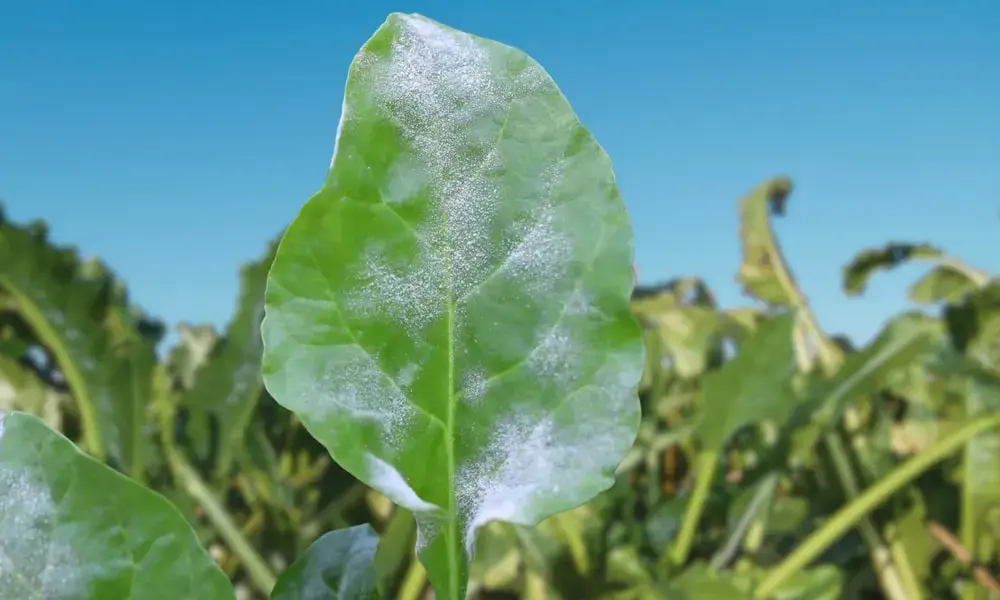
One of the most destructive diseases of spinach is downy mildew, caused by the pathogen Peronospora farinosa (also known as P. effusa). In the early stages, this disease appears as pale or yellowish patches on the upper surface of the leaves. As temperatures stay cool and humidity rises, a characteristic purplish gray or fuzzy growth often emerges on the undersides of those leaves, especially in the morning after dew or light rain.
If left unchecked, downy mildew can spread rapidly through the entire bed, especially in dense plantings or when the foliage stays wet for long periods. The disease is wind‑borne and thrives on overhead watering, crowded plants, and mild, damp conditions. In commercial and home settings alike, the result is often a combination of reduced yield, poor leaf quality, and in severe cases, plant death.
To manage downy mildew, it helps to start with prevention. Widening spacing between plants improves airflow and reduces leaf wetness. Using drip irrigation instead of overhead sprinklers keeps the foliage drier. Choosing spinach varieties with some level of resistance, whenever available, can also reduce losses. If you notice early yellow splotches on your spinach, using an AI plant diagnosis tool like Plantlyze can help you distinguish downy mildew from other leaf spot diseases and suggest whether cultural changes or fungicide treatments are appropriate for your situation.
White Rust: Yellow Spots with a White Underside
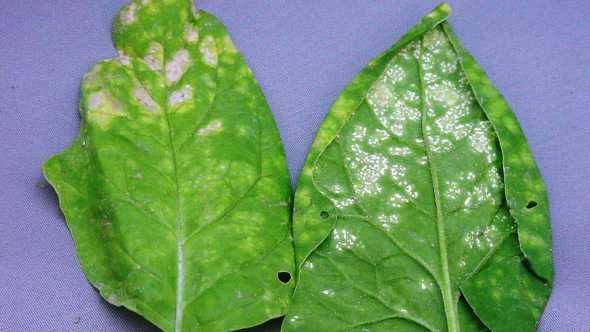
White rust, caused by the pathogen Albugo occidentalis, is another common spinach disease that can quickly ruin the appearance and marketability of your crop. Infected leaves develop yellow or pale lesions on the upper surface, while the corresponding underside shows white, blister‑like pustules. In advanced cases, leaves may twist, curl, or become distorted, and heavy infections can lead to premature defoliation.
This disease favors cool, moist conditions and is often worse in fields or gardens with high humidity and poor air movement. Like many spinach diseases, it spreads through spores carried by wind and splashing water. Over time, repeated infections can weaken plants and reduce overall yield.
Effective management relies on a mix of cultural and sanitation practices. Remove heavily infected leaves or plants promptly to limit spore spread. Avoid overhead watering where possible, keep weeds under control, practice crop rotation, and clean tools between uses. By combining these steps with regular visual checks, you can reduce the chances of a full‑scale outbreak. If leaf spots appear confusing, an AI‑powered tool such as Plantlyze can help you compare patterns and suggest whether what you are seeing fits white rust or another leaf disease.
Stemphylium Leaf Spot
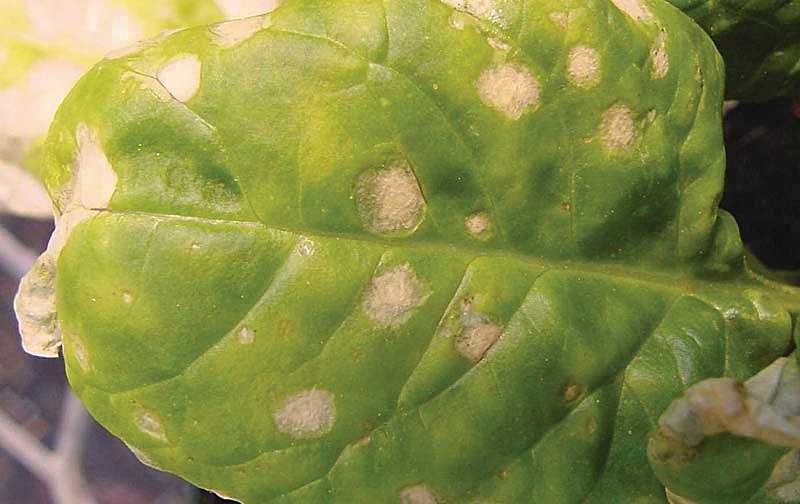
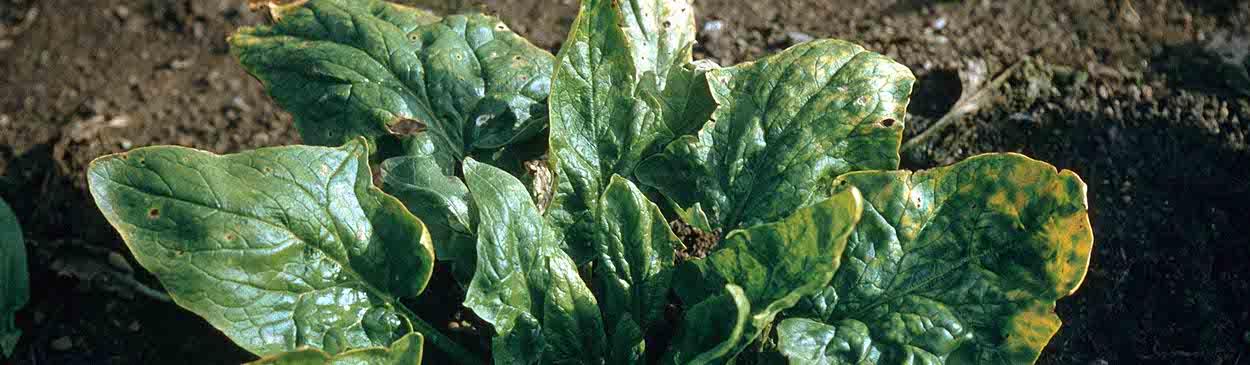
Stemphylium leaf spot is caused by the fungus Stemphylium botryosum and appears as small, circular, sunken spots on spinach leaves. These spots often start as yellow or light brown lesions and may darken over time, sometimes with a grayish or tan center. Typically, older leaves show symptoms first, but the disease can progress upward into younger foliage if conditions remain favorable.
The pathogen thrives in cool to moderate temperatures with high humidity and frequent leaf wetness. Long periods of dew or rain, combined with dense planting, provide the moisture needed for spores to germinate and infect tissues. In severe cases, many leaves can become covered with spots, leading to reduced photosynthesis and lower overall plant vigor.
To manage Stemphylium leaf spot, focus on creating a less favorable environment for the fungus. Rotate crops so spinach is not grown in the same bed year after year, space plants to improve airflow, and avoid overfertilizing with nitrogen, which can encourage soft, susceptible foliage. Removing infected leaf material and keeping the area clean can help reduce inoculum for the next season. An AI diagnosis tool like Plantlyze can assist in distinguishing circular leaf spots from similar patterns caused by other fungi or environmental factors, guiding you toward the right response.
Cercospora Leaf Spot
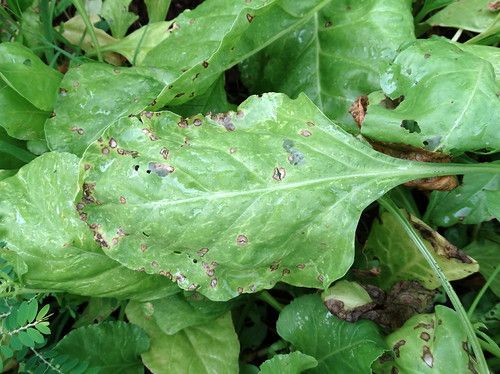
Cercospora leaf spot, caused by Cercospora beticola, is another fungal disease that affects spinach and its relatives such as chard and beet. It appears as roughly circular spots with reddish brown or purplish margins and lighter centers. The spots may enlarge and merge as the disease progresses, giving leaves a ragged, unhealthy appearance.
This disease is favored by warm, moist conditions and can spread quickly in humid environments. Spores are often splashed by rain or irrigation water, moving from older infected leaves to newer ones. In commercial settings, repeated harvests and high plant density can make management more challenging.
Prevention revolves around good cultural practices. Space plants adequately, avoid overwatering, and use drip or furrow irrigation to keep foliage drier. Removing severely infected leaves and rotating crops can help reduce the amount of fungus present in the soil over time. When leaf spots appear, an AI plant diagnosis tool can help differentiate Cercospora from other leaf spot diseases and advise whether organic or conventional fungicide options are suitable for your growing system.
Anthracnose Leaf Spot
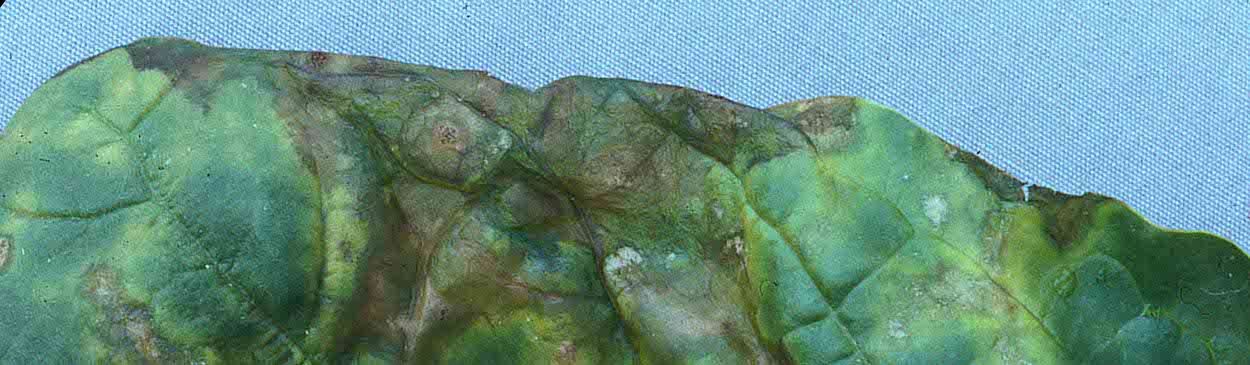
Anthracnose leaf spot, caused by fungi in the genus Colletotrichum, appears as small, sunken, dark lesions on spinach leaves. At first, the spots may look like tiny brown or black dots, which can expand and sometimes develop a shot‑hole appearance as the dead tissue dries out and falls away. In warm, wet weather, the disease can spread rapidly, especially in fields with high humidity and poor air movement.
Anthracnose can affect not only spinach but also related crops such as chard and other chenopods. The pathogen survives in crop debris and infected plant residue, making good sanitation a key part of long‑term management. Splashing water from rain or overhead irrigation helps move spores from the soil onto leaves, increasing the risk of new infections.
To reduce the risk of anthracnose, avoid planting spinach in the same area year after year, keep old plant material cleared away, and try to minimize leaf wetness through irrigation management. When lesions appear on your spinach, an AI diagnosis tool can help you compare the pattern and color of the spots with other common diseases, narrowing down the possibilities and guiding your next steps.
Root Rots and Damping‑Off
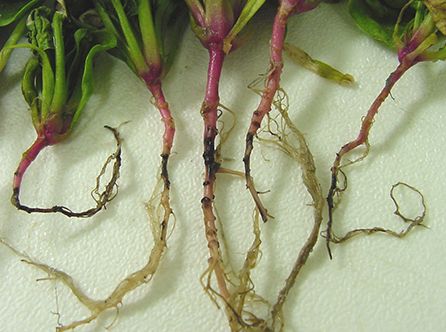
Spinach plants can also fall victim to root rots and damping‑off caused by pathogens such as Pythium, Fusarium, and Phytophthora. These diseases often strike at the seedling stage, causing young plants to wilt, topple over, or fail to emerge. In older plants, symptoms may include stunted growth, yellowing leaves, and soft, brown or black rotting at the base of stems or along the roots.
These pathogens thrive in waterlogged or poorly drained soils. Overwatering, heavy clay soils, and compacted beds create conditions that favor infection. Once the roots are damaged, the plant struggles to take up water and nutrients, leading to rapid decline.
Management focuses on soil health and water management. Use well‑drained soil or raised beds, avoid overwatering, and sterilize seed trays or containers if reusing them. Practicing crop rotation and avoiding planting spinach in the same area after heavy disease pressure can also help reduce inoculum over time. If you notice seedlings suddenly collapsing or patches of wilted plants, an AI diagnosis tool can help you distinguish damping‑off from other issues such as nutrient toxicity or herbicide damage.
Viral Diseases in Spinach
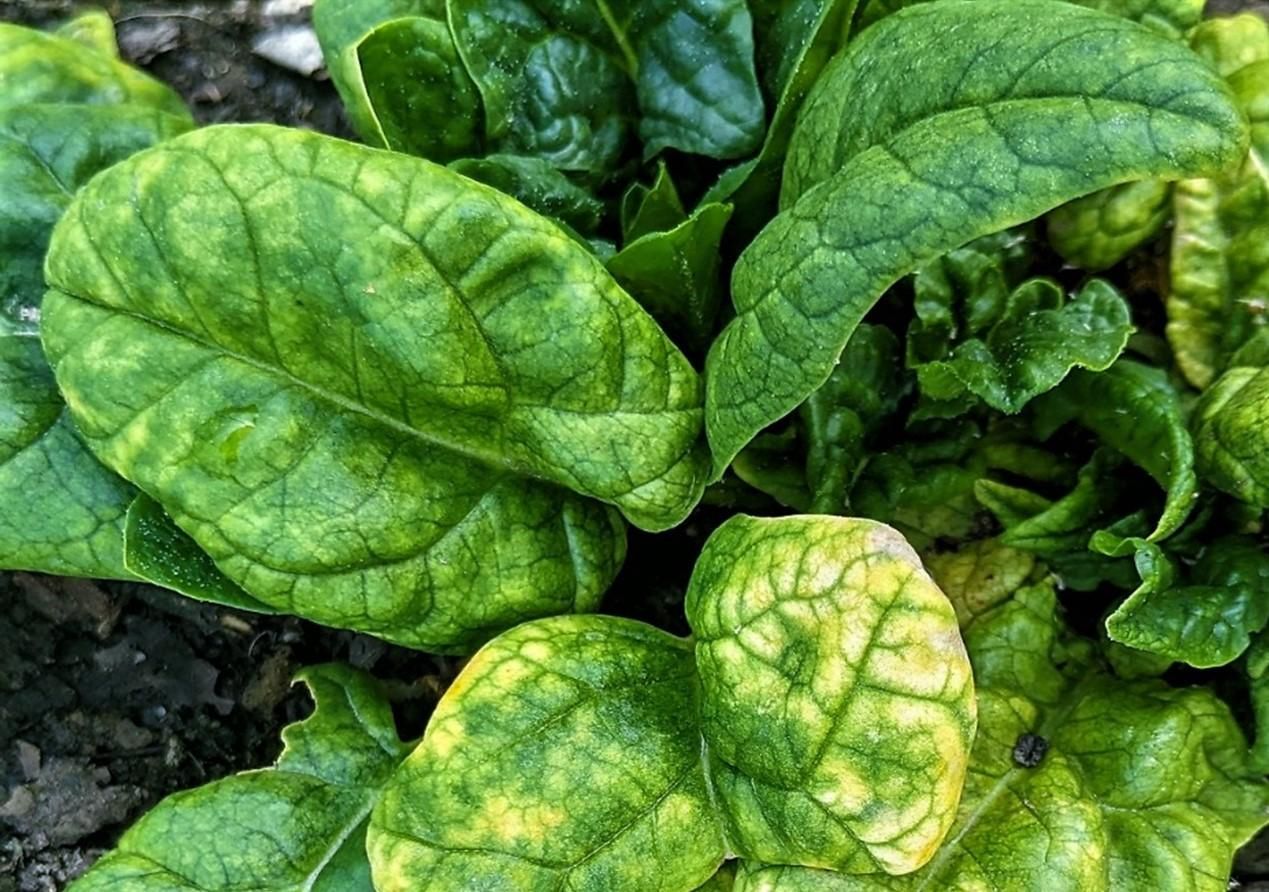
Spinach can also be affected by several viral diseases, including spinach blight and infection by viruses such as cucumber mosaic virus. Symptoms often include mosaic patterns on the leaves, yellowing, stunting, and leaf curling or distortion. In some cases, plants may appear weak overall, with reduced growth and poor leaf quality.
Viral diseases are commonly spread by aphids and other sucking insects, as well as through mechanical transmission when handling plants or using contaminated tools. Once a plant is infected by a virus, it cannot be cured, so the focus of management is on prevention and rapid removal of infected plants.
Controlling aphids, using clean planting material, and avoiding working in the crop when plants are wet can all help reduce the spread of viral diseases. Removing symptomatic plants promptly before they become a source of infection for their neighbors is also important. An AI diagnosis tool can help you distinguish viral mosaic patterns from nutrient deficiencies or fungal leaf spots, guiding you toward the right management strategy.
Non‑Infectious Disorders That Look Like Disease
Not every problem on spinach is caused by a pathogen. Nutrient deficiencies, water stress, and environmental factors can mimic disease symptoms. For example, yellowing leaves may point to nitrogen deficiency, while brown leaf margins can indicate calcium issues or tip burn. Heat stress, frost damage, or exposure to pollutants can also create spots, wilting, or discoloration that look like disease.
Because these problems resemble infections, it can be easy to misdiagnose them. An AI diagnosis tool like Plantlyze can help by combining visual symptoms with growing‑condition data to suggest whether what you are seeing is likely a nutrient issue, environmental stress, or a true disease. This helps you avoid unnecessary fungicide applications and focus instead on correcting soil fertility, irrigation, or cultural practices.
How to Protect Your Spinach Crop
Prevention is generally more effective and less costly than trying to cure a widespread disease outbreak. One of the most important steps is to practice crop rotation, avoiding planting spinach or closely related crops in the same area year after year. This helps reduce the buildup of soil‑borne pathogens and can significantly lower the risk of root rots and leaf diseases.
Proper spacing is another key factor. Crowded plants shade each other, creating a humid microclimate that favors fungal growth. By giving plants enough room, you improve airflow and allow leaves to dry more quickly after rain or irrigation. Using drip irrigation or watering at the base of plants instead of overhead sprinklers can also reduce leaf wetness and slow the spread of spores.
Sanitation matters too. Remove old plant debris, clean tools and equipment, and avoid moving plants between gardens when foliage is wet. In some cases, using disease‑resistant or tolerant varieties can provide an extra layer of protection, especially when combined with good cultural practices.
If you are unsure whether to treat a problem with a fungicide, organic amendment, or a simple change in watering, an AI diagnosis tool can offer tailored suggestions based on your specific situation. Plantlyze, for example, allows you to upload a photo of your spinach and receive guidance on possible diseases, treatment options, and cultural changes that may help. This can save time, reduce crop loss, and help you make more informed decisions without relying solely on guesswork.
How AI Diagnosis Helps with Spinach Diseases
Modern plant care increasingly combines traditional knowledge with digital tools. AI‑powered plant diagnosis tools can recognize patterns in leaf spots, discoloration, and growth abnormalities by comparing them to large image datasets and established disease profiles. For spinach growers, this means faster identification of problems like downy mildew, white rust, leaf spots, and viral mosaic patterns.
By uploading a clear photo of your spinach leaves, stems, or roots, you can receive a narrowed set of likely diagnoses along with practical next steps. Some tools can even take into account local climate and growing conditions to tailor their recommendations. This is especially helpful when dealing with diseases that look similar, such as different types of leaf spot or early‑stage fungal infections.
Using an AI diagnosis tool does not replace good cultural practices, but it can complement them. It helps you make informed decisions, whether that means adjusting your watering schedule, removing infected plants, rotating crops, or in some cases applying a targeted fungicide. For home gardeners and small‑scale farmers looking to protect their spinach crops, tools like Plantlyze offer a convenient, science‑backed way to stay ahead of disease. You can explore it in more detail at plantlyze.com.
References
USDA ARS – Transmission of spinach downy mildew via seed and infested leaf
https://www.ars.usda.gov/research/publications/publication/?seqNo115=404671PubMed – Spinach Downy Mildew: Advances in Our Understanding
https://pubmed.ncbi.nlm.nih.gov/30939071/Cornell Vegetables – Spinach Downy Mildew
https://www.vegetables.cornell.edu/pest-management/disease-factsheets/spinach-downy-mildew/USDA Plant Genome Journal – Resequencing worldwide spinach germplasm for identification of downy mildew resistance markers
https://academic.oup.com/hr/article/doi/10.1093/hr/uhac205/6696976Plant Disease – Spinach Fungi Guard: Deep learning‑based disease detection in spinach
https://www.sciencedirect.com/science/article/pii/S2772375523001636