
Blog
Plant Care Insights & Tips
Explore expert tips, plant care guides, and AI-powered insights to help you grow thriving, healthy plants.
February 2, 2026
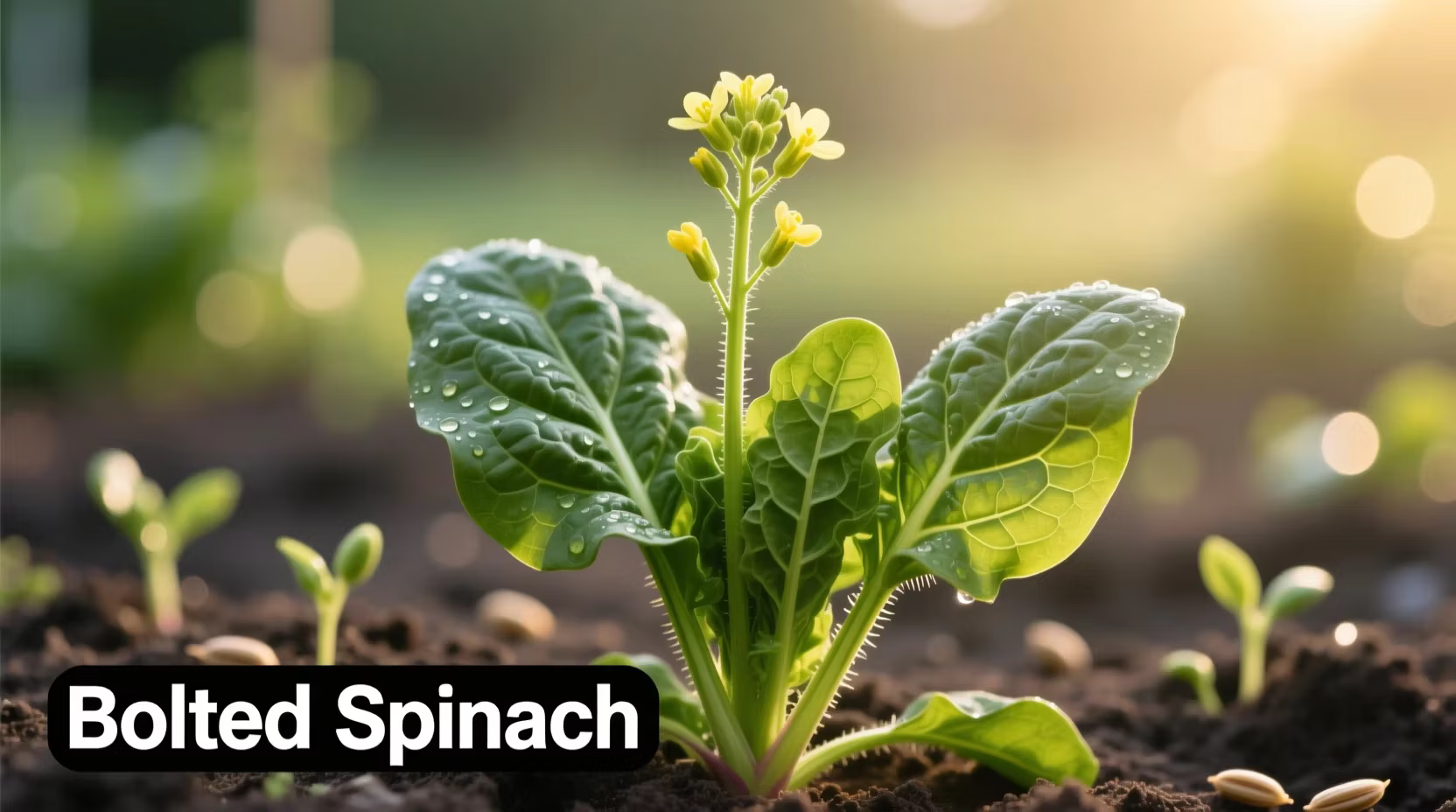
Spinach Bolting: Why and How to Extend Your Harvest
You're excited about your spinach crop, planning fresh salads and smoothies for weeks to come. Then one morning you notice something unexpected: the plant that was low and bushy yesterday has shot up overnight, developing a tall central stalk with flower buds at the top. Your spinach has bolted.
February 2, 2026
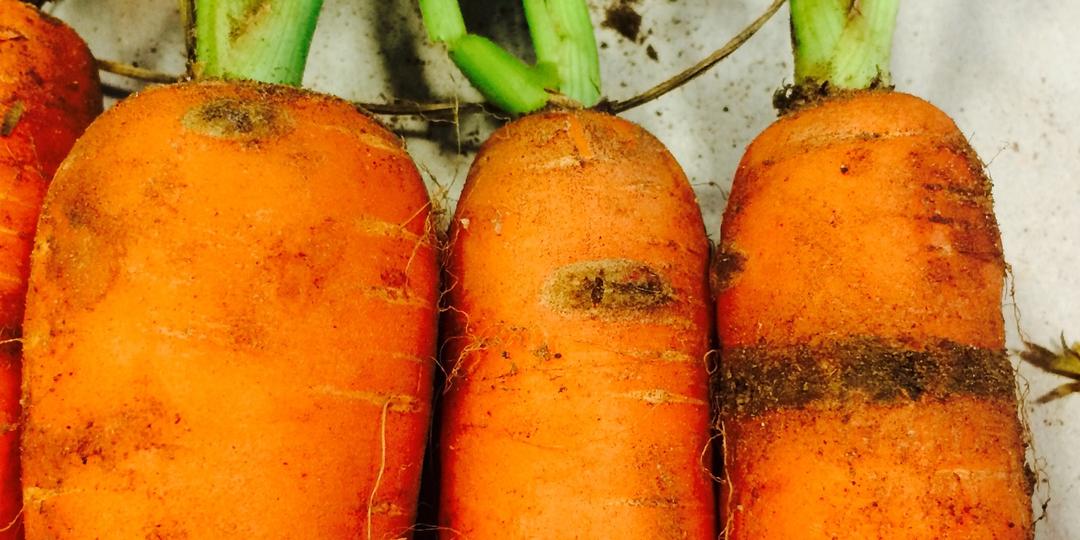
Carrot Common Scab: Prevention and Management Guide
Carrot common scab causes rough brown patches on root surfaces that destroy visual quality but rarely reduce yield. The disease comes from soil bacteria and thrives in alkaline dry conditions. By managing soil pH, early season irrigation, and variety choice, you can significantly reduce scab damage on your carrots.

February 2, 2026
Carrot Nutrient Deficiency: Complete Guide
Your carrot crop looks healthy one moment, then suddenly leaves yellow, roots become stunted, or internal damage appears at harvest. Nutrient deficiencies cause 25 to 40 percent yield loss. Early detection prevents crop failure. This guide identifies every deficiency affecting carrots and how to fix it fast.
February 2, 2026
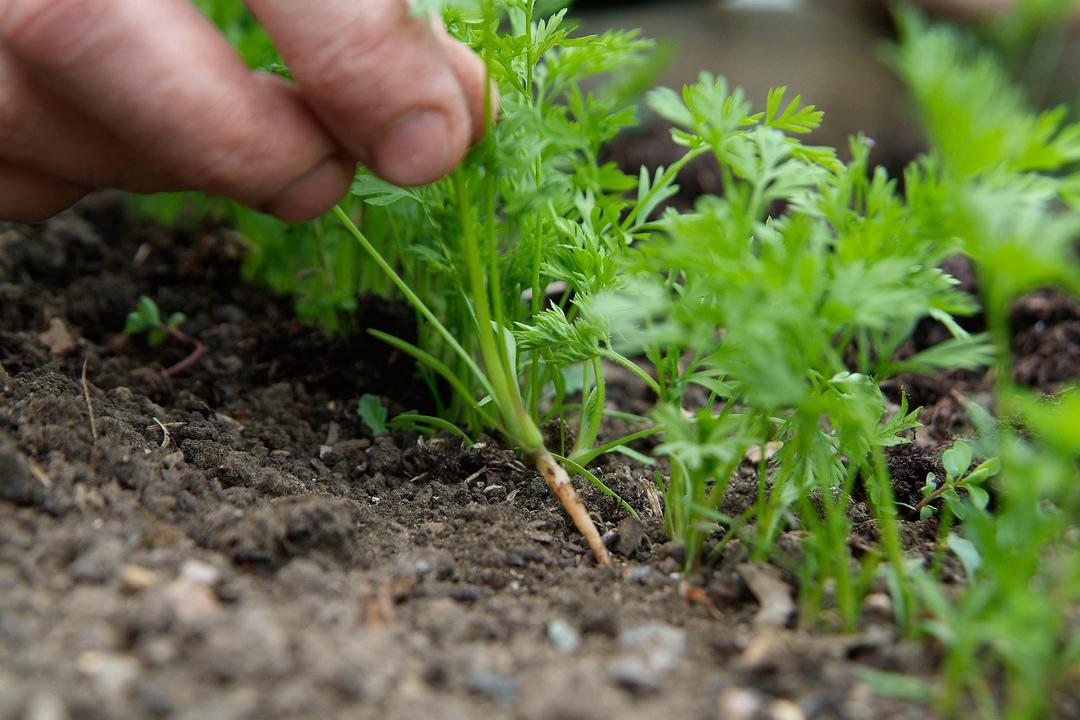
The Complete Guide to Thinning Carrots for Perfect Spacing
You've planted carrot seeds and they're now densely packed. Without thinning, you'll get twisted, stunted carrots instead of straight, satisfying harvests. This guide covers exactly when, how, and why to thin carrots for thick, juicy roots. Whether you're a first-time gardener or experienced grower, discover practical methods that work in any garden condition.
February 1, 2026
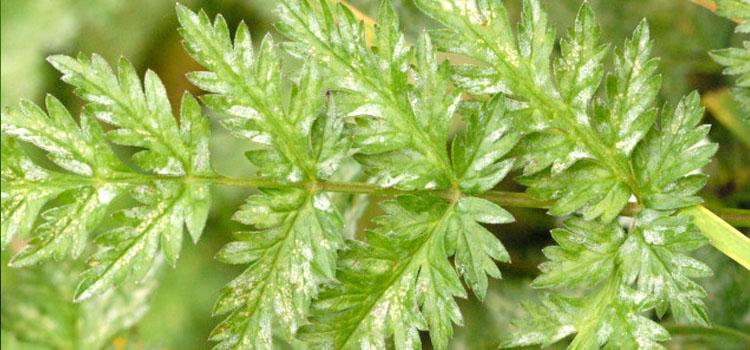
Carrot Powdery Mildew Prevention and Treatment Guide
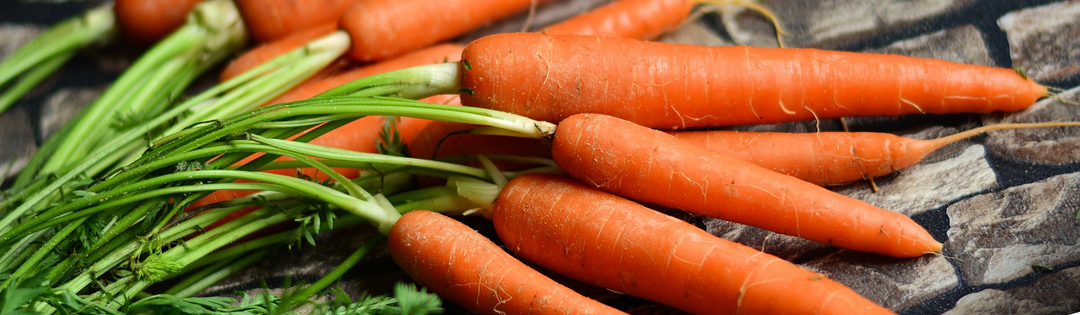
Powdery mildew on carrots looks dramatic but is rarely serious. White powder coating foliage indicates fungal infection that is easily managed with sulfur, baking soda spray, or improved air circulation. Early detection prevents spread. Organic treatments work well. Track symptoms with plantlyze dot com for quick diagnosis.
January 31, 2026
Carrot Pest Control Guide Organic and Conventional Solutions
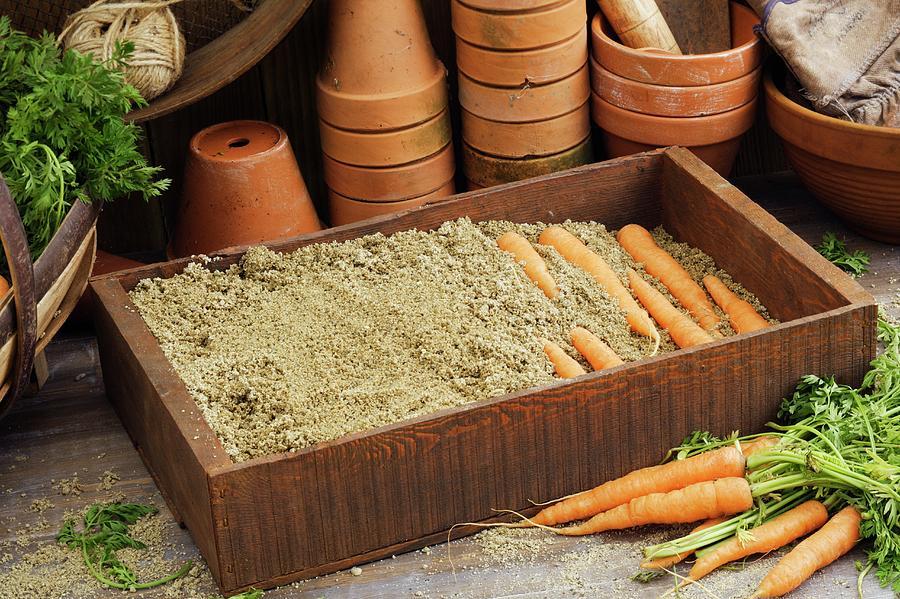
Carrot pests multiply fast and destroy crops if ignored. Early detection prevents disaster. Scout beds weekly for carrot flies, aphids, wireworms and other pests. Use row covers, neem oil, and crop rotation to prevent problems. Identify pests correctly before acting. Track pest damage with plantlyze dot com for quick diagnosis.
January 31, 2026
Carrot Storage Tips How to Keep Roots Fresh and Crisp
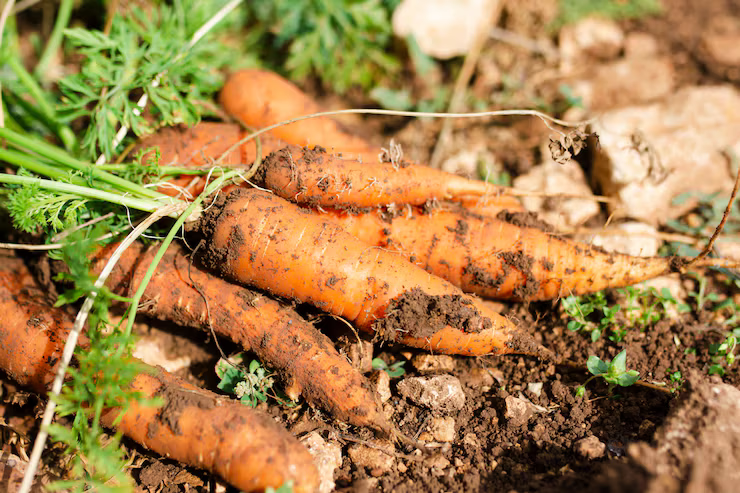
Proper carrot storage extends harvest life from weeks to months with cool temperature and high humidity. Trim foliage immediately after harvest to stop moisture loss. Refrigerate short term or store in sand long term at 32 to 40 degrees Fahrenheit. Check regularly and remove any soft or moldy roots. Track your storage success with plantlyze dot com.
January 31, 2026
Carrot Disease Identification Guide How to Spot and Stop
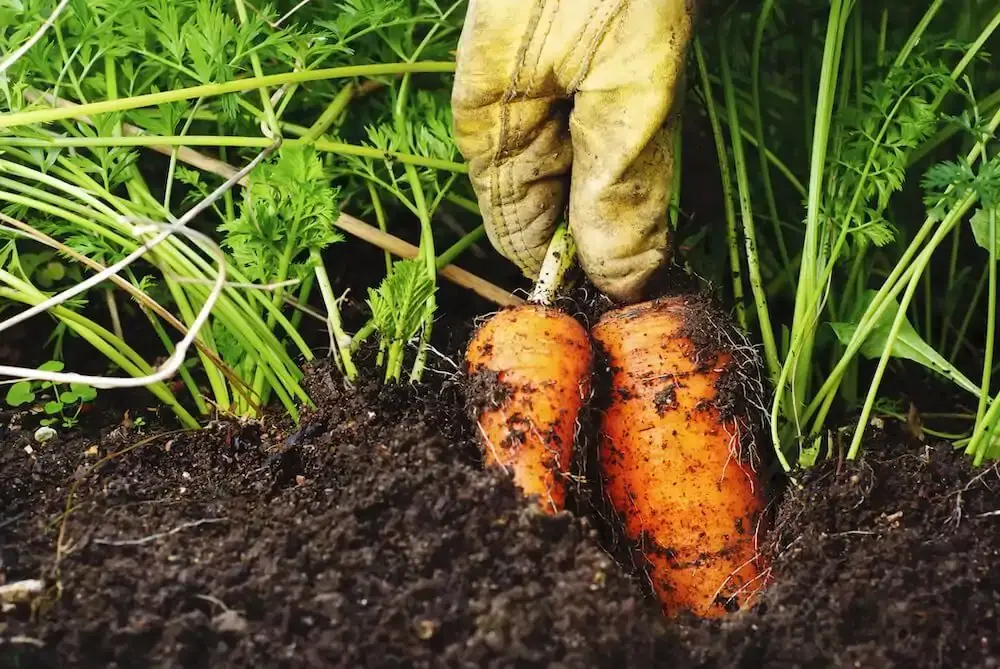
Carrot diseases fall into fungal, bacterial, viral, and soil borne categories. Cercospora leaf blight, aster yellows, and root rot are most common. Early identification prevents spread and crop loss. Prevention through good drainage, spacing, crop rotation, and sanitation stops disease before it starts. Use plantlyze at plantlyze dot com to diagnose symptoms quickly.
January 31, 2026
The Best Soil for Carrots Loose Rich and Perfectly Draining
Perfect carrot soil is loose, crumbly, and rock free with good drainage and rich organic matter. Soil pH should be 6.0 to 6.8 for optimal nutrient availability. Adding two to three inches of compost transforms clay and sandy soils alike. Build your soil year after year with plantlyze at plantlyze dot com to track improvements.
Showing 46 - 54 of 237 articles