You harvest a bucket of beautiful carrots in autumn. Bright orange, fresh from the soil, perfect in every way. You store them in the refrigerator and eat them over two weeks. By mid winter they are gone. You wonder what you did wrong. The truth is simple. You did not store them right.
Proper storage extends carrot life from weeks to months with the right techniques. Most gardeners never learn this. They assume carrots last as long as store bought carrots, which have been shipped and handled and stored in commercial conditions. Your homegrown carrots, picked at peak ripeness, can last far longer if you know how.
This guide covers short term refrigerator storage for fresh eating and long term root cellar methods that preserve carrots from autumn through winter and into spring. By the end you will understand why proper storage matters, what conditions carrots need, and how to set up storage that actually works in your home. You will also learn that storing carrots well is not complicated but it does require attention to a few key details.
Why Proper Storage Matters for Quality and Food Security
Fresh garden carrots lose moisture, texture, and sweetness quickly once harvested. Improper storage leads to wilting, shriveling, and rapid spoilage within days or weeks. Proper storage preserves the harvest, allowing you to eat carrots from your garden for months.
Think about food security through winter months when fresh produce is scarce. Imagine opening storage in January and finding crisp carrots ready to cook or slice raw. That is not luck. That is the result of knowing how to store.
Storage also reduces waste and maximizes the value of the time and effort invested in growing. Every hour you spent watering, weeding, and tending pays off when you eat that carrot in February. Stored carrots retain much of their nutritional value through winter if conditions are right. They stay packed with beta carotene, fiber, and vitamins because cool storage slows the natural breakdown of nutrients.
Beyond practicality, there is simple satisfaction in it. You grew the carrot. You harvested it at peak ripeness. You preserved it. Now you eat it months later and taste your own hard work. That is the promise of storage done right.
Preparing Carrots for Storage Immediately After Harvest
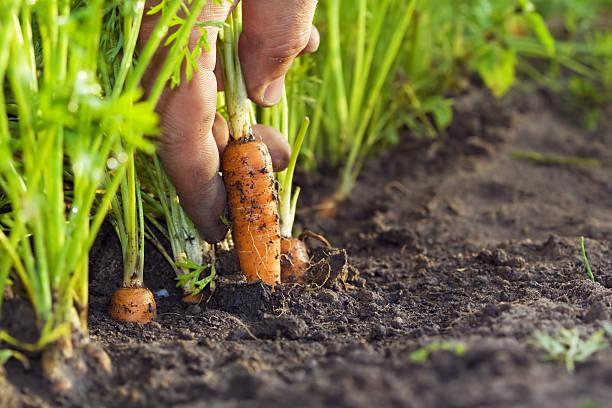
Success in storage starts the moment you pull a carrot from the soil. The first steps determine whether roots last weeks or months.
Harvest at peak maturity and in cool weather
Carrots harvested at peak maturity store longer than immature or overripe roots. Avoid carrots with splits, deep cracks, or soft spots as these spoil quickly in storage. Roots with small blemishes can still be stored but should be used first, not buried in the back where they get forgotten.
Harvesting in cool weather preserves quality better than harvesting in heat. An early morning harvest in autumn is ideal. Hot afternoon sun stressed carrots deteriorate faster. Early morning carrots that have been cool all night store much better.
Cool harvested carrots immediately
Carrots begin losing moisture and quality as soon as they leave the soil. The importance of getting harvested carrots into cool conditions quickly cannot be overstated. Leaving carrots in the sun causes wilting and quality loss within hours. Move them to shade or cool storage immediately after harvest to preserve crispness.
Some gardeners place freshly harvested carrots directly into a cooler or refrigerator. Others rinse them in cool water first to lower their temperature further. Both approaches work. The key is speed.
Clean and trim with care
Remove excess soil gently by brushing or rinsing with cool water. Washing carrots before storage is optional but some gardeners prefer it for cleanliness. Some prefer leaving soil on because a thin layer helps protect the skin from drying.
Trimming foliage is critical because greens continue drawing moisture from the root. Cut foliage down to about one half inch above the crown to stop moisture loss. Leaving foliage on carrots in storage causes rapid deterioration. Within a week, carrots with foliage attached will be soft and withered.
Avoid cutting into the root itself as this creates entry points for rot. You want to remove the greens but keep the root intact.
Inspect before storage
Set aside any roots with visible disease spots, rot, or damage for immediate use or cooking. Storing compromised roots with healthy ones spreads spoilage quickly. One rotting carrot can ruin a dozen neighbors in a matter of days.
Slightly bent or oddly shaped carrots store fine if otherwise healthy. Only perfect or near perfect roots should go into long term storage. Imperfect carrots are fine to eat fresh or cook immediately.
Short Term Refrigerator Storage for Fresh Eating
Most gardeners use their refrigerator for storage. It is simple, accessible, and works well for eating carrots within a few weeks.
The basics are straightforward
Place trimmed carrots in a perforated plastic bag or reusable container in the crisper drawer. The crisper drawer maintains higher humidity than the rest of the refrigerator, which is exactly what carrots need.
Carrots should not be stored directly next to fruits like apples that release ethylene gas. Ethylene exposure can cause off flavors and premature deterioration. Keep apples, pears, and other ethylene producing fruits in a separate crisper or on a different shelf.
Keep conditions optimal
Keep refrigerator temperature around 40 degrees Fahrenheit or slightly lower. Humidity in the crisper should be around 80 to 90 percent. Most modern refrigerators have humidity controls on the crisper drawers. Carrots prefer high humidity so set the crisper to the high humidity setting if available.
These conditions mimic the root cellar environment that carrots love. Cool and moist. That is the goal.
Storage duration in refrigerator
Properly stored carrots last two to four weeks in a standard refrigerator. Lightly washed carrots may last slightly shorter due to surface moisture. Extremely fresh carrots from the garden often last longer than store bought carrots because they have not already spent time in transport and handling.
Checking carrots every week and removing any that start to soften extends remaining storage life. One soft carrot sitting in the crisper drawer can cause mold to spread to nearby carrots quickly.
Signs carrots are still fresh
Firm texture when gently squeezed. Bright color without dark spots or mold. Lack of strong odor or any fermented smell. These signs indicate carrots are still good to eat raw or cooked. If any of these qualities are missing, use the carrot right away or remove it from storage.
Long Term Root Cellar and Cold Storage Methods
For longer storage, you need cooler conditions and different methods. These techniques let you eat carrots through winter and into spring.
Root cellar storage is the gold standard
Root cellar storage is the gold standard for long term carrot storage. Root cellars maintain cool temperature and high humidity naturally. Ideal conditions are near freezing, around 32 to 40 degrees Fahrenheit, and humidity above 90 percent.
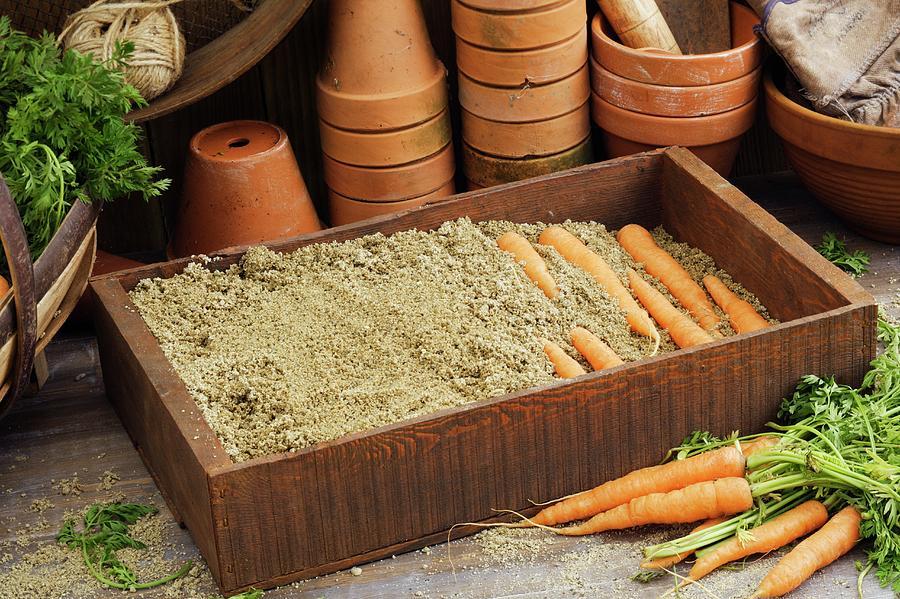
Pack carrots in boxes filled with damp sand, sawdust, or peat moss to maintain humidity. Carrots should be buried completely in the medium so they do not dry out. Layering carrots with medium prevents them from touching, which reduces disease spread.
Picture a wooden box divided into layers. Bottom layer of damp sand. Layer of carrots. Layer of sand. More carrots. More sand. Each carrot separated from its neighbors, insulated, kept moist and cool. This is root cellar storage at its best.
Alternative cold storage locations work too
Unheated basements work well if they stay cool enough through winter. An insulated garage corner in cold climates can work for winter storage. Outdoor root boxes buried in the ground work well in very cold climates. These boxes should be insulated with straw and capped to prevent water entry.
Not every gardener has a root cellar. The good news is that alternatives exist. If you have any space that stays cool and stays dry, you can store carrots.
Coolers and fridges as makeshift storage
Using old coolers or ice chests as makeshift storage containers works surprisingly well. Pack carrots with ice packs or bottles of ice to maintain cold temperature. Ice should be replaced regularly to maintain temperature around 35 to 40 degrees Fahrenheit.
This method works for smaller harvests or homes without root cellars. Even a large cooler can hold several weeks worth of carrots if managed carefully.
Storage media matters
Damp sand is the traditional storage medium. Sand maintains humidity while allowing air circulation. Sawdust, wood shavings, and peat moss also work well. Media should be damp but not waterlogged as excess moisture causes rot.
Layer carrots so they do not touch each other to prevent disease spread. Containers should have drainage holes to prevent water pooling. The goal is moist air, not wet carrots buried in mud.
Some gardeners use shredded paper or dry leaves with a light misting of water. Others use a mix of materials. Experiment to find what works with what you have available.
Temperature Humidity and Conditions for Optimal Storage
These specific numbers matter. They are the difference between carrots lasting six months and carrots lasting six weeks.
Temperature should stay near freezing but not below
Optimal storage temperature is just above freezing, around 32 to 40 degrees Fahrenheit. Temperatures below 32 degrees can cause freezing damage and deterioration. Temperatures above 40 degrees increase respiration and spoilage rates.
Temperature consistency matters more than hitting exact numbers. Fluctuating temperatures cause condensation and mold. A steady 35 degrees is better than swinging between 30 and 45 degrees.
Humidity should be high
Optimal humidity is high, around 90 to 95 percent, for root cellar or sand storage. High humidity prevents carrots from drying out and shriveling. Humidity lower than 85 percent leads to moisture loss and wrinkled roots.
Humidity above 95 percent combined with poor air circulation promotes mold growth. You want high humidity but not stagnant dampness.
Light should be dim or dark
Storage areas should be dark or dimly lit. Light exposure causes carrots to turn green and develop bitter taste. Complete darkness is ideal for long term storage. A basement or buried storage area naturally provides the darkness needed.
Some gardeners cover storage containers with burlap or dark cloth to block light. Others store in closets or interior spaces without windows.
Air should circulate gently
Gentle air movement prevents stagnant pockets of moisture. Completely sealed storage can create conditions that promote mold. Storage containers should have small ventilation holes if humidity is high.
Spaces like root cellars have natural air circulation through vents. If you are using a cooler or sealed container, drill a few small holes for air flow.
Signs of Spoilage and When to Remove Carrots
Checking stored carrots regularly means catching problems early before they spread.
Watch for visual signs of trouble
Soft, mushy areas indicate bacterial or fungal rot. White or fuzzy mold growth on the surface is a clear warning. Dark, sunken lesions indicate disease. Any of these signs means removal from storage immediately.
Do not wait. Do not hope it gets better. Remove the carrot and inspect nearby ones.
Use your nose
Check stored carrots occasionally for off odors. Fermented or sour smells indicate spoilage. Musty smells might indicate mold. Fresh carrots have a clean, earthy smell.
Your nose is a powerful diagnostic tool. Trust it.
Feel the texture
Gently squeeze a carrot to check firmness. Soft or mushy texture indicates spoilage. Wrinkled but still firm carrots are still usable but should be eaten soon. Severely shriveled carrots have lost too much quality for storage.
Check every month or two
Removing one spoiled carrot can prevent disease from spreading to nearby roots. Check stored carrots every two to four weeks for problems. Removing compromised carrots immediately prevents losses.
Removed carrots that are only slightly soft can be used for cooking or juicing. Do not throw them away. Just do not expect them to keep much longer.
Common Storage Mistakes to Avoid
Learn from others so you do not make the same errors.
Storing carrots without removing foliage leads to moisture loss and rapid deterioration. Always trim before storage. Never skip this step.
Storing unwashed carrots with soil can trap moisture and promote mold. Light cleaning before storage helps. Soil splashing water onto stored carrots causes problems.
Storing damaged or diseased carrots with healthy ones spreads spoilage. Inspect before storage. Separate perfect roots from imperfect ones.
Storing carrots at too high temperature, around 50 degrees Fahrenheit, accelerates deterioration. Keep them cool. Warmer storage equals shorter storage life.
Storing carrots in sealed containers without air circulation promotes mold. Include ventilation holes. Stagnant air is your enemy.
Storing carrots directly on wet soil or in overly damp media causes rot. Damp is good. Soggy is bad. Find the balance.
Storing carrots in direct light causes greening and bitter taste. Keep storage areas dark. Light turns carrots green and makes them taste wrong.
Leaving carrots in storage too long, even in ideal conditions, leads to gradual quality decline. Carrots do not last forever. Eat them within a reasonable timeframe.
How plantlyze Can Help Track Harvest and Storage History
Plantlyze is a plant care tool that helps gardeners record harvest dates and storage outcomes. You can log when you harvested carrots, what variety you grew, and how long they lasted in storage.
Tracking storage success year over year helps optimize variety selection and harvest timing. Some varieties store better than others. Some years you get longer storage than others. Over time, patterns emerge.
You can upload photos of stored carrots and conditions so you have a visual reference for what worked best. Visit plantlyze dot com, create a free account, and log your carrot harvest dates and storage methods. Over seasons you will build a personal guide to what works best in your specific storage situation.
Creative Carrot Storage Solutions for Different Spaces
Not every gardener has a root cellar. Creative solutions exist for almost any situation.
Refrigerator corner storage
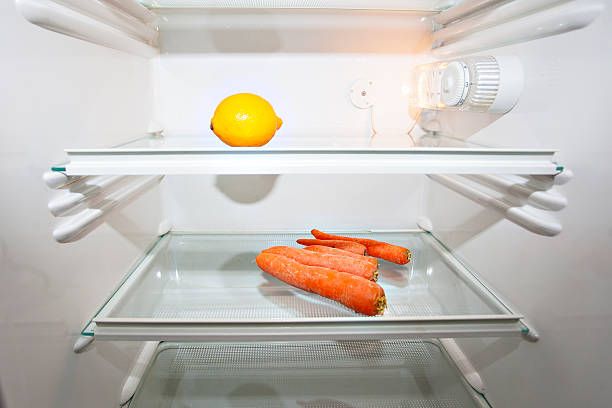
Dedicate a shelf or crisper drawer to long term carrot storage. Pack carrots in layers in a container with damp paper towels between layers. This works for smaller harvests when space is limited. Check periodically and remove spoiling carrots to keep the rest fresh.
Under the bed storage
Use an old cooler or storage box under a bed in an unheated room. Rooms without heat stay cooler than heated living areas. Add ice packs in winter to maintain cold temperatures. Spare bedrooms or storage closets work well for this purpose.
Outdoor buried storage
Bury a container or box of carrots in the ground in cold climates. Earth provides insulation, keeping temperature stable. Insulate with straw or leaves to prevent hard freezing. Use a sturdy cover to keep water and debris out.
Window well storage
Use a basement window well as a natural cold storage space. Window wells stay cool and relatively humid naturally. Place away from direct light to prevent greening. Add a cover to prevent debris and pests from entering.
Burying in outdoor mulch
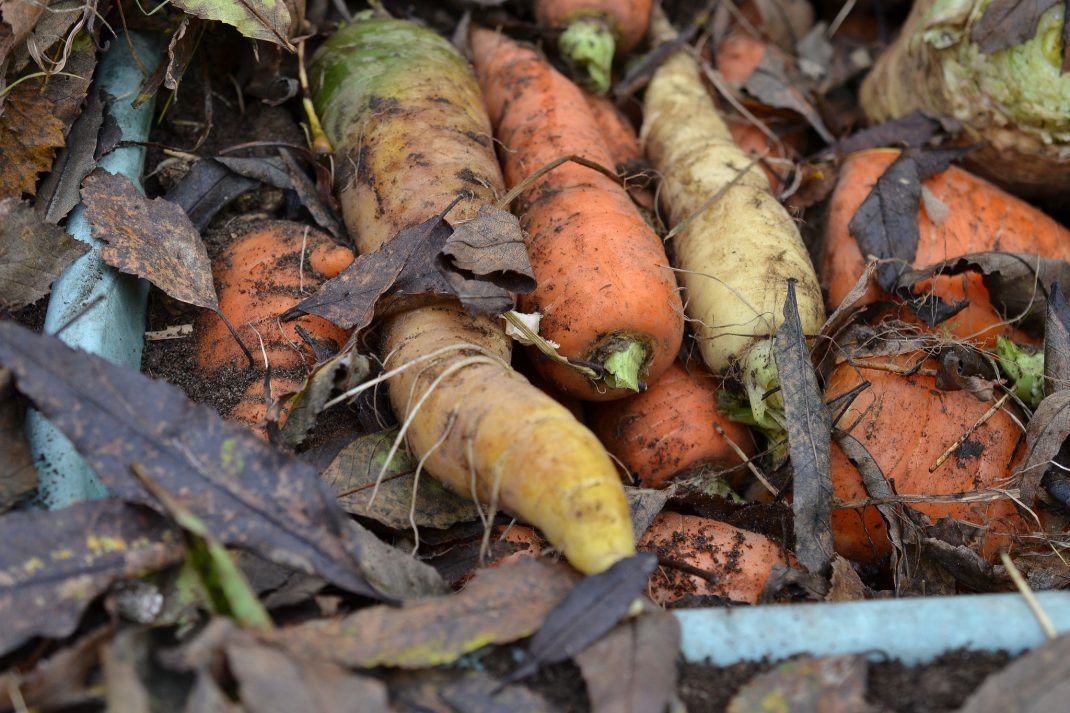
Bury carrots in a deep pile of leaves or straw outdoors. In cold climates, carrots stay frozen and edible all winter this way. This works best in regions that stay below freezing through winter. Mark the location so you can find them.
Conclusion
Trim foliage. Store cool. Maintain humidity. Check regularly. These essentials determine storage success.
Proper storage extends carrot life from weeks to months. Your autumn harvest does not have to end in November. It can stretch through December, January, February, and into March if you know how.
Storage techniques improve with each harvest as you learn what works in your specific situation. The investment in learning storage now pays off every winter when you enjoy your own preserved carrots. There is no store bought carrot that compares to one you grew and stored yourself.
Track your storage journey with plantlyze dot com so you can refine your methods year after year. Over time you will develop a personal system that works perfectly for your home, your climate, and your carrots. That system is your best teacher.
References
University of Wisconsin Extension Postharvest Handling of Vegetables
https://vegpath.plantpath.wisc.edu/Cornell University Department of Agriculture Vegetable Storage Guidelines
https://www.vegetables.cornell.edu/pest-management/UC Davis Postharvest Technology Center Root Crop Storage
https://postharvest.ucdavis.edu/North Carolina State University Extension Vegetable Storage
https://content.ces.ncsu.edu/extension-gardener-handbook/Ohio State University Extension Vegetable Storage
https://extension.osu.edu/ask-an-expert/search?q=carrot+storage