If you've ever planted carrot seeds only to end up with spotty germination or oddly shaped roots, you're not alone. The secret to vibrant, straight carrots often comes down to one simple factor: how deep you plant those tiny seeds. Getting the carrot planting depth right makes the difference between a disappointing harvest and a garden bursting with sweet, tender carrots ready to harvest.
This guide walks you through everything you need to know about carrot seed depth, from the ideal measurements to soil preparation strategies that'll transform your carrot growing success. Whether you're working with raised beds, containers, or traditional garden plots, understanding the proper planting depth is your foundation for success.
Why Carrot Planting Depth Matters More Than You Think
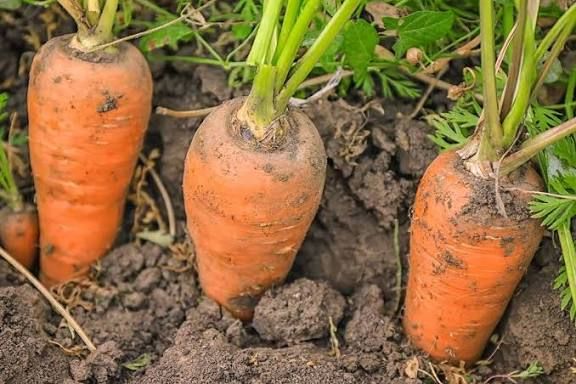
Carrot seeds are incredibly small, almost like dust specks. Because of their size, the depth at which you place them directly impacts whether they'll germinate successfully and develop into healthy plants.
When seeds sit at the right depth, they maintain consistent moisture while still receiving enough oxygen for germination. Too shallow, and they dry out quickly, especially on warm days. Too deep, and they won't have enough energy to push through the soil to reach sunlight.
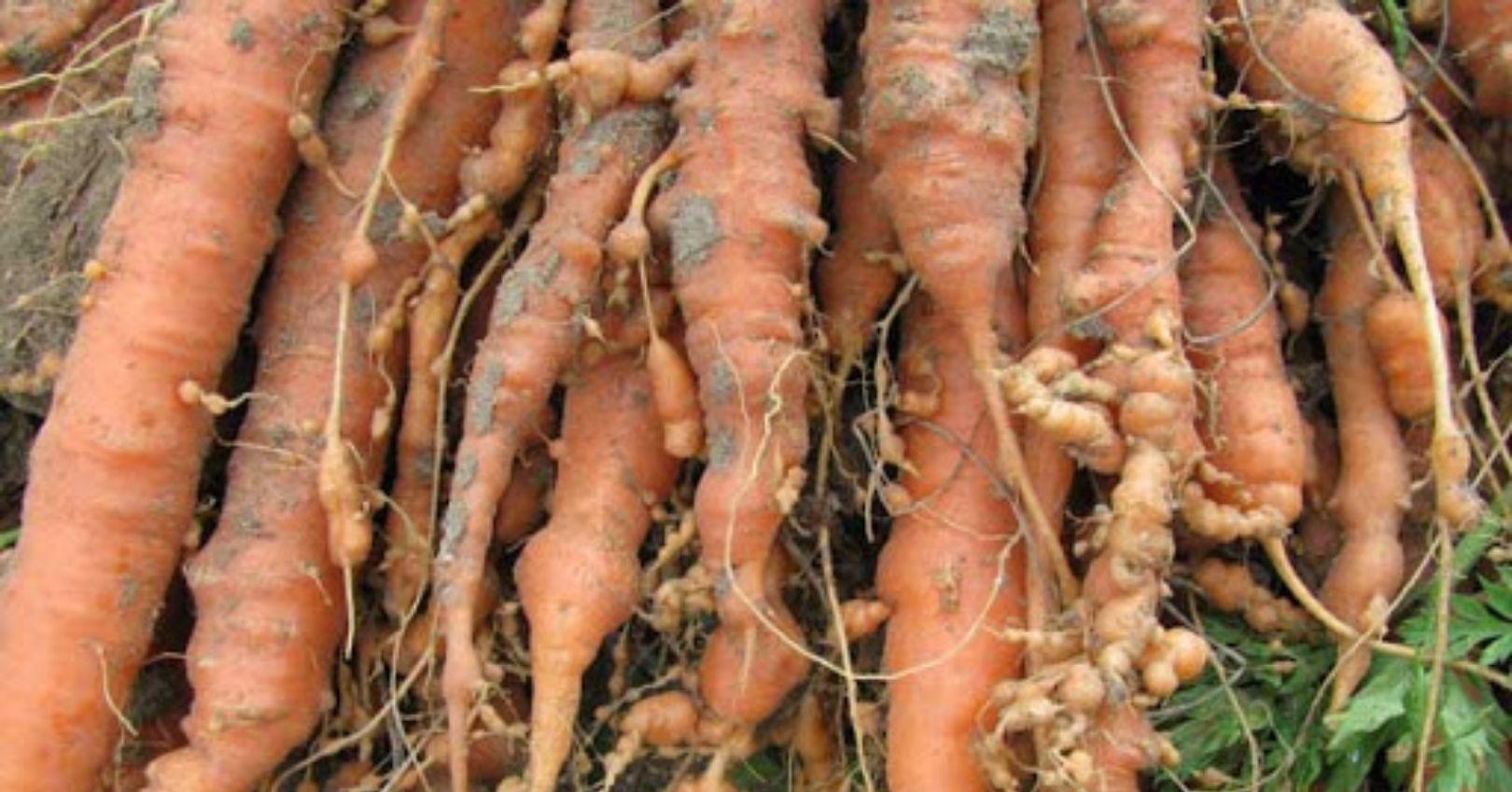
The relationship between planting depth and root development is also crucial. Seeds planted at the proper depth establish strong taproots that grow straight and long. This creates those beautiful, marketable carrots you see at farmers' markets. Plant them incorrectly, and you'll end up with forked, twisted, or stunted roots that won't meet your expectations.
Your soil type also influences how depth affects your results. Loose, friable soil allows seeds to germinate even if planted slightly deeper. Dense clay soil requires more careful depth management because the seeds may struggle to break through.
The Ideal Carrot Seed Planting Depth Explained
Here's the primary recommendation you need to remember: plant carrot seeds approximately 1/4 inch deep. This measurement represents the sweet spot for most carrot varieties and growing conditions.
Some sources suggest a range between 1/8 and 1/2 inch, and all these variations work under the right circumstances. The 1/8 inch depth works well in very moist conditions where you're concerned about soil crusting. The 1/2 inch depth suits gardeners in hotter climates where soil dries out rapidly.
The practical way to achieve 1/4 inch depth is simple: make a shallow furrow in your prepared soil, place seeds in the row, then cover them with roughly 1/4 inch of finely sifted compost or garden soil. Running your finger gently along the soil surface until you reach your nail creates roughly this depth, which is why many experienced gardeners use this tactile method.
For container growing or raised beds, the same 1/4 inch principle applies. The benefit of containers is that you control the soil completely, making consistent depth easier to achieve than in traditional garden beds.
Preparing Your Soil Before Worrying About Depth
You can plant seeds at the perfect depth, but if your soil isn't prepared properly, your carrots still won't thrive. Soil preparation actually matters more than you might think.
Carrots develop best in deep, loose, well-draining soil. Work your beds at least 12 to 14 inches deep to allow taproots to penetrate without resistance. If you're growing longer varieties like Imperators, aim for 18 inches of prepared soil depth. This looseness prevents the misshapen, forked carrots that happen when roots hit compacted layers.
Remove all rocks, pebbles, sticks, and debris from your planting area. Even small stones will cause roots to fork around them, creating unusable carrots. Spend time screening and clearing, and your results will improve dramatically.
Your soil pH should fall between 6.0 and 6.8. Carrots are fairly flexible, tolerating slightly more acidic to neutral conditions. Test your soil before planting, and amend if needed. This pH range also suits most other vegetables, making it ideal if you're rotating crops through the same beds.
Compact soil is the enemy of straight carrots. Avoid walking on prepared beds, and don't overwork the soil when breaking it up. You want a light, crumbly texture that allows roots to penetrate easily without restriction.
How Carrot Type Affects Your Planting Depth Strategy
Not all carrots are created equal, and different varieties have distinct growing requirements that influence your depth approach.
Short, Round Varieties like Atlas or Paris Market grow only 2 to 3 inches long. You can plant these in shallower containers or raised beds as small as 8 to 10 inches deep. The planting depth remains 1/4 inch, but you have more flexibility with your overall soil depth.
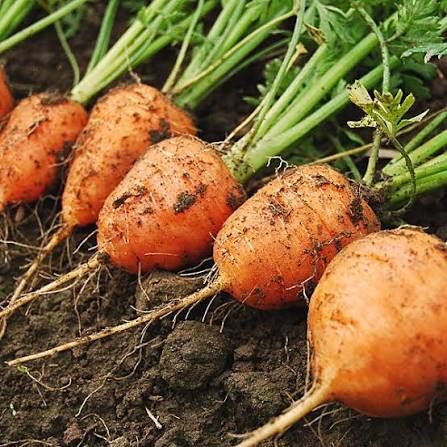
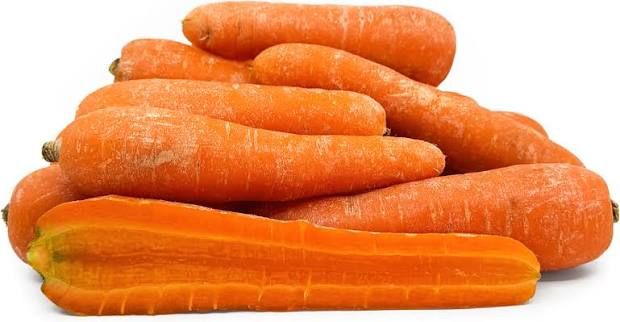
Medium Half Long Types like Nantes or Chantenay reach 5 to 7 inches. These prefer 10 to 12 inches of soil depth. Your planting depth stays consistent at 1/4 inch, but you're giving roots more room to develop fully.
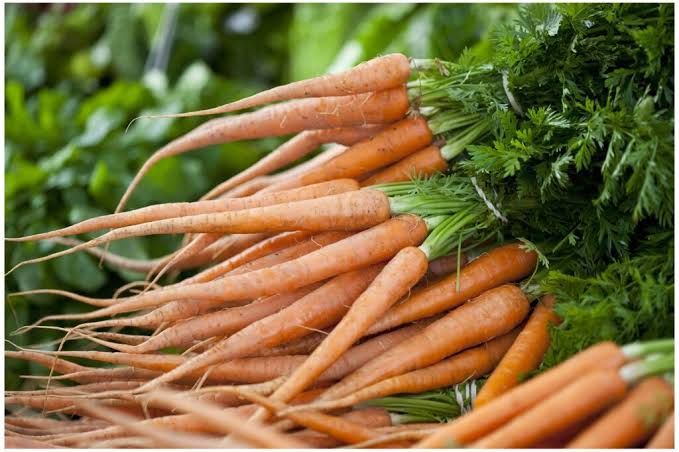
Long Imperator Varieties can stretch 8 to 10 inches or more. These demand the deepest preparation, ideally 14 to 18 inches. They need the space to develop their classic long, slender shape. Plant seeds at the same 1/4 inch depth, but ensure everything below supports their length.
Container gardeners should choose varieties based on their pot depth. A 12 inch deep container suits most half long types perfectly. Round varieties thrive in even smaller containers.
Temperature and Moisture: The Hidden Depth Factors
Carrot seed germination is temperature sensitive, and this sensitivity actually influences your ideal planting depth.
The ideal soil temperature for germination ranges from 70 to 75 degrees Fahrenheit. Below 60 degrees, germination slows dramatically. Above 80 degrees, germination actually stops. This is why timing matters so much for carrot planting success.
When soil temperatures are cooler in spring, you might plant slightly deeper (toward the 1/3 inch range) because the seeds need more time to germinate and the extra soil helps retain moisture. In warmer seasons, stick closer to 1/4 inch, as the shallower seeds will germinate faster and face less risk of drying out during the longer germination period.
Moisture consistency is critical. Carrot seeds need constant moisture to germinate, but they're vulnerable to drying out when planted shallow. This is where covering with sifted compost becomes important. The sifted material holds moisture better than traditional soil, reducing how frequently you need to water.
Many gardeners miss this point: covering shallow seeds with 1/8 inch more sifted compost (totaling 3/8 inch coverage) helps retain moisture without being deep enough to prevent germination. This technique is particularly valuable in hot, dry climates.
Pro Tips and Techniques for Carrot Planting Success
Professional growers and experienced home gardeners have developed specific techniques that take the guesswork out of carrot depth and germination.
The Sifted Compost Method involves lightly dusting carrot seeds with finely sifted compost instead of regular soil. This works because sifted material has no stones or debris to block seedlings, and it retains moisture better. Cover seeds with sifted compost or fine garden soil rather than the heavier top soil from your area.
The Mud Trench Technique has proven itself for generations. Before planting, dig a shallow trench and thoroughly water it until the soil becomes muddy. Let the water settle, place your seeds in the muddy soil at proper depth, then cover and water again. Place an untreated wooden board over the trench. Check daily after about a week, and remove the board once you see seedlings emerging.
Proper Seed Spacing at 1.5 inches apart reduces thinning work later. Most gardeners find hand placement easier than mechanical seeders, given how tiny carrot seeds are. Simply pinch a few seeds between your thumb and finger, roll them gently, and let them drop into place at appropriate spacing.
The Wooden Board Trick involves placing an untreated board over your seeded row after planting. This maintains moisture while protecting seeds from wind displacement. Remove it as soon as seedlings appear, usually within 10 to 14 days.
Thinning Strategy starts when seedlings develop their first true leaves. Thin to 2 to 3 inches apart for long varieties, 1 to 2 inches for medium types. This thinning is unavoidable because spacing individual seeds perfectly is nearly impossible.
Common Mistakes That Ruin Carrot Crops
Understanding what goes wrong helps you avoid costly mistakes.
Planting Too Deep is more common than planting too shallow. Seeds buried beyond 1/2 inch often lack the energy to push through soil and germinate. If germination rates feel consistently poor, depth is usually the culprit.
Planting Too Shallow causes seeds to dry out before germinating, especially on warm days. If you see sporadic germination or seedlings that emerge then disappear, shallow planting with inadequate moisture is likely responsible.
Inconsistent Watering prevents the moisture constancy that carrot seeds demand. Allowing the top 1/2 inch of soil to dry out between waterings often kills germinating seeds. Water gently with a fine mist rather than heavy streams that displace seeds.
Seasonal Timing Mistakes happen when gardeners plant carrots too late in spring when soil temperatures exceed 75 degrees, or too early when frost risk remains. Check soil temperature with a simple thermometer before planting.
Neglecting Debris Removal creates the forked and twisted carrots that frustrate gardeners. Spend the time upfront clearing rocks and sticks. Your harvest will reward this effort.
How Plantlyze Helps Monitor Your Carrot Development
Once your seeds germinate and seedlings emerge, monitoring their development becomes important. The Plantlyze AI powered plant care diagnosis tool helps identify potential issues before they become serious problems.
If your carrots show signs of struggle, uploading images to Plantlyze allows the tool to analyze leaf color, growth patterns, and other indicators. The platform identifies nutrient deficiencies, disease concerns, or environmental stress that might affect root development. This information helps you adjust watering, fertilization, or spacing strategies midseason.
For carrot growers, Plantlyze provides peace of mind by confirming that your plants are developing healthily from seedling through maturity. Visit Plantlyze.com to access the tool and explore comprehensive plant care resources tailored to your garden's specific needs.
Your Path Forward to Carrot Growing Success
Getting carrot planting depth right isn't complicated, but it does require attention to a few key principles. Plant seeds at 1/4 inch deep in properly prepared, loose soil, maintain consistent moisture, and you'll see germination rates improve dramatically.
Remember that soil preparation matters as much as seed depth. Deep, friable, debris free soil creates the conditions where carrots thrive. Different varieties have different depth needs in terms of overall soil preparation, so choose varieties suited to your growing situation.
The temperature and moisture consistency you maintain during germination directly influence whether those tiny seeds sprout successfully. Use the techniques professional growers rely on, like sifted compost covering and wooden board protection, and watch your success rates climb.
Give your carrots the foundation they deserve by getting the depth right from the start. You'll harvest straighter, longer, sweeter carrots that make all that care worthwhile.
References
Iowa State University Carrot Production Guide - https://dr.lib.iastate.edu/bitstreams/83a78ec2-511f-470e-8a85-490598f375f8/download