Introduction
Common scab ruins carrots at the moment of harvest. You pull roots expecting perfect orange vegetables ready for market, only to discover corky, rough lesions covering the surface. These blemishes aren't just cosmetic problems. They destroy market value, reduce storage quality, and cost growers thousands in lost revenue.
Unlike diseases that kill plants, common scab lets carrots grow normally above ground while systematically destroying root appearance underground. This deception makes it particularly dangerous. Farmers only discover the full extent of damage at harvest, far too late to prevent it. A field that looked healthy all season suddenly becomes nearly worthless once roots are pulled.
Common scab affects carrot quality far more than yield, but quality determines price. Farmers grade carrots based on surface appearance. Even minor scarring reduces vegetables to lower market categories worth significantly less per pound. This comprehensive guide walks you through understanding common scab, identifying it early, and implementing management strategies that work.
What Is Carrot Common Scab
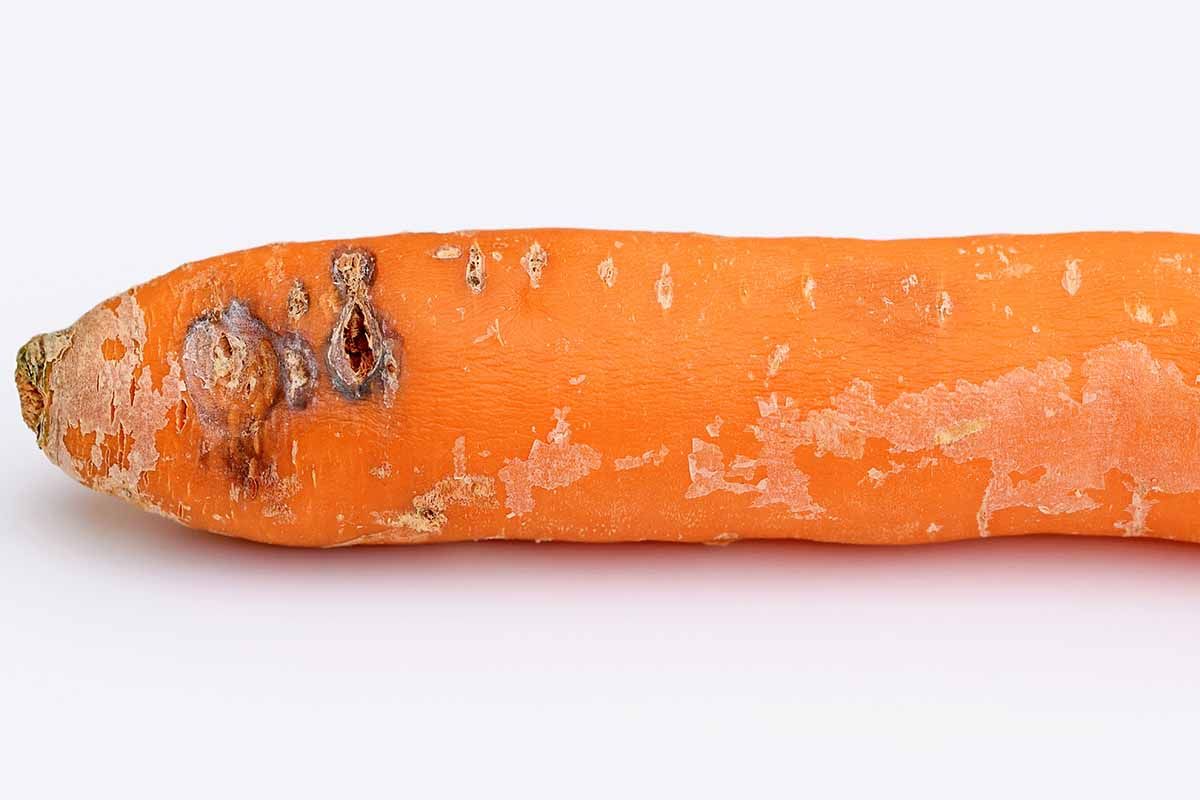
Common scab is a bacterial disease caused primarily by the bacterium Streptomyces scabies, with several related species capable of causing similar symptoms. The bacteria naturally exist in most soils worldwide, feeding on organic matter and plant debris. The disease primarily affects root crops. While potatoes are the most economically important host, carrots, radishes, parsnips, beets, and several other root vegetables suffer similar problems.
The disease differs fundamentally from fungal infections. Streptomyces bacteria are soil dwelling organisms that infect roots during active growth. The bacteria don't kill roots. Instead, they trigger the plant to form corky scar tissue in response to bacterial toxins. This scar tissue becomes the visible lesion you see at harvest.
Damage occurs silently underground. Above ground symptoms never appear. Carrot foliage grows normally. Leaves maintain green color. Plants reach normal maturity on schedule. The only way to know whether scab is present is by pulling roots and examining them directly. This invisibility explains why common scab remains such a persistent problem. Many growers don't recognize they have a scab problem until harvest dramatically reveals it.
The disease is economically significant but not catastrophic in most situations. Common scab rarely reduces total carrot yield weight by more than 10 to 15 percent. The real cost comes from quality degradation. Affected carrots often cannot be sold as fresh market produce. They're downgraded to processing uses where price drops 30 to 50 percent below fresh market standards. In severe cases, damage is so extensive that carrots become completely unmarketable.
Understanding Scab Symptoms and Root Damage
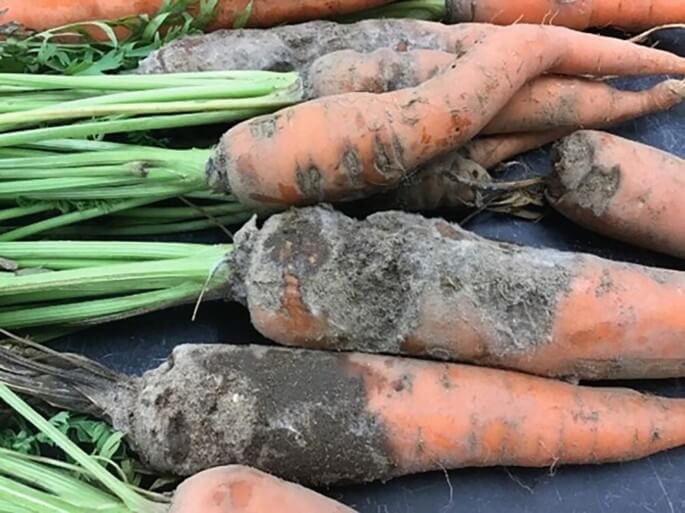
Common scab creates distinctive root damage patterns that become visible only when you examine roots directly. Understanding these patterns helps you identify scab quickly and distinguish it from other root problems.
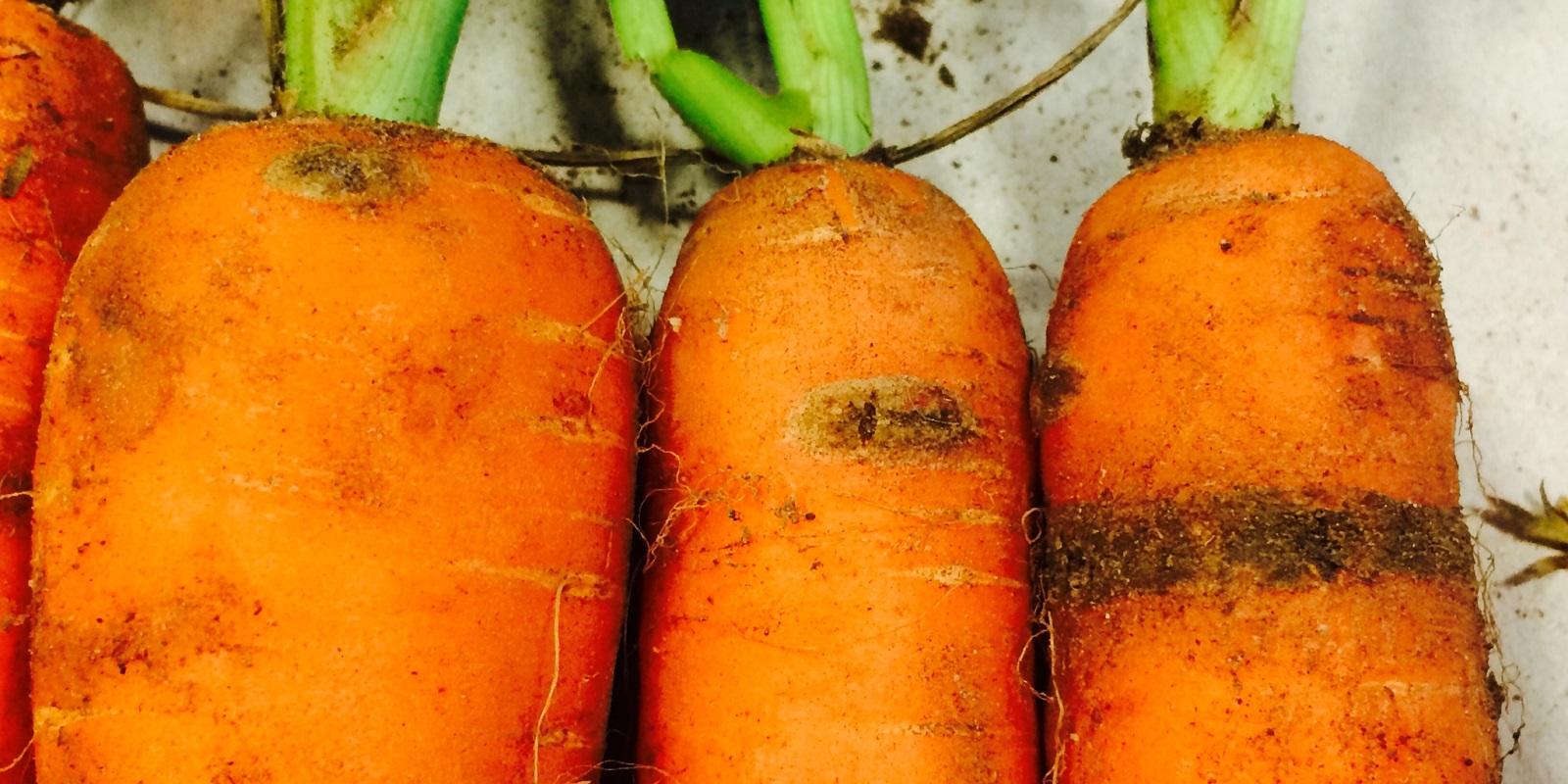
The most common symptom is russet scab, where raised corky lesions develop on the root surface. These lesions appear tan to brown in color with rough, cork-like texture. Lesions can range from tiny specks to larger patches covering substantial portions of the root. Unlike cracks or rots, russet lesions don't penetrate deeply into the root flesh. The tissue directly beneath the lesion is usually light tan or straw colored and translucent.
Raised scab creates bumpy protrusions on the root surface rather than depressions. These raised lesions feel grainy and can be scraped off somewhat. Some roots develop entirely smooth russet areas without individual raised bumps, creating a general roughening of the entire surface.
Pitted scab goes deeper than other forms. Lesions sink into the root surface creating sunken cavities. These pits are often dark brown or almost black in color, creating distinctive appearance. Pitted lesions may develop secondary infections from soil dwelling fungi or bacteria that enter through the damaged tissue, leading to rotting.
Early scab infections appear within 4 to 9 weeks of root formation. This timing is crucial because it means scab develops silently while you cannot detect it from above ground inspection. By the time roots have grown to harvestable size, scab damage is already established.
Symptoms vary based on carrot variety susceptibility and environmental conditions. Some varieties develop light surface russeting. Others in identical soil develop severe pitting and extensive scarring. This variability makes scab unpredictable. Two nearby plants in the same field can develop vastly different levels of damage.
The Bacteria Behind Common Scab: Streptomyces scabies
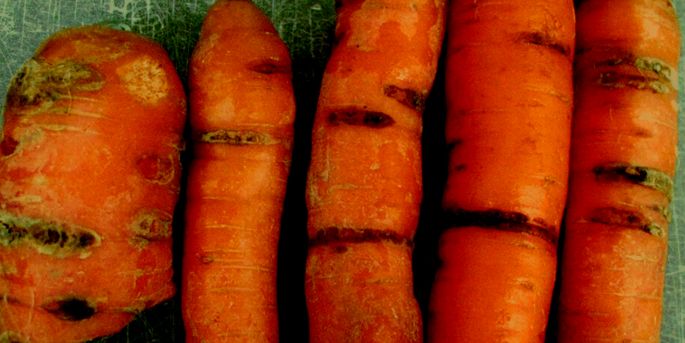
Streptomyces scabies is a grampositive bacterium found naturally in most agricultural soils. It's not specialized to attack carrots. Rather, it's an opportunistic pathogen that attacks multiple root crops when conditions favor infection.
The bacteria survive indefinitely in soil by feeding on organic matter and plant debris. A single acre of soil can contain millions of Streptomyces cells waiting for suitable roots to infect. Once carrots are planted, bacteria quickly detect the presence of young roots. The bacteria don't actually penetrate into root tissue the way fungal pathogens do. Instead, they produce toxins that damage root cell walls and trigger the plant's defense response.
When bacteria attack root tissue, the plant responds by forming corky scar tissue that walls off the infection. This scarring process is actually the plant defending itself. The corky lesion you see at harvest is the healed wound where the plant successfully contained the bacterial infection. The root continues growing normally. The infection never spreads into the interior. This explains why scab infected carrots remain firm and storable. The bacterial infection never compromises the root flesh.
Most Streptomyces species prefer slightly alkaline to neutral soils where pH ranges from 5.5 to 7.5. Below pH 5.2, bacterial activity drops dramatically, and scab rarely develops. This pH requirement makes soil acidity one of the most powerful management tools available.
Temperature and moisture conditions dramatically affect disease development. Streptomyces bacteria grow most actively when soil temperatures range from 25 to 30 degrees Celsius (77 to 86 degrees Fahrenheit). Dry soils favor disease development more than moist soils. This seemingly counterintuitive relationship exists because dry conditions stress young roots. Stressed roots produce compounds that attract bacterial attack, making them more susceptible to scab infection.
Why Common Scab Develops: Key Risk Factors
Understanding conditions that favor common scab helps you anticipate problems and implement prevention strategies before planting.
Soil pH is the single most important factor controlling common scab severity. Alkaline and neutral soils with pH above 6.0 create ideal conditions for Streptomyces growth. Acidic soils below pH 5.2 naturally suppress the bacteria. This relationship is so strong that growers in high scab areas often deliberately maintain low soil pH specifically to manage the disease. Even small pH adjustments matter. A soil at pH 6.5 develops noticeably more scab than identical soil at pH 5.5.
Soil moisture during root development critically affects disease expression. Paradoxically, disease severity increases when soils are dry rather than moist. Consistent soil moisture throughout the root development period dramatically reduces scab incidence. Irrigation delivering 80 to 85 percent soil moisture during root formation reduces scab by 50 to 70 percent compared to rainfed conditions on the same soil.
Recent manure applications increase scab risk. Fresh or poorly decomposed manure provides abundant organic matter that stimulates Streptomyces population growth in soil. Using fresh manure immediately before planting carrots virtually guarantees increased scab problems. Well composted manure aged for several years carries much lower risk. The bacteria have already consumed the fresh organic matter during compost decomposition.
Soil organic matter levels influence disease severity. Soils rich in organic matter support larger Streptomyces populations than sandy soils low in organic matter. High organic matter correlates with increased scab risk. This creates a management paradox. Farmers wanting to build soil organic matter for long term fertility may inadvertently increase scab in the short term.
Carrot variety susceptibility varies significantly. Some varieties naturally develop minimal scab symptoms even in high risk conditions. Others develop severe scab in identical soils. Variety selection becomes a crucial management tool when scab history exists in specific fields.
Primary Prevention: Getting Ahead of Common Scab
Prevention is far more cost effective than managing established scab problems. Implementing prevention strategies before planting carrots eliminates the disease rather than trying to manage it after it's already established.
Soil testing forms the foundation of scab prevention. Test soil pH before planting. If pH is above 6.0, take action to lower it. Sulfur application is the most effective method for lowering soil pH. Agricultural sulfur applied at 2 to 4 tons per acre, worked into soil 6 to 8 months before planting, gradually lowers pH through microbial oxidation. This timing allows sulfur to convert to sulfuric acid naturally, reducing pH steadily. Quick adjustments rarely work effectively. Plan ahead.
Alternatively, acidifying fertilizers lower soil pH without waiting for sulfur oxidation. Ammonium sulfate or ammonium nitrate applied at 100 to 200 pounds per acre provide nitrogen while acidifying soil. This dual benefit makes acidifying fertilizers economically attractive for growers needing both nitrogen and pH reduction.
Consistent irrigation is non-negotiable for scab prevention. Implement drip irrigation if possible. Drip systems deliver water slowly and evenly throughout the root development period, maintaining soil moisture at 80 to 85 percent consistently. This moisture level suppresses Streptomyces growth while supporting normal carrot development. Avoid sprinkler irrigation and rainfall dependency alone. They create wet then dry cycles that stress roots and increase scab susceptibility.
Avoid planting carrots in fields previously planted to potatoes. Potato scab and carrot scab are caused by identical or closely related Streptomyces species. High Streptomyces populations in potato fields virtually guarantee severe scab in subsequently planted carrots. Implement at least a two year rotation. Three year rotations provide even better disease suppression.
Choose resistant or tolerant carrot varieties when scab pressure is known. Some varieties resist scab more effectively than others. Varieties with darker root color often show better scab resistance than lighter colored types. However, few carrot varieties are completely resistant. Resistance typically means reduced scab severity rather than complete immunity. Select appropriate varieties for your field history.
Cultural Practices That Reduce Scab Development
Ongoing management practices throughout the growing season maintain disease suppression established through prevention strategies.
Crop rotation breaks the disease cycle. Three year rotations using non-host crops like corn, small grains, or cereals substantially reduce Streptomyces populations. These crops don't support pathogenic Streptomyces species. The bacteria decline without suitable hosts. Legume crops like alfalfa also suppress scab incidence. Rotating to alfalfa followed by small grains dramatically reduces scab pressure compared to continuous carrot production.
Field sanitation reduces disease inoculum. Remove and bury old carrot plant debris from previous seasons. Streptomyces bacteria survive in decomposing plant material. Thoroughly incorporating old crop debris into soil accelerates decomposition and kills surviving bacteria. Don't compost diseased roots. Instead bury them at least 12 inches deep where they decompose without spreading bacteria.
Avoid fresh manure applications immediately before planting carrots. If manure is necessary for nutrient supply, apply it for the preceding crop and allow it to decompose for at least one year before planting carrots. Well aged manure rarely causes increased scab problems.
Clean equipment between fields. Streptomyces bacteria travel on soil particles stuck to tractors and implements. Movement from a high scab field to a clean field on contaminated equipment transfers pathogenic bacteria. Wash equipment with water between fields when moving from known scab areas to unaffected fields.
Timing of irrigation matters during early carrot growth. Apply water most heavily during the period from 4 to 9 weeks after root initiation when scab infection is most likely. Heavy irrigation during this window prevents the dry stress that makes roots susceptible.
Recognizing When Scab Is a Problem: Early Detection
Because scab symptoms appear only on roots underground, early detection requires intentional examination throughout the growing season.
Dig sample roots every 2 to 3 weeks starting 4 weeks after planting. Pull entire plants including roots and examine the root surface carefully. Look for any rough, corky lesions. Early scab appears as tiny specks and small lesions. Light infections often go unnoticed because they're assumed to be minor soil damage. Check roots carefully. Early detection provides weeks of opportunity to adjust management.
Increase irrigation immediately if you discover early scab. Additional water reduces disease progression. Irrigation cannot reverse existing lesions, but it prevents new infections from developing.
Check roots again in 2 to 3 weeks. If scab severity is increasing despite irrigation increases, consider harvesting early before damage becomes severe. Some scab damage may be acceptable if caught early. Partial harvest avoids total crop loss.
If scab is light at any inspection, continue normal management. Many fields develop minimal scab despite some bacterial presence. Allow the crop to mature normally.
Organic Management Approaches for Scab Control
Organic farming systems cannot use many conventional disease management tools. Cultural and biological approaches become essential for organic carrot growers.
Sulfur application for pH reduction works in organic systems. Apply sulfur well before planting to allow natural oxidation. Agricultural grade sulfur is approved for organic production. This remains the most effective organic tool for scab management.
Biological soil amendments may help suppress Streptomyces. Certain Bacillus species have antagonistic properties against Streptomyces. These beneficial bacteria compete for soil resources and produce compounds inhibitory to pathogenic Streptomyces. Applying Bacillus based products as seed treatments or soil drenches may reduce scab incidence by 30 to 40 percent. Results vary based on soil conditions and product quality. These products work best as part of comprehensive management rather than as standalone solutions.
Compost and organic matter selection matters. Use only well decomposed compost where organic material has completely broken down. Fresh compost or mulch made from raw materials increases Streptomyces. Well aged compost rarely presents scab risk.
Crop rotation with legumes is especially valuable in organic systems. Alfalfa grown for 2 to 3 years before carrots dramatically reduces pathogenic Streptomyces. The combination of nitrogen fixation improving soil without adding synthetic inputs plus disease suppression makes legume rotations ideal for organic production.
Using Plantlyze for Scab Diagnosis and Monitoring
Identifying common scab early enough to manage it requires reliable root examination. Plantlyze AI powered plant care and diagnosis tool uses advanced imaging to confirm scab presence from photos of affected roots.
Rather than relying on field inspection alone, upload photos of pulled carrot roots directly to Plantlyze. The AI system analyzes root surface patterns, identifies scab symptoms, and confirms whether lesions match common scab characteristics or represent other damage. This verification prevents misidentification. Root damage from nematodes, mechanical injury, and other causes often resemble scab at first glance.
Plantlyze analysis provides confirmation within seconds. The system explains scab severity level, identifies which management strategies apply to your situation, and suggests timing for implementation. This removes guesswork from management decisions. Rather than wondering whether you're overreacting or underestimating the problem, Plantlyze delivers objective assessment.
For farmers managing multiple fields, Plantlyze monitoring tracks disease progression throughout the season. Pull roots every 2 to 3 weeks, photograph them, and upload to Plantlyze for trend analysis. See whether disease is increasing, stable, or decreasing under your current management approach. This data guides irrigation decisions and harvest timing.
Visit plantlyze.com to try free diagnosis on root samples from your fields. See whether early scab is present before it becomes a major problem. The moments saved in identification could mean the difference between preventing scab and losing thousands in crop value.
Treatment and Management When Scab Is Discovered
Once scab is confirmed, implement immediate and longer term management to prevent further deterioration.
Increase irrigation immediately if soil moisture can be controlled. Boost irrigation to maintain soil at 80 to 85 percent moisture continuously until harvest. This management step cannot reverse existing lesions, but it prevents new scab infections from developing. Plan irrigation increases to continue through the remainder of the root development period.
Lower soil pH if not already done. Apply acid forming fertilizers providing both nutrients and pH reduction. Ammonium sulfate at 200 to 300 pounds per acre applied immediately provides quick response. pH doesn't drop overnight, but progressive lowering over 4 to 6 weeks reduces new infection development.
Harvest strategically if damage is moderate. Some growers harvest roots slightly early when scab damage is light to moderate, accepting smaller root size to avoid development of severe damage. This prevents further lesion development on mature roots. The tradeoff is lower per-root weight but higher per-acre quality and market value on smaller roots.
Plan complete field rotation away from carrots for at least 2 to 3 years. This breaks the disease cycle completely. Avoid replanting susceptible crops like potatoes. Instead rotate to cereals, corn, or legumes.
Harvest Management and Storage for Scab Affected Carrots
How you handle scab affected carrots after harvest determines whether they're salvageable as second grade produce or become totally unmarketable.
Handle harvested roots gently to avoid wounds that create entry points for rotting organisms. Bruises and cracks around scab lesions often become entry points for secondary fungal or bacterial infections. Rough handling during harvest transforms borderline acceptable roots into completely unmarketable ones.
Clean roots thoroughly with water, removing soil without high pressure that damages scab lesions. Surface dirt often makes scab appear worse than it actually is. Light cleaning sometimes makes roots look acceptable for secondary markets. Avoid aggressive scrubbing or pressure washing that enlarges lesions.
Store scab affected carrots in cool conditions between 32 and 35 degrees Fahrenheit. Cold storage slows any secondary infection development. Maintain humidity at 90 to 95 percent to prevent shrinkage. Store separately from prime grade carrots to maintain market segregation.
Develop relationships with processing buyers who accept minor scab damage. Processing uses are more forgiving of surface blemishes than fresh market sales. Processing companies focus on root flesh quality not appearance. Scab affected carrots often process into acceptable products worth more than discarded carrots.
Long Term Prevention for Scab Prone Fields
Fields with established common scab history require systematic long term management to rebuild soil conditions that suppress the disease naturally.
Implement extended crop rotation programs. Rotate away from all susceptible crops for minimum 3 years. Use cereals, corn, alfalfa, or other non-susceptible crops. Let Streptomyces populations decline dramatically during this rotation period.
Continue pH management long term. Maintain soil pH below 5.5 throughout the rotation period. Periodic sulfur or acidifying fertilizer applications keep pH in the scab suppressive range even with other crops. This preventive maintenance costs far less than managing active scab outbreaks.
Build soil organic matter during rotation through cover cropping and green manuring. While high organic matter slightly increases bacterial populations short term, the overall improvement in soil health and root vigor during rotation creates better scab resistance when carrots are replanted.
After 3 year rotation, replant carrots with full confidence that scab pressure has declined dramatically. The combination of absent host crop, acidic pH, and improved soil organic matter creates unfavorable conditions for Streptomyces scabies.
Diagnose Common Scab Faster with Plantlyze
Can't tell whether root damage is actually common scab or something else? Plantlyze uses AI powered image analysis to identify scab from photos within seconds. Upload a photo of your affected carrot root and receive instant confirmation of scab presence, severity assessment, and specific management recommendations for your situation.
For growers managing multiple fields or tracking disease progression throughout the season, Plantlyze monitoring provides objective assessment. Pull sample roots every 2 to 3 weeks, photograph them, and compare results over time. See whether your management strategies are working or whether intensification is needed.
This is especially valuable when multiple root diseases might be present simultaneously or when scab symptoms overlap with mechanical damage or other disorders. Rather than relying on field observation alone, Plantlyze removes guesswork and provides reliable diagnosis. Visit plantlyze.com and start your free diagnosis today to confirm whether your root damage is actually common scab or another issue entirely.
References
Cornell University Vegetables Program — https://www.vegetables.cornell.edu/pest-management/disease-factsheets/potato-scab/
(US Land Grant University Research)University of Connecticut IPM Program — https://ipm.cahnr.uconn.edu/common-scab/
(US Land Grant University Integrated Pest Management)University of Maryland Extension — https://extension.umd.edu/resource/common-scab-vegetables
(US Land Grant University Extension)Purdue University Extension — https://www.extension.purdue.edu/extmedia/bp/bp-8-w.html
(US Land Grant University Agricultural Extension)University of Maine Extension — https://extension.umaine.edu/publications/2440e/
(US Land Grant University Extension Bulletin)Agriculture Victoria — https://agriculture.vic.gov.au/biosecurity/plant-diseases/vegetable-diseases/common-scab-of-potatoes
(Australian Government Agricultural Research)Oregon State University PNW Handbook — https://pnwhandbooks.org/plantdisease/host-disease/carrot-daucus-carota-common-scab
(US Regional University Extension Resource)National Center for Biotechnology Information (NCBI) — https://pmc.ncbi.nlm.nih.gov/articles/PMC7559370/
(Peer-Reviewed Research on Streptomyces scabies)