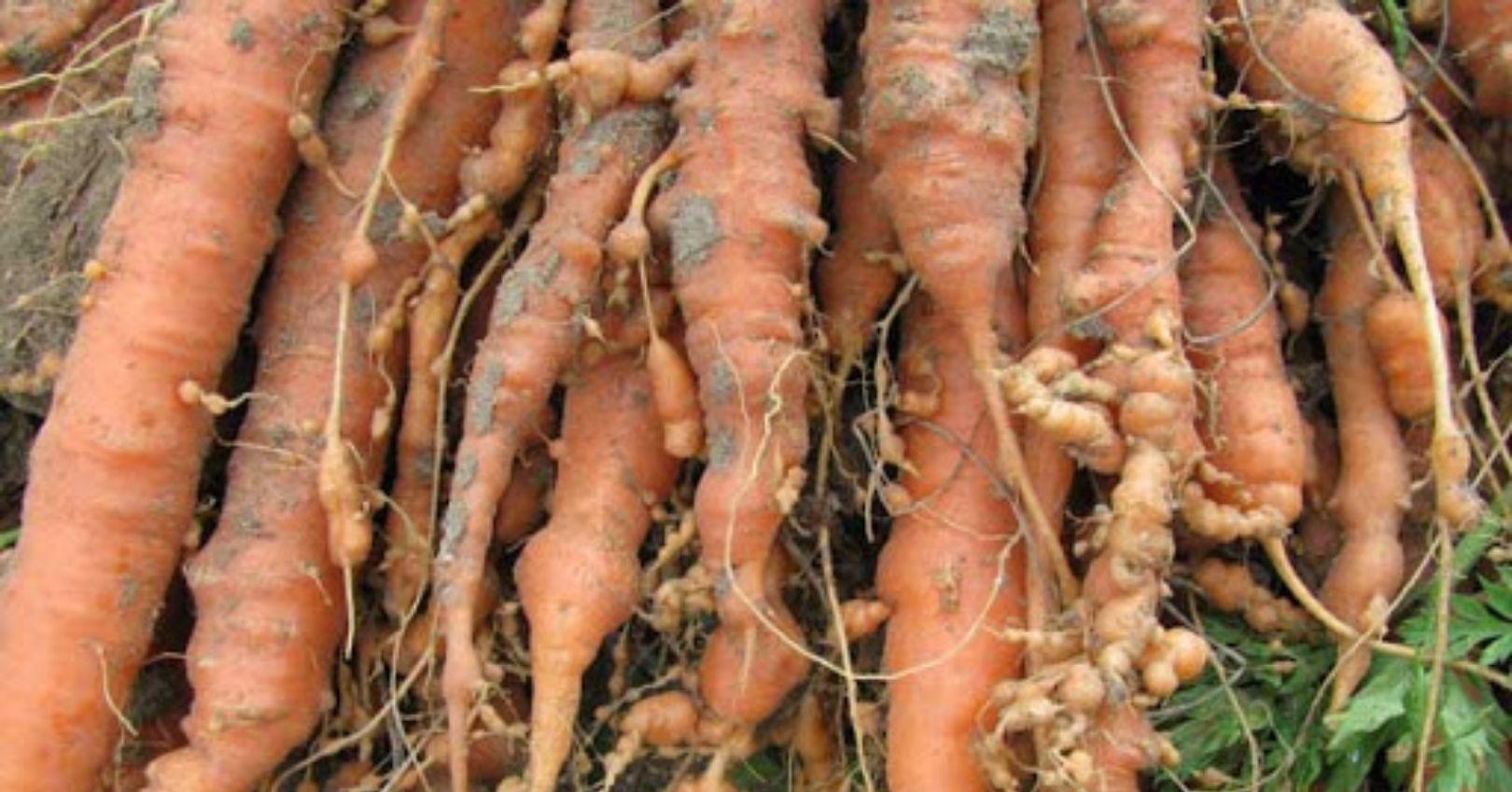
Carrots are one of the most resilient vegetables to grow, yet fungal diseases can devastate even the most experienced gardener's crop. If you've noticed white powdery coatings on carrot leaves, dark brown lesions spreading across foliage, or sudden leaf drop during late summer, you're likely facing one of three major fungal diseases that affect carrot production worldwide. The good news is that organic, proven methods exist to control these diseases without relying on synthetic chemicals.
This guide walks you through the three most damaging carrot diseases, how to recognize them early, and the organic strategies that work best to protect your harvest.
Understanding the Three Major Carrot Diseases
Growing carrots organically means understanding your enemy. The three fungal diseases that cause the most crop loss in carrot production are powdery mildew, Alternaria leaf blight, and Cercospora leaf blight. Each has distinct symptoms, preferred growing conditions, and specific treatment approaches.
Powdery Mildew: The White Powder Problem
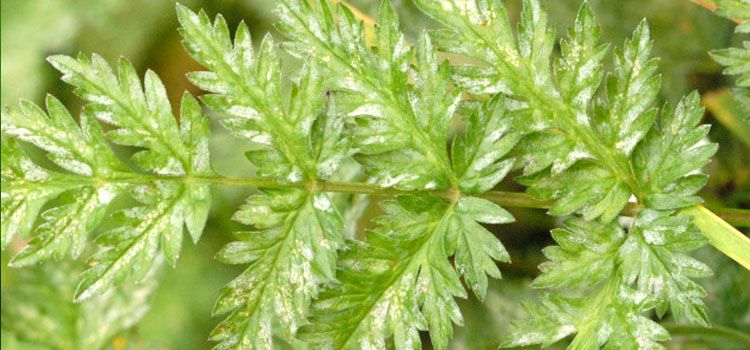
What it looks like: Powdery mildew appears as white, fluffy fungal growth on carrot leaves, typically starting on older leaves and working its way to newer growth. The infection can eventually cover entire leaves, turning them brittle and brown as the disease progresses.
Why it thrives: Unlike many fungal diseases that need constant moisture, powdery mildew loves dry conditions combined with high humidity at dawn and dusk. The fungus Erysiphe heraclei prefers temperatures between 55 and 90 degrees Fahrenheit, which is why late season carrot crops often suffer the most severe infections.
The damage it causes: While powdery mildew doesn't directly harm the carrot root, severely infected foliage becomes weakened and brittle. During mechanical harvest, weakened leaves snap at the top, leaving carrots stuck in the ground and resulting in significant yield loss, especially for seed crops where foliage quality matters.
Alternaria Leaf Blight: The Dark Brown Spots
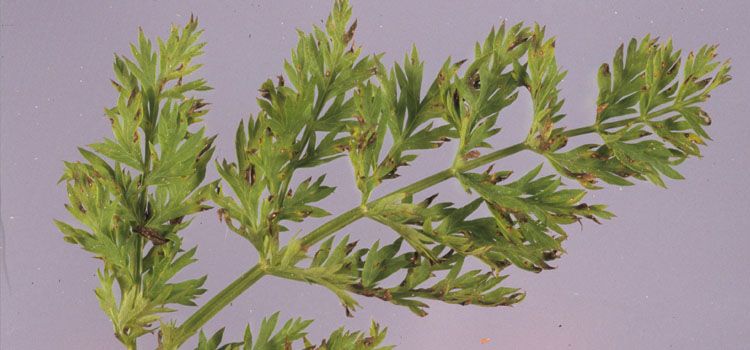
What it looks like: Alternaria leaf blight starts as small, greenish brown, water soaked spots surrounded by a yellow halo. As the disease progresses, these irregular dark brown to black lesions expand and merge together, eventually turning entire leaves brown and scorched as though they've been burned by frost or chemicals.
Why it spreads rapidly: Alternaria dauci thrives in warm, moist weather and can infect an entire field seemingly overnight when conditions are right. The pathogen is particularly aggressive because it's seedborne, meaning infected seeds introduce the disease directly into your field before problems even become visible.
The yield impact: Alternaria is especially problematic in mechanical carrot harvesting operations where tops are lifted to pull the roots from the ground. Severe defoliation weakens the plant tops so significantly that they snap during harvest, leaving carrots unharvested. Early season infections cause the greatest damage because they allow the disease to progress throughout the growing season.
Cercospora Leaf Blight: The Gray Lesion Disease
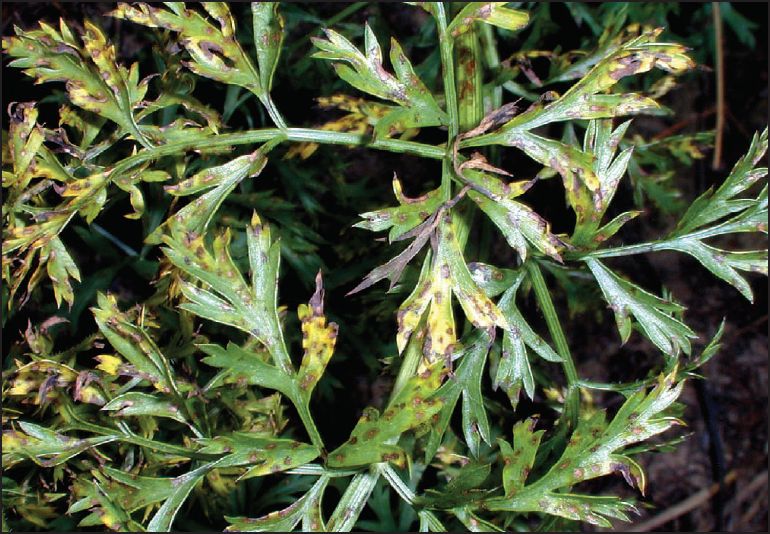
What it looks like: Cercospora carotae produces small, cream to grayish brown circular lesions with dark definitive margins. Unlike Alternaria's dark brown spots, Cercospora lesions have a distinctive pale gray center. As lesions multiply and expand, they coalesce and cause leaflets to shrivel and die, creating that same burnt appearance.
Growth pattern: Cercospora requires a minimum of 12 hours of leaf wetness at temperatures between 68 and 86 degrees Fahrenheit to establish infection. Under optimal humid conditions, symptoms can develop in just 3 to 5 days, making early detection crucial.
When it hits hardest: Because Cercospora lesions appear on younger foliage, it can be more devastating than Alternaria when it strikes early in the growing season, before plants have developed sufficient leaf area to tolerate defoliation.
The Organic Prevention Strategy: Your First Line of Defense
Before reaching for any fungicide, organic carrot growers must master prevention. This approach requires less input, costs less money, and creates a more resilient growing system. Prevention starts before you even plant your seeds.
Start With Disease Resistant Varieties
Your seed selection decision shapes your entire season. Choose carrot varieties that exhibit natural tolerance to leaf blight diseases. Research has validated several disease resistant varieties including Apache, Bolero, Caro choice, Calgary, and Carson. On tolerant varieties, disease appears later in the season and spreads more slowly, meaning you'll need fewer fungicide applications and can accept lower overall disease levels.
Implement Rigid Crop Rotation
Alternaria, Cercospora, and bacterial pathogens persist in crop residue. A minimum 2 year rotation out of carrots allows time for infected plant material to decompose and pathogen populations to decline naturally. Even better, rotate toward non host crops like barley, broccoli, or other brassica crops, which have been shown to actively reduce Alternaria populations in the soil. This strategy alone can cut disease pressure dramatically in subsequent seasons.
Use Clean, Certified Seed
All three major carrot diseases are seedborne, meaning you can unknowingly plant disease directly into your field. Purchase seed from reputable dealers who test for pathogenic organisms and offer pathogen free seed. This simple decision prevents catastrophic losses before the growing season even begins.
Master Your Irrigation Approach
Moisture management determines disease pressure more than any other single factor. Powdery mildew thrives when humidity is high, so overhead irrigation that wets foliage creates the perfect environment. Instead, use drip irrigation or soaker hoses that apply water directly to soil, keeping foliage dry. Water early in the morning so any incidental leaf wetness dries quickly as the sun heats the canopy.
Additionally, drought stress weakens plants and makes them more susceptible to infection. Consistent, adequate irrigation through drip systems gives you the best of both worlds: dry foliage and healthy, vigorous plants.
Optimize Plant Spacing and Air Flow
Dense planting creates a microclimate of high humidity and poor air circulation, exactly what fungal pathogens prefer. Use wider row spacing and adequate plant spacing to allow air to move freely through the canopy. This simple adjustment helps foliage dry more quickly after rain or irrigation, reducing infection pressure.
In Season Management: Monitoring and Response
Even with perfect prevention, weather and other factors can push disease development beyond your control. Professional carrot growers use systematic scouting to make timely treatment decisions.
Use the 25 Percent Threshold
Research from Canadian universities and validation studies in New York established that a 25 percent disease incidence level triggers the need for fungicide application. This means when you find lesions on 25 percent of the leaves you scout, it's time to treat. This threshold prevents unnecessary spraying while ensuring you treat before disease gets out of control.
How to scout properly: Walk through your field in a V shaped or W shaped pattern. At each location, examine five leaves from five adjacent plants across at least ten different field locations. Count the total leaves that show any fungal lesion. When twelve of your fifty scouted leaves show symptoms, start fungicide applications.
Monitor Weather for Infection Risk
Different pathogens have different environmental triggers. Cercospora requires 12 hours of leaf wetness at warm temperatures. Alternaria progresses fastest in warm, moist weather. Powdery mildew prefers cool mornings with high humidity. Understanding these preferences helps you anticipate problems before they explode across your field.
Organic Fungicide Options: Nature's Powerful Arsenal
Once scouting reveals disease pressure approaching your threshold, organic approved fungicides provide reliable control. Modern biocontrol products and organic fungicides offer impressive efficacy when applied correctly.
Biological Fungicides with Beneficial Microbes
Trichoderma harzianum based products: These beneficial fungi colonize plant surfaces and roots, directly suppressing harmful pathogens while simultaneously stimulating the plant's own immune system. Research shows these products effectively control powdery mildew, Alternaria, and Cercospora leaf blights. Apply every 7 to 14 days as needed, with reapplications based on disease pressure.
Bacillus species products: Bacillus safensis, Bacillus velezensis, and other beneficial bacteria occupy ecological niches on plant surfaces and roots, outcompeting disease pathogens. These biocontrol agents prove especially effective for bacterial leaf blight and are OMRI certified for organic production.
Sulfur Sprays for Powdery Mildew
Elemental sulfur remains the gold standard for powdery mildew control in organic carrot production. Apply sulfur on a 10 to 14 day schedule once powdery mildew appears. Sulfur works by creating an inhospitable environment for the fungus and is approved for organic farming, leaving no chemical residues.
Copper Based Fungicides for Leaf Blights
Copper fungicides provide effective control of both Alternaria and Cercospora leaf blights. Backyard gardeners can use copper based products labeled for vegetable diseases. These should be alternated with other fungicide classes to prevent resistance development. Apply according to label directions, typically on 7 to 10 day intervals once disease thresholds are reached.
Plant Extract and Oil Based Products
Several OMRI certified organic products derived from plant oils and natural compounds show promising results. Products containing neem oil, tea tree oil, and other botanical extracts can suppress disease development when applied preventively or early in the disease cycle.
Applying Fungicides Correctly for Maximum Effectiveness
Choosing the right product matters less than applying it properly. Poor application technique wastes product and leaves disease uncontrolled.
Application timing: Make early morning or evening applications when beneficials are most active and temperatures are cooler. Avoid applying on hot afternoons or in direct sunlight, which can reduce product effectiveness and potentially burn foliage.
Complete coverage: Spray until foliage drips. Fungicides only protect the surfaces they contact, so thorough, complete coverage of all leaf surfaces including undersides is essential. Use adequate spray volume and proper sprayer settings to achieve complete coverage.
Spray intervals: Organic and biological fungicides typically require more frequent applications than synthetic fungicides. Reapply every 7 to 14 days depending on the product and disease pressure. Always follow label instructions for specific reapplication intervals.
Resistance management: Rotate different fungicide classes and active ingredients to prevent resistance development. Never use the same fungicide for more than two consecutive applications. This practice extends product efficacy and reduces pathogen resistance.
Post Harvest Management: Stopping Disease Before Next Season
Your disease management strategy extends beyond the growing season. What happens at and after harvest determines disease pressure next year.
Immediate cleanup: Immediately after harvest, plow crop debris into the soil or remove it entirely. This drastically reduces the inoculum (disease spores) that survives the off season to infect next year's crop. Allowing diseased residue to sit on the field surface means disease pathogens overwinter successfully.
Harvest timing: Harvest carrots on time. Allowing carrots to remain in the field past maturity increases defoliation severity and leaves more diseased material in the field to spread infection.
When to Turn to Plantlyze for Diagnosis Help
Identifying the specific disease affecting your carrots can be challenging, especially in early stages when symptoms overlap. If you're uncertain which disease you're facing, Plantlyze's AI powered plant diagnosis tool can help. Simply photograph affected leaves and submit them to Plantlyze.com for instant symptom identification. Knowing exactly which disease you're fighting allows you to choose the most effective organic treatments and optimize your spray schedule.
Plantlyze provides the diagnosis confidence you need to make smart management decisions without guesswork, making your organic disease control program more efficient and effective.
The Bottom Line: Organic Carrot Disease Control Is Achievable
Managing carrot diseases organically requires a systems approach that combines preventive practices, smart varietal selection, careful monitoring, and timely interventions. None of these strategies work in isolation, but together they create a resilient growing system that produces healthy carrots without synthetic chemicals.
Start by implementing prevention strategies this season: choose resistant varieties, rotate your crops, use clean seed, and optimize your irrigation and spacing. Then add systematic scouting to catch diseases early. When intervention becomes necessary, reach for the proven organic options that have been validated through university research and years of commercial use.
Your organic carrot harvest is within reach.
References
Cornell University Vegetable Program — Biopesticides for Managing Diseases of Carrot Organically
https://www.vegetables.cornell.edu/pest-management/disease-factsheets/biopesticides/Cornell University — Carrot Leaf Blight Diseases and Their Management
https://www.vegetables.cornell.edu/pest-management/disease-factsheets/carrot-leaf-blight-diseases-and-their-management/University of Wisconsin Extension — Carrot Alternaria and Cercospora Leaf Blights
https://vegpath.plantpath.wisc.edu/diseases/carrot-alternaria-and-cercospora-leaf-blights/Rutgers Cooperative Extension — Controlling Fungal Leaf Blights of Carrot
https://plant-pest-advisory.rutgers.edu/controlling-fungal-leaf-blights-of-carrot-2/UC Davis Integrated Pest Management — Powdery Mildew Control
https://ipm.ucanr.edu/agriculture/carrot/powdery-mildew/New England Vegetable Management Guide — Disease Control
https://nevegetable.org/crops/carrot-and-parsnip/disease-controlPacific Northwest Handbooks — Carrot Alternaria Leaf Blight
https://pnwhandbooks.org/plantdisease/host-disease/carrot-daucus-carota-alternaria-leaf-blightPacific Northwest Handbooks — Carrot Cercospora Leaf Blight
https://pnwhandbooks.org/plantdisease/host-disease/carrot-daucus-carota-cercospora-leaf-blight