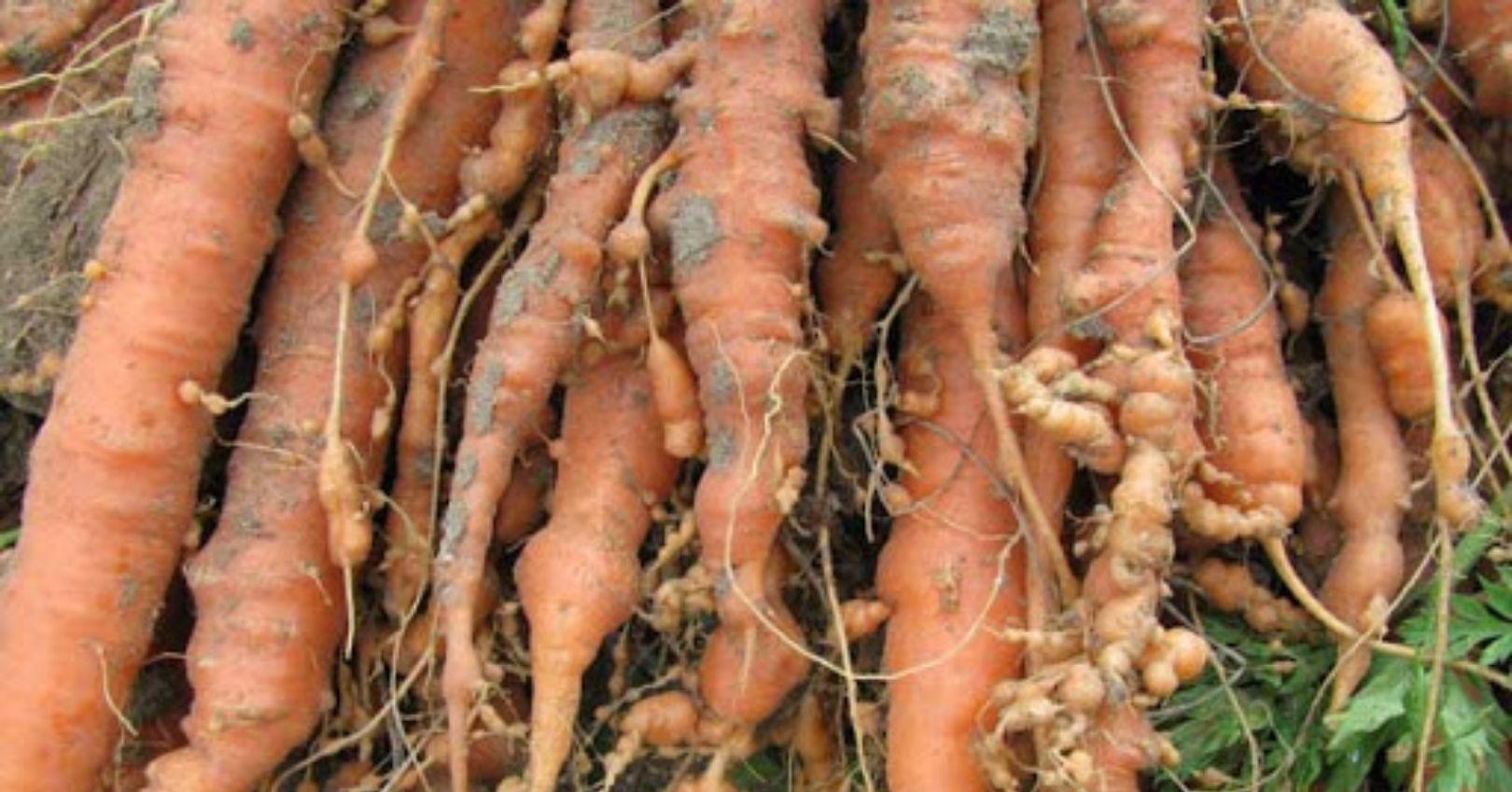
You pull up a carrot after months of careful watering and weeding. Instead of a straight orange root, you find a twisted forked mess. You wonder what you did wrong. The answer is likely beneath your feet. Soil.
Most gardeners never think about soil texture until they pull their first twisted carrot. They assume that good watering and fertilizer will fix any problem. Yet no amount of feeding can overcome soil that is too dense, too sandy, too rocky, or too compacted. Carrots cannot thrive in clay heavy or compacted soil no matter how much fertilizer you add. Soil is the foundation. Getting it right transforms results more than any other single factor.
This guide covers what ideal carrot soil looks like, how to test what you have, and how to fix problem soil. By the end, you will understand that building great carrot soil is the single best investment you can make in your garden. The carrots that follow will be sweeter, straighter, and bigger than you thought possible.
Why Soil Matters More Than Most Gardeners Realize
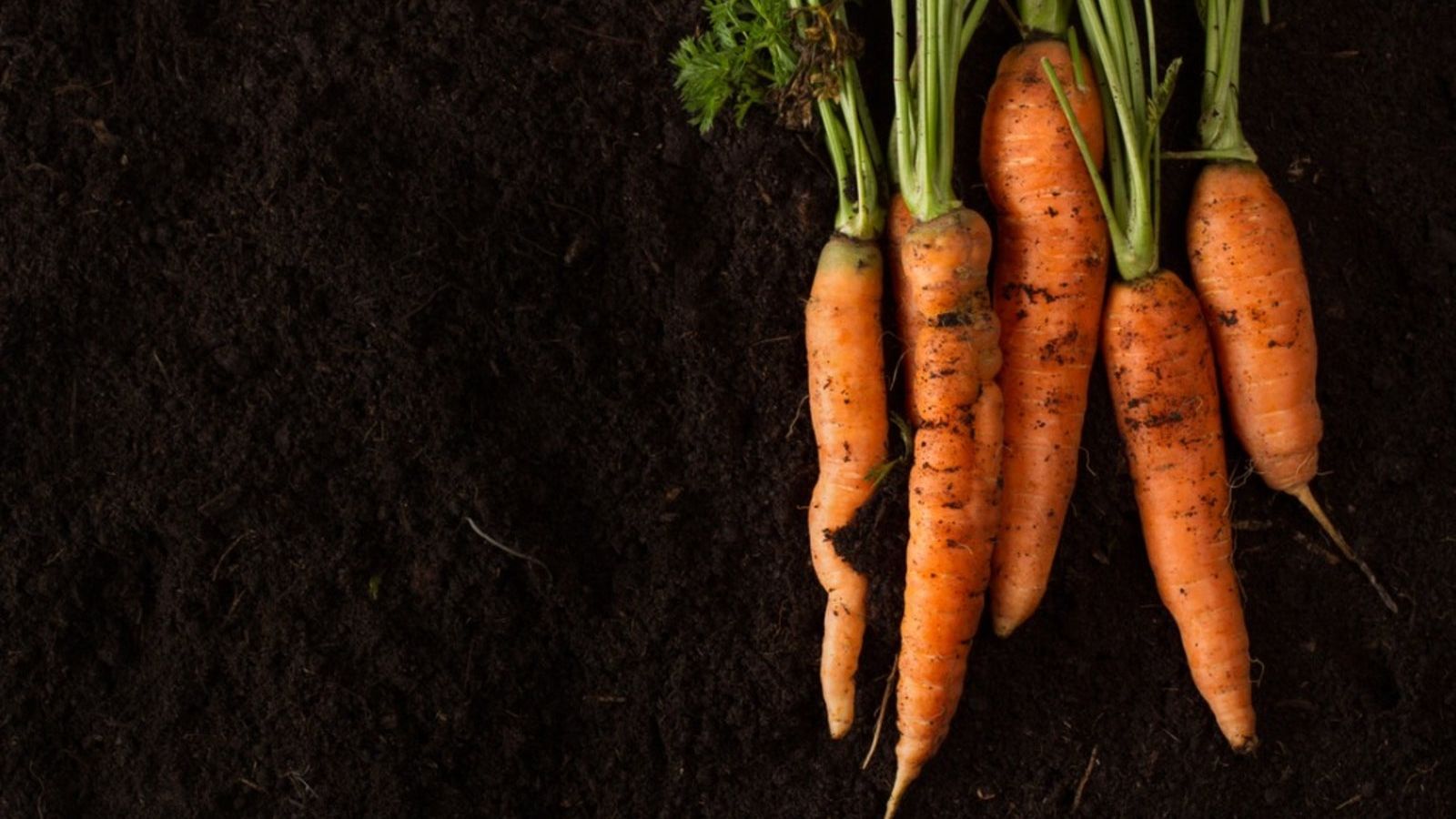
Carrots are roots that live underground for two to three months, bulging and lengthening through soil. Every inch of growth happens in the medium beneath the surface. Soil texture directly affects root shape, size, smoothness, and sweetness. This relationship is not subtle. It is absolute.
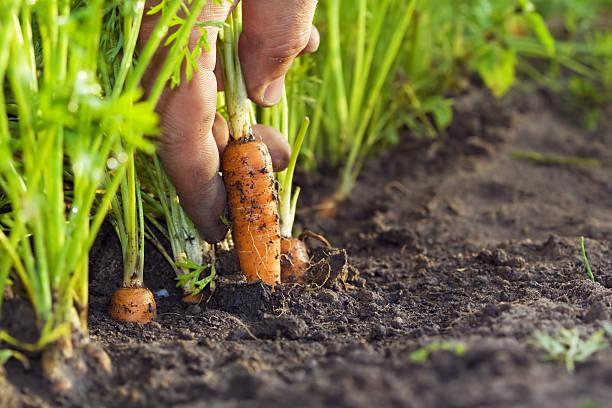
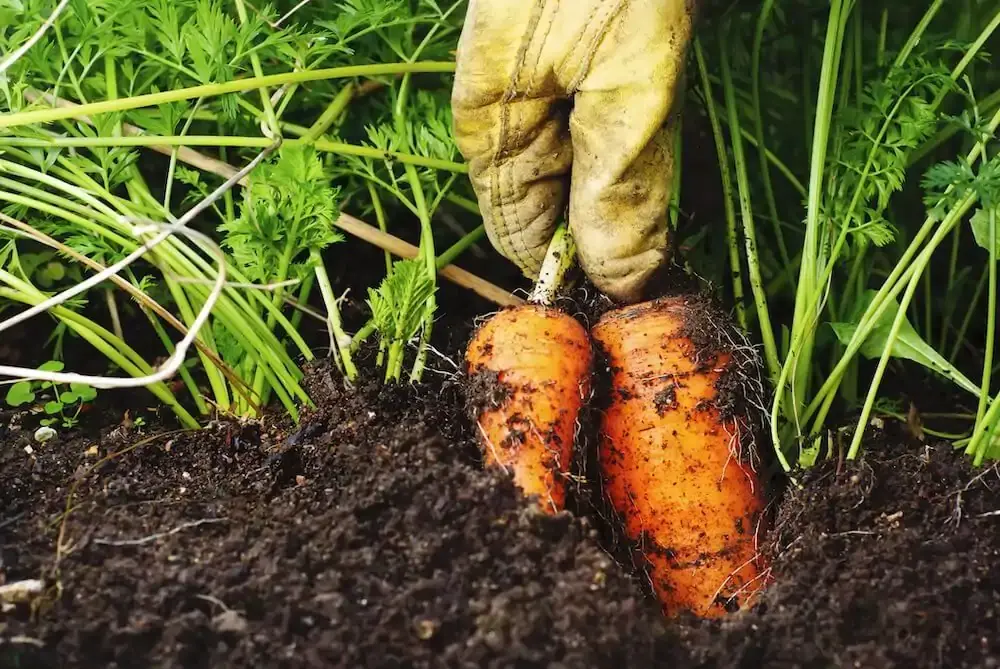
Plant a carrot seed in compacted clay and watch what happens. The root pushes down, hits resistance, and splits. It forks or twists trying to find an easier path. It stops growing when the barrier becomes too much. Plant the same seed in loose, rich soil and the root slides straight down like an arrow through air, growing long, smooth, and thick.
Soil drainage affects both nutrient availability and disease risk. Waterlogged soil leads to rot and fungal disease. Tight clay soil leads to stunted roots and nutrient lockup. Loose, well draining soil lets water move through so roots never drown and nutrients stay available.
Soil organic matter holds moisture and nutrients so roots have access to both water and food. Most home garden soil is lacking in organic matter, which is why amendments are so important. The soil in your backyard probably came from a construction site, a parking lot, or years of foot traffic and neglect. It is not carrot soil. It needs to be built.
This is not discouraging news. It is liberating. Because unlike weather or pests, soil is entirely in your control. You can build it year after year until carrots thrive in conditions that once seemed impossible.
The Ideal Carrot Soil Texture and Structure
Perfect carrot soil feels a certain way in your hand. It looks a certain way in the bed. If you can picture this ideal and recognize it, you will know when you have achieved it.
Loose and crumbly is the starting point
Ideal carrot soil is loose and crumbly with no large clods or compaction. You should be able to push a finger into the soil easily and not meet resistance. A simple test is to squeeze moist soil in your hand. If it crumbles apart when you open your hand, the texture is good. If it holds a tight ball, it is too clay heavy.
Loose soil allows carrot roots to push straight down without twisting or forking. The root meets no obstacles, no pressure, no resistance. It just grows.
Well draining but not sandy
Ideal carrot soil drains water quickly but holds some moisture for the plant to use. This is the hardest balance to explain and the easiest to get wrong.
Very sandy soil is too fast draining. Water runs right through, leaving carrots dry and small. A carrot in pure sand is like a plant in a sieve. Heavy clay drains too slowly, causing rot and stunting. The happy medium is sandy loam or loamy soil.
Sandy loam is roughly 70 percent sand, 20 percent silt, and 10 percent clay, though exact ratios matter less than feel and drainage. It is soil that drains in hours not days or weeks. It is soil that does not hold puddles. It is soil where you can feel individual sand particles when you rub it between your fingers, but it also sticks together slightly when squeezed.
Deep and rock free
Carrots need depth to grow long, straight roots. Most carrot varieties reach eight to ten inches long or more. Surface rocks cause carrots to fork or split as roots hit obstacles and redirect around the barrier. At least eight to ten inches of loose soil allows most carrot varieties to reach full size.
Removing stones and debris during soil prep is an important step that gardeners often overlook. A single rock at four inches depth can split an entire carrot crop in that area. Screening soil sounds tedious, but it prevents months of wasted effort and disappointing harvests.
Rich in organic matter ties it together
Organic matter like compost, aged manure, and leaf mold improves both sandy and clay soils. It is the great equalizer because it helps sandy soil hold moisture and helps clay soil drain better. Soil with 3 to 5 percent organic matter is ideal for carrots.
You know your soil has enough organic matter when it holds together loosely, feels crumbly, and smells like earth and forest floor. It should be dark, not gray or pale. It should have visible bits of partially decomposed material. It should feel alive in your hand.
Understanding Soil pH for Carrots
pH is a measure of how acidic or alkaline soil is on a scale of 0 to 14. Carrots prefer slightly acidic to neutral soil in the range of 6.0 to 6.8 pH. This is not arbitrary. At this pH range, nutrients are most available to roots and soil microbes thrive.
What happens if pH is too low, too acidic. Nutrient deficiency becomes common and disease risk rises. Certain fungi and pathogens thrive in acidic conditions. Carrots become susceptible to issues that well pH soil resists.
What happens if pH is too high, too alkaline. Micronutrient lockup occurs, especially boron and iron. The nutrients are in the soil but roots cannot absorb them. Deficiency symptoms appear even in rich soil. Carrots may develop hollow centers or poor texture.
pH affects nutrient availability so even rich soil cannot feed carrots well if pH is off. This is why a soil test is the only reliable way to know your pH and why pH can vary even within a small yard. One section of your garden might be 6.2 and another 7.8. You cannot assume.
Common amendments to lower pH include sulfur and coffee grounds. To raise pH, add lime. But pH changes slowly so amendments should be added months in advance for best results. Add sulfur in autumn and test in spring. This gives the soil time to integrate the change and reach a stable new pH.
Organic Matter and What It Does for Carrot Beds
Organic matter is decomposed plant and animal material that has turned into dark, crumbly humus. It acts like a sponge, holding water and nutrients. This simple fact explains why it is so transformative for problem soils.
Organic matter improves clay soil by separating particles and improving drainage. Imagine clay as sheets of paper stacked tightly together. Organic matter is like inserting sawdust between every sheet, creating space and channels for water to move. The clay becomes fluffier and less waterlogged.
Organic matter improves sandy soil by helping it hold water and nutrients longer. Sand is like marbles. Water runs right through. Organic matter fills the gaps around the marbles, creating pockets that hold moisture and nutrients so roots can access them.
Organic matter feeds soil microbes, which in turn feed plants. Soil is not just mineral and rock. It is alive. Billions of bacteria, fungi, and other organisms live in healthy soil. These organisms break down organic matter and minerals, making nutrients available to roots. They also defend against disease and pests. Poor soil is often poor because it is biologically dead. Adding organic matter revives it.
Finished compost is the best choice for carrot beds because it is stable and nutrient rich. Aged manure works well too, but fresh manure can burn roots and invite disease. Adding two to three inches of compost to the top of the carrot bed before planting is the single best soil amendment you can make.
After plants are established, mulching around them helps maintain soil moisture and temperature. A two inch layer of straw or shredded leaves over the soil keeps it cooler in summer and warmer in winter, and it gradually breaks down into more organic matter.
Step by Step Guide to Testing Your Carrot Soil
Soil testing sounds intimidating but it is straightforward and affordable. The results give you a roadmap for improvement.
Gathering soil samples
Soil varies from spot to spot so you need to test the actual bed where carrots will grow. Gather samples from five or six different spots in the bed, mix them together, and let them dry. A handful of soil is enough to send for testing.
The best time to test is autumn or early spring so amendments have time to work in. If you test in autumn, you can add compost or sulfur and let it integrate all winter. If you test in spring, you can still adjust but you have less lead time before planting.
Choosing a testing lab
Most university extension services offer affordable soil testing, usually under ten dollars. Extension tests typically measure pH, nutrients (nitrogen, phosphorus, potassium), calcium, magnesium, and organic matter. Results come back with recommendations for amendments based on what carrots need.
Online resources like your county extension website list where to send samples. A quick search for "soil testing near me" or "[your state] extension soil test" will point you to the right lab.
DIY testing methods
Simple tests you can do at home give rough estimates. The jar test for soil texture is useful and fun. Fill a clear jar with soil, water, and a few drops of dish soap. Seal it, shake it hard, and let it settle overnight.
Sand settles first, silt in the middle, and clay on top. You can estimate your soil composition by the layers. If the bottom layer is thick, your soil is sandy. If the top layer is thick, your soil is clay heavy. If the layers are roughly equal, your soil is loamy.
Keep in mind that DIY tests give you rough estimates but official tests are more thorough and worth the small cost. An extension test also measures pH and nutrient levels, which DIY methods cannot accurately detect.
Interpreting results
Extension test results come with recommendations for amendments specific to carrots. Recommendations might include adding sulfur to lower pH, adding lime to raise it, or adding compost to improve texture. The report often specifies amounts such as two tons of compost per thousand square feet.
Read the recommendations carefully and follow them as closely as you can. They are based on decades of research and thousands of gardens. The extension service knows what works.
How to Amend Poor Soil for Carrots
Different soil problems require different solutions. Once you identify your problem, the fix becomes clear.
Heavy clay soil needs compost and time
Clay soil is dense, sticky, and often waterlogged. Carrots in clay often come out short, forked, or twisted because they cannot push through the resistance. The good news is that clay soil is easy to fix with compost.
Add three to four inches of compost or aged manure and mix it into the top eight inches of soil. This should be done weeks or months before planting so it has time to integrate. Do not expect perfection the first year. The first season, you will notice improvement. By the second or third year, the bed transforms.
If amending is impractical because the clay layer is very thick, raised beds filled with loamy soil are an alternative. A raised bed lets you bypass the problem entirely by creating perfect soil in a contained space.
Sandy soil needs organic matter and mulch
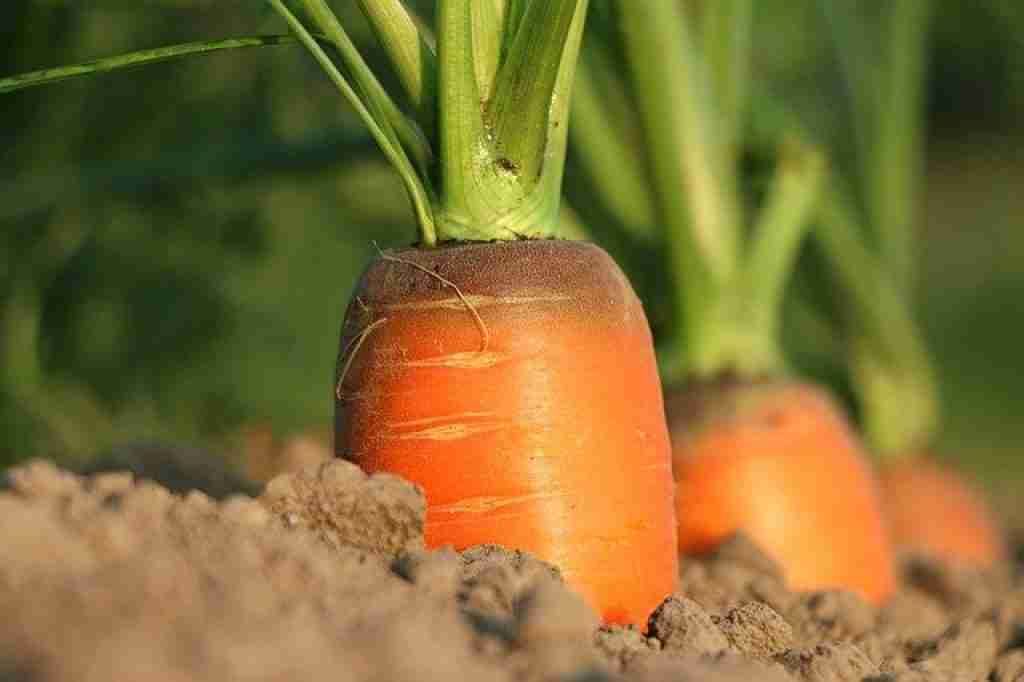
Sandy soil is loose and fast draining but unable to hold water or nutrients. Carrots in sand often stay small and dry. Add two to three inches of compost to improve water holding capacity.
Sandy soil amended with compost needs more frequent watering but drains well enough not to rot. Mulching sandy soil helps retain moisture even more. A two inch layer of straw or shredded leaves makes a huge difference in how long soil stays moist between waterings.
Rocky or debris filled soil needs screening
Rocks and debris cause carrots to split, fork, or stop growing. Screening or removing larger stones before planting is essential, especially in the top eight to ten inches.
This is time consuming but prevents months of wasted effort. A sturdy garden fork and a screen or sieve can make the work faster. Some gardeners rent a soil screener for a few hours. Others do it by hand in sections. However you do it, clearing the bed of rocks is worth the labor.
Compacted soil needs deep cultivation and organic matter
Compacted soil is hard and dense, often from foot traffic or heavy equipment. Double digging or deep cultivation can help break up compaction. Add organic matter at the same time to improve structure.
This is hard labor but worth it for a single bed. Alternatively, you can rent a tiller to break up the compaction faster. Some gardeners simply raise the bed and fill it with good soil, which is easier than trying to fix deep compaction.
Improving soil year by year is the long game
Great carrot soil is built over time, not created overnight. Adding compost every year is the most important ongoing practice. Soil microbes and structure improve with each amendment cycle.
Rotating crops and not growing carrots in the same bed every year also helps soil stay balanced. After you harvest carrots, plant something else. Carrots are hungry plants. Soil benefits from a year off to recover and rebuild.
Common Soil Mistakes That Ruin Carrot Crops
Learning from others' mistakes saves time and disappointment.
Using clay soil straight from the backyard without amendment leads to twisted, forked, stunted carrots. Amend before planting. Do not expect it to work without improvement.
Planting in compacted soil from foot traffic or old buildings causes carrots to fork and stress. Loosen the soil first. A garden fork and some effort now beats frustration later.
Ignoring pH and growing carrots in highly acidic or alkaline soil causes nutrient problems even in rich soil. Test and adjust. pH matters as much as texture.
Skipping organic matter amendments and hoping fertilizer alone will work leads to thin, small roots. Compost is the foundation. Fertilizer is the enhancement.
Planting in rocky soil with hidden stones that block roots splits carrots. Screen soil before planting. One rock can ruin an entire crop in that spot.
Overwatering in heavy soil causes rot and disease. Improve drainage with compost first. Then water thoughtfully, not constantly.
Tilling soil when it is too wet causes compaction instead of improvement. Wait for soil to dry out first. Wet soil is fragile. Disturbing it when wet damages structure.
How plantlyze Can Help You Track Soil Improvements
Building great soil is a journey, not a destination. Plantlyze is an AI powered plant care tool that helps gardeners record and improve their growing conditions over time.
You can log information about your soil type, pH, amendments added, and compost added each year. Plantlyze can track which beds performed best and help predict which soil changes will help next season. You can upload photos of your soil and foliage to see correlations between soil quality and plant health.
Visit plantlyze dot com, create a free garden profile, and start tracking your soil amendments so you can build better beds year after year. Over time, your personal history becomes a guide for future decisions, refined by AI to match your specific garden conditions.
Conclusion
Great carrot soil is built on a few simple principles. Test your soil, amend with compost, ensure good drainage, and match pH to carrot needs. Perfect carrot soil is the foundation. Everything else follows.
The soil in your backyard probably came from somewhere that was never meant to grow vegetables. It probably feels too heavy or too light. It probably has rocks and compaction. This is normal. It is also completely fixable.
Invest in soil now and you invest in years of easier growing and better harvests. The carrots you pull in year three will be straighter, sweeter, and bigger than year one because the soil will be alive, loose, and rich. That is not magic. That is just what happens when you build the foundation right.
Track your soil journey with plantlyze dot com so you can see your improvements over time and celebrate the work you have done. In a few years, you will pull a perfectly straight, sweet carrot from soil you built yourself. That moment is worth the effort.
References
University of Georgia Commercial Production and Management of Carrots
https://fieldreport.caes.uga.edu/publications/B1175/commercial-production-and-management-of-carrots/Utah State University Extension How to Grow Carrots in Your Garden
https://extension.usu.edu/yardandgarden/research/carrots-in-the-gardenVirginia Tech Root Crops Carrots
https://www.pubs.ext.vt.edu/content/dam/pubs_ext_vt_edu/426/426-422/SPES-249.pdfNorth Carolina State University Guilford County Cooperative Extension Carrots Growing Guide
https://guilford.ces.ncsu.edu/wp-content/uploads/2022/03/Carrots-grow-it.pdfMichigan State University How to Grow Carrots
https://www.canr.msu.edu/uploads/resources/pdfs/carrots2011.pdfCornell Cooperative Extension Soil Testing
https://ccesaratoga.org/gardening-landscape/soil-testingUniversity of Florida IFAS Extension New Vegetable Gardener Soil Testing pH and Nutrients
https://blogs.ifas.ufl.edu/orangeco/2020/04/21/new-vegetable-gardener-soil-testing-ph-and-nutrients/Wisconsin Extension Growing Carrots in Home Gardens
https://milwaukee.extension.wisc.edu/files/2016/11/CarrotsWSU.pdf