One morning you step into your garden and notice white powder on your carrot foliage. Your first instinct is panic. Your second is confusion. What is happening? Is your crop doomed?
Powdery mildew is a fungal disease that looks dramatic but is often less serious than other carrot diseases. In fact, powdery mildew is actually rare on carrots compared to other plants, which makes it surprising when it appears. The good news is that it is manageable with simple methods.
This guide covers identification, causes, treatment, and prevention of carrot powdery mildew. By the end, you will understand that while powdery mildew looks frightening, it rarely threatens your harvest. You will know how to treat it if it appears and how to prevent it from coming back.
What Powdery Mildew Is and Why It Appears on Carrots
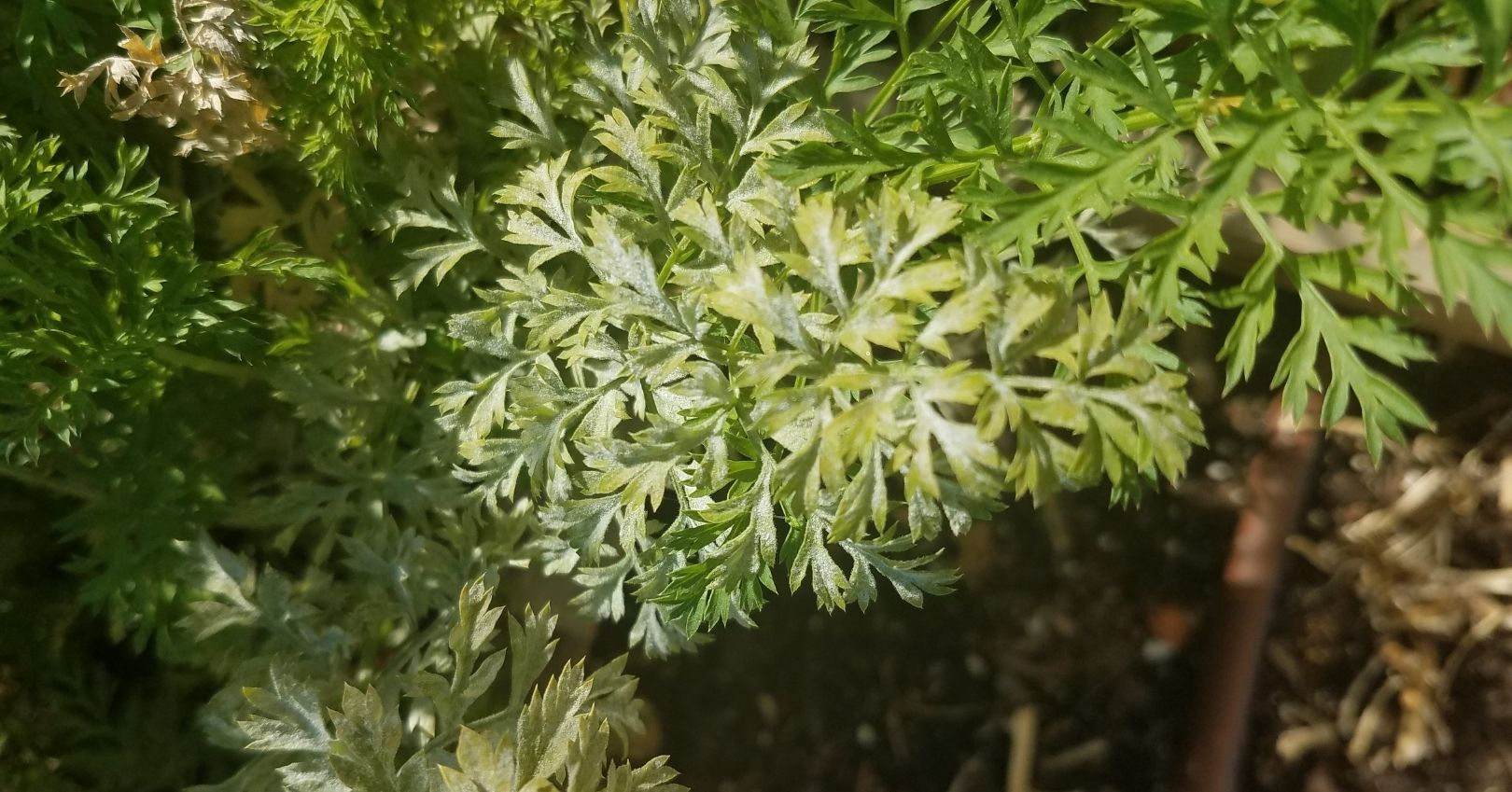
Powdery mildew is a fungal disease caused by several species of fungi in the Erysiphaceae family. The disease is called powdery mildew because it appears as a white or grayish powder on plant surfaces. That powder is actually fungal spores and mycelium growth.
Powdery mildew is different from other fungal diseases because it lives on the leaf surface rather than inside the leaf tissue. This surface dwelling nature makes powdery mildew easier to control with sprays than some other fungal diseases. You are not trying to penetrate into the leaf. You are cleaning off what is sitting on top.
Powdery mildew spores travel through air and can spread between plants and even between gardens. A single spore landing on a carrot leaf can start a new infection. Powdery mildew spores are everywhere in the environment.
Yet carrots are not the preferred host for most powdery mildew species, so the disease is uncommon in carrot beds. When powdery mildew does appear on carrots, it usually indicates environmental stress or nearby infected plants. The disease found its way to your carrots because conditions were right or because it spread from a neighboring garden.
How to Identify Powdery Mildew on Carrot Plants
Spotting powdery mildew correctly is the first step to managing it.
The classic white powder appearance is unmistakable
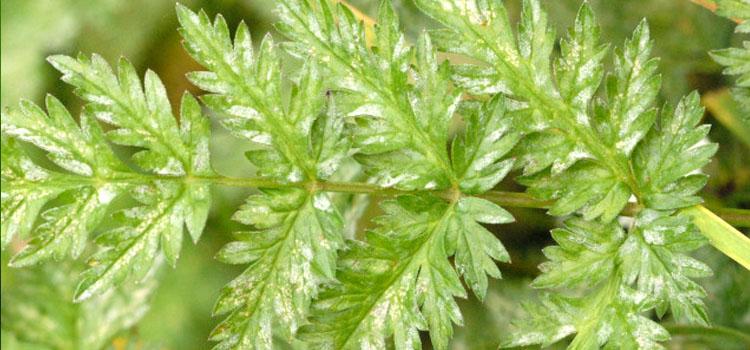
Powdery mildew appears as a white or grayish coating on leaf surfaces. The powder looks like it was dusted on with flour. That is exactly what it is. Fungal spores and mycelium growth create the white coating.
The powder rubs off easily on your fingers, leaving a streak. This is different from some other white coatings that do not rub off easily. If you can wipe away the white coating with your finger, it is powdery mildew.
Early infections often appear on upper leaf surfaces first. As the disease progresses, the coating covers more leaf area. What starts as a few small patches becomes widespread coverage if left untreated.
Location on plants matters for diagnosis
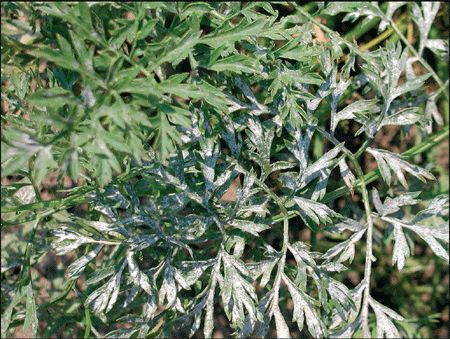
Powdery mildew usually appears on lower, older leaves first. The disease can also appear on stems and leaf undersides. Stress conditions make upper leaves susceptible too. Understanding location helps distinguish powdery mildew from other leaf diseases.
Plant response to infection
Infected leaves become slightly yellowed or discolored beneath the powder. Heavily infected leaves may wither or die prematurely. Plant growth may slow if infection is severe.
Carrots rarely suffer serious harm from powdery mildew even if heavily infected. This is important to remember when you are deciding how much effort to put into treatment.
Distinguishing from other white coatings
Downy mildew appears on leaf undersides with angular patterns. Powdery mildew appears on leaf surfaces with no specific pattern. Water spotting or mineral deposits look white but wipe off completely and do not return.
Taking a clear, close up photo helps confirm diagnosis. If you are uncertain, upload the photo to plantlyze dot com and let the AI confirm what you are seeing.
Why Powdery Mildew Develops in Certain Conditions
Understanding what triggers powdery mildew helps you prevent it.
Warm daytime temperatures around 70 to 80 degrees Fahrenheit are ideal for powdery mildew growth. Cool nights followed by warm days create perfect conditions. Think of it as a feast for the fungus. Daytime warmth wakes it up. Nighttime cool allows spore release.
Moderate humidity is favored, but powdery mildew actually tolerates dry air better than other fungal diseases. High humidity over 80 percent actually slows powdery mildew development. This is the opposite of many fungal diseases that love wet conditions.
Poor air circulation is a major contributing factor. Crowded plants with dense foliage create pockets where powdery mildew thrives. Shade and reduced light favor powdery mildew development.
Transplants from nurseries or gardens with powdery mildew are common sources of infection. If you buy seedlings, inspect them carefully for any white coating before bringing them home.
Stress from watering problems, poor soil, or pest damage makes plants susceptible. A healthy, vigorous plant resists powdery mildew better than a weak, stressed plant. Growing healthy carrots is the first line of defense.
Early Signs and Symptoms to Watch For
Catching powdery mildew early allows quick action before it spreads.
Look for the first white spots or patches
Early powdery mildew appears as small, isolated patches of white powder. These patches may be easy to miss if you are not looking closely. Finding the disease at this stage allows quick action. Weekly scouting catches powdery mildew early when it is easiest to control.
Check both leaf surfaces
Examine upper and lower leaf surfaces for the white coating. Powdery mildew on carrot foliage usually appears on upper surfaces first. Checking undersides catches spreading infections. A magnifying glass helps see early stage infections that are just beginning.
Notice environmental triggers
Warm days following cool nights are the time to expect powdery mildew. Watching the weather forecast helps predict likely infection windows. Even one warm period can trigger disease development. Recognizing these patterns helps with preventive spraying timing.
Monitor plant stress
Check for signs of underwatering or overwatering. Stressed plants are more susceptible to powdery mildew infection. Maintaining consistent soil moisture reduces infection risk. Healthy, vigorous plants resist powdery mildew better than weak plants.
Organic Treatment Options That Work
Several organic methods effectively manage powdery mildew.
Sulfur dust and spray are the most effective organic option
Sulfur is the classic organic treatment for powdery mildew. Sulfur disrupts fungal reproduction and kills spores. Sulfur dust is applied by dusting the powder onto foliage. Sulfur spray is applied as a liquid suspension.
Apply sulfur in early morning or late evening to avoid leaf burn. Never apply sulfur within two weeks of oil sprays as the combination can damage foliage. Repeated applications every seven to ten days may be needed for severe infections.
Sulfur works best as a preventive before disease appears. Once heavy infection develops, sulfur slows spread but may not eliminate it entirely.
Baking soda spray is inexpensive and effective
Baking soda spray is a simple homemade option. The basic recipe is one tablespoon baking soda and one tablespoon horticultural oil per gallon of water. Adding a few drops of dish soap helps the mixture stick to leaves.
This spray disrupts fungal cell membranes. Apply every seven days for control. Baking soda spray is very safe for people and beneficial insects. It is also incredibly inexpensive.
Milk spray is an old remedy with scientific support
Milk spray is an organic option that actually works against powdery mildew. Milk contains compounds that trigger plant defense responses. Using diluted milk, around 10 percent milk to 90 percent water, works well. Raw or pasteurized milk both work.
Apply every seven to ten days. This method is very safe and inexpensive. The science behind it has been confirmed in university trials.
Neem oil provides moderate control
Neem oil is a broad spectrum organic fungicide. It works against powdery mildew, though less effectively than sulfur. Neem oil also controls other pests and fungal diseases. Applying every seven to fourteen days helps manage infections. Follow label directions for dilution and application safety.
Improving air circulation is free and effective
Remove lower infected leaves to improve air flow. Better air circulation slows disease spread. Thin dense foliage to help air dry wet leaves faster. Proper plant spacing at planting time prevents this problem.
Sometimes the best treatment is as simple as removing infected leaves and improving spacing. Problem solved without any sprays.
When to stop treating and remove the plant
If powdery mildew covers more than 50 percent of foliage, removal may be best. Removing heavily infected plants prevents spread to healthy neighbors. Carrots are usually still edible even with significant powdery mildew. Only remove if the disease is absolutely overwhelming and you want a clean bed going forward.
Conventional Fungicide Treatments
Chemical options exist for gardeners who prefer them.
Sulfur based fungicides
Conventional sulfur products are more concentrated than organic options. They work the same way as organic sulfur by disrupting fungal cells. Application frequency follows product label directions. Mixing with other fungicides requires checking label compatibility.
Triazole fungicides
Triazole fungicides are effective against powdery mildew. They prevent fungal growth differently than sulfur. They come as sprays ready for dilution. Following label directions for dilution and timing is essential.
Myclobutanil for serious infections
Myclobutanil is a potent fungicide for severe powdery mildew. It works systemically inside the plant. It should be used only when other methods have failed. Following all label safety precautions is non negotiable.
Application timing matters
Spray in early morning or late evening when beneficial insects are less active. Spraying when powdery mildew is visible is more effective than preventive spraying. Repeated applications every ten to fourteen days may be needed. Alternating fungicide types prevents resistance development.
Prevention Strategies That Stop Powdery Mildew Before It Starts
Prevention is always better than treatment.
Choose resistant varieties when available, though few carrot varieties have powdery mildew resistance. Space plants properly for air circulation so foliage dries quickly after rain or watering. Water at soil level, not from above, to keep foliage dry.
Avoid overhead irrigation systems that wet foliage in late afternoon. Thin dense foliage to improve light penetration and air movement. Maintain consistent soil moisture so plants stay vigorous and resistant.
Remove lower leaves as they age to eliminate surfaces where disease starts. Keep garden clean, removing debris where fungal spores overwinter. Avoid planting carrots near other plants with powdery mildew such as cucumbers or squash.
Scout regularly for early signs so treatment can begin immediately if disease appears. Monitor weather for warm days following cool nights as these trigger infections. Apply preventive sulfur spray during high risk periods if powdery mildew history exists in your garden.
How plantlyze Helps Identify and Track Powdery Mildew
Certainty about what you are seeing removes doubt and speeds up response. Plantlyze is an AI powered plant diagnosis tool that recognizes powdery mildew from photos. Users can upload photos of white coated foliage and get confirmation of powdery mildew diagnosis.
The tool can distinguish powdery mildew from downy mildew or other white coatings. Tracking powdery mildew occurrence over seasons helps predict future risks. Visit plantlyze dot com, create a free account, and upload a photo of your carrot foliage whenever you notice white coating. The AI will confirm whether it is powdery mildew and suggest treatment options.
When Powdery Mildew Is a Real Threat Versus Just a Cosmetic Issue
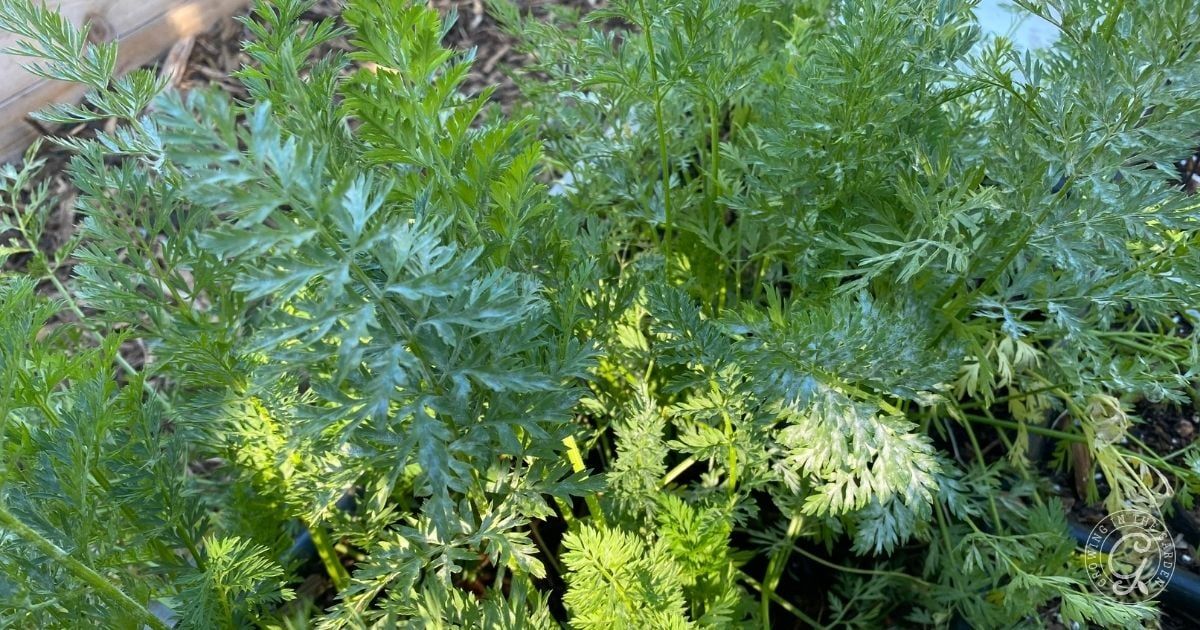
Here is the truth that should calm your worries. Powdery mildew rarely kills carrots or causes serious yield loss. The disease is more cosmetic than damaging, especially compared to other carrot diseases.
Even heavily infected plants usually produce edible roots. Powdery mildew infected roots are still safe to eat and store. The main concern is spread to other plants in the garden. Heavily infected foliage may reduce photosynthesis slightly, but usually not enough to affect harvest.
Treatment is often about maintaining plant appearance and preventing spread more than protecting yield. In late season, close to harvest, powdery mildew is usually not worth treating. Your carrots are fine. Do not stress.
Conclusion
Powdery mildew is rare on carrots, less serious than other diseases, and easily managed. Early detection and air circulation prevention prevent most infections. Even if powdery mildew appears, the crop is usually not threatened.
Organic options like sulfur or baking soda work well for the rare times treatment is needed. Simple methods like improving air circulation often solve the problem without spraying anything.
Track powdery mildew with plantlyze dot com so you can build records of when and where it appears in your garden. Over seasons, you will develop intuition about what conditions trigger it in your specific location. That knowledge makes you a better gardener.
The white powder on your carrots looks scary. But now you know it is manageable, rarely serious, and easily prevented. Breathe. Your carrots will be fine.
References
University of Wisconsin Extension Plant Disease Diagnostic Clinic Powdery Mildew
https://vegpath.plantpath.wisc.edu/diseases/Cornell University Department of Plant Pathology Powdery Mildew Resources
https://www.vegetables.cornell.edu/pest-management/disease-factsheets/UC Davis Integrated Pest Management Powdery Mildew
https://ipm.ucanr.edu/agriculture/powdery-mildew/North Carolina State University Extension Plant Disease and Pest Information
https://content.ces.ncsu.edu/extension-gardener-handbook/Ohio State University Extension Plant Pathology Resources
https://extension.osu.edu/plant-pests-diseasesUniversity of Massachusetts Extension Vegetable Disease Diagnosis
https://www.umass.edu/agriculture-food-environment/Rutgers University Extension Plant and Pest Advisory
https://plant-pest-advisory.rutgers.edu/University of California IPM Fungicide Management
https://ipm.ucanr.edu/agriculture/disease-management/