You're excited about your spinach crop, planning fresh salads and smoothies for weeks to come. Then one morning you notice something unexpected: the plant that was low and bushy yesterday has shot up overnight, developing a tall central stalk with flower buds at the top. The leaves have changed shape, looking more angular and arrow-like than the tender rounded leaves you've been harvesting. Your spinach has bolted, and the harvest you anticipated is now largely over. Understanding why spinach bolts and how to prevent it transforms your spring and fall growing seasons from frustrating to abundantly productive.
Bolting is spinach's biological response to environmental signals that tell the plant it's time to flower and produce seed for next year's generation. This natural process is unavoidable eventually, but premature bolting cuts your harvest short and makes remaining leaves bitter and woody. The good news is that you have multiple proven strategies to delay bolting and extend your spinach season significantly.
This guide walks you through exactly why spinach bolts, which factors trigger bolting in your garden, and the practical techniques that gardeners use to prevent premature flowering and maximize harvest.
What Is Spinach Bolting Really?
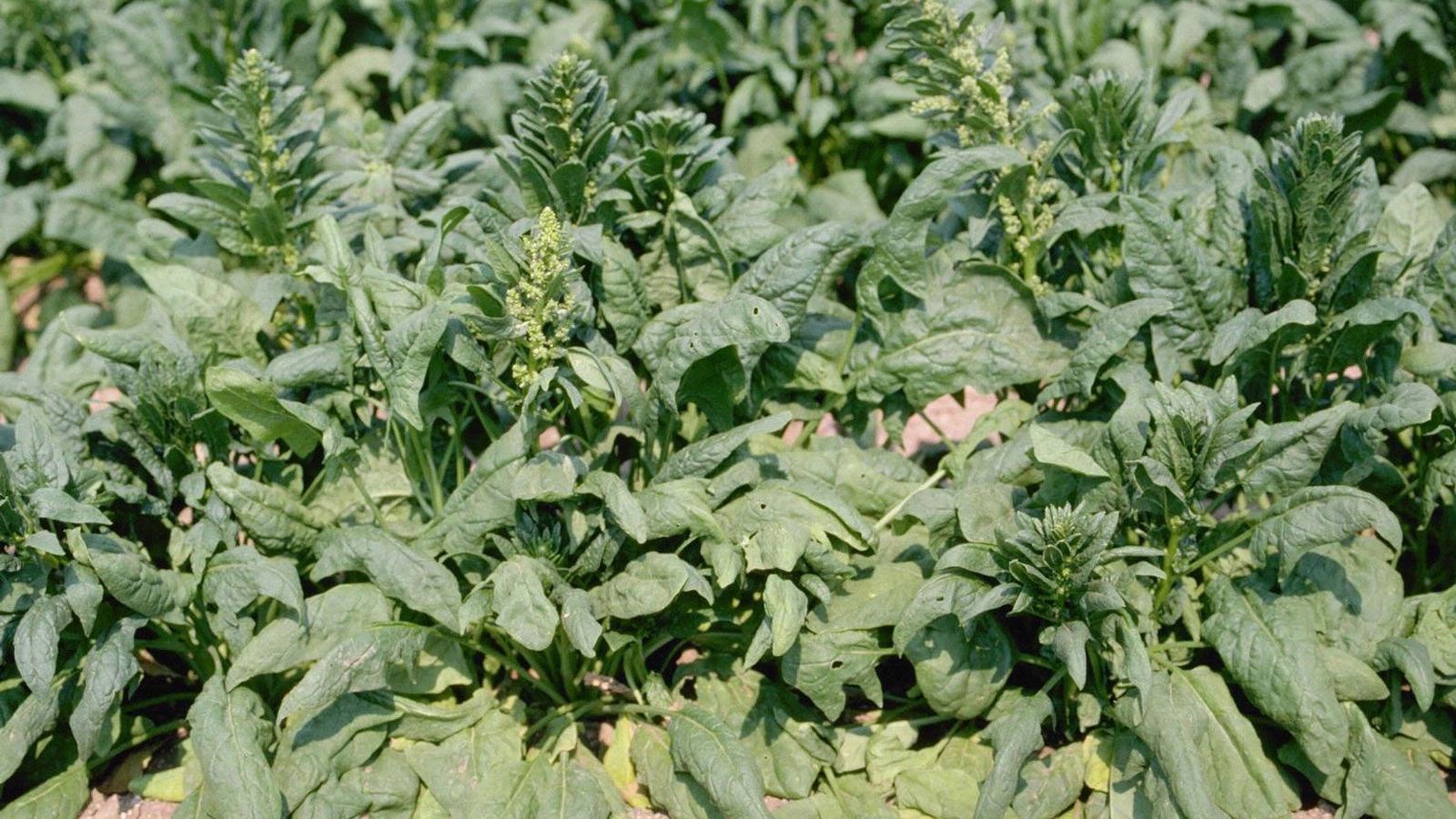
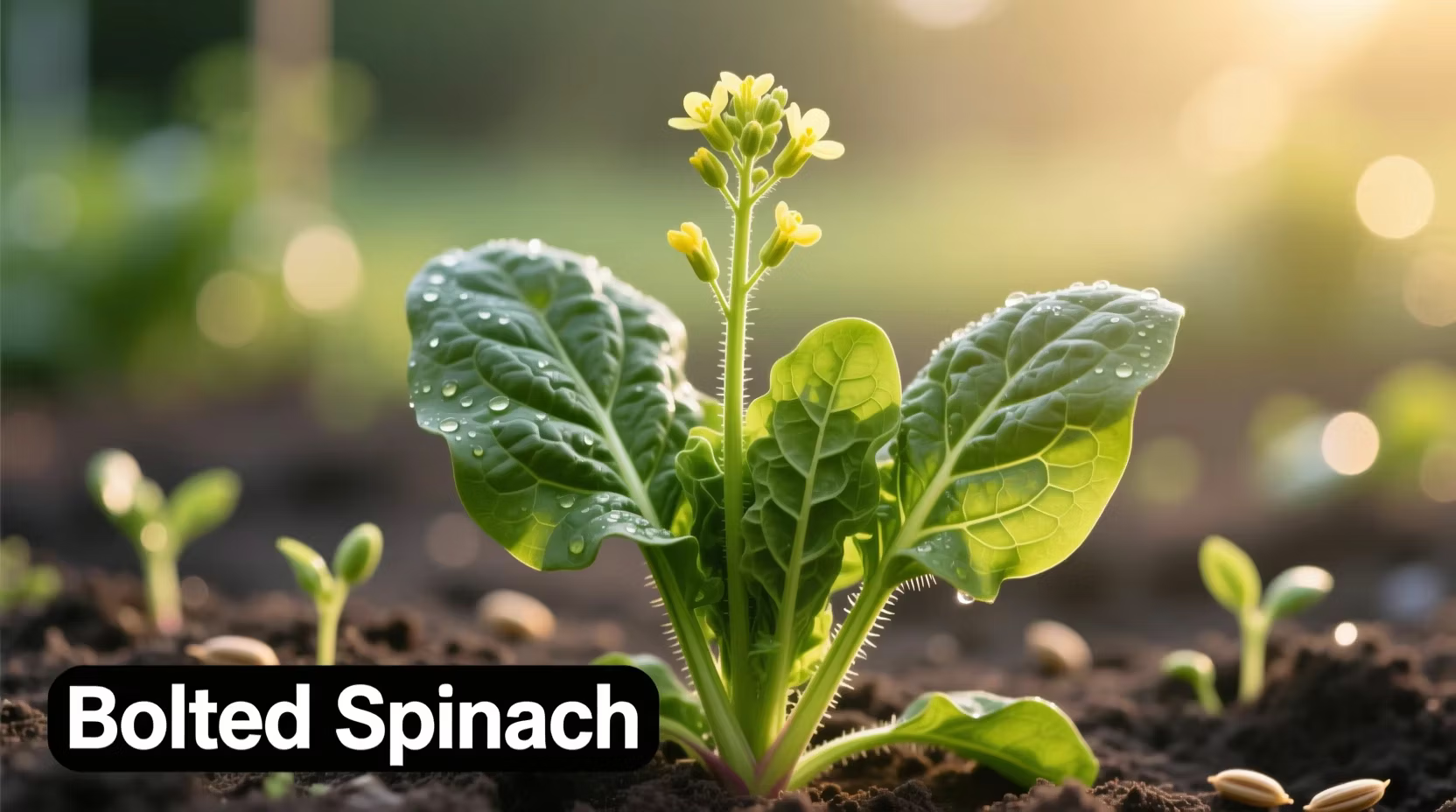
Spinach bolting is the transition from vegetative growth (leaf production) to reproductive growth (flower and seed production). Once a spinach plant decides to bolt, it stops focusing energy on expanding leaves and instead channels resources into creating a tall flower stalk with seed pods.
At the biological level, spinach evolved from Mediterranean origins where it grows as a winter annual or biennial. This heritage means the plant is genetically programmed to respond to specific environmental cues that say "it's time to reproduce." In the wild, these signals might mean winter is approaching or spring has arrived, triggering the plant to make seeds before dying.
The changes happen rapidly. Leaf shape transforms from broad, rounded, tender spinach leaves into longer, narrower, more arrow like foliage. The plant elongates dramatically, sometimes growing several inches taller in just a few days. Flowering initiates from the top of the plant with seed heads developing along the central stalk. Once bolting begins, you cannot reverse it or coax the plant back into leaf production.
What makes bolting especially frustrating is that the leaves taste distinctly bitter once the plant has committed to flowering. This bitterness comes from compounds the plant produces as part of the flowering process, and it renders the spinach far less palatable than pre-bolting leaves. The stems also become tough and woody. So even though leaves are technically edible on a bolting spinach plant, their quality has declined dramatically.
Temperature: The Primary Bolting Trigger
Temperature is the single most important factor controlling spinach bolting timing. Spinach grows best at temperatures between 50 and 70 degrees Fahrenheit, thriving in cool conditions. This is why it's classified as a cool-season crop.
Once soil and air temperatures consistently exceed 75 degrees Fahrenheit, spinach plants receive a strong signal that warm season has arrived and conditions are becoming inhospitable. This temperature signal triggers the biological pathway toward flowering. In extremely hot conditions, bolting can occur incredibly rapidly, sometimes within just days of reaching trigger temperatures.
The sensitivity to heat is why spinach bolting is virtually inevitable as summer approaches. Even with perfect prevention practices, most spinach varieties will eventually bolt once sustained heat arrives. Your goal isn't to prevent bolting entirely but to delay it long enough to harvest abundant tender leaves before the process begins.
Soil temperature matters as much as air temperature. Warm soil accelerates bolting more than warm air alone. This explains why spinach in raised beds or containers often bolts earlier than spinach growing directly in the ground, where soil temperatures stay cooler longer. The exposed soil in raised beds and containers warms faster in spring sun.
Consistent heat triggers bolting faster than fluctuating temperatures. A couple of hot days followed by cooler weather might not initiate bolting, but sustained days of temperatures above 75 degrees Fahrenheit will trigger the response. This is why spinach thrives in spring and fall when temperatures gradually change, but struggles during summer with sustained high temperatures.
Photoperiod and Day Length Effects
Beyond temperature, spinach responds strongly to day length, particularly when combined with temperature changes. Spinach is a long day plant, meaning that flowering is stimulated once daylight exceeds a critical threshold, roughly 14 hours of daylight.
This explains why spring bolting occurs. As days lengthen in spring toward summer, spinach plants receive both lengthening days and warming temperatures. The combination of these signals triggers the bolting response. This is why spinach that thrives in early spring suddenly bolts as May approaches and days become noticeably longer.
The process spinach and other biennials use to measure seasons and respond appropriately is called vernalization. It's a sophisticated sensing mechanism that evolved to ensure plants flower at the right time for survival. Spinach uses temperature, day length, and other environmental cues to determine where it is in seasonal progression.
Understanding this helps explain why location matters for spinach growing. In southern regions, long spring days combined with rapid temperature increases trigger bolting early. In northern regions with slower spring warming, spinach may grow longer before bolting because the combination of signals arrives later.
It also explains why succession planting matters. Planting spinach every two to three weeks in spring continues the cycle right up until temperatures become prohibitively warm. Later plantings bolt faster than earlier ones because days are longer and temperatures are higher by the time plants reach maturity.
Other Environmental Stressors
While temperature and day length are primary triggers, other stresses can accelerate bolting, effectively warning the plant that conditions are becoming difficult.
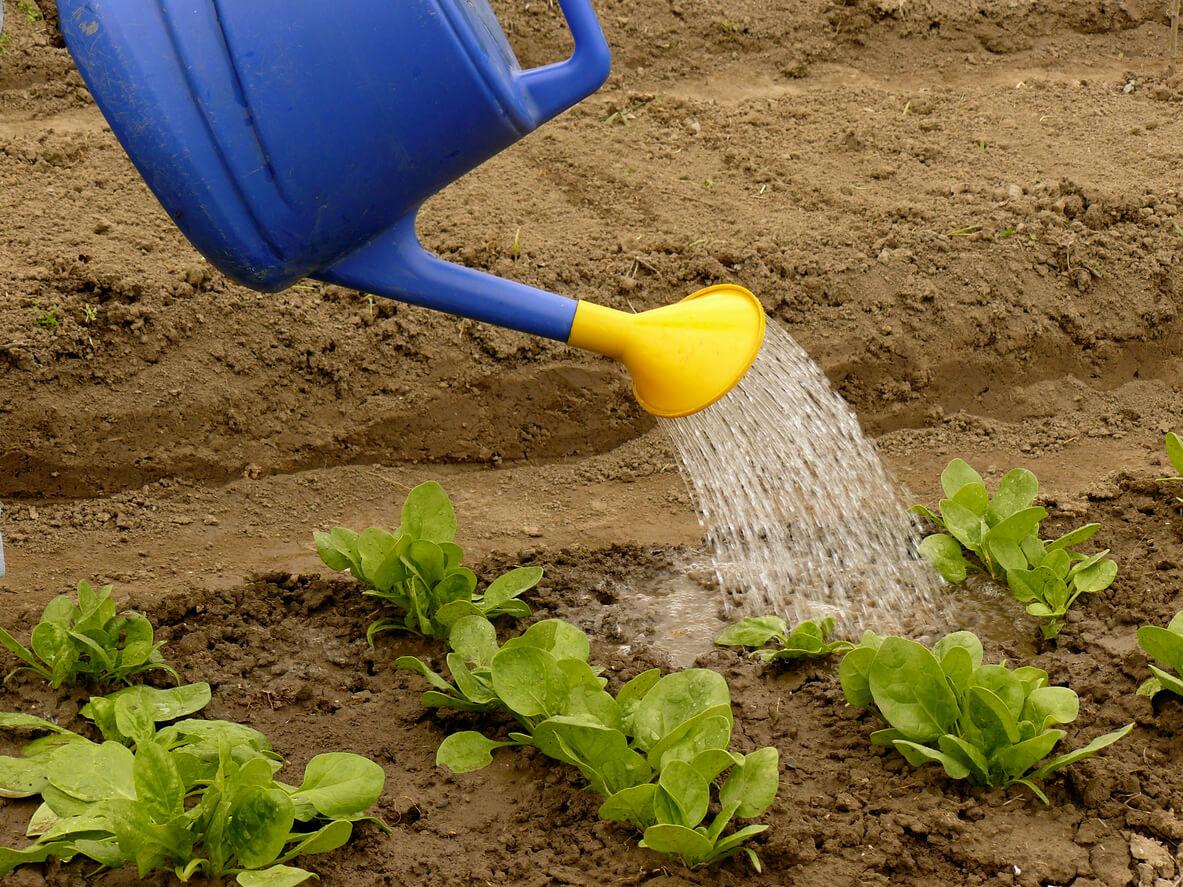
Water stress from inconsistent watering pushes spinach toward bolting. Plants interpret drought as a signal that survival is threatened and reproduction should be prioritized. Consistent moisture prevents this stress signal. Mulching around plants helps retain soil moisture and moderate soil temperature.
Soil nutrient deficiencies, particularly nitrogen, create stress that triggers early bolting. Undernourished plants prioritize reproduction over vegetative growth. Applying a balanced fertilizer with emphasis on nitrogen keeps plants vigorous and delays bolting.
Transplant shock causes significant stress that can trigger premature bolting. Starting seedlings in containers and then transplanting them into the garden sometimes shocks the plants badly enough to initiate flowering. Hardening off seedlings properly (gradually acclimating them to outdoor conditions) and transplanting on cloudy days reduces shock.
Overcrowding creates competition stress that signals the plant to reproduce before resources run out. Proper spacing of 3 to 4 inches between plants prevents crowding. In containers, ensure adequate depth (at least 12 inches) so root systems have room to develop.
Excessive light exposure, particularly afternoon sun in hot climates, creates heat stress that accelerates bolting. Conversely, insufficient light can cause plants to eventually bolt as they struggle to photosynthesize adequately.
Choosing Bolt Resistant Varieties
While no spinach variety is completely immune to bolting under extreme conditions, some varieties show significantly greater resistance than others. Knowing which varieties to plant makes an enormous difference in your harvest success.
Correnta and Spinner are among the most bolt resistant varieties available. Oregon State University trials found these varieties tolerated even prolonged heat and long days without bolting. These are exceptional choices if you're in a region prone to early spring heat or uncertain about your growing conditions.
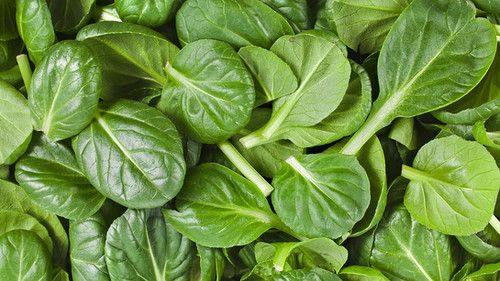
Tyee is another variety known for relatively slow bolting. This variety remains productive longer than many others before initiating flowering. It's a good choice for gardeners seeking extended harvests without extreme heat resistance of Correnta or Spinner.
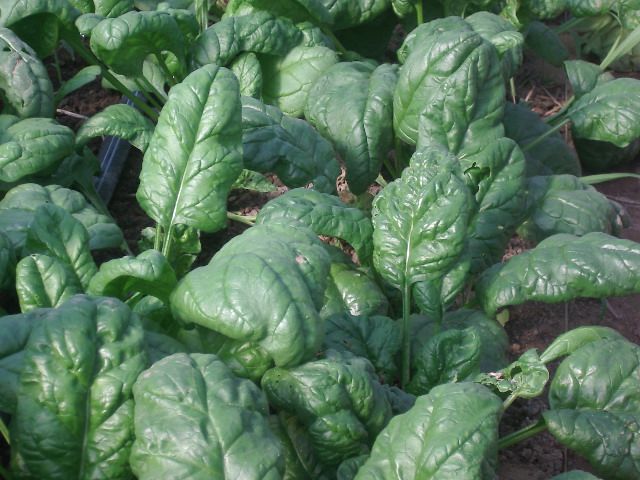
Space and other newer cultivars developed for improved bolt tolerance represent the breeding progress toward more heattolerant spinach. Seed catalogs increasingly highlight bolt resistance, so look for this characteristic when selecting varieties.
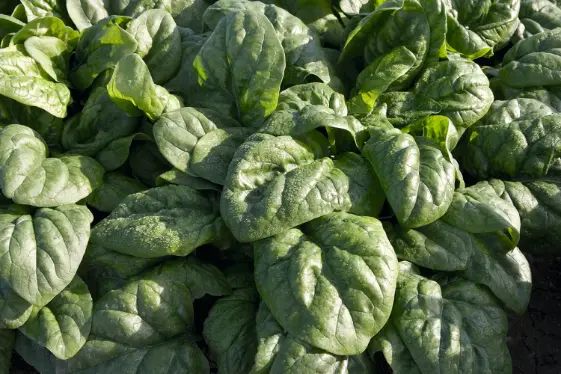
The variety difference is real and meaningful. Some older varieties begin bolting noticeably earlier than modern heat-resistant cultivars under identical conditions. If bolting has been a chronic problem in your garden, selecting resistant varieties from the start solves much of the issue.
Timing and Seasonal Planting Strategy
One of the most effective bolting prevention strategies is simply planting spinach at the right time for your climate. This requires understanding your frost dates and planning seasons accordingly.
In spring, plant spinach four to six weeks before your average last frost date. This timing allows plants to establish in cool weather and produce a harvest before temperatures warm excessively. Later spring plantings face warming conditions and longer days, causing faster bolting. The sweet spot for spring spinach is finishing your harvest before temperatures consistently exceed 75 degrees Fahrenheit.
In fall, plant spinach eight to ten weeks before your average first frost date. Fall plantings grow in gradually cooling conditions and shortening days, both of which favor leaf production over flowering. Fall-grown spinach often produces better, more abundant harvests than spring-grown spinach in many regions because environmental conditions stay favorable longer.
Succession planting extends your spinach availability by planting small amounts every two to three weeks throughout the spring. Each planting matures at a slightly different time, providing continuous harvest without needing to grow everything simultaneously through bolting season. Stop succession planting once temperatures make continued production unlikely.
This timing strategy requires paying attention to your specific climate patterns. Track when temperatures typically exceed 75 degrees Fahrenheit in spring and dip below 75 degrees Fahrenheit in fall. Plant to maximize growth during the sweet spot of temperature and day length where your spinach variety thrives without bolting.
Temperature Management Techniques
Beyond variety selection and timing, practical techniques help moderate temperature and extend the growing season before bolting occurs.
Shade cloth is remarkably effective at reducing heat stress. Shade cloth comes in various densities, with 30 to 50 percent shade being common for spinach. The cloth blocks direct sun that heats both air and soil, often reducing temperatures underneath by 5 to 15 degrees Fahrenheit. Install shade cloth on a frame above your spinach beds on hot days, or leave it in place permanently during late spring as temperatures rise. Remove it on cooler days to maximize photosynthesis.
Mulch application cools soil temperature. A 2 to 3 inch layer of straw mulch insulates soil and moderates temperature swings. Mulch also retains moisture and suppresses weeds that compete for water and nutrients. Keep mulch pulled slightly back from the stem to prevent moisture retention that encourages fungal diseases.
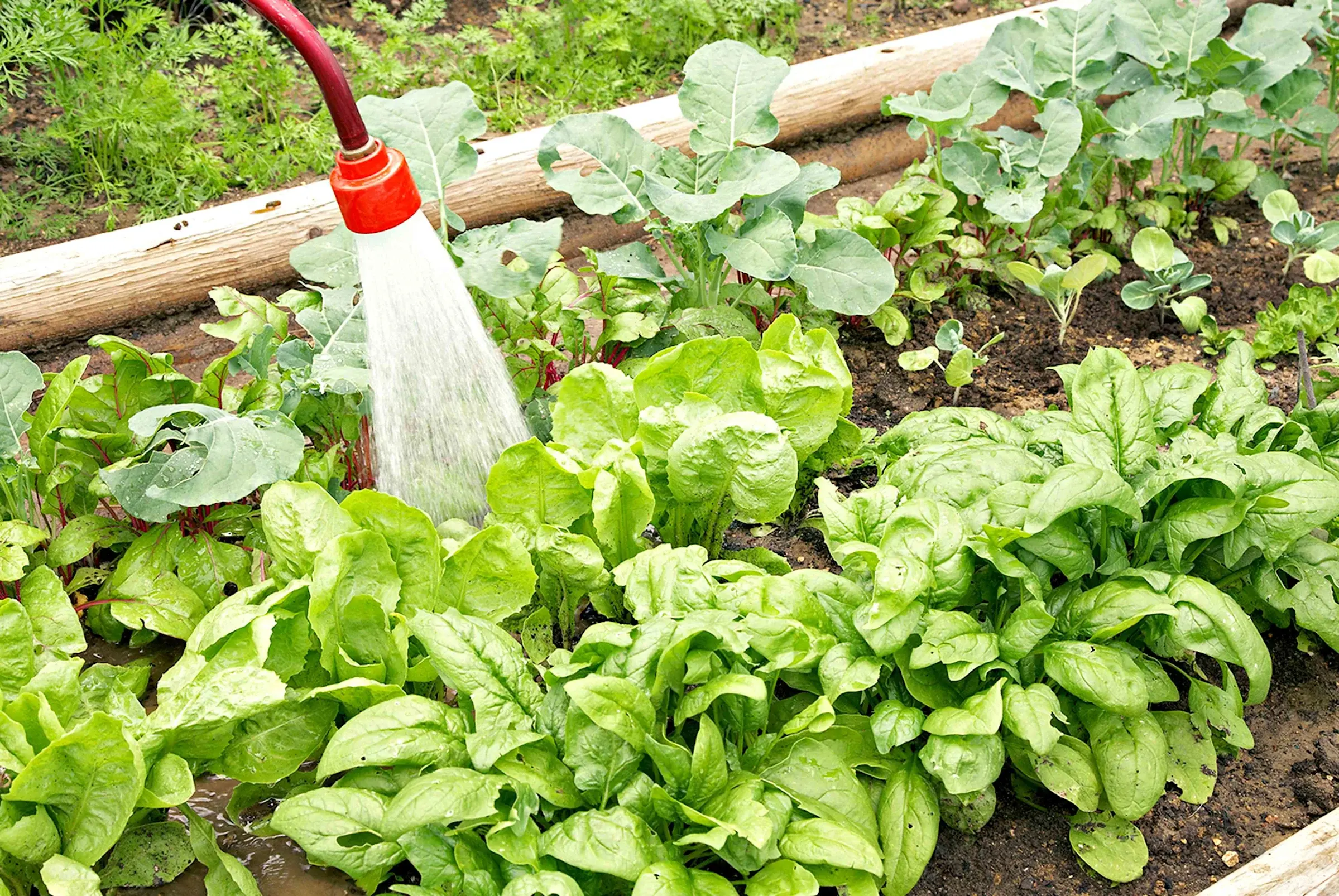
Consistent irrigation through drip systems ensures moisture availability even in heat. Consistent hydration prevents water stress that accelerates bolting. Overhead watering wets foliage, which some gardeners avoid to prevent fungal diseases, but drip irrigation at soil level works perfectly for spinach.
Location selection matters significantly. Spinach receiving morning sun but afternoon shade in hot regions produces longer than spinach in full sun. In cool climates, full sun maximizes photosynthesis, but in hot climates, afternoon shade prevents excessive heat accumulation. South or west facing locations often get too hot in summer, while north or east facing locations stay cooler.
Container growing offers temperature flexibility. Move containers to shadier locations as temperatures rise. This portability is one of the container advantage for heat sensitive crops like spinach.
Extending Your Harvest Through Harvesting
Frequent harvesting of outer leaves actually delays bolting by keeping the plant focused on replacing harvested foliage rather than transitioning to flowering. This technique extends your harvest window considerably.
The key is harvesting the older, outer leaves while leaving the inner growth point intact. The plant responds by producing new leaves to replace what you removed. This continuous growth focus delays the transition to flowering. Harvest consistently every few days rather than waiting for the plant to fully mature before picking.
Never remove more than one third of the plant's foliage at a single harvest. This prevents excessive stress that could trigger bolting. Conservative harvesting that respects the plant's need to maintain photosynthetic surface area keeps the plant productive.
Pinching and pruning techniques work similarly. Removing the top growing point before flower initiation begins encourages lateral growth and leaf production. However, once you see flower formation beginning, pruning is too late to prevent bolting.
The combination of frequent light harvesting throughout the season produces more total spinach than waiting for one large harvest before bolting. You get numerous pickings of tender leaves over weeks rather than a single harvest followed by unusable bolting.
Using Plantlyze to Monitor Bolting Signs
Early detection of bolting initiation means you can intensify harvesting before quality declines dramatically. The Plantlyze AI powered plant care diagnosis tool helps you monitor subtle changes that precede visible bolting.
Upload photos of your spinach plants weekly during the growing season, particularly as temperatures warm. The platform's analysis can identify early signs of bolting before the obvious flower stalk appears. Leaf shape changes are often the first visible indicator. When you notice leaves becoming more angular and arrow shaped rather than broad and rounded, bolting has begun.
Height changes are another early indicator. If your spinach plants suddenly shoot up several inches taller while other plants in your garden grow slowly, bolting is likely underway. Plantlyze's visual analysis can flag these changes early.
Early detection allows you to intensify harvesting immediately, picking all mature outer leaves before they become bitter. You can also apply shade cloth, ensure consistent moisture, and adjust other management factors to slow bolting progression. Even delaying bolting by one to two weeks increases total harvest significantly.
Visit Plantlyze.com to access this comprehensive plant health monitoring tool and explore additional resources for managing spinach growth and bolting prevention throughout the season.
Managing Bolted Spinach and Planning Ahead
Once spinach has clearly bolted with obvious flower formation, the harvest season is effectively over from a quality standpoint. Rather than being defeated, successful gardeners focus on next season and potentially salvaging what they can.
You can harvest bolted spinach if you remove the flower stalks and bitter outer leaves, using only the tender inner growth. Some gardeners do this successfully, though the quality is notably diminished. The seeds themselves are edible and can be sprouted, but that's beyond typical spinach growing goals.
Plan for next season by learning from your spring experience. If spinach bolted earlier than expected, consider planting earlier next spring or focusing on fall growing instead. If you discovered certain varieties held up better than others, make note and plant more of those resilient cultivars next season.
The bolting cycle is natural and inevitable eventually. Your success as a spinach grower comes from delaying that inevitability long enough to harvest abundant tender, delicious leaves before the plant transitions to flowering.
References
Bolting in Spring Vegetables -- https://www.canr.msu.edu/news/bolting-in-spring-vegetables
Management of Tolerance to Bolting for Spinach -- https://biomedres.us/fulltexts/BJSTR.MS.ID.004595.php
Spinach Bolting and Prevention Research -- https://extension.oregonstate.edu/ask-expert/featured/why-does-my-spinach-bolt