
Blog
Plant Care Insights & Tips
Explore expert tips, plant care guides, and AI-powered insights to help you grow thriving, healthy plants.
January 18, 2026
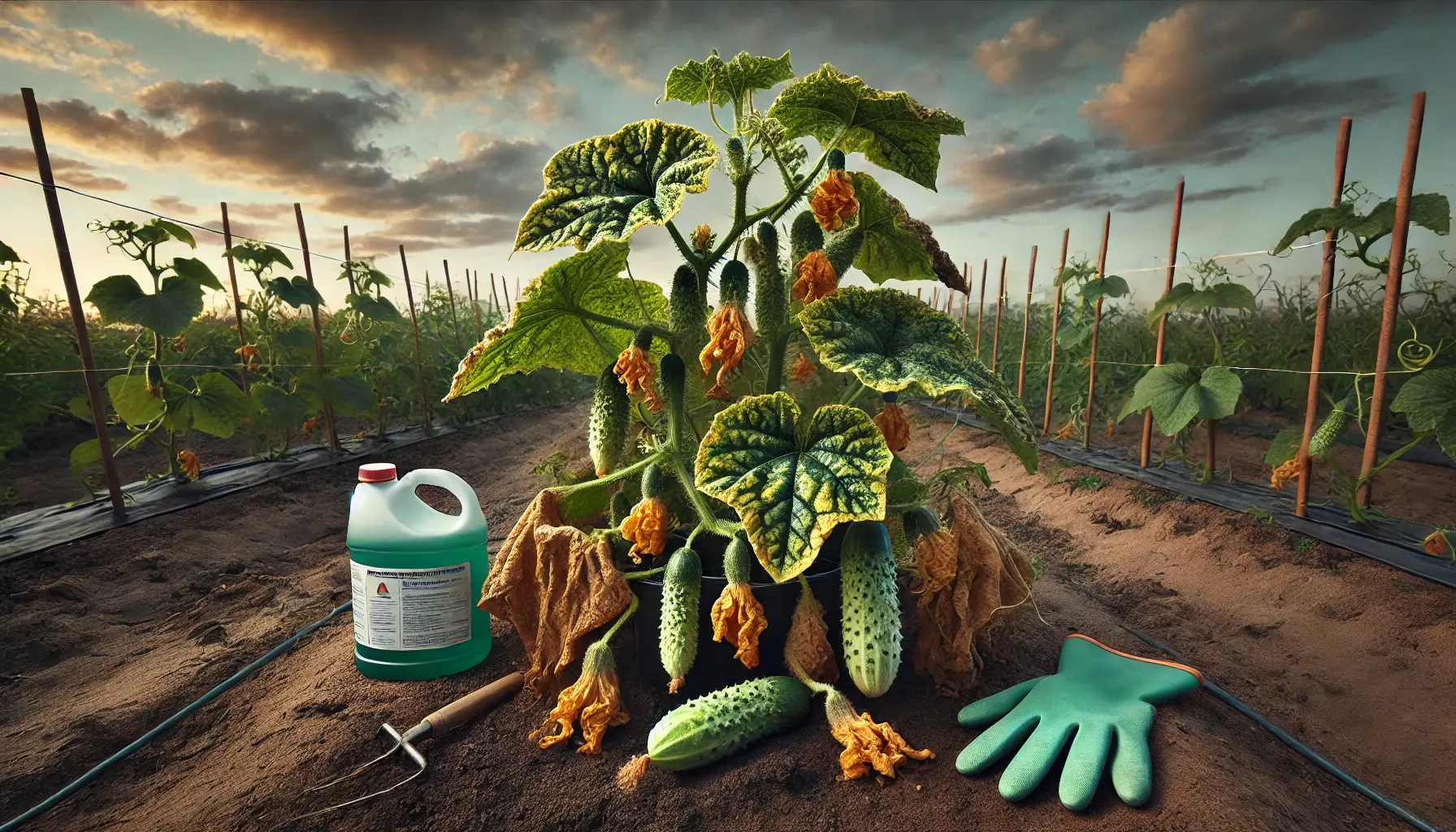
Cucumber Disease Prevention: Your Guide to Healthy Plants
Cucumber diseases devastate gardens faster than any other plant problem. One week your plants look healthy, the next powdery mildew or downy mildew appears. Smart growers prevent diseases before they start by choosing resistant varieties, practicing proper spacing, watering correctly, and monitoring plants regularly for early intervention.
January 18, 2026
When to Plant Cucumbers: Timing Guide for Maximum Harvests
Timing determines everything when growing cucumbers. Plant too early and seeds rot in cold soil. Wait too long and you sacrifice precious growing weeks. This guide reveals exactly when to plant cucumbers in your location, explains soil temperature requirements, and shows how succession planting delivers fresh cucumbers from June through October.
January 18, 2026
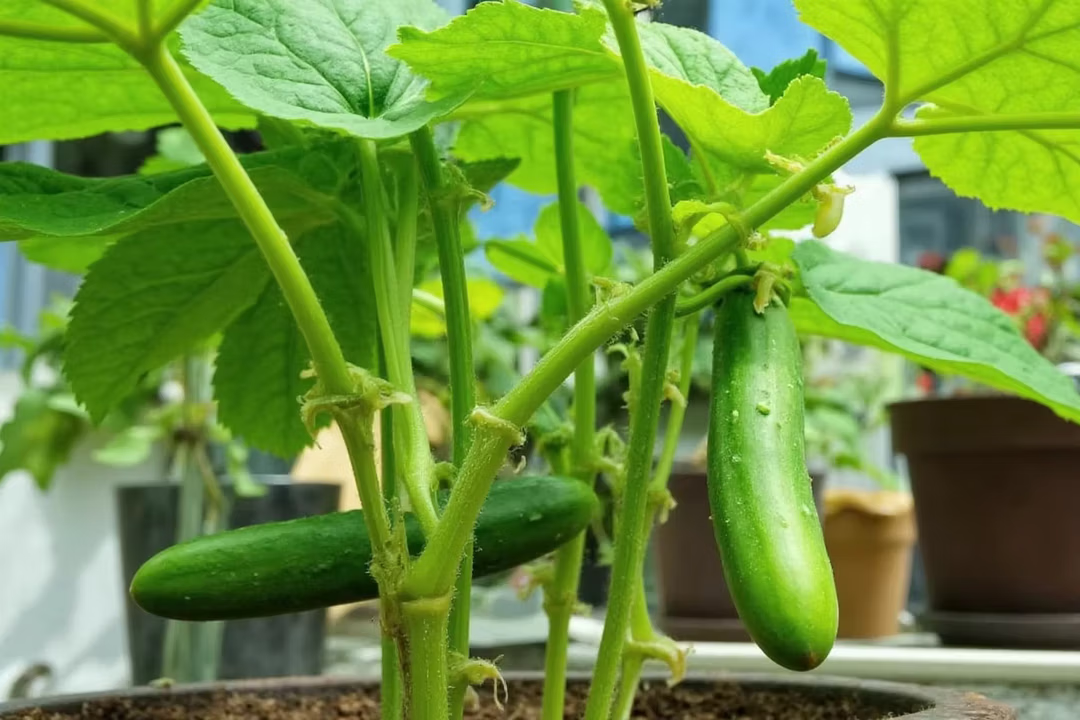
Cucumber Plant Care Guide: Growing Healthy Productive Plants
Cucumbers reward consistent care with fast growth and generous harvests when their basic needs are met. In this guide, you will learn how to prepare soil, water correctly, feed plants, prevent diseases, and harvest at the perfect time so your cucumber plants thrive all season long.
January 18, 2026
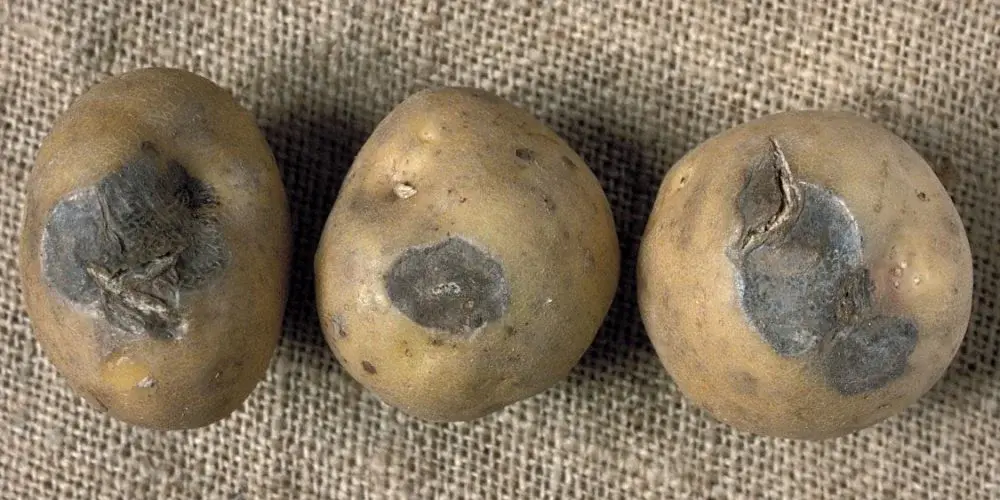
Potato Gangrene: Prevention, Identification and Control
Potato gangrene is a slow moving storage disease that turns seemingly healthy tubers into rotting losses weeks after harvest. It enters mainly through wounds, thrives in cool stores, and often hides as latent infection. Careful harvest, proper curing, clean storage, and timely fungicide treatments are essential to prevent serious damage.
January 18, 2026
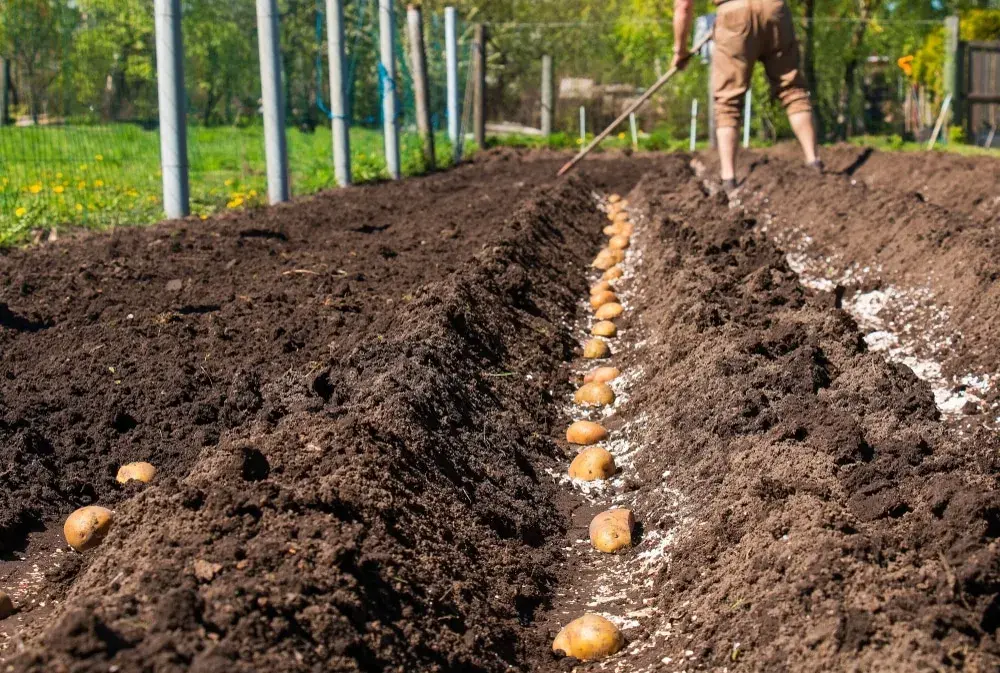
Potato Planting Depth: Guide to Optimal Spacing and Success
Potato planting depth dramatically affects emergence, yields, and quality. Plant seed pieces 4 to 6 inches deep using proper spacing of 10 to 12 inches between pieces. Determinate varieties prefer shallower planting while indeterminate varieties benefit from hilling. Adjust depth based on soil type and climate for optimal results and consistent harvests.
January 18, 2026
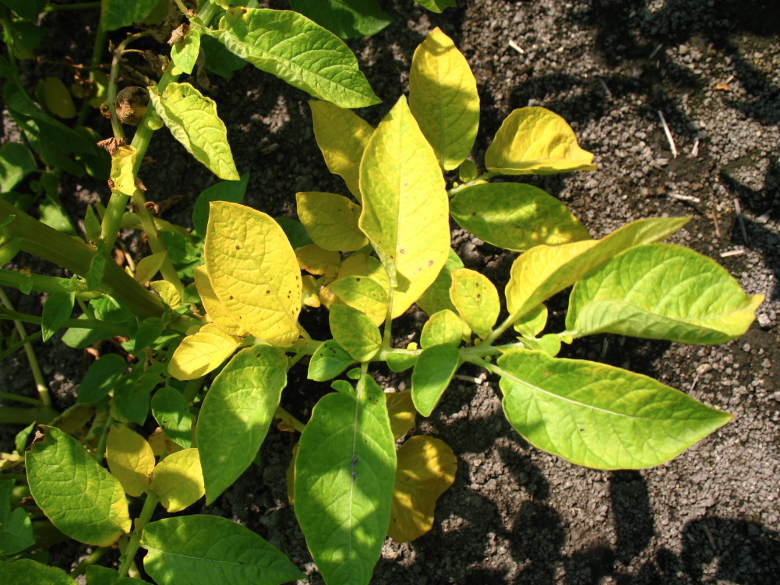
Potato Nutrient Deficiency: Identify, Diagnose and treat
Potato nutrient deficiencies limit yields and quality. Nitrogen deficiency causes yellowing on older leaves, phosphorus stunts roots, and potassium reduces disease resistance. Micronutrients like iron, boron, and zinc affect new growth. Soil testing before planting and tissue testing during season identify problems early. Foliar applications and split fertilizer applications quickly correct deficiencies.
January 17, 2026
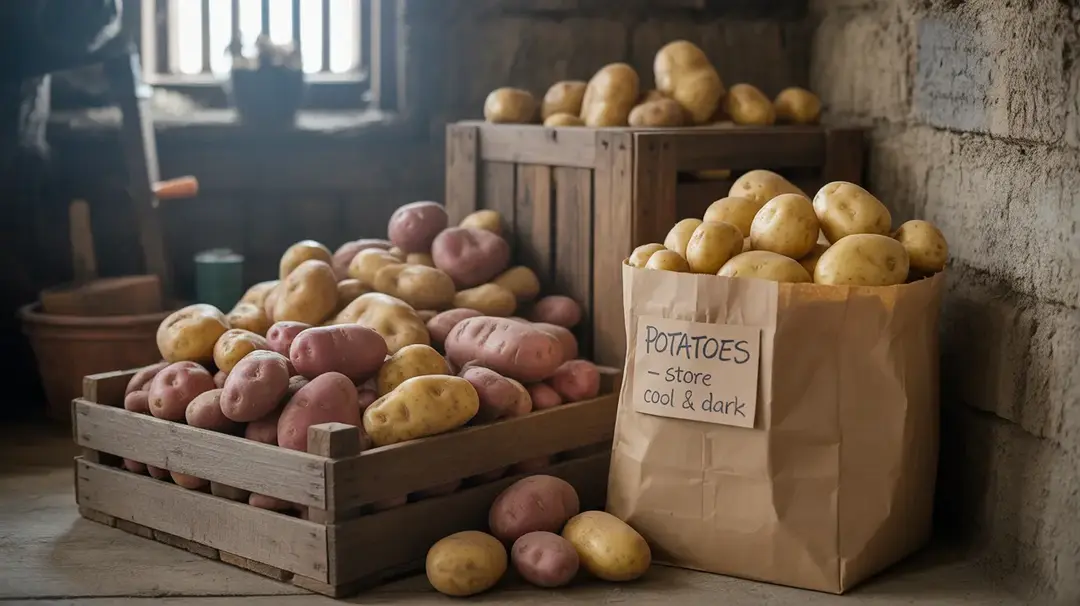
How to Store Potatoes: Keeping Them Fresh for Months
Properly stored potatoes last three to four months instead of weeks. Understanding temperature, light, and air circulation transforms storage from frustrating to impressive. This guide walks you through practical, science-backed methods to extend shelf life, maintain quality, and reduce food waste using strategies that work in real homes.
January 17, 2026
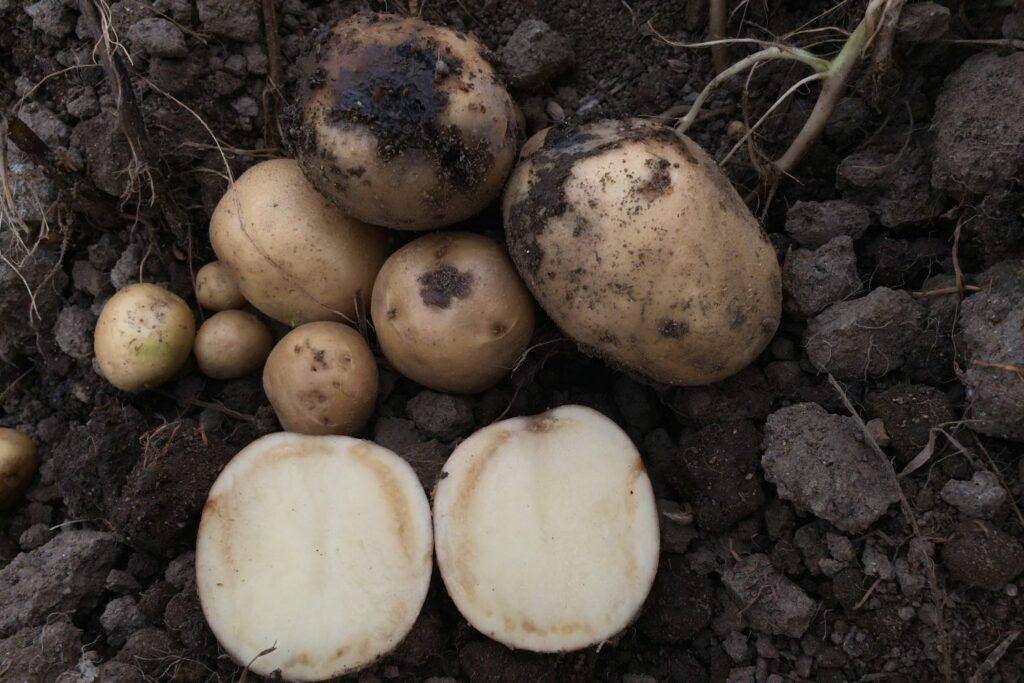
Potato Disease Identification: Detection and Prevention
Disease identification is the most overlooked potato problem. Gardeners often wait until plants collapse to recognize issues. By then, disease has spread throughout the crop. Early detection prevents disaster. Late blight collapses plants overnight. Early blight slowly defoliates. Verticillium wilt blocks water movement. Learning to spot these diseases early saves entire harvests.
January 17, 2026
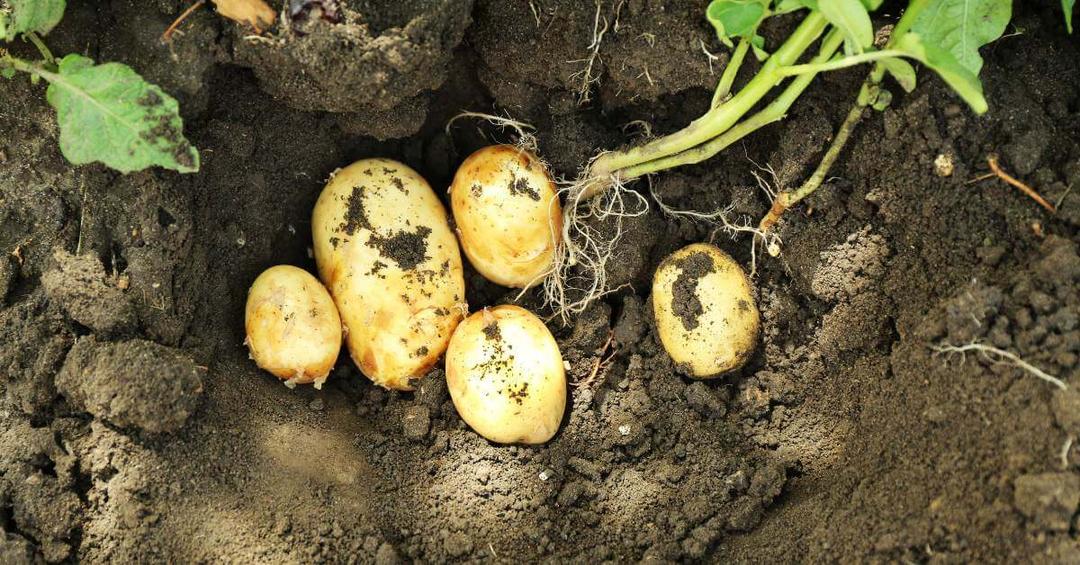
The Best Soil for Growing Potatoes
Most potato failures start in the soil, not at harvest. Gardeners spend money on seeds and fertilizers, then plant in wrong soil and wonder why yields disappoint. Perfect soil grows perfect potatoes. Sandy loam texture with acidic pH between 5.3 to 6.0 combined with organic matter creates ideal growing conditions for maximum yield.
Showing 136 - 144 of 237 articles