Disease identification is the most overlooked potato problem. Gardeners often wait until plants collapse to recognize problems. By then, the disease has spread throughout the crop. Early detection prevents disaster.
You might have perfect soil and excellent fertilizer. Your plants could start strong in spring. But if disease strikes without warning, months of work vanish in days. Late blight can collapse entire crops overnight. Early blight slowly defoliates plants throughout summer. Verticillium wilt wilts plants when they're most vulnerable. The difference between catastrophe and success often comes down to one thing: early identification.
This guide teaches you exactly what potato diseases look like. You'll learn to spot late blight before it spreads. You'll recognize early blight's distinctive patterns. You'll identify verticillium wilt's telltale wilting. By the end, you'll become a disease identification expert who stops problems before they destroy your harvest.
Late Blight: Identify and Stop the Most Dangerous Potato Disease
Late blight is the most devastating potato disease. This fungal pathogen caused the Irish potato famine. Today, it remains the single biggest threat to potato crops worldwide. Early identification is your only defense against rapid destruction.
What Late Blight Looks Like
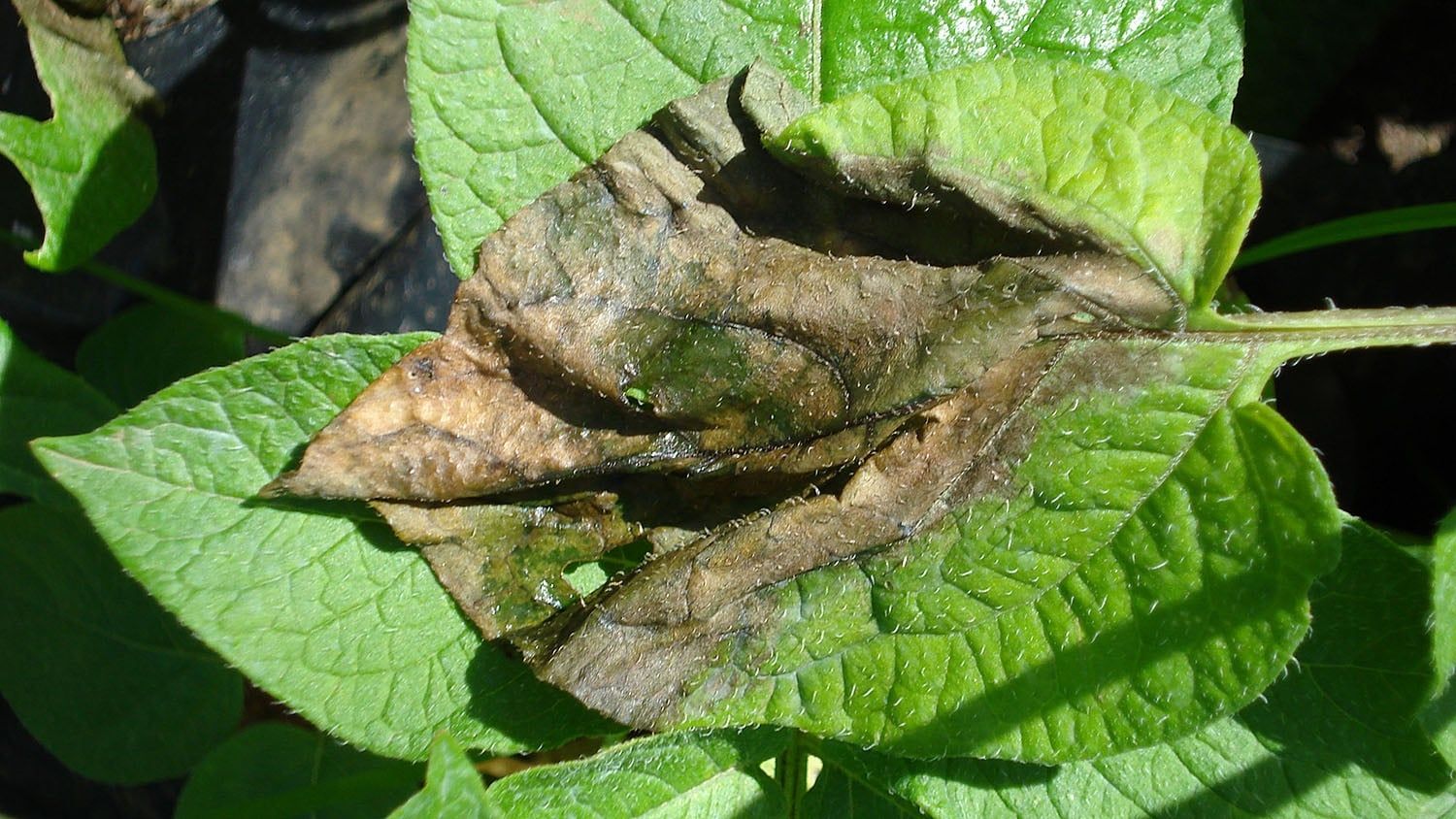
Late blight starts on lower leaves with dark green to brown spots. These spots expand rapidly over hours or days, becoming large, water-soaked, papery lesions. In humid conditions, white fuzzy growth (spores) appears on the undersides of affected leaves. This white growth is the pathogen producing spores that spread to other leaves and plants.
Stems turn dark brown and may show elongated lesions. The infection moves rapidly upward through the plant. In severe cases, entire plants turn black and collapse within days.
Tuber Damage and Storage Impact
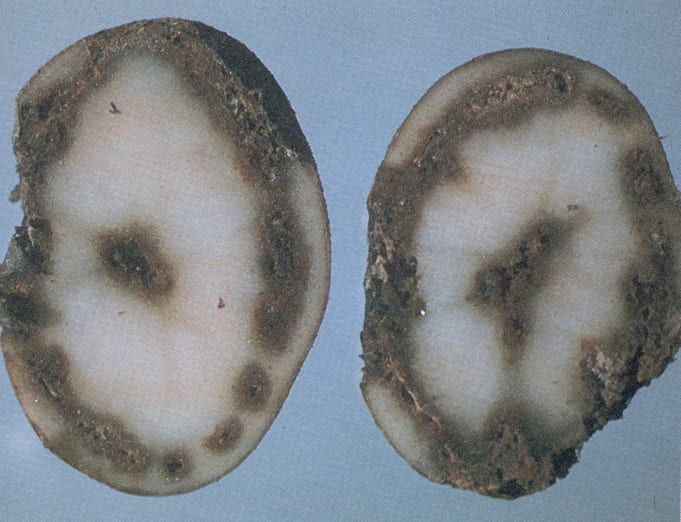
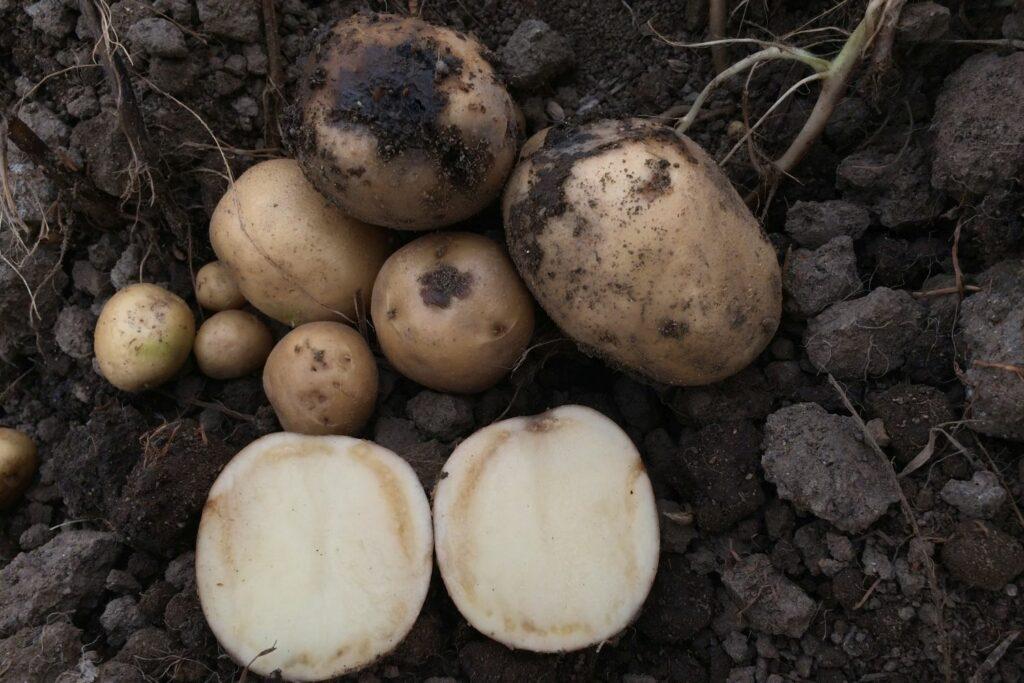
Brown or purple patches appear on potato skin where spores washed down from infected foliage. Inside the tuber, reddish-brown rot extends into the flesh. Unlike early blight's dry corky damage, late blight creates wet, mushy rot. Secondary bacteria enter through late blight damage, causing soft, smelly decay.
Infected potatoes rot in storage within weeks. One diseased tuber spreads decay to nearby potatoes. Entire storage containers fail from single late blight infections stored improperly.
When and Why Late Blight Strikes
Late blight spreads fastest in cool (50 to 70 degrees Fahrenheit), moist weather. High humidity or frequent rain accelerates the spread dramatically. The fungus needs water to release spores and infect leaves. Dry conditions slow spread. Wet conditions accelerate it.
Watch your summer weather patterns. Late blight pressure increases after rain. Overcast days with high humidity create ideal conditions. This is when to scout most carefully and consider preventive fungicide applications.
Discover Disease Instantly:
Unsure if your potatoes have late blight? Plantlyze analyzes photos and diagnoses diseases instantly. Get expert identification before problems spread throughout your crop. Visit Plantlyze.com to identify your plants today.
Early Blight: Recognize the Slow Progressive Disease
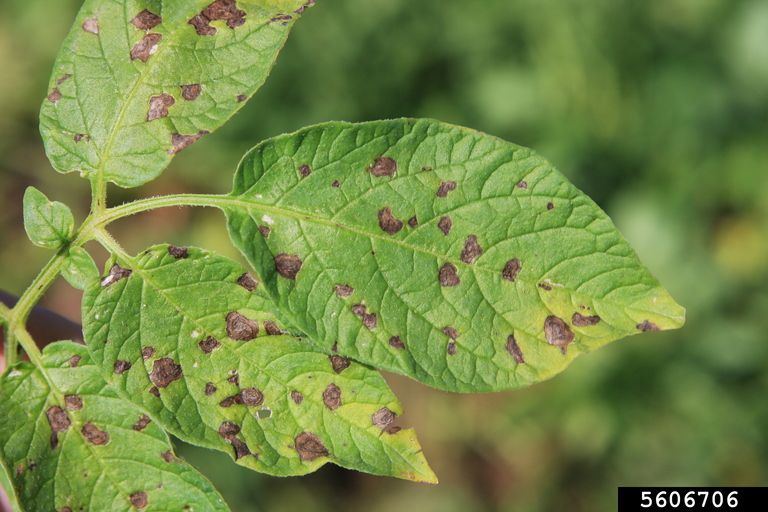
Early blight is less dramatic than late blight but equally damaging over time. This fungal disease slowly defoliates plants starting from the bottom and working upward. By late summer, infected plants may lose 30 to 50 percent of their foliage.
Spot Patterns and Distinctive Features
Early blight spots start as small, dark, papery flecks on older leaves. These spots grow into brown-black circular areas with distinctive target rings. These concentric rings of raised and depressed tissue are the pathogen's calling card. Yellow or greenish-yellow rings often border growing spots, creating a halo effect.
Spots are usually bordered by veins, creating angular patterns rather than perfect circles. This vein-following pattern helps distinguish early blight from other leaf spot diseases. Leaf yellowing surrounding the spots accelerates defoliation.
Tuber Symptoms and Storage
Tuber spots are dark, circular to irregular in shape. Edges are often raised and colored purple to dark metallic gray. Flesh under spots is brown, dry, leathery, and corky. Unlike late blight, early blight tuber spots rarely rot further or become mushy. The damage is mostly cosmetic but reduces market value and tuber quality.
Disease Progression Timeline
Early blight usually appears mid-season as plants mature and lower leaves naturally age. Symptoms start on lowest leaves and progress upward over weeks. Unlike late blight's rapid collapse, early blight slowly defoliates plants. This gives you time to respond and prevent complete plant death.
Later plantings or cooler regions may see early blight appear in late July or August. Warmer regions with humid springs may see it as early as June. Watch for the first spots on lower leaves and act immediately.
Verticillium Wilt: Spot the Vascular Wilting Disease
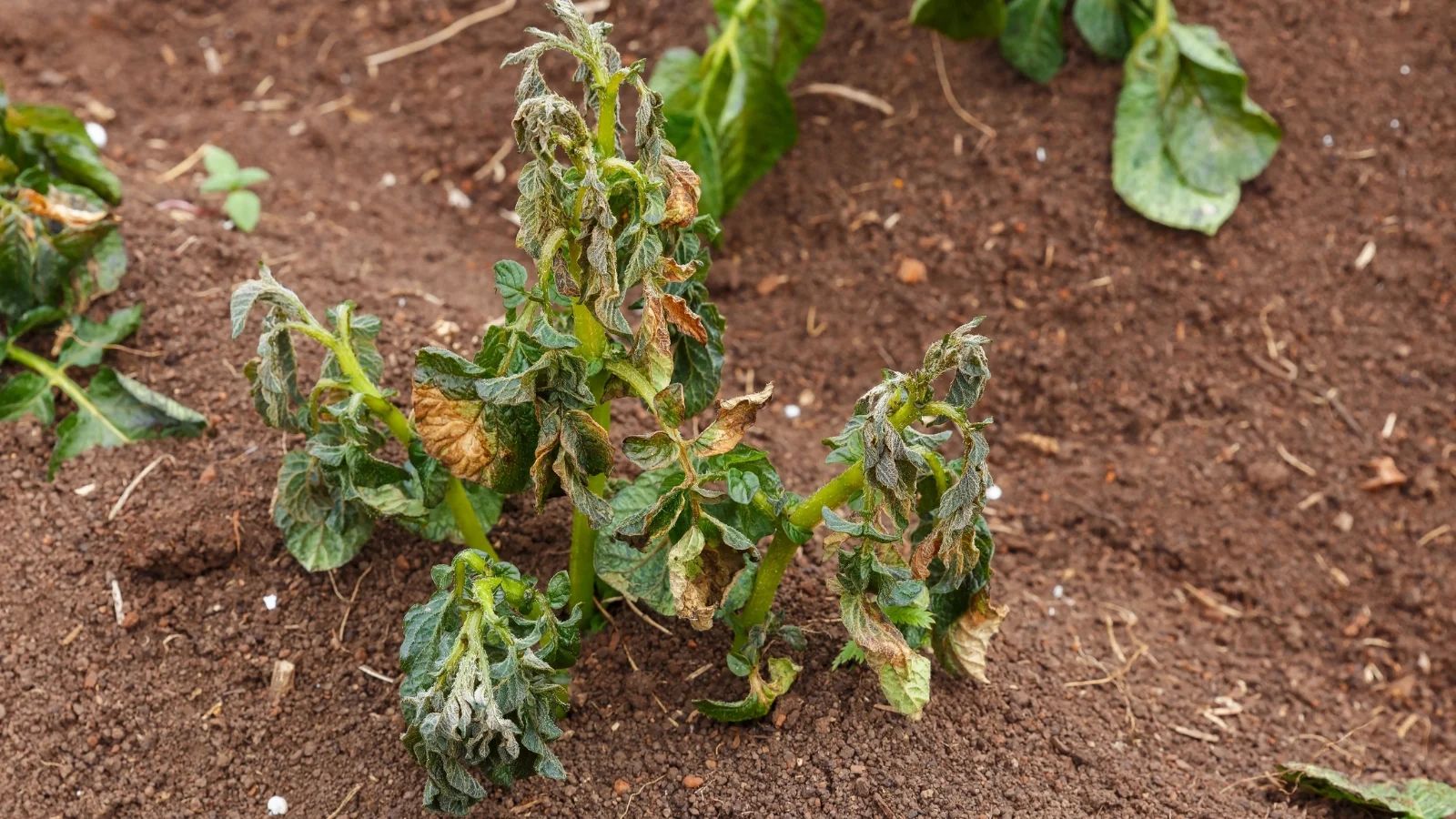
Verticillium wilt is caused by soil fungi that live in roots and damage the plant's water-conducting tissues. Unlike blights that attack leaves, verticillium attacks from within. The fungus enters roots and blocks water movement to leaves and stems.
Yellowing and Wilting Patterns
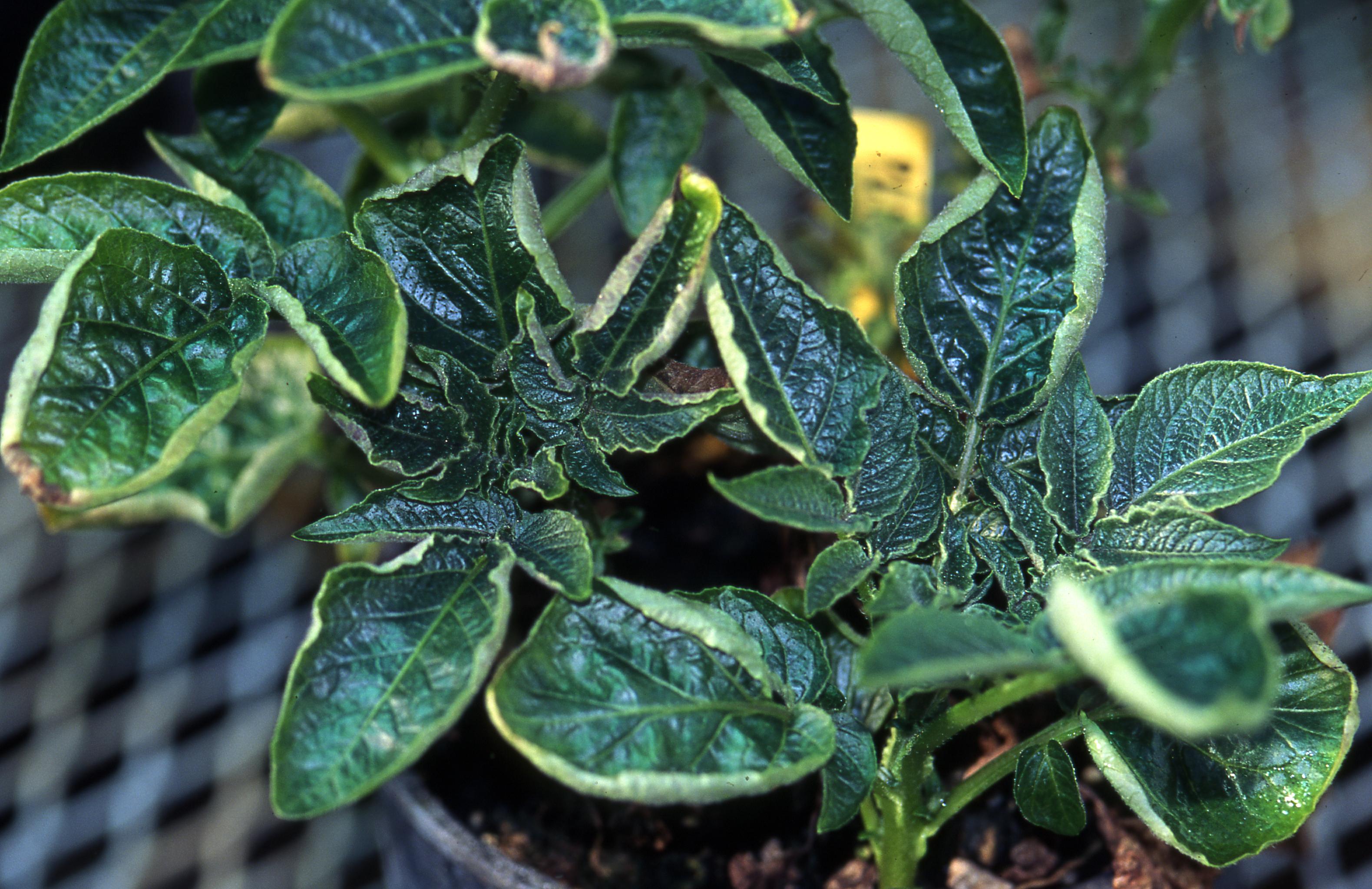
Verticillium wilt shows sudden yellowing of foliage, often appearing first on one side of the plant. Lower leaves yellow, wilt, and die while upper leaves remain relatively healthy. Wilting of leaflets on just one side of a petiole is a key diagnostic feature. The stem itself often remains erect rather than flopping over, which distinguishes it from other wilts.
One plant might show severe symptoms while neighboring plants look healthy. This uneven distribution reflects the fungus working through root systems at different rates.
The Diagnostic Vascular Browning
Cut infected stems at soil line and look inside. Water-conducting tissues (xylem) appear brown instead of white or green. This internal browning confirms verticillium wilt diagnosis. Some potato varieties show external stem streaking or browning as well. This vascular discoloration is pathognomonic (characteristic) for verticillium wilt.
Once you see brown xylem inside stems, verticillium wilt diagnosis is confirmed. No other common potato disease produces this distinctive internal browning.
Late-Season Expression and Persistence
Symptoms typically appear late August or early September. The fungus infects roots early in the season when potatoes first sprout. But root damage doesn't cause visible symptoms until tuber bulking stress hits plants in late summer.
The fungus persists in soil indefinitely. Diseased plants leave spores in the soil. Susceptible varieties planted in the same soil get infected. This is why crop rotation is essential for verticillium management.
Other Important Diseases: Rhizoctonia, Bacterial Soft Rot, and Scab
Rhizoctonia Black Scurf
Scabby, black pustules appear on tuber surface in clusters. These pustules are purely cosmetic and don't penetrate deep into the tuber. Underground, black lesions form on stems just below the soil line. Affected tubers are scuffed and discolored, reducing market appeal. Rhizoctonia thrives in cool, moist soil and survives on plant debris.
Bacterial Soft Rot and Blackleg
Stems blacken at the soil line and rot rapidly. Foliage yellows and wilts dramatically. Tubers become mushy and develop foul-smelling decay. Bacteria enter through wounds created during digging, handling, or storage. Careful harvesting techniques and storage at cool temperatures prevent this disease.
Common Scab
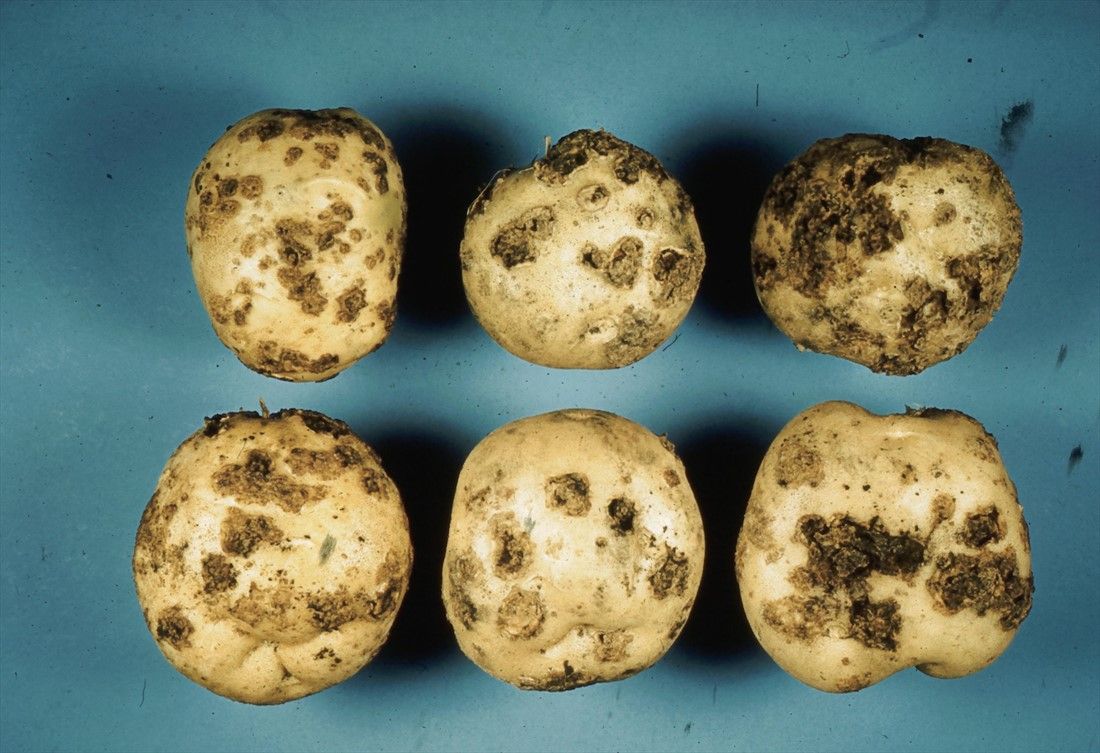
Corky lesions appear on tuber surface in shallow, circular formations. Lesions are often clustered together. Damage is mostly cosmetic and doesn't reduce storage life. Soil pH above 6.5 increases scab risk dramatically. Acidic soil (pH below 6.0) suppresses the scab pathogen naturally.
Prevent Diseases: Proven Strategies That Work
Use Resistant Varieties
Choose potato varieties bred for disease resistance. Disease-resistant varieties significantly reduce infection risk compared to susceptible types. Different regions have different disease pressures. Match variety resistance to your region's common diseases. A disease-resistant variety is your first defense.
Implement Crop Rotation
Never plant potatoes in the same location year after year. Rotate with non-host crops like corn, beans, or leafy greens. Three to four year rotations break disease cycles in soil. Verticillium and rhizoctonia persist in soil. Rotation starves these pathogens of susceptible hosts.
Practice Sanitation and Regular Monitoring
Remove and destroy infected plants immediately. Don't compost diseased material. Clean tools between plants to avoid spreading pathogens. Scout regularly for early symptoms. Early removal stops spread before disease becomes systemic. This proactive approach takes minutes weekly but returns huge dividends.
Stop Disease Spread: Response Protocol
Immediate Actions When Disease Appears
Remove infected plants and tubers completely. Don't leave diseased material in the garden. Dispose of properly through burning or trash, never composting. Isolate healthy plants from infected areas. Create physical distance between diseased and healthy plants.
Fungicide Timing and Application
Late blight fungicides work best applied before symptoms appear. Once spots appear, fungicides contain spread but don't cure existing damage. Apply every 7 to 10 days during cool, wet weather when late blight pressure is high. Copper or sulfur fungicides work for organic growers. Synthetic fungicides offer more options and faster action.
Harvest and Storage Protocols
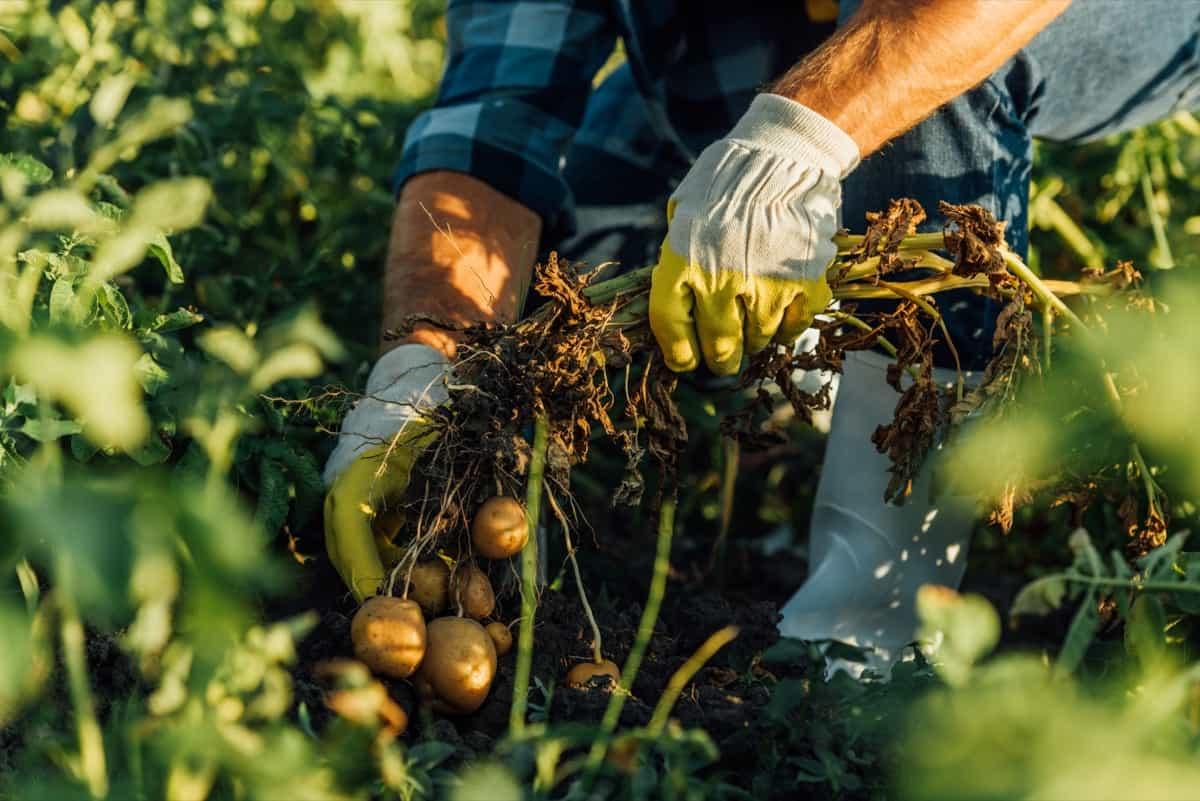
Harvest infected potatoes last to avoid spreading spores to healthy tubers. Disinfect harvesting equipment between potato patches. Never store diseased potatoes with healthy ones. One rotten potato spreads disease throughout storage. Separate infected tubers for immediate use or disposal.
Monitor for Diseases Early:
Catch diseases early with Plantlyze monitoring. Get alerts when symptoms appear before they spread throughout your crop. The earlier you identify diseases, the better your response options. Learn more at Plantlyze.com.
Detect Disease Early: Technology and Monitoring
Visual Monitoring Techniques
Scout plants weekly, especially during summer. Check leaf undersides for white growth or unusual discoloration. Look for yellowing patterns progressing from bottom to top. Examine stems for browning, blackening, or lesions. Take photos to track progression over time. Early visual detection saves entire crops from complete loss.
Weather Pattern Monitoring
Track rainfall and humidity patterns. Watch temperature trends throughout the season. Late blight pressure increases after rain. Verticillium expresses after stress periods like heat or drought. Weather data predicts disease risk. Use forecasts to time scouting and fungicide applications strategically.
Soil and Seed Monitoring
Use certified, disease-free seed potatoes. Non-certified potatoes carry hidden diseases that express later in the season. Test soil before planting. Know your soil's disease history. These upstream checks prevent problems downstream. Starting with clean seed and known soil conditions sets up success.
Become a Disease Identification Expert
Disease identification skills transform you from reactive gardener to proactive manager. You spot problems early. You respond quickly. You prevent complete crop loss. These monitoring skills take just minutes weekly but return enormous dividends in crop success and yield.
The most successful gardeners aren't the ones with perfect conditions. They're the ones who monitor closely and respond fast to problems. That's now you. Your disease identification skills will save your crop.
Ready to Protect Your Potato Crop?
Ready to protect your potato crop from disease? Plantlyze identifies diseases instantly from photos and recommends management strategies. Get early alerts when symptoms appear. Access expert diagnosis anytime, anywhere. Start your free disease identification at Plantlyze.com today and never lose a crop to unidentified disease again.
References
Royal Horticultural Society (RHS) -- https://www.rhs.org.uk/disease/potato-blight
UC IPM (University of California) -- https://ipm.ucanr.edu/agriculture/potato/verticillium-wilt/
University of Maine Extension -- https://extension.umaine.edu/publications/5041e/
Colorado State University -- https://ag.colorado.gov/potato-late-blight-history-impacts-and-prevention
University of Connecticut IPM -- https://ipm.cahnr.uconn.edu/early-blight-and-late-blight-of-potato/